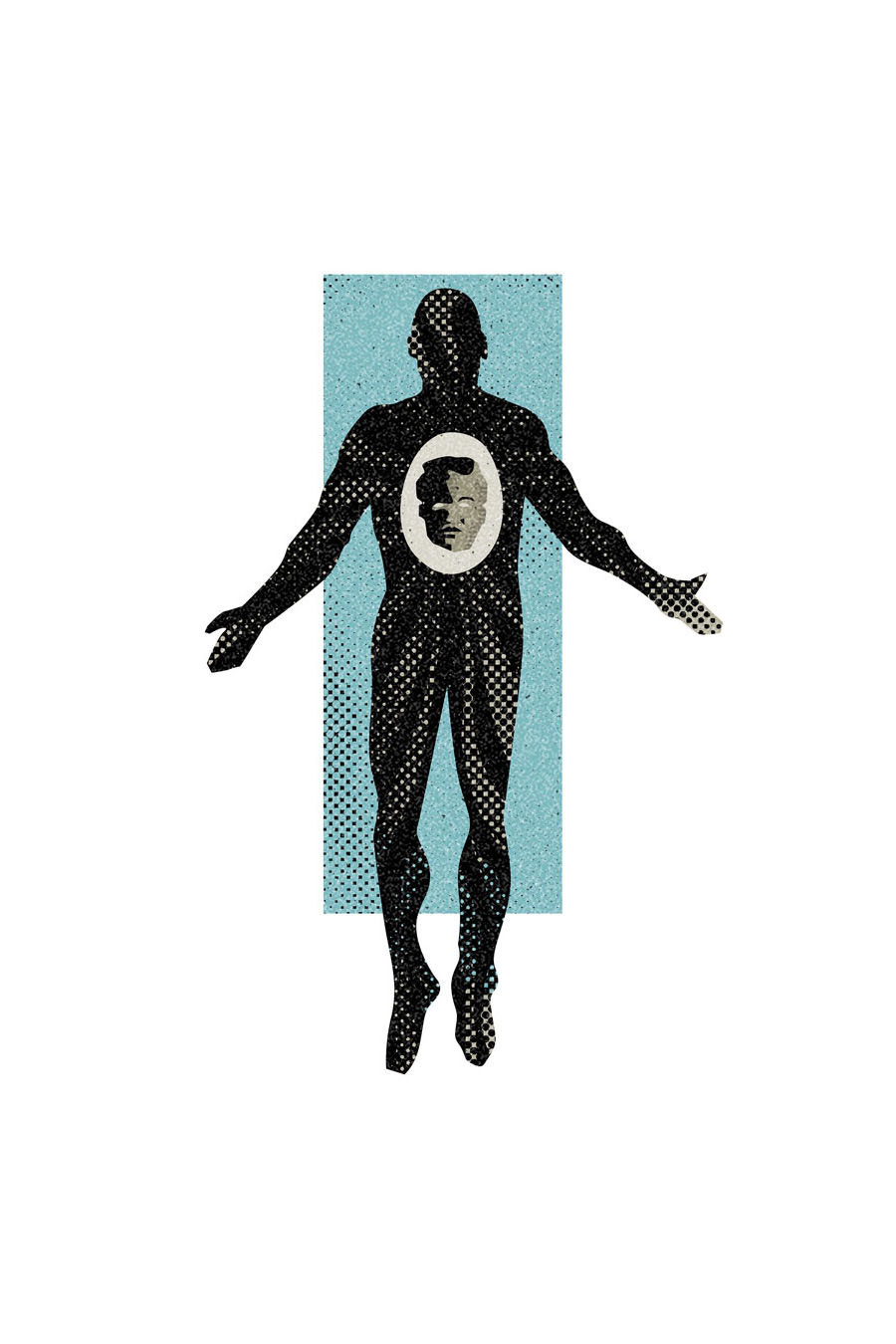
Shaman: The Mysterious Life and Impeccable Death of Carlos Castaneda

Overview unavailable.
Castaneda Front Matter
- Collects praise for Mike Sagerâs literary journalism, highlighting his vivid style, curiosity, and focus on overlooked people and subcultures.
- Lists Sagerâs other nonfiction and fiction books, including works on drugs, celebrity, war, crime, and American counterculture.
- Provides publication and copyright details for Shaman: The Mysterious Life and Impeccable Death of Carlos Castaneda.
- Introduces the bookâs subject: Carlos Castaneda as a disputed figureâvisionary shaman to some, fraud to othersâtold through accounts from people close to him.
P r a i s e f o r M i k e S a g e r
âSager plays V ir gil in the modern American Inferno . . . Compelling and
stylish magazine journalism, rich in novelistic detail.â
âKirkus Reviews
âLike his journalistic precursors T om W olfe and Hunter S. Thompson,
Sager writes frenetic, of f-kilter pop-sociological profiles of Americans in all
their vulgarity and vitality . . . He writes with flair , but only in the service of
an omnivorous curiosity and defies expectations in pieces that lesser writers
would play for satire or sensationalism . . . A Whitmanesque ode to teeming
humanityâ s mystical unity .â
âThe New Y ork T imes Book Review
âSager â s writing is strikingly perceptive. He writes like a novelist, stocking
his stories with the details and observations other journalists might toss
away .â
âKPBS Radioâ s âCulture Lustâ blog
âMike Sager writes about places and events we seldom get a look atâand
people from whom we avert our eyes. But with Sager in command of all the
telling details, he shows us history , humanity , humor , sometimes even
honor . He makes us glad to live with our eyes wide open.â
âRichard Ben Cramer , Pulitzer Prize-winning author of What It T akes:
The W ay to the White House
âMike Sager is the Beat poet of American journalism, that rare reporter who
can make literature out of shabby reality . Equal parts reporter , ethnographer ,
stylist, and cultural critic, Sager has for twenty years carried the tradition of
T om W olfe on his broad shoulders, chronicling the American scene and
psyche. Nobody does it sharper , smarter , or with more style.â
âW alt Harrington, author of Intimate Journalism
âI can recognize the truth in these storiesâtales about the darkest possible
side of wretched humanity . Sager has obviously spent too much time in flop
houses in Laurel Canyon.â
âHunter S. Thompson, author of Fear and Loathing in Las V egas
A l s o b y M i k e S a g e r
NONFICTION
Scary Monsters and Super Fr eaks: Stories of Sex, Drugs, Rock ânâ Roll, and
Mur der
Revenge of the Donut Boys: T rue Stories of Lust, Fame, Survival, and
Multiple Personality
The Someone Y ouâr e Not: T rue Stories of Sports, Celebrity , Politics &
Pornography
Stoned Again: The High T imes and Strange Life of a Drugs Corr espondent
V etville: T rue Stories of the U.S. Marines at W ar and at Home
The Devil and John Holmes: And Other T rue Stories of Drugs, Porn and
Mur der
Janetâ s W orld: The Inside Story of W ashington Post Pulitzer Fabulist Janet
Cooke
T ravels with Bassem: A Palestinian and a Jew Find Friendship in a W ar -
T orn Land
The Lonely Hedonist: T rue Stories of Sex, Drugs, Dinosaurs and Peter
Dinklage
T attoos & T equila: T o Hell and Back with One of Rockâ s Most Notorious
Fr ontmen
Hunting Marlon Brando and Other Stories: Five Decades in the American
Underbelly
FICTION
Deviant Behavior , A Novel
High T olerance, A Novel
Shaman: The Mysterious Life and Impeccable Death of Carlos
Castaneda

Copyright Š 2003, 2020 Mike Sager
All rights reserved. No part of this publication may be reproduced, stored in
a retrieval system, or transmitted, in any form or by any means, electronic,
mechanical, photocopying, recording, or otherwise, without the prior
written permission of the publisher .
Published in the United States of America.
Jacket design and illustrations by WBYK
www .wbyk.com.au
Interior design by Siori Kitajima, SF AppW orks LLC
www .sfappworks.com
Cataloging-in-Publication data for this book is available from the Library of
Congress.
ISBN-13:
Paperback: 978-1-950154-19-7
eBook: 978-1-950154-20-3
Published by The Sager Group LLC
www .TheSagerGroup.net
In conjunction with NeoT ext
www .NeoT extCorp.com
âCastaneda wasnâ t a common con man, he lied to bring us the truth. His
stories ar e packed with truth, though they ar e not true stories, which he said
they ar e . . . This is a sham-man bearing gifts, an ambiguous spellbinder
dealing simultaneously in contrary commoditiesâwisdom and deception.â
âCastaneda scholar Richard de Mille
Some say he was a breakthrough academic and
visionary shaman. Others say he was a sham.
Either way, he shaped a generation of mystical
thinkers and magic mushroom eaters. The
mysterious life and impeccable death of Carlos
Castaneda as told by his wife, his son, his
mistresses, and his followers.
The Followers' Night Vigil
- A couple known as 'the Followers' conducts a covert stakeout of a mysterious compound in Los Angeles belonging to a figure called 'the Sorcerer'.
- Greg Mamishian, a Vietnam veteran and electrician, provides the practical support and humor for their missions, valuing quality of life over material success.
- Gaby Mamishian, a German immigrant with a history of radical activism and spiritual seeking, serves as the visionary and strategist of the duo.
- The couple's shared obsession with the Sorcerer began after they were cast out of his inner circle, turning their 'missions' into a bonding ritual for their marriage.
- The operation is characterized by a blend of mystical belief and mundane reality, involving 'energy tracking' alongside McDonald's fries and stakeouts in a dusty Hyundai.
Gaby supplied the vision, the ideas, the tenacity. She read the omens, established the energetic connection, tracked the phantom, stood vigil against inorganic predators seeking to appropriate their energy.
The followers doused the headlights of their dusty blue Hyundai and
coasted into their regular spot, a no-parking zone diagonally across the
quiet intersection from the Sorcerer â s low-slung compound. It was a cool
T uesday evening in early August, just past eleven. The sky was unusually
clear for Los Angeles; the mystical heavens twinkled invitingly through the
tinted windshield of the ten-year -old compact. Crickets sang, a dog barked,
the engine ticked of f heat. They sat in silence for a few moments, enjoying
the powdery fragrance of the night-blooming jasmine, girding themselves
for another mission.
âY ou ready?â asked Greg Mamishian, scanning the compound for signs of
activity . He was a short man, fifty years old, with close-cropped gray hair
and an elfin sparkle in his eyes. A former Army helicopter mechanic with
the spare, sinewy body of a vegetarian, he had lived his entire lifeâ
excepting his stint in V ietnamâwithin a ten-mile radius. Self-employed as
an electrician, he worked, as a rule, only five hours a day , commute-time
included. He lived modestly in a rustic, two-room cabin with a wood stove
and no television in the pleasant wilds of T opanga Canyon, favoring quality
of life over a big paycheck, self-determination over the treadmill of
achievement and acquisition. A talented tinkerer with a fondness for silly
jokes, he was a rabid aficionado of slapstick comedy . âMongo only pawn in
game of life,â he liked to say about himself, quoting his favorite line from
the movie Blazing Saddles.
âI donâ t know ,â said his wife, Gaby , sitting behind the wheel. She checked
her watch, knitted her brow , a look of concern. âItâ s a little early . The
Ener gy T rackers might still be inside.â
Gaby was a tiny woman, five feet tall, thin and severe, with jet black
shoulder -length hair parted in the middle. Born in a small town in Bavaria
to a school teacher and his wife, she had come early to the conclusion that
life promised something infinitely more magical than her mother â s middle-
class dreams. Since her teens sheâd been on a constant search, exploring
philosophy , literature, religion, and politics, trying on a world view ,
shucking it, trying on something else. In her early twenties she was a
member of a radical group that contemplated a trip to Hanoi to stop the war .
Later , she joined an under ground team of Christians who smuggled
suitcases full of Bibles into Eastern Bloc countries. After living for a while
in Spain and throughout Europe, she immigrated to America to pursue
primal scream therapy . Over the next five years, she says, she âcried an
ocean of tears.â
For both of them, this was a second marriage. Though theyâd been together
six years, theyâd only recently tied the knot; these missions had been the
catalyst. Every couple needs a hobby , a binding interest. In an odd,
wonderful way , the Sorcerer had become theirs. They were, theyâd
discovered, one hell of a team. Greg had dubbed them the Followers. The
pun, of course, was intended.
Gaby supplied the vision, the ideas, the tenacity . She read the omens,
established the ener getic connection, tracked the phantom, stood vigil
against inor ganic predators seeking to appropriate their ener gy . It was she
whoâd first brought them into the Sorcerer â s world. And, it was she whoâd
been most hurt when they were cast out so unceremoniously from his inner
circle.
Gregâ s role was more focused on the practical. He came up with materials
and strategies, added support, enthusiasm, and unrelenting good humor , a
valuable quality on long, monotonous stakeouts fueled with green tea and
McDonaldâ s fries. Where Gaby seemed to be driven by deep personal
feelings she kept masked behind a cool, almost academic exterior , Greg was
more emotionally detached, someone whoâd come along for the ride and
The Sorcerer's Inner Circle
- Gaby and Greg reflect on their expulsion from a sorcerer's inner circle while maintaining their practice of ancient magical ways.
- Greg provides practical support and levity, having experienced vivid visions and the ability to shift his 'assemblage point' into other worlds.
- Gaby is driven by deep personal investment and has begun hearing the 'Emissary,' an internal voice of knowledge that guides her choices.
- The pair continues to practice 'Magical Passes' to gather energy, despite their estrangement from their former mentor.
- During a stakeout in Westwood Village, Gaby feels a growing sense of dread and a warning from her internal voice that something is wrong.
She was listening intently to one of the Sorcererâs three-hour monologuesâhighly entertaining affairs, think Lenny Bruce meets Fidel Castro meets Mescalito, the cricket-like being with a warty green head that embodies the spirit of peyote.
against inor ganic predators seeking to appropriate their ener gy . It was she
whoâd first brought them into the Sorcerer â s world. And, it was she whoâd
been most hurt when they were cast out so unceremoniously from his inner
circle.
Gregâ s role was more focused on the practical. He came up with materials
and strategies, added support, enthusiasm, and unrelenting good humor , a
valuable quality on long, monotonous stakeouts fueled with green tea and
McDonaldâ s fries. Where Gaby seemed to be driven by deep personal
feelings she kept masked behind a cool, almost academic exterior , Greg was
more emotionally detached, someone whoâd come along for the ride and
found himself hooked on the adventure, the giddy folly of it all. Maybe he
was never quite as invested as Gaby; commitment was not really his strong
suitâhe was a get-along kind of guy who always kept one foot on either
side of the line. Regardless, his vivid dreams had shown him something
special, something of the Second Attention she hadnâ t yet seen, couldnâ t
even imagine. Since heâd begun practicing the ancient ways of the Sorcerer ,
heâd grown adept at shifting his assemblage point. Heâd traveled to other
worlds, flown without wingsâheâd seen awesome, terrifying, beautiful,
incredible things, things that changed his life. So what if the Sorcerer had
once made fun of his sandals?
âWhat kind of Impeccable W arrior worries about time?â Greg asked in
typical fatuous style, turning toward Gaby . He raised one finger in the air ,
stating the elemental: âT ime, my dear , is irrelevant to luminous spheres like
ourselves.â
âI . . . donâ t . . . know ,â Gaby said hesitantly , ignoring his attempt at levity ,
glancing nervously across the street. She pinched her thin lips with her
thumb and first two fingers, something she always did when she was
stressed. Usually , her voice carried the hard residual edge of her German
accent. T onight, though, she sounded soft and anxious. Something was
bothering her . Something just didnâ t feel right.
One of the things that irked her most about their estrangement from the
Sorcerer was the fact that it had come at a time when she was beginning to
make real progress.
It had happened toward the end of an evening in the rented dance studio in
Santa Monica where the group practiced their Magical Passesâmartial art-
like movements designed to gather ener gy . She was listening intently to one
of the Sorcerer â s three-hour monologuesâhighly entertaining af fairs, think
Lenny Bruce meets Fidel Castro meets Mescalito, the cricket-like being
with a warty green head that embodies the spirit of peyoteâwhen a vortex
appeared behind the Sorcerer â s head, a kind of liquid swirl in the air , a
whirlpool, just behind him to the left.
Since then, the magic and the revelations had grown stronger and stronger .
Like Greg, over the months of their surveillance, she had continued to
practice the passesâthe pair had, in fact, just come from their regular
practice group, one of the hundreds of independent cells across the globe.
Lately , sheâd begun to notice this voice inside of herself, a voice beyond the
everyday chatter of the mind, a sort of anchor , a storehouse of knowledge.
The Sorcerer called it the Emissary . It answered her questions, guided her
choices. It told her unwaveringly this quest of theirs was supported by
universal intent.
It also told her , on this particular T uesday night in the summer of 1997, to
be careful. Something was dif ferent. Something was wrong. She could feel
it.
âLetâ s go,â Greg said impatiently , reaching for the door handle.
âLetâ s just wait a few more minutes, okay?â
The yellowish stucco compound occupied a lar ge corner lot in the tidy
neighborhood of W estwood V illage, not far from the campus of the
University of California, Los Angeles. A rambling, L-shaped building with
The Sorcerer of Westwood Village
- Followers Greg and Gaby conduct clandestine surveillance on a mysterious stucco compound in Los Angeles, sensing a shift in the 'universal intent' of their mission.
- The compound's architecture reflects shamanic duality, with separate entrances representing the 'Tonal' (known world) and the 'Nagual' (the mysterious unknown).
- The resident 'Sorcerer' is revealed to be Carlos Castaneda, a legendary counterculture author who claimed to be the last in a line of ancient Toltec shamans.
- Despite his global fame and millions of books sold, Castaneda maintained a mythic anonymity, claiming to live in the desert while actually residing in a quiet UCLA neighborhood.
- The surveillance mission aims to document a man who strictly forbade photographs or recordings as part of his philosophy of 'erasing personal history.'
- The followers are beginning to realize that the public persona of the 'Mexican bellhop' shaman is largely a fabrication at odds with his actual lifestyle.
The Sorcerer was also known as the Nagual, the last of a line of shamans stretching back thousands of years to the Toltecs.
choices. It told her unwaveringly this quest of theirs was supported by
universal intent.
It also told her , on this particular T uesday night in the summer of 1997, to
be careful. Something was dif ferent. Something was wrong. She could feel
it.
âLetâ s go,â Greg said impatiently , reaching for the door handle.
âLetâ s just wait a few more minutes, okay?â
The yellowish stucco compound occupied a lar ge corner lot in the tidy
neighborhood of W estwood V illage, not far from the campus of the
University of California, Los Angeles. A rambling, L-shaped building with
shallow peaks and a shingle roof, it had bars on the windows and a lar ge,
internal courtyard, all of it obscured from view by a 12-foot privet hedge
running along the street sides of the property .
From their parking place on the southwest corner of Pandora and Eastborne
A venues, the Followers could watch both gated entrances of the compound,
each of which had a dif ferent address. The right side, on Eastborne, seemed
to be used only by male visitors. According to the Sorcerer â s teachings, the
right side symbolized experiential knowledge, everything we knowâthe
T onal. The left side symbolized the mysterious, the unknownâthe Nagual.
The Sorcerer was also known as the Nagual, the last of a line of shamans
stretching back thousands of years to the T oltecs, the pre-Hispanic Indians
who inhabited the central and northern regions of Mexico prior to the
Mayans. The left entrance, on Pandora, was used by the Sorcerer and his
women: the three W itches, the Chacmools, the Blue Scout, the Electric
W arrior , and the other female members of the inner circle. The Followers
called it Pandoraâ s Gate.
T o the rest of the world, the Sorcerer was known as Carlos Castaneda. In
1968, at the height of the psychedelic age, he had published The T eachings
of Don Juan: A Y aqui W ay of Knowledge, the first of twelve books
describing his apprenticeship in the deserts of Mexico to an Indian shaman,
and his journeys to the âseparate realityâ of the sorcerersâ worlds. Like
Herman Hesseâ s Steppenwolf and Aldous Huxleyâ s The Doors of
Perception, The T eachings of Don Juan and its sequels became essential
reading for legions of truth seekers over the next three decades. Castaneda
himself became a cult figureâseldom seen, nearly mythological, a cross
between T imothy Leary and L. Ron Hubbard: a short, dapper , brown-
skinned, Buddha-with-an-attitude who likened his own appearance to that
of a âMexican bellhop.â
Though the Sorcerer had ten million books in print in seventeen languages,
he had lived in wily anonymity for nearly thirty years, doing his best, in his
own words, to become âas inaccessible as possible.â Most people figured he
had a house somewhere in the Sonoran Desert, where heâd studied with his
own teacher , a leathery old Indian brujo named Don Juan Matus, who had
taken his body and his boots and had disembarked in a flash of light for the
Second Attention many years ago, leaving Castaneda behind to close out
his line âwith a golden clasp.â
In truth, Castaneda had lived and written most of that time right here in
W estwood V illage, a neighborhood of students and professors not far from
Beverly Hills. As the Followers were beginning to discover , most of what
was generally believed about the Sorcerer was not remotely factual.
For the past eighteen months or so, at least three times a week, Greg and
Gaby had made these clandestine pilgrimages. They followed the Sorcerer
and his party to restaurants and movies, to inner -circle practice groups,
anywhere they could. They shot video at every opportunity . A major tenet
of the Sorcerer â s way was erasing personal history; he never allowed
himself to be photographed or tape recorded. The last major legitimate
interview heâd given was to T ime magazine in 1973; even they couldnâ t
persuade him to pose for a full-face picture. The esteemed newsweekly
The Sorcerer of Westwood Village
- Carlos Castaneda lived a secret life in Westwood Village despite his public persona as an elusive enigma.
- Followers Greg and Gaby conducted clandestine surveillance to document the Sorcerer, who strictly forbade photography or recordings.
- The surveillance was viewed by the participants as an amateur anthropological exercise and a way to seek their own 'nonordinary reality.'
- Castaneda's academic background at UCLA provided a framework for his followers to justify their intrusive behavior as an 'academic homage.'
- A chance encounter with a family of raccoons at 'Pandoraâs Gate' is interpreted by the followers as a symbolic or beckoning omen.
The story described Castaneda as âan enigma wrapped in a mystery wrapped in a tortilla.â
In truth, Castaneda had lived and written most of that time right here in
W estwood V illage, a neighborhood of students and professors not far from
Beverly Hills. As the Followers were beginning to discover , most of what
was generally believed about the Sorcerer was not remotely factual.
For the past eighteen months or so, at least three times a week, Greg and
Gaby had made these clandestine pilgrimages. They followed the Sorcerer
and his party to restaurants and movies, to inner -circle practice groups,
anywhere they could. They shot video at every opportunity . A major tenet
of the Sorcerer â s way was erasing personal history; he never allowed
himself to be photographed or tape recorded. The last major legitimate
interview heâd given was to T ime magazine in 1973; even they couldnâ t
persuade him to pose for a full-face picture. The esteemed newsweekly
ended up running an abstract drawing on the cover . The story described
Castaneda as âan enigma wrapped in a mystery wrapped in a tortilla.â
The Followers werenâ t sure, exactly , what they were after . They just felt
kind of compelled. And they wanted to know more.
On the one hand, what they were doing felt kind of tacky and intrusive, like
they were peeping toms or paparazzi, or maybe more like they were
children watching their parents have sex.
On the other , it felt like a legitimateâalbeit amateurâanthropological
exercise. The Sorcerer himself had earned a PhD in anthropology from
UCLA; his third book, Journey to Ixtlan, had served as his thesis. His own
journey had begun as an under graduate inquiry into ethnobotany , a study of
the natural hallucinogenic plants of the Southwest. In a way , the Followers
considered their activities a sort of academic homage. And besides, they
knew in their hearts their motives were pure, their ener getic connection was
strong and true. They meant no harm to the Sorcerer . Indeed, they liked
him. They respected him. They just wanted to be close. The Sorcerer
always talked about seeking nonordinary reality . It was hard to explain,
perhaps, but this was theirs.
At last, the Followers exited the Hyundai. They were dressed for the
occasion all in black. T aking care, they shut their respective doors quietly
and crossed the street.
They began at the Eastborne side of the property and walked northwest
along the exposed perimeter . As was their custom, they linked arms and
assumed a nonchalant posture, like a couple out for their customary
postprandial stroll.
Theyâd taken only a few steps when suddenly , out of the hedge in front of
them, a family of raccoons emer gedâtwo adults and two babies in a single-
file line.
Raccoons were certainly not uncommon in the area, but the Followers had
been to the neighborhood at all times of day and night and had never
noticed any before. They watched raptly as the furry critters perambulated
unhurriedly along the sidewalk, a darling little Disney grouping. The last
one in line was a bit plump. It struggled to keep up.
The Followers followed the raccoons around the corner , north on Pandora.
T wice, the second adult in line, the smallerâthe mother?âbroke rank,
circled around, coaxed the fat baby with her nose to hurry up, then went
back to her place in the line. When they reached the gate used by the
Sorcerer , the W itches, and the restâPandoraâ s Gateâthe raccoons turned
abruptly right and filed through the hedge. The father , the mother , the first
baby disappeared. The last one, the fat one, stopped and turned around. He
looked at Greg and Gaby for a long moment, a beckoning type of
expression, dark eyes sparkling from within his dark mask, as if to say:
âFollow me.â
The Secrets of Trash Night
- Greg and Gaby witness a family of raccoons enter the Sorcerer's compound through a hidden hedge gate, followed by an unsettling encounter with a black moth.
- The couple experiences a visceral, supernatural warning to 'Keep Out' but chooses to ignore the physical sensation of alarm.
- The pair has established a weekly ritual of stealing the Sorcerer's trash bags on Tuesday nights to study his private life.
- By analyzing the refuse in their Topanga Canyon cabin, they have pieced together a 'puzzle picture' of the mysterious man's daily existence.
- Their findings contradict the Sorcerer's public image of celibate solitude, revealing he lives with at least five women, including powerful 'Witches.'
- The act of 'liberating' the trash serves as a literal extension of their devotion to the Sorcerer's magical teachings.
He looked at Greg and Gaby for a long moment, a beckoning type of expression, dark eyes sparkling from within his dark mask, as if to say: 'Follow me.'
circled around, coaxed the fat baby with her nose to hurry up, then went
back to her place in the line. When they reached the gate used by the
Sorcerer , the W itches, and the restâPandoraâ s Gateâthe raccoons turned
abruptly right and filed through the hedge. The father , the mother , the first
baby disappeared. The last one, the fat one, stopped and turned around. He
looked at Greg and Gaby for a long moment, a beckoning type of
expression, dark eyes sparkling from within his dark mask, as if to say:
âFollow me.â
Greg took a step forward. The fat baby vanished through the hedge. Greg
took another step forward and bent down to see where heâd gone. Just then,
a lar ge black moth flew out of the hedge. It hovered in the air for a second
or two, right in front of his face, so close he could feel the disturbance of
the air , the flutter of tiny wings tickling the tip of his ample Armenian nose.
A palpable sense of alarm overcame him, a strong suggestion to Keep Out.
He stood up quickly , his eyes like saucers. âWhoa!â he exclaimed, a stage
whisper . âDid you see that?â
Gaby just looked at him. She couldnâ t even speak.
For several long moments the Followers stood riveted to their places on the
sidewalk.
Crickets sang. A dog barked. The leaves on a fig tree nearby rustled in the
breeze.
Greg and Gaby both felt a weird tingling sensation that moved up and down
their spines.
And then . . .
Nothing.
Crickets. The barking dog. The rustle of the leaves.
Greg looked at Gaby . Gaby looked at Greg. He raised his hands, palms up,
shrugged his shoulders. Then he nodded his head toward the Sorcerer â s
driveway , twenty feet to the north.
Gaby cut her eyes nervously toward the driveway , then back to Greg. She
took his arm. Slowly , they continued their stroll toward the driveway ,
toward the lar ge trash can at the curb.
Greg looked north, then south.
Coast clear , he opened the can and peered inside.
Grinning triumphantly , like an archeologist unearthing a pre-Cambrian pot,
he began removing bagsâthe usual white plastic household variety ,
secured at the top with twist-ties. He handed three bags to Gaby , took the
remaining four himself.
Neither Gaby nor Greg quite remembered which one of them had first come
up with the idea of taking the Sorcerer â s trash. It just sort of happened
spontaneously one night. By chance theyâd come to the compound on a
T uesday; trash cans were at curbs all over the neighborhood for collection
the next day . As the night dragged on, the Followers watched as a cast of
mar ginal characters combed through the neighborhood to dig for
recyclables.
If the homeless could rifle the Sorcerer â s trash, they figured, why couldnâ t
they?
And so T uesday nights became T rash Night. Every week, late in the
evening, after practicing their Magical Passes with a group of like-minded
(though less literal) followers at a rented dance studio in Santa Monica,
Greg and Gaby would drive the short distance to the Sorcerer â s compound
and liberate his trash.
Once home in their cabin in T opanga Canyon, theyâd light a fire in the
wood stove, sit on the floor before it, and begin studying the contents of the
bags, one at a time. Slowly , they put together a puzzle picture of the life of
the great and mysterious man. Whatever looked important or significant
they kept. Of the leavings, whatever could be burned went up in smoke.
As you would guess, the Followers learned a great many things from the
Sorcerer â s trash. They learned the septuagenarian Sorcerer , who was said to
live in celibate solitude, cohabituated with at least five womenâa fiftyish
caretaker; a young woman heâd adopted; two of the three W itches (powerful
practitioners and best-selling authors themselves, who claimed they had
also studied with Don Juan); and a disabled old woman who was said to
have been âener getically damagedâ many years ago during her studies with
Secrets in the Sorcerer's Trash
- Followers of the Sorcerer meticulously sifted through his trash to uncover the reality of his supposedly celibate and solitary life.
- The refuse revealed a household of luxury and excess, including designer clothing from Armani and Neiman Marcus, often found cut into pieces.
- Evidence suggested a complex web of aliases, legal documents, and health issues, including insulin syringes and prescriptions for phenobarbital.
- Trash findings exposed the Sorcerer's secret marriages to two of his 'Witches,' performed just two days apart in Las Vegas.
- The mundane itemsâDiet Pepsi, airline vodka bottles, and Julio Iglesias recordsâcontrasted sharply with the mystical image projected to the public.
- The scavenging operation was interrupted when a 'Chacmool'âa fierce member of the inner circleâcaught the followers in the act.
The Sorcerer and the W itches, who were in their sixties, ate a lot of chicken and eggsâthe mounds of bones and shells rankled the Follower â s vegetarian sensibilities and stunk up their tiny cabin.
they kept. Of the leavings, whatever could be burned went up in smoke.
As you would guess, the Followers learned a great many things from the
Sorcerer â s trash. They learned the septuagenarian Sorcerer , who was said to
live in celibate solitude, cohabituated with at least five womenâa fiftyish
caretaker; a young woman heâd adopted; two of the three W itches (powerful
practitioners and best-selling authors themselves, who claimed they had
also studied with Don Juan); and a disabled old woman who was said to
have been âener getically damagedâ many years ago during her studies with
Don Juan.
The Sorcerer and the W itches, who were in their sixties, ate a lot of chicken
and eggsâthe mounds of bones and shells rankled the Follower â s
vegetarian sensibilities and stunk up their tiny cabin. Also evident was a
fondness for ceramic snakes and Mexican earthenware. Someone in the
compound was clumsy: broken glasses, dishes, and electronics were
frequently observed. Clearly , several or many of the women in the
compound had a taste for fine clothesâArmani, Barneys, Neiman Marcus.
Often the discarded apparel had been cut into pieces. Sometimes pieces
remained intactâGaby often wore a pair of DKNY leggings and a beautiful
creamy leather jacket she remembered seeing on one of the W itches. A
corduroy jacket with leather elbow patches had belonged to the Sorcerer
himself. It fit Greg perfectly; he wore it everywhere, even to practice group.
It was his fondest possession.
The Sorcerer and the W itches favored wooden stick matches, possibly to
clear the smells in their bathroomsâgenerally the spent sticks were in bags
with the other bathroom trash. They appeared to enjoy word games,
anagrams, and crossword puzzles. They cut their own hair . There was mail
addressed to dozens of dif ferent peopleâover time, the Followers figured
each of the occupants of the compound had several dif ferent aliases.
They subscribed to the Nation and to the New Republic. They loved
German chocolates and Diet Pepsi, little airline bottles of vodka, Kotex
Lightdays pads. There were insulin syringes and acupuncture needles,
Chinese paper lanterns, red-handled garden clippers, a prescription for
phenobarbital, assorted baby blue boxes from T if fany & Co., literature on
health foods and liver cancer , check stubs and bank statements and legal
papers, copies of royalty checks, brochures for luxury yachts, ticket stubs
from a trip to Hawaii, communications from fans and detractors, tapes full
of answering machine messages, a list of home phone numbers for the
entire inner circle, brochures touting ecotours, and a bunch of tapes and
records by the Spanish crooner Julio Iglesias.
It was also evident that the Sorcerer was fond of getting married in Las
V egas. Discarded marriage certificates the Followers found in the trash
indicated the Sorcerer had legally married two of the W itches, in
ceremonies dated two days apart in September of 1993. A web-generated
computer check confirms the marriages, along with several others between
the W itches and male members of the inner circle, including the Sorcerer â s
literary agent, and the novelist and screenwriter Bruce W agner , who gave a
lengthy and obtuse interview for this story about his association with the
Sorcerer but refused to divulge specific details.
Now , on this cool T uesday night in August, loaded down with their latest
takeâa total of seven white plastic bags of trashâthe Followers walked
quickly south on Pandora, heading for their car .
As they passed the gate, Gaby spied a white-clad form leaving the house.
She stepped up her pace, but it was too late.
âHey! Stop!â
As commanded, the Followers froze and turned around slowly .
It was one of the Chacmools, a thirtyish woman with close cropped hair .
The Followers had come to know her during their time with the inner circle.
The Chacmools were named for the massive statues of âfierce dreamer
The Confrontation and Margaret Runyan
- The Followers are intercepted by a 'Chacmool'âone of the Sorcererâs fierce bodyguardsâwhile attempting to leave with bags of trash.
- Despite the confrontation, Gaby and Greg experience a strange, detached calmness and a sense of moral justification for their actions.
- The Chacmools are described as personal assistants who demonstrate 'Magical Passes,' which are aerobic movements with esoteric names.
- The narrative shifts to January 1960, introducing Margaret Runyan, a chief telephone operator with a sophisticated social life in Los Angeles.
- Margaret is depicted as a well-dressed, 'put together' woman of West Virginian origin who is currently entertaining a wealthy Jordanian suitor.
The Chacmool looked at Greg and Gaby with flames in her eyes. 'What do you think youâre doing?' she thundered indignantly.
takeâa total of seven white plastic bags of trashâthe Followers walked
quickly south on Pandora, heading for their car .
As they passed the gate, Gaby spied a white-clad form leaving the house.
She stepped up her pace, but it was too late.
âHey! Stop!â
As commanded, the Followers froze and turned around slowly .
It was one of the Chacmools, a thirtyish woman with close cropped hair .
The Followers had come to know her during their time with the inner circle.
The Chacmools were named for the massive statues of âfierce dreamer
guardiansâ standing watch at the Mayan pyramids of T ula and Y ucatan in
Mexico. Here in W estwood, Chacmools were the Sorcerer â s bodyguards
and personal assistants. At practice sessions and paid seminars, the
Chacmools demonstrated the Magical Passes, aerobic movements with
names like The Saber T ooth T iger Breath, The Being From the Ground, and
The Crustacean Long Form.
The Chacmool looked at Greg and Gaby with flames in her eyes. âWhat do
you think youâre doing?â she thundered indignantly .
âItâ s only trash,â Gaby said fiercely , rolling her r as Germans will do.
Oddly , she didnâ t feel nervous at all. In fact, she felt amazingly calm, as if
someone had disconnected the wires to her fight/flight response. Even her
perspective had shifted. It felt as if she wasnâ t present at all, like she was
watching the whole scene in third person.
The fierce Chacmool ripped the trash bags from Gabyâ s hands. She gestured
for Greg to put his down.
âY ouâll never get close to us again,â she hissed, gathering up the bags.
Thatâ s what you think, thought Gr eg. He, too, felt inor dinately calm. It was
as if they wer e getting a sign that what they wer e doing was wholly justified.
At that moment, he was sur e he was acting on the side of right.
Pulling perhaps from Charles Chaplin, Greg cocked his head and crooked
his arm. Gaby threaded her arm through his. T ogether , they walked
nonchalantly in the direction of their car .
After a few steps, Greg called back cheerily over his shoulder:
âT ell Carlos we said hello.â
***
There was a knock at the door , and Mar garet Runyan smiled quizzically at
her gentleman caller , a handsome Jordanian businessman sheâd been seeing
almost daily for the past two weeks. âNow who could that be at this hour?â
she sang coquettishly , in the style of the era. She set down her cup and
saucer , patted his knee, rose from the chintz-covered sofa.
Though sheâd lived in Los Angeles for nearly fifteen years, her voice still
carried the demure, lilting cadence of Charleston, W est V ir ginia. Sheâd
grown up on a dairy farm, the eldest of six children, her daddyâ s favorite, a
sickly little bookworm with jet black hair , Coke-bottle glasses, and
startling, gold-flecked blue eyes.
It was January 1960. Runyan had just returned from dinner with her
wealthy suitor at a fancy Middle Eastern restaurant. Theyâd sat on pillows
the floor , eating with their fingers, watching belly dancers, drinking copious
amounts of red wine.
Runyan shared her surname with her cousin, the writer Damon Runyon. At
thirty-nine, sheâd worked her way up to chief telephone operator at Pacific
Bell. She had porcelain skin and Cleopatra bangs, a short strand of pearls
around her neck. She was resplendent tonight, as always, in a clingy black
knit cocktail dress with a scoop neckline, a piece from the designer Clair
McCardle, who was very much in vogue at the time. Though she considered
herself unattractiveâowing mostly , one would guess, to the thick glasses
she wore to correct her nearsightednessâ Runyan was tall and lithe with an
ample bosom. In the retrograde parlance of the time, men would all the time
tell her how well she was âput together .â
The Enigmatic Margaret Runyan
- Margaret Runyan was a fashion-conscious professional who embodied an early prototype of the independent, postmodern woman.
- Despite two brief marriages to men who demanded she become a housewife, she prioritized her career and personal autonomy.
- She was deeply immersed in 'pseudo-sciences' and mystical philosophies, following the teachings of the lecturer Neville Goddard.
- Goddard's philosophy focused on 'controlled imagination' and the ability to alter reality by erasing personal history and tapping into the 'I AM'.
- The narrative introduces her complex relationship with Carlos Castaneda, a South American anthropology student she had been dating for five years.
- Runyan's life was a blend of high-fashion socialite aesthetics and a serious pursuit of esoteric spiritual knowledge.
The great failure of her early life, she would later confide, was thinking she had to marry a man in order to sleep with him.
Bell. She had porcelain skin and Cleopatra bangs, a short strand of pearls
around her neck. She was resplendent tonight, as always, in a clingy black
knit cocktail dress with a scoop neckline, a piece from the designer Clair
McCardle, who was very much in vogue at the time. Though she considered
herself unattractiveâowing mostly , one would guess, to the thick glasses
she wore to correct her nearsightednessâ Runyan was tall and lithe with an
ample bosom. In the retrograde parlance of the time, men would all the time
tell her how well she was âput together .â
Runyan lived rent-free in an apartment building owned by her aunt, a dress
designer . Runyan herself had been bitten at an early age by the fashion bug:
she spent much of her paycheck on clothes, a lar ge portion of which were
handmade by a South American seamstress. Y ears earlier , sheâd come close
to marrying the famous pulp-novelist Louis L âAmour . He penned beautiful
love poems to her but lacked an automobile; they went everywhere by bus
âshe wrote him of f prematurely as a failure. As it was, Runyan had been
engaged a number of times to rather eccentric men. Sheâd been married
twice, first to a poet and then to a Mafia-connected real estate tycoon. Both
men insisted she quit her job and become a full-time housewife. Neither
union lasted more than six months.
Runyan was an early prototype of a postmodern woman, who believed in
paying her own way and making her own decisions, living unbeholden to
anyone. The great failure of her early life, she would later confide, was
thinking she had to marry a man in order to sleep with him.
Runyan was also a prototype of another postmodern character , the New Age
Seeker . She had a keen interest in what were known at the time as the
pseudo-sciencesânumerology , astrology , parapsychologyâand she was
well-read in philosophy and religion and literature. Hermann Hesse and
Aldous Huxley were among her favorite writers. Her favorite historical
figure was The Buddha. She was an avid student of a popular mystic from
Barbados named Neville Goddard.
A spellbinding lecturer with legions of followers, Goddard believed a
person could alter the future and achieve personal goals through the
manipulation of their dreams, something he called âcontrolled
imagination.â Goddardâ s self-avowed personal goalâpromoted through
paid seminars, a weekly television show , and a popular self-published book
called The Searchâwas to jar his disciples out of the dangerous ruts of
their ordinary , real world perceptions: to help them, in his words, âT o Go
Beyond.â Goddard believed in erasing personal history , awakening the
untapped portions of the imagination, cutting ties with friends and loved
ones. He preached something he called the I AM, an invocation of the God-
like within all of us. Goddard was also said to be imbued with special
powers. Sometimes, when he lectured, his face appeared to glow . On
several occasions, it was said, he was spotted simultaneously in two
dif ferent places. He also claimed to have the ability to generate an
âener getic double,â a doppelganger existing in the same dimension.
Runyan clicked across the hardwood floor in her black pumps, peered
through the peep hole in the door of her fifth floor apartment.
Standing in the hallway in the dark olive suit sheâd bought him was the
short, dark-skinned, South American anthropology student sheâd been
dating for the last five years. He called himself Castaneda Arana, but he
was enrolled at UCLA as Carlos Castaneda. She hadnâ t seen him since just
before Christmas, when theyâd had a falling out. From the appearance of
the cozy scene inside her apartment, she hadnâ t been crushed by his
absence. She opened the door about eight inches, stuck her face through the
crack.
âCarlos!â she exclaimed. Her blue eyes, framed by her bangs, magnified by
The Magnetism of Carlos Castaneda
- Carlos Castaneda is introduced as a charismatic and intense South American anthropology student at UCLA with a complex, magnetic personality.
- His relationship with Margaret Runyan is defined by his overwhelming presence and his tendency to disappear for weeks at a time.
- Runyan describes social interaction with Castaneda as an exhausting experience, likening it to being hit by successive waves of pure energy.
- Despite his physical appearance not being classically handsome, Castaneda's storytelling and focused attention make Runyan feel uniquely understood.
- The narrative reveals the origins of their relationship, sparked by a chance meeting at a dressmaker's studio where Runyan was immediately smitten.
- A confrontation occurs at Runyan's apartment where Castaneda calmly insists on meeting her new friend despite her attempts to turn him away.
Social intercourse with him was a palpable, exhausting experienceâ'like being drenched by successive sets of huge waves of pure energy directed at me alone.'
short, dark-skinned, South American anthropology student sheâd been
dating for the last five years. He called himself Castaneda Arana, but he
was enrolled at UCLA as Carlos Castaneda. She hadnâ t seen him since just
before Christmas, when theyâd had a falling out. From the appearance of
the cozy scene inside her apartment, she hadnâ t been crushed by his
absence. She opened the door about eight inches, stuck her face through the
crack.
âCarlos!â she exclaimed. Her blue eyes, framed by her bangs, magnified by
her glasses, appeared enormous. âY ou didnâ t tell me you were coming by .â
âIâd like to meet your new friend,â he said calmly in his accented English.
Castaneda was a slim man, five foot five, with the broad nose, high
cheekbones, ample chest, and short legs of his high-country Indian
ancestors. A curly lock of brilliantined black hair hung down roguishly over
his forehead. His eyes were lar ge and brown; the left iris floated out a bit,
giving the impression he had one eye focused on something in the distant
beyond.
Though not handsome in a classical sense, Runyan found Castaneda to be
wildly charming and incredibly magnetic. He called her Mar garita or
Mayaya; it sounded so exotic when he whispered into her ear . Sometimes,
he would listen intently while she spoke, riveting her with his deep eyes,
seeming to drink in her soul. At other times, it was if he was alone on a
stage, in a spotlight only he could see, rif fing brilliantly , passionately ,
manically for hours at a clipâspeaking of his life, his art, his dreams and
fears and desires.
Castaneda was shy around people he didnâ t know , but he came alive in
more intimate settings. He had a gift for storytelling and an earthy sense of
humor , and he was so present, so absolutely directed, Runyan would later
say , that social intercourse with him was a palpable, exhausting experience
ââlike being drenched by successive sets of huge waves of pure ener gy
directed at me alone.â
Somehow , over the five years of their association, in his very odd, very
intense way , Castaneda had made Runyan feel like she was âthe only
woman on earth, the only person in the whole world who mattered, who
could possibly understandââexcept for those frequent periods when he
would disappear , often for weeks at time.
As sheâd come to learn, this was the tradeof f of being with Castaneda. In
certain respects, it made her feel terrible: Runyan really and truly loved
him, more than anyone before. He didnâ t have to give her anything or do
anything for her , she was just happy to be with him. When he was gone, she
felt as if something very important was missing.
In other respects, however , his erratic attentions suited her just fine. Sheâd
always had a problem with commitment. If he could be independent, then
so could she. She didnâ t like clingy men.
âI donâ t want you to come in,â Runyan said firmly , still speaking through
the partially opened door . âPlease go away . W eâll talk later .â
âNo,â Castaneda said. âI just want to come in and say hello, to speak with
your new friend for a few minutes.â
Runyanâ s will was never a match for Castanedaâ s. Since the first time sheâd
laid eyes on himâa brief, chance meeting at her dressmakersâ home/studio
âsheâd been deeply smitten.
The second time she saw himâsheâd called the dressmaker and insisted on
another fitting, hoping the dark stranger would be there againâthe two had
spoken briefly . He told her he was a painter , a writer , and a sculptor . He said
heâd love the opportunity to show her his paintings, or to do a bust of her in
terra cotta, his specialty . At an opportune moment, when the dressmaker
was out of the room, Runyan slipped Castaneda a copy of Goddardâ s book,
The Search, inscribed with her name and address, which sheâd just
happened to bring along to the fitting. âY ou must read this and tell me what
you think,â she said, laying on an extra dollop of southern lilt.
The Seduction of Carlos Castaneda
- Runyan uses the 'controlled imagination' techniques of Neville Goddard to manifest a relationship with Castaneda.
- Castaneda presents himself as a worldly artist with a dramatic, possibly fabricated, backstory involving an illicit birth in Italy.
- The couple immersed themselves in the 1950s Los Angeles beatnik scene, interacting with figures like Ginsberg and Kerouac.
- Castaneda displayed an early obsession with power and social mobility, idolizing Soviet Premier Nikita Khrushchev.
- Despite his lack of funds and various menial jobs, Castaneda maintained a dapper appearance and a sharp, eccentric intellect.
- The relationship was built on a foundation of shared intellectual interests, romantic poetry, and Castaneda's evolving personal mythology.
Goddard taught that the sleeping state sealed instructions given to the unconscious mind.
spoken briefly . He told her he was a painter , a writer , and a sculptor . He said
heâd love the opportunity to show her his paintings, or to do a bust of her in
terra cotta, his specialty . At an opportune moment, when the dressmaker
was out of the room, Runyan slipped Castaneda a copy of Goddardâ s book,
The Search, inscribed with her name and address, which sheâd just
happened to bring along to the fitting. âY ou must read this and tell me what
you think,â she said, laying on an extra dollop of southern lilt.
From that night on, Runyan practiced Goddardâ s techniques of controlled
imagination, hoping to summon Castaneda to her side. Every evening,
before she fell asleep, sheâd lie in bed and concentrate on her personal goal.
Goddard taught that the sleeping state sealed instructions given to the
unconscious mind. Dreams, he said, could become reality if properly
nurtured.
Six months later , at nine p.m. one Friday evening in June 1956, her goal
was finally realized. The doorbell rang and Castaneda walked into her
apartment, acting as if theyâd met only yesterday . Their involvement would
span the next decade and a half.
Castaneda was ten years younger than Runyan, a sophomore at Los Angeles
Community College, majoring in psychology .
He told her heâd been born in Italy on Christmas Day , 1931, the product of
an âillicit unionâ between a sixteen-year -old student at a Swiss finishing
school and a visiting Brazilian professor . Shortly after his birth, he said, he
was taken by his maternal aunt back to SĂŁo Paulo to be raised. At fifteen,
after being expelled from a prestigious private school, heâd begun traveling
the world, studying art in Italy , Montreal, and New Y ork before coming to
Los Angeles to continue his education. He also said he was a veteran of
U.S. Army Intelligence. He was vague about his service, mentioning both
Korea and Spain; a long ugly scar stretching from his abdomen to his groin
was the result of a bayonet wound, he said.
Castaneda and Mayaya seemed a perfect matchâtwo passionate, keen,
eccentric minds whoâd been lucky enough to cross paths. Though
Castaneda had very little moneyâto support his studies, he worked
variously as a cab driver , a grocery stock clerk, a liquor delivery man, an
artist for Mattel toys, and an accountant in her dressmaker â s shopâRunyan
was comfortable and generous. They attended concerts and plays, lectures,
readings, and art openings. They frequented the beatnik cof fee houses that
had begun to spring up along Hollywood Boulevard, rubbing shoulders with
Allen Ginsber g and Jack Kerouac. Gradually , Castanedaâ s interest in
painting and sculpture began to fade; he took to carrying a three ring binder
with him everywhere, filling it with romantic poetry and prose. One of his
poems won a contest and was printed in the LACC student newspaper .
Castaneda had a particular fondness for movies: Ingmar Ber gman classics,
B-grade horror pictures, Russian films. He was fascinated by all things
Russian, particularly Soviet Premier Nikita Khrushchev , who had recently
taken power in Moscow . In Castanedaâ s eyes, Khrushchev was a
determined leader who had come up from the bottom rung of society to
grab the reins of one of the most powerful countries in the world. Over
time, Castaneda developed a fantasy that Runyan would one day meet the
great man. T o this end, he encouraged her to take her college entrance
exams, then helped her enroll in a night-school, where she began taking
classes to learn Russian. She would continue her studies for several years
and become proficient. The Khrushchev meeting never came to fruition.
A dapper man who favored fedoras and pastel Don Loper shirts, nicely
pressed slacks and highly polished shoes, Castaneda cut his own hair and
The Evolution of Castaneda
- Castaneda cultivated a meticulous personal image, blending high fashion with frugal self-tailoring while frequently altering the details of his past.
- Despite his social aspirations, he struggled with insecurities regarding his ethnicity and physical appearance within his university community.
- His intellectual life was defined by late-night 'bull-sessions' focused on parapsychology, astral projection, and the works of Aldous Huxley.
- The publication of 'The Sacred Mushroom' by Andrija Puharich served as a pivotal influence, shifting his academic focus toward anthropology.
- He became obsessed with the concept of 'nonordinary reality' and the use of psychotropic plants in ancient shamanistic rituals.
- Castaneda identified deeply with individuals who claimed to channel ancient personas or access subconscious states through hypnosis and ritual.
The cozy, spirited gatherings, usually held at the apartment of a friend, would run into the wee hours, fueled by Castanedaâs favorite wine, Mateus RosĂŠ, which he jokingly referred to as 'my most valuable teacher.'
determined leader who had come up from the bottom rung of society to
grab the reins of one of the most powerful countries in the world. Over
time, Castaneda developed a fantasy that Runyan would one day meet the
great man. T o this end, he encouraged her to take her college entrance
exams, then helped her enroll in a night-school, where she began taking
classes to learn Russian. She would continue her studies for several years
and become proficient. The Khrushchev meeting never came to fruition.
A dapper man who favored fedoras and pastel Don Loper shirts, nicely
pressed slacks and highly polished shoes, Castaneda cut his own hair and
tailored his own clothes. Heâd add months of wear to a shirt by removing a
frayed collar , turning it inside out and then sewing it back on, a skill heâd
learned, depending which version he told, either in the army or while living
with a band of gypsies in Italy . Like many of his stories, the details
sometimes changed.
He was partial to Mexican food, dim sum, pizza, long walks on the beach,
nightclubs, and fine department stores. In a university community populated
overwhelmingly with Caucasians, he seemed insecure about his height, his
thick accent, his dark skin. On occasion, for reasons Runyan could never
fathom, he told people he was a Hasidic Jew . Another thing she could never
fathom is why they never had intercourse. Though Castaneda avidly
enjoyed giving her pleasure orally , it went no further .
Having been exposed by Runyan to her favorite writersâHuxley , Hesse,
Goddard, and J. B. Rhine, âthe father of modern parapsychologyââ
Castaneda became an avid participant in âbull-sessionsâ with their
increasing circle of like-minded friends, holding forth on subjects ranging
from astral projection to trance running to ESP . The cozy , spirited
gatherings, usually held at the apartment of a friend, would run into the wee
hours, fueled by Castanedaâ s favorite wine, Mateus RosĂŠ, which he jokingly
referred to as âmy most valuable teacher .â His favorite subject, hands down,
was Huxleyâ s experiments with mescaline and alternate realities; he chose
the topic for a term paper for his second-year English class at LACC.
After he received his associateâ s degree, Castaneda enrolled in the
anthropology department at UCLA, a change of direction influenced by the
publication of a book called The Sacred Mushroom, by Andrija Puharich.
The book dealt with Puharichâ s work with a Dutch sculptor who could
recall vivid details of his past life in ancient Egypt. Placed under deep
hypnosis, the sculptor became Ra Ho T ep, a Fourth Dynasty shaman who
spoke a lost Egyptian dialect.
Puharichâ s work with Ra Ho T ep revealed that the ancient shamanistic
phenomenon of leaving the body was linked to the use of the sacred
mushroom, Aminita Muscaria. As part of his study , Puharich interviewed
the anthropologist Gordon W asson, an expert on drug use among primitive
mystics. W asson told of an ancient mushroom cult that still existed in
remote regions of the Mexican desert, in which curanderos, or sorcerers, ate
psilocybin mushrooms in healing and divination ceremonies. Of particular
interest to Castaneda was the fact that Puharich had also involved Aldous
Huxley in his experiments. W ith Huxley in attendance, Ra Ho T ep had
requested and was given some sacred mushrooms, and then proceeded
through the motions of an ancient ritual. Puharichâ s book also included
conversations with anthropologist J. S. Slotkin, who specialized in the study
of the Native American Church, which used peyote to reach dream states of
nonordinary reality .
These notions of nonordinary reality appealed to Castaneda. He identified
strongly with the Dutch sculptor who brought forth Ra Ho T ep from his
subconscious, a man named Harry Stone. Like Stone, Castaneda was a
Castaneda's Quest for Nonordinary Reality
- Castaneda was deeply influenced by the works of Puharich and Huxley regarding ancient rituals and the use of hallucinogens to reach nonordinary reality.
- Struggling with feelings of inadequacy and the monotony of a 'brown paper bag' life, Castaneda sought a path to reach his untapped potential.
- A university assignment on ethnobotany prompted Castaneda to search for an indigenous informant in the Sonoran Desert to secure an easy grade.
- In a sudden and impulsive moment of jealousy or realization, Castaneda proposed marriage to Margaret Runyan after being challenged by a rival suitor.
- Years later, Castaneda used poetic and mystical language to entice Gloria Garvin, promising to help her 'soar' beyond her metaphorical cage.
âYou have always been like a bird, like a little bird in a cage,â he said, projecting his voice above the rush and pound of the waves.
requested and was given some sacred mushrooms, and then proceeded
through the motions of an ancient ritual. Puharichâ s book also included
conversations with anthropologist J. S. Slotkin, who specialized in the study
of the Native American Church, which used peyote to reach dream states of
nonordinary reality .
These notions of nonordinary reality appealed to Castaneda. He identified
strongly with the Dutch sculptor who brought forth Ra Ho T ep from his
subconscious, a man named Harry Stone. Like Stone, Castaneda was a
foreigner in America, shy and insecure, whoâd been trying to no avail for
almost a decade to establish himself as an artist. The idea of never reaching
his potential frightened Castaneda. He often complained to Runyan about
the routine sameness of his very ordinary life, how he got up every
morning, went to class, went to work, came home, started over again the
next day . It was not the kind of future heâd envisioned, a lifetime toting his
lunch to work in a brown paper bag. There had to be something more.
Soon after , Castaneda found himself in an under graduate anthropology class
called California Ethnography . Needing a topic for a term paper , he decided
to go back to the well, to continue to look at the work of Puharich, Huxley ,
W asson, and Slotkin. Honing his topic further , he settled on an ethno-
botanical study of the natural hallucinogenic plants of the American
Southwest.
The professor â s assignment promised an A to anyone who actually went
into the field and found an authentic indigenous informant to interview .
Now , on this January evening in 1960, several weeks since their last
meetingâduring which time, heâd say , he was roaming the Sonoran Desert
in search of an indigenous informantâCarlos stepped through Mayayaâ s
doorway and slipped past her into her living room, where he came face to
face with her gentleman caller , a wealthy Jordanian businessman sheâd been
seeing daily for the past two weeks.
The two men chatted amiably for a few minutes, and then the subject turned
to Runyan, who had resumed her place on the overstuf fed chintz sofa, next
to the Jordanian. His name was Farid A weimrine. He was the brother of
another man Runyan had dated in the past; theyâd met at a Christmas party .
Castaneda continued to stand.
âY ou know ,â said Farid, âI would have married Mar garet the first night I
met her if my divorce had been final.â
âOver my dead body!â Castaneda said, indignant.
âW ell why havenâ t you married her?â Farid asked.
Castaneda looked puzzled for a moment. âY ou know ,â he said at last,
somewhat wistfully , âI never thought of that.â
He turned to Runyan. âCome on, Mayaya! W eâre getting married tonight!â
***
On a winter afternoon in 1973, on a beach near Malibu, Castaneda sat side
by side with Gloria Garvin, a blanket wrapped cozily around their
shoulders. The sun was low on the horizon, a blood-orange ball. W ispy
clouds glowed pink and magenta against the perfect cerulean sky . Seagulls
swooped overhead, calling and complaining; sandpipers skittled on stick
legs across the sand; surfers in wet suits worked a left-hand break a quarter
mile of fshore.
Castaneda took Garvinâ s hand tenderly in both of his and gazed into her
startling, gold-flecked blue eyes.
âY ou have always been like a bird, like a little bird in a cage,â he said,
projecting his voice above the rush and pound of the waves. âY ou are
wanting to fly , youâre ready , the door is openâbut youâre just sitting there.
I want to take you with me. Iâll help you soar . Nothing could stop you if
you come with me.â
Garvin was 26 years old, petite with porcelain skin. She wore her hair in
Cleopatra bangs. An attractive young woman whoâd heard her share of
come-on lines during her hippie wanderings of the late sixties, no one had
ever spoken to her quite like Castaneda did. She realized what he was
saying, how it soundedâit was kind of corny , really , the sort of drivel
The Magic of Castaneda
- Carlos Castaneda uses romantic, almost cinematic language to recruit Gloria Garvin into his spiritual circle.
- Garvin recognizes the clichĂŠ nature of Castaneda's words but finds them uniquely transformative and magical in person.
- The narrative traces Garvin's introduction to Castaneda's work back to a drug-fueled afternoon in a Haight-Ashbury Victorian house.
- Castaneda's 'The Teachings of Don Juan' is described as a blend of Hemingway's style and magical realism that perfectly captured the 1960s zeitgeist.
- The book details an apprenticeship with a Yaqui sorcerer, blurring the lines between anthropology and psychedelic fiction.
- The text highlights the sensory richness of Castaneda's writing, from the taste of peyote to encounters with the entity Mescalito.
You have always been like a bird, like a little bird in a cage; you are wanting to fly, youâre ready, the door is openâbut youâre just sitting there.
legs across the sand; surfers in wet suits worked a left-hand break a quarter
mile of fshore.
Castaneda took Garvinâ s hand tenderly in both of his and gazed into her
startling, gold-flecked blue eyes.
âY ou have always been like a bird, like a little bird in a cage,â he said,
projecting his voice above the rush and pound of the waves. âY ou are
wanting to fly , youâre ready , the door is openâbut youâre just sitting there.
I want to take you with me. Iâll help you soar . Nothing could stop you if
you come with me.â
Garvin was 26 years old, petite with porcelain skin. She wore her hair in
Cleopatra bangs. An attractive young woman whoâd heard her share of
come-on lines during her hippie wanderings of the late sixties, no one had
ever spoken to her quite like Castaneda did. She realized what he was
saying, how it soundedâit was kind of corny , really , the sort of drivel
usually reserved for the well-thumbed pages of her mother â s romance
novels. But somehow . . . somehow , it didnâ t come across that way at all.
Somehow when the words came from his mouth they were new and
magical and moving. She felt transfixed.
Gloria had first heard of Carlos Castaneda on a cold day in early 1969, at a
long table in the dining room of an old V ictorian townhouse in Haight-
Ashbury .
She and her boyfriend had hitch-hiked to San Francisco from LA to see the
Grateful Dead at the Fillmore W est. After the marathon concert, they went
to a friendâ s group house to crash. There they were greeted with a delicious
treat: a pumpkin pie laced with hashish.
After sating themselves on pie, they lay around on pillows on the floor for
the rest of the night, reveling in the synchronous pleasure of getting high
and satisfying oneâ s munchies simultaneously , mesmerized by the glowing
light from a paper Japanese lantern that seemed to be receiving them all into
the universe.
The next afternoon, still pretty wasted, the crew was sitting around the
dining room table, drinking cof fee and smoking joints, when someone
began reading aloud from a review of The T eachings of Don Juan.
A powerful book, simply written yet deeply af fecting to some, The
T eachings was the first of what would grow into a series of twelveâa
groovy trip into the heady netherworld of psychedelic drugs and alternative
realities; think Kerouac does psychotropics.
Classified as nonfiction anthropology , the book was issued first by UCLA â s
University Press. Shortly thereafter , it was purchased and reissued by
Simon & Schuster . Though the book professed to be nonfiction, it read
more like a novel, an combination of Hemingwayâ s bland staccato and
GarcĂa MĂĄrquezâ s magical realism.
Regardless of its genreâabout which there would eventually be much
debateâthe book was perfectly suited to its times, an era of sex and drugs
and flower power , of back-to-the-land innocence and marvelous cosmic
yearnings. Of fered in the form of journal entries, the story is set in a hard
scrabble desert landscape of or gan pipe cacti and glittering massifs. The
story centers around the strange, dif ficult, and sometimes antic
apprenticeship of a skeptical, slightly annoying young academic to a wily
old Y aqui Indian sorcerer named Don Juan Matus, whom Castaneda said he
met through a friend in the waiting room of a Greyhound bus station, on the
Arizona side of the Mexican border , approximately six months after his
marriage to Mar garet Runyan.
Peopled with indigenous Indians, anthropomorphic incarnations, and spirits
both playful and malevolent, the book evokes mysterious winds and
terrifying sounds, the shiver of leaves at twilight, the loftiness of a crow in
flight, the raw fragrance of tequila, the vile, fibrous taste of peyote.
Castaneda writes extensively of his meetings with Mescalito, who comes to
him disguised successively as a playful black dog, a column of singing
light, and a cricket-like being with a warty green head.
The Path of the Warrior
- Castaneda's narrative blends scholarly detachment with surreal accounts of indigenous mysticism, featuring encounters with spirits and anthropomorphic entities.
- The text describes the use of psychotropic substances like peyote and datura to achieve transformations, such as the sensation of turning into a crow.
- Castaneda acts as a skeptical rationalist, attempting to use Socratic dialogue to reconcile mystical experiences with Western scientific thought.
- The ultimate goal of the apprenticeship is to become an 'Impeccable Warrior' who lives in the constant presence of death and acts without sentiment.
- Don Juan teaches that humans are not flesh but 'luminous eggs' made of light filaments that connect every individual to the entire universe.
- Perception is governed by the 'Assemblage Point,' a specific area of luminosity that, when shifted, allows a practitioner to enter other worlds.
Human beings, he explains, are actually made of fine filaments of light, glowing white cobwebs that stretch from the head to the navel, forming an egg-shaped assemblage of circulating threads, with arms and legs of luminous bristles bursting in all directions.
marriage to Mar garet Runyan.
Peopled with indigenous Indians, anthropomorphic incarnations, and spirits
both playful and malevolent, the book evokes mysterious winds and
terrifying sounds, the shiver of leaves at twilight, the loftiness of a crow in
flight, the raw fragrance of tequila, the vile, fibrous taste of peyote.
Castaneda writes extensively of his meetings with Mescalito, who comes to
him disguised successively as a playful black dog, a column of singing
light, and a cricket-like being with a warty green head.
Castaneda hears awesome and unexplained rumblings from dead lava hills;
converses with a bilingual coyote; sews shut the eyes of a lizard with a
needle and thread harvested from a cactus; meets the guardian of the
Second Attention, a hundred-foot gnat with spiky tufted hair and drooling
jaws.
In dry , detached, scholarly language, the book details the preparation and
ingestion of humito, the little smoke, made from the dust of psilocybin
mushrooms. Y erba del diablo, the devilâ s weed, is also known as datura. It
causes Castanedaâ s head to sprout wings, beak and feet, transform into a
crow , and fly of f into the heavens. At every new obstacle and development,
Castaneda plays the skeptical rationalist, a modern Everyman, trying to
translate his mystical experiences into the kind of concrete scientific
understanding upon which much of W estern thought is based.
As such, his only tools are questionsâwhich come in the form of his
persistent, fumbling ef forts to keep up a Socratic dialogue with Don Juan.
Upon awakening from an experience with the devilâ s weed, one of twenty-
two drug trips documented in Castanedaâ s first two books, he asks the old
sorcerer , âDid I take of f like a bird?â
âY ou always ask me questions I cannot answer ,â the old man tells him.
âWhat you want to know makes no sense. Birds fly like birds and a man
who has taken the devilâ s weed flies as such.â
Beneath the spectral fireworks and psychedelic drama in The T eachings
(and in the subsequent eleven volumes to follow over the next thirty years)
is Castanedaâ s quest to become an Impeccable W arrior , a Man of
Knowledge wholly at one with his environment.
Agile and strong, unencumbered by sentiment or personal history , the
W arrior knows that each act may be his last. He is alone. Death is the root
of his life, and in its constant presence the W arrior always performs
âimpeccably .â He is attuned to the desert, to its sounds and shadows,
animals and birds, power spots and holes of refuge. The W arrior â s aim in
becoming a Man of Knowledge, the young academic learns through his
apprenticeship, is âto stop the worldâ and âseeââto experience life directly ,
grasping its essence without interpreting it, coming eventually to the
realization that the universe, as perceived by everyday humans, is just a
construct based on shared customs and languages and understandings.
Don Juan tells his bumbling and often frightened student that, in truth,
people are not really made of flesh. Human beings, he explains, are actually
made of fine filaments of light, glowing white cobwebs that stretch from the
head to the navel, forming an egg-shaped assemblage of circulating threads,
with arms and legs of luminous bristles bursting in all directions. By these
threads, every person is joined with every other , and with their
surroundings, and with the universe.
As Don Juan lectures Castaneda: âa man is a luminous egg whether heâ s a
beggar or a king and thereâ s no way to change anything.â
Of particular import in this cosmic anatomy is the Assemblage Point, a
place of intense luminosity , located about an armâ s length behind the
shoulder blades, where perception takes place. By shifting or displacing the
assemblage point during dream states, the old Nagual taught, a practitioner
could gain entrance into other worlds, something called âThe Art of
Dreaming.â
The Way of the Warrior
- Carlos Castaneda introduces the concept of the 'Assemblage Point,' a luminous center behind the shoulders that dictates human perception and access to other worlds.
- A chance meeting at UCLA between Castaneda and a young woman named Garvin marks the beginning of a manipulative mentorship that leads her to break off her engagement.
- Castaneda's third book, Journey to Ixtlan, shifts the narrative away from psychotropic drugs, claiming they were merely 'crutches' for his initial lack of sensitivity.
- The philosophy of the 'Impeccable Warrior' is introduced, emphasizing a life of calculation, control, and abandon over a life of whining and victimhood.
- As his books gained academic and commercial success, Castaneda became a cult figure, inspiring a wave of counter-culture tourists to seek shamanic experiences in Mexico.
âToo bad you brought this nincompoop along with you.â
surroundings, and with the universe.
As Don Juan lectures Castaneda: âa man is a luminous egg whether heâ s a
beggar or a king and thereâ s no way to change anything.â
Of particular import in this cosmic anatomy is the Assemblage Point, a
place of intense luminosity , located about an armâ s length behind the
shoulder blades, where perception takes place. By shifting or displacing the
assemblage point during dream states, the old Nagual taught, a practitioner
could gain entrance into other worlds, something called âThe Art of
Dreaming.â
When Garvin returned to LA, flush with the new possibilities of Don Juanâ s
world, she mentioned the far -out book to her aunt, who was working in the
graduate research library at UCLA. The author , her aunt happened to know ,
spent a lot of time in the rare book room of the graduate school library . The
married author happened to be dating a library worker the aunt knew well.
In short order , a meeting was arranged.
Garvin took her boyfriend as a reinforcement. The couple spent the whole
afternoon with the great man in the student union at UCLA. Sitting at a
Formica table, amid the hectic bustle of the student body , they spoke about
life and death, drugs and sex, meaning and shamanism.
At the end of their time together , Castaneda took Garvinâ s hand for the first
time. âThis was a most auspicious meeting,â he said. Then he nodded his
head in the direction of her boyfriend. âT oo bad you brought this
nincompoop along with you.â
Over the next few years, Garvin and Castaneda stayed in touch by letter and
by phone. At his ur ging, she enrolled in UCLA as an under graduate
anthropology student. Later , also at his ur ging, she broke of f her
longstanding engagement to her boyfriend. Castaneda, meanwhile,
published his second book, A Separate Reality: Conversations with Don
Juan, and then his third, Journey to Ixtlan: The Lessons of Don Juan, which
served simultaneously as his doctoral thesis.
In a departure from the first two volumes, Castaneda revealed in Ixtlan that
the drug part of the program had ended. After ten years of study with the
old Indian, he wrote in the introduction to Ixtlan, âIt became evident to me
that my original assumption about the role of psychotropic plants was
erroneous. They were not the essential feature of the sorcerer â s description
of the world, but were only an aid to cement, so to speak, parts of the
description which I had been incapable of perceiving otherwise. My
insistence on holding on to my standard version of reality rendered me
almost deaf and blind to Don Juanâ s aims. Therefore, it was simply my lack
of sensitivity which has fostered their use.â
Now his eyes had been properly opened, he wrote, it was necessary to focus
on what the old sorcerer had called the âtechniques for stopping the world.â
Only then could he become an Impeccable W arrior .
âOne needs the mood of a warrior for every single act,â Don Juan tells
Castaneda in his typical fashionâharsh and judgmental but with a spirit of
love, like a scolding old uncle. âOtherwise one becomes distorted and ugly .
There is no power in a life that lacks this mood. Look at yourself.
Everything of fends and upsets you. Y ou whine and complain and feel that
everyone is making you dance to their tune . . . A warrior , on the other
hand, is a hunter . He calculates everything. Thatâ s control. But once his
calculations are over , he acts. He lets go. Thatâ s abandon. A warrior is not a
leaf at the mercy of the wind. No one can push him; no one can make him
do things against himself or against his better judgment. A warrior is trained
to survive, and he survives in the best of all possible fashions.â
By the time Ixlan was published, Castaneda was indeed surviving in the
best of all possible fashions. He had become a cult figure; would-be
disciples and counter -culture tourists were flocking to Mexico, combing the
deserts for mushrooms and Don Juan. The T eachings was selling an
The Warrior and the Mythmaker
- Don Juan defines the warrior as a hunter who balances calculated control with total abandon, contrasting this with the 'distorted' life of a victim.
- The massive commercial success of 'Journey to Ixtlan' transformed Castaneda into a millionaire and a counter-culture icon.
- In a rare Time magazine interview, Castaneda constructed an elaborate personal history involving a Brazilian birth and a family of high status.
- Castaneda framed his mother's death as a result of 'acedia' or spiritual apathy, a condition he sought to transcend through Don Juan's teachings.
- He characterized his biological father as a symbol of indecision and weakness, using him as a foil for the 'impeccability' required of a warrior.
- The narrative details Castaneda's supposed global education and his eventual pivot to anthropology at UCLA after failing as a sculptor in Milan.
A warrior is not a leaf at the mercy of the wind.
love, like a scolding old uncle. âOtherwise one becomes distorted and ugly .
There is no power in a life that lacks this mood. Look at yourself.
Everything of fends and upsets you. Y ou whine and complain and feel that
everyone is making you dance to their tune . . . A warrior , on the other
hand, is a hunter . He calculates everything. Thatâ s control. But once his
calculations are over , he acts. He lets go. Thatâ s abandon. A warrior is not a
leaf at the mercy of the wind. No one can push him; no one can make him
do things against himself or against his better judgment. A warrior is trained
to survive, and he survives in the best of all possible fashions.â
By the time Ixlan was published, Castaneda was indeed surviving in the
best of all possible fashions. He had become a cult figure; would-be
disciples and counter -culture tourists were flocking to Mexico, combing the
deserts for mushrooms and Don Juan. The T eachings was selling an
astounding 16,000 copies a week. Ixtlan was a hardback best seller . Sales of
the paperback made Castaneda a millionaire. He traded in his old VW bus
for a new Audi and then he bought the two-house compound on Pandora in
W estwood V illage.
Before long, T ime magazine came calling. The newsweekly was one of the
most influential of its day; you could probably say that getting that the front
cover of T ime was for decades the equivalent of going viralâwith the
exception that T ime practiced fact-based, textbook journalism.
In what would be his first and last major interview , Castaneda told T ime he
was born to a well-known family in SĂŁo Paulo, Brazil, on Christmas Day ,
1935. At the time of his birth, he said, his father , who would later become a
professor of literature, was seventeen. His mother was fifteen. He was
raised by his maternal grandparents on a chicken farm until he was six, at
which point his parents took custody . The happy reunion was cut short,
however , when his mother died. The doctor â s diagnosis, Castaneda told
T ime, was pneumonia, but he believed the cause had been acedia, a
condition characterized by spiritual apathy . âShe was morose, very beautiful
and dissatisfied; an ornament,â he told T ime. âMy despair was that I wanted
to make her something else, but how could she listen to me? I was only
six.â
Castaneda was left to be raised by his father , a shadowy figure whom he
mentions in the books with a mixture of fondness, pity , and contempt. His
father â s weakness of will, he told T ime, was the obverse to the
âimpeccabilityâ of Don Juan. In the books, Castaneda describes his father â s
ef forts to become a writer as a farce of indecision. He told T ime: âI am my
father . Before I met Don Juan, I would spend years sharpening my pencils
and then getting a headache every time I sat down to write. Don Juan taught
me that is stupid. If you want to do something, do it impeccably , and thatâ s
what matters.â
Castaneda was educated, he told T ime, at a âvery properâ boarding school
in Buenos Aires, where he acquired the Spanish (he already spoke Italian
and Portuguese) in which he would later interview Don Juan. At fifteen, he
said, he became so unmanageable that an uncle, the family patriarchâ
Castaneda told people he was Oswaldo Aranha, a legendary gaucho and
revolutionary who would later become president of Brazilâhad him placed
with a foster family in Los Angeles in 1951.
Thereafter , he said, Castaneda enrolled in Hollywood High School.
Graduating two years later , he went overseas to study sculpture at the
Academy of Fine Arts in Milan, only to discover âI did not have the
sensitivity or the openness to be a great artist.â Dispirited, he returned to
Los Angeles and enrolled at UCLA. âI really threw my life out the window .
I said to myself: if itâ s going to work, it must be new ,â he told T ime of his
resolve to take up anthropology . In 1959, he told the magazine, he changed
his name to Castaneda.
The Invention of Carlos Castaneda
- Castaneda initially presented a romanticized biography involving a foster family in Los Angeles and sculpture studies in Milan.
- Time magazine and researcher Richard de Mille uncovered a contradictory reality based on immigration records and Peruvian history.
- The real Castaneda was born in Peru to a watchmaker father and a young mother, later attending fine arts school in Lima rather than Italy.
- Former associates describe him as a charismatic 'big liar' and a 'first-class seducer' who survived by gambling and selling faulty watches.
- Castaneda dismissed the factual discrepancies by arguing that using statistics to verify his life was as futile as using science to validate sorcery.
To ask me to verify my life by giving you my statistics is like using science to validate sorcery.
with a foster family in Los Angeles in 1951.
Thereafter , he said, Castaneda enrolled in Hollywood High School.
Graduating two years later , he went overseas to study sculpture at the
Academy of Fine Arts in Milan, only to discover âI did not have the
sensitivity or the openness to be a great artist.â Dispirited, he returned to
Los Angeles and enrolled at UCLA. âI really threw my life out the window .
I said to myself: if itâ s going to work, it must be new ,â he told T ime of his
resolve to take up anthropology . In 1959, he told the magazine, he changed
his name to Castaneda.
âThus Castanedaâ s own biography ,â concluded T ime, âcreates an elegant
consistencyâthe spirited young man moving from his academic
background in an exhausted, provincial European culture toward
revitalization by the shaman; the gesture of abandoning the past to
disentangle himself from crippling memories. Unfortunately , it is lar gely
untrue.â
Doing his own research, the reporter for T ime came up with a radically
dif ferent account of Castanedaâ s early life. Later , Castanedaâ s history would
be further investigated by Richard de Mille, the adopted son of movie
mogul Cecil B. DeMille, who has made a lifeâ s work of studying Castaneda.
According to U.S. immigration records, Carlos CĂŠsar Salvador Arana
Castaneda entered the U.S. at San Francisco in 1951, at the age of twenty-
six. He became a naturalized U.S. citizen in 1959. He was born in Peru, in
the ancient Inca town of Cajamarca, where witches and curanderos were not
at all uncommon in the town marketplace.
Castaneda was the son of a watchmaker and goldsmith named CĂŠsar Arana
Burungary , who owned a jewelry shop in the downtown section of the city
and was himself the son of an Italian immigrant. Once a promising student,
his father was known during his youth as a Bohemian who squandered his
academic opportunities after falling in with a fast crowd of artists and
bullfighters in the capital city of Lima. Settling down at last to family life as
an artisan and shopkeeper , he was a tireless chess player , a constant reader
of Kant and Spinoza.
Castanedaâ s mother was a slender and almond-eyed girl, Susana Castaneda
Novoa. She was sixteen at the time he was born. She died when Castaneda
was twenty-four . He refused to attend the funeral, according to a cousin,
and locked himself in his room for three days without eating. When he
emer ged from his mourning, he declared his intention to go to America.
In his youth, Castaneda was an altar boy who attended the local public
school. He often accompanied his father to the jewelry shop; over time he
became skilled in working with copper and gold, but he hated selling the
things he made. After dropping out of school in Cajamarca, Castaneda
moved to Lima, where he finished high school and then enrolled in Bellas
Artes, Peruâ s national academy of fine arts.
A former roommate remembers Castaneda as âa big liar and a real friend,â
a witty fellow who loved carousing but never drank or smoked, who made a
living playing cards, horses, and dice while harboring âlike an obsessionâ to
go to the United States and become rich from gambling.
A former classmate recalled Castaneda as âa very capable fellow , likable
and rather mysterious. A first-class seducer . I remember the girls used to
spend the morning waiting around for him at the Bellas Artes. W e called
him The Smile of Gold because he had, I think, a gold tooth. Sometimes he
would go to the market with some used watches which he could only make
run for two or three hours. He would sell the watches and then disappear . .
. He was always thinking up unlikely storiesâtremendous, beautiful things.
At times he sold blankets and ponchos from the mountains.â
Confronted with these details by the reporter from T ime, Castaneda was
characteristically unfazed: âT o ask me to verify my life by giving you my
statistics is like using science to validate sorcery ,â he said. âIt robs the
The Castaneda Fraud Debate
- Carlos Castaneda dismissed requests for biographical accuracy, claiming that statistical verification 'robs the world of its magic.'
- While UCLA professors defended his doctorate, many social scientists condemned his work as a fictionalized composite masquerading as anthropology.
- Researcher Richard de Mille compiled extensive evidence suggesting the books were masterfully executed works of fiction rather than ethnography.
- Botanical and chemical inconsistencies were noted, such as the claim of smoking mushroom powder, which experts say is physically impossible.
- Climatologists pointed out that Castaneda's descriptions of pleasant desert hikes in June and August contradict the lethal 120-degree reality of the Sonoran Desert.
- The narrative conspicuously lacks any mention of the ubiquitous desert pests and predators that typically plague travelers in that region.
To ask me to verify my life by giving you my statistics is like using science to validate sorcery.
and rather mysterious. A first-class seducer . I remember the girls used to
spend the morning waiting around for him at the Bellas Artes. W e called
him The Smile of Gold because he had, I think, a gold tooth. Sometimes he
would go to the market with some used watches which he could only make
run for two or three hours. He would sell the watches and then disappear . .
. He was always thinking up unlikely storiesâtremendous, beautiful things.
At times he sold blankets and ponchos from the mountains.â
Confronted with these details by the reporter from T ime, Castaneda was
characteristically unfazed: âT o ask me to verify my life by giving you my
statistics is like using science to validate sorcery ,â he said. âIt robs the
world of its magic.â
More alarming, perhaps, than the murkiness of Castanedaâ s history , was the
debate over the academic veracity of his work.
Billed as ethnography , it read like fiction and sold at the pace of a best
sellerâthe envy , no doubt, of many a scholar who had worked in the
trenches of anthropology for a lifetime. Though the panel of professors at
UCLA who awarded his doctorate continued to stand firmly behind himâ
in an introduction to The T eachings, one of them lauds Castaneda for âhis
patience, his courage, and his perspicacityââsocial scientists were more
skeptical, labeling his work a âfictionalized composite in the guise of
anthropology ,â and as âdramatic rehash that borrowed heavily from the
work of others at the expense of accuracy and truth.â
In his two volumes on Castaneda, de Mille collected ample evidence of
what he considered a fraud.
Citing myriad examples lar ge and small, he made a case that Castanedaâ s
books were nothing more than cleverly conceived and masterfully executed
works of fiction. Among hundreds of well-researched nits, de Mille pointed
to the facts that, over his years of apprenticeship to the old Indian,
Castaneda never learned the Indian names for any of the plants or animals
he comes into contact with, and neither did Castaneda ever submit a
specimen of Don Juanâ s mushrooms for chemical testing. De Mille quoted
expertsâW asson among themâwho said that hallucinogenic mushrooms
do not, in fact, grow in the Sonoran Desert, and that the practice of smoking
mushroom powder was unknown prior to Castanedaâ s books. According to
W asson, the godfather of such studies, mushrooms are more usually eaten
or brewed into tea, and even when allowed to dry , they normally macerate
into shreds, rather than into a powder . In any case, he said the leavings do
not burn.
Though much of the story takes place in the desert, an expert on
climatologyâwriting in de Milleâ s second book, a collection of essays and
interviews debunking Castanedaâ s workâsaid desert conditions, during the
times of year Castaneda describes, would have been harsh and impassable.
In one of Castanedaâ s entries, for example, dated in August, Castaneda
writes of hiking to the top of a hill at noontime âto rest in the open
unshaded area until dusk.â In another entry , dated in June, he describes the
evening wind as being âcold.â But summer temperatures in the Sonoran
Desert are typically as high as 120 degrees by noon. At night, they hover
around 100.
Moreover , throughout their extensive desert travels, Castaneda and Don
Juan went unmolested by the kind of pests and predatorsâscorpions,
rattlesnakes, swarming saguaro fruit flies, razor -toothed desert javelinasâ
that normally torment hikers. Neither does Castaneda mention some of the
more colorful inhabitants of the desertâ Gila monsters, chuckwallas,
horned toads, nine-inch centipedes, and tarantulas as big as saucers.
Often during his adventures, Castaneda climbs high trees. Y et the trees in
the desertâpalo verde, ironwood, mesquiteâare nearly impossible to
The Sham-Man's Deception
- Critics point to numerous ecological inconsistencies in Castaneda's accounts, such as climbing desert trees that are physically impossible to scale and avoiding ubiquitous desert pests.
- The author's survival feats, including catching multiple quail and running through thorny cacti without injury, are viewed as physically implausible by desert experts.
- Scholars argue that Don Juan's teachings are not authentic Yaqui wisdom but a synthesis of Eastern mysticism, European philosophy, and existing anthropological literature.
- The historical identity of Don Juan is questioned, as Yaqui culture traditionally lacks peyote rituals and the practice of taking apprentices as described.
- Anthropologist Jay Courtney Fikes suggests Don Juan was a composite character created from UCLA library research rather than genuine field work.
- Despite the debunking, some critics like Richard de Mille view Castaneda as a brilliant 'spellbinder' who used fiction to convey deeper philosophical truths.
This is a sham-man bearing gifts, an ambiguous spellbinder dealing simultaneously in contrary commoditiesâwisdom and deception.
Moreover , throughout their extensive desert travels, Castaneda and Don
Juan went unmolested by the kind of pests and predatorsâscorpions,
rattlesnakes, swarming saguaro fruit flies, razor -toothed desert javelinasâ
that normally torment hikers. Neither does Castaneda mention some of the
more colorful inhabitants of the desertâ Gila monsters, chuckwallas,
horned toads, nine-inch centipedes, and tarantulas as big as saucers.
Often during his adventures, Castaneda climbs high trees. Y et the trees in
the desertâpalo verde, ironwood, mesquiteâare nearly impossible to
climb, and neither are they high. Their branches tangle into thorny thickets.
Higher than six feet they are too weak to climb.
Castaneda writes of catching five quails at once in a hastily assembled trap.
He runs down a jackrabbit and snares it with his bare hands. He hurdles
breakneck and terrified through the desert, through barrel cacti and prickly
pears and thorny scrub bushes, but never once does he mention being
stabbed or cut by thorns. And while he wrote in his books that he took notes
on everythingâhis note-taking, in fact, becomes an object of derision by
Don Juan and his associatesâCastaneda never produced any field notes.
A close reading of Castanedaâ s books, according to de Mille and his
collected experts, reveals Don Juanâ s teachings to be an amalgamation of
American Indian folklore, oriental mysticism, and European philosophy .
Others are drawn upon as well, including Huxley , Puharich, Slotkin,
W asson, Goddard, and Y ogi Ramacharaka, a pseudonymous American
whose works are still widely available in occult bookstores.
Of equal concern was the actual existence of Don Juan himself. According
to Castaneda, the old Nagual was born in 1891, watched his parents
murdered by soldiers, suf fered through the government-forced diaspora of
the Y aquis all over Mexico during the era. De Mille and his experts point
out that while many Indian tribes, such as the Huichols, use peyote rituals,
the Y aquis, as a rule, did not. Y aqui sorcerers, they continued, donâ t take
apprentices, either .
It didnâ t help matters that not one known expert on the desert culture of the
Southwest had ever heard anything about Don Juan and his party . Or that
exhaustive attempts to locate the wily old Indian were unsuccessful. In
Carlos Castaneda, Academic Opportunism and the Psychedelic Sixties,
anthropologist Jay Courtney Fikes posits Don Juan was a composite of a
number of dif ferent shamans whoâd been discovered, variously , by W asson
and by several of Castanedaâ s colleagues in the anthropology department at
UCLA. Indeed: Why else would a field researcher spend so much time in
UCLA â s graduate research library?
âAlthough Castanedaâ s concocted episodes often have something authentic
about them, they trivialize Huichol, Y aqui or any Native American cultureâ
Fikes wrote. âThose few kernels of truth Castanedaâ s books contain are
dissolved inside a concoction full of spurious ingredients. Finding
ethnographic truth in Castanedaâ s books is almost as laborious as panning
for gold.â
Even while debunking him, however , de Mille exhibited a fondness and an
overarching respect for Castaneda and his work. The continuing saga might
have been the product of Castanedaâ s mindâbut what a marvelous saga it
was, what a valuable mind:
âCastaneda wasnâ t a common con man, he lied to bring us the truth,â de
Mille wrote in his first book, Castanedaâ s Journey . âHis stories are packed
with truth, though they are not true stories, which he said they are. This is
not your familiar literary allegorist painlessly instructing his readers in
philosophy . Nor is it your fearless trustworthy ethnographer returned full of
anecdotes from the forests of Ecuador . This is a sham-man bearing gifts, an
ambiguous spellbinder dealing simultaneously in contrary commoditiesâ
wisdom and deception.â
The Sham-Man and His Witches
- Critic Richard de Mille characterizes Carlos Castaneda as a 'sham-man' who uses deception and fictionalized narratives to convey philosophical truths.
- Rumors within the UCLA anthropology department suggested Castaneda's desert trips were a cover for his numerous romantic entanglements.
- Castaneda began assembling an inner circle of women, including Florinda Donner-Grau and Taisha Abelar, who would later be known as his 'Witches.'
- The 'Witches' adopted new identities and claimed their own mystical apprenticeships, forming a loyal triumvirate that supported Castaneda for life.
- Castaneda used mystical rhetoric to propose to Gloria Garvin, claiming Don Juan identified her as the woman at the 'center of the hurricane.'
- Garvin's encounter with Castaneda resulted in a profound psychological shift, leaving her feeling as though she had surrendered an irreclaimable part of herself.
This is a sham-man bearing gifts, an ambiguous spellbinder dealing simultaneously in contrary commoditiesâwisdom and deception.
âCastaneda wasnâ t a common con man, he lied to bring us the truth,â de
Mille wrote in his first book, Castanedaâ s Journey . âHis stories are packed
with truth, though they are not true stories, which he said they are. This is
not your familiar literary allegorist painlessly instructing his readers in
philosophy . Nor is it your fearless trustworthy ethnographer returned full of
anecdotes from the forests of Ecuador . This is a sham-man bearing gifts, an
ambiguous spellbinder dealing simultaneously in contrary commoditiesâ
wisdom and deception.â
After the meeting in the student union, it would be four years before Gloria
Garvin actually saw Castaneda again face to face.
Meanwhile, she read all his books, followed all the publicity , participated in
the gossip rampant in the anthropology department at UCLA. Part of the
gossip centered around Castanedaâ s very earthly reputation as a Lothario.
Some even questioned whether he ever went to the desert at allâhis
wanderings, they said, were just a ruse to cover his bed hopping.
Besides the library workerâwho, he would later claim, was ener getically
damaged during her own studies with Don Juan and would live with him in
the Pandora compound for many yearsâCastaneda was also involved with
two women in the anthro department, Regine Thal and Ann Marie Carter ,
who would later change their names to Florinda Donner -Grau and T aisha
Abelar . He also began seeing a married mother of two named Judy
Guilford, who would later call herself Beverly Ames, and then eventually
Carol T iggs. T iggs would become especially famous in Castaneda circles as
a powerful sorceress who crossed over into the Second Attention for ten
years and then returned to help guide Castaneda and the others in his inner
circle. T ogether , T iggs, Donner -Grau, and Abelar would form the
triumvirate of W itches who surrounded Castaneda for the duration of his
life. All three would write books about their own apprenticeships with Don
Juan.
Garvin talked to Castaneda now and then by phone, exchanged the
occasional letter , but never saw him in person again until one day , walking
across campus during the winter quarter of 1973, she spotted him.
Their eyes locked and he came over . He acted as if theyâd last met only
yesterday .
Not long after , Castaneda and Garvin were sitting side by side on the beach
at sunset, a blanket wrapped cozily around their shoulders. He had her hand
clasped tenderly in both of his; he gazed deeply into her startling, gold-
flecked blue eyes.
âWhat this entails is not a normal relationship,â he told her . âI want to take
you with me but it wonâ t be as a normal man, because I am not a normal
man any longer . I want to take care of you. I want you to be my wife. Iâve
always known that. Don Juan has told me that. Heâ s seen you; youâve
hovered around me in dreams. He has identified you as the woman who is
going to be in the center of the hurricane with me. There are other winds in
the north, south, east, and west, and they are very cold and ruthless, but you
are not that way . I want to take care of you. I will do everything in my
power for you, because this is a commitment, one that has existed for a very
long time. One that will exist beyond this lifetime.â
W ith that, Castaneda leaned over and kissed Garvin. It was, she remembers,
âan intense, directed sort of kiss, not passionate, not sloppy , not out of
control, just very directed.â
As they kissed, the sounds of the beachâthe pounding surf, the shrieking
gulls, the laughter of children playing in the sandâseemed to disappear . All
went silent. T ime stood still.
Garvin felt herself giving something away to him, something very deep,
something of herself sheâd never reclaim.
***
Fast asleep on a futon in his modest apartment, late one night in the spring
of 1985, a thirty-two-year -old computer technician named Jeremy Davidson
Intimate Kisses and Lucid Dreams
- A pivotal, intense kiss between Castaneda and Garvin marks a moment of profound personal surrender and the suspension of time.
- Jeremy Davidson, a computer technician and spiritual seeker, experiences a vivid lucid dream following the techniques of Don Juan.
- Davidson practices 'systematic intake' within his dream, observing an alpine landscape and an abandoned gingerbread-style resort.
- The dream sequence demonstrates the application of Castaneda's teachings, specifically the instruction to look at one's hands to stabilize the dream state.
- Davidson's background as a skeptic and former adherent of various religions highlights the intellectual profile of those drawn to Castaneda's sorcery.
- The narrative shifts from physical intimacy to the metaphysical exploration of the 'blue-green world' where sorcerers reside.
He took off runningâhopping and skipping from boulder to boulder like an astronaut bounding across the surface of the moon.
W ith that, Castaneda leaned over and kissed Garvin. It was, she remembers,
âan intense, directed sort of kiss, not passionate, not sloppy , not out of
control, just very directed.â
As they kissed, the sounds of the beachâthe pounding surf, the shrieking
gulls, the laughter of children playing in the sandâseemed to disappear . All
went silent. T ime stood still.
Garvin felt herself giving something away to him, something very deep,
something of herself sheâd never reclaim.
***
Fast asleep on a futon in his modest apartment, late one night in the spring
of 1985, a thirty-two-year -old computer technician named Jeremy Davidson
found himself on a mountain top, wearing nothing but his underwear .
He was standing on a rocky ridge, at the edge of a sheer clif f. Eagles soared,
riding the updrafts. Clouds floated past; wispy fingers of moisture caressed
his face. Beneath him, hundreds of feet below , was a gor geous clear lake.
He turned slowly in all directions, inhaling the crisp air , taking in the view ,
trying to form a clear and lasting image of the whole place, performing a
systematic intake, the way Don Juan recommended.
It was a wondrous alpine setting, with craggy escarpments and ever green
trees, snowcaps on the distant peaks. Though it was cold and windy , he was
comfortable and warm, filled with a buoyant sense of well-being despite his
precarious barefoot perch. A feeling of giddiness overcame him and he took
of f runningâhopping and skipping from boulder to boulder like an
astronaut bounding across the surface of the moon. Changing direction, he
plunged straight down the clif f face, pausing here and there to flip and spin
and twirl, throwing tricks like a gymnast, making his way toward the
languid blue waters of the lake.
The scene changed and he was standing in a small cove, his toes buried in
fine, gritty sand. Thinking it might help to cement the dream, to make it last
longer , he decided to look at his hands as heâd been instructed. He sat down
in the sand, concentrated on his palms, his fingers, his nails. Just then, a big
wave rose up and washed over him, enveloping him in bubbles and blue,
sending him sprawling.
Rising to his feet, Davidson moved toward the back of the cove, toward a
trail. He walked for a while through dense woods, then came upon a
building in a clearing, a huge Hansel and Gretel type af fair , a gingerbread
house with fancy trim. He got the feeling it was an abandoned resort hotel.
He decided to explore.
The scene changed again. He was inside, in the lobby , a room with a
fireplace and overstuf fed chairs, a gift shop of f to one side. There were
cobwebs and dust everywhere. As he looked around, performing a
systematic intake, things seemed to become more and more solid, as if he
was watching an image download from the Internet onto a computer screen.
He walked into the gift shop, helped himself to a dry T -shirt that was
hanging conveniently on a rack.
Of f to one side, behind the cash register , he saw an opening, like a door ,
leading into a blue-green world. He stood a moment, regarding the opening,
trying to decide what to do next.
Then he spoke aloud: âI intend to go to where the sorcerers are. T ake me to
the sorcerers.â
Shy and highly intelligent, a bit at odds with the world, Jeremy Davidson
had first discovered the writings of Carlos Castaneda in the late seventies,
while studying physics as a college junior .
Heâd always been a seeker , a skeptic, a bit of an outsider , the kind of person
for whom the normal order and the normal answers never seemed to ring
true. Heâd experimented with psychedelic drugs, read extensively on
Eastern and W estern philosophy . Heâd been a Buddhist, a Scientologist, an
atheist, an orthodox Jew . More recently , during a bad period in his life, heâd
rediscovered Castaneda. Starting with The T eachings, heâd worked his way
The Path of the Nagual
- Davidson, a lifelong seeker and skeptic, finds a profound connection to the writings of Carlos Castaneda after exploring various religions and philosophies.
- Castaneda transitioned from a disciple to a prophet figure, claiming the title of Nagual after the 'immaculate death' of his mentor, Don Juan.
- The teachings describe the Second Attention, an unseen universe of consecutive worlds arranged like the layers of an onion.
- Perception is governed by the Assemblage Point, a luminous location behind the shoulder blades that can be reconditioned to access other realms.
- The ultimate goal of these techniques is for the practitioner to remain in the Second Attention as a 'luminous egg' for eternity.
- Davidson adopts the system's core tenets of living impeccably as a Warrior and taking total responsibility for one's life.
To this end, he prescribed a series of techniques designed to displace the Assemblage Point, a place of intense luminosity located about an armâs length behind the shoulder blades, where perception occurs.
had first discovered the writings of Carlos Castaneda in the late seventies,
while studying physics as a college junior .
Heâd always been a seeker , a skeptic, a bit of an outsider , the kind of person
for whom the normal order and the normal answers never seemed to ring
true. Heâd experimented with psychedelic drugs, read extensively on
Eastern and W estern philosophy . Heâd been a Buddhist, a Scientologist, an
atheist, an orthodox Jew . More recently , during a bad period in his life, heâd
rediscovered Castaneda. Starting with The T eachings, heâd worked his way
through the series, which had grown by now to eight books.
Castaneda himself had long since disappeared from the public eye.
Smarting, no doubt, from the ef fects of his exposure in the early seventies,
he lived in quiet anonymity in the Pandora compound with the W itches,
traveling around the country and to Mexico, churning out books all the
while, honing the message and the method, taking it further with each new
publication.
Though Castaneda said Don Juan left the world in 1973, dying âthe
immaculate deathâ of the W arrior , each subsequent book continued to
expound upon Don Juanâ s teachings. Diligent readers noted the
anthropological references seemed to grow fewer as the series progressed,
and that the books increasingly bore the traces of other influences, such as
phenomenology , Eastern mysticism, and existentialism. W ith Don Juan
having left the world, Castaneda himself became the heir to the sorcerer â s
lineage; he was now himself the Nagual. No longer a disciple, he had
become the prophet. As the books evolved, his focus turned more and more
toward the Art of Dreaming.
According to Castaneda, Don Juan was an intermediary between the natural
world of everyday life and an unseen universe called the Second Attention.
Though W estern minds are conditioned to believe the world in which we
live is unique and absolute, it is, Don Juan taught, only one in a cluster of
consecutive worlds, arranged like the layers of an onion. Don Juan said that
even though humans have been ener getically conditioned to perceive only
their own world, they still have the capability to enter those other realmsâ
worlds as palpable, unique, absolute, and engulfing as the ordinary reality
in which we live every day .
Don Juan said that in order for people to visit those other realmsâthe
existence of which are constant and independent of our awarenessâthey
had to first recondition their ener getic capacity to perceive. T o this end, he
prescribed a series of techniques designed to displace the Assemblage
Point, a place of intense luminosity located about an armâ s length behind
the shoulder blades, where perception occursâwhere we receive the signals
that tell us what we see, feel, hear , and understand. Furthermore, Don Juan
said, once a person becomes adept at traveling to the Second Attention, he
or she can ultimately remain there as a luminous egg for all of eternity , in a
wonderful universe too vast and beautiful and complex and fulfilling to
render in conventional language or ideas.
Reading all of this, Davidson felt invigorated and alive, perhaps more so
than heâd ever been his whole life. Here, at last, was a belief system that felt
right to himâa system that stressed living every moment to the fullest, as a
W arrior and a Man of Knowledge; rising to every trial as a challenge;
taking responsibility for everything you have a part in; living impeccably
The Sorcerer's Way
- Davidson finds a profound sense of purpose in the belief system of Don Juan, which emphasizes living impeccably as a 'Warrior' and a 'Man of Knowledge.'
- The philosophy shifts from passive faith to active results, offering procedures to access the 'Second Attention' and other worlds in the present life.
- To follow the path, Davidson adopts rigorous disciplines including erasing personal history, eliminating self-importance, and using death as an advisor.
- He practices 'recapitulation,' a laborious process of reviewing every human contact from birth to reclaim wasted energy.
- Upon successfully entering the Second Attention, Davidson experiences vivid, supernatural landscapes ranging from a blue-green world to a dark realm of ghoul-like creatures.
- His journey through these alternate dimensions is guided by 'The Spirit' and driven by his vocalized intent to find the Sorcerers.
He tried to have a romance with knowledge, and to write to the people he cared about a blank check of affection.
that tell us what we see, feel, hear , and understand. Furthermore, Don Juan
said, once a person becomes adept at traveling to the Second Attention, he
or she can ultimately remain there as a luminous egg for all of eternity , in a
wonderful universe too vast and beautiful and complex and fulfilling to
render in conventional language or ideas.
Reading all of this, Davidson felt invigorated and alive, perhaps more so
than heâd ever been his whole life. Here, at last, was a belief system that felt
right to himâa system that stressed living every moment to the fullest, as a
W arrior and a Man of Knowledge; rising to every trial as a challenge;
taking responsibility for everything you have a part in; living impeccably
every single day . And, it was a system that explained the place of man in
the universe, and the nature of that universe itself. Added to all of this was
the promise of other worldsânot just worlds you could visit in an afterlife,
but worlds you could visit right now , today .
In sum, the Sorcerer â s W ay was a mode of thinking and actingâa world
view that of fered its adherents not only ideas and guidelines but also
procedures and results. Y ou didnâ t just sit around praying and believing and
having faith. Y ou could act. Y ou could make things happen. Y ou could go
places. Y ou could even fly .
Davidson embarked on the path of the Impeccable W arrior . He sought to
live each day as a challenge, as a discipline. He strove to eliminate self-
importance, to use death as an advisor , to erase personal history , to disrupt
the routines of his life. He tried to have a romance with knowledge, and to
write to the people he cared about a blank check of af fection. He practiced
gazing and not doing, stalking and the right way of walking. He tried to
stop the world and to see. He watched for omens and read infinity , a
specific gazing technique where he focused on a fixed point until a violet
field appeared, then continued to focus until a little blotch of pomegranate
exploded into either written words or visual scenes. He spent hours
recapitulating his lifeâa laborious process in which he reviewed each and
every contact heâd ever had with another human being since his first
memories after birth, an ef fort to regain wasted ener gy .
Slowly he began to become aware in his dreams.
He began traveling to the Second Attention.
Now Davidson found himself inside of a gift shop in a hotel somewhere in
the mountains, having entered the Second Attention from his futon one
night in the spring of 1985.
He walked through a doorway into a blue green world, intending to go to
the Sorcerers.
As he entered the doorway , a force he had come to think of as The Spirit
picked him up and flew him over a huge city square, filled with thousands
of people. From his vantage point high in the sky , he could look down and
see the faces of those below . Most of them, he could see, were in some state
of fear , degradation, agony . Some of them looked up as he soared past.
Again, he voiced his intent: âI intend to go to where the Sorcerers are.â
The scene changed and he found himself on the ground in a dark, smoky
gray area. There were small, dark beings surrounding him. When he
focused on them, they turned to face him. They were ghoul-like creatures,
with yellowish eyes and a single protuberance extending out from their
faces, terminating in creepy little mouths. They began advancing.
Retreating, Davidson entered another area. This one was inhabited by a
dif ferent sort of beingsâtall, dark blocks of living shadow , sentient
rectangles. They began to close in and surround him . . . when suddenly he
found himself standing on something like a gray tombstone that was lying
The Spirit and the Shadow
- Davidson navigates a series of surreal dreamscapes, encountering ghoul-like creatures and sentient shadow rectangles.
- A mysterious inner voice instructs Davidson to refine his willpower by restating his 'intention' rather than a 'demand.'
- The dream shifts from a primitive cave chase to a modern shopping mall, where Davidson eventually enters a sex shop.
- Davidson ignores the warnings of his inner voice to engage in a sexual encounter, leading to an abrupt awakening and a sense of spiritual failure.
- The narrative shifts to a physical reality where Carlos Castaneda pressures a sick Melissa Ward to attend a dinner in her honor.
He had not acted like a Warrior. He shouldnât have crossed the wishes of the inner voice. He shouldnât have defied The Spirit.
gray area. There were small, dark beings surrounding him. When he
focused on them, they turned to face him. They were ghoul-like creatures,
with yellowish eyes and a single protuberance extending out from their
faces, terminating in creepy little mouths. They began advancing.
Retreating, Davidson entered another area. This one was inhabited by a
dif ferent sort of beingsâtall, dark blocks of living shadow , sentient
rectangles. They began to close in and surround him . . . when suddenly he
found himself standing on something like a gray tombstone that was lying
flat on the ground.
Scared of all the weird beings, wishing to leave, Davidson knelt down and
clenched his fist, placed it upon the stone.
âI want to go where the Chacmools are,â he said out loud. Nothing
happened.
He was about to repeat his demand when a voice intervened. Restate your
intention, the voice said.
âI intend to go to where the Chacmools are,â Davidson said.
W ith that, the scene changed. He found himself in a cave. There were
boulders strewn everywhere.
Though there was no source of light apparent, the cave was bright as day .
He walked around the cave, exploring, seeing what he could find.
A man jumped out from behind a bolder .
He was primitive, vigorous, wild looking, wearing fur clothes.
He ran toward Davidson; Davidson turned and fled. The caveman chased
him through a vast system of tunnels and caverns, gaining with every step,
getting closer and closer .
Just as the caveman was about to overtake him, Davidson spotted a hole in
the wall. He dove through.
The scene changed and he was flying again. This time he was in a prone
position with his arms extended, kind of like Superman.
Davidson felt his mood lighten. Up up up he sailed, high into the sky ,
toward the moon, bright and full.
He made a smooth banking turn and headed back toward earth, toward a
shopping mall. In his mind, he considered leaving this place, flying out
toward the countryside somewhere, but the voice inside his head overruled
his thoughts and The Spirit took control of his flight, as it sometimes did.
He began to descend.
He flew into the mall, around the atrium, past a fountain and an escalator .
The scene changed.
He was inside a store, a sex shop. There was racy lingerie hanging on the
racks, all kinds of sex toys on the shelves. He was about to pick up one of
the toys when he noticed a bunch of people in a back room, men and
women in various stages of undress, an or gy in progress. He stood for a few
minutes and watched.
A man came over with his attractive girlfriend. He of fered her to Davidson.
His inner voice told him No!
Davidson ignored the voice and took the girl in his arms, began pulling of f
the remainder of her clothes. She seemed a bit reluctant. Davidson got the
strong impression sheâd never done this sort of thing before, that she was
only doing it to please her boyfriend. It bothered him a bit that maybe she
wasnâ t totally into the whole scene, but she was really beautiful; it had been
a long time since heâd been with a woman.
The voice again told him No!
He reached for her breast . . .
He awoke in his futon.
Davidson sat up, feeling a bit ashamed.
He had not acted like a W arrior . He shouldnâ t have crossed the wishes of the
inner voice. He shouldnâ t have defied The Spirit.
It was months before he dreamed again.
***
At precisely 9 a.m. on Christmas Eve, 1993âthe same time as every
morning for the past several monthsâthe phone rang in Melissa W ardâ s
Santa Monica apartment.
This time she was in bed with a horrible flu; she just wanted to be alone.
The phone rang again, then again. The shrill noise hurt her head. Finally ,
she picked it up.
âHowâ s my baby girl?â sang Carlos Castaneda.
âStill pretty sick, Iâm afraid.â
âY ouâre coming to the dinner tonight, arenâ t you?â
âI donâ t know , Carlos,â she said, and then she sighed. âI feel like Iâve been
run over by a truck.â
âBut you have to be there! The whole dinner is for you!â
The Electric Warrior
- Melissa Ward, a woman steeped in 1970s counter-culture, receives a persistent and high-pressure phone call from Carlos Castaneda while she is ill with the flu.
- Castaneda insists that Ward attend a mysterious dinner held in her honor, claiming she is destined to 'become one of us.'
- Despite her physical illness, Castaneda uses hyperbolic language, calling her the 'Electric Warrior' and claiming she was sought for 'all of eternity.'
- Ward feels a sense of dread and 'creeps' regarding the invitation, perceiving the invitation as having a distinct cult-like undertone.
- The narrative establishes Ward's background as a child of a secret military base who grew up influenced by psychedelics and the very literature Castaneda authored.
Become one of us! The way he said it made her skin crawl. It had the distinct ring of something cult-like; she didnât like the sound of it, not at all.
morning for the past several monthsâthe phone rang in Melissa W ardâ s
Santa Monica apartment.
This time she was in bed with a horrible flu; she just wanted to be alone.
The phone rang again, then again. The shrill noise hurt her head. Finally ,
she picked it up.
âHowâ s my baby girl?â sang Carlos Castaneda.
âStill pretty sick, Iâm afraid.â
âY ouâre coming to the dinner tonight, arenâ t you?â
âI donâ t know , Carlos,â she said, and then she sighed. âI feel like Iâve been
run over by a truck.â
âBut you have to be there! The whole dinner is for you!â
She rolled her eyes. They were a startling shade of cornflower blue, with
gold flecks that shimmered in the light. âI guess Iâll have to see how I feel.â
âWhy donâ t I come over and bring you some chicken soup?â
âNo, no, no!â she said, a bit alarmed. âDonâ t bother . Really! Iâll be okay!â
âW ell you have to rest,â insisted Castaneda. âDonâ t go to work, donâ t do
anything, just rest. Y ou have to be ready . T onight, you become one of us!â
âW ell, er , um,â W ard said, stalling. She ran her hand through her hair ,
palming her Cleopatra bangs away from her forehead, letting them drop.
Castaneda had been talking about this mysterious dinner for weeks now .
Frankly , it gave her the creeps. Become one of us! The way he said it made
her skin crawl. It had the distinct ring of something cult-like; she didnâ t like
the sound of it, not at all.
âIâm gonna try my best to make it,â she said half-heartedly .
âY ou must make it!â roared Castaneda. âEverything is ready . Y ou are the
Electric W arrior! W e have been searching for you for all of eternity! W e
have found you just in the nick of time. Y ou must come!â
Thirty-eight years old, petite and attractive, Melissa W ard was born beneath
the Northern Lights at a secret military base in the Aleutian chain, where
her father was serving. Though she was a bit too young to have been a
hippie, she grew up with her feet planted firmly in the early seventies
counter -culture. She was into eastern religions, Creedence Clearwater
Revival, psychedelics, the writings of Gurdjief f and Huxley .
She was eighteen when she first read Castaneda. Sheâd just returned from
The Electric Warrior's Call
- Carlos Castaneda aggressively pressures Melissa Ward to attend a mysterious dinner, claiming she is the 'Electric Warrior' they have been seeking for eternity.
- Ward feels a deep sense of unease and dread regarding Castaneda's cult-like language and the invitation to 'become one of us.'
- Ward's background is rooted in 1970s counter-culture, eastern religions, and the works of philosophical writers like Gurdjieff and Huxley.
- Her first encounter with Castaneda's work occurred at age eighteen while she was battling a severe illness in a secluded cabin.
- During her recovery, Ward experienced a mystical month-long interaction with a giant black crow that mirrored the sorcery themes in Castaneda's 'Journey to Ixtlan.'
- By 1993, Ward had moved on from these mystical experiences to lead a busy, successful life as a UCLA student and nutrition consultant.
âYou are the Electric Warrior! We have been searching for you for all of eternity! We have found you just in the nick of time. You must come!â
âNo, no, no!â she said, a bit alarmed. âDonâ t bother . Really! Iâll be okay!â
âW ell you have to rest,â insisted Castaneda. âDonâ t go to work, donâ t do
anything, just rest. Y ou have to be ready . T onight, you become one of us!â
âW ell, er , um,â W ard said, stalling. She ran her hand through her hair ,
palming her Cleopatra bangs away from her forehead, letting them drop.
Castaneda had been talking about this mysterious dinner for weeks now .
Frankly , it gave her the creeps. Become one of us! The way he said it made
her skin crawl. It had the distinct ring of something cult-like; she didnâ t like
the sound of it, not at all.
âIâm gonna try my best to make it,â she said half-heartedly .
âY ou must make it!â roared Castaneda. âEverything is ready . Y ou are the
Electric W arrior! W e have been searching for you for all of eternity! W e
have found you just in the nick of time. Y ou must come!â
Thirty-eight years old, petite and attractive, Melissa W ard was born beneath
the Northern Lights at a secret military base in the Aleutian chain, where
her father was serving. Though she was a bit too young to have been a
hippie, she grew up with her feet planted firmly in the early seventies
counter -culture. She was into eastern religions, Creedence Clearwater
Revival, psychedelics, the writings of Gurdjief f and Huxley .
She was eighteen when she first read Castaneda. Sheâd just returned from
backpacking through Europe; she was severely ill with colitis, in a lot of
pain, trying to cure herself naturally with herbs. Staying by herself in a
friendâ s cabin in the woods, trying to fight the sickness, she came upon a
copy of Journey to Ixtlan on a shelf. She opened the book at random, let her
eyes drift down the page.
âDeath is always following you,â she read. In her condition, the words rang
very true.
She turned to the front of the book and started in.
W ard had been reading for an hour or so when she heard some weird
scratching noises outside the cabin.
She struggled out of bed, looked through the window . There, on the deck,
was a giant black bird, the biggest crow sheâd ever seen. It was hopping up
and down, acting very strangely , like it was trying to get her attention.
Stranger still was the fact that crows play a significant part in Ixtlan. In Don
Juanâ s world, crows are said to be the incarnations of powerful sorcerers
and spirits. Under the influence of the devilâ s weed, Castaneda himself had
become a crowâhis head had sprouted wings, a bill, and feet, and had
flown of f into the heavens.
Over the next few days, as W ard continued reading the book, the crow
visited again.
It hopped from place to place on the deck, knocked over little pots of herbs,
tapped on the window with its beak, generally making itself known. By the
third day , her curiosity got the better of her . She ventured out to the deck
and sat down on a chair , within a few feet of her new companion.
The crow hopped up on her chair . She fed it grapes. She might have been
delirious, but she could have sworn the crow had a benevolent presence. In
an unexplainable way , it seemed to be there for her , to help her through this
dif ficult time.
The crow visited every day for a month, until she was fully recovered.
Then it disappeared.
T ime passed and she went on with her life, for got all about Castaneda. After
bouncing around from job to job, she enrolled as an under graduate at
UCLA.
By the time her junior year came around, in the winter of 1993, her life was
full and hectic, more gratifying than ever . She was working part time as a
nutrition consultant, writing for the college newspaper , doing an internship
at the actress Jessica Langeâ s film company , taking a full load of classesâ
looking forward, meanwhile, to graduation and the promise of a job in
The Crow and the Call
- While suffering from severe colitis in a cabin, Ward discovers Carlos Castaneda's 'Journey to Ixtlan' and experiences a series of uncanny encounters with a giant crow.
- The crow's presence mirrors the supernatural themes of the book, acting as a benevolent companion until Ward recovers from her illness.
- Years later, after building a successful life at UCLA, Ward is devastated by the grueling experience of nursing her dying mother alone.
- Falling into a deep depression, Ward is unexpectedly invited by a friend to a private session with Carlos Castaneda.
- Castaneda's emergence into public life after twenty years of seclusion marks a significant shift in his mysterious career.
- Ward's previous mystical experience with the crow serves as the catalyst for her re-entry into Castaneda's world during her time of grief.
It was hopping up and down, acting very strangely, like it was trying to get her attention.
backpacking through Europe; she was severely ill with colitis, in a lot of
pain, trying to cure herself naturally with herbs. Staying by herself in a
friendâ s cabin in the woods, trying to fight the sickness, she came upon a
copy of Journey to Ixtlan on a shelf. She opened the book at random, let her
eyes drift down the page.
âDeath is always following you,â she read. In her condition, the words rang
very true.
She turned to the front of the book and started in.
W ard had been reading for an hour or so when she heard some weird
scratching noises outside the cabin.
She struggled out of bed, looked through the window . There, on the deck,
was a giant black bird, the biggest crow sheâd ever seen. It was hopping up
and down, acting very strangely , like it was trying to get her attention.
Stranger still was the fact that crows play a significant part in Ixtlan. In Don
Juanâ s world, crows are said to be the incarnations of powerful sorcerers
and spirits. Under the influence of the devilâ s weed, Castaneda himself had
become a crowâhis head had sprouted wings, a bill, and feet, and had
flown of f into the heavens.
Over the next few days, as W ard continued reading the book, the crow
visited again.
It hopped from place to place on the deck, knocked over little pots of herbs,
tapped on the window with its beak, generally making itself known. By the
third day , her curiosity got the better of her . She ventured out to the deck
and sat down on a chair , within a few feet of her new companion.
The crow hopped up on her chair . She fed it grapes. She might have been
delirious, but she could have sworn the crow had a benevolent presence. In
an unexplainable way , it seemed to be there for her , to help her through this
dif ficult time.
The crow visited every day for a month, until she was fully recovered.
Then it disappeared.
T ime passed and she went on with her life, for got all about Castaneda. After
bouncing around from job to job, she enrolled as an under graduate at
UCLA.
By the time her junior year came around, in the winter of 1993, her life was
full and hectic, more gratifying than ever . She was working part time as a
nutrition consultant, writing for the college newspaper , doing an internship
at the actress Jessica Langeâ s film company , taking a full load of classesâ
looking forward, meanwhile, to graduation and the promise of a job in
either journalism or entertainment.
Then one day she got a phone call from her mom. She was dying of cancer .
The next nine months were âa living hell.â W ard nursed her mom to the
end, held her hand as she took her last breath, sat alone with the body for
three hours until the man from the funeral home came to take her . W ard
handled all of the arrangements, served as executor of the will. There was
nobody else to help. She did what she had to do.
By the end of summer sheâd taken to her bed in a deep depression. L ying
beneath the covers with the shades drawn, she repeated to herself a manta
of despair: âNobody cares. Iâve given up hope. Life sucks.â
Then one day in September , she ran into a friend at the health food store. He
said he was going to another friendâ s apartment to hear Carlos Castaneda
speak to a small group. The session had been arranged primarily through
the ef forts of a German woman named Gaby Geuter , a New Age enthusiast
and veteran of primal scream therapy whoâd befriended Florinda Donner -
Grau and other members of the inner circle after a reading at a womenâ s
bookstore in Santa Monica.
For the first time in many years, W ard thought of the weird and friendly
crow whoâd helped her through hard times. She decided to come along.
Though W ard didnâ t realize it at the time, the fact that Castaneda had begun
to appear in public after a twenty-year absence signaled a stunning change
The Birth of Tensegrity
- Carlos Castaneda emerged from a twenty-year public absence to commercialize his teachings through newly formed corporate entities like Cleargreen.
- The group introduced Tensegrity, a modernized system of 'magical passes' claimed to be passed down through twenty-seven generations of Toltec shamans.
- Tensegrity combined elements of martial arts, yoga, and aerobics to help practitioners achieve 'indescribable feats of perception' and travel to other worlds.
- Despite earlier claims that the sorcerer's way was a solitary pursuit, Castaneda began promoting group practice to create a 'mass' for more powerful results.
- The sudden shift toward expensive public seminars and corporate management contradicted Castaneda's previous stance against selling his techniques.
- Critics and observers questioned whether the change was driven by New Age market trends or the increasing influence of the 'Witches' over an aging Castaneda.
Theyâd decided to rev things up, to actively promote the ideas and practices of Don Juan on a larger scale, and to make them available for public consumption.
the ef forts of a German woman named Gaby Geuter , a New Age enthusiast
and veteran of primal scream therapy whoâd befriended Florinda Donner -
Grau and other members of the inner circle after a reading at a womenâ s
bookstore in Santa Monica.
For the first time in many years, W ard thought of the weird and friendly
crow whoâd helped her through hard times. She decided to come along.
Though W ard didnâ t realize it at the time, the fact that Castaneda had begun
to appear in public after a twenty-year absence signaled a stunning change
in direction for the Nagual and his party .
Over the last few years, theyâd begun taking on select students for a weekly
private class, held in a rented room in a dance studio. Now , apparently ,
theyâd decided to rev things up, to actively promote the ideas and practices
of Don Juan on a lar ger scale, and to make them available for public
consumption.
T o this end, Castaneda and the W itches had hired a lawyer and formed
several corporations, with the intent of establishing, according to a press
release, âa magical relationship between the endeavors of a corporate unit
in our modern world and the purpose and will of a bygone era.â
T oltec Artists was a management agencyârun by inner -circle member
T racy Kramer , a well-known Hollywood agentâset up to handle the
literary careers of Castaneda, the three W itches, and assorted other
connected artists.
Laugan Productions was a company that sold instructional videos and other
saleable products.
Most important was Clear green, which acted as both a publishing house and
as the sponsor of seminars and workshops for a program of thought and
action they were billing as Carlos Castanedaâ s T ensegrity .
Derived from the words tension and integrity , T ensegrity was said to be a
modernized version of the âmagical passesâ developed by ancient Indian
shamans and passed down secretly through twenty-seven generations to
Don Juan and then to Castaneda and the W itches.
By practicing these exercises, Castaneda said, T oltec sorcerers had attained
increased levels of awareness, which allowed them to perform
âindescribable feats of perceptionâ and to experience âunequaled states of
physical prowess and well-being.â
Through the use of the T ensegrity exercisesâa combination of martial arts,
meditation, yoga, and aerobicsâmodern practitioners could achieve a new
level of vigor , health, and clarity . And they could gain the kind of ener gy
needed to displace the Assemblage Point and actively engage in the Art of
Dreaming, traveling at will to other worlds. While it was earlier believed
the Sorcerer â s W ay was a solitary pursuit, Castaneda now said the âmassâ
created by a group of people practicing together caused quicker and more
powerful results.
Though Castaneda had never before mentioned the âmagical passesâ in his
writings; though other anthropologists insisted there was no such tradition
of body movements among pre-Hispanic Indians; and though Castaneda
had always eschewed the notion of selling his techniques and holding
expensive seminars, it was Clear greenâ s purpose to disseminate the
teachings of Don Juan to a lar ge audience at a high price. What had caused
the change of heart was not at all clear .
Perhaps, some suggested, Castaneda saw fertile ground in Americaâ s ever -
growing interest in physical fitness and New Age philosophy . T ensegrity
was perfectâa time-saving two-fer , designed to benefit both the body and
the mind.
Or perhaps, others suggested, Castaneda was becoming infirm and out of
touch and the W itches had begun to call the shots.
Castaneda himself acknowledged that Don Juan had always insisted the
magical passes be kept secret. This new path, Castaneda explained, had
been spurred by an extraordinary event.
According to Castaneda, while following Don Juanâ s techniques, one of the
The Rise of Tensegrity
- Castaneda introduced Tensegrity as a physical and spiritual practice, claiming it was authorized by the miraculous return of Carol Tiggs from the 'Second Attention.'
- Critics and anthropologists viewed the movement as a manufactured ritual designed to monetize the existing mythology of the Don Juan books.
- The movement became a lucrative enterprise, selling expensive seminars and branded merchandise like Teflon balls and foam rubber disks.
- Allegations surfaced that the 'magical passes' were actually appropriated from kung fu instructor Howard Lee, leading to a rift between him and Castaneda.
- Tensegrity was marketed as a 'two-fer' that appealed to the 1990s obsession with both physical fitness and New Age philosophy.
- The seminars featured choreographed demonstrations by the 'Chacmools' and passionate speeches by Castaneda and the Witches.
There were allegations Castaneda had paid a substantial sum of money and the phallus of a puma to Lee to deter him from taking legal action against Cleargreen.
growing interest in physical fitness and New Age philosophy . T ensegrity
was perfectâa time-saving two-fer , designed to benefit both the body and
the mind.
Or perhaps, others suggested, Castaneda was becoming infirm and out of
touch and the W itches had begun to call the shots.
Castaneda himself acknowledged that Don Juan had always insisted the
magical passes be kept secret. This new path, Castaneda explained, had
been spurred by an extraordinary event.
According to Castaneda, while following Don Juanâ s techniques, one of the
three W itches, Carol T iggs, had disappeared into the Second Attention from
a hotel room in Mexico City .
T iggsâ calling, Castaneda said, was to act as a beacon from the other side,
guiding initiates through the âdark sea of awareness.â
But then one day ten years later , Castaneda was doing a reading at a
bookstore when T iggs suddenly reappeared. Her return, Castaneda said,
convinced him that the âmessage of freedomâ contained within the magical
passes should now be passed onto the world at lar ge.
Criticsâmany of them former fans and followers who were loyal to the
integrity of the story thus far portrayed in his booksâwere not so sure
about Castanedaâ s explanations.
âCastaneda had built himself up as a prophet through the Don Juan books,â
said anthropologist Jay Courtney Fikes. âThe bible, so to speak, was
written; but there was no ritual, so it was necessary to invent one.â
Over the next several years, dozens of seminarsâsome lasting only a
weekend, some as long as three weeksâwould host thousands of Castaneda
enthusiasts in the U.S., Mexico, and Europe.
The seminars cost from $200 to $1,000. T ables were set up to sell
T ensegrity T -shirts (The Magic is in the Movement) and T ensegrity videos,
which had been directed by the well-known novelist and screenwriter Bruce
W agner .
Also on sale were T ensegrity tools, for use in concert with the magical
passes.
âThe Device to Enhance Centers of A wareness,â was two balls made of
T eflon reinforced by a ceramic compound. âThe Device for Inner Silenceâ
was a round, weighted leather -covered object for placement on the stomach.
âThe Wheel of T imeâ was said to have been invented by the Blue Scout; it
was a flat disk made of compact foam rubber , extremely pliable, but durable
enough to withstand pushing, pulling, and twisting.
Castaneda himself appeared at all the early seminars; he and the W itches
gave long, amusing, passionate speeches. Interspersed with the lectures
were T ensegrity demonstrations by the Chacmools, dressed in matching
black workout uniforms.
Over the next several years, as the movement and the profits grew , more
and more questions would be raised about the origins of T ensegrity . Some
alleged Castanedaâ s magical passes were nothing more than the
appropriated teachings of a Santa Monica-based kung fu instructor and
âener gy masterâ named Howard Lee, with whom Castaneda had studied for
many years, and to whom Ixtlan had been dedicated. There were allegations
Castaneda had paid a substantial sum of money and the phallus of a puma
to Lee to deter him from taking legal action against Clear green. Lee denied
this in an interview .
Smiling inscrutably , Lee refused to speculate upon the actual origins of
T ensegrity . He did acknowledge, however , that once Castaneda began
teaching T ensegrity , the formerly warm relationship between the two wise
men became chilly .
On a balmy night in September 1993, having been invited by a friend sheâd
run into at the health store, a battered and depressed Melissa W ard found
herself among a small group invited to an apartment in Santa Monica to
hear Carlos Castaneda. The session had been arranged primarily through the
The Recruitment of Melissa Ward
- Melissa Ward, depressed and seeking direction, attends an intimate Santa Monica lecture by Carlos Castaneda in 1993.
- Castaneda captivates the audience with a torrential, unorganized monologue and an otherworldly, fluid presence.
- After singling Ward out for her 'energy,' Castaneda begins a pattern of intense daily phone calls and personal questioning.
- He demands total celibacy and a detailed 'recapitulation' of her past sexual partners and innermost secrets.
- Despite his romantic tone and claims of being soulmates, Castaneda maintains a physical distance, canceling private meetings at the last minute.
- Ward finds his constant attention habit-forming and addictive, despite her lack of sexual interest in him.
âYou must zip it up! You must not let anyone touch your baby-thing,â he said.
Smiling inscrutably , Lee refused to speculate upon the actual origins of
T ensegrity . He did acknowledge, however , that once Castaneda began
teaching T ensegrity , the formerly warm relationship between the two wise
men became chilly .
On a balmy night in September 1993, having been invited by a friend sheâd
run into at the health store, a battered and depressed Melissa W ard found
herself among a small group invited to an apartment in Santa Monica to
hear Carlos Castaneda. The session had been arranged primarily through the
ef forts of Gaby Geuter , who would later form one half of the duo known
between themselves as the Followers.
W ard brought a notebook and started out taking notes, but quickly gave up.
There seemed to be no particular subject, no outline, no or ganization, just a
torrential monologue of ideas and stories and jokes. Though she became
frustrated at first, she found herself settling into her seat on the plush pile
carpet and letting his words rush over and through her , concentrating not so
much on what he was saying as on his ener gy . All who knew him will
agree: Castaneda had about him a calm, otherworldly presence. Being with
him felt warm and fluid, like floating in a hot tub. As the talk continued, she
began to feel happy about dragging herself out. Already , she felt better than
she had in months.
Castaneda rambled for two hours.
At the completion of his remarks, he received an extended standing ovation.
W ard just sat there, kind of stunned. But then she stood up too, not wanting
to be singled out as a newcomer or interloper or whatever .
The next thing she knew , Castaneda was standing beside her . He leaned
down, whispered in her ear: âY ou have very nice ener gy ,â he said.
Then he was gone.
The next day , W ard was contacted by one of the Chacmools, who invited
her to a private class. She went. Castaneda seated her front and center . The
entire time, he seemed to be lecturing only to her .
The next day , one of the Chacmools called to ask if Castaneda might have
the privilege of calling her at home.
Soon, Castaneda was telephoning every morning at nine a.m. sharp,
sometimes late in the evening as well. He called her his baby girl. He asked
her about her life, her family , her past sex life, her history of venereal
disease. He told her if she smoked pot, she should stop, and that she must
completely stop having sex. âY ou must zip it up! Y ou must not let anyone
touch your baby-thing,â he said.
Castaneda asked W ard to tell him her innermost secrets; he asked her to
make a list of all her sex partners, to recapitulate each experience. He asked
her if sheâd ever âbeen taken away kicking and screaming by men in white
coats.â Frequently , he asked her to lunch or dinner . His favorites were sushi
or Cuban. Usually , she said no.
Once in a while she felt bad for rejecting him and said yes. Invariably , one
of the Chacmools would call at the last minute and cancel, saying
Castaneda was sick or that he had to leave town unexpectedly .
Though they never met alone outside the weekly private classes, Castaneda
continued to call each morning. Again and again he remarked on her
incredible ener gy . He insisted they were soulmates and vowed never to
leave her .
W ard didnâ t know what to make of his attentions. His tone was distinctly
sexualâor maybe romantic is a better wordâbut he never made a single
move. Never . It was like he had a weird need to make women fall in love
with himâonly to keep them at armâ s length.
Even though she had zero interest in him sexually , his attentions were
strangely habit-forming. Despite her better judgment, she kept answering
The Electric Warrior's Initiation
- Castaneda cultivated a romantic but physically distant relationship with Ward, using constant phone calls and declarations of soulmate status to create a psychological dependency.
- Ward was officially designated as the 'Electric Warrior' during a lavish Christmas Eve banquet that she found both sophisticated and deeply unsettling.
- Despite being the guest of honor, Ward experienced hostility and disdain from the 'Witches' in the inner circle, who critiqued her personal tastes and intellect.
- The inner circle functioned as a high-energy social club characterized by intellectualism, juvenile practical jokes, and theatrical performances led by figures like Bruce Wagner.
- Ward found herself seduced by the group's camaraderie and the relief it provided from her personal problems, even as she recognized the 'creepy' nature of the cult-like hierarchy.
Though she was being treated like the special guestâor like a brideâthe Witches struck her as very catty and a bit hostile.
continued to call each morning. Again and again he remarked on her
incredible ener gy . He insisted they were soulmates and vowed never to
leave her .
W ard didnâ t know what to make of his attentions. His tone was distinctly
sexualâor maybe romantic is a better wordâbut he never made a single
move. Never . It was like he had a weird need to make women fall in love
with himâonly to keep them at armâ s length.
Even though she had zero interest in him sexually , his attentions were
strangely habit-forming. Despite her better judgment, she kept answering
the phone.
Soon Castaneda began telling W ard she was the Electric W arrior theyâd
been searching for . On Christmas Eve, 1993, they held a special banquet in
her honor .
Though she was creeped out by the notion of what seemed to be happening
âshe felt a little like Mia Farrow in Rosemaryâ s Babyâshe attended the
dinner .
It turned out to be a classy af fair , eighteen people with champagne and
candlelight at a long table in the banquet room of a fancy French restaurant
in W estwood. Castaneda was at one head, Florinda Donner -Grau at the
other . She was seated to the Sorcerer â s left.
There were toasts and speeches. In between, each of the W itches came in
turn to sit in the chair beside her and chat. Though she was being treated
like the special guestâor like a brideâthe W itches struck her as very catty
and a bit hostile. They would ask her questions and then berate for her
answers. Her tastes in music, clothing, literature were treated with disdain.
As the night passed, she had a waking vision of a wedding chamber awash
in flowers and set to receive her and her sexagenarian groom.
T o her great relief, however , when she said she was tired and wanted to
leave, no one stopped her .
But literally the moment she stepped into her apartment, the phone began
ringing.
âThey all love you! Theyâve all been calling!â he said excitedly . She could
hear the call waiting feature beeping on his line. âEveryoneâ s crazy about
you, baby girl!â
From that night on, W ard was embraced as part of the inner circle.
She didnâ t understand what this Electric W arrior thing was all about;
nobody bothered to explain. There were others with weird titles as wellâ
the Lecture W arrior , the Blue Scout, the Orange Scout, The T rackers, The
Elements, the Chacmoolsâmost of them attractive younger women.
Y es, it was a little creepy , all this attention from a man old enough to be her
father . But nobody was touching her , nobody was actually doing anything
inappropriateâthough Castaneda had this weird obsession with teaching
her how to make a fist.
Actually , the inner circle was kind of fun. She hadnâ t been a part of a group
of friends for many years; it took her mind of f her problems, a great relief.
The members of the inner circle were all smart and well read. They were up
on current events, loved making puns, were always joking around and
pulling practical jokes, infantile stuf f, like a bucket of water atop a door .
There were lots of dinner parties at peopleâ s houses and at restaurants. A
favorite spot for ribs was T ony Romaâ s on Sunset Blvd.
Persuaded to foreswear her vegetarian diet, W ard gained ten pounds.
One night, at a party at a beautiful Craftsman house, Castaneda prepared a
jelly which he said was made of devilâ s weed. He said it would make
everyone fly . Nothing happened to W ard.
At home in the compound, the inner circle was fond of putting on madcap
performances. A troupe of players, comprised of inner circle members, was
called, alternately , the Sorcery Theater or the Theater of Infinity .
The skits were hilarious. Most of them were written by Bruce W agner ,
known to the inner circle as Lorenzo Drake. Heâd become part of the inner
circle after interviewing Castaneda for the ladâ s magazine, Details.
W agner â s best known of ten books would be Iâm Losing Y ou. Of his movie
properties, best known would be the David Cronenber g-directed, Maps T o
The Theater of Infinity
- The inner circle formed a 'Sorcery Theater' led by Bruce Wagner, performing satirical skits that lampooned Castanedaâs own philosophy and rules.
- Despite the public success of the seminars, the private atmosphere within the Pandora compound became stagnant and directionless by late 1994.
- Castanedaâs physical health began to visibly decline, marked by ashen skin, a 'sour smell' of decay, and rumors of diabetes.
- Internal power dynamics shifted as Castaneda complained about the 'tyranny' of the Witches, who had become increasingly dismissive of his authority.
- The section culminates in a chilling private encounter where Castaneda tells Melissa Ward he is 'leaving soon' and taking everyone with him, sparking fears of a mass suicide.
The first thing that came into her mind was Jim Jones, Kool-Aid, the mass cult suicide in Guyana.
performances. A troupe of players, comprised of inner circle members, was
called, alternately , the Sorcery Theater or the Theater of Infinity .
The skits were hilarious. Most of them were written by Bruce W agner ,
known to the inner circle as Lorenzo Drake. Heâd become part of the inner
circle after interviewing Castaneda for the ladâ s magazine, Details.
W agner â s best known of ten books would be Iâm Losing Y ou. Of his movie
properties, best known would be the David Cronenber g-directed, Maps T o
The Stars, from a W agner script. For her starring role in the film, Julianne
Moore would win Best Actress at the 2014 Cannes Film Festival. W agner
accepted the award on her behalf.
W agner â s Sorcery Theater was a little like Saturday Night Live meets Don
Juan Matus. Slickly produced af fairs, complete with props and costumes,
most of them were didactic, and self-referential, portraying Castanedaâ s
philosophy and his rules, but always in a lampoonish fashion.
One favorite skit featured a gypsy fortune teller who picked out members of
the audience and proceeded to ruthlessly deconstruct their personalitiesâ
idiosyncrasies, habits, foibles. Another favorite featured the Chacmools
doing nude, martial-arts-like movements while holding sharp knives. There
was a skit featuring a six-foot dildo; another was aimed at Melissa W ard
and the Lecture W arriorâa musical rendition of âI Donâ t Know How to
Love Himâ from Jesus Christ Superstar . In time, the W itchesâall of whom
wore their hair extremely short and dressed beautifully at all timesâ
seemed to grow to accept W ard; they began inviting her along to movies
and on shopping trips to Century City Mall, which was walking distance
from the Pandora compound.
T oward the end of 1994, W ard began seeing changes in Castaneda and the
inner circle.
Clear green was getting stronger , holding more and more seminars. But
inside the compound, the group seemed to be foundering. She could feel the
inertia in the gatherings; it felt as if everyone was waiting around for
something, trying to figure out what to do next. At one point, Castaneda
told her: âW e donâ t know what to do. W e donâ t know where to go. W e donâ t
know whatâ s happening.â
It freaked her out. He was always so confident.
Around this time, in their moments of private talk, Castaneda began to
complain about the tyranny of the W itches. They were evermore bossy .
They wouldnâ t listen to what he said. They didnâ t even seem to care. In a
more public setting, Castaneda spent a lar ge chunk of a Sunday private
class railing about the fact that T aisha had made herself a hambur ger the
night before and had refused to make one for him.
W ard also noticed Castaneda was having trouble seeingâshe heard
whispers about diabetes. While no one said anything out loud, there seemed
to be new interests among the group on the subjects of acupuncture and
nutrition. The fact that W ard was very knowledgeable in this area seemed to
draw the inner circle more closely around her; she began to advise on daily
menus and meal preparation.
One thing was plain to see: Castaneda didnâ t look very well. His skin had
become ashen, his coloring had faded, his hair had turned entirely gray . He
wobbled a bit when he walked. Sometimes, when he came close to talk to
W ard, or to help her practice making a fist, she noticed this peculiar , sour
smell about him; it reminded her of the way her mother smelled before she
died.
Then one day Castaneda approached her in private. âIâm leaving soon and
Iâm taking you and everyone else with me,â he said.
W ard was horrified. The first thing that came into her mind was Jim Jones,
Kool-Aid, the mass cult suicide in Guyana.
She didnâ t know what to say .
***
C. J. Castaneda polished of f a tall glass of tap water and turned out the
kitchen lights of his rambling house in suburban Atlanta. It was 10:30 p.m.
on April 27, 1998, the end of another long and dif ficult day . The blond,
The Son and the Sorcerer
- Castaneda alarms his inner circle by claiming he is 'leaving' and taking everyone with him, sparking fears of a cult-like mass suicide.
- C. J. Castaneda, the author's adopted son, lives a grueling life as a coffee kiosk entrepreneur in Atlanta, far removed from his father's mystical world.
- The complex history of C. J.'s birth reveals a marriage between Castaneda and Margaret Runyan that was already fracturing due to infidelity and career ambitions.
- Castanedaâs path to fame began with a UCLA anthropology assignment to find an indigenous informant, leading to his alleged meeting with an 'old Indian' at a bus station.
- The tension between Castanedaâs academic aspirations and his domestic life led to a separation and Runyan's subsequent relationship with a Mormon businessman.
The first thing that came into her mind was Jim Jones, Kool-Aid, the mass cult suicide in Guyana.
Then one day Castaneda approached her in private. âIâm leaving soon and
Iâm taking you and everyone else with me,â he said.
W ard was horrified. The first thing that came into her mind was Jim Jones,
Kool-Aid, the mass cult suicide in Guyana.
She didnâ t know what to say .
***
C. J. Castaneda polished of f a tall glass of tap water and turned out the
kitchen lights of his rambling house in suburban Atlanta. It was 10:30 p.m.
on April 27, 1998, the end of another long and dif ficult day . The blond,
blue-eyed, thirty-six-year -old was bone-weary as he climbed the stairs to
the master bedroom
A former real estate appraiser and sometime-inventor , with a taste for the
good life and a near -genius IQ, C. J. had recently started a new business, a
chain of drive-up cof fee kiosks. The logistics of servicing and running his
far -flung mini-enterprise kept him hopping from long before sunup until
way past dark, seven days a week. The toll was beginning to show on his
handsome face; his weight-lifter â s build had gone a bit soft around the
middle. Y awning, he undressed and slipped between the sheets, kissed his
wife Lisa good night. As was customary , she had settled in with a book,
preferring to read for thirty minutes before going to sleep herself.
C. J. set his alarm for 4:40 a.m., pulled the covers over his head. In a few
moments he was out.
Though few people knew it, Carlton Jeremy Castaneda was Carlos
Castanedaâ s adopted son, born to Mar garet Runyan and a Mormon
businessman named Adrian Gerritsen. As with every other chapter in
Castanedaâ s life, the story of C. J.â s birth and adoption was convoluted.
Six months after Castaneda and Runyan were married in Mexico, Castaneda
had come home to their apartment one afternoon and told her excitedly
about meeting an old Indian in a Greyhound bus station near the Arizona
border with Mexico.
Castaneda was enrolled at the time in his first under graduate anthropology
class as UCLA, a course called California Ethnography . His professor had
promised an A grade to any student who found an actual Indian informant
for a term paper . For months, he said, Castaneda had been making trips to
the desert, searching for an indigenous wise man to teach him the ancient
secrets of hallucinogenic plants. Though heâd once dreamed of becoming a
great artist, Castaneda now had his sights set on a career as a professor of
anthropology . UCLA had a great and competitive department. Surely this
desert meeting was an auspicious start on his new path.
Runyan, of course, didnâ t see things his way at all. She was deeply in love
with Castaneda; she wanted her husband at home with her . This was her
third marriage, and though it had started out quite romanticallyâa
showdown between two suitors, culminating with a midnight road trip to
see a Mexican justice of the peaceâthings were already beginning to sour .
Besides her suspicion he was seeing other women, a big stumbling block in
their relationship was their respective schedules. While Runyan continued
working days as chief operator at the phone company , Castaneda was
attending classes during the day and working nights as an accountant for
another fancy dress shop in downtown LA.
On top of his already-hectic schedule, Castaneda told Runyan, he was going
to start spending his weekends in the desert with this mysterious old man.
Fights and unpleasantness ensued. Castaneda moved out of the apartment.
Soon, Runyan began dating Gerritsen, a tall, handsome Mormon from Utah.
Gerritsen was in the clothing business and came frequently to LA on buying
trips. In love with Gerritsen, Runyan asked Castaneda for a divorce, and he
was surprisingly accommodating. They drove back to Mexico, to the same
justice of the peace who had married them. Unbeknownst to Runyan, the
The Secret Family Life
- Carlos Castaneda orchestrated a complex deception by arranging for a man named Gerritsen to father a child with his wife, Margaret Runyan.
- Castaneda faked a Mexican divorce to appease Runyan while secretly ensuring they remained legally married.
- Despite having no biological relation, Castaneda legally adopted the boy, C.J., and claimed him as his natural son to the public.
- Castaneda displayed deep paternal devotion, taking the boy to UCLA classes and paying for exclusive private schooling and lessons.
- The future 'Witches' of Castaneda's inner circle, Florinda Donner-Grau and Carol Tiggs, acted as caretakers for the child during his early years.
- Castaneda maintained this domestic facade and financial support for years, even as his literary fame began to grow.
People became accustomed to seeing the brown-skinned man carrying the tow-headed boy everywhere on his shoulders.
to start spending his weekends in the desert with this mysterious old man.
Fights and unpleasantness ensued. Castaneda moved out of the apartment.
Soon, Runyan began dating Gerritsen, a tall, handsome Mormon from Utah.
Gerritsen was in the clothing business and came frequently to LA on buying
trips. In love with Gerritsen, Runyan asked Castaneda for a divorce, and he
was surprisingly accommodating. They drove back to Mexico, to the same
justice of the peace who had married them. Unbeknownst to Runyan, the
of ficial would never complete the paperwork.
Also unbeknownst to Runyan, Gerritsen and Castaneda knew one another .
It was Castaneda whoâd arranged his first meeting with Mar garet.
Furthermore, in a letter filed in connection with a probate case many years
later , following Castanedaâ s death, Gerritsen would confirm that Castaneda
had asked him to father a child with Runyanâa child whom Castaneda
would then adopt as his own.
Despite the facts that Gerritsen was already married to a woman in Salt
Lake City , and Mar garet was still married to Castaneda in the eyes of
Mexican law , Gerritsen and Runyan were married in Mexico a short time
after beginning their af fair . Though the newlyweds never took up
housekeeping together , a son was born in August 1961.
Not long after the birth, Castaneda came to Runyan and confessed that their
Mexican divorce had been a charade, something heâd done to appease her
so he could continue his field work in peace, hoping, he said, that theyâd
someday reunite as a couple. Since they were still married, he said, he
wanted to adopt her son.
Castaneda had been seeing the boy frequently since his birth and had
already developed a deep attachment. He called the boy Cho-cho; the boy
called him Kiki. Castaneda took him everywhereâto the beach, the movies,
the mountains, his power spot in T opanga Canyon.
People became accustomed to seeing the brown-skinned man carrying the
tow-headed boy everywhere on his shoulders. Often, he brought Cho-cho
along to classes at UCLA. When asked, Castaneda proudly claimed Cho-
cho as his biological son, attributing the obvious dif ferences in coloring to
the boyâ s mother , whom he said was Scandinavian.
When Cho-cho was two years old, Castaneda appeared at Runyanâ s
apartment with documents from the California Department of Public Health
naming Castaneda as the natural father of Carlton Jeremy Castaneda.
Her relationship with Gerritsen having long since dissolved, Runyan agreed
to sign. A boy needs a father , she figured. Castaneda was the only one her
son had ever known. And they were so lovely together . It was clear they
shared the kind of total and unqualified love sheâd always hoped to share
with Castaneda.
Over the next five years, Castaneda saw a lot of his Cho-cho; the boy
regularly spent nights in his room at Castanedaâ s rented house. In the
mornings, for breakfast, Castaneda fed him bananas and raw hambur ger to
help him grow . The pair walked hand in hand to school. In the evenings,
while Castaneda worked on his first book, the two women who would later
become the W itchesâFlorinda Donner -Grau and Carol T iggsâread the
boy his bedtime stories.
Just before going to sleep, Cho-cho would always stand beside Kiki at his
desk. âWhat are you writing?â heâd ask.
âIâm writing a book for you, Cho-cho,â Castaneda would answer . âY ouâre
going to make it the most magical of books, because youâre the biggest
brujo on the planet.â
Although money was still a problem, Castaneda insisted on paying for Cho-
choâ s tuition at an exclusive Montessori School in Santa Monicaâone of
his classmates was the daughter of the actor Charlton Heston. Castaneda
also paid for Cho-choâ s doctor bills, clothes, and karate and skiing lessons.
He would continue paying child support through the mid-1970s, when he
and Runyan were legally divorced.
When the boy was seven, Runyan and C. J. left LA, a move that pained
The Severed Bond
- Carlos Castaneda maintained a deeply affectionate and financially supportive relationship with his son Cho-cho and former partner Margaret Runyan for decades.
- Castaneda dedicated his first book to them and frequently expressed that his love for the boy was his most beautiful and magical dream.
- By the early 1990s, the formation of Cleargreen marked a radical shift where Castaneda's inner circle began gatekeeping his personal life.
- During a brief 1993 reunion, Castaneda showed genuine joy at seeing his son, but was physically ushered away by his followers, the Chacmools.
- The Chacmools actively sabotaged the relationship by discarding the son's contact information and later banning him from workshops.
- The transition into the 1990s saw Castaneda systematically isolated from his past life, old friends, and family by his new organization.
As C. J. watched in horror, she balled it up and threw it into an outdoor trash receptacle.
boy his bedtime stories.
Just before going to sleep, Cho-cho would always stand beside Kiki at his
desk. âWhat are you writing?â heâd ask.
âIâm writing a book for you, Cho-cho,â Castaneda would answer . âY ouâre
going to make it the most magical of books, because youâre the biggest
brujo on the planet.â
Although money was still a problem, Castaneda insisted on paying for Cho-
choâ s tuition at an exclusive Montessori School in Santa Monicaâone of
his classmates was the daughter of the actor Charlton Heston. Castaneda
also paid for Cho-choâ s doctor bills, clothes, and karate and skiing lessons.
He would continue paying child support through the mid-1970s, when he
and Runyan were legally divorced.
When the boy was seven, Runyan and C. J. left LA, a move that pained
Castaneda. For many years after , Castaneda continued to correspond with
Runyan, writing of his undying love for both his Mayaya and and his Cho-
cho.
âI went by your old apt. in the V alley a couple of days ago and got an attack
of profound sentimentalism,â Castaneda wrote to Runyan in August 1967.
âY ou are my family , dearest Mar garita . . . I owe you a very , very special
something. I owe you the most beautiful and magical of all my dreams, my
Cho-cho. Y ou brought that dream into my life for one instant, and compared
to that instant of dreaming all my other dreams are nothing . . . T ake care!
And kiss my Cho-choâ s big toe for his Kiki. I keep on telling to myself that
I will go hiking with him.â
The following year , Castaneda dedicated his first book, The T eachings of
Don Juan, to C.J. and Runyan. (This dedication would be omitted in
subsequent editons.) C.J. was mentioned in several subsequent books as
well. Castaneda discusses âa little boy that I once knewâ with Don Juan,
telling him âhow my feeling for him would not change with the years or the
distance.â
In 1978, Castaneda attended C. J.â s high school graduation in T empe,
Arizona; for the next three years, he paid his college tuition. They were
reunited briefly a few years later in New Y ork.
Starting in 1993, around the time Clear green and the other companies were
formed, Castaneda ceased all communications with C. J. and Runyan.
Despite repeated phone calls and letters, C. J. was thwarted in his ef forts to
contact Castaneda by members of Clear green, who appeared to be handling
all of Castanedaâ s personal business with the outside world. Other friends,
including an old roommate and one of Castanedaâ s favorite UCLA
professors, were similarly thwarted in their ef forts to contact the great man.
Frustrated, C. J. heard news of a lecture Castaneda was giving in October
1993. He flew to Santa Monica to try to see the only father heâd ever
known.
C. J. waited in the parking lot outside the bookstore. When Castaneda
spotted the strapping and handsome young man, he recognized him
instantly . A smile lit his face. He seemed overjoyed. He embraced C. J.
enthusiastically , kissing him on both cheeks, patting him on the back,
speaking with warmth and animation.
Then two of the Chacmools took Castaneda, one by each arm, and hustled
him away . As they were moving toward the van to leave, one of the
Chacmools retrieved from Castanedaâ s pocket a piece of paper with C. J.â s
phone number on it. As C. J. watched in horror , she balled it up and threw it
into an outdoor trash receptacle.
Three years later , frustrated by Castanedaâ s continuing silence, C. J. paid
$400 to attend a T ensegrity workshop where Castaneda was slated to
appear , once again hoping to reunite with his Kiki.
As he entered the door of the workshop, however , he was recognized by the
Clear green or ganizers, who refunded his money and asked him to leave.
When he and his wife went across the street to a mall to get lunch, members
of Clear green followed at a not-so-discreet distance, lingering as the couple
ate their meal.
As the 1990s progressed, Castanedaâ s contact with old friends continued to
The Nagual's Final Departure
- As Carlos Castaneda's health declined in the late 1990s, his organization, Cleargreen, became increasingly isolationist and litigious toward former associates.
- Castaneda's physical deterioration, including near-blindness and weight loss, contradicted the promised health benefits of his Tensegrity workshops.
- His final book, The Active Side of Infinity, introduced a darker cosmology involving predatory entities called 'Flyers' that feed on human awareness.
- The text emphasizes the shamanic concept of 'the fire from within,' where an enlightened sorcerer avoids biological death by transforming into pure energy.
- Castaneda's final public appearances and writings served as a preparation for his own 'definitive journey' into the active side of infinity.
- The narrative shifts abruptly to April 1998, focusing on Castaneda's estranged son, C.J., as a significant moment in the family timeline approaches.
I saw how every one of them turned into a blob of luminosity, and together they ascended and floated above the mesa, like phantom lights in the sky.
$400 to attend a T ensegrity workshop where Castaneda was slated to
appear , once again hoping to reunite with his Kiki.
As he entered the door of the workshop, however , he was recognized by the
Clear green or ganizers, who refunded his money and asked him to leave.
When he and his wife went across the street to a mall to get lunch, members
of Clear green followed at a not-so-discreet distance, lingering as the couple
ate their meal.
As the 1990s progressed, Castanedaâ s contact with old friends continued to
become less and less frequent. Though he was by now nearly blind and had
to be helped to the stage for lectures, he became increasingly litigious.
Lawyers for Clear green filed suits attempting to block the publication of
writings of a woman, named Merilyn T unneshende, who called herself âThe
Nagual W oman.â She asserted sheâd also studied with Don Juan.
In 1995, a suit was initiated by Clear greenâ s lawyers against and old friend
named V ictor Sanchez, claiming the jacket of Sanchezâ s book about
Castaneda infringed on Castanedaâ s copyrights.
And in 1997, Clear green lawyers launched a suit against Mar garet Runyan
Castaneda and the publishers of her autobiography , A Magical Journey
W ith Carlos Castaneda.
In February 1997, in Long Beach, California, Castaneda made his last
appearance at a T ensegrity seminar . A spokesman for T oltec Artists said
Castaneda had decided âthe seminars were taking their own course and he
did not need to be present.â
Others had a dif ferent view of his absence. âHe was taking medication,
losing weight,â said one Castaneda watcher . âPeople were becoming
suspicious. If T ensegrity was supposed to lead to health and well-being,
why doesnâ t he look so good?â
In the winter of 1998, T oltec Artists delivered to Castanedaâ s publisher the
manuscript for his twelfth book, The Active Side of Infinity . In a departure
from his other books, Infinity takes a somewhat apocalyptic view of the
mystical universe, defining it as predatory and populated by shadowy
entities called the Flyers, who prey on a manâ s glowing coat of awareness.
Only by practicing T ensegrity , Castaneda suggests, can these dark forces be
repelled.
In the book, Castaneda also reappraises his encounters with Don Juan,
concluding strongly that the âtotal goalâ of shamanic knowledge is
preparation for facing the âdefinitive journeyâthe journey every human
being has to take at the end of his lifeâ to the region the shamans called âthe
active side of infinity .â
âW e are beings on our way to dying,â Don Juan said. âW e are not immortal,
but we behave as if we were.â
Much attention is given in Infinity to the departure of the old Nagual, and
the notion that an enlightened sorcerer does not die a normal death but is
consumed by âthe fire from within,â a sort of spontaneous combustion,
gathering his mortal ener gy and carrying his body with him into the next
realm. As if preparing his readers for his own leave-taking, Castaneda
describes in great detail the departure of Don Juan and his party .
âI saw then how Don Juan Matus, the Nagual, led the 15 other seers who
were his companions . . . one by one to disappear into the haze of that mesa,
towards the north. I saw how every one of them turned into a blob of
luminosity , and together they ascended and floated above the mesa, like
phantom lights in the sky . They circled above the mountain once, as Don
Juan had said they would do, their last survey , the one for their eyes only ,
their last look at this marvelous earth. And then they vanished.â
On the night of April 27, 1998, C. J. Castaneda, once called Cho-cho by the
only father he ever knew , was fast asleep in the master bedroom of his
suburban Atlanta house when he started to become aware of the insistent
buzzing of his alarm clock.
He opened his eyes. The clock said 4:40 a.m.
The Blue Apparition
- C. J. Castaneda experiences a vivid, spectral visitation from his father, Carlos Castaneda, who appears young and glowing blue in his bedroom.
- Following the apparition, C. J. undergoes a disorienting time slip where he believes he has completed his morning routine, only to find the clocks have reset to the previous night.
- The physical evidence of C. J.'s wet hair from a shower he supposedly hasn't taken yet creates a chilling supernatural paradox.
- Realizing the significance of the vision and the temporal anomaly, C. J. concludes that Carlos Castaneda has died.
- The narrative shifts to June 1998, where a dedicated follower named Greg Mamishian begins investigating the mystery at a mortuary near Culver City.
- The text reveals the obsessive nature of Castaneda's followers, who spent years tracking his movements and documenting his private life.
Thatâ s when he noticed: Carlos Castaneda was sitting in a chair in the corner of the room, glowing a spectral shade of blue.
phantom lights in the sky . They circled above the mountain once, as Don
Juan had said they would do, their last survey , the one for their eyes only ,
their last look at this marvelous earth. And then they vanished.â
On the night of April 27, 1998, C. J. Castaneda, once called Cho-cho by the
only father he ever knew , was fast asleep in the master bedroom of his
suburban Atlanta house when he started to become aware of the insistent
buzzing of his alarm clock.
He opened his eyes. The clock said 4:40 a.m.
Just like every other morning, he reached over and hit the snooze button.
Thatâ s when he noticed: Carlos Castaneda was sitting in a chair in the
corner of the room, glowing a spectral shade of blue.
Kiki looked young again, and happy . The expression on his face was the
same he used to make when lifting Cho-cho over his head to sit on his
shoulders, the same as when he was standing over the sink, cutting the little
seeds out of the center of a banana because Cho-cho didnâ t like that part.
From across the room, Castaneda smiled at C. J. As he often did, he winked
one eye.
And then . . . he was gone.
Seven minutes later , at 4:47 a.m., the alarm buzzed again.
C. J. sat up in bed, swung his legs over the side. Shaking of f the cobwebs,
he rose, padded to the bathroom, took a shower .
T en minutes later , at 4:57 a.m., he was dressed, his hair still wet from the
shower . As he did seven mornings a week, C. J. left the bedroom, padded
downstairs, let the dog out the front door . He walked to the kitchen, poured
dog food into a bowl.
Then, as usual, he looked at the clock on the microwave. It was always
important to him to stay on schedule. He had a lot to do. Dif ferent spots to
drive to. He had to be on time.
The clock said 11:10 p.m.
Thatâ s strange, he thought. He walked the few steps to the kitchen table and
picked up his watch. It also said 11:10 p.m.
Puzzled, he let the dog back in the front door and returned upstairs to the
bedroom.
The clock beside his bed said 11:11 p.m.
âHoly fuck,â he said out loud. âLisa, wake up!â
His wife stirred and rolled over . âWhy are you dressed?â she asked her
husband.
âHow long have you been asleep?â C. J. asked.
She looked at her bedside alarm clock, a twin to C. J.â s. It also said 11:11.
Or maybe by this time it had changed to 11:12. âI went to sleep likeâten
minutes ago? Why? Whatâ s wrong?â
âAre you sure?â he pressed. âWhat time did you go to sleep?â
âAbout eleven? Same as every night.â
C. J. was positive heâd woken at 4:47 a.m. and showered and done his usual
routine at the usual times. His hair was still wet.
And then he remembered.
The blue apparition in the chair across the room. His Kiki.
Now he looked over at the chair on the other side of the room. It was empty .
âHoly shit!â he said.
âWhat? Whatâ s going on?â Lisa said, her voice rising. Things felt scary .
C. J. felt a weird tingle up and down his spine.
The hair on the back of his neck stood on end.
âI think Carlos is dead,â he said.
***
The Follower parked his dusty blue Hyundai at the curb in front of Spalding
Mortuary , a nondescript brick building in a run-down industrial district just
east of Culver City .
It was Monday , June 22, 1998, around 10 a.m. Though the morning sun was
bright, the air was cool; Greg Mamishian was wearing his favorite jacket, a
tan corduroy sport coat with suede elbow patches that once belonged to
Castaneda. Greg sat silent for a few moments, listening to the engine tick
of f heatâa short man, fifty years old, with close cropped gray hair and an
elfin sparkle in his eyes, girding himself for another mission.
For the past two and a half years, Greg and Gaby had made a hobby of
following Castaneda. Theyâd sat outside his compound for hundreds of
hours, watching the comings and goings, trying to read between the lines.
Theyâd trailed the Nagual and his party to restaurants and movies, to inner
circle practice groups. Theyâd videotaped him at every opportunity ,
The Followers' Final Watch
- Greg and Gaby have spent over two years conducting an amateur anthropological study of Carlos Castaneda through surveillance and trash collection.
- Despite a confrontation with the inner circle and a promise to stop, the couple resumed their activities by shifting their schedule to 3 a.m.
- In February 1998, the couple witnessed a frail, skeletal Castaneda being physically carried into his compound by his followers.
- The sight of the dying 'Nagual' contradicted his mystical promises of leaving the Earth in a flash of light and full awareness.
- The couple realized that Castaneda's impending death would signal the end of their shared obsession and 'binding folly.'
- Following this sighting, Castaneda disappeared from public life, prompting the couple to intensify their surveillance efforts.
Castaneda was thin and fragile, floppy like a rag doll.
Castaneda. Greg sat silent for a few moments, listening to the engine tick
of f heatâa short man, fifty years old, with close cropped gray hair and an
elfin sparkle in his eyes, girding himself for another mission.
For the past two and a half years, Greg and Gaby had made a hobby of
following Castaneda. Theyâd sat outside his compound for hundreds of
hours, watching the comings and goings, trying to read between the lines.
Theyâd trailed the Nagual and his party to restaurants and movies, to inner
circle practice groups. Theyâd videotaped him at every opportunity ,
collected and processed his trash, made what they considered an
anthropological study of his life. Along the way , theyâd learned a lot about
the great man and the doings of his inner circle. Theyâd also learned a lot
about themselves. Every couple needs a binding interest; in a mystical,
wonderful way , Castaneda had become theirs.
It had been more than nine months since the summer night when the fierce
Chacmool had caught them red-handed stealing the trash.
Although theyâd promised the woman from Clear green, on a subsequent
phone call, that they were done with their innocent surveillanceâthereby
avoiding a formal complaint to the policeâthey had only lasted about a
week before their curiosity and determination had gotten the better of them,
and theyâd renewed their activities in earnest. Besides changing the time of
their trash runs to 3 a.m., they proceeded pretty much as before. The
Followers, as Greg had dubbed them, were back in business.
Then, one Sunday afternoon in late February 1998, sitting at their regular
post, in a no-parking zone diagonally across the quiet intersection from
Castanedaâ s low-slung compound, the Followers saw a car pull up to the
Pandora A venue gate. The blue Ford Crown V ictoria belonged to one of the
Chacmools.
As it slowed to a stop, several members of the inner circle came quickly out
of the house, moved toward the back door of the car . Riveted, Greg and
Gaby watched in disbelief as the great man himself was hauled gingerly out
of the back seat by a pair of his minions. For some time, it had been
obvious Castanedaâ s vision had been failing; the Followers had found
insulin syringes and prescription medicine bottles in the trash. Now it was
obvious his health had taken a dramatic turn for the worst. Castaneda was
thin and fragile, floppy like a rag doll. His skin was grayish green, his hair
was very short, there were dark circles around his eyes; he had the skeletal
appearance of a dying man. He didnâ t so much walk as shuf fle, supported
on either side by Chacmools, steadied from behind by the Blue Scout.
Gaby looked at Greg, Greg looked at Gaby . A wave of extreme sadness
washed over them. There was no mistaking the fact that Castaneda was
extremely ill, perhaps even in the process of dying. W ith his death, they
instantly perceived, would come the end of their marvelous and binding
folly . At the edge of this sadness was something else, a bitter aftertaste of
disappointment: If Castaneda was planning, as heâd promised, to leave the
Earth in full awareness with his boots onâin a flash of light for the Second
Attention like Don Juanâhe had better hurry .
From the looks of him, he didnâ t have much time.
Over the next weeks and months, the Followers saw no more of Castaneda.
His public appearances at seminars and workshops ended; the private
classes at the dance studio came to a halt; he was never again observed
going out for a movie or a meal. If anything, the lack of any appearance
made the Followers even more curious. They spent even more time doing
The Sorcerer's Final Vanishing
- Carlos Castaneda withdrew from all public and private life as his health appeared to fail, prompting intense surveillance from his followers.
- The inner circle engaged in a frantic period of property renovation and disposal, leading followers to speculate about Castaneda's impending death or departure.
- By late April 1998, the compound was found completely abandoned, stripped of furniture and people, leaving the community in a state of confusion.
- Rumors of world cruises or ritual suicides circulated until a probate notice revealed Castaneda had died on April 27, 1998.
- Castaneda's will explicitly disinherited his son, C.J., and transferred his multi-million dollar estate to a trust controlled by his inner circle.
When landscapers arrived and began tearing up the internal courtyard of the compound, the Followers couldnât help but wonder if they were digging a grave.
Earth in full awareness with his boots onâin a flash of light for the Second
Attention like Don Juanâhe had better hurry .
From the looks of him, he didnâ t have much time.
Over the next weeks and months, the Followers saw no more of Castaneda.
His public appearances at seminars and workshops ended; the private
classes at the dance studio came to a halt; he was never again observed
going out for a movie or a meal. If anything, the lack of any appearance
made the Followers even more curious. They spent even more time doing
surveillance.
Meanwhile, the level of activity at the compound increased dramatically .
People came and went in shifts several times a day , bringing with them
supplies and covered dishes of food. The members of the inner circle all got
new cars, mostly mid-sized Fords. A new roof was put on the house, many
other small repairs were made as well; the Followers got the feeling the
place was being readied for sale. When landscapers arrived and began
tearing up the internal courtyard of the compound, the Followers couldnâ t
help but wonder if they were digging a grave.
One evening they observed T aisha Abelar packing her van with stacks of
files and documents and a big cooler full of supplies. She was in an obvious
hurry . The Followers wondered: W ere they taking Castaneda to Mexico to
die?
In mid-April 1998, Gaby and Greg observed what seemed to be a flurry of
packing and cleaning and or ganizing. The garbage that week was
unbelievably fruitful: clothes, statues and knicknacks, flatware, curtains,
suppliesâsixteen bags, more than twice the normal amount. Once upon a
time theyâd have been overjoyed by such fabulous gleanings. Now they felt
only curiosity and sorrow .
During the week of April 22, Greg and Gaby left of f their surveillance in
favor of a rare, seven-day vacation to Kauai, the honeymoon they had never
gotten around to takingâmore testament to the way their pursuit of the
Sorcerer â s T ruths had brought them together .
When they returned home to Los Angeles, tanned and rested, the first thing
they did was drive to Castanedaâ s compound.
The place was empty .
There was no one there. No cars, no people, no furniture inside. The only
thing in the trash can was construction debris and a few fast food wrappers.
Several trips over the next few days confirmed their suspicions: The
Sorcerer and his party had disappeared.
For the next six weeks, things at the compound remained unchanged.
Meanwhile, phone lines and Internet chat rooms were buzzing with
speculation. There were rumors Castaneda and his party had bought a big
luxury yacht and left on a world cruise. Others said the inner circle had
taken Castaneda to Mexico to âleave.â Still others suggested Castaneda had
died and the W itches had committed suicide in solidarity . Everyone had a
dif ferent theory . Clear green remained mum. New seminars were ongoing,
business as usual.
In mid-June, C. J. Castaneda received a notice from the probate court in Los
Angeles. On April 27, 1998, the letter informed him, Carlos Castaneda had
died.
Though C. J. and Runyan were mentioned in the will, they were left nothing
of the estate, which some estimated to be worth as much as $20 million.
In the six-page document, which was signed and dated April 23, Castaneda
explicitly distanced himself from his Cho-cho, stating in Article 1 that
âalthough I once treated him as if he were my son, C. J. Castaneda is not
my son, natural or adopted.â All monies and property and future rights to
Castanedaâ s work were bequeathed to something called The Eagleâ s T rust,
the of ficers of which were members of Castanedaâ s inner circle, men and
women who also served as the of ficers of Clear green, T oltec Artists, and the
other corporations.
Outraged that Clear green had failed to exercise common decency and notify
The Sorcerer's Secret Exit
- Carlos Castaneda's death from liver cancer was kept secret for two months before being revealed by the Los Angeles Times.
- Castaneda's final will explicitly disowned his son, C.J., and transferred all assets to a trust controlled by his inner circle.
- The death certificate contained false information, listing Castaneda as a teacher for a school district that never employed him.
- While his lawyer cited a desire for privacy, his organization Cleargreen claimed he had transcended the world with 'full awareness' like his teacher Don Juan.
- The sudden disappearance of Castaneda's 'Witches' and discrepancies in mortuary records sparked confusion and investigation among his followers.
- Followers like Greg and Gaby were left struggling to determine if their leader died as a common man or vanished as a mystical sorcerer.
The cognition of our world of everyday life does not provide for a description of a phenomenon such as this.
explicitly distanced himself from his Cho-cho, stating in Article 1 that
âalthough I once treated him as if he were my son, C. J. Castaneda is not
my son, natural or adopted.â All monies and property and future rights to
Castanedaâ s work were bequeathed to something called The Eagleâ s T rust,
the of ficers of which were members of Castanedaâ s inner circle, men and
women who also served as the of ficers of Clear green, T oltec Artists, and the
other corporations.
Outraged that Clear green had failed to exercise common decency and notify
him of his Kikiâ s death, hurt heâd been disavowed and disinherited, C. J.
called the Los Angeles T imes. (Later , he would initiate a suit against
Clear green and Castanedaâ s executors, claiming the will was a fraud. After
nine months of legal wrangling, C. J. dropped the suit.)
The T imes story ran on the front page of the Friday , June 19, edition of the
paper , written by staf fer J. R. Moehringer:
âCarlos Castaneda, the self-proclaimed âsorcerer â and best-selling author
whose tales of drug-induced mental adventures with a Y aqui Indian shaman
named Don Juan once fascinated the world, apparently died two months
ago in the same way he lived: quietly , secretly , mysteriously .â
According to his death certificate, the T imes story went on to report,
Castaneda had died of liver cancer on April 27, at the age of 72. In typical
Castaneda fashion, the death certificate listed his occupation as âteacher ,â
and his employer as the Beverly Hills School District, for which heâd never
worked. It also said that he had never been married.
Immediately following the death, it was reported, his body had been
cremated, his ashes spirited away to Mexico. Explaining why no one was
notified about his passing, Castanedaâ s long-time lawyer , Deborah Drooz,
was quoted as saying: âHe didnâ t like attention. He always made sure
people did not take his picture or record his voice. He didnâ t like the
spotlight. Knowing that, I didnâ t take it upon myself to issue a press
release.â
The next day , on their website, Clear green issued a statement to the faithful.
Their position was a bit dif ferent than the lawyer â s.
âCarlos Castaneda left the world the same way that his teacher , Don Juan
Matus did: with full awareness,â the statement read in part. âThe cognition
of our world of everyday life does not provide for a description of a
phenomenon such as this. So in keeping with the terms of legalities and
record keeping that the world of everyday life requires, Carlos Castaneda
was declared to have died.â
Having read both the article in the T imes and the posting on the web, Greg
and Gaby , like many others, didnâ t know what to think. So many odd and
wonderful things had happened in connection with Castaneda, so many
mystical events and occurrences that seemed to have no explanation in the
world of ordinary reality . Now they wanted to know how the story ended.
They needed to know the truth: Had he died like a man? Or had he left like
a sorcerer? Which was it? For so many years now , Gaby and Greg and
countless others around the world had set their reality compass by the
teachings of Castaneda and Don Juan. There was a need for some kind of
closure. It didnâ t help that all the W itches had disappeared.
When asked, Clear green would only say the W itches were âtraveling.â
Using the detective skills heâd honed as a Follower over the last several
years, Greg tracked down Castanedaâ s death certificate. A little legwork
revealed Castanedaâ s body had not been taken to the mortuary specified on
the certificate. Instead it had gone to an outfit called the Spalding Mortuary .
Their telephone number was unlisted.
Greg got out of his car and walked through the unlocked door of a
nondescript brick building in a run-down industrial district just east of
The Fire From Within
- Greg uses his investigative skills to track down Carlos Castaneda's death certificate and the specific mortuary that handled his remains.
- He confronts the mortuary staff with the central myth of Castaneda's teachings: that a sorcerer should vanish via 'the fire from within' rather than a mundane death.
- A mortuary official confirms she personally witnessed the cremation, debunking the spiritual claim of bodily ascension.
- An autopsy later reveals the cause of death as metabolic encephalopathy resulting from cancer and liver failure.
- Greg reflects on the duality of Castaneda as a 'sham-man' who used deception to deliver philosophical wisdom.
- The chapter concludes with Greg discarding Castaneda's old sport coat, symbolizing his final break from the cult leader's influence.
What I want to know is: Did this man burn with the fire from within? Or did you burn him in your oven?
When asked, Clear green would only say the W itches were âtraveling.â
Using the detective skills heâd honed as a Follower over the last several
years, Greg tracked down Castanedaâ s death certificate. A little legwork
revealed Castanedaâ s body had not been taken to the mortuary specified on
the certificate. Instead it had gone to an outfit called the Spalding Mortuary .
Their telephone number was unlisted.
Greg got out of his car and walked through the unlocked door of a
nondescript brick building in a run-down industrial district just east of
Culver City . A discreet sign said Spalding Mortuary .
He was met in the hallway by a tall, elderly black gentleman. âWhatâ s your
business, sir?â he asked kindly .
Standing in the dark hallway , wearing the corduroy sport coat that had once
belonged to Castaneda himself, Greg explained to the man that this very
mortuary had recently cremated the remains of a man named Carlos
Castaneda. This man, Greg continued, had claimed to be a great and
powerful sorcerer . He had followers all over the world.
While Castanedaâ s teachings were many , Greg explained, first among them
was the notion that an enlightened sorcerer does not die a normal death.
Rather , an enlightened sorcerer is consumed by something called âthe fire
from within,â a sort of spontaneous combustion, wherein he gathers his
mortal ener gy and leaves for the next realm, taking his body with him.
âI am here to find out the truth,â Greg told the elderly gentleman in his
typically earnest but ironic style. âWhat I want to know is: Did this man
burn with the fire from within? Or did you burn him in your oven?â
The gentleman regarded Greg for several long momentsâtrying, no doubt,
to decide what to do. Greg seemed harmless enough. He was polite and
appeared fairly sane. He was obviously deeply aggrieved. âPlease sit
down,â he said at last. W ith his long fingers, he indicated an upholstered
bench.
After ten minutes or so, a well-dressed, older woman appeared before Greg.
She was a tall, heavyset, regal woman, with the air of the church about her .
Greg repeated what heâd told the elderly gentleman. She listened intently ,
nodding her head, wearing a sympathetic face. Until, that is, he got to the
part about âthe fire from within.â
She reared back her head and laughed.
Greg smiled abashedly . He raised his hands, palms up, and shrugged his
shoulders.
He must have looked so sad. The woman leaned down and put her arms
around Greg, a motherly hug.
âHe has gone to a better place,â she said, taking a seat on the bench beside
him.
âI know heâ s gone to a better place,â Greg said. âWhat I want to know is:
which better place. Do you understand what Iâm asking? I want to know:
Are you sure you cremated him?â
âI watched it myself,â she said confidently .
âY ouâre positive?â
âHis spirit is gone, baby .â In due time, an autopsy would reveal the exact
cause of Castanedaâ s earthly death: metabolic encephalopathy , a
neurological breakdown due to cancer and liver failure.
Greg thanked the woman and left the building.
Back at his car , Greg opened the door . He felt numb, a mixture of
disappointment and relief.
For what must have been the one millionth time over the six years, the
words of scholar Richard de Mille floated through his mind.
Castaneda wasnâ t a common con man, he lied to bring us the truth. His
stories ar e packed with truth, though they ar e not true stories, which he said
they ar e . . . This is a sham-man bearing gifts, an ambiguous spellbinder
dealing simultaneously in contrary commoditiesâwisdom and deception.â
Greg removed the tan corduroy sport coat with suede elbow patches and
threw it unceremoniously into the back seat of his car .
Once it had been his favorite piece of clothing.
Now it was time to move on.
A l s o b y M i k e S a g e r
NONFICTION
Scary Monsters and Super Fr eaks: Stories of Sex, Drugs, Rock ânâ Roll, and
Mur der
The Sham-Man's Legacy
- Greg experiences a complex mixture of disappointment and relief after learning of a subject's neurological breakdown and death.
- The narrative reflects on the legacy of Carlos Castaneda, described as a 'sham-man' who used deception to convey deeper spiritual truths.
- Greg symbolically discards his favorite corduroy sport coat, signaling a definitive end to his long-term obsession or investigation.
- The text highlights the duality of wisdom and deception, suggesting that stories can be packed with truth even if they are not factually true.
- The conclusion of the piece transitions into a comprehensive bibliography of Mike Sager's work, focusing on the 'American underbelly' and fringe figures.
This is a sham-man bearing gifts, an ambiguous spellbinder dealing simultaneously in contrary commoditiesâwisdom and deception.
neurological breakdown due to cancer and liver failure.
Greg thanked the woman and left the building.
Back at his car , Greg opened the door . He felt numb, a mixture of
disappointment and relief.
For what must have been the one millionth time over the six years, the
words of scholar Richard de Mille floated through his mind.
Castaneda wasnâ t a common con man, he lied to bring us the truth. His
stories ar e packed with truth, though they ar e not true stories, which he said
they ar e . . . This is a sham-man bearing gifts, an ambiguous spellbinder
dealing simultaneously in contrary commoditiesâwisdom and deception.â
Greg removed the tan corduroy sport coat with suede elbow patches and
threw it unceremoniously into the back seat of his car .
Once it had been his favorite piece of clothing.
Now it was time to move on.
A l s o b y M i k e S a g e r
NONFICTION
Scary Monsters and Super Fr eaks: Stories of Sex, Drugs, Rock ânâ Roll, and
Mur der
Revenge of the Donut Boys: T rue Stories of Lust, Fame, Survival, and
Multiple Personality
The Someone Y ouâr e Not: T rue Stories of Sports, Celebrity , Politics &
Pornography
Stoned Again: The High T imes and Strange Life of a Drugs Corr espondent
V etville: T rue Stories of the U.S. Marines at W ar and at Home
The Devil and John Holmes: And Other T rue Stories of Drugs, Porn and
Mur der
Janetâ s W orld: The Inside Story of W ashington Post Pulitzer Fabulist Janet
Cooke
T ravels with Bassem: A Palestinian and a Jew Find Friendship in a W ar -
T orn Land
The Lonely Hedonist: T rue Stories of Sex, Drugs, Dinosaurs and Peter
Dinklage
T attoos & T equila: T o Hell and Back with One of Rockâ s Most Notorious
Fr ontmen
Hunting Marlon Brando and Other Stories: Five Decades in the American
Underbelly
FICTION
Deviant Behavior , A Novel
High T olerance, A Novel
A b o u t t h e A u t h o r
Mike Sager is a best-selling author and award-winning reporter . A former
W ashington Post staf f writer and contributing editor to Rolling Stone, he
has written for Esquire for more than thirty years. Sager is the author or
editor of more than a dozen books, including anthologies, novels, a
biography , and textbooks. In 2010 he won the National Magazine A ward for
profile writing. Several of his stories have inspired films and
documentaries; he is editor and publisher of The Sager Group LLC. For
more information, please see MikeSager .com
A b o u t t h e P u b l i s h e r s
NeoT ext is a publisher of quality fiction and long-form journalism. V isit the
NeoT ext website at NeoT extCorp.com
The Sager Group was founded in 1984. In 2012 it was chartered as a
multimedia content brand, with the intent of empowering those who create
artâan umbrella beneath which makers can pursue, and profit from, their
craft directly , without gatekeepers. TSG publishes books; ministers to artists
and provides modest grants; and produces documentary , feature, and
commercial films. By harnessing the means of production, The Sager
Group helps artists help themselves. For more information, please see
TheSagerGroup.net.