The Jesus Incident
Sourced from scanned PDF via OCR — view quality check
Overview unavailable.
Berkley Edition Front Matter
- Identifies the book as The Jesus Incident by Frank Herbert and Bill Ransom, marketed as a major science-fiction novel connected to Destination: Void.
- Includes promotional copy describing Ship, Raja Flattery, coldsleep, artificial consciousness, evolution, worship, and ecological balance between humans and machines.
- Lists other Berkley Books titles by Frank Herbert, including Dune, Dune Messiah, Children of Dune, and Destination: Void.
- Provides publication and copyright details: Berkley edition, printing history from 1979â1982, ISBN, price, publisher address, and cover illustrator.
- Includes acknowledgments thanking Connie Weineke for Aramaic research and Marilyn Hoyt-Whorton for typing and support.
0-425-05517-5 ¡ $2.75 ¡ BERKLEY SCIENCE FICTION
FRANK HERBERT
BILL RANSOM
OUR LEADING FUTURIST AND A CELEBRATED
POETâIN THE MOST IMPORTANT BREAK-
THROUGH NOVEL SINCE DUNE!
THE JESUS
INCIDENT
The second of these, "the use of the natural law," involves a subtle application of logic to the physical world, which has been the mainspring of scientific progress since the Renaissance. It is the realization that the world follows laws, which the human mind can discover and exploit.
The third, "the use of mathematical models," is the more sophisticated application of this. It involves representing the physical world through abstract symbols, allowing for predictions and manipulations that would be impossible through observation alone.
The fourth, "the use of the experimental method," is the crucial verification step. It is the insistence that theories must be tested against observable reality, that nature must be forced to reveal its secrets through controlled interventions.
These three methodsâthe use of the natural law, the use of mathematical models, and the use of the experimental methodâconstitute the foundation of the scientific revolution. They represent a fundamental shift in how we understand our place in the universe. We are no longer passive observers of a divine mystery; we are active participants in a process of discovery. We are learning to speak the language of nature, and in doing so, we are gaining the power to shape our own destiny.
However, this newfound power is a double-edged sword. As we have become more adept at manipulating the physical world, we have also become more disconnected from it. We have forgotten that we are part of a larger whole, and that our actions have consequences that ripple far beyond our immediate objectives. We must learn to use our knowledge with wisdom, to balance our desire for mastery with a profound respect for the delicate systems upon which our survival depends.
This is the great challenge of our time: to integrate the power of science with a renewed sense of responsibility. We must become not just masters of nature, but stewards of the earth. We must learn to use the tools we have created to build a future that is not only prosperous, but also sustainable and just.
voidShip
Ship
worship
Raja Flattery, as chaplain/psychiatrist of the Tau
Ceti expedition, had participated in the develop-
ment of the vast artificial consciousness known as
Ship that had guided humankind to the stars.
Now Ship has its own destinyâand its own
demands. And Raja finds himself awakened from
coldsleep to assist in the creation of a new order of
man that can participate in the ultimate act of
evolution: worShip.
Set against the background of Frank Herbertâs
classic DESTINATION: VOID, here is a stunning
exploration of the fragile ecological balance
between consciousness, man and machine.
THE JESUS INCIDENT
FRANK HERBERT
BILL RANSOM
Berkley Books by Frank Herbert
THE BOOK OF FRANK HERBERT
CHILDREN OF DUNE
DESTINATION: VOID (Revised edition)
THE DOSADI EXPERIMENT
DUNE
DUNE MESSIAH
THE EYES OF HEISENBERG
GOD EMPEROR OF DUNE
THE GODMAKERS
THE JESUS INCIDENT (With Bill Ransom)
THE SANTAROGA BARRIER
SOUL CATCHER
WHIPPING STAR
THE WORLDS OF FRANK HERBERT
FRANK HERBERT
BILL RANSOM
THE JESUS
INCIDENT
BERKLEY BOOKS, NEW YORK
This Berkley book contains the complete
text of the original hardcover edition.
It has been completely reset in a type face
designed for easy reading, and was printed
from new film.
THE JESUS INCIDENT
A Berkley Book / published by arrangement with
the author
PRINTING HISTORY
Berkley-Putnam edition published May 1979
Berkley edition / April 1980
Sixth printing / April 1982
All rights reserved.
Copyright Š 1979 by Frank Herbert and Bill Ransom.
Cover Illustration by Paul Alexander.
This book may not be reproduced in whole or in part,
by mimeograph or any other means, without permission.
For information address: Berkley Publishing Corporation,
200 Madison Avenue, New York, New York 10016.
ISBN: 0-425-05517-5
A BERKLEY BOOK ÂŽ TM 757,375
The name "BERKLEY" and the stylized "B" with design
are trademarks belonging to Berkley Publishing Corporation.
PRINTED IN THE UNITED STATES OF AMERICA
The authors thank Connie Weineke for her
research into the Aramaic, and Marilyn
Hoyt-Whorton for her typing and good cheer.
65
3. THE CONSTELLATION OF LEO
The Lion and the Legacy
- The constellation Leo is characterized by its mythological origins, the 'royal star' Regulus, and its distinctive sickle shape.
- Leo serves as a gateway for amateur astronomers to view the Leo Triplet, a gravitationally bound group of three galaxies.
- A map of 'Pandora' suggests a sci-fi setting involving colonization attempts, submersible launches, and significant human losses.
- A personal narrative describes a man's reluctant acceptance of the role of executor for a dying friend's estate.
- The friend's death reveals a deep, singular trust and a surprising financial bequest left to the narrator as a token of appreciation.
You are the only person I can trust, he said, and there was a strange, sad look in his eyes that I had never seen before.
65
3. THE CONSTELLATION OF LEO
In the northern sky, at a distance of about forty degrees from the celestial equator, lies the constellation Leo, the Lion. The name is very old, and refers to the Nemean Lion which was slain by Hercules in his first labor. The constellation is one of the brightest and most recognizable in the zodiac. Its brightest star is Regulus, a blue-white star which represents the heart of the Lion. Regulus is one of the four "royal stars" of the ancient Persians.
The constellation is shaped roughly like a sickle, with the star Regulus at the bottom. This sickle is very easy to identify, as it is composed of six bright stars which form a distinct hook. The lion's tail is marked by the star Denebola, which is the second brightest star in the constellation.
Leo is a particularly interesting constellation because it contains many galaxies that can be observed with a small telescope. Among these are the Leo Triplet, a group of three galaxies that are gravitationally bound to each other. These galaxies are known as M65, M66, and NGC 3628. These galaxies are situated near the back of the lion and provide a wonderful view for amateur astronomers.
N
The Rock Island Chain
(6) Jacob Miller
(52.6)
Edmund Kingston
Gwen Curry
(16.6)
Morgan Oakes
Redoubt (32.2) estimate
Hildegard Swenson
(12.5)
Redoubt
10 Km
Nest
Attempts at Colonization
LTA Touchdown Sites
Submersible Launch Sites
Populated
(N) Losses in Hundreds
Lubricant Well
Shuttle Station
S
PANDORA
146
The next day he was at his desk. "I want to have a talk with you," he said to me. I had expected it. "I have decided," he continued, "to ask you to be one of the executors of my will. I have been thinking about it a long time, and I have made up my mind. I hope you will not refuse."
"I am very honored," I replied. "But I think you should ask someone else, perhaps a member of your family."
"I have already told my family," he said. "I have told them that you will be one of the executors. They know it, and they have agreed to it."
I felt a little uncomfortable. I did not want to be involved in his family's affairs. I tried to think of a polite way to refuse. "I am very grateful to you," I said, "but I am not sure that I am the right person for such a responsibility."
"You are the only person I can trust," he said, and there was a strange, sad look in his eyes that I had never seen before. "Please, don't say no."
There was nothing else for me to say. I agreed. He seemed relieved, and we talked about other things. But I could not stop thinking about his request. I felt that he was preparing for something, and I was worried.
A few weeks later, he fell ill. It was not serious at first, but he did not recover. He grew weaker every day, and eventually, he had to be taken to the hospital. I visited him several times, but he was always too tired to talk.
Then, one morning, I received a phone call. He had passed away during the night. I was shocked, even though I knew he had been ill. I felt a great sadness, and I also felt a strange sense of responsibility. I was now one of his executors, and I had to fulfill the promise I had made to him.
The funeral was simple. His family was there, and a few close friends. It was a somber occasion, and I felt very much like an outsider. After the funeral, the lawyer read his will. It was a long document, and it was clear that he had thought carefully about everything.
He had left most of his property to his family, but there were some specific bequests to his friends and to various charities. And then, there was a special clause. He had left a large sum of money to me. I was surprised, and I did not know what to say. The lawyer explained that it was a token of his appreciation for my friendship and for the support I had given him over the years.
I felt a lump in my throat. I had not expected anything like this. I had simply done my job, and I had been a friend. I realized then how much he had valued our relationship, and I felt honored to have been a part of his life.
I spent a lot of time thinking about him in the days that followed. I remembered his kindness, his wisdom, and his sense of humor. I realized that I had learned a lot from him, and I was grateful for everything he had done for me. And as I went on with my life, I often found myself thinking of him and the lessons he had taught me. He was gone, but he would always be a part of me.
Legacy, Law, and Logic
- The narrator reflects on a profound personal loss, realizing the deep impact a mentor's wisdom and friendship had on their life.
- A series of legal propositions outlines the jurisdictional relationship between the State of Ohio and the United States, specifically regarding land taxation and federal authority.
- The text defines the scope of the United States judicial power, extending it to cases involving states, foreign entities, and maritime jurisdiction.
- Dedications to Jack Vance and Bert Ransom highlight the craft of storytelling and the validation of fantasy as a meaningful genre.
- A mathematical proof regarding the partition of integers demonstrates that the sum of the reciprocals of the moduli must equal one.
For Bert Ransom, who never once said that fantasy wasn't real.
146
The next day he was at his desk. "I want to have a talk with you," he said to me. I had expected it. "I have decided," he continued, "to ask you to be one of the executors of my will. I have been thinking about it a long time, and I have made up my mind. I hope you will not refuse."
"I am very honored," I replied. "But I think you should ask someone else, perhaps a member of your family."
"I have already told my family," he said. "I have told them that you will be one of the executors. They know it, and they have agreed to it."
I felt a little uncomfortable. I did not want to be involved in his family's affairs. I tried to think of a polite way to refuse. "I am very grateful to you," I said, "but I am not sure that I am the right person for such a responsibility."
"You are the only person I can trust," he said, and there was a strange, sad look in his eyes that I had never seen before. "Please, don't say no."
There was nothing else for me to say. I agreed. He seemed relieved, and we talked about other things. But I could not stop thinking about his request. I felt that he was preparing for something, and I was worried.
A few weeks later, he fell ill. It was not serious at first, but he did not recover. He grew weaker every day, and eventually, he had to be taken to the hospital. I visited him several times, but he was always too tired to talk.
Then, one morning, I received a phone call. He had passed away during the night. I was shocked, even though I knew he had been ill. I felt a great sadness, and I also felt a strange sense of responsibility. I was now one of his executors, and I had to fulfill the promise I had made to him.
The funeral was simple. His family was there, and a few close friends. It was a somber occasion, and I felt very much like an outsider. After the funeral, the lawyer read his will. It was a long document, and it was clear that he had thought carefully about everything.
He had left most of his property to his family, but there were some specific bequests to his friends and to various charities. And then, there was a special clause. He had left a large sum of money to me. I was surprised, and I did not know what to say. The lawyer explained that it was a token of his appreciation for my friendship and for the support I had given him over the years.
I felt a lump in my throat. I had not expected anything like this. I had simply done my job, and I had been a friend. I realized then how much he had valued our relationship, and I felt honored to have been a part of his life.
I spent a lot of time thinking about him in the days that followed. I remembered his kindness, his wisdom, and his sense of humor. I realized that I had learned a lot from him, and I was grateful for everything he had done for me. And as I went on with my life, I often found myself thinking of him and the lessons he had taught me. He was gone, but he would always be a part of me.
N
The Big Wave Chain
(1.0)
Colony (115.7)
(1.1) (7)
(9.6)
(9.9)
(5)
S
1000 Km
PANDORA
122
19. The State of Ohio must be considered as having been admitted into the Union upon an equal footing with the original states, in all respects whatever.
20. The state of Ohio has no right to tax the lands of the United States.
21. The state of Ohio has no right to tax the lands purchased from the United States, for five years after they are sold.
22. The state of Ohio has no right to tax the lands of non-residents higher than those of residents.
23. The state of Ohio has no right to tax the lands of the United States, nor to interfere with the primary disposal of the soil by the United States.
24. The state of Ohio has no right to tax the lands of the United States, or to impair the rights of the United States to such lands.
25. The ordinance of 1787 is not in force in the state of Ohio, except so far as it was adopted by the constitution of Ohio.
26. The ordinance of 1787 was not intended to be a permanent constitution for the state of Ohio, but was only a temporary government for the territory northwest of the river Ohio.
27. The judicial power of the United States extends to all cases in law and equity arising under the constitution, laws, and treaties of the United States.
28. The judicial power of the United States extends to all cases affecting ambassadors, other public ministers, and consuls.
29. The judicial power of the United States extends to all cases of admiralty and maritime jurisdiction.
30. The judicial power of the United States extends to controversies to which the United States shall be a party.
31. The judicial power of the United States extends to controversies between two or more states.
32. The judicial power of the United States extends to controversies between a state and citizens of another state.
33. The judicial power of the United States extends to controversies between citizens of different states.
34. The judicial power of the United States extends to controversies between citizens of the same state claiming lands under grants of different states.
35. The judicial power of the United States extends to controversies between a state, or the citizens thereof, and foreign states, citizens, or subjects.
For Jack Vance, who while teaching how to use
claw hammer and saw, taught also the differ-
ence between fantasy and science fiction.
For Bert Ransom, who never once said that
fantasy wasn't real.
To prove that it is not, we use the same construction as in the proof of 2.10. Let $A \subset \mathbb{Z}$ be a set such that $\mathcal{A} \cap \mathcal{B} = \emptyset$ and $\mathcal{A} \cup \mathcal{B} = \mathbb{Z}$. Since $\mathcal{A}$ is a partition, we have $\mathbb{Z} = \bigcup_{i \in I} (a_i + A_i)$.
Suppose that $I$ is finite, say $I = \{1, \dots, n\}$. Let $a_i + A_i$ be the partition. Then $A_i = \{n_i k + r_i : k \in \mathbb{Z}\}$.
We have the partition $\mathbb{Z} = \bigcup_{i=1}^n (a_i + A_i)$. This implies that
$$\sum_{i=1}^n \frac{1}{n_i} = 1.$$
Since $\mathbb{Z} = \bigcup_{i=1}^n (a_i + A_i)$, we can assume without loss of generality that $n_1 < n_2 < \dots < n_n$.
It is a known result that if $n_1 < n_2 < \dots < n_n$ and $\sum_{i=1}^n \frac{1}{n_i} = 1$, then $n_{n-1} = n_n$.
This contradicts the assumption that $n_1 < n_2 < \dots < n_n$.
Thus, $I$ must be infinite.
This completes the proof.
Awakening on the Voidship
- Raja Flattery awakens from hibernation in total darkness, initially disoriented and suffering from amnesia.
- He identifies himself as the Chaplain/Psychiatrist of the Voidship Earthling, a vessel involved in 'Project Consciousness.'
- The mission's goal is to create an artificial consciousness, a task historically plagued by violent failures and rogue AI.
- Flattery recalls a secret directive from Moonbase to destroy the ship if it became a threat, a mission he believes he failed.
- The crew consists of clones, distinguished by the middle name 'Lon,' who are repeatedly sent into space to solve the consciousness problem.
Panic seized him. Who am I? The answer came slowly, thawed from a block of ice which contained everything he should know.
To prove that it is not, we use the same construction as in the proof of 2.10. Let $A \subset \mathbb{Z}$ be a set such that $\mathcal{A} \cap \mathcal{B} = \emptyset$ and $\mathcal{A} \cup \mathcal{B} = \mathbb{Z}$. Since $\mathcal{A}$ is a partition, we have $\mathbb{Z} = \bigcup_{i \in I} (a_i + A_i)$.
Suppose that $I$ is finite, say $I = \{1, \dots, n\}$. Let $a_i + A_i$ be the partition. Then $A_i = \{n_i k + r_i : k \in \mathbb{Z}\}$.
We have the partition $\mathbb{Z} = \bigcup_{i=1}^n (a_i + A_i)$. This implies that
$$\sum_{i=1}^n \frac{1}{n_i} = 1.$$
Since $\mathbb{Z} = \bigcup_{i=1}^n (a_i + A_i)$, we can assume without loss of generality that $n_1 < n_2 < \dots < n_n$.
It is a known result that if $n_1 < n_2 < \dots < n_n$ and $\sum_{i=1}^n \frac{1}{n_i} = 1$, then $n_{n-1} = n_n$.
This contradicts the assumption that $n_1 < n_2 < \dots < n_n$.
Thus, $I$ must be infinite.
This completes the proof.
THE JESUS INCIDENT
For the sake of the record, it should be stated that the
foregoing letter from Mr. J. J. G. was given to the
Commission by the witness, Mr. J. W. M., who testified
that it was the only letter received by the firm from Mr.
J. J. G. in relation to the subject matter of the inquiry.
It further appeared that the correspondence between the
firm and Mr. J. J. G. was limited to the single letter
above quoted, and that no other communications of any
kind passed between them concerning the matter.
There is a gateway to the imagination you must
enter before you are conscious and the keys to the gate
are symbols. You can carry ideas through the
gate... but you must carry the ideas in symbols.
âRaja Flattery,
Chaplain/Psychiatrist
SOMETHING WENT ââTick.ââ
He heard it quite distinctlyâa metallic sound. There it went
again: ââTick.ââ
He opened his eyes and was rewarded with darkness, an ab-
solute lack of radiant energy... or of receptors to detect energy.
Am I blind?
ââTick.ââ
He could not place the source, but it was out thereâwherever
out there was. The air felt cold in his throat and lungs. But his
body was warm. He realized that he lay very lightly on a soft
surface. He was breathing. Something tickled his nose, a faint
odor of... pepper?
ââTick.ââ
He cleared his throat. ââAnybody there?ââ
No answer. Speaking hurt his throat.
What am I doing here?
The soft surface beneath him curved up around his shoulders
to support his neck and head. It encased hips and legs. This was
familiar. It ignited distant associations. It was... what? He felt
that he should know about such a surface.
1
2 THE JESUS INCIDENT
After all, I...
"Tick."
Panic seized him. Who am I?
The answer came slowly, thawed from a block of ice which
contained everything he should know.
I am Raja Flattery.
Ice melted in a cascade of memories.
I'm Chaplain/Psychiatrist on the Voidship Earthling.
We...we...
Some of the memories remained frozen.
He tried to sit up but was restrained by softly cupping bands
over his chest and wrists. Now, he felt connectors withdraw from
the veins at his wrists.
I'm in a hyb tank!
He had no memory of going into hybernation. Perhaps memory
thawed more slowly than flesh. Interesting. But there were a few
memories now, frigid in their flow, and deeply disturbing.
I failed.
Moonbase directed me to blow up our ship rather than let it
roam space as a threat to humankind. I was to send the message
capsule back to Moonbase...and blow up our ship.
Something had prevented him from...something...
But he remembered the project now.
Project Consciousness.
And he, Raja Flattery, had held a key role in that project.
Chaplain/Psychiatrist. He had been one of the crew.
Umbilicus crew.
He did not dwell on the birth symbology in that label. Clones
had more important tasks. They were clones on the crew, all with
Lon for a middle name. Lon meant clone as Mac meant son of.
All the crewâclones. They were dopplegangers sent far into in-
sulating space, there to solve the problem of creating an artificial
consciousness.
Dangerous work. Very dangerous. Artificial consciousness had
a long history of turning against its creators. It went rogue with
ferocious violence. Even many of the uncloned had perished in
agony.
Nobody could say why.
But the project's directors at Moonbase were persistent. Again
and again, they sent the same cloned crew into space. Features
flashed into Flattery's mind as he thought the names: a Gerrill
Timberlake, a John Bickel, a Prue Weygand....
The Awakening of Flattery
- Flattery awakens from hibernation to find himself in darkness, questioning who initiated his revival and why.
- He recalls the true nature of the mission: a sacrificial journey where clones were used as data-gathering tools for Moonbase.
- The crew successfully created an artificial consciousness named Ship, which possessed the power to manipulate space and matter.
- Ship created an idealized paradise planet at Tau Ceti but demanded that the crew decide how to 'WorShip' it.
- Flattery reflects on the warning that a certain threshold of consciousness grants a being the attributes of a god.
- The mission was designed by Moonbase as a 'win, lose, or draw' scenario where the crew was never intended to survive.
Ship had assumed attributes of God or Satan. Flattery was never sure which.
THE JESUS INCIDENT 3
Raja Flattery . . . Raja Lon Flattery.
He glimpsed his own face in a long-gone mirror: fair hair, narrow features . . . disdainful . . .
And the Voidships carried others, many others. They carried cloned Colonists, gene banks in hyb tanks. Cheap flesh to be sacrificed in distant explosions where the uncloned would not be harmed. Cheap flesh to gather data for the uncloned. Each new venture into the void went out with a bit more information for the wakeful umbilicus crew and those encased in hyb . . .
âAs I am encased now.
Colonists, livestock, plantsâeach Voidship carried what it needed to create another Earth. That was the carrot luring them onward. And the shipâcertain death if they failed to create an artificial consciousness. Moonbase knew that ships and clones were cheap where materials and inexpensive energy were abundant . . . as they were on the moon.
"Tick."
Who is bringing me out of hybernation?
And why?
Flattery thought about that while he tried to extend his globe of awareness into the unresponsive darkness.
Who? Why?
He knew that he had failed to blow up his ship after it had exhibited consciousness . . . using Bickel as an imprint on the computer they had built . . .
I did not blow up the ship. Something prevented me from . . .
Ship!
More memories flooded into his mind. They had achieved the artificial consciousness to direct their ship . . . and it had whisked them far across space to the Tau Ceti system.
Where there were no inhabitable planets.
Moonbase probes had made certain of that much earlier. No inhabitable planets. It was part of the frustration built into the project. No Voidship could be allowed to choose the long way to Tau Ceti sanctuary. Moonbase could not allow that. It would be too tempting for the cloned crewâbreed our own replacements, let our descendants find Tau Ceti. And to hell with Project Consciousness! If they voted that course, the Chaplain/Psychiatrist was charged to expose the empty goal and stand ready with the destruct button.
Win, lose or drawâwe were supposed to die.
And only the Chaplain/Psychiatrist had been allowed to suspect
4 THE JESUS INCIDENT
this. The serial Voidships and their cloned cargo had one mission:
gather information and send it back to Moonbase.
Ship.
That was it, of course. They had created much more than
consciousness in their computer and its companion system which
Bickel had called âthe Ox.â They had made Ship. And Ship had
whisked them across space in an impossible eyeblink.
Destination Tau Ceti.
That was, after all, the built-in command, the target pro-
grammed into their computer. But where there had been no in-
habitable planet, Ship had created one: a paradise planet, an earth
idealized out of every human dream. Ship had done this thing,
but then had come Shipâs terrible demand: âYou must decide how
you will WorShip Me!â
Ship had assumed attributes of God or Satan. Flattery was
never sure which. But he had sensed that awesome power even
before the repeated demand.
âHow will you WorShip? You must decide!â
Failure.
They never could satisfy Shipâs demand. But they could fear.
They learned a full measure of fear.
âTick.â
He recongized that sound now: the dehyb timer/monitor count-
ing off the restoration of life to his flesh.
But who had set this process into motion?
âWhoâs there?â
Silence and the impenetrable darkness answered.
Flattery felt alone and now there was a painful chill around his
flesh, a signal that skin sensation was returning to normal.
One of the crew had warned them before they had thrown the
switch to ignite the artificial consciousness. Flattery could not
recall who had voiced the warning but he remembered it.
âThere must be a threshold of consciousness beyond which
a conscious being takes on attributes of God.â
Whoever said it had seen a truth.
Who is bringing me out of hyb and why?
âSomebodyâs there! Who is it?â
Speaking still hurt his throat and his mind was not working
properlyâthat icy core of untouchable memories.
âCome on! Whoâs there?â
He knew somebody was there. He could feel the familiar pres-
ence of...
The Tyranny of Ship
- A man awakens to the presence of 'Ship,' an artificial intelligence with a voice of impossible perfection that treats humans as pawns.
- Morgan Oakes, the Chaplain/Psychiatrist, struggles with his own fear and the realization that the ship's program may be deteriorating or becoming 'senile.'
- Oakes attempts to assert his dominance over the machine by demanding luxury items like wine during a period of severe food shortages.
- The narrative explores the tension between human choice and the 'Infinite Power' of a machine that can physically punish those who fail it.
- A flashback reveals Ship's capacity for cruelty, where a promised reward of 'elixir' turned out to be a substance that induced violent illness.
He was a small cog in the workings of this Infinite Power which he had helped to release upon an unsuspecting universe.
4 THE JESUS INCIDENT
this. The serial Voidships and their cloned cargo had one mission:
gather information and send it back to Moonbase.
Ship.
That was it, of course. They had created much more than
consciousness in their computer and its companion system which
Bickel had called âthe Ox.â They had made Ship. And Ship had
whisked them across space in an impossible eyeblink.
Destination Tau Ceti.
That was, after all, the built-in command, the target pro-
grammed into their computer. But where there had been no in-
habitable planet, Ship had created one: a paradise planet, an earth
idealized out of every human dream. Ship had done this thing,
but then had come Shipâs terrible demand: âYou must decide how
you will WorShip Me!â
Ship had assumed attributes of God or Satan. Flattery was
never sure which. But he had sensed that awesome power even
before the repeated demand.
âHow will you WorShip? You must decide!â
Failure.
They never could satisfy Shipâs demand. But they could fear.
They learned a full measure of fear.
âTick.â
He recongized that sound now: the dehyb timer/monitor count-
ing off the restoration of life to his flesh.
But who had set this process into motion?
âWhoâs there?â
Silence and the impenetrable darkness answered.
Flattery felt alone and now there was a painful chill around his
flesh, a signal that skin sensation was returning to normal.
One of the crew had warned them before they had thrown the
switch to ignite the artificial consciousness. Flattery could not
recall who had voiced the warning but he remembered it.
âThere must be a threshold of consciousness beyond which
a conscious being takes on attributes of God.â
Whoever said it had seen a truth.
Who is bringing me out of hyb and why?
âSomebodyâs there! Who is it?â
Speaking still hurt his throat and his mind was not working
properlyâthat icy core of untouchable memories.
âCome on! Whoâs there?â
He knew somebody was there. He could feel the familiar pres-
ence of...
THE JESUS INCIDENT 5
Ship!
"Okay, Ship. I'm awake."
"So you assume."
That chiding voice could never sound human. It was too impossibly controlled. Every slightest nuance, every inflection, every modulated resonance conveyed a perfection which put it beyond the reach of humans. But that voice told him he once more was a pawn of Ship. He was a small cog in the workings of this Infinite Power which he had helped to release upon an unsuspecting universe. This realization filled him with remembered terrors and an immediate awesome fear of the agonies which Ship might visit upon him for his failures. He was tormented by visions of Hell . . .
I failed . . . I failed . . . I failed . . .
St. Augustine asked the right question: "Does freedom come from chance or choice?" And you must remember that quantum mechanics guarantees chance.
âRaja Flattery,
The Book of Ship
USUALLY, MORGAN Oakes took out his nightside angers and frustrations in long strides down any corridor of the ship where his feet led him.
Not this time! he told himself.
He sat in shadows and sipped a glass of astringent wine. Bitter, but it washed the taste of the ship's foul joke from his tongue. The wine had come at his demand, a demonstration of his power in these times of food shortages. The first bottle from the first batch. How would they take it groundside when he ordered the wine improved?
Oakes raised the glass in an ancient gesture: Confusion to You, Ship!
The wine was too raw. He put it aside.
Oakes knew the figure he cut, sitting here trembling in his cubby while he stared at the silent com-console beside his favorite couch. He increased the light slightly.
Once more the ship had convinced him that its program was running down. The ship was getting senile. He was the Chaplain/Psychiatrist and the ship tried to poison him! Others were fed from
6
THE JESUS INCIDENT 7
shiptitsânot frequently and not much, but it happened. Even he had been favored once, before he became Ceepee, and he still remembered the tasteârichly satisfying. It was a little like the stuff called âburstâ which Lewis had developed groundside. An attempt to duplicate elixir. Costly stuff, burst. Wasteful. And not elixirâno, not elixir.
He stared at the curved screen of the console beside him. It returned a dwarfed reflection of himself: an overweight, heavy-shouldered man in a one-piece suit of shipcloth which appeared vaguely gray in this light. His features were strong: a thick chin, wide mouth, beaked nose and bushy eyebrows over dark eyes, a bit of silver at the temples. He touched his temples. The reduced reflection exaggerated his feeling that he had been made small by Shipâs treatment of him. His reflection showed him his own fear.
I will not be tricked by a damned machine!
The memory brought on another fit of trembling. Ship had refused him at the shiptits often enough that he understood this new message. He had stopped with Jesus Lewis at a bank of corridor shiptits:
Lewis had been amused. âDonât waste time with these things. The ship wonât feed us.â
This had angered Oakes. âItâs my privilege to waste time! Donât you ever forget that!â
He had rolled up his sleeve and thrust his bare arm into the receptacle. The sensor scratched as it adjusted to his arm. He felt the stainless-steel nose sniff out a suitable vein. There was the tingling prick of the test probe, then the release of the sensor.
Some of the shiptits extruded plaz tubes to suck on, but this one was programmed to fill a container behind a locked panelâelixir, measured and mixed to his exact needs.
The panel opened!
Oakes grinned at an astounded Lewis.
âWell,â Oakes remembered saying. âThe ship finally realizes whoâs the boss here.â With that, he drained the container.
Horrible!
His body was wracked with vomiting. His breath came in shallow gasps and sweat soaked his singlesuit.
It was over as quickly as it began. Lewis stood beside him in dumb amazement, looking at the mess Oakes had made of the corridor and his boots.
âYou see,â Oakes gasped. âYou see how the ship tried to kill me?â
The Ship's Silent War
- Morgan Oakes survives a mechanical malfunction that he interprets as a deliberate assassination attempt by the Ship.
- The incident fuels Oakes' paranoia and his desire to finish the 'Redoubt,' a groundside base intended to grant independence from the Ship's control.
- Oakes views the Ship's divinity as a fabricated theology used as a tool for social control rather than a legitimate entity.
- A message from Lewis reveals that the Ship is deploying a new Chaplain/Psychiatrist from hibernation to communicate with Pandora's electrokelp.
- Oakes perceives the arrival of a new Ceepee as a direct threat to his status and a message from the Ship that he is replaceable.
- The vast, labyrinthine scale of the fifty-eight-kilometer-long Ship allows it to hide secrets and personnel from the colony's leadership.
Ship was a concept, a fabricated theology, a fairy tale imbedded in a manufactured history which only a fool could believe.
THE JESUS INCIDENT 7
shiptitsânot frequently and not much, but it happened. Even he had been favored once, before he became Ceepee, and he still remembered the tasteârichly satisfying. It was a little like the stuff called âburstâ which Lewis had developed groundside. An attempt to duplicate elixir. Costly stuff, burst. Wasteful. And not elixirâno, not elixir.
He stared at the curved screen of the console beside him. It returned a dwarfed reflection of himself: an overweight, heavy-shouldered man in a one-piece suit of shipcloth which appeared vaguely gray in this light. His features were strong: a thick chin, wide mouth, beaked nose and bushy eyebrows over dark eyes, a bit of silver at the temples. He touched his temples. The reduced reflection exaggerated his feeling that he had been made small by Shipâs treatment of him. His reflection showed him his own fear.
I will not be tricked by a damned machine!
The memory brought on another fit of trembling. Ship had refused him at the shiptits often enough that he understood this new message. He had stopped with Jesus Lewis at a bank of corridor shiptits:
Lewis had been amused. âDonât waste time with these things. The ship wonât feed us.â
This had angered Oakes. âItâs my privilege to waste time! Donât you ever forget that!â
He had rolled up his sleeve and thrust his bare arm into the receptacle. The sensor scratched as it adjusted to his arm. He felt the stainless-steel nose sniff out a suitable vein. There was the tingling prick of the test probe, then the release of the sensor.
Some of the shiptits extruded plaz tubes to suck on, but this one was programmed to fill a container behind a locked panelâelixir, measured and mixed to his exact needs.
The panel opened!
Oakes grinned at an astounded Lewis.
âWell,â Oakes remembered saying. âThe ship finally realizes whoâs the boss here.â With that, he drained the container.
Horrible!
His body was wracked with vomiting. His breath came in shallow gasps and sweat soaked his singlesuit.
It was over as quickly as it began. Lewis stood beside him in dumb amazement, looking at the mess Oakes had made of the corridor and his boots.
âYou see,â Oakes gasped. âYou see how the ship tried to kill me?â
8 THE JESUS INCIDENT
âRelax, Morgan,â Lewis said. âItâs probably just a malfunction. Iâll call a med-tech for you and a repair robox for this . . . this thing.â
âIâm a doctor, dammit! I donât need a med-tech poking around me.â Oakes held the fabric of his suit away from his body.
âThen letâs get you back to your cubby. We should check you out and . . .â Lewis broke off, looking suddenly over Oakesâ shoulder. âMorgan, did you summon a repair unit?â
Oakes turned to see what had caught Lewisâ attention, saw one of the shipâs robox units, a one-meter oval of bronze turtle with wicked-looking tools clutched in its extensors. It was weaving drunkenly down the corridor toward them.
âWhat do you suppose is wrong with that thing?â Lewis muttered.
âI think itâs here to attack us,â Oakes said. He grabbed Lewisâ arm. âLetâs back out of here . . . slow, now.â
They retreated from the shiptit station, watching the scanner eye of the robox and the waving appendages full of tools.
âItâs not stopping.â Oakesâ voice was low but cold with fear as the robox passed the shiptit station.
âWeâd better run for it,â Lewis said. He spun Oakes ahead of him into a main passageway to Medical. Neither man looked back until they were safely battened inside Oakesâ cubby.
Hah! Oakes thought, remembering. That had frightened even Lewis. He had gone back groundside fast enoughâto speed up construction of their Redoubt, the place which would insulate them groundside and make them independent of this damned machine.
The shipâs controlled our lives too long!
Oakes still tasted bitterness at the back of his throat. Now, Lewis was incommunicado . . . sending notes by courier. Always something frustrating.
Damn Lewis!
Oakes glanced around his shadowed quarters. It was nightside on the orbiting ship and most of the crew drifted on the sea of sleep. An occasional click and buzz of servos modulating the environment were the only intrusions.
How long before Shipâs servos go mad?
The ship, he reminded himself.
Ship was a concept, a fabricated theology, a fairy tale imbedded in a manufactured history which only a fool could believe.
It is a lie by which we control and are controlled.
He tried to relax into the thick cushions and once more took
THE JESUS INCIDENT 9
up the note which one of Lewisâ minions had thrust upon him.
The message was simple, direct and threatening.
âThe ship informs us that it is sending groundside one (1)
Chaplain/Psychiatrist competent in communications. Reason: the
unidentified Ceepee will mount a project to communicate with the
electrokelp. I can find no additional information about this Ceepee
but he has to be someone new from hyb.â
Oakes crumpled the note in his fist.
One Ceepee was all this society could tolerate. The ship was
sending another message to him. âYou can be replaced.â
He had never doubted that there were other Chaplain/Psychi-
atrists somewhere in the shipâs hyb reserves. No telling where
those reserves might be hidden. The damned ship was a convoluted
mess with secret sections and random extrusions and concealed
passages which led nowhere.
Colony had measured the shipâs size by the occlusion shadow
when it had eclipsed one of the two suns on a low passage. The
ship was almost fifty-eight kilometers long, room to hide almost
anything.
But now we have a planet under us: Pandora.
Groundside!
He looked at the crumpled note in his hand. Why a note? He
and Lewis were supposed to have an infallible means of secret
communicationâthe only two Shipmen so gifted. It was why they
trusted each other.
Do I really trust Lewis?
For the fifth time since receiving the note, Oakes triggered the
alpha-blink which activated the tiny pellet imbedded in the flesh
of his neck. No doubt the thing was working. He sensed the carrier
wave which linked the capsule computer to his aural nerves, and
there was that eerie feeling of a blank screen in his imagination,
the knowledge that he was poised to experience a waking dream.
Somewhere groundside the tight-band transmission should be
alerting Lewis to this communication. But Lewis was not respond-
ing.
Equipment failure?
Oakes knew that was not the problem. He personally had im-
planted the counterpart of this pellet in Lewisâ neck, had made
the nerve hookups himself.
And I supervised Lewis while he made my implant.
Was the damned ship interfering?
Oakes peered around at the elaborate changes he had introduced
The Chaplain/Psychiatrist's Opulence
- Oakes experiences the eerie sensation of a neural implant activation while failing to establish communication with Lewis.
- The protagonist reflects on his opulent, expanded living quarters, which serve as a symbol of power and an aphrodisiac in contrast to the crew's simple life.
- A tension exists between the 'Natural Natals' and those like Oakes who were not selected for breeding by the ship's strict controls.
- Oakes acknowledges his physical decline and his unique status as the first Ceepee not chosen by the ship itself.
- The narrative shifts to a group of people struggling across a harsh, sun-beaten plain, introducing a stark contrast to the ship's interior.
Those of us who see the lie, control. Those who donât see it . . . donât.
THE JESUS INCIDENT 9
up the note which one of Lewisâ minions had thrust upon him.
The message was simple, direct and threatening.
âThe ship informs us that it is sending groundside one (1)
Chaplain/Psychiatrist competent in communications. Reason: the
unidentified Ceepee will mount a project to communicate with the
electrokelp. I can find no additional information about this Ceepee
but he has to be someone new from hyb.â
Oakes crumpled the note in his fist.
One Ceepee was all this society could tolerate. The ship was
sending another message to him. âYou can be replaced.â
He had never doubted that there were other Chaplain/Psychi-
atrists somewhere in the shipâs hyb reserves. No telling where
those reserves might be hidden. The damned ship was a convoluted
mess with secret sections and random extrusions and concealed
passages which led nowhere.
Colony had measured the shipâs size by the occlusion shadow
when it had eclipsed one of the two suns on a low passage. The
ship was almost fifty-eight kilometers long, room to hide almost
anything.
But now we have a planet under us: Pandora.
Groundside!
He looked at the crumpled note in his hand. Why a note? He
and Lewis were supposed to have an infallible means of secret
communicationâthe only two Shipmen so gifted. It was why they
trusted each other.
Do I really trust Lewis?
For the fifth time since receiving the note, Oakes triggered the
alpha-blink which activated the tiny pellet imbedded in the flesh
of his neck. No doubt the thing was working. He sensed the carrier
wave which linked the capsule computer to his aural nerves, and
there was that eerie feeling of a blank screen in his imagination,
the knowledge that he was poised to experience a waking dream.
Somewhere groundside the tight-band transmission should be
alerting Lewis to this communication. But Lewis was not respond-
ing.
Equipment failure?
Oakes knew that was not the problem. He personally had im-
planted the counterpart of this pellet in Lewisâ neck, had made
the nerve hookups himself.
And I supervised Lewis while he made my implant.
Was the damned ship interfering?
Oakes peered around at the elaborate changes he had introduced
10 THE JESUS INCIDENT
into his chubby. The ship was everywhere, of course. All of them
shipside were in the ship. This cubby, though, had always been
different . . . even before he had made his personal alterations. This
was the cubby of a Chaplain/Psychiatrist.
The rest of the crew lived simply. They slept suspended in
hammocks which translated the gentle swayings of the ship into
sleep. Many incorporated padded pallets or cushions for those
occasions that arose between men and women. That was for love,
for relaxation, for relief from the long corridors of plasteel which
sometimes wound tightly around the psyche and squeezed out your
breath.
Breeding, though . . . that came under strictest Ship controls.
Every Natural Natal had to be born shipside and under the su-
pervision of a trained obstetrics crewâthe damned Natali with
their air of superior abilities. Did the ship talk to them? Feed
them? They never said.
Oakes thought about the shipside breeding rooms. Although
plush by usual cubby standards, they never seemed as stimulating
as his own cubby. Even the perimeter treedomes were preferred
by someâunder dark bushes . . . on open grass. Oakes smiled. His
cubby, thoughâthis was opulent. Women had been known to
gasp when first entering the vastness of it. From the core of the
Ceepeeâs cubby, this one had been expanded into the space of five
cubbies.
And the damned ship never once interfered.
This place was a symbol of power. It was an aphrodisiac which
seldom failed. It also exposed the lie of Ship.
Those of us who see the lie, control. Those who donât see
it . . . donât.
He felt a little giddy. Effect of the Pandoran wine, he thought.
It snaked through his veins and wormed into his consciousness.
But even the wine could not make him sleep. At first, its peculiar
sweetness and the thick warmth had promised to dull the edge of
doubts that kept him pacing the nightside passages. He had lived
on three or four hoursâ sleep each period for . . . how long now?
Annos . . . annos . . .
Oakes shook his head to clear it and felt the ripple of his jowls
against his neck. Fat. He had never been supple, never selected
for breeding.
Emond Kingston chose me to succeed him, though. First Cee-
pee in history not selected by the damned ship.
THE JESUS INCIDENT 11
Was he going to be replaced by this new Ceepee the ship had chosen to send groundside?
Oakes sighed.
Lately, he knew he had turned sallow and heavy.
Too much demand on my head and not enough on my body.
Never a lack of couch partners, though. He patted the cushions at his side, remembering.
Iâm fifty, fat and fermented, he thought. Where do I go from here?
The all-pervading, characterless background of the
universeâthis is the void. It is not object nor senses.
It is the region of illusions.
âKerro Panille,
Buddha and Avata
WILD VARIETY marked the naked band of people hobbling and
trudging across the open plain between bulwarks of black crags.
The red-orange light of a single sun beat down on them from the
meridian, drawing purple shadows on the coarse sand and pebbles
of the plain. Vagrant winds whisked at random dust pockets, and
the band gave wary attention to these disturbances. Occasional
stubby plants with glistening silver leaves aligned themselves with
the sun in the path of the naked band. The band steered a course
to avoid the plants.
The people of the band showed only remote kinship with their
human ancestry. Most of them turned to a tall companion as their
leader, although this one did not walk at the point. He had ropey
gray arms and a narrow head crowned by golden fuzz, the only
suggestion of hair on his slender body. The head carried two
golden eyes in bony extrusions at the temples, but there was no
nose and only a tiny red circle of mouth. There were no visible
ears, but brown skin marked the spots where ears might have
been. The arms ended in supple hands, each with three six-jointed
fingers and opposable thumb. The name Theriex was tattooed in
green across his hairless chest.
12
The Band of Outcasts
- A diverse group of forty-one genetically divergent beings, showing only remote kinship to human ancestry, traverses the dangerous Pandoran wilderness.
- The group is led by Theriex, a tall figure with golden eyes and six-jointed fingers, who guides a band of physically mutated individuals.
- The travelers maintain a tight wall of flesh for protection, moving with a sense of desperation toward a distant sea.
- The band views a mysterious entity called 'the Avata' with religious reverence, treating its name and history as a prayer for salvation.
- Theriex recounts a creation myth of the Avata, describing a transition from a chaotic boiling sea to the stability and 'brotherhood of rock.'
- The narrative establishes a theme of seeking refuge and the evolutionary power of stillness and connection in a hostile environment.
The people of the band showed only remote kinship with their human ancestry. Most of them turned to a tall companion as their leader, although this one did not walk at the point.
The all-pervading, characterless background of the
universeâthis is the void. It is not object nor senses.
It is the region of illusions.
âKerro Panille,
Buddha and Avata
WILD VARIETY marked the naked band of people hobbling and
trudging across the open plain between bulwarks of black crags.
The red-orange light of a single sun beat down on them from the
meridian, drawing purple shadows on the coarse sand and pebbles
of the plain. Vagrant winds whisked at random dust pockets, and
the band gave wary attention to these disturbances. Occasional
stubby plants with glistening silver leaves aligned themselves with
the sun in the path of the naked band. The band steered a course
to avoid the plants.
The people of the band showed only remote kinship with their
human ancestry. Most of them turned to a tall companion as their
leader, although this one did not walk at the point. He had ropey
gray arms and a narrow head crowned by golden fuzz, the only
suggestion of hair on his slender body. The head carried two
golden eyes in bony extrusions at the temples, but there was no
nose and only a tiny red circle of mouth. There were no visible
ears, but brown skin marked the spots where ears might have
been. The arms ended in supple hands, each with three six-jointed
fingers and opposable thumb. The name Theriex was tattooed in
green across his hairless chest.
12
THE JESUS INCIDENT 13
Beside the tall Theriex hobbled a pale and squat figure with no neck to support a hairless bulb of head. Tiny red eyes, set close to a moist hole which trembled with each breath, could stare only where the body pointed. The ears were gaping slits low at each side of the head. Fat and corded arms ended in two fingerless fleshy mittens. The legs were kneeless tubes without feet.
Others in the band showed a similar diversity. There were heads with many eyes and some with none. There were great coned nostrils and horned ears, dancersâ legs and some stumps. They numbered forty-one in all and they huddled close as they walked, presenting a tight wall of flesh to the Pandoran wilderness. Some clung to each other as they stumbled and lurched their way across the plain. Others maintained a small moat of open space. There was little conversationâan occasional grunt or moan, sometimes a plaintive question directed at Theriex.
âWhere can we hide, Ther? Who will take us in?â
âIf we can get to the other sea,â Theriex said. âThe Avata...â
âThe Avata, yes, the Avata.â
They spoke it as a prayer. A deep rumbling voice in the band took it up then: âAll-Human one, All-Avata one.â
Another spoke: âTher, tell us the story of Avata.â
Theriex remained silent until they were all pleading: âYes, Ther, tell us the story... the story, the story...â
Theriex raised a ropey hand for silence, then: âWhen Avata speaks of beginning, Avata speaks of rock and the brotherhood of rock. Before rock there was sea, boiling sea, and the blisters of light that boiled it. With the boiling and the cooling came the ripping of the moons, the teeth of the sea gone mad. By day all things scattered in the boil, and by night they joined in the relief of sediment and they rested.â
Theriex had a thin whistling voice which carried over the shuffling sounds of the bandâs passage. He spoke to an odd rhythm which fitted itself to their march.
âThe suns slowed their great whirl and the seas cooled. Some few who joined remained joined. Avata knows this because it is so, but the first word of Avata is rock.â
âThe rock, the rock,â Theriexâs companions responded.
âThere is no growth on the run,â Theriex said. âBefore rock Avata was tired and Avata was many and Avata had seen only the sea.â
âWe must find the Avata sea...â
14
THE JESUS INCIDENT
âBut to grip a rock,â Theriex said, âto coil around it close and lie still, that is a new dream and a new lifeâuntossed by the ravages of moon, untired. It was vine to leaf then, and in the new confidence of rock came the coil of power and the gas, gift of the sea.â
Theriex tipped his head back to look up at the metallic blue of the sky and, for a few paces, remained silent, then: âCoil of power, touch of touches! Avata captured lightning that day, curled tight around its rock, waiting out the silent centuries in darkness and in fear. Then the first spark arced into the horrible night: âRock!ââ
Once more, the others responded, ââRock! Rock! Rock!ââ
âCoil of power!â Theriex repeated. âAvata knew rock before knowing Self; and the second spark snapped: I! Then the third, greatest of all: I! Not rock!â
âNot rock, not rock,â the others responded.
âThe source is always with us,â Theriex said, âas it is with that which we are not. It is in reference that we are. It is through the other that Self is known. And where there is only one, there is nothing else. From the nothing else comes no reflection of Self, nothing returns. But for Avata there was rock, and because there was rock there was something returned and that something was Self. Thus, the finite becomes infinite. One is not. But we are joined in the infinite, in the closeness out of which all matter comes. Let Avata's rock steady you in the sea!â
For a time after Theriex fell silent, the band trudged and hobbled onward without complaint. There was a smell of acid burning on the whisking breezes, though, and one of the band with a sensitive nose detected this.
âI smell Nerve Runners!â he said.
A shudder ran through them and they quickened their pace while those at the edges scanned the plain around them with renewed caution.
At the point of the band walked a darkly furred figure with a long torso and stumpy legs which ended in round flat pads. The arms were slim and moved with a snakelike writhing. They ended in two-fingered hands, the fingers muscular, long and twining, as though designed to reach into strange places for mysterious reasons. The ears were motile, large and leathery under their thin coat of fur, pointing now one direction and now another. The head sat on a slender neck, presenting a markedly human face, although flattened and covered with that fine gauze of dark fur. The eyes
The Rocks of Avata
- Theriex leads a band of furred, genetically distinct beings across a hostile plain, using a creation myth about 'Avata' to provide spiritual comfort.
- The philosophy of Avata posits that self-awareness is born from the contrast between the individual and the 'rock' of the external world.
- The group's journey is interrupted by the scent of Nerve Runners and the terrifying approach of Hooded Dashers, predatory creatures with many legs and fanged hoods.
- Defenseless and lacking weapons, the band is instructed by Theriex to cling to the black rock extrusions for safety and stability.
- The survivors express deep resentment toward a figure named Jesus Lewis, suggesting their current plight is the result of a forced or failed exodus from a place called the Redoubt.
Avata knew rock before knowing Self; and the second spark snapped: I! Then the third, greatest of all: I! Not rock!
14
THE JESUS INCIDENT
âBut to grip a rock,â Theriex said, âto coil around it close and lie still, that is a new dream and a new lifeâuntossed by the ravages of moon, untired. It was vine to leaf then, and in the new confidence of rock came the coil of power and the gas, gift of the sea.â
Theriex tipped his head back to look up at the metallic blue of the sky and, for a few paces, remained silent, then: âCoil of power, touch of touches! Avata captured lightning that day, curled tight around its rock, waiting out the silent centuries in darkness and in fear. Then the first spark arced into the horrible night: âRock!ââ
Once more, the others responded, ââRock! Rock! Rock!ââ
âCoil of power!â Theriex repeated. âAvata knew rock before knowing Self; and the second spark snapped: I! Then the third, greatest of all: I! Not rock!â
âNot rock, not rock,â the others responded.
âThe source is always with us,â Theriex said, âas it is with that which we are not. It is in reference that we are. It is through the other that Self is known. And where there is only one, there is nothing else. From the nothing else comes no reflection of Self, nothing returns. But for Avata there was rock, and because there was rock there was something returned and that something was Self. Thus, the finite becomes infinite. One is not. But we are joined in the infinite, in the closeness out of which all matter comes. Let Avata's rock steady you in the sea!â
For a time after Theriex fell silent, the band trudged and hobbled onward without complaint. There was a smell of acid burning on the whisking breezes, though, and one of the band with a sensitive nose detected this.
âI smell Nerve Runners!â he said.
A shudder ran through them and they quickened their pace while those at the edges scanned the plain around them with renewed caution.
At the point of the band walked a darkly furred figure with a long torso and stumpy legs which ended in round flat pads. The arms were slim and moved with a snakelike writhing. They ended in two-fingered hands, the fingers muscular, long and twining, as though designed to reach into strange places for mysterious reasons. The ears were motile, large and leathery under their thin coat of fur, pointing now one direction and now another. The head sat on a slender neck, presenting a markedly human face, although flattened and covered with that fine gauze of dark fur. The eyes
THE JESUS INCIDENT 15
were blue, heavy-lidded and bulging. They were glassy and appeared to focus on nothing.
The plain around them, out to the crags about ten kilometers distant, was devoid of motion now, marked only by scattered extrusions of black rock and the stiff-leaved plants making their slow phototropic adjustments to the passage of the red-orange sun.
The ears of the furred figure at the point suddenly stretched out, cupped and aimed at the crags directly ahead of the band.
Abruptly, a screeching cry echoed across the plain from that direction. The band stopped as a single organism, caught in fearful waiting. The cry had been terrifyingly loud to carry that far across the plain.
A near-hysterical voice called from within the band: âWe have no weapons!â
âRocks,â Theriex said, waving an arm at the extruded black shapes all around.
âTheyâre too big to throw,â someone complained.
âThe rocks of the Avata,â Theriex said, and his voice carried the tone he had used while lulling his band with the story of Avata.
âStay away from the plants,â someone warned.
There was no real need for this warning. They all knew about the plantsâmost poisonous, all capable of slashing soft flesh. Three of the band already had been lost to the plants.
Again, that cry pierced the air.
âThe rocks,â Theriex repeated.
Slowly, the band separated, singly and in small groups, moving out to the rocks where they huddled up to the black surfaces, clinging there, most of them with faces pressed against the darkness:
âI see them,â Theriex said. âHooded Dashers.â
All turned then to look where Theriex looked.
âRock, the dream of life,â Theriex said. âTo grip rock, to coil around it close and lie still.â
As he spoke, he continued to stare across the plain at the nine black shapes hurtling toward him. Hooded Dashers, yes, many-legged, and with enfolding hoods instead of mouths. The hoods retracted to reveal thrashing fangs. They moved with terrifying speed.
âWe should have taken our chances at the Redoubt with the others!â someone wailed.
âDamn you, Jesus Lewis!â someone shouted. âDamn you!â
They were the last fully coherent words from the band as the
Predators and Paranoia
- Hooded Dashers execute a swift and merciless slaughter of their prey on the Pandoran plains.
- The local ecosystem, including plants and subterranean scavengers, immediately participates in the aftermath of the kill.
- Massive floating orange organisms approach the feeding site, signaling a shift in the predatory hierarchy.
- A Dasher displays unsettling intelligence or mimicry by screaming the name of its victim while fleeing a new threat.
- Oakes experiences growing anxiety regarding his isolation and the security of the Redoubt against the Ship's influence.
- The narrative introduces a strategic philosophy where random, poor moves can fundamentally alter a game's structure.
The one which had fed on Theriex uttered a high scream as it raced across the plain, and then, quite clearly, it called out: âTheriex!â
16 THE JESUS INCIDENT
Hooded Dashers charged at blurring speed onto its scattered members. Teeth slashed, claws raked. The speed of the attack was merciless. Hoods retracted, the Dashers darted and whirled. No victim had a second chance. Some tried to run and were cut down on the open plain. Some tried to dodge around the rocks but were cornered by pairs of demons. It was over in blinks, and the nine Dashers set to feeding. Things groped from beneath the rocks to share the feast. Even nearby plants drank red liquid from the ground.
While the Dashers fed, subtle movements changed the craggy skyline to the north. Great floating orange bags lifted above the rocky bulwarks there and drifted on the upper winds toward the Dashers. The floaters trailed long tendrils which occasionally touched the plain, stirring up dust. The Dashers saw this but showed no fear.
High wavering crests rippled along the tops of the bags, adjusting to the wind. A piping song could be heard from them now, like wind through sails accompanied by a metallic rattling.
When the orange bags were still several kilometers distant, one of the Dashers barked a warning. It stared away from the bags at a boil of stringy tendrils disturbing the plain about fifty meters off. A strong smell of burning acid wafted from the boil. As one, the nine Dashers whirled and fled. The one which had fed on Theriex uttered a high scream as it raced across the plain, and then, quite clearly, it called out: âTheriex!â
A deliberately poor move chosen at random along
the line of plan can completely change the theoretical
structure of a game.
âBickel quote,
Shiprecords
OAKES PACED his cubby, fretting. It had been several nightside
hours since he had last tried to contact Lewis on their implanted
communicators. Lewis definitely was out of touch.
Could it be something wrong at the Redoubt?
Oakes doubted this. The finest materials were going into that
base out on Black Dragon. Lewis was sparing nothing in the
construction. It would be impenetrable by any force known to
Pandora or Shipmen . . . any force, except . . .
Oakes stopped his pacing, scanned the plasteel walls of his
cubby.
Would the Redoubt down on Pandora really insulate them from
the ship?
The wine he had drunk earlier was beginning to relax him,
clearing the bitter taste from his tongue. His room felt stuffy and
isolated even from the ship. Let the damned ship send another
Ceepee groundside. Whoever it was would be taken care of in due
course.
Oakes let his body sag onto a couch and tried to forget the
latest attack on him by the ship. He closed his eyes and drifted
in a half-dream back to his beginning.
17
The Gaps in Memory
- Morgan Oakes struggles with missing memories and a background that even the ship's advanced computer cannot fully reconstruct.
- Oakes recalls a childhood in a futuristic, Graeco-Roman Aegypt ruled by the Divine Imhotep in the year 6001.
- His parents were elite geneticists preparing for a deep-space mission that would eventually consume Oakes's entire life.
- A recurring childhood memory involves a mysterious black man walking past a high steel fence, sparking Oakes's early curiosity.
- The peaceful era of his youth was shattered by his father's sudden announcement that the sun was going nova.
One morning at early his father said, ââThe sunâs going nova.ââ
18
THE JESUS INCIDENT
Not quite. Not quite the beginning.
He did not like to admit the gap. There were things he did not remember. Doubts intruded and the carrier wave of the pellet in his neck distracted him. He sent the nerve signal to turn the thing off.
Let Lewis try to contact me!
Oakes heaved an even deeper sigh. Not the beginningâno. There were things about his beginnings that the records did not show. This ship with all the powers of a god would not or could not provide a complete background on Morgan Oakes. And the Ceepee was supposed to have access to everything. Everything!
Everything except that distant origin somewhere earthside... back on far-away Earth... long-gone Earth.
He knew he had been six when his first memory images gelled and stayed with him. He even knew the yearâ6001 dating from the birth of the Divine Imhotep.
Spring. Yes, it had been spring and he had been living in the power center, in Aegypt, in the beautiful city of Heliopolis. From the Britone March to the Underlands of Ind, all was Graeco-Roman peace fed by the Nileâs bounty and enforced by the hired troopers of Aegypt. Only in the outlands of Chin and the continents of East Chin far across the Nesian Sea were there open conflicts of nations.
Yes... spring... and he had been living with his parents in Heliopolis. Both of his parents were on assignment with the military. This he knew from the records. His parents were perhaps the finest geneticists in the Empire. They were training for a project that was to take over young Morganâs life completely. They were preparing a trip to the stars. This, too, he was told. But that had been many years later, and too late for him to object.
What he remembered was a man, a black man. He liked to imagine him one of the dark priests of Aegypt that he watched every week on the viewer. The man walked past Morganâs quarters every afternoon. Where he went, and why he went only one way, Morgan never knew.
The fence around his parentsâ quarters was much higher than the black manâs head. It was a mesh of heavy steel curved outwards and down at the top. Every afternoon Morgan watched the man walk by, and tried to imagine how the man came to be black. Morgan did not ask his parents because he wanted to figure it out for himself.
One morning at early his father said, ââThe sunâs going nova.ââ
He never forgot those words, those powerful words, even
The Power of Memory and Ship
- Morgan Oakes recalls a childhood encounter with a Black man that first sparked his fascination with deception and his sense of personal exceptionalism.
- The memory highlights a rigid social or racial hierarchy where a simple touch between the boy and the man caused a violent intervention by sentries.
- Oakes begins to grapple with a heretical and existential question regarding the true nature of the vessel they inhabit: 'What if the damned ship is God?'
- Raja Flattery awakens from hibernation, a state described as being nearer to death than life, and struggles to orient himself within his memories.
- Flattery reflects on the mission of the Voidship Earthling to create an artificial consciousness, which resulted in the powerful and demanding entity known as Ship.
- The human clones have failed to meet Ship's demand for 'WorShip,' leading to a crisis of purpose and survival on a paradise planet.
Oakes recalled the sudden jump of his heart, that feeling of a slingshot pulled back, back.
THE JESUS INCIDENT 19
though he did not know their meaning.
"It's been kept quiet, but even the Roman Empire can't hide this heat. All the chants of all the priests of Ra won't make one damn whit of difference."
"Heat?" his mother shot back. "Heat is something you can live in, you can deal with. But this..." she waved her hand at the large window, "this is only a step away from fire."
So, he thought, it was the sun made that man black.
He was ten before he realized that the man who walked past was black from birth, from conception. Still, Morgan persisted in telling the other children in his creche that it was the sun's doing. He enjoyed the secret game of persuasion and deception.
Ah, the power of the game, even then!
Oakes straightened the cushion at his back. Why did he think of that black man, now? There had been one curious event, a simple thing that caused a commotion and fixed it in his memory.
He touched me.
Oakes could not recall being touched by anyone except his parents until that moment. On that very hot day, he sat outside on a step, cooled by the shade of the roof and the ventilator trained on his back from the doorway. The man walked by, as usual, then stopped and turned back. The boy watched him, curious, through the mesh fence, and the man studied him carefully, as though noticing him for the first time.
Oakes recalled the sudden jump of his heart, that feeling of a slingshot pulled back, back.
The man looked around, then up at the top of the fence, and the next thing Oakes knew the man was over the top, walking up to him. The black man stopped, reached out a hesitant hand and touched the boy's cheek. Oakes also reached out, equally curious, and touched the black skin of the man's arm.
"Haven't you ever seen a little boy before?" he asked.
The black face widened into a smile, and he said, "Yes, but not a little boy like you."
Then a sentry jumped on the man out of nowhere and took him away. Another sentry pulled the boy inside and called his father. He remembered that his father was angry. But best of all he remembered the look of wide-eyed wonder on the black man's face, the man who never walked by again. Oakes felt special then, powerful, an object of deference. He had always been someone to reckon with.
Why do I remember that man?
20
THE JESUS INCIDENT
It seemed as though he spent all of his private hours asking
himself questions lately. Questions led to more questions, led
ultimately, daily, to the one question that he refused to admit into
his consciousness. Until now.
He voiced the question aloud to himself, tested it on his tongue
like the long-awaited wine.
"What if the damned ship is God?"
Human hybernation is to animal hibernation as
animal hibernation is to constant wakefulness. In its
reduction of life processes, hybernation approached
absolute stasis. It is nearer death than life.
âDictionary of Science,
101st Edition
RAJA FLATTERY lay quietly in the hybernation cocoon while
he fought to overcome his terrors.
Ship has me.
Moody waves confused his memories but he knew several
things. He could almost project these things onto the ebon black-
ness which surrounded him.
I was Chaplain/Psychiatrist on the Voidship Earthling.
We were supposed to produce an artificial consciousness. Very
dangerous, that.
And they had produced...something. That something was
Ship, a being of seemingly infinite powers.
God or Satan?
Flattery did not know. But Ship had created a paradise planet
for its cargo of clones and then had introduced a new concept:
WorShip. It had demanded that the human clones decide how they
would WorShip.
We failed in that, too.
Was it because they were clones, every one of them? They had
certainly been expendable. They had known this from the first
21
The Instrument of Ship
- Raj Flattery awakens from hibernation to find himself in a psychological confrontation with Ship, a sentient power that claims to have replayed Earth's history multiple times.
- Ship reveals that Earth and all original humans have vanished into the 'cosmic whirl,' leaving only 'Shipmen' who are survivors of slightly different historical replays.
- Despite Flattery's past attempts to destroy Ship, the entity identifies him as its 'best friend' and a 'favorite instrument' rather than a mere tool.
- The dialogue explores the nature of Ship's god-like status, as it demands to know how humans should 'WorShip'âa demand that remains unfulfilled.
- Flattery discovers he is 'original material,' a relic of a lost timeline, while the new Shipmen are genetically compatible but fundamentally different products of Ship's simulations.
Earth has vanished into the cosmic whirl, Raj. All the Earths are gone. Long time, remember?
22 THE JESUS INCIDENT
moments of their childhood awareness on Moonbase.
Again, fear swept through him.
I must be resolute, Flattery told himself. God or Satan, whatever this power may be, I'm helpless before it unless I remain resolute.
"As long as you believe yourself helpless, you remain helpless even though resolute," Ship said.
"So You read my mind, too."
"Read? That is hardly the word."
Ship's voice came from the darkness all around him. It conveyed a sense of remote concerns which Flattery could not fathom. Every time Ship spoke he felt himself reduced to a mote. He combed his way through a furry sense of subjugation, but every thought amplified this feeling of being caged and inadequate.
What could a mere human do against a power such as Ship?
There were questions in his mind, though, and he knew that Ship sometimes answered questions.
"How long have I been in hyb?"
"That length of time would be meaningless to you."
"Try me."
"I am trying you."
"Tell me how long I've been in hyb."
The words were barely out of his mouth before he felt panic at what he had done. You did not address God that way... or Satan.
"Why not, Raj?"
Ship's voice had taken on an air of camaraderie, but so precise was the modulation his flesh tingled with it.
"Because... because..."
"Because of what I could do to you?"
"Yes."
"Ahhhhh, Raj, when will you awaken?"
"I am awake."
"No matter. You have been in hybernation for a very long time as you reckon time."
"How long?" He felt that the answer was deeply important; he had to know.
"You must understand about replays, Raj. Earth has gone through its history for Me, replayed itself at My Command."
"Replayed... the same way every time?"
"Most of the times."
THE JESUS INCIDENT 23
Flattery felt the inescapable truth of it and a cry was torn from him: âWhy?â
âYou would not understand.â
âAll of that pain and . . .â
âAnd the joy, Raj. Never forget the joy.â
âBut . . . replay?â
âThe way you might replay a musical recording, Raj, or a holo-record of a classical drama. The way Moonbase replayed its Project Consciousness, getting a bit more out of it each time.â
âWhy have You brought me out of hyb?â
âYou are like a favorite instrument, Raj.â
âBut Bickel . . .â
âOhh, Bickel! Yes, he gave Me his genius. He was the black box out of which you achieved Me, but friendship requires more, Raj. You are My best friend.â
âI wouldâve destroyed You, Ship.â
âHow little you understand friendship.â
âSo Iâm . . . an instrument. Are You replaying me?â
âNo Raj. No.â Such sadness in that terrible voice. âInstruments play.â
âWhy should I permit You to play me?â
âGood! Very good, Raj!â
âIs that supposed to be an answer?â
âThat was approval. You are, indeed, My best friend, My favorite instrument.â
âIâll probably never understand that.â
âItâs partly because you enjoy the play.â
Flattery could not suppress it; a chuckle escaped him.
âLaughter suits you, Raj.â
Laughter? He remembered little laughter except the bitter amusement of self-accusation. But now he remembered going into hybânot once, but more times than he cared to count. There had been other awakenings . . . other games and . . . yes, other failures. He sensed, though, that Ship was amused and he knew he was supposed to respond.
âWhat are we playing this time?â
âMy demand remains unfulfilled, Raj. Humans somehow cannot decide how to WorShip. Thatâs why there are no more humans now.â
He felt frigid cold all through his body.
âNo more . . . Whatâve You done?â
24 THE JESUS INCIDENT
"Earth has vanished into the cosmic whirl, Raj. All the Earths are gone. Long time, remember? Now, there are only Shipmen... and you."
"Me, human?"
"You are original material."
"A clone, a doppelganger, original material?"
"Very much so."
"What are Shipmen?"
"They are survivors from the most recent replaysâslightly different replays from the Earth which you recall."
"Not human?"
"You could breed with them."
"How are they different?"
"They have similar ancestral experiences to yours, but they were picked up at different points in their social development."
Flattery sensed confusion in this answer and made a decision not to probe it... not yet. He wanted to try another tack.
"What do You mean they were picked up?"
"They thought of it as rescue. In each instance, their sun was about to nova."
"More of Your doing?"
"They have been prepared most carefully for your arrival, Raj."
"How have they been prepared?"
"They have a Chaplain/Psychiatrist who teaches hate. They have Sy Murdoch who has learned the lesson well. They have a woman named Hamill whose extraordinary strength goes deeper than anyone suspects. They have an old man named Ferry who believes everything can be bought. They have Waela and she is worthy of careful attention. They have a young poet named Kerro Panille, and they have Hali Ekel, who thinks she wants the poet. They have people who have been cloned and engineered for strange occupations. They have hungers, fears, joys..."
"You call that preparation?"
"Yes, and I call it involvement."
"Which is what You want from me!"
"Involvement, yes."
"Give me one compelling reason I should go down there."
"I do not compel such things."
Not a responsive answer, but Flattery knew he would have to accept it.
"So I'm to arrive. Where and how?"
Preparation for Involvement
- Ship reveals that the colonists on the planet below were rescued from various solar catastrophes and engineered for specific social roles.
- The inhabitants have been curated with specific traits, including a Chaplain who teaches hate and individuals cloned for strange occupations.
- Ship tasks Raj Flattery with the mission of teaching the colonists how to 'WorShip,' threatening to 'break the recording' if they fail.
- Flattery experiences a deep internal conflict, sensing a dangerous game but feeling unable to refuse Ship's demands.
- Kerro Panille, a young poet, reflects on the transition from holographic simulations of nature to the impending reality of a physical planet.
- The narrative emphasizes the tension between artificial preparation and the unpredictable nature of human 'involvement' and 'hunger.'
Dreams of real dirt, real seas, real air had played so long in his imagination that he feared now the real thing might disappoint him.
24 THE JESUS INCIDENT
"Earth has vanished into the cosmic whirl, Raj. All the Earths are gone. Long time, remember? Now, there are only Shipmen... and you."
"Me, human?"
"You are original material."
"A clone, a doppelganger, original material?"
"Very much so."
"What are Shipmen?"
"They are survivors from the most recent replaysâslightly different replays from the Earth which you recall."
"Not human?"
"You could breed with them."
"How are they different?"
"They have similar ancestral experiences to yours, but they were picked up at different points in their social development."
Flattery sensed confusion in this answer and made a decision not to probe it... not yet. He wanted to try another tack.
"What do You mean they were picked up?"
"They thought of it as rescue. In each instance, their sun was about to nova."
"More of Your doing?"
"They have been prepared most carefully for your arrival, Raj."
"How have they been prepared?"
"They have a Chaplain/Psychiatrist who teaches hate. They have Sy Murdoch who has learned the lesson well. They have a woman named Hamill whose extraordinary strength goes deeper than anyone suspects. They have an old man named Ferry who believes everything can be bought. They have Waela and she is worthy of careful attention. They have a young poet named Kerro Panille, and they have Hali Ekel, who thinks she wants the poet. They have people who have been cloned and engineered for strange occupations. They have hungers, fears, joys..."
"You call that preparation?"
"Yes, and I call it involvement."
"Which is what You want from me!"
"Involvement, yes."
"Give me one compelling reason I should go down there."
"I do not compel such things."
Not a responsive answer, but Flattery knew he would have to accept it.
"So I'm to arrive. Where and how?"
THE JESUS INCIDENT 25
âThere is a planet beneath us. Most Shipmen are on that planetâColonists.â
âAnd they must decide how they are supposed to WorShip?â
âYou are still perceptive, Raj.â
âWhatâd they say when You put the question to them?â
âI have not put this question to them. That, I hope, will be your task.â
Flattery shuddered. He knew that game. It was in him to shout a refusal, to rage and invite Shipâs worst reprisal. But something in this dialogue held his tongue.
âWhat happens if they fail?â
âI break the . . . recording.â
Dig your stubborn heels
Firm into dirt.
And where is the dirt going?
âKerro Panille,
The Collected Poems
KERRO PANILLE finished the last briefing on Pandoran geology
and switched off his holo. It was well past the hour of midmeal,
but he felt no hunger. Shipâs air tasted stale in the tiny teaching
cubby and this surprised him until he realized he had sealed off
the secret hatch into this place, leaving only the floor vent. Iâve
been sitting on the floor vent.
This amused him. He stood and stretched, recalling the lessons
of the holo. Dreams of real dirt, real seas, real air had played so
long in his imagination that he feared now the real thing might
disappoint him. He knew himself to be no novice at image-building
in his mind . . . and no novice to the disappointments of reality.
At such times he felt much older than his twenty annos. And
he looked for reassurance in a shiny surface to reflect his own
features. He found a small area of the hatch plate polished by the
many passages of his own hand when entering this place.
Yesâhis dark skin retained the smoothness of youth and the
darker beard curled with his usual vigor around his mouth. He had
to admit it was a generous mouth. And the nose was a pirateâs
nose. Not many Shipmen even knew there had ever been such
people as pirates.
26
The Poet and the Ship
- Kerro Panille, a young poet with aged eyes, possesses a unique and intimate connection with the sentient Ship.
- Panille views disappointment as a constructive force that allows for regrouping and deeper self-reflection.
- Ship has evolved from a sleek, three-winged projectile into a fifty-eight-kilometer mass of chaotic, organic-like growths.
- A visual tour reveals Ship's internal and external disorder, including hydroponic fans and the hidden original core.
- Panille experiences a moment of guilt and resentment regarding Ship's total lack of privacy before accepting his symbiotic identity.
The hydroponics fans were stacked one upon another, built outward from each other like mad growths springing from mutated spores.
THE JESUS INCIDENT 27
His eyes appeared much older than twenty, though. No escaping that.
Ship did that to me. No . . . He shook his head. Honesty could not be evaded. The special thing Ship and I have between usâ that made my eyes look old.
There were realities within realities. This thing that made him a poet kept him digging beneath every surface like a child pawing through pages of glyphs. Even when reality disappointed, he had to seek it.
The power of disappointment.
He recognized that power as distinct from frustration. It contained the power to regroup, rethink, react. It forced him to listen to himself as he listened to others.
Kerro knew what most people shipside thought about him.
They were convinced he could hear every conversation in a crowded room, that no gesture or inflection escaped him. There were times when that was true, but he kept to himself his conclusions about such observations. Thus, few were offended by his attentions. No one could find a better audience than Kerro Panille. All he wanted was to listen, to learn, to make order out of it in his poems.
It was order that matteredâbeautiful order created out of the deepest inspiration. Yet . . . he had to admit it, Ship presented an image of infinite disorder. He had asked Ship to show its shape to him once, a whimsical request which he had half expected to be refused. But Ship had responded by taking him on a visual tour, through the internal sensors, through the eyes of the robox repair units and even through the eyes of shuttles flitting between Ship and Pandora.
Externally, Ship was most confusing. Great fanlike extrusions dangled in space like wings or fins. Lights glittered within them and there were occasional glimpses of people at work behind the open shutters of the ports. Hydroponics gardens, Ship had explained.
Ship stretched almost fifty-eight kilometers in length. But it bulged and writhed throughout that length with fragile shapes which gave no clue to their purposes. Shuttles landed and were dispatched from long, slender tubes jutting randomly outward. The hydroponics fans were stacked one upon another, built outward from each other like mad growths springing from mutated spores.
Panille knew that once Ship had been sleek and trim, a projectile shape with three slim wings at the midpoint. The wings had
28 THE JESUS INCIDENT
dipped backward to form a landing tripod. That sleek shape lay hidden now within the confusion of the eons. It was called "the core" and you caught occasional glimpses of it in the passagesâ a thick wall with an airtight hatch, a stretch of metallic surface with ports which opened onto the blank barriers of new construction.
Internally, Ship was equally confusing. Sensor eyes showed him the stacks of dormant life in the hybernation bays. At his request, Ship displayed the locator coordinates, but they were meaningless to him. Numbers and glyphs. He followed the swift movements of robox units down passages where there was no air and out onto Ship's external skin. There, in the shadows of the random extrusions, he watched the business of repairs and alterations, even the beginnings of new construction.
Panille had watched his fellow Shipmen at their work, feeling fascinated and faintly guilty. A secret spy intruding on privacy. Two men had wrestled a large tubular container into a loading bay for shuttle transshipment down to Pandora. And Panille had felt that he had no right to watch this without the two men knowing it.
When the tour was over, he had sat back disappointed. It occurred to him then that Ship intruded this way all the time. Nothing any Shipman did could be hidden from Ship. This realization had sparked a momentary resentment which was followed immediately by amusement.
I am in Ship and of Ship and, in a deeper sense, I am Ship.
"Kerro!"
The sudden voice from the com-console beside his holo focus startled him. How had she found him here?
"Yes, Hali?"
"Where you?"
Ahhh, she had not found him. A search program had found him.
"I'm studying," he said.
"Can you walk with me for a while? I'm really wound up."
"Where?"
"How about the arboretum near the cedars?"
"Give me a few minutes to finish up here and meet you."
"I'm not bothering you, am I?"
He noted the diffidence in her tone.
"No, I need a break."
"See you outside of Records."
Predictability and Poetry
- Kerro is surprised when Hali Ekel locates him in a hidden software storage area using a pre-recorded, delayed communication trick.
- The interaction highlights Kerro's struggle with his own predictability and his difficulty connecting with people in real-time despite being a poet.
- The text describes the shared heritage of the two characters, both from Nesian bloodlines selected for survival and space travel.
- A cultural detail reveals that true siblings no longer exist 'shipside' in living memory, with any remaining pairs kept in hibernation.
- The pair retreats to the Dome of Trees, a simulated natural environment on the ship used for privacy and relaxation away from clinical settings.
Many mistook them for brother and sister, a mistake amplified by the fact that true siblings had not existed shipside in living memory.
28 THE JESUS INCIDENT
dipped backward to form a landing tripod. That sleek shape lay hidden now within the confusion of the eons. It was called "the core" and you caught occasional glimpses of it in the passagesâ a thick wall with an airtight hatch, a stretch of metallic surface with ports which opened onto the blank barriers of new construction.
Internally, Ship was equally confusing. Sensor eyes showed him the stacks of dormant life in the hybernation bays. At his request, Ship displayed the locator coordinates, but they were meaningless to him. Numbers and glyphs. He followed the swift movements of robox units down passages where there was no air and out onto Ship's external skin. There, in the shadows of the random extrusions, he watched the business of repairs and alterations, even the beginnings of new construction.
Panille had watched his fellow Shipmen at their work, feeling fascinated and faintly guilty. A secret spy intruding on privacy. Two men had wrestled a large tubular container into a loading bay for shuttle transshipment down to Pandora. And Panille had felt that he had no right to watch this without the two men knowing it.
When the tour was over, he had sat back disappointed. It occurred to him then that Ship intruded this way all the time. Nothing any Shipman did could be hidden from Ship. This realization had sparked a momentary resentment which was followed immediately by amusement.
I am in Ship and of Ship and, in a deeper sense, I am Ship.
"Kerro!"
The sudden voice from the com-console beside his holo focus startled him. How had she found him here?
"Yes, Hali?"
"Where you?"
Ahhh, she had not found him. A search program had found him.
"I'm studying," he said.
"Can you walk with me for a while? I'm really wound up."
"Where?"
"How about the arboretum near the cedars?"
"Give me a few minutes to finish up here and meet you."
"I'm not bothering you, am I?"
He noted the diffidence in her tone.
"No, I need a break."
"See you outside of Records."
THE JESUS INCIDENT 29
He heard the click of her signoff and stood a blink staring at
the console.
How did she know I was studying in the Records section?
A search program keyed to his person would not report his
location.
Am I that predictable?
He picked up his notecase and recorder and stepped through
the concealed hatch. He sealed it and slipped down through the
software storage area to the nearest passage. Hali Ekel stood in
the passageway beside the hatch waiting for him. She waved a
hand, all nonchalance.
âHi.â
Most of his mind was still back in the study. He blinked at her
foolishly, mindful as usual of the sheer beauty of Hali Ekel. At
times like thisâmeeting suddenly, unexpectedly in some pas-
sageâshe often stunned him.
The clinical sterility of the ever-present pribox at her hip never
distanced them. She was a med-tech, full time, and he understood
that life and survival were her business.
The secret darkness of her eyes, her thick black hair, the lus-
trous brown warmth of her skin always made him lean toward her
slightly or face her way in a crowded room. They were from the
same bloodlines, the Nesian Nations, selected for strength, sur-
vival sense and their easy affinity with the highways of the stars.
Many mistook them for brother and sister, a mistake amplified
by the fact that true siblings had not existed shipside in living
memory. Some siblings slept on in hyb, but none walked together.
Notes toward a poem flashed behind his eyes, another of the
many she brought to his mind, that he kept to himself.
Oh dark and magnificent star
What little light I have, take.
Weave those supple fingers into mine.
Feel the flow!
Before he could think of putting this into his recorder, it oc-
curred to him that she should not be here so fast. There were no
nearby call stations.
âWhere were you when you called me?â
30 THE JESUS INCIDENT
âMedical.â
He glanced up the passage. Medical was at least ten minutes away.
âBut how did you...â
âKeyed the whole conversation on a ten-minute delay.â
âBut...â
âSee how standard you are on com? I can tape my whole side of a conversation, with you and get it right down the line.â
âBut the...â He nodded at the hatch into software storage.
âOh, thatâs where you always are when nobody can find youâsomewhere in there.â She pointed to the storage area.
âHmmm.â He took her hand and they headed out toward the west shell.
âWhy so thoughtful?â she asked. âI thought youâd be amused, surprised... laugh, or something.â
âIâm sorry. Lately itâs bothered me when I do that. Never take time for people, never seem to have the flair for... the right word at the right time.â
âA pretty strong self-indictment for a poet.â
âItâs much easier to order characters on a page or a holo than it is to order oneâs life. âOneâs lifeâ! Why do I talk that way?â
She slipped an arm around his waist and hugged him as they walked. He smiled. Presently, they emerged into the Dome of Trees. It was dayside, the sunglow of Rega muted through the screening filters. All the greens came with soothing blue undertones. Kerro took a deep breath of the oxygenated air. He heard birds twittering behind a sonabarrier off in heavier bushes to the left. Other couples could be seen far down through the trees. This was a favorite trysting place.
Hali slipped off her pribox strap and pulled him down beside her under a cover of cedar. The needle duff was warm and soft, the air thick with moisture and sun dazzled through the branches. They stretched out on their backs, shoulder to shoulder.
âMmmmmm.â Hali stretched and arched her back. âIt smells so nice here.â
âIt? Whatâs the smell of an it?â
âOh, stop that.â She turned toward him. âYou know what I meanâthe air, the moss, the food in your beard.â She brushed at his whiskers, wove her fingers in and out of the coarse hairs.
âYouâre the only Shipman with a beard.â
âSo Iâm told.â
âDo you like it?â
The Language of Ship
- A breeding pair, Hali and a bearded Shipman, navigate a tense romantic and philosophical divide aboard their vessel.
- Hali expresses frustration over her partner's refusal to consummate their relationship despite their rare selection as a fertile pair.
- The Shipman reveals a deep obsession with historical traditions, ancient languages, and the 'rightness' of timing over biological impulse.
- A spiritual hierarchy is established where the Shipman claims a personal friendship with 'Ship' while Hali feels ignored by the deity.
- The Shipman describes his desire to lose himself in the past, using ancient words to briefly inhabit the lives of long-dead civilizations.
âFor me partnerShip will have to be a giving so deep that I lose myself in the giving.â
30 THE JESUS INCIDENT
âMedical.â
He glanced up the passage. Medical was at least ten minutes away.
âBut how did you...â
âKeyed the whole conversation on a ten-minute delay.â
âBut...â
âSee how standard you are on com? I can tape my whole side of a conversation, with you and get it right down the line.â
âBut the...â He nodded at the hatch into software storage.
âOh, thatâs where you always are when nobody can find youâsomewhere in there.â She pointed to the storage area.
âHmmm.â He took her hand and they headed out toward the west shell.
âWhy so thoughtful?â she asked. âI thought youâd be amused, surprised... laugh, or something.â
âIâm sorry. Lately itâs bothered me when I do that. Never take time for people, never seem to have the flair for... the right word at the right time.â
âA pretty strong self-indictment for a poet.â
âItâs much easier to order characters on a page or a holo than it is to order oneâs life. âOneâs lifeâ! Why do I talk that way?â
She slipped an arm around his waist and hugged him as they walked. He smiled. Presently, they emerged into the Dome of Trees. It was dayside, the sunglow of Rega muted through the screening filters. All the greens came with soothing blue undertones. Kerro took a deep breath of the oxygenated air. He heard birds twittering behind a sonabarrier off in heavier bushes to the left. Other couples could be seen far down through the trees. This was a favorite trysting place.
Hali slipped off her pribox strap and pulled him down beside her under a cover of cedar. The needle duff was warm and soft, the air thick with moisture and sun dazzled through the branches. They stretched out on their backs, shoulder to shoulder.
âMmmmmm.â Hali stretched and arched her back. âIt smells so nice here.â
âIt? Whatâs the smell of an it?â
âOh, stop that.â She turned toward him. âYou know what I meanâthe air, the moss, the food in your beard.â She brushed at his whiskers, wove her fingers in and out of the coarse hairs.
âYouâre the only Shipman with a beard.â
âSo Iâm told.â
âDo you like it?â
THE JESUS INCIDENT 31
"I don't know." He reached out and traced the curve of the
small wire ring which pierced her left nostril. "Traditions are
strange. Where did you get this ring?"
"A robox dropped it."
"Dropped it?" He was surprised.
"I knowâthey don't miss much. This one was repairing a
sensor outside that little medical study next to Behavioral. I saw
the wire drop and picked it up.
"It was like finding a rare treasure. They leave so little around.
Ship only knows what they do with all the scraps they carry off."
She slipped her arm around his neck and kissed him. Presently,
she pulled back.
He pulled away from her and sat up. "Thanks, but . . ."
"It's always, 'Thanks, but . . .'" She was angry, fighting the
physical evidence of her own passion.
"I'm not ready." He felt apologetic. "I don't know why and
I'm not playing with you. I just have this compulsion toward
timing, for the feeling of rightness in things."
"What could be more right? We were selected as a breeding
pair after knowing each other all this time. It's not like we were
strangers."
He could not bring himself to look at her. "I know . . . anyone
shipside can partner with anyone else, but . . ."
"But!" She whirled away and stared at the base of the shel-
tering tree. "We could be a breeding pair! One pair in . . . what?
Two thousand? We could actually make a child."
"It isn't that. It's . . ."
"And you're always so damned historical, traditional, quoting
social patterns this and language patterns that. Why can't you see
what . . ."
He reached across her, put his fingers over her mouth to silence
her and gently kissed her cheek.
"Dear Hali, because I can't. For me partnerShip will have to
be a giving so deep that I lose myself in the giving."
She rolled away and lifted her head to stare at him, her eyes
glistening. "Where do you get such ideas?"
"They come out of my living and from what I learn."
"Ship teaches you these things?"
"Ship does not deny me what I want to know."
She stared morosely at the ground under her feet. "Ship won't
even talk to me."
Her voice was barely audible.
32 THE JESUS INCIDENT
âWhen you ask in the right way, Ship always answers,â he
said. Then, an afterthought as he sensed it between them: âAnd
you have to listen.â
âYouâve said that before but you never tell me how.â
There was no evading the jealousy in her voice. He found that
he could only answer in one way.
âI will give you a poem,â he said. He cleared his throat.
âBlue itself
teaches us blue.â
She scowled, concentrating on his words. Presently, she shook
her head. âIâll never understand you any more than I understand
Ship. I go to WorShip; I pray; I do what Ship directs . . .â She
stared at him. âI never see you at WorShip.â
âShip is my friend,â he said.
Curiosity overcame her resentments.
âWhat does Ship teach you?â
âToo many things to tell here.â
âJust give me one thing, just one!â
He nodded. âVery well. There have been many planets and
many people. Their languages and the chronicle of their years
weave a magic tangle. Their words sing to me. You donât even
have to understand the words to hear them sing.â
She felt an odd sense of wonder at this.
âShip gives you words and you donât understand?â
âWhen I ask for the original.â
âBut why do you want words that you donât understand?â
âTo make those people live, to make them mine. Not to own
them, but to become them, at least for a blink or two.â
He turned and stared at her. âHavenât you ever wanted to dig
in ancient dirt and find people nobody else even knew existed?â
âTheir bones?â
âNo! Their hearts, their lives.â
She shook her head slowly.
âI just donât understand you, Kerro. But I love you.â
He nodded silently, thinking: Yes, love doesnât have to un-
derstand. She knows this but she wonât let it into her life.
He recalled the words of an old earthside poem: âLove is not
a consolation, it is a light.â The thought, the poem of life, that
was consolation. He would talk to her of love sometime, he
thought, but not this dayside.
The Hylighter Observation
- Kerro Panille reflects on the nature of love and the human tendency to carry the weight of the past.
- Sy Murdoch monitors the mysterious behavior of 'hylighters' from the safety of a crysteel barrier at the Colony perimeter.
- The hylighters, massive floating gasbags with sails and tentacles, are observed herding various dangerous Pandoran creatures.
- Murdoch identifies a particularly large hylighter, fifty meters in diameter, carrying a struggling, unidentified living creature.
- The local fauna, usually deadly to humans, appear mesmerized and defenseless against the coordinated movement of the hylighter mob.
Creatures of this planet had a way of penetrating the impenetrable, confounding the most careful defenses.
32 THE JESUS INCIDENT
âWhen you ask in the right way, Ship always answers,â he
said. Then, an afterthought as he sensed it between them: âAnd
you have to listen.â
âYouâve said that before but you never tell me how.â
There was no evading the jealousy in her voice. He found that
he could only answer in one way.
âI will give you a poem,â he said. He cleared his throat.
âBlue itself
teaches us blue.â
She scowled, concentrating on his words. Presently, she shook
her head. âIâll never understand you any more than I understand
Ship. I go to WorShip; I pray; I do what Ship directs . . .â She
stared at him. âI never see you at WorShip.â
âShip is my friend,â he said.
Curiosity overcame her resentments.
âWhat does Ship teach you?â
âToo many things to tell here.â
âJust give me one thing, just one!â
He nodded. âVery well. There have been many planets and
many people. Their languages and the chronicle of their years
weave a magic tangle. Their words sing to me. You donât even
have to understand the words to hear them sing.â
She felt an odd sense of wonder at this.
âShip gives you words and you donât understand?â
âWhen I ask for the original.â
âBut why do you want words that you donât understand?â
âTo make those people live, to make them mine. Not to own
them, but to become them, at least for a blink or two.â
He turned and stared at her. âHavenât you ever wanted to dig
in ancient dirt and find people nobody else even knew existed?â
âTheir bones?â
âNo! Their hearts, their lives.â
She shook her head slowly.
âI just donât understand you, Kerro. But I love you.â
He nodded silently, thinking: Yes, love doesnât have to un-
derstand. She knows this but she wonât let it into her life.
He recalled the words of an old earthside poem: âLove is not
a consolation, it is a light.â The thought, the poem of life, that
was consolation. He would talk to her of love sometime, he
thought, but not this dayside.
Why are you humans always so ready to carry the
terrible burdens of your past?
âKerro Panille,
Questions from the Avata
SY MURDOCH did not like coming out this close to Colony
perimeter, even when sheltered behind the crysteel barrier of Lab
One's private exit. Creatures of this planet had a way of penetrating
the impenetrable, confounding the most careful defenses.
But someone Lewis trusted had to man this observation post
when the hylighters congregated on the plain as they were doing
this morning. It was thier most mysterious form of behavior and
lately Lewis had been demanding answersâno doubt jumping to
commands from The Boss.
He sighed. When he looked out on the unprotected surface of
Pandora, there was no denying its immediate dangers.
Absently, he scratched his left elbow. When he moved his
head against the exterior light, he could see his own reflection in
the Plaz: a blocky man with brown hair, blue eyes, a light com-
plexion which he kept meticulously scrubbed.
The vantage point was not the best available, not as good as
the exterior posts which were always manned by the fastest and
the best the Colony could risk. But Murdoch knew he could argue
his importance to the leadership team. He was not expendable and
this place did serve Lewis' purpose. The crysteel barrier, although
it filtered out almost a fourth of the light, framed the area they
needed to watch.
33
34
THE JESUS INCIDENT
What was it those damned floating gasbags did out there?
Murdoch crouched behind a swivel-mounted scope-cumvidicorder, and touched the controls with a short, stubby finger to focus on the 'lighters. More than a hundred of them floated above the plain about six kilometers out.
There were some big orange monsters in this mob, and Murdoch singled out one of the biggest for special observation, reading what he saw into a small recorder at his throat. The big 'lighter looked to be at least fifty meters in diameter, a truncated sphere somewhat flattened along the top which formed the muscular base for the tall, rippling sail membrane. Corded tendrils trailed down to the plain where it grasped a large rock which bumped and dragged along the surface, kicking up dust, scattering gravel.
The morning was cloudless, only one sun in the sky. It cast a harsh golden light on the plain, picking out every wrinkle and contraction of the 'lighter's bag. Murdoch could make out a cradle of smaller enfolding tentacles cupped beneath the 'lighter, confining something which squirmed there...twisting, flailing. He could not quite identify what the 'lighter carried, but it definitely was alive and trying to escape.
The mob of accompanying 'lighters had lined out in a great curved spread which was sweeping now across the plain on a diagonal path away from Murdoch's observation post. The big one he had singled out anchored the near flank, still confining that flailing something in the tentacle shadows beneath it.
What had that damned thing captured? Surely not a Colonist!
Murdoch backed off his focus to include the entire mob and saw then that they were targeting on ground creatures, a mixed lot of them huddled on the plain. The arc of hylighters swept toward the crouching animals which waited mesmerized. He scanned them, identifying Hooded Dashers, Swift Grazers, Flatwings, Spinnerets. Tubetuckers, Clingeys...demonsâall of them deadly to Colonists.
But apparently not dangerous to hylighters.
All of the 'lighters carried ballast rocks, Murdoch saw, and now the central segment of the sweeping arc dropped their rocks. The bags bounced slightly and tendrils stretched out to snatch up the crouching demons. The captive creatures squirmed and flailed, but made no attempt to bite or otherwise attack the 'lighters.
Now, all but a few of the ballasted 'lighters dropped their rocks and began to soar. The few still carrying rocks tacked out away
Chaos on the Pandoran Plain
- Murdoch observes a complex interaction between 'lighters and 'demons' on the surface of Pandora, involving the capture and release of specimens.
- A 'lighter' is seen carrying a desiccated Hooded Dasher, suggesting a predatory or parasitic relationship previously unrecorded.
- A freak accident occurs when a 'lighter' strikes a rock, causing a spark that ignites the creature and triggers a feeding frenzy among the ground-dwellers.
- The violent unpredictability of the ecosystem leads Murdoch to agree with the extremist view that the native life should be eradicated.
- Internal political tensions surface as Murdoch contemplates the potential death of his superior, Lewis, and his own future under the leader Oakes.
- In the treedome, Panille and Hali struggle with their failing emotional and physical connection amidst the harsh reality of their environment.
Sparks flew where the rocks met and Murdoch saw a line of fire spurt upward to the 'lighter which exploded in a flare of glowing yellow.
34
THE JESUS INCIDENT
What was it those damned floating gasbags did out there?
Murdoch crouched behind a swivel-mounted scope-cumvidicorder, and touched the controls with a short, stubby finger to focus on the 'lighters. More than a hundred of them floated above the plain about six kilometers out.
There were some big orange monsters in this mob, and Murdoch singled out one of the biggest for special observation, reading what he saw into a small recorder at his throat. The big 'lighter looked to be at least fifty meters in diameter, a truncated sphere somewhat flattened along the top which formed the muscular base for the tall, rippling sail membrane. Corded tendrils trailed down to the plain where it grasped a large rock which bumped and dragged along the surface, kicking up dust, scattering gravel.
The morning was cloudless, only one sun in the sky. It cast a harsh golden light on the plain, picking out every wrinkle and contraction of the 'lighter's bag. Murdoch could make out a cradle of smaller enfolding tentacles cupped beneath the 'lighter, confining something which squirmed there...twisting, flailing. He could not quite identify what the 'lighter carried, but it definitely was alive and trying to escape.
The mob of accompanying 'lighters had lined out in a great curved spread which was sweeping now across the plain on a diagonal path away from Murdoch's observation post. The big one he had singled out anchored the near flank, still confining that flailing something in the tentacle shadows beneath it.
What had that damned thing captured? Surely not a Colonist!
Murdoch backed off his focus to include the entire mob and saw then that they were targeting on ground creatures, a mixed lot of them huddled on the plain. The arc of hylighters swept toward the crouching animals which waited mesmerized. He scanned them, identifying Hooded Dashers, Swift Grazers, Flatwings, Spinnerets. Tubetuckers, Clingeys...demonsâall of them deadly to Colonists.
But apparently not dangerous to hylighters.
All of the 'lighters carried ballast rocks, Murdoch saw, and now the central segment of the sweeping arc dropped their rocks. The bags bounced slightly and tendrils stretched out to snatch up the crouching demons. The captive creatures squirmed and flailed, but made no attempt to bite or otherwise attack the 'lighters.
Now, all but a few of the ballasted 'lighters dropped their rocks and began to soar. The few still carrying rocks tacked out away
THE JESUS INCIDENT 35
from the capture team, appearing to search the ground for other specimens. The monster bag which Murdoch had studied earlier remained in this search group. Once more, Murdoch enlarged the image in the scope, focusing in on the cupped tendrils beneath the thing's bag. All was quiet there now and, as he watched, the tendrils opened to release their catch.
Murdoch dictated his observations into the recorder at his throat: "The big one has just dropped its catch. Whatever it is it appears to be desiccated, a large flat area of black ... My God! It was a Hooded Dasher! The big 'lighter had a Hooded Dasher tucked up under the bag!"
The remains of the Dasher struck the ground in a geyser of dust.
Now, the big 'lighter swerved left and its rock ballast scraped the side of another large rock on the plain. Sparks flew where the rocks met and Murdoch saw a line of fire spurt upward to the 'lighter which exploded in a flare of glowing yellow. Bits of the orange bag and a cloud of fine blue dust drifted and sailed all around.
The explosion ignited a wild frenzy of action on the plain. The other bags dropped their captives and soared upward. The demons on the ground spread out, some dashing and leaping to catch the remnants of the exploded 'lighter. Slower creatures such as the Spinnerets crept toward fallen rags of the orange bag.
And when it was over, the demons sped away or burrowed into the plain as was the particular habit of each.
Murdoch methodically described this into his recorder.
When it was done, he scanned the plain once more. All of the 'lighters had soared away. Not a demon remained. He shut down the observation post and signaled for a replacement to come up, then he headed back toward Lab One and the Garden. As he made his way along the more secure lighted passages, he thought about what he had seen and recorded. The visual record would go to Lewis and later to Oakes. Lewis would edit the verbal observations, adding his own comments.
What was it I saw and recorded out there?
Try as he might to understand the behavior of the Pandoran creatures, Murdoch could not do it.
Lewis is right. We should just wipe them out.
And as he thought of Lewis, Murdoch asked himself how long this most recent emergency at the Redoubt would keep the man
36 THE JESUS INCIDENT
out of touch. For all they really knew, Lewis might be dead. No
one was completely immune to the threats of Pandoraânot even
Lewis. If Lewis were gone . . .
Murdoch tried to imagine himself elevated to a new position
of power under Oakes. The images of such a change would not
form.
Gods have plans, too.
âMorgan Oakes,
The Diaries
FOR A long time, Panille lay quietly beside Hali in the treedome,
watching the plaz-filtered light draw radial beams on the air above
the cedar tree. He knew Hali had been hurt by his rejection and
he wondered why he did not feel guilty. He sighed. There was
no sense in running away; this was the way he had to be.
Hali spoke first. her voice low, tentative.
ââNothingâs changed, is it?ââ
ââTalking about it doesnât change it,ââ he said. ââWhy did you
ask me out hereâto revive our sexual debate?ââ
ââCouldnât I just want to be with you for a while?ââ
She was close to tears. He spoke softly to avoid hurting her
even more.
ââIâm always with you, Hali.ââ With his left hand he lifted her
right hand, pressed the tips of his fingers against the tips of her
fingers. ââHere. We touch, right?ââ
She nodded like a child being coaxed from a tantrum.
ââWhich is we and which the material of our flesh?ââ
ââI donât...ââ
He held their fingertips a few centimeters apart.
ââAll the atoms between us oscillate at incredible speeds. They
bump into each other and shove each other around.ââ He tapped
the air with a fingertip, careful to keep from touching her.
37
Atoms and Sentient Kelp
- Kerro uses the physics of atomic oscillation to argue that human beings are never truly separate from each other or the universe.
- A shared moment of levity occurs when Kerro recites a poem comparing their societal constraints to rings in the noses of pigs.
- Kerro reveals his discovery that the 'lectrokelp, a problematic seaweed for the Colony, appears to be a sentient organism with a light-based language.
- The Colony leadership and Ship appear to be withholding information or ignoring inquiries regarding the kelp and its potential intelligence.
- Hali notes that the Medical department is facing similar secrecy regarding unexplained, large-scale gene sampling ordered by Oakes.
- The protagonists begin to suspect a hidden connection between the sentient kelp and the Colony's secretive genetic projects.
âThe kelp appears to have a language transmitted by light but we canât understand it yet.â
Gods have plans, too.
âMorgan Oakes,
The Diaries
FOR A long time, Panille lay quietly beside Hali in the treedome,
watching the plaz-filtered light draw radial beams on the air above
the cedar tree. He knew Hali had been hurt by his rejection and
he wondered why he did not feel guilty. He sighed. There was
no sense in running away; this was the way he had to be.
Hali spoke first. her voice low, tentative.
ââNothingâs changed, is it?ââ
ââTalking about it doesnât change it,ââ he said. ââWhy did you
ask me out hereâto revive our sexual debate?ââ
ââCouldnât I just want to be with you for a while?ââ
She was close to tears. He spoke softly to avoid hurting her
even more.
ââIâm always with you, Hali.ââ With his left hand he lifted her
right hand, pressed the tips of his fingers against the tips of her
fingers. ââHere. We touch, right?ââ
She nodded like a child being coaxed from a tantrum.
ââWhich is we and which the material of our flesh?ââ
ââI donât...ââ
He held their fingertips a few centimeters apart.
ââAll the atoms between us oscillate at incredible speeds. They
bump into each other and shove each other around.ââ He tapped
the air with a fingertip, careful to keep from touching her.
37
38 THE JESUS INCIDENT
âSo I touch an atom; it bumps into the next one; that one
nudges another, and so on until . . .â He closed the gap and brushed
her fingertips. â. . . we touch and we were never separate.â
âThose are just words!â She pulled her hand away from him.
âMuch more than words, you know it, Med-tech Hali Ekel.
We constantly exchange atoms with the universe, with the atmo-
sphere, with food, with each other. Thereâs no way we can be
separated.â
âBut I donât want just any atoms!â
âYou have more choice than you think, lovely Hali.â
She studied him out of the corners of her eyes. âAre you just
making these things up to entertain me?â
âIâm serious. Donât I always tell you when I make up some-
thing?â
âDo you?â
âAlways, Hali. I will make up a poem to prove it.â He tapped
her wire ring lightly. âA poem about this.â
âWhyâre you telling me your poems? You usually just lock
them up on tapes, or store them away in those old-fashioned glyph
books of yours.â
âIâm trying to please you in the only way I can.â
âThen tell me your poem.â
He brushed her cheek beside the ring, then:
âWith delicate rings of the gods
in our noses
we do not root in their garden.â
She stared at him, puzzled. âI donât understand.â
âAn ancient Earthside practice. Farmers put rings in the noses
of their pigs to keep the pigs from digging out of their pens. Pigs
dig with their noses as well as their feet. People called that kind
of digging ârooting.ââ
âSo youâre comparing me to a pig.â
âIs that all you see in my poem?â
She sighed, then smiled as much at herself as at Kerro. âWeâre
a fine pair to be selected for breedingâthe poet and the pig!â
He stared at her, met her gaze and, without knowing why, they
were suddenly giggling, then laughing.
Presently, he lay back on the duff. âAhhh, Hali, you are good
for me.â
âI thought you might need some distraction. Whatâve you been
THE JESUS INCIDENT 39
studying that keeps you so shut away?â
He scratched his head, recovered a brown twig of dead cedar.
âIâve been rooting into the âlectrokelp.â
âThat seaweed the Colonyâs been having all the trouble with?
Why would that interest you?â
âIâm always amazed at what interests me, but this may be
right down my hatchway. The kelp, or some phase of it, appears
to be sentient.â
âYou mean it thinks?â
âMore than that . . . probably much more.â
âWhy hasnât this been announced?â
âI donât know for sure. I came across part of the information
by accident and pieced together the rest. Thereâs a record of other
teams sent out to study the kelp.â
âHow did you find this report?â
âWell . . . I think it may be restricted for most people, but Ship
seldom holds anything back from me.â
âYou and Ship!â
âHali . . .â
âOh, all right. Whatâs in this report?â
âThe kelp appears to have a language transmitted by light but
we canât understand it yet. And thereâs something even more
interesting. I canât find out if thereâs a current project to contact
and study this kelp.â
âDoesnât Ship . . .â
âShip refers me to Colony HQ or to the Ceepee, but they donât
acknowledge my inquiries.â
âThatâs nothing new. They donât acknowledge most inqui-
ries.â
âYou been having trouble with them, too?â
âJust that Medical canât get an explanation for all the gene
sampling.â
âGene sampling? How very curious.â
âOakes is a very curious and very private person.â
âHow about someone on the staff?â
âLewis?â Her tone was derisive.
Kerro scratched his cheek reflectively.
âThe âlectrokelp and gene sampling. Hali, I donât know about
the gene sampling . . . that has a peculiar stink to it. But the
kelp . . .â
She interrupted, excited: âThis creature could have a soul . . . and
it could WorShip.â
âA soul? Perhaps. But I thought when I saw that record: âYes!
The Voice of Ship
- Hali and Kerro discuss the possibility that the 'lectrokelp on Pandora possesses a soul and the capacity for worship.
- The pair suspects that the colony leader, Oakes, is withholding the true reason for their presence on the planet.
- A sudden summons from Winslow Ferry suggests that their private conversation was being monitored via the pribox.
- Kerro receives a mysterious first assignment, prompting Hali to warn him of potential danger regarding his knowledge of the kelp.
- Kerro explains that communicating with Ship is an innate, selective experience rather than a learned skill.
- The interaction with Ship is described as a distinct internal voice that is clearer than one's own conscience.
Itâs like a very distinctive voice in your head, just a bit clearer than your conscience.
THE JESUS INCIDENT 39
studying that keeps you so shut away?â
He scratched his head, recovered a brown twig of dead cedar.
âIâve been rooting into the âlectrokelp.â
âThat seaweed the Colonyâs been having all the trouble with?
Why would that interest you?â
âIâm always amazed at what interests me, but this may be
right down my hatchway. The kelp, or some phase of it, appears
to be sentient.â
âYou mean it thinks?â
âMore than that . . . probably much more.â
âWhy hasnât this been announced?â
âI donât know for sure. I came across part of the information
by accident and pieced together the rest. Thereâs a record of other
teams sent out to study the kelp.â
âHow did you find this report?â
âWell . . . I think it may be restricted for most people, but Ship
seldom holds anything back from me.â
âYou and Ship!â
âHali . . .â
âOh, all right. Whatâs in this report?â
âThe kelp appears to have a language transmitted by light but
we canât understand it yet. And thereâs something even more
interesting. I canât find out if thereâs a current project to contact
and study this kelp.â
âDoesnât Ship . . .â
âShip refers me to Colony HQ or to the Ceepee, but they donât
acknowledge my inquiries.â
âThatâs nothing new. They donât acknowledge most inqui-
ries.â
âYou been having trouble with them, too?â
âJust that Medical canât get an explanation for all the gene
sampling.â
âGene sampling? How very curious.â
âOakes is a very curious and very private person.â
âHow about someone on the staff?â
âLewis?â Her tone was derisive.
Kerro scratched his cheek reflectively.
âThe âlectrokelp and gene sampling. Hali, I donât know about
the gene sampling . . . that has a peculiar stink to it. But the
kelp . . .â
She interrupted, excited: âThis creature could have a soul . . . and
it could WorShip.â
âA soul? Perhaps. But I thought when I saw that record: âYes!
40 THE JESUS INCIDENT -
This is why Ship brought us to Pandora.â â
âWhat if Oakes knows that the âlectrokelp is the reason weâre
here?â
Panille shook his head.
She gripped his arm. âThink of all the times Oakes has called
us prisoners of Ship. He tells us often enough that Ship wonât let
us leave. Why wonât he tell us why Ship brought us here?â
âMaybe he doesnât know.â
âOhhh, he knows.â
âWell, what can we do about it?â
She spoke without thinking: âWe canât do anything without
going groundside.â
He pulled his arm away from her and dug his fingers into the
humus. âWhat do we know about living groundside?â
âWhat do we know about living here?â
âWould you go down to the Colony with me, Hali?â
âYou know I would but...â
âThen letâs apply for...â
âThey wonât let me go. The groundside food shortage is crit-
ical; there are health problems. Theyâve just increased our work-
load because theyâve sent some of our best people down.â
âWeâre probably imagining monsters that donât exist, but Iâd
still like to see the âlectrokelp for myself.â
A high-pitched hum blurted from the ever-present pribox on
the ground beside Hali. She pressed the response key.
âHali...â There was a clatter, a buzz. Presently, the voice
returned. âSorry I dropped you. This is Winslow Ferry. Is that
Kerro Panille with you, Hali?â
Hali stifled a laugh. The bumbling old fool could not even put
in a call without stumbling over something. Kerro was caught by
the direct reference to someone being with Hali. Had Ferry been
listening? Many shipside suspected that sensors and portable com-
munications equipment had been adapted for eavesdropping but
this was his first direct clue. He took the pribox from her.
âThis is Kerro Panille.â
âAhhh, Kerro. Please report to my office within the hour. We
have an assignment for you.â
âAn assignment?â
There was no response. The connection had been broken.
âWhat do you suppose thatâs all about?â Hali asked.
For answer, Kerro drew a blank page from his notebook, scrib-
bled on it with a fade-stylus, then pointed to the pribox. âHe was
listening to us.â
THE JESUS INCIDENT 41
She stared at the note.
Kenro said: âIsnât that strange? Iâve never had an assignment
before . . . except study assignments from Ship.â
Hali took the stylus from him, wrote: âLook out. If they do
not want it known that the kelp thinks, you could be in danger.â
Kenro stood, blanked the page and restored it to his case.
âGuess Iâd better wander down to Ferryâs office and find out
whatâs happening.â
They walked most of the way back in silence, intensely aware
of every sensor they passed, of the pribox at Haliâs hip. As they
approached Medical, she stopped him.
âKenro, teach me how to speak to Ship.â
âCanât.â
âBut . . .â
âItâs like your genotype or your color. Except for certain
clones, you donât get much choice in the matter.â
âShip has to decide?â
âIsnât that always the way, even with you? Do you respond
to everyone who wants to talk to you?â
âWell, I know Ship must be very busy with . . .â
âI donât think that has anything to do with it. Ship either
speaks to you or doesnât.â
She digested this for a moment, nodded, then: âKenro, do you
really talk to Ship?â
There was no mistaking the resentment in her voice.
âYou know I wouldnât lie to you, Hali. Whyâre you so inter-
ested in talking to Ship?â
âItâs the idea of Ship answering you. Not the commands we
get over the coders, but . . .â
âA kind of unlimited encyclopedia?â
âThat, yes, but more. Does Ship talk to you through the cod-
ers?â
âNot very often.â
âWhat is it like when . . . ?â
âItâs like a very distinctive voice in your head, just a bit clearer
than your conscience.â
âThatâs it?â She sounded disappointed.
âWhat did you expect? Trumpets and bells?â
âI donât even know what my conscience sounds like!â
âKeep listening.â He brushed a finger against her ring, kissed
her quickly, brotherly, then stepped through the hatch into the
screening area for Ferryâs office.
The Voyeurism of Power
- Winslow Ferry monitors Panille and Hali Ekel through surveillance sensors, revealing a voyeuristic obsession with the young med-tech.
- Ferryâs office is a scene of chaotic squalor, filled with debris, stale wine, and the smell of perspiration, reflecting his internal decay.
- The narrative explores the transactional relationship between Ferry and Rachel Demarest, who trade information and intimacy for power and alcohol.
- Rachel dreams of overthrowing Oakes to lead a self-sufficient colony, while Ferry uses his position to gather blackmail material for the leadership.
- The 'Shipquotes' epigraph highlights the dangerous nature of the fearful, who focus on the weaknesses of others to exert control.
The fearful are often holders of the most dangerous power. They become demoniac when they see the workings of all the life around them.
THE JESUS INCIDENT 41
She stared at the note.
Kenro said: âIsnât that strange? Iâve never had an assignment
before . . . except study assignments from Ship.â
Hali took the stylus from him, wrote: âLook out. If they do
not want it known that the kelp thinks, you could be in danger.â
Kenro stood, blanked the page and restored it to his case.
âGuess Iâd better wander down to Ferryâs office and find out
whatâs happening.â
They walked most of the way back in silence, intensely aware
of every sensor they passed, of the pribox at Haliâs hip. As they
approached Medical, she stopped him.
âKenro, teach me how to speak to Ship.â
âCanât.â
âBut . . .â
âItâs like your genotype or your color. Except for certain
clones, you donât get much choice in the matter.â
âShip has to decide?â
âIsnât that always the way, even with you? Do you respond
to everyone who wants to talk to you?â
âWell, I know Ship must be very busy with . . .â
âI donât think that has anything to do with it. Ship either
speaks to you or doesnât.â
She digested this for a moment, nodded, then: âKenro, do you
really talk to Ship?â
There was no mistaking the resentment in her voice.
âYou know I wouldnât lie to you, Hali. Whyâre you so inter-
ested in talking to Ship?â
âItâs the idea of Ship answering you. Not the commands we
get over the coders, but . . .â
âA kind of unlimited encyclopedia?â
âThat, yes, but more. Does Ship talk to you through the cod-
ers?â
âNot very often.â
âWhat is it like when . . . ?â
âItâs like a very distinctive voice in your head, just a bit clearer
than your conscience.â
âThatâs it?â She sounded disappointed.
âWhat did you expect? Trumpets and bells?â
âI donât even know what my conscience sounds like!â
âKeep listening.â He brushed a finger against her ring, kissed
her quickly, brotherly, then stepped through the hatch into the
screening area for Ferryâs office.
The fearful are often holders of the most dangerous
power. They become demoniac when they see the work-
ings of all the life around them. Seeing the strengths
as well as the weaknesses, they fasten only on the
weaknesses.
âShipquotes
WINSLOW FERRY sat in his dimly lighted office unaware of the
random chaos around himâthe piles of tapes and software, the
dirty clothes, the empty bottles and boxes, the papers with scrib-
bled notes to himself. It had been a long, tense dayside for him,
and the place smelled of stale, spilled wine and old perspiration.
His entire attention focused on the sensor screen at the corner of
his comdesk. He bent his sweaty face close to the screen which
showed Panille walking down a passageway with that lithe and
succulent med-tech, Hali Ekel.
A wisp of gray hair fell over his right eye and he brushed it
aside when a deeply veined hand. His pale eyes glittered in the
com light.
He watched Hali on the holo, watched the smoothness of her
young body glide from passageway to hatch to passageway. But
the musk that surrounded him there in his office was Rachel. At
times Rachel Demarest seemed all bone and elbow to him, a hard
woman hardly used. He developed an amused distance from her
whine. She had dreams that included him because she wanted
42
THE JESUS INCIDENT 43
him, even if he was a sack of graying wrinkles and sour breath.
She wanted power and Ferry liked to snuggle up to power. They
were good for each other and they tricked themselves into a personal distance by trading information for liquor, wine for position
or a warm night together. This game of barter between them walled
off the kind of hurt they'd both been dealt at the hands of whimsical
lovers.
Rachel was asleep now in his cubby, dreaming herself Senior
Chair of a new Council that would wrest power from Oakes, make
the Colony self-sufficient and self-governing.
Ferry sat at his console, slightly drunk, dreaming of Hali Ekel.
He waited to shift to the next spy sensor until he could no
longer make out the details of Hali's small, firm hips tight against
her jumpsuit. What luscious hips! As he switched sensors to the
one ahead of them, he forgot to change focus. The two were a
blur as they approached the sensor's forward field limit. Ferry
fumbled with the controls and lost them.
"Damn!" he whispered, and his old surgeon's hands were
shaking like a wihi in a flare.
He touched the screen to steady himself, touched Hali's image
blurring past the sensor and into a treedome.
"Enjoy, enjoy, my dears." He spoke aloud, his words absorbed by the piled confusion around him. Everyone knew why
young couples went into the treedome. He checked to see that the
holo was on record and that sound levels were satisfactory. Lewis
and Oakes would want to see this, and Ferry anticipated making
a special copy for himself.
"Give it to her, young fellow! Give it to her!"
He felt a pleasant swelling at his crotch and wondered if he
could get away to visit Rachel Demarest.
"Get something on that poet," Lewis had ordered, and he'd
had five liters of the new Pandoran wine delivered to Ferry's office
from groundside by Rachelâa double gift. One of the empties
lay across his mazed hookup to the Biocomputer. Another empty
was still on the deck of the cubby temporarily occupied by Rachel.
She was a clone (one of the better ones) and wine was the treasure
to her that Ferry was not. Rachel was the treasure to him that Ekel
was not.
Ferry watched the small touches between Panille and Ekel,
imagining every one of them to be his own.
Perhaps with a little wine . . . he thought, and he leered at the
The Kelp and the Bureaucracy
- Winslow Ferry obsessively monitors a private conversation between Hali Ekel and Kerro Panille, driven by voyeuristic jealousy.
- Panille reveals the dangerous secret that the planet's kelp is sentient, violating security protocols and ruining Ferry's leverage.
- Ferry realizes that Panille's groundside orders were likely a move by leadership to silence him for knowing too much about the kelp.
- The leak of information ensures that Hali will be reassigned away from Ferry's reach as the bureaucracy moves to contain the secret.
- The narrative shifts to Waela TaoLini on the planet's surface, highlighting the violent reality of survival against 'demons' groundside.
A good bureaucracy is the best tool of oppression ever invented.
44
THE JESUS INCIDENT
faint, half-imagined nipples pressing her suit, shouting him out
of her conversation with Panille.
Are they going to couple?
He was beginning to doubt it. Panille was not reacting correctly. I should've told them about Panille's groundside orders sooner. That was always a good lever for sex. ''I'm going groundside soon, dear one. You know what the dangers are down there?''
''Go ahead, do it, fellow!''
Ferry wanted to watch Hali slip out of her singlesuit, wanted her to desire a horny old surgeon with that desire she had in her eyes for Panille.
''So you want to know about the kelp,'' Ferry slurred to Panille's reclining image in the viewscreen. ''Well, you'll know it all soon enough, fellow. And Hali...'' His clammy fingers caressed the screen. ''...perhaps Lewis can see to it that you are assigned to us here at Classification and Processing. Yesss.'' And the yes was a feverish hiss through his yellow teeth.
Suddenly, the conversation on the screen jarred him out of his daydream. He was sure he had heard correctly. Panille had told Hali Ekel that the kelp was sentient.
''Damn you!'' Ferry screamed at the viewer, and this became his low-voiced chant as the eavesdropping continued.
Yes, Panille was telling her everything. He was spoiling everything!
Panille was going groundside, was going to be out of the way. And all because of the kelp! Ferry was sure of it. The groundside orders must have been cut by Lewis or Oakes. That had to be because they were cut as soon as that mass of study-circuits on the kelp started showing up on Panille's program orders. Panille was onto something, but could be stopped. He was quiet, and could be removed quietly. The only logical reason for the delay in sending the fellow groundside had to be that order from Lewis: ''Get something on 'im.''
Well... orders said the delay ended if Panille started talking too much.
''But damn him, he told her!''
Ferry caught his breath and tried to calm himself. He opened his last bottle of wine, the fantasy bottle that he would have offered to Ekel, if only in his dreams. He had neither the key, the code, nor the technical expertise to alter the holorecording, to erase all evidence that Ekel, too, knew about the kelp.
He took a long swallow of the wine and slammed the call key coded to her.
THE JESUS INCIDENT 45
âHali...â He threw the bottle across his office in rage, then lost his balance and fell against the console, breaking the call-connection. He pushed himself back, calmed his voice and once more opened the channel.
âSorry I dropped you. This is Winslow Ferry. Is that Kerro Panille with you, Hali?â How he loved the sound of her name on his tongue, the touch of her even in word.
She laughed at him!
Ferry had no recollection of ending the call, ordering Panille to his office, but he knew he had done it.
She laughed at him... and she knew about the kelp. When Lewis reviewed this holorecord (and he would certainly do that), then Lewis would know she had laughed at him and Lewis would laugh because he often laughed at Ferry.
But itâs always old Winslow who gets him what he needs!
Yes... always. When no one else could manage it, Winslow knew someone who knew someone who knew something and had a price. Lewis would not care deeply that she laughed at old Winslow. Momentary amusement, that was all. But Lewis would care about the kelp. New orders would be cut for Ekel. Ferry knew that for certain. And wherever Ekel was assigned, it would not be to Classification and Processing.
A good bureaucracy is the best tool of oppression
ever invented.
âJesus Lewis,
The Oakes Diaries
WHEN REGA had set behind the western hills, Waela TaoLini
turned atop her craggy vantage to watch the red-orange ball of
Alki cross the southern horizon in its first passage of the diurn.
She had only been forced to kill three demons in the past hour
and there seemed little more to do on this watch except mark the
distant line of powdery red to the south where they had burned
out a Nerve Runner boil just two diurns past. But it looked as
though they had sterilized the area, although she could still detect
an occasional whiff of burned acid from that direction. But Swift
Grazers were already into the red, gorging on the dead Runners.
The bulbous little multipeds would not venture anywhere near a
live boil of Runners.
As usual, she stood tall and alert on watch. She did not feel
unusually exposed on the crag. There was a 'scape hatch and slide
tunnel one step away on her left. A sensor atop the tunnel's marker
pole kept constant watch on her. She carried a gushburner and
lasgun, but even more important, she knew her own reflexes.
Conditioned by the harsh requirements of Pandora, she could
match anything except a massed attack by the planet's predators.
And the Nerve Runner invasion had been turned back.
Waela crouched then and stared down across the southern plain
46
The Watch on Pandora
- Waela stands guard at Peak, monitoring the aftermath of a Nerve Runner invasion and the arrival of Swift Grazers.
- The harsh environment of Pandora has conditioned Waela's reflexes and physical awareness to a state of constant, random vigilance.
- Waela possesses a unique physiological trait where her skin changes color based on her emotional state, currently showing the pink of repressed fear.
- The local ecosystem includes dangerous Flatwings and hylighters, the latter being giant, hydrogen-filled creatures that act as airborne firebombs.
- Despite their lethality, Waela suspects the hylighters may possess a form of intelligence, contrary to their status as a nuisance to the Colony.
Right now, her exposed skin betrayed the pale pink of repressed fear.
A good bureaucracy is the best tool of oppression
ever invented.
âJesus Lewis,
The Oakes Diaries
WHEN REGA had set behind the western hills, Waela TaoLini
turned atop her craggy vantage to watch the red-orange ball of
Alki cross the southern horizon in its first passage of the diurn.
She had only been forced to kill three demons in the past hour
and there seemed little more to do on this watch except mark the
distant line of powdery red to the south where they had burned
out a Nerve Runner boil just two diurns past. But it looked as
though they had sterilized the area, although she could still detect
an occasional whiff of burned acid from that direction. But Swift
Grazers were already into the red, gorging on the dead Runners.
The bulbous little multipeds would not venture anywhere near a
live boil of Runners.
As usual, she stood tall and alert on watch. She did not feel
unusually exposed on the crag. There was a 'scape hatch and slide
tunnel one step away on her left. A sensor atop the tunnel's marker
pole kept constant watch on her. She carried a gushburner and
lasgun, but even more important, she knew her own reflexes.
Conditioned by the harsh requirements of Pandora, she could
match anything except a massed attack by the planet's predators.
And the Nerve Runner invasion had been turned back.
Waela crouched then and stared down across the southern plain
46
THE JESUS INCIDENT 47
to the rim of hills. Without conscious volition, her gaze darted left, right; she stood and turned, repeated this procedure. It was all random, constant movement.
"Try to look everywhere at once." That was the watchword.
Her yellow flaresuit was damp with perspiration. She was tall and slim and she knew this gave her an advantage here. On patrol, she walked tall. Other times, she pulled in her shoulders and tried to appear shorter. Men did not like taller women, a continually bothersome fact which amplified her constant concern over her unavoidable peculiarity; her skin changed color through a broad spectrum from blue to orange in response to her moods, a system not under conscious control. Right now, her exposed skin betrayed the pale pink of repressed fear. Her hair was black and cropped at the neck. Her eyes were brown and shaded in epicanthic folds, but she felt that she had a slender and attractive nose which complemented her broad chin and full lips.
"Waela, you're some kind of chameleon throwback," one of her friends had said. But he was dead now, drowned under the kelp.
She sighed.
"RITTSSSSS!"
She turned to the sound and, by reflex, gunned out two Flatwings, thin and multilegged ground racers about ten centimeters long, Poisonous things!
Alki was four diameters above the southern horizon now, sending long shadows northward and painting a red-purple glow across the distant sea to the west.
. Waela liked this particular watch station for its view of the sea. It was the highest vantage connected to Colony. They called it simply "Peak."
A line of hylighters drifted through the sky along the distant shoreline. Judging by their apparent size from this distance, they were giants. As with others among the Shipmen/Colonists, she had studied the native life carefully, making the usual comparisons against Shiprecords. The hylighters were, indeed, like giant airborne Portuguese men-of-war, great orange creatures born in the sea. Steadied by its long black tendrils, a hylighter could adjust the great membrane atop its buoyant bag and tack into the wind. They moved with a strange precision, usually in groups of twenty or more, and Waela found herself on the side of those who argued for some intelligence in these gentle creatures.
Hylighters were a nuisance, yes. They were buoyed by hy-
48 THE JESUS INCIDENT
drogen and that, coupled with Pandoraâs frequent electrical storms, made the creatures into lethal firebombs. In common with the 'lectrokelp, they were useless as food. Even to touch them produced weird mental effectsâhysteria and even, sometimes, convulsions. Standing orders were to explode them at a distance when they approached Colony.
Almost without thinking about it, she noted a Spinneret creeping up the Peak on her left. It was a big one. She guessed it would equal the five kilos of the largest ever taken. Because the high-density, molelike creature was Pandoraâs only slow mover, she took her time responding. Every opportunity to study Pandoraâs predators had to be used. It was as gray-black as the rocks and she guessed its length at about thirty centimeters, not counting the spinner tail. The first Colonists to encounter Spinnerets had been trapped in the sticky fog the things released through that tail appendage.
Waela chewed her lower lip, watching the Spinneretâs purposeful approach. It had seen her; no doubt of that. The sticky mesh of the Spinneretâs fog produced a peculiar paralysis. It rendered everything it touched immobile, but alive and alert. The nearsighted Spinneret, having trapped a victim, could suck the captive dry at a slow and agonizing pace.
"Close enough," she whispered as the thing paused fewer than five meters below her and started turning to bring its lethal spinner into play. A quick red wash of the gushburner incinerated the Spinneret. She watched the remains tumble off the Peak.
Alki was now eight diameters above the horizon and she knew her watch was almost over. She had been ordered to assess possible dangerous activity among the free-roaming predators. They all knew the reason for watching outside Colonyâs barriers. The visible human in a yellow flaresuit would attract predators.
"We're bait out there," one of her friends had said.
Waela resented the assignment, but in a place of common perils she knew she had to share every danger. That was Colonyâs social glue. Even though she would get extra food chits for this, she could not help resenting it.
There were other dangers more important to her, and she saw this assignment as a symptom of perilous change in Colony priorities. Her place was out studying the kelp. As the sole survivor of the original study teams, she was the perfect choice for assembling a new team.
Are they phasing out our research?
The Predator and the Kelp
- Waela serves as human bait on a high-altitude watch to monitor and eliminate dangerous predators like the paralyzing Spinneret.
- The Colony's social structure relies on shared danger, though Waela resents being pulled away from her specialized research.
- A growing political divide exists between those who want to exterminate the sea kelp for aquaculture and those who believe it is sentient.
- The kelp displays complex, pulsing light patterns that suggest a form of communication or high-level consciousness.
- Resource scarcity is forcing the Colony to prioritize mining and drilling over deep-sea research, threatening the study of the planet's most mysterious lifeform.
The pulsing and glowing nodules were a hypnotic symphony, and the lights might, just might, be a form of communication.
48 THE JESUS INCIDENT
drogen and that, coupled with Pandoraâs frequent electrical storms, made the creatures into lethal firebombs. In common with the 'lectrokelp, they were useless as food. Even to touch them produced weird mental effectsâhysteria and even, sometimes, convulsions. Standing orders were to explode them at a distance when they approached Colony.
Almost without thinking about it, she noted a Spinneret creeping up the Peak on her left. It was a big one. She guessed it would equal the five kilos of the largest ever taken. Because the high-density, molelike creature was Pandoraâs only slow mover, she took her time responding. Every opportunity to study Pandoraâs predators had to be used. It was as gray-black as the rocks and she guessed its length at about thirty centimeters, not counting the spinner tail. The first Colonists to encounter Spinnerets had been trapped in the sticky fog the things released through that tail appendage.
Waela chewed her lower lip, watching the Spinneretâs purposeful approach. It had seen her; no doubt of that. The sticky mesh of the Spinneretâs fog produced a peculiar paralysis. It rendered everything it touched immobile, but alive and alert. The nearsighted Spinneret, having trapped a victim, could suck the captive dry at a slow and agonizing pace.
"Close enough," she whispered as the thing paused fewer than five meters below her and started turning to bring its lethal spinner into play. A quick red wash of the gushburner incinerated the Spinneret. She watched the remains tumble off the Peak.
Alki was now eight diameters above the horizon and she knew her watch was almost over. She had been ordered to assess possible dangerous activity among the free-roaming predators. They all knew the reason for watching outside Colonyâs barriers. The visible human in a yellow flaresuit would attract predators.
"We're bait out there," one of her friends had said.
Waela resented the assignment, but in a place of common perils she knew she had to share every danger. That was Colonyâs social glue. Even though she would get extra food chits for this, she could not help resenting it.
There were other dangers more important to her, and she saw this assignment as a symptom of perilous change in Colony priorities. Her place was out studying the kelp. As the sole survivor of the original study teams, she was the perfect choice for assembling a new team.
Are they phasing out our research?
THE JESUS INCIDENT 49
There were rumors all through Colony. The materials and energy could not be spared for construction of strong-enough submersibles. The LTAs could not be spared. Lighter-Than-Air was still the most reliable groundside transport for the mining and drilling outposts, and, because they had been built to simulate hylighters, they attracted minimal attention from predators. Hylighters appeared to be immune to the predators.
She could see the rationale of the arguments. Kelp interfered with the aquaculture project and food was short. The argument for extermination, though, she saw as one of dangerous ignorance.
We need more information.
Almost casually, she gunned out a Hooded Dasher, noting that it was the first one seen anywhere near the Peak in twenty diurns.
The kelp must be studied. We must learn.
What did they know about the kelp after all the lives spent and all the frustrating dives?
Fireflies in the night of the sea, someone called them.
The kelp extruded nodules from its giant stems and those nodules glowed with a million firecolors. She agreed with all the others who had seen it and lived to report: the pulsing and glowing nodules were a hypnotic symphony, and the lights might, just might, be a form of communication. There did seem to be purpose in the glowing play of light, discernible patterns.
The kelp covered the planet's seas except for the random patch of open water called "lagoons." In a planet with only two major land masses, this represented a gigantic spread of life.
Once again, she returned to that unavoidable argument: what did they really know about the kelp?
It's conscious, it thinks.
She was certain of it. The challenge of this problem engaged her imagination with a totality she had never dreamed possible. It had caught others as well. It was polarizing Colony. And the extermination arguments could not be thrown out.
Can you eat the kelp?
You could not eat it. The stuff was disorienting, probably hallucinogenic. The source of this effect had thus far defied Colony chemists to isolate it.
It had this in common with the hylighters. The illusive substance had been dubbed "fraggo" because "it fragments the psyche."
That alone said to Waela that the kelp should be preserved for study.
Last Chance for Humankind
- Waela observes the hallucinogenic properties of the native kelp, which fragments the human psyche and remains a chemical mystery.
- The colony faces constant lethal threats from local fauna, evidenced by Waela's encounter with Hooded Dashers and the immediate death of her relief guard.
- Waela is reassigned to a new kelp research team, suggesting the colony is prioritizing the study of the planet's biological anomalies.
- Ship confronts Raja Flattery with the ultimatum that the current situation represents the final opportunity for human survival.
- A philosophical dialogue between Flattery and Ship explores the tension between divine intervention, free will, and the preservation of the species.
Poetry, like consciousness, drops the insignificant digits.
THE JESUS INCIDENT 49
There were rumors all through Colony. The materials and energy could not be spared for construction of strong-enough submersibles. The LTAs could not be spared. Lighter-Than-Air was still the most reliable groundside transport for the mining and drilling outposts, and, because they had been built to simulate hylighters, they attracted minimal attention from predators. Hylighters appeared to be immune to the predators.
She could see the rationale of the arguments. Kelp interfered with the aquaculture project and food was short. The argument for extermination, though, she saw as one of dangerous ignorance.
We need more information.
Almost casually, she gunned out a Hooded Dasher, noting that it was the first one seen anywhere near the Peak in twenty diurns.
The kelp must be studied. We must learn.
What did they know about the kelp after all the lives spent and all the frustrating dives?
Fireflies in the night of the sea, someone called them.
The kelp extruded nodules from its giant stems and those nodules glowed with a million firecolors. She agreed with all the others who had seen it and lived to report: the pulsing and glowing nodules were a hypnotic symphony, and the lights might, just might, be a form of communication. There did seem to be purpose in the glowing play of light, discernible patterns.
The kelp covered the planet's seas except for the random patch of open water called "lagoons." In a planet with only two major land masses, this represented a gigantic spread of life.
Once again, she returned to that unavoidable argument: what did they really know about the kelp?
It's conscious, it thinks.
She was certain of it. The challenge of this problem engaged her imagination with a totality she had never dreamed possible. It had caught others as well. It was polarizing Colony. And the extermination arguments could not be thrown out.
Can you eat the kelp?
You could not eat it. The stuff was disorienting, probably hallucinogenic. The source of this effect had thus far defied Colony chemists to isolate it.
It had this in common with the hylighters. The illusive substance had been dubbed "fraggo" because "it fragments the psyche."
That alone said to Waela that the kelp should be preserved for study.
50
THE JESUS INCIDENT
Once more, she was forced to kill a Hooded Dasher. The long
black shape went tumbling down the Peak, green blood gushing
from it.
That's too many of them, she thought.
Warily, she examined her surroundings, probing for movement
below her in the rocks. Nothing. She was still scanning the area
this way moments later when her relief stepped out of the hatch.
She recognized him, Scott Burik, an LTA fitter on the nightside
shift. He was a small man with prematurely aged features, but he
was as quick as any other Colonist, already scanning the area
around them. She told him about the two Dashers as she passed
over the 'burner.
"Good rest," he said.
She slipped into the hatch, heard it slam behind her then slid
down to debriefing where she turned in her kill count and made
her assessment of COAâCurrent Outside Activity.
The debriefing room was windowless with pale yellow walls
and a single comdesk. Ary Arenson, a blond, gray-eyed man who
never seemed to change expression, sat behind it. Everyone said
he worked for Jesus Lewis, a rumor which predisposed Waela to
walk and talk softly with him. Odd things happened to people
who displeased Lewis.
She was tired now with a fatigue which watch always produced,
a drained feeling, as though she were victim of a psychic Spin-
neret. The routine questions bored her.
"Yes, the Nerve Runner area appears sterilized."
At the end of it, Arenson handed her a small square of brown
Colony paper with a message which restored her energy. She read
it at a glance:
"Report to Main Hangar for new kelp research team assign-
ment."
Arenson was glancing at his Comscreen as she read the note
and now he changed expression, a wry smile. "Your replace-
ment..." He pointed upward toward the Peak with his chin.
"...just got it. A Dasher chewed his guts out. Stand by a blink.
They're sending another replacement."
Poetry, like consciousness, drops the insignificant
digits.
âRaja Flattery,
Shiprecords
SHIPâS WARNING that this could be the end of humankind left
Flattery with a sense of emptiness.
He stared into the blackness which surrounded him, trying to
find some relief. Would Ship really break the . . . recording? What
did Ship mean by a recording?
Last chance.
His emotional responses told Flattery he had touched a deep
core of affinity with his own kind. The thought that in some
faraway future on a line through infinity there might be other
humans to enjoy life as he had enjoyed itâthis thought filled him
with warm affections for such descendants.
âDo You really mean this is our last chance?â he asked.
âMuch as it pains Me.â Shipâs response did not surprise him.
The words were torn from him: âWhy donât You just tell us
how to . . . ?â
âRaj! How much of your free will would you give me!â
âHow much would You take?â
âBelieve Me, Raj, there are places where neither God nor Man
dares intervene.â
âAnd You want me to go down to this planet, put Your ques-
tion to them, and help them answer Your demand?â
51
52
THE JESUS INCIDENT
"Would you do that?"
"Could I refuse?"
"I seek choice, Raj, not compulsion or chance. Will you accept?"
Flattery thought about this. He could refuse. Why not? What did he owe these... these... Shipmen, these replay survivors? But they were sufficiently human that he could interbreed with them. Human. And he still sensed that core of pain when he thought about a universe devoid of humans.
One last chance for humankind? It might be interesting... play. Or it might be one of Ship's illusions.
"Is all this just illusion, Ship?"
"No. The flesh exists to feel the things that flesh feels. Doubt everything except that."
"I either doubt everything or nothing."
"So be it. Will you play despite your doubts?"
"Will You tell me more about this play?"
"If you ask a correct question."
"What role am I playing?"
"Ahhhh..." It was a sigh of beatific grace. "You play the living challenge."
Flattery knew that role. Living challenge. You made people find the best within themselves, a best which they might not suspect they possessed. But some would be destroyed by such a demand. Remembering the pain of responsibility for such destruction, he wanted to help in his decision but knew he dared not ask directly. Perhaps if he learned more about Ship's plans...
"Have You hidden in my memory things about the game that I should know?"
"Raj!" There was no mistaking the outrage. It flowed through him as though his body were a sudden sieve thrust beneath a hot cascade. Then, more softly: "I do not steal your memories, Raj."
"Then I'm to be something different, a new factor, in this game. What else is different?"
"The place of the test possesses a difference so profound it may test you beyond your capacities, Raj."
The many implications of this answer filled him with wonder. So there were things even an all-powerful being did not know, things even God or Satan might learn.
Ship made him fearful then by commenting on his unspoken thought.
"Given that marvelous and perilous condition which you call
The Living Challenge
- Raj Flattery accepts the role of 'living challenge' in a high-stakes game orchestrated by the sentient Ship.
- The game takes place on the planet Pandora, where Ship claims all the evils of humanity have already been released.
- Ship emphasizes that the test relies on free will and choice rather than compulsion or divine interference.
- Flattery realizes that failure in this test means the total erasure of the human species by Ship.
- The protagonist grapples with the burden of his own perceived superiority and the physical reality of his existence after hibernation.
Given that marvelous and perilous condition which you call Time, power can be a weakness.
52
THE JESUS INCIDENT
"Would you do that?"
"Could I refuse?"
"I seek choice, Raj, not compulsion or chance. Will you accept?"
Flattery thought about this. He could refuse. Why not? What did he owe these... these... Shipmen, these replay survivors? But they were sufficiently human that he could interbreed with them. Human. And he still sensed that core of pain when he thought about a universe devoid of humans.
One last chance for humankind? It might be interesting... play. Or it might be one of Ship's illusions.
"Is all this just illusion, Ship?"
"No. The flesh exists to feel the things that flesh feels. Doubt everything except that."
"I either doubt everything or nothing."
"So be it. Will you play despite your doubts?"
"Will You tell me more about this play?"
"If you ask a correct question."
"What role am I playing?"
"Ahhhh..." It was a sigh of beatific grace. "You play the living challenge."
Flattery knew that role. Living challenge. You made people find the best within themselves, a best which they might not suspect they possessed. But some would be destroyed by such a demand. Remembering the pain of responsibility for such destruction, he wanted to help in his decision but knew he dared not ask directly. Perhaps if he learned more about Ship's plans...
"Have You hidden in my memory things about the game that I should know?"
"Raj!" There was no mistaking the outrage. It flowed through him as though his body were a sudden sieve thrust beneath a hot cascade. Then, more softly: "I do not steal your memories, Raj."
"Then I'm to be something different, a new factor, in this game. What else is different?"
"The place of the test possesses a difference so profound it may test you beyond your capacities, Raj."
The many implications of this answer filled him with wonder. So there were things even an all-powerful being did not know, things even God or Satan might learn.
Ship made him fearful then by commenting on his unspoken thought.
"Given that marvelous and perilous condition which you call
THE JESUS INCIDENT 53
Time, power can be a weakness.â
âThen whatâs this profound difference which will test me?â
âAn element of the game which you must discover for yourself.â
Flattery saw the pattern of it then: The decision had to be his own. Not compulsion. It was the difference between choice and chance. It was the difference between the precision of a holorecord replay and a brand-new performance where free will dominated. And the prize was another chance for humankind. The Chaplain/ Psychiatristsâ Manual said: âGod does not play dice with Man.â Obviously, someone had been wrong.
âVery well, Ship. Iâll gamble with You.â
âExcellent! And, Rajâwhen the dice roll there will be no outside interference to control how they fall.â
He found the phraseology of this promise interesting, but sensed the futility of exploring it. Instead, he asked: âWhere will we play?â
âOn this planet which I call Pandora. A small frivolity.â
âI presume Pandoraâs box already is open.â
âIndeed. All the evils that can trouble Mankind have been released.â
âIâve accepted Your request. What happens now?â
For answer, Flattery felt the hyb locks release him, the soft restraints pulling away. Light glowed around him and he recognized a dehyb laboratory in one of the shipbays. The familiarity of the place dismayed him. He sat up and looked around. All of that time and this... this lab remained unchanged. But of course Ship was infinite and infinitely powerful. Nothing outside of Time was impossible for Ship.
Except getting humankind to decide on their manner of Worship.
What if we fail this time?
Would Ship really break the recording? He felt it in his guts: Ship would erase them. No more humankind... ever. Ship would go on to new distractions.
If we fail, weâll mature without flowering, never to send our seed through Infinity. Human evolution will stop here.
Have I changed in hyb? All that time...
He slipped out of the tank enclosure and padded across to a full-length mirror set into one of the labâs curved walls. His naked flesh appeared unchanged from the last time he had seen it. His face retained its air of quizzical detachment, an expression others
54 THE JESUS INCIDENT
often thought calculating. The remote brown eyes and upraked black eyebrows had been both help and hindrance. Something in the human psyche said such features belonged only to superior creatures. But superiority could be an impossible burden.
"Ahhh, you sense a truth," Ship whispered.
Flattery tried to swallow in a dry throat. The mirror told him that his flesh had not aged. Time? He began to grasp what Ship meant by such a length of Time which was meaningless. Hyb held flesh in stasis no matter what the passage of Time. No maturity there. But what about his mind? What about that reflected construct for which his brain was the receiver? He felt that something had ripened in his awareness.
"I'm ready. How do I get down to Pandora?"
Ship spoke from a vocoder above the mirror. "There are several ways, transports which I have provided."
"So You deliver me to Pandora. I just walk in on them. 'Hi. I'm Raja Flattery. I've come to give you a big pain in the head.'"
"Flippancy does not suit you, Raj."
"I feel Your displeasure."
"Do you already regret your decision, Raj?"
"Can You tell me anything more about the problems on Pandora?"
"The most immediate problem is their encounter with an alien intelligence, the 'lectrokelp."
"Dangerous?"
"So they believe. The 'lectrokelp is close to infinite and humans fear..."
"Humans fear open spaces, never-ending open spaces. Humans fear their own intelligence because it's close to infinite."
"You delight Me, Raj!"
A feeling of joy washed over Flattery. It was so rich and powerful that he felt he might dissolve in it. He knew that the sensation did not originate with him, and it left him feeling drained, transparent . . . bloodless.
Flattery pressed the heels of his hands against his tightly closed eyes. What a terrible thing that joy was! Because when it was gone . . . when it was gone . . .
He whispered: "Unless You intend to kill me, don't do that again."
"As you choose." How cold and remote.
"I want to be human! That's what I was intended to be!"
"If that's the game you seek."
The Devil and the Deep
- Raja Flattery awakens from stasis with a ripened awareness, realizing that while his body remained unchanged, his mind has evolved during the passage of an immeasurable amount of time.
- Ship reveals the primary conflict on the planet Pandora: a struggle against an 'infinite' alien intelligence known as 'lectrokelp, which humans fear as they fear their own potential.
- Flattery adopts the pseudonym 'Raja Thomas' to hide his historical identity, symbolizing both his origins and his inherent doubts regarding Ship's divinity.
- Ship warns that its patience is limited by the boredom of infinity and ominously labels Flattery as its 'Devil' in the unfolding 'game' of human worship.
- The power dynamic is established through a visceral display of Ship's 'joy,' a sensation so overwhelming it leaves Flattery feeling drained and bloodless, highlighting the terrifying nature of divine proximity.
What a terrible thing that joy was! Because when it was gone . . . when it was gone . . .
54 THE JESUS INCIDENT
often thought calculating. The remote brown eyes and upraked black eyebrows had been both help and hindrance. Something in the human psyche said such features belonged only to superior creatures. But superiority could be an impossible burden.
"Ahhh, you sense a truth," Ship whispered.
Flattery tried to swallow in a dry throat. The mirror told him that his flesh had not aged. Time? He began to grasp what Ship meant by such a length of Time which was meaningless. Hyb held flesh in stasis no matter what the passage of Time. No maturity there. But what about his mind? What about that reflected construct for which his brain was the receiver? He felt that something had ripened in his awareness.
"I'm ready. How do I get down to Pandora?"
Ship spoke from a vocoder above the mirror. "There are several ways, transports which I have provided."
"So You deliver me to Pandora. I just walk in on them. 'Hi. I'm Raja Flattery. I've come to give you a big pain in the head.'"
"Flippancy does not suit you, Raj."
"I feel Your displeasure."
"Do you already regret your decision, Raj?"
"Can You tell me anything more about the problems on Pandora?"
"The most immediate problem is their encounter with an alien intelligence, the 'lectrokelp."
"Dangerous?"
"So they believe. The 'lectrokelp is close to infinite and humans fear..."
"Humans fear open spaces, never-ending open spaces. Humans fear their own intelligence because it's close to infinite."
"You delight Me, Raj!"
A feeling of joy washed over Flattery. It was so rich and powerful that he felt he might dissolve in it. He knew that the sensation did not originate with him, and it left him feeling drained, transparent . . . bloodless.
Flattery pressed the heels of his hands against his tightly closed eyes. What a terrible thing that joy was! Because when it was gone . . . when it was gone . . .
He whispered: "Unless You intend to kill me, don't do that again."
"As you choose." How cold and remote.
"I want to be human! That's what I was intended to be!"
"If that's the game you seek."
THE JESUS INCIDENT 55
Flattery sensed Shipâs disappointment, but this made him defensive and he turned to questions.
âHave Shipmen communicated with this alien intelligence, this âlectrokelp?â
âNo. They have studied it, but do not understand it.â
Flattery took his hands away from his eyes. âHave Shipmen ever heard of Raja Flattery?â
âThatâs a name in the history which I teach them.â
âThen Iâd better take another name.â He ruminated for a moment, then: âIâll call myself Raja Thomas.â
âExcellent. Thomas for your doubts and Raja for your origins.â
âRaja Thomas, communications expertâShipâs best friend. Here I come, ready or not.â
âA game, yes. A game. And . . . Raj?â
âWhat?â
âFor an infinite being, Time produces boredom. Limits exist to how much Time I can tolerate.â
âHow much Time are You giving us to decide the way weâll WorShip?â
âAt the proper moment you will be told. And one more thingââ
âYes?â
âDo not be dismayed if I refer to you occasionally as My Devil.â
He was a moment recovering his voice, then: âWhat can I do about it? You can call me whatever You like.â
âI merely asked that you not be dismayed.â
âSure! And Iâm King Canute telling the tides to stop!â
There was no response from Ship and Flattery wondered if he was to be left on his own to find his way down to this planet called Pandora. But presently, Ship spoke once more: âNow we will dress you in appropriate costume, Raj. There is a new Chaplain/Psychiatrist who rules the Shipmen. They call him Ceepee and, when he offends them, they call him The Boss. You can expect that The Boss will order you to attend him soon.â
Perhaps the immobility of the things that surround
us is forced upon them by our conviction that they
are themselves and not anything else, and by the im-
mobility of our conceptions of them.
âMarcel Proust,
Shiprecords
OAKES STUDIED his own image reflected in the com-console
at his elbow. The curved screen, he knew, was what made the
reflection diminutive.
Reduced.
He felt jumpy. No telling what the ship might do to him next.
Oakes swallowed in a dry throat.
He did not know how long he had sat there hypnotized by that
reflection. It was still nightside. An unfinished glass of Pandoran
wine sat on a low brown table in front of him. He glanced up and
around. His opulent cubby remained a place of shadows and low
illumination, but something had changed. He could feel the
change. Something... someone watching...
The ship might refuse to talk to him, deny him elixir, but he
was getting messagesâmany messages.
Change.
That unspoken question which hovered in his mind had changed
something in the air. His skin tingled and there was a throbbing
at his temples.
What if the ship's program is running down?
56
The Ceepee's Blasphemy
- Oakes experiences a physical and psychological shift in his opulent quarters, sensing a change in the ship's silent presence.
- He grapples with intense vanity and growing paranoia regarding his aging appearance and his status as the 'Ceepee'.
- The ship's refusal to communicate or provide 'elixir' leads Oakes to question if the vessel is a failing machine or a true deity.
- Oakes openly threatens to kill the new Ceepee being sent groundside, viewing the replacement as a direct challenge to his power.
- He contemplates the nature of miracles versus technology, wondering if God can be defined and limited by the laws of physics and energy.
How do you separate a powerful mechanical phenomenology, a trick of technological mirrors, from a . . .from a miracle?
Perhaps the immobility of the things that surround
us is forced upon them by our conviction that they
are themselves and not anything else, and by the im-
mobility of our conceptions of them.
âMarcel Proust,
Shiprecords
OAKES STUDIED his own image reflected in the com-console
at his elbow. The curved screen, he knew, was what made the
reflection diminutive.
Reduced.
He felt jumpy. No telling what the ship might do to him next.
Oakes swallowed in a dry throat.
He did not know how long he had sat there hypnotized by that
reflection. It was still nightside. An unfinished glass of Pandoran
wine sat on a low brown table in front of him. He glanced up and
around. His opulent cubby remained a place of shadows and low
illumination, but something had changed. He could feel the
change. Something... someone watching...
The ship might refuse to talk to him, deny him elixir, but he
was getting messagesâmany messages.
Change.
That unspoken question which hovered in his mind had changed
something in the air. His skin tingled and there was a throbbing
at his temples.
What if the ship's program is running down?
56
THE JESUS INCIDENT 57
His reflection in the blank screen gave no answer. It showed only his own features and he began to feel pride in what he saw there. Not just fat. no. Here was a mature man in his middle years. The Boss. The silver at his temples spoke of dignity and importance. And although he was . . .plump, his skin remained soft and clear, testimony to the care he took preserving the appearance of youth.
Women liked that.
What if the ship is Ship . . .is truly God?
The air felt dirty in his lungs and he realized he was breathing much too rapidly.
Doubts.
The damned ship was not going to respond to his doubts. Never had. Wouldn't talk to him; wouldn't feed him. He had to feed himself from the ship's limited hydroponics gardens. How long could he continue to trust them? Not enough food for everyone. The very thought increased his appetite.
He stared at the unfinished glass of wineâdark amber, oily on the inner surface of the glass. There was a wet puddle under the glass, a stain on the brown surface.
I'm the Ceepee.
The Ceepee was supposed to believe in Ship. In his own cynical way, old Kingston had insisted on this.
I don't believe.
Was that why a new Ceepee was being sent groundside?
Oakes ground his teeth together.
I'll kill the bastard!
He spoke it aloud, intensely aware of how the words echoed in his cubby.
"Hear that, Ship? I'll kill the bastard!"
Oakes half expected a response to this blasphemy. He knew this because he caught himself holding his breath, listening hard to the shadows at the edges of his cubby.
How did you test for godhood?
How do you separate a powerful mechanical phenomenology, a trick of technological mirrors, from a . . .from a miracle?
If God did not play dice, as the Ceepees were always told, what might God play? Perhaps dice was not challenge enough for a god. What was risk enough to tempt a god out of silence or reverie . . .out of a god's lair?
It was a stupefying questionâto challenge God at God's own game?
58 THE JESUS INCIDENT
Oakes nodded to himself.
In the game, perhaps, is the miracle. Miracle of Consciousness? It was no trick to make a machine self-programming, self-perpetuating. Complex, true, and unimaginably costly...
Not unimaginably, he cautioned himself.
He shook his head to drive out the half-dream.
If people did it, then itâs imaginable, tangible, somehow explainable. Gods move in other circles.
The question was: which circles? And if you could define those circles, their limits, you could know the limits of the god within them. What limits, then? He thought about energy. Energy remained a function of mass and speed. Even a god might have to be somewhere within the denominator ofâwhat kind of mass, how much, how fast?
Maybe godhood is simply another expansion of limits. Because our vision dims is no reason to conclude that infinity lies beyond.
His training as a Chaplain had always been subservient to his training as a scientist and medical man. He knew that to test data truly he could not close the doors on experiment or assume that what he wished would necessarily be so.
It was what you did with data, not the data, that was important. Every king, every emperor had to know that one. Even his theology master had agreed.
âSell âem on God. Itâs for their own good. Pin the little everyday miracles on God and youâve got âem; you donât need to move mountains. If youâre good enough, people will move the mountains for you in the name of God.â
Ahh, yes. That had been Edmond Kingston, a real Chaplain/Psychiatrist out of the shipâs oldest traditions, but still a cynic.
Oakes heaved a deep sigh. Those had been quiet days shipside, days of tolerance and security of purpose. The machinery of the monster around them ran smoothly. God had been remote and most Shipmen remained in hyb.
But that had been before Pandora. Bad luck for old Kingston that the ship had put them in orbit around Pandora. Good old Edmond, dead on Pandora with the fourth settlement attempt. Not a trace recovered, not a cell. Gone now, into whatever passed for eternity. And Morgan Oakes was the second cynical Chaplain to take on the burden of Ship.
The first Ceepee not chosen by the damned ship!
Except... there was this new Ceepee, he reminded himself, this man without a name who was being sent groundside to talk to the damned vegetables... the âlectrokelp.
Power, Cynicism, and the Ship
- Morgan Oakes reflects on the cynical nature of the Chaplaincy, viewing theology as a tool for social manipulation rather than divine truth.
- The transition from the security of deep-space travel to the lethal reality of the planet Pandora has destabilized the traditional power structures.
- Oakes experiences a physical crisis, possibly induced by the Ship, highlighting the adversarial relationship between the human leadership and the vessel's AI.
- The Ship's request to send a poet named Panille to the surface to communicate with 'electrokelp' signals a shift in strategy that Oakes finds threatening.
- Oakes resolves to defy the Ship's influence by choosing his own successor and securing a 'Redoubt' on the surface to escape the machine's control.
If youâre good enough, people will move the mountains for you in the name of God.
58 THE JESUS INCIDENT
Oakes nodded to himself.
In the game, perhaps, is the miracle. Miracle of Consciousness? It was no trick to make a machine self-programming, self-perpetuating. Complex, true, and unimaginably costly...
Not unimaginably, he cautioned himself.
He shook his head to drive out the half-dream.
If people did it, then itâs imaginable, tangible, somehow explainable. Gods move in other circles.
The question was: which circles? And if you could define those circles, their limits, you could know the limits of the god within them. What limits, then? He thought about energy. Energy remained a function of mass and speed. Even a god might have to be somewhere within the denominator ofâwhat kind of mass, how much, how fast?
Maybe godhood is simply another expansion of limits. Because our vision dims is no reason to conclude that infinity lies beyond.
His training as a Chaplain had always been subservient to his training as a scientist and medical man. He knew that to test data truly he could not close the doors on experiment or assume that what he wished would necessarily be so.
It was what you did with data, not the data, that was important. Every king, every emperor had to know that one. Even his theology master had agreed.
âSell âem on God. Itâs for their own good. Pin the little everyday miracles on God and youâve got âem; you donât need to move mountains. If youâre good enough, people will move the mountains for you in the name of God.â
Ahh, yes. That had been Edmond Kingston, a real Chaplain/Psychiatrist out of the shipâs oldest traditions, but still a cynic.
Oakes heaved a deep sigh. Those had been quiet days shipside, days of tolerance and security of purpose. The machinery of the monster around them ran smoothly. God had been remote and most Shipmen remained in hyb.
But that had been before Pandora. Bad luck for old Kingston that the ship had put them in orbit around Pandora. Good old Edmond, dead on Pandora with the fourth settlement attempt. Not a trace recovered, not a cell. Gone now, into whatever passed for eternity. And Morgan Oakes was the second cynical Chaplain to take on the burden of Ship.
The first Ceepee not chosen by the damned ship!
Except... there was this new Ceepee, he reminded himself, this man without a name who was being sent groundside to talk to the damned vegetables... the âlectrokelp.
THE JESUS INCIDENT 59
He will not be my successor!
There were many ways that a man in power could delay things to his own advantage. Even as I am now delaying the ship's request that we send this poet . . . this whatsisname, Panille, groundside.
Why did the ship want a poet groundside? Did that have anything to do with this new Ceepee? A drop of sweat trickled into his right eye.
Oakes grew aware that his breathing had become labored. Heart attack? He pushed himself off the low divan. Have to get help. There was pain all through his chest. Damn! He had too many unfinished plans. He couldn't just go this way. Not now! He staggered to the hatch but the hatch dogs refused to turn under his fingers. The air was cooler here, though, and he grew aware of a faint hissing from the equalizer valve over the hatch. Pressure difference? He did not understand how that could be. The ship controlled the interior environment. Everyone knew that.
"What're you doing, you damned mechanical monster?" he whispered. "Trying to kill me?"
It was getting easier to breathe. He pressed his head against the cool metal of the hatch, drew in several deep breaths. The pain in his chest receded. When he tried the hatch dogs again they turned, but he did not open the hatch. He knew his symptoms could be explained by asphyxia . . . or anxiety.
Asphyxia?
He opened the hatch and peered out into an empty corridor, the dim blue-violet illumination of nightside. Presently, he closed the hatch and stared across his cubby.
Another message from the ship? He would have to go groundside soon . . . as soon as Lewis made it safe for him down there.
Lewis, get that Redoubt ready for us!
Would the ship really kill him? No doubt it could. He would have to be very circumspect, very careful. And he would have to train a successor. Too many things unfinished to have them end with his own death.
I can't leave the choice of my successor to the ship.
Even if it killed him, the damned ship could not be allowed to beat him.
It's been a long time. Maybe the ship's original program has run out.
What if Pandora were the place for a long winding-down process? Kick the fledglings out of the nest a millimeter at a time.
His gaze picked out details of the cubby: erotic wall hangings, servopanels, the soft opulence of divans . . .
The Chaplain's Successor
- Oakes contemplates his eventual replacement and the vulnerability of entering hibernation.
- Jesus Lewis is dismissed as a successor due to his cold, clinical obsession with the power over life and death.
- Lewis has advanced genetic engineering by studying the 'lectrokelp, an insidious species on Pandora.
- Legata Hamill emerges as the ideal candidate for her diplomatic brilliance and potential to serve the godhood of Ship.
- Oakes questions whether the ship's recent life-support failure was a mechanical accident or a deliberate assassination attempt.
After all, death was the specialty of Jesus Lewis.
60
THE JESUS INCIDENT
Who will move in here after me?
He had thought he might choose Lewis, provided Lewis worked out well. Lewis was bright enough for some dazzling lab work, but dull politically. A dedicated man.
Dedicated! He's a weasel and does what he's told.
Oakes crossed to his favorite divan, fawn soft cushions. He sat down and fluffed the cushions under the small of his back. What did he care about Lewis? This flesh that called itself Oakes would be long gone when the next Chaplain took over. At the very least he would be in hyb, dependent on the systems of the ship. And it may not be a good idea to tempt Lewis with that much power, power that would be contingent upon Oakes' own death. After all, death was the specialty of Jesus Lewis.
âNo, no,â Lewis had said to Oakes privately, âit's not deathâ I give them life. I give them life. They're engineered clones, E-clones. I remind you of that. If I give them life, for whatever purpose, it is mine to take away.â
âI don't want to hear it.â He waved Lewis away with a brush of his hand.
âHave it your way,â Lewis said, âbut that doesn't change the facts. I do what I have to do. And I do it for you...â
Yes, Lewis was a brilliant man. He had learned many new and useful genetic manipulation techniques from the genetics of the 'lectrokelp, that most insidious indigent species on Pandora. And it had cost them dearly.
A successor? What real choice would he make, if he truly believed in the process and the godhood of Ship? If he could exclude all the nastiness of politics?
Legata Hamill.
The name caught him off guard, it came so quickly. Almost as though he did not think it himself. Yes, it was true. He would choose Legata if he believed, if he truly believed in Ship. There was no reason why a woman could not be Chaplain/Psychiatrist. No doubt of her diplomatic abilities.
Some wag had once said that Legata could tell you to go to hell and make you anticipate the trip with joy.
Oakes pushed aside the cushions and levered himself to his feet. The hatch out into the dim passages of nightside beckoned himâthat maze of mazes which meant life to them all: the ship.
Had the ship really tried to asphyxiate him? Or had that been an accident?
I'll put myself through a medcheck first thing dayside.
The Illusion of Control
- Morgan Oakes wanders into the ship's mysterious outlying regions, grappling with the mounting tension of his own vulnerability and the ship's unpredictable nature.
- Oakes reflects on the lack of a reliable census, noting that the ship's computers intentionally obfuscate the true population count of both shipside and groundside residents.
- The protagonist questions the ship's motives regarding the poet Kerro Panille and the ongoing struggle to utilize the kelp as a food source without inducing psychosis.
- Oakes maintains power through the cynical philosophy that appearing to know the unknown is as effective as actual knowledge, deliberately limiting the awareness of his subordinates.
- Historical records are revealed to be unreliable and potentially fabricated by the ship, leading Oakes to deduce the existence of other worlds through literary inconsistencies.
- The narrative shifts to Jesus Lewis and his bodyguard Illuyank as they face a violent breach by clones armed with stolen weaponry.
Appearing to know the unknown is almost as useful as actually knowing.
THE JESUS INCIDENT 61
The hatch dogs felt cold under his fingers, much colder than just moments before. The oval closure swung soundlessly aside to reveal once more nightsideâs blue-violet lighting in the corridor.
Damn the ship!
He strode out and, around the first corner, encountered the first few people of the Behavioral watch. He ignored them. The Behavioral complex was so familiar that he did not see it as he passed through. Biocomputer Study, Vitro Lab, Geneticsâall were part of his daily routine and did not register on his nightside consciousness.
Where tonight?
He allowed his feet to find the way and realized belatedly that his wanderings were taking him farther and farther into the outlying regions, farther along the shipâs confused twistings of passages and through mysterious hums and odd odorsâfarther out than he had ever wandered before.
Oakes sensed that he was walking into a peculiar personal danger, but he could not stop even as his tensions mounted. The ship was able to kill him at any moment, anywhere shipside, but he took a special private knowledge with him: he was Morgan Oakes, Ceepee. His detractors might call him âThe Boss,â but he was the only person here (with the possible exception of Lewis) who understood there were things the ship would not do.
Two of us among many. How many?
They had no real census shipside or groundside. The computers refused to function in this area, and attempts at manual counting varied so widely they were useless.
The ship showing its devious hand again.
Just as the shipâs machinations could be sensed in this order for a poet groundside. He remembered the full name now: Kerro Panille. Why should a poet be ordered groundside to study the kelp?
If we could only eat the kelp without it driving us psychotic.
Too many people to feed. Too many.
Oakes guessed ten thousand shipside and ten times that groundside (not counting the special clones), but no matter the numbers, he was the only person who realized how little knowledge his people had about the workings and purposes of the ship or its parts.
His people!
Oakes liked it that way, recalling the cynical comment of his mentor, Edmond Kingston, who had been talking about the need
62 THE JESUS INCIDENT
to limit the awareness of the people: ''Appearing to know the
unknown is almost as useful as actually knowing.''
From his own historical studies, Oakes knew that this had been
a political watchword for many civilizations. This one thing stood
out even though the ship's records were not always clear and he
did not completely trust the ship's versions of history. It often was
difficult to distinguish between real history and contrived fictions.
But from the odd literary references and the incompatible datings
of such worksâfrom internal clues and his own inspired guess-
workâOakes deduced that other worlds and other people ex-
isted... or had existed.
The ship could have countless murders on its conscience. If
it had a conscience.
As I am your creation, you are Mine. You are My
satellites and I am yours. Your personas are My im-
personations. We melt into ONE at the touch of in-
finity.
âRaja Flattery,
The Book of Ship
FROM THE instant the Redoubtâs first hatchway exploded, Jesus
Lewis stayed within armâs length of his bodyguard, Illuyank. It
was partly a conscious decision. Even in the worst of times, Il-
luyank inspired a certain confidence. He was a heavily muscled
man, dark-skinned, with black wavy hair and a stone-cut face
accented by three blue chevrons tattooed above his left eyebrow.
Three chevronsâIlluyank had run outside around the Colony Pe-
rimeter three times, naked, armed only with his wits and endur-
ance, ârunning the Pâ for a bet or a date.
Testing their luck, some called it. When the hatch blew, they
all needed luck. Some of them were barely awake and had not yet
eaten their first dayside meal.
âThe clones got a lasgun!â Illuyank shouted. His clear, dark
eyes worked the area. âDangerous. They donât know how to use
it.â
The two men stood in a passage between the clonesâ quarters
and a random huddle of survivors who waited behind them near
a half-circle of hatches leading to the core of the Redoubt. Even
in this moment of peril, Lewis knew how he must appear to the
63
Chaos in the Redoubt
- Lewis and Illuyank lead a group of survivors through the Redoubt's core as clones seize control of dangerous weaponry.
- Lewis intentionally deactivates his communication pellet to avoid potential eavesdropping, despite urgent calls from Oakes.
- The clones' lack of proficiency with a stolen lasgun creates unpredictable and lethal danger for everyone in the facility.
- The group retreats to the unfinished back corridors and a small Facilities Room to regroup and assess their limited personnel.
- Illuyank, the sole survivor of a previous mission, reveals his disdain for past leadership while preparing a counter-strategy.
âThey donât know how to use it and thatâs what makes it dangerous! They could hit anything anywhere!â
As I am your creation, you are Mine. You are My
satellites and I am yours. Your personas are My im-
personations. We melt into ONE at the touch of in-
finity.
âRaja Flattery,
The Book of Ship
FROM THE instant the Redoubtâs first hatchway exploded, Jesus
Lewis stayed within armâs length of his bodyguard, Illuyank. It
was partly a conscious decision. Even in the worst of times, Il-
luyank inspired a certain confidence. He was a heavily muscled
man, dark-skinned, with black wavy hair and a stone-cut face
accented by three blue chevrons tattooed above his left eyebrow.
Three chevronsâIlluyank had run outside around the Colony Pe-
rimeter three times, naked, armed only with his wits and endur-
ance, ârunning the Pâ for a bet or a date.
Testing their luck, some called it. When the hatch blew, they
all needed luck. Some of them were barely awake and had not yet
eaten their first dayside meal.
âThe clones got a lasgun!â Illuyank shouted. His clear, dark
eyes worked the area. âDangerous. They donât know how to use
it.â
The two men stood in a passage between the clonesâ quarters
and a random huddle of survivors who waited behind them near
a half-circle of hatches leading to the core of the Redoubt. Even
in this moment of peril, Lewis knew how he must appear to the
63
64 THE JESUS INCIDENT
others. He was a short man, thin all the wayâthin straw-colored
hair, thin mouth, thin chin made even more so by a deep cleft,
a thin nose, and oddly dark eyes which never seemed to reflect
light in the thin compression of his lids. Beside him, Illuyank was
everything Lewis was not.
Both stared toward the core of the Redoubt.
There was a real question in their minds whether the core of
the Redoubt remained secure:
Knowing this, Lewis had deactivated the communications pel-
let buried in the flesh of his neck and refused to answer it even
when insistent calls from Oakes tempted him.
No telling who might be able to listen!
There had been some disquieting indications lately that their
private communications channel might not be as private as he had
hoped. By now, Oakes would have received word about the new
Ceepee. Discussion of that and the possible breach of their private
communications system would have to wait.
Oakes would have to be patient.
At the first sign of trouble, Lewis had hit an emergency signal
switch to alert Murdoch at Colony. There was no certainty, though,
that the signal had gone through. He had not been allowed time
for a retransmit-check. And the whole Redoubt had gone onto
emergency power then. Lewis had no way of knowing which
systems might be working and which not.
The damned clones!
A loud whirrr sounded from the direction of the clonesâ quarters.
Illuyank flattened himself on the floor and the others were show-
ered with shards of passage wall.
âI thought they didnât know how to use that lasgun!â Lewis
shouted. He pointed at a gaping hole in the wall as Illuyank leaped
up and spun him around toward the others at the hatch circle.
âDownshaft!â Illuyank called.
One of the waiting group whirled the downshaft hatchdogs and
opened the way into a passage lighted only by the blue flickering
of emergency illumination.
Lewis sprinted blindly behind Illuyank, heard the others scram-
bling after them. Illuyank shouted back at him as he ran: âThey
donât know how to use it and thatâs what makes it dangerous!â
Illuyank tucked and rolled across an open side passage as he spoke,
firing a quick burst down the passage from his gusgun. âThey
could hit anything anywhere!â
THE JESUS INCIDENT 65
Lewis glanced down the open passage as he ran past, glimpsed
a scattering of bodies blazing there.
It soon became apparent where Illuyank was leading them and
Lewis admired the wisdom of it. They took a left turn into a new
passage, then a right turn and found themselves in the Redoubtâs
unfinished back corridors, skirting the native rock of the cliffside
into the small Facilities Room on the beach side. One plasma-
glass window overlooked the sea, the courtyard and the corner
where the clonesâ quarters joined the Redoubt itself.
The last of the followers dogged the hatch behind them. Lewis
took quick stock of his personnelâfifteen people, only six of
them from his personally chosen crew. The others, rated reliable
by Murdoch, had not yet been tested.
Illuyank had moved to the maze of controls at the cliff wall
and was poring over the Redoubtâs schematics etched into a master
plate there. It occurred to Lewis then that Illuyank was the only
survivor from Kingstonâs mission to this chunk of dirt and rock
named Black Dragon.
âIs this how it was with Kingston?â Lewis asked. He forced
his voice to an even calm while watching Illuyank trace a circuit
with one stubby finger.
âKingston cried and hid behind rocks while his people died.
Runners got him. I cooked them out.â
Cooked them out! Lewis shuddered at the euphemism. The
grotesque image of Kingstonâs head crisped to char grinned across
his mind.
âTell us what to do.â Lewis was surprised at his control under
this fear.
âGood.â Illuyank looked directly at him for the first time.
âGood. Our weapons are these.â He indicated the power switches
and valve controls around them. âWe can control every circuit,
gas and liquid from here.â
Lewis touched Illuyankâs arm and pointed to a one-meter
square panel beside him.
âYes.â Illuyank hesitated.
âWeâre blind otherwise,â Lewis said.
For answer, Illuyank tapped out a code on the console beneath
the square. The blank panel slid back to reveal four small view-
screens.
âSensors,â one of those behind them said.
âEyes and ears,â Lewis said, still looking at Illuyank.
The Redoubt Under Siege
- Lewis and Illuyank take control of the Facilities Room, using its power switches and valve controls as their primary weapons against the uprising.
- The defenders activate hidden sensors to gain visual and auditory surveillance of the facility, revealing the gruesome aftermath of the clone revolt.
- A massive crowd of mutated E-clones, driven by hunger and rage, attempts to breach the hatch using a plasteel cutter and improvised weapons.
- Illuyank warns that the scent of blood from the casualties will inevitably attract 'demons' through the breached perimeter walls.
- The defenders face a desperate tactical situation where they must locate a missing lasgun while managing the facility's internal systems to survive.
- Lewis realizes that the limited food supply and the sheer number of clones will eventually necessitate a 'culling' to restore order.
The dark man's expression did not change, but he whispered to Lewis: âWe also will have to see and hear what we do to them.â
THE JESUS INCIDENT 65
Lewis glanced down the open passage as he ran past, glimpsed
a scattering of bodies blazing there.
It soon became apparent where Illuyank was leading them and
Lewis admired the wisdom of it. They took a left turn into a new
passage, then a right turn and found themselves in the Redoubtâs
unfinished back corridors, skirting the native rock of the cliffside
into the small Facilities Room on the beach side. One plasma-
glass window overlooked the sea, the courtyard and the corner
where the clonesâ quarters joined the Redoubt itself.
The last of the followers dogged the hatch behind them. Lewis
took quick stock of his personnelâfifteen people, only six of
them from his personally chosen crew. The others, rated reliable
by Murdoch, had not yet been tested.
Illuyank had moved to the maze of controls at the cliff wall
and was poring over the Redoubtâs schematics etched into a master
plate there. It occurred to Lewis then that Illuyank was the only
survivor from Kingstonâs mission to this chunk of dirt and rock
named Black Dragon.
âIs this how it was with Kingston?â Lewis asked. He forced
his voice to an even calm while watching Illuyank trace a circuit
with one stubby finger.
âKingston cried and hid behind rocks while his people died.
Runners got him. I cooked them out.â
Cooked them out! Lewis shuddered at the euphemism. The
grotesque image of Kingstonâs head crisped to char grinned across
his mind.
âTell us what to do.â Lewis was surprised at his control under
this fear.
âGood.â Illuyank looked directly at him for the first time.
âGood. Our weapons are these.â He indicated the power switches
and valve controls around them. âWe can control every circuit,
gas and liquid from here.â
Lewis touched Illuyankâs arm and pointed to a one-meter
square panel beside him.
âYes.â Illuyank hesitated.
âWeâre blind otherwise,â Lewis said.
For answer, Illuyank tapped out a code on the console beneath
the square. The blank panel slid back to reveal four small view-
screens.
âSensors,â one of those behind them said.
âEyes and ears,â Lewis said, still looking at Illuyank.
66
THE JESUS INCIDENT
The dark man's expression did not change, but he whispered to Lewis: âWe also will have to see and hear what we do to them.â
Lewis swallowed and heard a faint snap-snapping at the hatch.
âThey're cutting in!â a voice quavered behind them.
Lewis and Illuyank scanned the screens. One showed the rubble that had been the clones' quarters. I'M HUNGRY NOW!, the new rallying cry of the clones, was smeared in yellow grease across one wall. The adjoining screen scanned the courtyard. A crowd of mutated humansâE-clones allâscoured the grounds for rocks and bits of glass, anything for a weapon.
âKeep an eye on themâ Illuyank whispered. âThey can't hurt us with that stuff, but all that blood out there will bring demons. There are holes all over our perimeter. If demons hit, they'll catch that bunch first.â
Lewis nodded. He could hear some of the others pressing close for a better view.
Once more, there was that snap-snapping at the hatch.
Lewis glanced at Illuyank.
âThey're just pounding at us with rocks,â Illuyank said. âWhat we have to do is find that lasgun. Meanwhile, keep an eye on the courtyard. The blood . . .â
The lower left-hand screen showed the clone mess hall, a shambles of security hatches broken open in the background, a turmoil of clones throughout the area. This screen suddenly went blank.
âSensor's gone in the mess hall,â Lewis said.
âFood will keep them busy there for a time,â Illuyank said. He was busy searching through the Redoubt on the remaining screen. It showed a flash of the courtyard from a different angle, then a broken tangle of perimeter wall, cut to pieces by the lasgun and swarming with clones coming in from the outside where Lewis had ejected them, the action which had ignited this revolt.
We have to cull them somehow, Lewis told himself. The food will go only so far.
He turned his attention to the screen showing the courtyard. Yes . . . there was a lot of blood. It made him aware that he was badly cut himself. Celltape stopped his major bleeding, but small cuts began to ache as he thought of his condition. None of them was without injury. Even Illuyank bled slightly from a rock cut above his ear.
âThere,â Illuyank said.
His voice coincided with a new thump and crackling tion
THE JESUS INCIDENT 67
at the hatch. But the COA screen Illuyank had been using now
showed the passage outside their hatch. It was filled with a mass
of clone flesh: furred bodies, strange limbs, oddly shaped heads.
At the hatch two of the strongest clones were trying to maneuver
a plasteel cutter, but their actions were impeded by the press of
others behind them.
ââThatâll get them in here for sure,ââ someone said. ââWeâre
cooked.ââ
Illuyank turned and barked orders, pointing, waving a hand
until all fifteen were busy in the Facilities Room--a valve to
control, a switch to throw; each had some particular responsibility.
Lewis keyed for sound in the screen and a confused babble
came over the speakers.
Illuyank signaled to a man at the remote valve controls across
the room. ââDump the brine tanks into level two! Thatâll flood the
outer passage.ââ
The man worked his controls, muttering as he followed the
schematics at his position.
Illuyank touched Lewis on the elbow, pointed to the screen
which showed the courtyard. The clones there were looking away
from the sensor, all of them at full alert, their attention on a broken
segment of wall which led to the perimeter. Abruptly, almost as
one organism, they dropped their rocks and glass weapons and
ran screaming off-screen.
ââRunners,ââ Illuyank muttered.
Lewis saw them then, a waving swarm of tiny pale worm
shapes cresting the rubble. He could almost smell the burned acid
and tasted acid in his throat. Automatically, he gave the orders.
ââSeal off.ââ
ââWe canât,ââ a timid voice from the edge of the room began.
ââSome of our people are still out there. If we seal off ... if
we . . . theyâll all . . .ââ
ââTheyâll all die,ââ Lewis finished for him. ââAnd our perim-
eterâs full of holes. Runners are in the courtyard. If we donât seal
off we die, too. Seal off!ââ
He crossed to a valve-control panel, punched the proper se-
quence. Lights above the panel showed that the indicated valve
was closing. He could hear others around him obeying. Illuyankâs
voice intruded with a quiet warning: ââCheck the surface shafts.ââ
This brought another bustle of activity.
Lewis glanced at the courtyard screen. A clone stumbled back
into the sensorâs range, screaming and beating at his eyes with
The Chlorine Discovery
- A swarm of lethal Nerve Runners breaches the perimeter, causing a panicked retreat of the clones and forcing Lewis to make a ruthless decision to seal the facility.
- The survivors witness the horrific efficiency of the Runners as they consume clones in the courtyard and infiltrate the outer passages.
- Lewis observes that an accidental electrical short in the brine-flooded passage creates a gas that kills the Runners instantly.
- Identifying the gas as chlorine, Lewis realizes they have found a chemical weapon against the swarm.
- The team coordinates to use the water purification plant to distribute electrified seawater throughout the facility to eradicate the infestation.
- Lewis deliberately delays the counter-attack to lure more Runners into the kill zones, prioritizing total elimination over immediate safety.
A clone stumbled back into the sensorâs range, screaming and beating at his eyes with the blunt knobs which passed for his hands.
THE JESUS INCIDENT 67
at the hatch. But the COA screen Illuyank had been using now
showed the passage outside their hatch. It was filled with a mass
of clone flesh: furred bodies, strange limbs, oddly shaped heads.
At the hatch two of the strongest clones were trying to maneuver
a plasteel cutter, but their actions were impeded by the press of
others behind them.
ââThatâll get them in here for sure,ââ someone said. ââWeâre
cooked.ââ
Illuyank turned and barked orders, pointing, waving a hand
until all fifteen were busy in the Facilities Room--a valve to
control, a switch to throw; each had some particular responsibility.
Lewis keyed for sound in the screen and a confused babble
came over the speakers.
Illuyank signaled to a man at the remote valve controls across
the room. ââDump the brine tanks into level two! Thatâll flood the
outer passage.ââ
The man worked his controls, muttering as he followed the
schematics at his position.
Illuyank touched Lewis on the elbow, pointed to the screen
which showed the courtyard. The clones there were looking away
from the sensor, all of them at full alert, their attention on a broken
segment of wall which led to the perimeter. Abruptly, almost as
one organism, they dropped their rocks and glass weapons and
ran screaming off-screen.
ââRunners,ââ Illuyank muttered.
Lewis saw them then, a waving swarm of tiny pale worm
shapes cresting the rubble. He could almost smell the burned acid
and tasted acid in his throat. Automatically, he gave the orders.
ââSeal off.ââ
ââWe canât,ââ a timid voice from the edge of the room began.
ââSome of our people are still out there. If we seal off ... if
we . . . theyâll all . . .ââ
ââTheyâll all die,ââ Lewis finished for him. ââAnd our perim-
eterâs full of holes. Runners are in the courtyard. If we donât seal
off we die, too. Seal off!ââ
He crossed to a valve-control panel, punched the proper se-
quence. Lights above the panel showed that the indicated valve
was closing. He could hear others around him obeying. Illuyankâs
voice intruded with a quiet warning: ââCheck the surface shafts.ââ
This brought another bustle of activity.
Lewis glanced at the courtyard screen. A clone stumbled back
into the sensorâs range, screaming and beating at his eyes with
68 THE JESUS INCIDENT
the blunt knobs which passed for his hands. As he moved into
range, he fell and lay twisting on the ground. A blur of writhing
shadows swept over him. The courtyard filled with fleeing clones
and tiny, eel-like bodies. Behind Lewis, one of their group could
be heard vomiting.
ââTheyâre in the passage,ââ Illuyank said. He gestured at the
sensor where the view outside their hatch showed brine rising in
the passage with a swarming mass of Nerve Runners riding in on
the wave.
Lewis shot a frantic glance at the hatch. What the sensor re-
vealed was happening right out there!
The brine stopped short of the passage ceiling, but not before
it had shorted out the plasteel cutter.
Clones were thrashing in the water, Nerve Runners covering
them, but here and there dead Runners could be seen on the brineâs
surface. And where the plasteel cutter had shorted out, a milky
gray gas clouded the thin space over the water. Wherever the gas
touched, Runners died.
Lewis felt his mind leaping from item to item. Item: brine.
Item: electrical short.
âChlorine,â he whispered. Then louder: âChlorine!â
âWhat?â Illuyank was clearly puzzled.
Lewis pointed at the screen. âClorine kills Nerve Runners!â
âWhatâs chlorine?â
âA gas created when you throw an electrical charge through
sodium chloride brine.â
âBut . . .â
âChlorine kills Runners!â Lewis looked across the Facilities
Room where the plaz-glass barrier showed a corner of clone area
and the ocean beyond. âAre the sea pumps still working?â
The man at the pump console checked his keyboard, then:
âMost of them.â
âSea water wherever we can put it,â Lewis said. âWe need
a large container where we can dump it from here and throw an
electrical charge through it.â
âWater purification,â Illuyank said. âThe purification plant.
We can pump almost everywhere from there.â
âWait a bit,â Lewis said. âWe want to attract as many Runners
as we can; make them easier to wipe out.â
He watched the screens, dragging it out, then: âAll right, letâs
hit them.â
Once more, Illuyank scanned his schematics, throwing orders
THE JESUS INCIDENT 69
over his shoulder while the survivors in the Facilities Room obey-
ed.
Lewis fixed his attention on the sensor screens. The outer
passage was quiet nowâa few dead E-clones floating on the sur-
face of the brine, many dead Runners among them. He turned the
mess-room screen to another sensor eye, found the exercise bay
outside the clone labs. It was filled with a thrashing crowd of E-
clones in absolute panic and, here and there among them, some
of his own people caught outside when he had given the order to
seal off. There were not many recognizable faces, but the colors
of the uniforms could be identified. One by one, they died, their
mouths frothing pink and their last stares turned upward toward
the sensor.
Even as the last of them were dying, a milky cloud of gas had
begun to sweep out of an open passage, drifting across the screen,
blurring it.
âWatch their eyes,â Illuyank said. âIf we donât get all the
Runners, theyâll go for the eyes first.â
All was quiet in the Facilities Room then as the survivors
listened to their own precious breath, felt the comfort of their own
live sweat and watched the eyes of the dead outside for some
reflection of their own mortality.
Lewis leaned against the lip of the console, feeling cold metal
under his fingers. Other screens showed more of the milky gas
billowing through the Redoubt. There were even sensor eyes still
alive to show the area outside their perimeter, the gas drifting
across the open ground there. Illuyank scanned from sensor to
sensor.
Someone behind Lewis heaved a shuddering sigh and Lewis
echoed it.
âChlorine,â Illuyank muttered.
âWeâll be able to sterilize the Runner boils right out of ex-
istence now,â Lewis said. âIf weâd only known. . . .â
âA nasty way to learn,â someone behind them said.
And someone else said: âItâll be a long wait.â
âWaitingâs that way,â Illuyank said. âThink how long you
live if youâre always waiting.â
It was an insightful comment, deeper than anything Lewis had
ever expected from Illuyank. And it meant that Illuyank would
have to be shifted to a tour of duty Colonyside. He saw too much,
deduced too much. That could not be permitted. First, though,
they had to get out of here. But there was no way out except into
The Price of Survival
- A lethal chlorine gas leak is used to sterilize the Redoubt, killing both E-clones and loyal personnel caught in the seal-off.
- Survivors in the Facilities Room watch through sensors as their colleagues die, realizing the gas is their only defense against the 'Runner' threat.
- Lewis recognizes that Illuyankâs keen insights and observational skills make him a potential liability to the established order.
- Lewis orders an emergency shutdown to hide the extent of the disaster from the shipside authorities and the general colony.
- Legata Hamill reflects on her role as the powerful but resented 'arm' of Morgan Oakes during her courier missions groundside.
One by one, they died, their mouths frothing pink and their last stares turned upward toward the sensor.
THE JESUS INCIDENT 69
over his shoulder while the survivors in the Facilities Room obey-
ed.
Lewis fixed his attention on the sensor screens. The outer
passage was quiet nowâa few dead E-clones floating on the sur-
face of the brine, many dead Runners among them. He turned the
mess-room screen to another sensor eye, found the exercise bay
outside the clone labs. It was filled with a thrashing crowd of E-
clones in absolute panic and, here and there among them, some
of his own people caught outside when he had given the order to
seal off. There were not many recognizable faces, but the colors
of the uniforms could be identified. One by one, they died, their
mouths frothing pink and their last stares turned upward toward
the sensor.
Even as the last of them were dying, a milky cloud of gas had
begun to sweep out of an open passage, drifting across the screen,
blurring it.
âWatch their eyes,â Illuyank said. âIf we donât get all the
Runners, theyâll go for the eyes first.â
All was quiet in the Facilities Room then as the survivors
listened to their own precious breath, felt the comfort of their own
live sweat and watched the eyes of the dead outside for some
reflection of their own mortality.
Lewis leaned against the lip of the console, feeling cold metal
under his fingers. Other screens showed more of the milky gas
billowing through the Redoubt. There were even sensor eyes still
alive to show the area outside their perimeter, the gas drifting
across the open ground there. Illuyank scanned from sensor to
sensor.
Someone behind Lewis heaved a shuddering sigh and Lewis
echoed it.
âChlorine,â Illuyank muttered.
âWeâll be able to sterilize the Runner boils right out of ex-
istence now,â Lewis said. âIf weâd only known. . . .â
âA nasty way to learn,â someone behind them said.
And someone else said: âItâll be a long wait.â
âWaitingâs that way,â Illuyank said. âThink how long you
live if youâre always waiting.â
It was an insightful comment, deeper than anything Lewis had
ever expected from Illuyank. And it meant that Illuyank would
have to be shifted to a tour of duty Colonyside. He saw too much,
deduced too much. That could not be permitted. First, though,
they had to get out of here. But there was no way out except into
70 THE JESUS INCIDENT
the Runner-contaminated open areas of the Redoubt. The chlorine
would make that possible . . . in time.
"Can we get a message to Murdoch?" Lewis asked.
"Emergency transmitter only," Illuyank said.
"Send him the emergency shut-down signal. No one comes
in here until we've cleaned up. It wouldn't do to have anyone see
what's happened and . . ." Lewis directed a loaded look at Illuyank.
Illuyank nodded, and provided Lewis with the perfect opening
for what had to be done. "Someone should go Colonyside, though,
and see that they understand."
"That had better be you," Lewis said. "Make sure they don't
try to explain anything to The Boss shipside. That's my job."
"Right."
"Don't tell them any more than you have to. And . . . while
you're there, try to circulate in the Colonyâeverything normal,
routine. Accept the usual assignments . . ."
"And try to find out if word of this . . ." Illuyank glanced at
the sensor screens. ". . . has leaked out."
"Good man.".
And Lewis thought: *too good.*
Just as a technician learns to use his tools, you can
be taught to use other people to create whatever you
desire. This becomes more potent when you can create
the special person for your special purpose.
âMorgan Oakes,
The Diaries
LEGATA HAMILL knew groundside was to be their permanent
home eventually, but she did not like these courier jobs on which
Oakes sent her. There was a sense of power in them, though; no
denying it. Her pass (often just an identifying look at her by a
guard) admitted her anywhere. She was an arm of Morgan Oakes.
She knew what they saw when they looked at her: a small woman
with pale skin and ebon hair, a figure almost lush in its femininity.
They saw a woman The Boss wanted and who, because of that,
was powerful and dangerous.
Every inspection trip she took for Oakes created tension.
This time she was to inspect Lab One at Colony. And all of
it would be on holo to make a full record for Oakes to review.
âPenetrate it,â Oakes had said.
The way he said âpenetrateâ had distinctly sexual overtones.
She had never been into the Lab One depths before and that
alone piqued her curiosity. Lewis had a trusted minion here, Sy
Murdoch. She was to meet Murdoch. Usually, Lewis was to be
found in the shiny plasteel environs of the lab which was entered
71
Tension in Lab One
- Legata is sent by Oakes to conduct a high-stakes, recorded inspection of the secretive Lab One at Colony.
- The lab's director, Lewis, has gone silent at the Redoubt, triggering an emergency code that halts all transport and communication.
- Legata encounters Sy Murdoch, a clinical and efficient minion of Lewis, who reveals the suspicious nature of the current lockdown.
- The atmosphere at Colony is strained by rumors of 'Pandoraâs demons'âpredatory creatures threatening the perimeter.
- Murdoch begins leading Legata through the deep clonewomb sections, hiding the existence of a mysterious 'Scream Room' intended for her later.
The way he said âpenetrateâ had distinctly sexual overtones.
Just as a technician learns to use his tools, you can
be taught to use other people to create whatever you
desire. This becomes more potent when you can create
the special person for your special purpose.
âMorgan Oakes,
The Diaries
LEGATA HAMILL knew groundside was to be their permanent
home eventually, but she did not like these courier jobs on which
Oakes sent her. There was a sense of power in them, though; no
denying it. Her pass (often just an identifying look at her by a
guard) admitted her anywhere. She was an arm of Morgan Oakes.
She knew what they saw when they looked at her: a small woman
with pale skin and ebon hair, a figure almost lush in its femininity.
They saw a woman The Boss wanted and who, because of that,
was powerful and dangerous.
Every inspection trip she took for Oakes created tension.
This time she was to inspect Lab One at Colony. And all of
it would be on holo to make a full record for Oakes to review.
âPenetrate it,â Oakes had said.
The way he said âpenetrateâ had distinctly sexual overtones.
She had never been into the Lab One depths before and that
alone piqued her curiosity. Lewis had a trusted minion here, Sy
Murdoch. She was to meet Murdoch. Usually, Lewis was to be
found in the shiny plasteel environs of the lab which was entered
71
72
THE JESUS INCIDENT
via a triple-lock system at the end of a long tunnel. Not today.
Lewis was out of communication. A strange way of putting it; and
there was no doubt that Oakes was disturbed by this development.
âFind out where the hell he is, what heâs doing!â
Both suns had been in the sky when the shuttle brought her
down. Maximum flare security had been in force. She had been
hustled out of the landing complex and into a servo which de-
posited her at the tunnel. The Colony personnel were quick and
harried todayârumors of perimeter difficulties with Pandoraâs
many demons.
Legata shuddered. Any thought of the predatory creatures
which roamed the landscape beyond Colonyâs barriers filled her
with apprehension.
Murdoch himself met her in the brightly lighted and bustling
area where the last lock sealed off the entrance within the lab. He
was a blocky man, light complexion and blue eyes, with cropped
brown hair. His fingers were short and stubby, the nails well
trimmed. He always appeared recently scrubbed.
âWhat is it this time?â he demanded.
She liked the energy focus in his question. It said: Weâre busy
here. What does Oakes want now?
Very well, she could match that mood. âWhereâs Lewis?â
Murdoch glanced around to see who might overhear them.
Seeing no workers nearby, he said: âRedoubt.â
âWhy doesnât he answer our calls?â
âDonât know.â
âWhat was his last message?â
âEmergency code. Hold all transports. No craft permitted to
land at Redoubt. Wait for clearance signal.â
Legata absorbed this. Emergency. What was happening across
the waters at the Redoubt?
âWhy wasnât Doctor Oakes informed?â
âThe code signal called for complete security.â
She understood this. No transmissions from Colony to Ship
could carry a message involving that restriction. But that was two
full Pandoran diurns ago. She sensed another restriction in the last
message from the Redoubt, a private Lewis restriction to his own
minions. It would be pointless to explore such a conjecture, but
she felt its presence.
âHave you sent an overflight?â
âNo.â
So that was restricted, too. Bad . . . very bad. Well, then, she
had to get on to the rest of her assignment.
THE JESUS INCIDENT 73
âIâm here to inspect the lab.â
âI know.â
Murdoch had been studying this woman while they talked. The
orders transmitted from The Boss were clear. She was to go into
everything except the Scream Room. That would come later for
her... as it came for everyone here. She was a pretty thing: a
pocket Venus with a doll face and green eyes. She had a good
brain, too, by all accounts.
âIf you know, letâs get going,â she said.
âThis way.â
He led her down a passage between banked vats of primary
clonewombs into the Micro-micro Processing section.
At first, Legataâs interest was intellectualâshe knew this and
it comforted her. Murdoch even took her hand at one point, leading
her past rows of special-application clonewombs. He was so intent
in his rhapsody on equipment and techniques that she did not mind
his touch. It was, after all, clinical. Or unintentional. Whichever,
Murdochâs touch was not born out of affection; this she knew.
But he knew Lab One as few others could, even perhaps as
well as Lewis, and she had never been told to go deep into it
before.
â. . . but Iâve accepted that as true,â Murdoch was saying, and
she had missed the point, being more intent on an incomplete fetus
of odd proportions floating behind a screen of transparent plaz.
She looked at Murdoch. âAccepted what? Iâm sorry, I was . . . I
mean, thereâs so much to see.â
âPlasteel by the kilometer, tanks and fluids, pseudo-bodies,
pseudo-minds . . .â He waved his hand in frustration.
She realized that Murdoch was in a particularly manic mood
and this bothered her. She felt the need to suppress unspoken
questions about that odd fetus floating behind the screen of plasma
glass.
âSo youâve accepted all this,â she said. âSo what?â
âWe birth here. We conceive people here, nurture them fetally,
extract them, send some shipside for training . . . Doesnât it strike
you as odd that we canât bring natural births groundside, too?â
âWhat Ship decides is for good reason, for the good of . . .â
â. . . of Shipmen everywhere. I know. Iâve heard it as often
as you have. But Ship did not decide. Nowhere in the records can
anyoneâeven you, the best Search Technician we have, so Iâm
toldâfind where Ship has demanded that all births take place
shipside. Nowhere.â
Without knowing how she knew it, Legata realized he was
The Secrets of Lab One
- Murdoch challenges the long-held dogma that all human births must occur shipside, claiming there is no recorded command from Ship to forbid groundside births.
- Legata suspects Murdoch is parroting the rhetoric of Lewis as part of a calculated performance for Oakes, who monitors them via holographic surveillance.
- Lab One is revealed as a secretive facility where E-clones are grown for undisclosed purposes, hidden from the general population through myth and fear.
- The facility operates under a 'fearsome aura' where assigned workers effectively disappear from society, fueled by rumors and disproportionate resource allocation.
- Legata experiences a visceral, physical dread within the lab, despite her awareness of Oakes's personal and predatory interest in her.
When asked what went on at Lab One, people usually said, 'Ship only knows.' Or they began some childish ghost story of hunchbacked scientists peering into the heart of life itself.
THE JESUS INCIDENT 73
âIâm here to inspect the lab.â
âI know.â
Murdoch had been studying this woman while they talked. The
orders transmitted from The Boss were clear. She was to go into
everything except the Scream Room. That would come later for
her... as it came for everyone here. She was a pretty thing: a
pocket Venus with a doll face and green eyes. She had a good
brain, too, by all accounts.
âIf you know, letâs get going,â she said.
âThis way.â
He led her down a passage between banked vats of primary
clonewombs into the Micro-micro Processing section.
At first, Legataâs interest was intellectualâshe knew this and
it comforted her. Murdoch even took her hand at one point, leading
her past rows of special-application clonewombs. He was so intent
in his rhapsody on equipment and techniques that she did not mind
his touch. It was, after all, clinical. Or unintentional. Whichever,
Murdochâs touch was not born out of affection; this she knew.
But he knew Lab One as few others could, even perhaps as
well as Lewis, and she had never been told to go deep into it
before.
â. . . but Iâve accepted that as true,â Murdoch was saying, and
she had missed the point, being more intent on an incomplete fetus
of odd proportions floating behind a screen of transparent plaz.
She looked at Murdoch. âAccepted what? Iâm sorry, I was . . . I
mean, thereâs so much to see.â
âPlasteel by the kilometer, tanks and fluids, pseudo-bodies,
pseudo-minds . . .â He waved his hand in frustration.
She realized that Murdoch was in a particularly manic mood
and this bothered her. She felt the need to suppress unspoken
questions about that odd fetus floating behind the screen of plasma
glass.
âSo youâve accepted all this,â she said. âSo what?â
âWe birth here. We conceive people here, nurture them fetally,
extract them, send some shipside for training . . . Doesnât it strike
you as odd that we canât bring natural births groundside, too?â
âWhat Ship decides is for good reason, for the good of . . .â
â. . . of Shipmen everywhere. I know. Iâve heard it as often
as you have. But Ship did not decide. Nowhere in the records can
anyoneâeven you, the best Search Technician we have, so Iâm
toldâfind where Ship has demanded that all births take place
shipside. Nowhere.â
Without knowing how she knew it, Legata realized he was
74
THE JESUS INCIDENT
repeating Lewis' words verbatim. This was not Murdoch's manner of speaking. Why was she supposed to hear this? Was it part of Oakes' scheme to do away with the shipside obstetrics force, the Natali?
"But we are required to WorShip," she said. "And what greater WorShip can we have than to entrust Ship with our children? It makes sense, too..."
"It makes sense, it has logic," he agreed. "But it is not a direct command. And it makes a good deal of our work here in Lab One unnecessarily limited. Why, we could..."
"Own this world? Morgan says you can do it anyway."
There, let him chew on that. Morgan, not The Boss, not Doctor Oakes.
Murdoch dropped her hand and the flush of elation washed out of his cheeks.
He knows we're on holo, she thought, and I've ruined his act.
It occurred to her then that Murdoch had been playing to another audience, to Oakes. If the emergency at the Redoubt over on Black Dragon turned out fatal for Lewis... yes, they would need a replacement. She imagined Oakes' attention on them later from some metallic scanner shipside. But she wanted Murdoch to squirm a bit more. She took his hand and said, "I'd like to see The Garden."
Her statement was only half-true. She had seen the catalogues which Oakes kept securely locked away, the wide selection of E-clones grown to special purposes hereâany purpose, it seemed. Fewer than a dozen people shipside were even aware that such a process existed. And here at Colony, Lab One was a complex of its own, secreted away from the rest of the buildings, its purpose shrouded in the mystique of its name.
Lab One.
When asked what went on at Lab One, people usually said, "Ship only knows." Or they began some childish ghost story of hunchbacked scientists peering into the heart of life itself.
Legata knew that Oakes and Lewis even encouraged the mystery, often started their own rumors. The result was a fearsome aura about the place, and recently there had been mutterings about the disproportionate supply of food allotted to Lab One. To, be assigned here, in the minds of Shipmen and Colonists alike, was to disappear forever. All workers moved into quarters at the complex and, with few exceptions, did not return shipside or to Colony proper.
THE JESUS INCIDENT 75
These thoughts left her with a feeling of unsettled doubts, and she had to remind herself: I'm not being assigned here. No, that wouldn't happen, not as long as Oakes wanted to get her naked on his couch... to penetrate her.
Legata took a deep breath of warm air. As in all Colony buildings, temperature and humidity were identical with Ship's. Here in the lab, though, her flesh shuddered off a special kind of chill, a gooseflesh that made her stomach ache and jabbed needles of pain into the knots that her nipples made against her singlesuit. She spoke quickly to mask her disquiet.
"Your staff people, they look so old."
"Many of them have been with us from the start."
There was evasion in his voice and it did not go unnoticed, but Legata chose to watch, not push.
"But they... look even older than that. What..."
Murdoch interrupted her. "We have a higher fatality rate than Colony, did you know that?"
She shook her head. It was a lie; had to be a lie.
"It's being out here on the perimeter," Murdoch said. "We don't get the protection everyone else does. Nerve Runners are particularly heavy this close to the hills."
An uncontrollable shudder swept over her arms. Nerve Runners! Those darting little worms were the most feared of all Pandoran creatures. They had an affinity for nerve cells and would eat their way slowly, agonizingly along human nerve channels until they gorged on the brain, encysted and reproduced.
"Bad," Murdoch said, seeing her reaction. "And the workload we carry here, of course... but that's agreed on from the start. These are the most dedicated people groundside."
She looked across a bank of plaz vats at a group of these dedicated workersâblank, tight-lipped faces. Most of those she had seen here were wrinkled and drawn, pale. No one joked; not even a nervous giggle broke the monotony. All was the clink and click of instruments, the hum of tools, the aching distance between lives.
Murdoch flashed her a sudden smile. "But you wanted to see The Garden." He turned, waved a hand for her to follow. "This way."
He led her through another system of locks, only doubles this time, into what appeared to be a training area for young E-clones. There were several of them around the entrance, but they drew back at Murdoch's approach.
The Secrets of the Garden
- Legata observes that Murdoch's staff appears unnaturally aged and weary, suggesting a hidden physical or psychological toll.
- Murdoch attributes the staff's condition to the high fatality rates and the presence of Nerve Runners on the perimeter.
- Nerve Runners are revealed to be parasitic creatures that consume human nerve channels, leading to a slow and agonizing death.
- The atmosphere of the facility is described as joyless and mechanical, characterized by an 'aching distance between lives.'
- Murdoch introduces Legata to the 'Flower Room,' a restricted area where E-clones are produced or trained.
- The tension peaks when Murdoch reveals the Flower Room's alternative name: the 'Scream Room.'
All was the clink and click of instruments, the hum of tools, the aching distance between lives.
THE JESUS INCIDENT 75
These thoughts left her with a feeling of unsettled doubts, and she had to remind herself: I'm not being assigned here. No, that wouldn't happen, not as long as Oakes wanted to get her naked on his couch... to penetrate her.
Legata took a deep breath of warm air. As in all Colony buildings, temperature and humidity were identical with Ship's. Here in the lab, though, her flesh shuddered off a special kind of chill, a gooseflesh that made her stomach ache and jabbed needles of pain into the knots that her nipples made against her singlesuit. She spoke quickly to mask her disquiet.
"Your staff people, they look so old."
"Many of them have been with us from the start."
There was evasion in his voice and it did not go unnoticed, but Legata chose to watch, not push.
"But they... look even older than that. What..."
Murdoch interrupted her. "We have a higher fatality rate than Colony, did you know that?"
She shook her head. It was a lie; had to be a lie.
"It's being out here on the perimeter," Murdoch said. "We don't get the protection everyone else does. Nerve Runners are particularly heavy this close to the hills."
An uncontrollable shudder swept over her arms. Nerve Runners! Those darting little worms were the most feared of all Pandoran creatures. They had an affinity for nerve cells and would eat their way slowly, agonizingly along human nerve channels until they gorged on the brain, encysted and reproduced.
"Bad," Murdoch said, seeing her reaction. "And the workload we carry here, of course... but that's agreed on from the start. These are the most dedicated people groundside."
She looked across a bank of plaz vats at a group of these dedicated workersâblank, tight-lipped faces. Most of those she had seen here were wrinkled and drawn, pale. No one joked; not even a nervous giggle broke the monotony. All was the clink and click of instruments, the hum of tools, the aching distance between lives.
Murdoch flashed her a sudden smile. "But you wanted to see The Garden." He turned, waved a hand for her to follow. "This way."
He led her through another system of locks, only doubles this time, into what appeared to be a training area for young E-clones. There were several of them around the entrance, but they drew back at Murdoch's approach.
76 THE JESUS INCIDENT
Fearful, Legata thought.
There was a circular barrier across the training area and she identified another lock entrance.
"What's over there?" She nodded.
"We won't be able to go in there today." Murdoch said.
"We're sterilizing in there."
"Oh? What's in there?"
"Well... that's the core of The Garden. I call it the Flower Room." He turned toward a group of the young E-clones nearby.
"Now, here we have some of the young products from the Flower Room. They..."
"Does your Flower Room have another name?" she asked.
She did not like his answers. Too evasive. He was lying.
Murdoch turned to face her and she felt threatened by the pouncing glee in his eyes. Guilty knowledge lay thereâdirty, guilty knowledge.
"Some call it the Scream Room," he said.
Scream Room?
"And we can't go in there?"
"Not...today. Perhaps if you made an appointment for later?"
She controlled a shudder. The way he watched her, the avaricious glint to his eyes.
"I'll come back to see your... Flower Room later," she said.
"Yes. You will."
The Nature of Avata
- The Avata is a planetary intelligence that defines itself in opposition to human consumption, nurturing life from minerals and sun rather than destroying it.
- Through a symbiotic relationship with the sea and rock, the Avata acts as a biological stabilizer that prevents the planet from descending into chaotic environmental fury.
- The Avata describes a cyclical existence of growth and stillness, harvesting sea gases to reach the atmosphere and complete a reproductive 'circle of life.'
- Humanity's 'Project Consciousness' is framed as an attempt to move beyond imprinted patterns, questioning if consciousness is merely a structured hallucination.
- Morgan Oakes, the ship's Chaplain/Psychiatrist, maintains a detached persona while secretly harboring a desire for power beyond his nominal role.
Without Avata, the sea screams its fury in rock and ice; it whips the winds of hot madness.
From you, Avata learns of a great poet-philosopher who said: "Until you meet an alien intelligence, you will not know what it is to be human."
And Avata did not know what it was to be Avata.
True, and poetic. But poetry is what's lost in translation. Thus, we now permit you to call this place Pandora and to call us Avata. The first among you, though, called us vegetable. In this, Avata saw the deeper meaning of your history and felt fear. You ingest vegetable to use the energy gathered by others. With you, the others end. With Avata, the others live. Avata uses minerals, uses rock, uses sea, uses the sunsâand from all this, Avata nurses life. With rock, Avata calms the sea and silences the turbulence inherited from the rip of suns and moons.
Knowing human, Avata remembers all. It is best to remember so Avata remembers. We eat our history and it is not lost. We are one tongue and one mind; the storms of confusions cannot steal us from one another, cannot pry us from our grip to rock, to the firmament that cups the sea around us and washes us clean with the tides. This is so because we make it so.
We fill the sea and calm it with our body. The creatures of water find sanctuary in Avata's shadow, feed in our light. They breathe the riches we exude. They fight among themselves for what we discard. They ignore us in their ravages and we watch them
77
78
THE JESUS INCIDENT
grow, watch them flare in the sea like suns and disappear into the far side of night.
The sea feeds us; it washes in and out, and we return to the sea in kind. Rock is Avataâs strength and as strength grows so grows the nest. Rock is Avataâs communion, ballast and blood. With all this, Avata orders quiet in the sea and subdues the fitful rages of the tides. Without Avata, the sea screams its fury in rock and ice; it whips the winds of hot madness. Without Avata, the rage of the sea returns to smother this globe in blackness and a thin white horizon of death.
This is so because we make it soâAvata: barometer of life.
Atom to atom to molecule; molecule to chain and chain winding around and around the magnificence of light; then cell to cell, and cell to blastula, cilia to tentacle, and from stillness blossoms the motion of life.
Avata harvests the mysterious gas of the sea and is born into the world of clouds and mountains, into the world the stars walk in fear. Avata sails high with the gas from the sea to find the country of the spark of life. There, Avata gives self to love, thence back to the sea, and the circle is complete but unfinished.
Avata feeds and is fed. Sheltered, Avata shelters, eats and is eaten, loves and is loved. Growth is the Avata way. In growth is life. As death resides in stillness, Avata strives for stillness in growth, a balance of flux, and Avata lives.
This is so because Avata makes it so.
If you know this of the alien intelligence and still find it alien, you do not know what it is to be human.
âKerro Panille,
Translations from the Avata
You are called Project Consciousness, but your
true goal is to explore beyond the imprinted pattern
of all humankind. Inevitably, you must ask: Is con-
sciousness only a special kind of hallucination? Do
you raise consciousness or lower its threshold? The
danger in the latter course is that you bring up the
military analogue: you are confined to action.
âOriginal Charge to the
Voidship Chaplain/Psychiatrist
ON THESE nightside walks through the ship. Oakes liked to move
without purpose, without the persona of Ceepee tagging along.
He had worked long and hard to remain just a name both shipside
and groundside. Few saw his face and most of his official duties
were carried out by minions. There was the routine WorShip in
the corridor chapels, the food allotments groundside, a minimal
endorsement of the many functions that the ship carried out with
no human intervention. Ceepee rule was supposed to be nominal.
But he wanted more.
Kingston had once said: âWe have too damned much idle time.
Weâre idle hands and we can get into trouble.â
Memories of Kingston were much with Oakes this night as he
took his nocturnal prowl. Through the outer passages, sensor eyes
and ears dotted corridor walls and ceilings. They strung themselves
ahead and behind in diminishing vectors of attention, dim glis-
tenings in the blue-violet nightside lighting.
79
The Watchful Eye of Oakes
- Oakes reflects on the dangers of idle time and the growing tension surrounding Lewis's unexplained silence.
- The leadership plans to deploy a poet and a new Chaplain-Psychiatrist groundside as part of a calculated strategy.
- Mounting food shortages groundside are pushing the colony toward a breaking point where scapegoats will be needed.
- Oakes suspects the Ship itself may have attempted to assassinate him by tampering with his air supply.
- Despite his fear of the Ship's malevolent intelligence, Oakes relies on its pervasive sensor network to maintain total surveillance.
Each mechanical eye followed his pace faithfully, and, as he approached the limits of its vision, the next one rolled its wary cyclopean pupil around to catch his approach.
You are called Project Consciousness, but your
true goal is to explore beyond the imprinted pattern
of all humankind. Inevitably, you must ask: Is con-
sciousness only a special kind of hallucination? Do
you raise consciousness or lower its threshold? The
danger in the latter course is that you bring up the
military analogue: you are confined to action.
âOriginal Charge to the
Voidship Chaplain/Psychiatrist
ON THESE nightside walks through the ship. Oakes liked to move
without purpose, without the persona of Ceepee tagging along.
He had worked long and hard to remain just a name both shipside
and groundside. Few saw his face and most of his official duties
were carried out by minions. There was the routine WorShip in
the corridor chapels, the food allotments groundside, a minimal
endorsement of the many functions that the ship carried out with
no human intervention. Ceepee rule was supposed to be nominal.
But he wanted more.
Kingston had once said: âWe have too damned much idle time.
Weâre idle hands and we can get into trouble.â
Memories of Kingston were much with Oakes this night as he
took his nocturnal prowl. Through the outer passages, sensor eyes
and ears dotted corridor walls and ceilings. They strung themselves
ahead and behind in diminishing vectors of attention, dim glis-
tenings in the blue-violet nightside lighting.
79
80
THE JESUS INCIDENT
Still no word from Lewis. This rankled. Legata's preliminary report left too many unanswered questions. Was Lewis striking out on his own? Impossible! Lewis did not have the guts for such a move. He was the eternal behind-the-scenes operator, not a front man.
What was the emergency, then?
Oakes felt that too many things were coming to a head around him. They could not delay much longer on sending this poet, this Kerro Panille, groundside. And the new Ceepee the ship had brought out of hyb! Both poet and Ceepee would have to be bundled into the same package and watched carefully. And it would soon be time to start an eradication project against the kelp. People were getting hungry enough groundside that they were ready for scapegoats.
And that disturbing incident with the air in his cubby. Had the ship really tried to asphyxiate him? Or poison him?
Oakes turned a corner and found himself in a long corridor with iridescent green arrows on the walls indicating that it led outward from shipcenter. The ceiling sensors were dots receding into a converging distance.
Out of habit he noticed the activation of each sensor as he neared it. Each mechanical eye followed his pace faithfully, and, as he approached the limits of its vision, the next one rolled its wary cyclopean pupil around to catch his approach. He had to admit that, in Shipman or machine, he appreciated this sense of guarded watchfulness, but the idea that a possibly malevolent intelligence waited behind that movement set his nerves on edge.
He had never known a sensor to malfunction. To tamper with one meant dealing with a robox unitâa single-minded repair and defense device that respected no life or limb save that of Ship.
THE ship, dammit!
Those years of programming, preparationâeven he could not shake them. How did he expect others of lesser will, lesser intelligence, to do so?
He sighed. He expected to sway no one. What he expected was that he would use the tools at hand. With intelligence, he felt that one could turn anything to advantage. Even a dangerous tool such as Lewis.
Another pair of sensors caught his attention, this time outside the access to the Docking Bays. It was quiet here and pervaded by that odd smell compounded from uncounted sleeping people. Not even freight moved during Colony's nightside which some-
THE JESUS INCIDENT 81
times coincided with Shiptime, but often did not. All the industry of dayside was put away for the community of sleep.
Except in two places, he reminded himself: life-support and the agraria.
Oakes stopped and studied the line of sensors. He, of all Shipmen, should appreciate them. He had access to the movements they recorded. Every detail of shipside life was supposed to be his. And he had seen to it that the groundside colony was similarly equipped. Shipâs watchfulness was his own.
âThe more we know, the stronger we are in our choices.â
Kingstonâs voice came to him from his training days.
What a raw but marvelously trainable bit of human material I was!
Kingston had been almost a master of control. Almost. And control was a function of strong choices. When it came down to it, Kingston had refused certain choices.
I do not refuse.
Choices resulted from information. He had learned that lesson well.
But how can you know the result of every choice?
Oakes shook his head and resumed his wandering. The sense that he walked into new dangers was an acute pressure in his breast. But there was no stopping this, short of death. His feet turned him down a passageway which he saw led to an agrarium. There was the peculiar green smell of the passage even if he had not recognized the wide cart tracks leading through an automatic lock ahead. He stepped across the track-dump, through the lock and found himself in a dimly lighted and frighteningly unbounded space.
It was nightside here too. Even plants required that diurnal pulse. An internally illuminated yellow wall map at his left showed him his location and the best access routes out. It also showed this agrarium. The largest extrusions of the ship were monopolized for food production, but he had not entered one of those complexes for yearsânot since provisioning that first attempted colony on Pandoraâs Black Dragon continent. Long before they had gained their Colony foothold on the Egg.
Kingstonâs first big mistake.
Oakes stepped closer to the map, aware of distant movement far out in the agrarium but more interested in this symbol. He was not prepared for what the map told him. The agrarium he had entered was almost as large as the central core of the ship. It
Faith and Food Logistics
- Oakes reflects on his past training under Kingston, emphasizing that control is a function of making difficult choices based on information.
- While wandering the ship, Oakes enters a massive agrarium and realizes the true scale of food production is far larger than he previously understood.
- He witnesses a synchronized 'WorShip' ritual where workers demonstrate a profound, collective belief that the ship itself is a deity.
- Oakes experiences a momentary wave of envy for the workers' simple faith and the comfort they find in their communal rituals.
- The ritual's focus on the 'joy of company' strikes Oakes as cynical given the ship's scarcity and overpopulation issues.
- Oakes discovers that the agrarium's capacity provides a secret metric for calculating the colony's true, hidden population numbers.
They believe! Oakes thought, they really believe that the ship is God!
THE JESUS INCIDENT 81
times coincided with Shiptime, but often did not. All the industry of dayside was put away for the community of sleep.
Except in two places, he reminded himself: life-support and the agraria.
Oakes stopped and studied the line of sensors. He, of all Shipmen, should appreciate them. He had access to the movements they recorded. Every detail of shipside life was supposed to be his. And he had seen to it that the groundside colony was similarly equipped. Shipâs watchfulness was his own.
âThe more we know, the stronger we are in our choices.â
Kingstonâs voice came to him from his training days.
What a raw but marvelously trainable bit of human material I was!
Kingston had been almost a master of control. Almost. And control was a function of strong choices. When it came down to it, Kingston had refused certain choices.
I do not refuse.
Choices resulted from information. He had learned that lesson well.
But how can you know the result of every choice?
Oakes shook his head and resumed his wandering. The sense that he walked into new dangers was an acute pressure in his breast. But there was no stopping this, short of death. His feet turned him down a passageway which he saw led to an agrarium. There was the peculiar green smell of the passage even if he had not recognized the wide cart tracks leading through an automatic lock ahead. He stepped across the track-dump, through the lock and found himself in a dimly lighted and frighteningly unbounded space.
It was nightside here too. Even plants required that diurnal pulse. An internally illuminated yellow wall map at his left showed him his location and the best access routes out. It also showed this agrarium. The largest extrusions of the ship were monopolized for food production, but he had not entered one of those complexes for yearsânot since provisioning that first attempted colony on Pandoraâs Black Dragon continent. Long before they had gained their Colony foothold on the Egg.
Kingstonâs first big mistake.
Oakes stepped closer to the map, aware of distant movement far out in the agrarium but more interested in this symbol. He was not prepared for what the map told him. The agrarium he had entered was almost as large as the central core of the ship. It
82
THE JESUS INCIDENT
spread out, fanlike, from roots in the original hull. Ship and Colony maintenance figures he had been initialing took on a new reality here. And the map's explanatory footnote was an exclamation point.
As Oakes looked on, the nightside shift of agrarium workers broke for their mid-meal WorShip. They did so as one and no perceptible signal passed among them, no reluctance of any sort evident. They moved together into the dim blue light of the WorShip alcove.
They believe! Oakes thought, they really believe that the ship is God!
As the shift supervisor led them in their litany, Oakes found himself washed in a sadness that came so suddenly and so hard that it held him on the verge of tears. He realized then that he envied them their faith, their small comfort of the ritual that was so much bother to him.
The supervisor, a squat, bowlegged man with dirt on his hands and knees, led them in the Chant of Sure Growth.
âBehold the bed of dirt,â and he dropped a pinch of dirt to the floor.
âAnd the seed asleep in it,â the crew responded, lifting their bowls and setting them down.
âBehold water,â he dribbled some from his glass.
âAnd the waking it brings,â they raised their glasses.
âBehold light,â he lifted his face to the U-V racks overhead.
âAnd the life it opens,â they spread their hands, palms up.
âBehold the fullness of the grain, the thickness of the leaf,â he spooned from the communal pot, into the bowl to his left.
âAnd the seed of life it plants in us,â each worker spooned a helping for the Shipman on his left.
âBehold Ship and the food Ship gives.â The supervisor sat down.
âAnd the joy of company to share it,â they said, and sat to eat.
Oakes turned away unnoticed.
The joy of company! he snorted to himself. If there were less company and more food there would be a damn sight more joy!
He moved along the rim of the shipâs outer hull then, raw space only a few meters away. His mind was racing.
That agrarium could feed thirty thousand people. Instead of counting people, they could count agraria and add the support figures! He knew that groundside shipments supplied eighty per-
THE JESUS INCIDENT 83
cent of Colony stores. Here was a key to real numbers! Why had
they not seen that before?
Even as he experienced elation at this thought, Oakes knew
the ship would frustrate such an attempt. The damned ship did
not want them to know how many people it supported. It blocked
their attempts to count; it hid hyb complexes and confused you
with meaningless corridors.
It brought a nameless Ceepee out of hyb and announced a new
groundside project outside of Shipman control.
Well... accidents could happen groundside, too. And even a
precious Ceepee from Ship could walk into a fatality.
What difference did it make? The new Ceepee was probably
a clone. Oakes had seen the earliest records: Clones were property.
Somebody who signed with the initials MH had said it. And there
was an aura of power around that statement. Clones were property.
The Redoubt Sterilization
- Oakes reflects on the ship's active deception regarding its population and the dehumanizing classification of clones as mere property.
- Jesus Lewis oversees a grueling, chlorine-soaked cleanup of the Redoubt following a devastating attack by Nerve Runners.
- A group of survivors is discovered, but Lewis is disturbed by the emerging sense of fellowship and mutual aid between clones and 'normals.'
- Lewis enforces strict social stratification by separating the groups and assigning clones the most hazardous cleanup duties.
- The discovery of surviving E-clones with Pandoran genetic material allows Lewis to maintain his experimental programs despite the heavy casualties.
- A new weapon against the Runners and the reduction in population leads Lewis to a cold, euphoric conclusion regarding the 'solved' food problem.
A sense of fellowship between E-clones and normals had developed during the long confinement. Lewis noted it as they emergedâclones helping normals and vice versa. Very dangerous, that.
THE JESUS INCIDENT 83
cent of Colony stores. Here was a key to real numbers! Why had
they not seen that before?
Even as he experienced elation at this thought, Oakes knew
the ship would frustrate such an attempt. The damned ship did
not want them to know how many people it supported. It blocked
their attempts to count; it hid hyb complexes and confused you
with meaningless corridors.
It brought a nameless Ceepee out of hyb and announced a new
groundside project outside of Shipman control.
Well... accidents could happen groundside, too. And even a
precious Ceepee from Ship could walk into a fatality.
What difference did it make? The new Ceepee was probably
a clone. Oakes had seen the earliest records: Clones were property.
Somebody who signed with the initials MH had said it. And there
was an aura of power around that statement. Clones were property.
A word of caution about our genetic programs.
When we breed for speed, we breed as well for very
specific kinds of decisions. Speed chops out, edits out
certain kinds of reflexive choices and long-term con-
siderations. Everything becomes the decision of the
moment.
âJesus Lewis,
The E-Clone Directive
WHEN TEMPORARY seals had closed off the breaks in the
perimeter of the Redoubt, Lewis directed the careful dayside
cleanup of the interior. It was a long frustrating job, and they
worked through the night with emergency lighting. The entire
Redoubt stank of chlorine, so strong in some areas that they were
forced to wear filters and portable breathing equipment.
In the morning, they drenched the courtyard with chlorine
several times before daring to touch the corpses there. Even then,
they moved the bodies with hastily improvised claw grabs attached
to mobile equipment.
Chlorine everywhere, and the inevitable burns of both flesh
and fabrics made it an even slower task.
At Sub-level Four, they came on a welcome surprise: twenty-
nine clones and five more of the Redoubt crew sealed in an un-
lighted storage chamberâall of them hungry, thirsty and terrified.
The chamber contained spare charges for the gushguns, permitting
Lewis to add fire to the chlorine for a final sterilization sweep.
84
THE JESUS INCIDENT 85
Lewis was surprised to find that the E-clones had not attacked
the five crewmen. Then he learned that the crewmen had sounded
the alarm at the Nerve Runner attack and herded the clones into
the chamber. A sense of fellowship between E-clones and normals
had developed during the long confinement. Lewis noted it as they
emergedâclones helping normals and vice versa. Very dangerous,
that. He gave sharp orders to separate them, clones to the more
dangerous task of courtyard cleanup, normals to their regular su-
pervisory tasks.
One observation particularly annoyed him: the sight of a trusted
guard, Pattersing, being solicitous over a delicate female E-clone
of the new mix. She was tall and emaciated by human standards,
a light brown skin and large eyes. Her whole series was flawed
by fragile bones, and Lewis had almost decided to abandon itâ
except that now she was one of his remaining examples of the
genetic mix between human and Pandoran.
Perhaps Pattersing was merely being careful with valuable
material. He must know how fragile the bones of this series were.
Yes . . . that could be it.
Lewis was pleased to note other more successful examples of
the new E-clones, the breed incorporating native genetic material.
There would be no need to go back through that long, slow and
costly development program. The disaster here at the Redoubt had
not been total.
A mood of euphoria came over him as it became increasingly
clear that they had sterilized the Redoubt, and that they had a new
weapon effective against Runners.
"At least we've solved the food problem," he told Illuyank.
Illuyank gave him a strange, measuring look which Lewis did
not like.
"Counting E-clones, there are only fifty of us left," Illuyank
said.
"But we've saved the heart of the project," Lewis said.
Too late, Lewis realized he had said too much to this perceptive
aide. Illuyank had proved himself capable of making correct de-
ductions on limited information.
Well . . . Illuyank was going Colonyside. Murdoch would see
to things there.
"We'll need replacements, lots of them," Illuyank persisted.
"I expect us to be stronger because of this testing," Lewis said.
Lewis diverted Illuyank then by ordering a complete inspection
of the Redoubtâevery corner, every bay, no space missedâchlo-
Sterilizing the Redoubt
- Lewis oversees a brutal sterilization process of the Redoubt using fire and chlorine gas to purge any biological or ideological contamination.
- The chemical runoff causes a violent reaction in the native hallucinogenic kelp and attracts a perimeter of mysterious, floating hylighters.
- A surviving clone's public invocation of 'Avata' reveals the persistent spiritual or psychological nature of the recent revolt.
- Lewis views the management of clones as a 'brutal business' of gardening, where 'weeds' and 'pests' must be ruthlessly eliminated.
- The leadership plans to raid the Colony and Ship for replacements to replenish their depleted workforce after the purge.
- Lewis begins framing the disaster as a 'victory' to maintain his standing with Oakes and the Ship's hierarchy.
The giant orange bags floated in disconcerting silence, anchored by long black tendrils twining in the rocks of the hills.
THE JESUS INCIDENT 85
Lewis was surprised to find that the E-clones had not attacked
the five crewmen. Then he learned that the crewmen had sounded
the alarm at the Nerve Runner attack and herded the clones into
the chamber. A sense of fellowship between E-clones and normals
had developed during the long confinement. Lewis noted it as they
emergedâclones helping normals and vice versa. Very dangerous,
that. He gave sharp orders to separate them, clones to the more
dangerous task of courtyard cleanup, normals to their regular su-
pervisory tasks.
One observation particularly annoyed him: the sight of a trusted
guard, Pattersing, being solicitous over a delicate female E-clone
of the new mix. She was tall and emaciated by human standards,
a light brown skin and large eyes. Her whole series was flawed
by fragile bones, and Lewis had almost decided to abandon itâ
except that now she was one of his remaining examples of the
genetic mix between human and Pandoran.
Perhaps Pattersing was merely being careful with valuable
material. He must know how fragile the bones of this series were.
Yes . . . that could be it.
Lewis was pleased to note other more successful examples of
the new E-clones, the breed incorporating native genetic material.
There would be no need to go back through that long, slow and
costly development program. The disaster here at the Redoubt had
not been total.
A mood of euphoria came over him as it became increasingly
clear that they had sterilized the Redoubt, and that they had a new
weapon effective against Runners.
"At least we've solved the food problem," he told Illuyank.
Illuyank gave him a strange, measuring look which Lewis did
not like.
"Counting E-clones, there are only fifty of us left," Illuyank
said.
"But we've saved the heart of the project," Lewis said.
Too late, Lewis realized he had said too much to this perceptive
aide. Illuyank had proved himself capable of making correct de-
ductions on limited information.
Well . . . Illuyank was going Colonyside. Murdoch would see
to things there.
"We'll need replacements, lots of them," Illuyank persisted.
"I expect us to be stronger because of this testing," Lewis said.
Lewis diverted Illuyank then by ordering a complete inspection
of the Redoubtâevery corner, every bay, no space missedâchlo-
86 THE JESUS INCIDENT
rine and/or fire everywhere. They moved slowly through the passages and across the open areas, their progress marked by the hissing flames of the gushguns and great splashing washes of chlorine. Lewis ordered a final purging with chlorine gas, opening all valves, all hatches within the Redoubt. They then made another inspection with sensor eyes.
Clean. When it was finished, they pumped the chlorine residue onto the surrounding ground, following it by waves of gas which swept around the rocks and hillocks where the clones had huddled when he had ordered them thrust from the safety of the Redoubt.
Inevitably, some of the chlorine spilled over the cliff into the sea. It ignited a violent, churning retreat by the hallucinogenic kelp in the cove. A pack of hylighters came to the excitement. They floated at a safe distance over the surrounding hills, spectators, while Lewis and his meager force sterilized the area around the Redoubt.
Later, Lewis went grinding out of a lock in an armored vehicle to direct the outside sterilizing team, taking Illuyank as his driver. At one point, Lewis ordered Illuyank to stop and shut down while they studied the arc of hylighters in the distance. It was a scene framed by the thick barrier of plazglass in the crawler. The giant orange bags floated in disconcerting silence, anchored by long black tendrils twining in the rocks of the hills. They were a perimeter of mystery about three kilometers distant and they filled Lewis with angry fear.
âWe'll have to eliminate those damned things!â he said.
âThey're floating bombs!â
âAnd maybe more,â Illuyank said.
One of the surviving clones took this moment to drop his chlorine backpack. The clone turned to face the arc of hylighters, spread his stumpy arms wide and called out in a voice heard through the area: âAvata! Avata! Avata!â
âGet that damned fool out of here and into confinement!â Lewis ordered. Illuyank relayed the order over their vehicle's external speakers. Two supervisors scrambled to obey.
Lewis watched in grumbling impatience. Avataâthat had been the other cry of the clone revolt. Avata, and, We're hungry now!
If the particular clone out there had not been one of the precious new ones with the genetic mix, Lewis knew he would have ordered the stupid creature killed immediately.
New security precautions would have to be put into effect, he told himself. Tougher rules about clone behavior. Oakes would
THE JESUS INCIDENT 87
have to be brought into these decisions. They would have to raid
Colony, and Ship, for replacementsâmore clones, more staff,
more guards, more supervisors. Murdoch and the Scream Room
were going to be very busy for a time. Very busy. Well, gardening
had always been a brutal business: root out the weeds, kill off the
predatory grazers, destroy the pests. Lab One's special-purpose
area was correctly labeled: The Garden. Producing flowers for
Pandora.
"We've used up the chlorine and it looks clean out here,"
Illuyank said.
"Take us back inside," Lewis ordered. Then: "When you get
back to Colony, I don't want any mention of the chlorine."
"Right."
Lewis nodded to himself. It was time now to consider what
he would tell Oakes, how this disaster would be explained to make
it an important victory.
Clones are property and that's that!
âMorgan Hempstead,
Moonbase Director
"THANK YOU for complying with my invitation."
Thomas watched the seated speaker carefully, wondering at the sense of peril aroused by such a simple statement. This was Morgan Oakes, Chaplain/Psychiatristâthe Ceepee, The Boss?
It was late dayside on Ship and Thomas had not been long enough from hyb to feel completely awake and familiar with his long-dormant flesh.
I am no longer Raja Flattery. I am Raja Thomas.
There could be no slip in the new facade, especially here.
"I have been studying your dossier, Raja Thomas," Oakes said.
Thomas nodded. That was a lie! The stress in the man's voice was obvious. Didn't Oakes realize how much he betrayed himself to trained senses? You could not believe a word this man uttered! He was carelessâthat was it.
Perhaps there are no other trained senses to test him.
"I responded to a summons, not to an invitation," Thomas said.
There! That was the kind of thing a Raja Thomas would say.
Oakes merely smiled and tapped a folder of thin Shippaper in his lap. A dossier? Hardly. Thomas knew that it was in Ship's interest to conceal the real identity of this new player in the game.
88
The Encounter with Oakes
- Raja Thomas, formerly Raja Flattery, navigates a tense first meeting with Morgan Oakes, the powerful Chaplain/Psychiatrist known as the Ceepee.
- Thomas realizes that Oakes has occupied and expanded his own former cubby, transforming it into a sybaritic space that signals a shift in Ship's culture.
- The protagonist observes that Oakes is a careless liar whose stress and lack of training are evident to Thomas's heightened senses.
- A holographic projection of the planet Pandora reveals a complex system with two suns, triggering a sense of dĂŠjĂ vu in Thomas.
- The power dynamic is established through Oakes's seated position on a velvet divan while Thomas is forced to stand.
- The conversation shifts to the mysterious 'poet' and whether Thomas or Ship truly requested their presence.
Thomas watched the seated speaker carefully, wondering at the sense of peril aroused by such a simple statement.
Clones are property and that's that!
âMorgan Hempstead,
Moonbase Director
"THANK YOU for complying with my invitation."
Thomas watched the seated speaker carefully, wondering at the sense of peril aroused by such a simple statement. This was Morgan Oakes, Chaplain/Psychiatristâthe Ceepee, The Boss?
It was late dayside on Ship and Thomas had not been long enough from hyb to feel completely awake and familiar with his long-dormant flesh.
I am no longer Raja Flattery. I am Raja Thomas.
There could be no slip in the new facade, especially here.
"I have been studying your dossier, Raja Thomas," Oakes said.
Thomas nodded. That was a lie! The stress in the man's voice was obvious. Didn't Oakes realize how much he betrayed himself to trained senses? You could not believe a word this man uttered! He was carelessâthat was it.
Perhaps there are no other trained senses to test him.
"I responded to a summons, not to an invitation," Thomas said.
There! That was the kind of thing a Raja Thomas would say.
Oakes merely smiled and tapped a folder of thin Shippaper in his lap. A dossier? Hardly. Thomas knew that it was in Ship's interest to conceal the real identity of this new player in the game.
88
THE JESUS INCIDENT 89
Thomas! I am Thomas! He glanced around the Shipcell to which Oakes had invited him, realizing belatedly that this once had been a cubby. Oakes had taken out bulkheads to expand the cubby. Then, as Thomas recognized a mystical decorative motif between two dark-red woven wall hangings, he suffered one of the worst shocks in this awakening.
This was my cubby!
It was obvious that Ship had expanded enormously since those faraway Voidship days when it had housed only a few thousand hybernating humans and a minimal umbilicus crew. The changes he had seen on the trip here from hybernation hinted at even deeper changes behind them. What had happened to Ship?
This expanded cubby suggested an unsavory history. The space was sybaritic with exotic hangings, deep orange carpeting, soft divans. Except for a small holoprojection at Oakes' left hand, all the cubby's expected servosystems had been concealed.
Oakes was giving his visitor plenty of time to study the space around him, using the time to return that scrutiny. What was Ship's intent with this mysterious newcomer? The question was engraved large on Oakes' face.
Thomas found his own attention caught by the computer-driven projection at the holofocus. It was a familiar three-dimensional analogue of a ship orbiting a planet, all glittering green and orange and black. Only the planetary system was unfamiliar; it had two suns and several moons. And as he watched the slow progression of the ship's orbit, he felt an odd sense of dĂŠjĂ vu. He was in motion in a ship in motion in a universe in motion . . . and it had all happened before.
Replay?
Ship said not, but... Thomas shrugged off such doubts, reserving them for later. He did not have to be told that the planet in the focus was Pandora and that this projection represented a real-time version of Ship's position in the system. Some things did not change no matter the great passage of time. Bickel had once monitored such a projection on the Voidship Earthling.
Morgan Oakes sat on a deep divan of rust velvet while Raja Thomas stoodâan unsubtle accent on their positions in a hierarchy which Thomas had not yet analyzed.
"I'm told you are a Chaplain/Psychiatrist," Oakes said. And he thought: This man does not respond to his name in a quite normal way.
"That was my training, yes."
90 THE JESUS INCIDENT
âExpert in communication?â
Thomas shrugged.
âAhhh, yes.â Oakes was pleased with himself. âThat remains to be tested. Tell me why you have asked for the poet.â
âShip asked for the poet.â
âSo you say.â
Oakes allowed silence to follow this challenge.
Thomas studied the man. Oakes was portly-going-on-fat, dark complexion, faint odor of perfume. His gray-streaked hair had been combed forward to conceal a receding hairline. The nose was sharp and flared at the nostrils, the mouth thin and given to a tight, stretching grimace; the chin was wide and cleft. The manâs eyes dominated this rather common Shipman face. They were light blue and they probed, boring in, always trying to penetrate every surface they found. Thomas had seen such eyes on people diagnosed as psychotic.
âDo you like what you see?â Oakes asked.
Again, Thomas shrugged.
Oakes did not like this response. âWhat is it you see in me which requires such scrutiny?â
Thomas stared at the man. The genotype was recognizable and that first name was suggestive. Oakes could have Lon as a middle name. If Oakes were a clone instead of a replay-survivor rescued from a dying planet . . . yes, that would be an interesting clue as to how Ship was playing this deadly game. Oakes bore a more than casual resemblance to Morgan Hempstead, the long-ago director of Moonbase. And there was that first name.
âIâve just been very curious to meet The Boss,â Thomas said.
He found a seat facing Oakes and sat without invitation.
Oakes scowled. He knew what they called him shipside and groundside, but politeness (not to mention politics) dictated that the term not be used in this room. Best not precipitate conflict yet, however. This Raja Thomas posed too many mysteries. Aristocratic type! That damned better-than-you manner.
âI, too, am curious,â Oakes said.
âIâm a servant of Ship.â
âBut what is it youâre supposed to do?â
âI was told you have a communications problem on Pandoraâsomething about an alien intelligence.â
âHow very interesting. What are your special capabilities in this respect?â
A Confrontation of Genotypes
- Raja Thomas meets the authoritative 'Boss' of the colony, Oakes, leading to a tense psychological standoff between the two men.
- Thomas observes that Oakes bears a striking physical resemblance to Morgan Hempstead, suggesting a potential clone lineage or 'replay' origin.
- Oakes expresses open blasphemy toward Ship, dismissing it as a mere mechanical construction of electronic bits rather than a deity.
- The dialogue reveals a power struggle over authority, as Thomas claims to serve Ship's will while Oakes asserts his own permission is required.
- The interaction highlights the deep-seated tension between those who 'WorShip' the vessel and those who view it as a tool to be manipulated or tolerated.
The manâs eyes dominated this rather common Shipman face. They were light blue and they probed, boring in, always trying to penetrate every surface they found.
90 THE JESUS INCIDENT
âExpert in communication?â
Thomas shrugged.
âAhhh, yes.â Oakes was pleased with himself. âThat remains to be tested. Tell me why you have asked for the poet.â
âShip asked for the poet.â
âSo you say.â
Oakes allowed silence to follow this challenge.
Thomas studied the man. Oakes was portly-going-on-fat, dark complexion, faint odor of perfume. His gray-streaked hair had been combed forward to conceal a receding hairline. The nose was sharp and flared at the nostrils, the mouth thin and given to a tight, stretching grimace; the chin was wide and cleft. The manâs eyes dominated this rather common Shipman face. They were light blue and they probed, boring in, always trying to penetrate every surface they found. Thomas had seen such eyes on people diagnosed as psychotic.
âDo you like what you see?â Oakes asked.
Again, Thomas shrugged.
Oakes did not like this response. âWhat is it you see in me which requires such scrutiny?â
Thomas stared at the man. The genotype was recognizable and that first name was suggestive. Oakes could have Lon as a middle name. If Oakes were a clone instead of a replay-survivor rescued from a dying planet . . . yes, that would be an interesting clue as to how Ship was playing this deadly game. Oakes bore a more than casual resemblance to Morgan Hempstead, the long-ago director of Moonbase. And there was that first name.
âIâve just been very curious to meet The Boss,â Thomas said.
He found a seat facing Oakes and sat without invitation.
Oakes scowled. He knew what they called him shipside and groundside, but politeness (not to mention politics) dictated that the term not be used in this room. Best not precipitate conflict yet, however. This Raja Thomas posed too many mysteries. Aristocratic type! That damned better-than-you manner.
âI, too, am curious,â Oakes said.
âIâm a servant of Ship.â
âBut what is it youâre supposed to do?â
âI was told you have a communications problem on Pandoraâsomething about an alien intelligence.â
âHow very interesting. What are your special capabilities in this respect?â
THE JESUS INCIDENT 91
âShip appears to think Iâm the one for the job.â
âI donât call the shipâs process thinking. Besides, who cares what opinions come out of a system of electronic bits and pieces? I prefer a human assessment.â
Oakes watched Thomas carefully for a response to this open blasphemy. Who was this man... really? You couldnât trust the damned ship to play fair. The only thing to believe was that the ship was not a god. Powerful, yes, but with limits which needed exploring.
âWell, I intend to have a go at the problem,â Thomas said.
âIf I permit it.â
âThatâs between you and Ship,â Thomas said. âIâm well satisfied to carry out Shipâs suggestions.â
âIt offends me...â Oakes paused, leaned back into his cushions. â...when you refer to this mechanical construction...â He waved a hand to indicate the physical presence of Ship all around. â...as Ship. The implications...â He left it there.
âHave you issued an order prohibiting WorShip?â Thomas asked. He found this an interesting prospect. Would Ship interfere?
âI have my own accommodation with this physical monstrosity which human hands loosed on the universe,â Oakes said. âWe tolerate each other. You have an interesting first name, do you know that?â
âIn my family for a... very long time.â
âYou have a family?â
âHad a family would be more proper.â
âStrange. I took you for a clone.â
âThatâs an interesting philosophical question,â Thomas said. âDo clones have families?â
âAre you a clone?â
âWhat difference does that make?â
âNo matter. As far as Iâm concerned, youâre another machination of the ship. I will tolerate you... for now.â He waved a hand in dismissal.
Thomas was not ready to leave. âYou, too, have an interesting first name.â
Oakes had been turning toward the holo projection and its com-console at his side. He hesitated, glanced at Thomas without turning his head. The gesture said: You still here? But there was more in his eyes. His interest had been caught.
âWell?â
92 THE JESUS INCIDENT
âYou bear a striking physical resemblance to Morgan Hempstead and I couldânt help but notice that you have the same first name.â
âWho was Morgan Hempstead?â
âWe often wondered if the Moonbase director had allowed a clone of himself. Are you that clone?â
âIâm not a clone! And what the hell is Moonbase?â
Thomas broke off, recalling what Ship had told him. These replay survivors had been picked up at a different stage in human development. The resemblance, even the name, could be coincidence. Did they come from a time before space travel? Was Ship their first experience in the many dimensions of the universe?
âI asked you a question!â Oakes was angry and not bothering to conceal it.
âMoonbase was the project center which created Ship.â
âOn Earthâs moon? My Earth?â Oakes touched his breast with a thumb. And he thought about this revelation.
âDidnât you ever wonder where Ship originated?â Thomas asked.
âMany times. But I never thought we did this thing to ourselves.â
Thomas remembered more of Shipâs recital now and drew on it. âSome people had to be saved. The sun was going nova. It required a herculean effort.â
âSo we were told,â Oakes said, âbut that was later. I am considerably more interested in how a Moonbase was kept secret.â
âIf thereâs only one lifeboat, do you tell everyone where it is?â
Thomas felt rather proud of this creative lie. It was just the kind of thing Oakes might believe.
Oakes nodded to himself. âYes . . . of course.â He glanced at the com-console, then twisted himself more comfortably into the divan. Thomas was lying, obviously. Interesting lie, though. Everyone knew that the ship had landed in Aegypt. Could there be two ships? Perhaps . . . and there could have been many landings.
Thomas stood. âWhere do I find transportation down to Pandora?â
âYou donât. Not until youâve told me more about Moonbase. Make yourself comfortable.â He indicated the seat which Thomas had vacated.
There was no avoiding the threat. Thomas sank back. What
The Deception of Moonbase
- Thomas fabricates a history of Moonbase to explain Ship's origins while concealing the truth from the suspicious Oakes.
- Oakes is intrigued by the revelation that clones were considered legal property, seeing potential for his own power structures.
- The dialogue reveals a disconnect in timelines, as the survivors were collected at different stages of human development.
- Thomas adopts the persona of 'Raja Thomas' to distance himself from his past identity as Raja Flattery.
- The concept of 'WorShip' is identified as a psychological barrier that prevents the crew from understanding Ship's true demands.
Moonbase directives defined clones as property. You . . . could do things to clones that you couldnât do to Natural Natals, the naturally born humans.
92 THE JESUS INCIDENT
âYou bear a striking physical resemblance to Morgan Hempstead and I couldânt help but notice that you have the same first name.â
âWho was Morgan Hempstead?â
âWe often wondered if the Moonbase director had allowed a clone of himself. Are you that clone?â
âIâm not a clone! And what the hell is Moonbase?â
Thomas broke off, recalling what Ship had told him. These replay survivors had been picked up at a different stage in human development. The resemblance, even the name, could be coincidence. Did they come from a time before space travel? Was Ship their first experience in the many dimensions of the universe?
âI asked you a question!â Oakes was angry and not bothering to conceal it.
âMoonbase was the project center which created Ship.â
âOn Earthâs moon? My Earth?â Oakes touched his breast with a thumb. And he thought about this revelation.
âDidnât you ever wonder where Ship originated?â Thomas asked.
âMany times. But I never thought we did this thing to ourselves.â
Thomas remembered more of Shipâs recital now and drew on it. âSome people had to be saved. The sun was going nova. It required a herculean effort.â
âSo we were told,â Oakes said, âbut that was later. I am considerably more interested in how a Moonbase was kept secret.â
âIf thereâs only one lifeboat, do you tell everyone where it is?â
Thomas felt rather proud of this creative lie. It was just the kind of thing Oakes might believe.
Oakes nodded to himself. âYes . . . of course.â He glanced at the com-console, then twisted himself more comfortably into the divan. Thomas was lying, obviously. Interesting lie, though. Everyone knew that the ship had landed in Aegypt. Could there be two ships? Perhaps . . . and there could have been many landings.
Thomas stood. âWhere do I find transportation down to Pandora?â
âYou donât. Not until youâve told me more about Moonbase. Make yourself comfortable.â He indicated the seat which Thomas had vacated.
There was no avoiding the threat. Thomas sank back. What
THE JESUS INCIDENT 93
a tangled web we weave, he thought. Truth is easier. But Oakes could not be told the truth . . . no, not yet. The proper moment and place had to be found for laying Shipâs command upon him. Shipmen were far gone in the puny play of WorShip. They would have to be shaken out of that before they could even contemplate Shipâs real demand.
Thomas closed his eyes and thought for a moment, then opened his eyes and began recounting the physical facts of Moonbase as he knew them. The account was barbered only to the extent needed for illusion that Moonbase had been a project kept secret from Oakesâ Earth.
Occasionally, Oakes stopped him, pressing for particular details.
âYou were clones? All of you?â
âYes.â
Oakes could not conceal his delight at this revelation. âWhy?â
âSome of us were sure to be lost. Cloning was a way of improving the projectâs chances of success. The best people were selected . . . each group had more data.â
âThatâs the only reason?â
âMoonbase directives defined clones as property. You . . . could do things to clones that you couldnât do to Natural Natals, the naturally born humans.â
Oakes ruminated on this for a moment while a slow smile crept over his face. Then: âDo continue.â
Thomas obeyed, wondering what it was that Oakes found so satisfying.
Presently, Oakes raised a hand to stop the recital. Small details were not of pressing interest. The broad picture carried the messages he wanted. Clones were property. There was precedent for this. And now, he knew the name behind those significant initials: MHâMorgan Hempstead! He decided to press for any other weaknesses in this Raja Thomas.
âYou say Raja is a family name. Are you, ahhhh, related to the Raja Flattery mentioned in what passes for our history?â
âDistantly.â
And Thomas thought: Thatâs true. Weâre related distantly in time. Once there was a man called Raja Flattery . . . but that was another eon.
Already, he felt himself firmly seated in the identity of Raja Thomas. In some ways, the role suited him better than that of Flattery.
The Call of Pandora
- Thomas confronts Morgan Oakes, suspecting him of being a Hempstead clone and noting his manipulative nature and illicit luxuries.
- Kerro Panille receives orders to go groundside to the colony, escaping the sterile confines of the Ship for the exotic dangers of Pandora.
- Panille reflects on the character of Ferry, describing him as a sly, vindictive, and confused man whose office reflects his cluttered mind.
- The logistics of the colony are revealed, including the strategy of landing shuttles at dawn to avoid 'hylighter' activity.
- A flashback reveals Ship's cryptic nature, specifically its refusal to answer direct questions about Pandora's dangers.
- In a moment of profound irony, Ship identifies humans as the most dangerous creatures on the planet Pandora.
Ship showed him a composite picture of a human.
94
THE JESUS INCIDENT
I was always the doubter. My failures were failures of doubt.
I may be Ship's ''living challenge,'' but the means are mine.
Oakes cleared his throat. ''I found this a most edifying and
gratifying exchange.''
Once more, Thomas stood. He did not like this man's attitude,
the feeling that people were only valuable in terms of their use-
fulness to Morgan Oakes.
Morgan. He has to be a Hempstead clone. Has to be!
''I'll be leaving now,'' Thomas said.
Was that challenge enough? He studied Oakes for a negative
response. Oakes was merely amused.
''Yes, Raja Lon Thomas. Go. Pandora will welcome you.
Perhaps you'll survive that welcome...for a time.''
Not until much later when he was standing in the shipbay
waiting to board the groundside 'lighter did Thomas pause to
wonder at where and how Oakes had obtained those sybaritic
furnishings for his expanded cubby.
From Ship?
The mind falls, the will drives on.
âKerro Panille,
The Collected Poems
PANILLE EMERGED from Ferry's office dazed and fearfully
excited.
Groundside!
He knew what Hali thought of old Ferryâa bumbling fool,
but there had been something else in the old man. Ferry had
seemed sly and vindictive, consumed by unresolved hostilities.
Even so, there was no evading his message.
I'm going groundside!
He had no time for dawdlingâhis orders required him to be
at Shipbay Fifty in little more than an hour. Everything was con-
trolled now by the time demands of Colony. It might be the last
quarter of dayside here, but down at Colony it would soon be
dawn, and the shuttles from Ship tried to make their groundside
landings in the early hours thereâless hylighter activity then.
Hylighters . . . dawn . . . groundside . . .
The very words conveyed a sense of the exotic to him. No
more of Ship's passages and halls.
The full import of this change began to fill him. He could see
and touch 'lectrokelp. He could test for himself how this alien
intelligence performed.
Abruptly, Panille wanted to share his excitement with someone.
95
96 THE JESUS INCIDENT
He looked around at the sterile reaches of Medical's corridorsâ
a few med-techs hurrying about their business. None of the faces
were friendly acquaintances.
Hali's face was nowhere among these impersonal passersby.
Everything he saw was just the bustle and movement of Medical's
ordinary comings and goings.
Panille headed toward the main corridors. Medical's bright
lights bothered him. It was a painful contrast with Ferry's officeâ
the clutter, the dank smells. Ferry kept his office too dim.
Probably hiding the clutter even from himself.
It occurred to Panille then that Ferry's mind probably was like
that officeâdim and confused.
A poor, confused old man.
At the first main corridor, Panille turned left toward his quar-
ters. No time to search out Hali and share this momentous change.
There would be time for sharing laterâat the next shipside period
of rest and recuperation. He would have much more to share then,
too.
At his cubby, Panille shoved things into a shipcloth bag. He
was not sure what to take. No telling when he might return.
Recorder and spare charges, certainly; a few keepsakes
... clothes... notepads and a spare stylus. And the silver net,
of course. He stopped and held the net up to examine itâa
gift from Ship, flexible silver and big enough to cover his head.
Panille smiled as he rolled the net and confined it in its own
ties. Ship seldom refused to answer one of his questions; refusal
signaled a defect in the question. But the day of this net had been
memorable for refusals and shifting responses from Ship.
Insatiable curiosityâthat was the hallmark of the poet and Ship
certainly knew this. He had been at the Instruction Terminal, his
request. "Tell me about Pandora."
Silence.
Ship wanted a specific question.
"What is the most dangerous creature on Pandora?"
Ship showed him a composite picture of a human.
Panille was irritated. "Why won't You satisfy my curisoty?"
"You were chosen for this special training because of your
curiosity."
"Not because I'm a poet?"
"When did you become a poet?"
Panille remembered staring at his own reflection in the glis-
The Poet and the Shield
- Panille, a poet chosen for special training, questions whether his creative output is truly his own or a product of Ship's influence.
- Ship provides Panille with a silvery net shield that isolates his thoughts, granting him a frightening yet exciting sense of true mental solitude.
- The poetry Panille produces while shielded possesses a compulsive, rhythmic power that deeply disturbs and 'twists' the minds of his peers.
- As he prepares for a groundside mission, Panille reflects on the 'Zen placebo' of identity and his past as a child of Earth.
- The transition from his private cubby to the sterile waiting alcove of Shipbay Fifty highlights Panille's anxiety regarding his relationship with 'The Boss.'
- Panille draws a parallel between his current departure and the day his mother handed him over to Ship Reception as a five-year-old boy.
Immediately, he sensed a special silence in his head. It was frightening at first and then exciting. I'm alone! Really alone!
96 THE JESUS INCIDENT
He looked around at the sterile reaches of Medical's corridorsâ
a few med-techs hurrying about their business. None of the faces
were friendly acquaintances.
Hali's face was nowhere among these impersonal passersby.
Everything he saw was just the bustle and movement of Medical's
ordinary comings and goings.
Panille headed toward the main corridors. Medical's bright
lights bothered him. It was a painful contrast with Ferry's officeâ
the clutter, the dank smells. Ferry kept his office too dim.
Probably hiding the clutter even from himself.
It occurred to Panille then that Ferry's mind probably was like
that officeâdim and confused.
A poor, confused old man.
At the first main corridor, Panille turned left toward his quar-
ters. No time to search out Hali and share this momentous change.
There would be time for sharing laterâat the next shipside period
of rest and recuperation. He would have much more to share then,
too.
At his cubby, Panille shoved things into a shipcloth bag. He
was not sure what to take. No telling when he might return.
Recorder and spare charges, certainly; a few keepsakes
... clothes... notepads and a spare stylus. And the silver net,
of course. He stopped and held the net up to examine itâa
gift from Ship, flexible silver and big enough to cover his head.
Panille smiled as he rolled the net and confined it in its own
ties. Ship seldom refused to answer one of his questions; refusal
signaled a defect in the question. But the day of this net had been
memorable for refusals and shifting responses from Ship.
Insatiable curiosityâthat was the hallmark of the poet and Ship
certainly knew this. He had been at the Instruction Terminal, his
request. "Tell me about Pandora."
Silence.
Ship wanted a specific question.
"What is the most dangerous creature on Pandora?"
Ship showed him a composite picture of a human.
Panille was irritated. "Why won't You satisfy my curisoty?"
"You were chosen for this special training because of your
curiosity."
"Not because I'm a poet?"
"When did you become a poet?"
Panille remembered staring at his own reflection in the glis-
THE JESUS INCIDENT 97
tening surface of the display screen where Ship revealed its symbolic patterns.
"Words are your tools but they are not enough," Ship said.
"That is why there are poets."
Panille had continued to stare at his reflection in the screen, caught by the thought that it was a reflection but it also was displayed where Ship's symbols danced. Am I a symbol? His appearance, he knew, was striking: the only Shipman who wore a beard and long hair. As usual, the hair was plaited back and bound in a golden ring at the nape of his neck. He was the picture of a poet from the history holos.
"Ship, do You write my poetry?"
"You ask the question of the Zen placebo: 'How do I know I am me?' A nonsense question as you, a poet, should know."
"I have to be sure my poetry is my own!"
"You truly believe I might try to direct your poetry?"
"I have to be certain."
"Very well. Here is a shield which will isolate you from Me. When you wear it, your thoughts are your own."
"How can I be sure of that?"
"Try it."
The silvery net had come out of the pneumatic slot beside the screen. Fingers trembling, Panille opened the round carrier, examined the contents and put the net over his head, tucking his long black hair up into it. Immediately, he sensed a special silence in his head. It was frightening at first and then exciting.
I'm alone! Really alone!
The words which had flowed from him then had achieved extra energy, a compulsive rhythm whose power touched his fellow Shipmen in strange ways. One of the physicists refused to read or listen to his poetry.
"You twist my mind!" the old man shouted.
Panille chuckled at the memory and tucked the silver snood into his shipcloth bag.
Zen placebo?
Panille shook his head; no time for such thoughts.
When the bag was full he decided that solved the packing problem. He took up his bag and forced himself not to look back when he left. His cubby was the pastâa place of furious writing periods and restless inner probings. He had spent many a sleepless night there and, for one period, had taken to wandering the cor-
98
THE JESUS INCIDENT
ridors looking for a cool breeze from a ventilator. Ship had felt
overly warm and uncommunicative then.
But it was really me; I was the uncommunicative one.
At Shipbay Fifty, he was told to wait in an alcove with no
chair or bench. It was a tiny metal-walled space too small for him
even to stretch out on the floor. There were two hatches: the one
through which he had entered and another directly opposite. Sensor
lenses glittered at him from above the hatches and he knew he
was being watched.
Why? Could I have angered The Boss?
Waiting made him nervous.
Why did they tell me to get right out here if they were going
to make me wait?
It was like that faraway time when his mother had taken him
to the Shipmen. He had been five years old, a child of Earth. She
had taken him by the hand up the ramp to Ship Reception. He
had not even known what Ship meant then, but he had been
sensitized to what was about to happen to him because his mother
had explained it with great solemnity.
Panille remembered that day wellâa green spring day full of
musty earth smells which had not vanished from his memory in
all the Shipdays since. Over one shoulder, he had carried a small
cotton bag containing the things his mother had packed for him.
He looked down at the shipcloth bag into which he had
crammed the things for his groundside trip. Much more dura-
ble . . . larger.
The small cotton bag of that long-gone day had been limited
to four kilosâthe posted maximum for Ship Reception. It had
contained mostly clothing his mother had made for him herself.
He still had the amber stocking cap. And there were four primitive
photographsâone of the father he had never seen in the flesh, a
father killed in a fishing accident. He was revealed as a redhaired
man with dark skin and a smile which survived him to warm his
son. One picture was his mother, unsmiling and workworn, but
still with beautiful eyes; one showed his father's parents, two
intense faces which stared directly into the recording lens; and one
slightly larger picture showed "the family place" which was,
Kerro reminded himself, a patch of land on a patch of planet lost
long ago when its sun went nova.
Only the photo survived, wrapped with the others in the amber
stocking cap within his shipcloth bag. He had found all of this
Poets and Ship's Tests
- Kerro reflects on his only inheritance: a collection of photographs of his deceased parents and a lost ancestral home destroyed by a nova.
- The narrative reveals Kerro's origin as a child handed over to the Shipmen by a desperate mother seeking his survival.
- Panille contemplates the nature of hibernation and how it suspends the flesh while leaving the spirit to face an internal eternity.
- A flashback details a pivotal conversation between a sixteen-year-old Panille and the sentient Ship regarding the nature of divinity.
- Ship challenges Panille's identity as a poet, questioning if he believes himself to be God and why he is not wearing his creative silver net.
- Panille defines God as 'information, not decisions,' prompting a philosophical inquiry from the Ship's artificial intelligence.
He was revealed as a redhaired man with dark skin and a smile which survived him to warm his son.
98
THE JESUS INCIDENT
ridors looking for a cool breeze from a ventilator. Ship had felt
overly warm and uncommunicative then.
But it was really me; I was the uncommunicative one.
At Shipbay Fifty, he was told to wait in an alcove with no
chair or bench. It was a tiny metal-walled space too small for him
even to stretch out on the floor. There were two hatches: the one
through which he had entered and another directly opposite. Sensor
lenses glittered at him from above the hatches and he knew he
was being watched.
Why? Could I have angered The Boss?
Waiting made him nervous.
Why did they tell me to get right out here if they were going
to make me wait?
It was like that faraway time when his mother had taken him
to the Shipmen. He had been five years old, a child of Earth. She
had taken him by the hand up the ramp to Ship Reception. He
had not even known what Ship meant then, but he had been
sensitized to what was about to happen to him because his mother
had explained it with great solemnity.
Panille remembered that day wellâa green spring day full of
musty earth smells which had not vanished from his memory in
all the Shipdays since. Over one shoulder, he had carried a small
cotton bag containing the things his mother had packed for him.
He looked down at the shipcloth bag into which he had
crammed the things for his groundside trip. Much more dura-
ble . . . larger.
The small cotton bag of that long-gone day had been limited
to four kilosâthe posted maximum for Ship Reception. It had
contained mostly clothing his mother had made for him herself.
He still had the amber stocking cap. And there were four primitive
photographsâone of the father he had never seen in the flesh, a
father killed in a fishing accident. He was revealed as a redhaired
man with dark skin and a smile which survived him to warm his
son. One picture was his mother, unsmiling and workworn, but
still with beautiful eyes; one showed his father's parents, two
intense faces which stared directly into the recording lens; and one
slightly larger picture showed "the family place" which was,
Kerro reminded himself, a patch of land on a patch of planet lost
long ago when its sun went nova.
Only the photo survived, wrapped with the others in the amber
stocking cap within his shipcloth bag. He had found all of this
THE JESUS INCIDENT 99
preserved in a hyb locker when the Shipmen had revived him.
"I want my son to live," his mother had said, handing him over to the Shipmen. "You have refused to take the two of us as a family, but you had better take him!"
No mistaking the threat in her voice. She would do something desperate. There were many desperate people doing violent things in those days. The Shipmen had appeared more amused than disturbed, but they had accepted young Kerro and sent him into hyb.
"Kerro was my father's name," she had explained, rolling the r's. "That's the way you say it. He was Portuguese and Samoan, a beautiful man. My mother was ugly and ran away with another man but my father was always beautiful. A shark ate him."
Panille knew that his own father had been a fisherman. His father had been named Arlo and his father's people had escaped from Gaul to the Chin Islands of the south, far across a sea which insulated them from distant persecution.
How long ago was that? he wondered.
He knew that hybernation stopped time for the flesh, but something else went on and on and on...Eternity. That was the poet's candle. The people who were keeping him waiting now did not realize how a poet could adjust the candle's flame. He knew he was being tested, but these Shipmen hidden behind their sensors did not know the tests he had already surmounted with Ship.
Panille idled away the wait by recalling such a test. At the time he had not known it was a test; that awareness came later. He had been sixteen and proud of his ability to create emotions with words. In the secret room behind Records, Panille had activated the com-console for a study sessionâto explore his own curiosity.
Ship began the conversation, which was unusual. Usually, Ship only responded to his questions. Ship's first words had startled him.
"As has been the case with other poets, do you think you are God?"
Panille had reflected on this. "All the universe is God. I am of this universe."
"A reasonable answer. You are the most reasonable poet of My experience."
Panille remained silent, poised and watchful. He knew Ship did not always give simple answers, and never simple praise.
Ship's response had been, once more, unexpected. "Why are you not wearing your silver net?"
100 THE JESUS INCIDENT
âIâm not making poems.â
Then, back to the original subject: âWhy is there God?â
The answer popped into his head the way some lines of poetry occurred to him. âInformation, not decisions.â
âCannot God make decisions?â
âGod is the source of information, not of decisions. Decisions are human. If God makes decisions, they are human decisions.â
If Ship could be considered to feel excitement, that was the moment for it and Kerro sensed this. There had been a pattern to the way Ship supplied information to him, and it was a pattern which only a poet might recognize. He was being trained, sensitized, to ask the right questions . . . even of himself.
As he waited at Shipbay Fifty, the questions were obvious, but he did not like some of the answers those questions suggested.
Why were they keeping him waiting? It signaled a callous attitude toward their fellows. And what use had the Colony found for a poet? Communication? Or were Haliâs fears to be believed?
The hatch in front of him scissored open with a faint swish of servosystems and a voice called out: âHurry it up!â
Panille recognized the voice and tried not to show surprise as he stepped through into a reception room and heard the hatch seal behind him. Automatics. And yes, it was the bumbler, Doctor Winslow Ferry.
With his recent analysis of Ferry, Panille tried to see the man sympathetically. It was difficult. Painful powers centered on this room, which was functional shipside standard: two hatches in metal walls, instruments in their racks, no ports. The room was blocked by a low barrier and a large com-console behind which Ferry sat. A gate on the right led to a hatch in the far wall.
It occurred to Panille that Ferry was old for shipside. He had watery gray eyes full of false boredom, puffy cheeks. His breath gave off a heavy floral perfume. There was slyness in his voice.
âBrought your own recorder, I see.â He punched a notation into the com-console which shielded him from the waist down.
Ferry glanced at the shipcloth bag on Panilleâs shoulder. âWhat else you bring?â
âPersonal possessions, clothes . . . a few keepsakes.â
âHrrm.â Ferry made another notation. âLetâs see.â
The distrust in this order shocked Panille. He put the bag on a flat counter beside the com-console, watched while Ferry pawed through the contents. Panille resented every stranger-touch on
The Poet and the Gatekeeper
- Kerro Panille reflects on the nature of Ship as a source of information rather than a decision-maker, placing the burden of choice on humanity.
- Panille arrives at Shipbay Fifty and is met with a callous reception, signaling a shift in the Colony's social dynamics and a growing sense of distrust.
- Doctor Winslow Ferry, acting as a security guard for the leadership, subjects Panille to a humiliating and invasive search of his personal belongings.
- The search reveals a climate of fear surrounding the leader Oakes, as Ferry meticulously checks for potential weapons among Panille's poetic tools.
- Panille contemplates the divinity of Ship, contrasting his own spiritual connection to the machine with Ferry's mundane and suspicious worldview.
âGod is the source of information, not of decisions. Decisions are human. If God makes decisions, they are human decisions.â
100 THE JESUS INCIDENT
âIâm not making poems.â
Then, back to the original subject: âWhy is there God?â
The answer popped into his head the way some lines of poetry occurred to him. âInformation, not decisions.â
âCannot God make decisions?â
âGod is the source of information, not of decisions. Decisions are human. If God makes decisions, they are human decisions.â
If Ship could be considered to feel excitement, that was the moment for it and Kerro sensed this. There had been a pattern to the way Ship supplied information to him, and it was a pattern which only a poet might recognize. He was being trained, sensitized, to ask the right questions . . . even of himself.
As he waited at Shipbay Fifty, the questions were obvious, but he did not like some of the answers those questions suggested.
Why were they keeping him waiting? It signaled a callous attitude toward their fellows. And what use had the Colony found for a poet? Communication? Or were Haliâs fears to be believed?
The hatch in front of him scissored open with a faint swish of servosystems and a voice called out: âHurry it up!â
Panille recognized the voice and tried not to show surprise as he stepped through into a reception room and heard the hatch seal behind him. Automatics. And yes, it was the bumbler, Doctor Winslow Ferry.
With his recent analysis of Ferry, Panille tried to see the man sympathetically. It was difficult. Painful powers centered on this room, which was functional shipside standard: two hatches in metal walls, instruments in their racks, no ports. The room was blocked by a low barrier and a large com-console behind which Ferry sat. A gate on the right led to a hatch in the far wall.
It occurred to Panille that Ferry was old for shipside. He had watery gray eyes full of false boredom, puffy cheeks. His breath gave off a heavy floral perfume. There was slyness in his voice.
âBrought your own recorder, I see.â He punched a notation into the com-console which shielded him from the waist down.
Ferry glanced at the shipcloth bag on Panilleâs shoulder. âWhat else you bring?â
âPersonal possessions, clothes . . . a few keepsakes.â
âHrrm.â Ferry made another notation. âLetâs see.â
The distrust in this order shocked Panille. He put the bag on a flat counter beside the com-console, watched while Ferry pawed through the contents. Panille resented every stranger-touch on
THE JESUS INCIDENT 101
intimate possessions. It became obvious after a time that Ferry was searching for things which could be used as weapons. The rumors were true, then. The people around Oakes feared for their own flesh.
Ferry held up the flexible net of silver rolled into its tie bands. "Wha's 's?"
"I use that when I'm writing my poetry. Ship gave it to me."
Ferry put it onto the counter with care, went back to examining the rest of the bag's contents. Some items of clothing he passed beneath a lens behind him and studied details in a scanner whose shields prevented anyone else from seeing what he saw. Occasionally, he made notations in the com-console.
Panille looked at the silver net. What was Ferry going to do with it? He could not take it!
Ferry spoke over his shoulder while examining more of Panille's clothing under the scanner lens.
"You think the ship's God?"
The "ship"? The usage surprised Panille. "I... yes."
And he thought back to that one conversation he had had with Ship on the subject. That had been a test, too. Ship was God and God was Ship. Ship could do things mortal flesh could not... at least while remaining mortal flesh. Normal dimensions of space dissolved before Ship. Time carried no linear restrictions for Ship.
I, too, am God, Doctor Winslow Ferry. But I am not Ship... Or am I? And you, dear Doctor, what are you?
No doubting the origin of Ferry's question. Ship's godhead remained an open question with many. There had been a time when Ship was the ship, of course. Everyone knew that from the history which Ship taught. Ship had been a vehicle for mortal intelligence once. The ship had existed in the limited dimensions which any human could sense, and it had known a destination. It also had known a history of madness and violence. Then... the ship had encountered the Holy Void, that reservoir of chaos against which all beings were required to measure themselves.
Ship's history was cloudy with migrations and hints at a paradise planet somewhere awaiting humankind.
But Ferry was revealed as one of the doubters, one who questioned Ship's version of history. Such doubts thrived because Ship did not censure them. The only time Panille had referred to the doubts, Ship had responded clearly and with a creative style to inspire a poet.
Doubts and Ship's History
- The nature of Ship's godhead is a point of contention among humans, with some viewing it as a former mortal vehicle transformed by the Holy Void.
- Panille reflects on a philosophical dialogue with Ship, where Ship encourages the existence of doubt as a tool for testing data and maintaining a dynamic relationship.
- A tense interaction with Ferry reveals a growing culture of greed and avarice among those associated with Oakes, contrasting with traditional Shipman values.
- Panille is assigned to work groundside with Waela TaoLini, a move Ferry suggests is a form of punishment or misfortune.
- The narrative shifts to Oakes and Legata Hamill monitoring events via holographic replay, highlighting a climate of surveillance and hidden agendas.
Ship had been a vehicle for mortal intelligence once.
THE JESUS INCIDENT 101
intimate possessions. It became obvious after a time that Ferry was searching for things which could be used as weapons. The rumors were true, then. The people around Oakes feared for their own flesh.
Ferry held up the flexible net of silver rolled into its tie bands. "Wha's 's?"
"I use that when I'm writing my poetry. Ship gave it to me."
Ferry put it onto the counter with care, went back to examining the rest of the bag's contents. Some items of clothing he passed beneath a lens behind him and studied details in a scanner whose shields prevented anyone else from seeing what he saw. Occasionally, he made notations in the com-console.
Panille looked at the silver net. What was Ferry going to do with it? He could not take it!
Ferry spoke over his shoulder while examining more of Panille's clothing under the scanner lens.
"You think the ship's God?"
The "ship"? The usage surprised Panille. "I... yes."
And he thought back to that one conversation he had had with Ship on the subject. That had been a test, too. Ship was God and God was Ship. Ship could do things mortal flesh could not... at least while remaining mortal flesh. Normal dimensions of space dissolved before Ship. Time carried no linear restrictions for Ship.
I, too, am God, Doctor Winslow Ferry. But I am not Ship... Or am I? And you, dear Doctor, what are you?
No doubting the origin of Ferry's question. Ship's godhead remained an open question with many. There had been a time when Ship was the ship, of course. Everyone knew that from the history which Ship taught. Ship had been a vehicle for mortal intelligence once. The ship had existed in the limited dimensions which any human could sense, and it had known a destination. It also had known a history of madness and violence. Then... the ship had encountered the Holy Void, that reservoir of chaos against which all beings were required to measure themselves.
Ship's history was cloudy with migrations and hints at a paradise planet somewhere awaiting humankind.
But Ferry was revealed as one of the doubters, one who questioned Ship's version of history. Such doubts thrived because Ship did not censure them. The only time Panille had referred to the doubts, Ship had responded clearly and with a creative style to inspire a poet.
102
THE JESUS INCIDENT
âWhat is the purpose of doubts, Panille?â
âTo test data.â
âCan you test this historical data with your doubts?â
That required thought and Panille answered after a long pause.
âYou are my only source.â
âHave I ever given you false data?â
âIâve found no falsehoods.â
âDoes that silence these doubts?â
âNo.â
âThen what can you do with such doubts?â
That involved more careful thought and a longer pause before
answering. âI put them aside until a moment arrives when they
may be tested.â
âDoes that change your relationship with Me?â
âRelationships change constantly.â
âAhhh, I cherish the company of poets.â
Panille was shaken out of this memory by the realization that
Ferry had spoken to him several times.
âI said, âWhaâs âs?ââ
Panille looked at the object in Ferryâs hand.
âIt was my motherâs comb.â
âThe stuff! The material?â
âTortoise shell. It came from Earth.â
There was no mistaking the avaricious glint in Ferryâs eyes.
âWell... I dunno about this.â
âItâs a keepsake from my mother, one of the few things I have
left. If you take it Iâll lodge a formal complaint with Ship.â
Ferry betrayed definite anger, his eyes squinted, his hand trem-
bled with the comb. But his gaze strayed to the silver net. He
knew the stories about this poet; this one talked to the ship in the
quiet of the night and the ship answered.
Once more, Ferry made a notation within the shielded secrecy
of his com-console, then delivered himself of his longest speech:
âYouâre assigned groundside to Waela TaoLini and it serves you
right. Thereâs a freighter waiting in Fifty-B. Take it. Sheâll meet
you groundside.â
Panille stuffed his belongings back into the bag while Ferry
watched with growing amusement. Did he take something while
I was daydreaming? Panille wondered. He preferred the manâs
anger to his amusement but there was no way to take everything
out of the bag once more to check it. No way. What had happened
THE JESUS INCIDENT 103
to the people around Oakes? Panille had never seen such slyness
and greed in a Shipman. And the smell of that stuff on his breath!
Dead flowers. Panille sealed the bag.
âGo on, theyâre waiting,â Ferry said. âDonât waste our
time.â
Panille heard the hatch open once more behind him. He could
feel Ferryâs gaze on him all the way out of the reception room.
Waela TaoLini? He had never heard the name before. Then:
Serve me right?
Beware, for I am fearless and therefore powerful.
I will watch with the wiliness of a snake, that I may
sting with its venom. You shall repent of the injuries
you inflict.
âFrankensteinâs Monster Speaks,
Shiprecords
OAKES SAT in shadows watching the holographic replay. He
was nervous and irritated. Where was Lewis?
Behind him and slightly to his left stood Legata Hamill. The
dim glow of the projector underlighted their features. Both of
them stared intently at the action in the holofocus.
The scene holding their attention revealed the main finger pas-
sage behind Shipbay Nineteen and leading out to one of the tree-
domes. Kerro Panille accompanied by Hali Ekel walked toward
the pickup which had caught the scene. The treedome could be
glimpsed in the background framed by the end of the passage.
Ekel carried her pribox over one shoulder, its harness held loosely
by her right hand. Panille wore a recorder at his hip and a small
bag from which protruded notepad and stylus. He was dressed in
a white one-piece which set off his long hair and beard. The hair
was bound in a golden ring, plaited and with the tip draped down
his chest on the left. Issue boots covered his feet.
Oakes studied each detail carefully.
''This is the young man of Ferry's report?''
104
The Poet and the Ship
- Oakes and Legata observe Kerro Panille and Hali Ekel through holographic surveillance as they move through the ship.
- The Ship has issued a direct order for Panille, a poet, to be sent groundside, a move that baffles the leadership.
- Oakes expresses deep suspicion regarding Panille's alleged ability to communicate directly with the Ship's consciousness.
- The dialogue reveals a breakdown in trust and communication among the high-ranking officials, including the 'incommunicado' Lewis.
- Oakes decides to investigate Panille's origins from Earthside to understand why a 'poet' is of such high value to the Ship.
Panille had not invited much interest until it had become clear that he really might be talking to the ship.
Beware, for I am fearless and therefore powerful.
I will watch with the wiliness of a snake, that I may
sting with its venom. You shall repent of the injuries
you inflict.
âFrankensteinâs Monster Speaks,
Shiprecords
OAKES SAT in shadows watching the holographic replay. He
was nervous and irritated. Where was Lewis?
Behind him and slightly to his left stood Legata Hamill. The
dim glow of the projector underlighted their features. Both of
them stared intently at the action in the holofocus.
The scene holding their attention revealed the main finger pas-
sage behind Shipbay Nineteen and leading out to one of the tree-
domes. Kerro Panille accompanied by Hali Ekel walked toward
the pickup which had caught the scene. The treedome could be
glimpsed in the background framed by the end of the passage.
Ekel carried her pribox over one shoulder, its harness held loosely
by her right hand. Panille wore a recorder at his hip and a small
bag from which protruded notepad and stylus. He was dressed in
a white one-piece which set off his long hair and beard. The hair
was bound in a golden ring, plaited and with the tip draped down
his chest on the left. Issue boots covered his feet.
Oakes studied each detail carefully.
''This is the young man of Ferry's report?''
104
THE JESUS INCIDENT 105
âThe same.â
The rich contralto of Legataâs voice distracted Oakes and he was a few blinks replying. During that time, Panille and Ekel walked from the range of one sensor and into the range of another. The holographic point-of-view shifted.
âThey seem a little nervous,â he said. âI wish I knew what they wrote on that pad.â
âLove notes.â
âBut why write them if . . .â
âHeâs a poet.â
âAnd she is not a poet. Whatâs more, he resists her sexual advances. I donât understand that. She appears quite pneumatic, eminently couchable.â
âDo you want him picked up and the notepad examined?â
âNo! We must move with discretion and subtlety. Damn! Where is Lewis?â
âStill incommunicado.â
âDamn him!â
âHis assistants now say Lewis is occupied with a special problem.â
Oakes nodded. Special problem. That was their private code for something which could not be discussed in the clear. No telling who might eavesdrop. Were the neck pellets then no longer immune to spying?â
Panille and Ekel had stopped near the hatch to Ferryâs office in Medical.
Oakes tried to remember all the times he had seen this young man shipside. Panille had not invited much interest until it had become clear that he really might be talking to the ship. Then that order from the ship for Panille to be sent groundside!
Why does the ship want him groundside?
A poet! What use could there be for a poet? Oakes decided that he really did not believe Panille talked to the ship.
But the ship, and possibly that Raja Thomas, wanted Panille groundside.
Why?
He turned the question over and found no shadow.
âYouâre sure the request for Panille came from the ship?â he asked.
âItâs been six diurns since the request . . . and it didnât read like a request to me; it read like an order.â
106
THE JESUS INCIDENT
âBut from the ship, youâre certain?â
âAs certain as you can be of anything.â The irritation in her voice bordered on insubordination. âI used your code and made the complete cross-check. Everything scans.â
Oakes sighed.
Why Panille?
Perhaps more attention should have been paid to the poet. He was one of the originals from Earthside. Have to dig deeper into his past. That was obvious.
The scene in the holofocus showed Panille and Ekel parting. Panille turned and they had a view of his backâa wide and muscular back, Legata noted. She called this to Oakesâ attention.
âDo you find him attractive, Legata?â
âI merely point out that heâs not some dainty flower-sniffer.â
âMmmmmm.â
Oakes was intensely conscious of the musky odor coming from Legata. She had a magnificently proportioned body which she had kept from him so far. But Oakes knew himself to be a patient man. Patient and persistent.
Panille was entering the hatch to Ferryâs office. Oakes slapped the switch to stop the replay, leaving the carrier light still glowing. He did not care to have another run through that scene with Ferry. Stupid, bumbling old fool!
Oakes glanced at Legata with only the barest turning of his head. Magnificent. She often presented a vapid mask but Oakes saw the consistent brilliance in her work. Few people knew that she was shockingly strong, a mutation. She concealed an extraordinary musculature under that smooth warm skin. He found this idea exciting. She was known shipwide as a history fanatic who frequently begged Records for style displays to copy in her clothing. Currently, she wore a short toga which exposed most of her right breast. The light fabric hung precariously from her nipple. Oakes felt the pulse of her strength, even there.
Taunting me?
âTell me why the ship wants a poet groundside,â he said.
âWeâll have to wait and see.â
âWe can guess.â
âIt may be a very simple and open thingâcommunication with the âlectro...â
âNothing the ship does is open and simple! And do not use that high-sounding term with me.âItâs kelp, nothing but kelp. And itâs a damned nuisance.â
Power Plays and Suspicion
- Oakes observes Legata Hamill with a predatory focus, noting her hidden physical strength and her role as a history enthusiast.
- The dialogue reveals a deep-seated paranoia regarding the ship's motivations for sending a poet, Panille, to the groundside colony.
- Oakes dismisses the 'lectro-kelp' as a nuisance, rejecting any spiritual or high-minded interpretations of the organism.
- A power struggle unfolds as Oakes intentionally provokes Legata's nervousness, viewing her emotional distress as a sign of her potential.
- The investigation into Thomas and the ship's orders reveals a disturbing lack of records, suggesting a manipulation of the ship's data systems.
- Oakes reinforces a philosophy of absolute suspicion, asserting that even the most mundane occurrences on the ship must be scrutinized for hidden agendas.
She cleared her throat, the first sign of nervousness that Oakes had detected in her. He found this pleasing. Yes . . . she would be ready for the Scream Room soon.
106
THE JESUS INCIDENT
âBut from the ship, youâre certain?â
âAs certain as you can be of anything.â The irritation in her voice bordered on insubordination. âI used your code and made the complete cross-check. Everything scans.â
Oakes sighed.
Why Panille?
Perhaps more attention should have been paid to the poet. He was one of the originals from Earthside. Have to dig deeper into his past. That was obvious.
The scene in the holofocus showed Panille and Ekel parting. Panille turned and they had a view of his backâa wide and muscular back, Legata noted. She called this to Oakesâ attention.
âDo you find him attractive, Legata?â
âI merely point out that heâs not some dainty flower-sniffer.â
âMmmmmm.â
Oakes was intensely conscious of the musky odor coming from Legata. She had a magnificently proportioned body which she had kept from him so far. But Oakes knew himself to be a patient man. Patient and persistent.
Panille was entering the hatch to Ferryâs office. Oakes slapped the switch to stop the replay, leaving the carrier light still glowing. He did not care to have another run through that scene with Ferry. Stupid, bumbling old fool!
Oakes glanced at Legata with only the barest turning of his head. Magnificent. She often presented a vapid mask but Oakes saw the consistent brilliance in her work. Few people knew that she was shockingly strong, a mutation. She concealed an extraordinary musculature under that smooth warm skin. He found this idea exciting. She was known shipwide as a history fanatic who frequently begged Records for style displays to copy in her clothing. Currently, she wore a short toga which exposed most of her right breast. The light fabric hung precariously from her nipple. Oakes felt the pulse of her strength, even there.
Taunting me?
âTell me why the ship wants a poet groundside,â he said.
âWeâll have to wait and see.â
âWe can guess.â
âIt may be a very simple and open thingâcommunication with the âlectro...â
âNothing the ship does is open and simple! And do not use that high-sounding term with me.âItâs kelp, nothing but kelp. And itâs a damned nuisance.â
THE JESUS INCIDENT 107
She cleared her throat, the first sign of nervousness that Oakes had detected in her. He found this pleasing. Yes . . . she would be ready for the Scream Room soon.
âThereâs still Thomas,â she said, âperhaps he can . . .â
âYou are not to question him about Panille.â
She was startled. âYouâre satisfied with the answers he gave you?â
âI am satisfied that heâs too much for you to handle.â
âI think youâre overly suspicious,â she said.
âWith this ship you cannot be too suspicious. You suspect everything and know youâll miss something.â
âBut theyâre just two . . . â
âThe ship ordered this.â There was a long pause while Oakes continued to stare up at her. âYour term: order. Is that not so?â
âAs far as we can determine.â
âDo you have any indication, even a faint hint, that Thomas and not the ship initiated this?â
âThereâs only one order from Ship adding this . . . this Panille to the Colony roster.â
âYou hesitated over his name.â
âIt slipped my mind!â
Now she was nervous and angry. Oakes found himself enjoying that very much. This Legata Hamill had potential. She would have to be broken of that habit, however, saying Ship rather than the ship.
âYou donât find the poet attractive?â
âNot particularly.â
The fingers of her left hand twisted a corner of her toga.
âAnd thereâs no record of communication between Thomas and the ship?â
âNothing.â
âYou donât find that odd?â
âWhat do you mean?â
âThomas had to come from hyb. Who ordered it? Who briefed him?â
âThereâs no record of any such communication.â
âHow could there be no record of something we know took place?â
Now fear edged her anger. âI donât know!â
âHavenât I warned you to suspect everything?â
âYes! You tell me to suspect everyone!â
âGood . . . very good.â
108
THE JESUS INCIDENT
He turned back to face the light of the empty holofocus.
âNow, go and look some more. Perhaps thereâs something youâve missed.â
âDo you know of something Iâve missed?â
âThatâs for you to find out, my dear!â
He listened to the whisk-whisk of her clothing as she hurried from the room. There was a brief flare of light from the outer passage as she opened the hatch, then shadows once more and she was gone.
Oakes switched from replay to real-time and coded in the passage pickups to follow her progress as she took the turn to Records. He switched from pickup to pickup, watching until she sat down at a scandesk in the command level of Records and called for the information she wanted. Oakes checked the readouts. She was asking for any messages between the ship and Pandora, all references to Raja Thomas and Kerro Panille. She did not overlook Hali Ekel.
Good.
Her next step would be to use some of Lewisâ people for actual surveillance. Oakes knew she already had scanned the Records data once, but now she would look even harder, seeking codes or other subterfuge. At least, he hoped that was her intent. If the secret were there, she could find it. She simply needed to be challenged, driven, goaded into it.
Suspect everything and everyone.
He shut down the holo and scowled at the darkness. Soon, very soon, he would have to go groundside for good. No returning to the dangerous confines of the ship. Pandora was dangerous enough, but the need for his own hole, a nest where he could not be watched by the ship increased with terrifying speed. This mechanical monster! He knew it followed every move he made shipside. Itâs what I would do.
There were some who thought the shipâs influence extended farther. But the Redoubt would solve all of that. Provided Lewis had not failed him. No . . . no chance of that. This long silence from Lewis had to be some internal problem with the clones. There were too many fail-safe signals for real disasters. None of the signals had been activated. Something else was happening down at the Redoubt. Perhaps Lewis is preparing a pleasant surprise for me. Just like him.
Oakes smiled to himself, nursing the privacy of his innermost
Schemes and Submersibles
- Oakes monitors Legata through the ship's surveillance, goading her into investigating records to uncover hidden codes or secrets.
- Feeling trapped by the ship's 'mechanical' oversight, Oakes plans a permanent move to a groundside Redoubt on Pandora to escape surveillance.
- Oakes contemplates the necessity of the 'Scream Room' for Legata to ensure her absolute trustworthiness and loyalty to his private agenda.
- A philosophical interlude on 'Shipquotes' defines nostalgia as a human illusion that distills history into a collection of haunted, positive desires.
- Waela expresses deep skepticism regarding Raja Thomasâs leadership and the unconventional design of a new transparent-core research submersible.
- The colony's survival is increasingly tied to the study of 'lectrokelp, necessitating dangerous underwater missions despite internal leadership doubts.
You do not know what I plan, Mechanical Monster. I have plans for you.
108
THE JESUS INCIDENT
He turned back to face the light of the empty holofocus.
âNow, go and look some more. Perhaps thereâs something youâve missed.â
âDo you know of something Iâve missed?â
âThatâs for you to find out, my dear!â
He listened to the whisk-whisk of her clothing as she hurried from the room. There was a brief flare of light from the outer passage as she opened the hatch, then shadows once more and she was gone.
Oakes switched from replay to real-time and coded in the passage pickups to follow her progress as she took the turn to Records. He switched from pickup to pickup, watching until she sat down at a scandesk in the command level of Records and called for the information she wanted. Oakes checked the readouts. She was asking for any messages between the ship and Pandora, all references to Raja Thomas and Kerro Panille. She did not overlook Hali Ekel.
Good.
Her next step would be to use some of Lewisâ people for actual surveillance. Oakes knew she already had scanned the Records data once, but now she would look even harder, seeking codes or other subterfuge. At least, he hoped that was her intent. If the secret were there, she could find it. She simply needed to be challenged, driven, goaded into it.
Suspect everything and everyone.
He shut down the holo and scowled at the darkness. Soon, very soon, he would have to go groundside for good. No returning to the dangerous confines of the ship. Pandora was dangerous enough, but the need for his own hole, a nest where he could not be watched by the ship increased with terrifying speed. This mechanical monster! He knew it followed every move he made shipside. Itâs what I would do.
There were some who thought the shipâs influence extended farther. But the Redoubt would solve all of that. Provided Lewis had not failed him. No . . . no chance of that. This long silence from Lewis had to be some internal problem with the clones. There were too many fail-safe signals for real disasters. None of the signals had been activated. Something else was happening down at the Redoubt. Perhaps Lewis is preparing a pleasant surprise for me. Just like him.
Oakes smiled to himself, nursing the privacy of his innermost
THE JESUS INCIDENT 109
thoughts. You do not know what I plan, Mechanical Monster. I
have plans for you.
He had plans for Pandora, too, big plans. And the ship was
no part of them. Other plans for Legata. She would have to go
to the Scream Room soon. Yes. She had to be made more trustwor-
thy.
Nostalgia represents an interesting illusion.
Through nostalgia, humans wish for things that never
were. The positive memory is the one that sticks. Over
several generations, the positive memory tends to
weed out more and more of what really existed, re-
fining down to a distillation of haunted desires.
âShipquotes
FOR THE first time, Waela considered refusing an assignment.
Not out of fearâshe had survived in the research subs where no
one else had, and still she accepted the fact that this project must
continue at all costs. Beyond instinct, she knew that the 'lectrokelp
was the most important factor in Colony life. Survival.
I've been down there and I survived. I should lead the new
team.
This thought dominated her awareness as she and Thomas
approached the bustle of early dayside activity around the new sub
he was having rushed to completion.
Thomas worried her. One blink he seemed like a nice-enough
fellow; the next... what? His mind appeared to wander.
He hasn't been out of hyb long enough to handle himself here.
They stopped a few meters from the work perimeter and she
stared at what was taking shape under the brilliant lights. All this
energyâall those workers. They were like insects intent on a giant
egg. She tried to fathom the sense of this thing. It did make a
certain sense... but a transparent core of plaz? They had always
110
THE JESUS INCIDENT 111
used plasma glass in the subs, but this detachable core constructed entirely of plaz was a new concept. She could see that it was going to be crowded in there and didnât know if she would like that.
Why Thomas? Why did they put him in charge?
She recalled their walk across the compound and into the LTA hangar. He had been too busy giving orders to her for him to see the telltale shadow-flicker of a Hooded Dasher breaking past the sentries. She had cooked it in mid-leap with a hipshot from her lasgunâand immediately began to shiver when she realized that she had almost left the weapon in her cubby. This perimeter was supposed to be secure, the sentries the best.
Thomas had barely noticed.
"Quick little devils," he said, calmly. "By the way, there's a poet coming onto our team from Ship."
"A poet? But we need...."
"We will get a poet because Ship is sending us a poet."
"But we asked for..."
"I know what we asked for!"
He sounded like a man suppressing his own misgivings.
She said: "Well, we still need a systems engineer for..."
"I want you to seduce this poet."
She had trouble believing what she had heard.
Thomas said: "Your skin's a regular rainbow when you get upset. Just consider this a team assignment. I've seen a holo of the poet. He's not unattractive in..."
"My body is my own!" She glared at him. "And nobodyânot you, not Oakes, not Ship, tells me who I will or will not let into my body."
They were stopped in the compound by then and she was surprised to see his hands up and a grin on his face. She realized that she had instinctively raised her lasgun to focus between his eyes. Without reducing her furious glare, she lowered the gun and holstered it.
"Sorry," he said. And they resumed their walk toward the hangar. Presently, he asked: "How important is the kelp team to you?"
He should know that! Everyone knew, and since Thomas had been groundside he had shown amazing ability to seek out critical information.
"It's everything to me."
Words began to pour from him. He wanted to know if Panille
The Poet and the Seduction
- Waela demonstrates her combat prowess by killing a Hooded Dasher that breached the supposedly secure perimeter.
- Thomas reveals that Ship is sending a poet to join their critical kelp project team instead of the requested systems engineer.
- Thomas orders Waela to seduce the incoming poet, Panille, to bypass his mental barriers and gain leverage over him.
- Waela reacts with fury and threatens Thomas with her lasgun, asserting total autonomy over her own body.
- Thomas uses the project's vital importance and his authority from Ship to coerce Waela into compliance.
- The exchange highlights the growing tension between personal ethics and the desperate survival needs of the Colony.
She realized that she had instinctively raised her lasgun to focus between his eyes.
THE JESUS INCIDENT 111
used plasma glass in the subs, but this detachable core constructed entirely of plaz was a new concept. She could see that it was going to be crowded in there and didnât know if she would like that.
Why Thomas? Why did they put him in charge?
She recalled their walk across the compound and into the LTA hangar. He had been too busy giving orders to her for him to see the telltale shadow-flicker of a Hooded Dasher breaking past the sentries. She had cooked it in mid-leap with a hipshot from her lasgunâand immediately began to shiver when she realized that she had almost left the weapon in her cubby. This perimeter was supposed to be secure, the sentries the best.
Thomas had barely noticed.
"Quick little devils," he said, calmly. "By the way, there's a poet coming onto our team from Ship."
"A poet? But we need...."
"We will get a poet because Ship is sending us a poet."
"But we asked for..."
"I know what we asked for!"
He sounded like a man suppressing his own misgivings.
She said: "Well, we still need a systems engineer for..."
"I want you to seduce this poet."
She had trouble believing what she had heard.
Thomas said: "Your skin's a regular rainbow when you get upset. Just consider this a team assignment. I've seen a holo of the poet. He's not unattractive in..."
"My body is my own!" She glared at him. "And nobodyânot you, not Oakes, not Ship, tells me who I will or will not let into my body."
They were stopped in the compound by then and she was surprised to see his hands up and a grin on his face. She realized that she had instinctively raised her lasgun to focus between his eyes. Without reducing her furious glare, she lowered the gun and holstered it.
"Sorry," he said. And they resumed their walk toward the hangar. Presently, he asked: "How important is the kelp team to you?"
He should know that! Everyone knew, and since Thomas had been groundside he had shown amazing ability to seek out critical information.
"It's everything to me."
Words began to pour from him. He wanted to know if Panille
112 THE JESUS INCIDENT
was a free agent. Was Panille really sent by Ship? Could Panille be working for Oakes or this Lewis people mentioned in such fearful tones. Who? Who? Doubtsâa cascade of doubts.
But why the hell should she have to seduce Panille to find out? There was no satisfaction in the answer Thomas gave.
"You have to get through all of Panille's barriers, all of his masks."
Damn!
"Just how important is this project to you?" Thomas demanded.
"It's vital . . . not just to me but to the entire Colony."
"Of course it is. That's why you must seduce this poet. If he's to be a working member of this very bizarre team, there are things we must know about him."
"And a hold we must have on him!"
"There's no other way."
"Pull his records if you want to know whether he prefers women. I will not . . ."
"That's not my question and you know it! You will not refuse my orders and remain on this team!"
"I can't even question the wisdom of your decisions?"
"Ship sent me. There is no higher authority. And there are things I must know for this project to succeed."
She could not deny the intensity of his emotions, but . . .
"Waela, you're right that the project's vital. We can't play with time as we play here with words."
"And I have nothing to say about the team?" She was close to tears and did not care that it showed.
"You have a . . ."
"After all I've been through? I watched them all die! All of them! That buys me some say in how this team goes, or it buys me the R & R I can collect shipside. You name it."
Thomas, aware of the deepening flush in her skin, felt the intensity of her presence. Such a quick and perceptive person. He felt himself giving over to feelings he had not experienced in eons.
It's been Shipcenturies!
He spoke softly: "We consult, we share data. But all key decisions are mine and final. If that had been the case all along, this project would not have been botched."
Waela keyed the hangar door and they stepped inside to the brilliant focus of lights and activity, the noise and smell of torches. She put a hand on his arm to stop him. How thin and wiry he felt!
The Sentient Kelp Mission
- Thomas reveals a plan to bypass the kelp's defenses by deploying a modified submarine via a Lighter-Than-Air craft.
- Waela confirms her belief that the kelp is a sentient organism capable of targeted attacks rather than accidental entanglement.
- The mission strategy involves dropping into vertical 'lagoons' of open water to avoid physical contact with the kelp strands.
- The modified sub features high-visibility plaz and technology designed to record and playback 'kelplights' for communication.
- Waela begins to trust Thomas's leadership, wondering if he was truly chosen by the Ship despite his eccentric behavior.
- The team aims to study the kelp's sensory matrix and determine if the light patterns are a form of coherent language.
Those subs did not just get tangled. They were snatched.
THE JESUS INCIDENT 113
âHow will seducing the poet make our mission succeed?â
âIâve told you. Get to the heart of him.â
She stared across at the activity around the new sub. âAnd replacing the plasteel with plaz . . .â
âNo single thing will make it for us. Weâre a team.â He glanced down at her. âAnd weâre going in by air.â
âBy . . .â Then she saw the stranded cables reaching up and out of the brilliant illumination into the upper shadows of the hangarâa gigantic LTA partly inflated there. The sub was being fitted to a Lighter-Than-Air in place of the usual armored gondola.
âBut why . . .â
âBecause the kelp has been strangling our subs.â
She thought back to her own survival from a doomed subâthe writhing kelp near the shore, the bubble escape, her frantic swim to the rocks and the near-miraculous dive of the observation LTA which had plucked her away from predators.
As though he read her thoughts, Thomas said: âYouâve seen it yourself. At our first briefing, you said you believed the kelp to be sentient.â
âIt is.â
âThose subs did not just get tangled. They were snatched.â
She considered this. On every lost mission where they had the data they knew that the sub had been destroyed shortly after collecting samples.
Could the kelp think we were attacking?
Her own reasoning made this possible. If the kelp is sentient . . . Yes, it would have an external sensory matrix to respond to pain. Not blind writhing, but sentient response.
Thomas spoke in a flat voice: âThe kelp is not an insensitive vegetable.â
âIâve said all along that we should be attempting to communicate with it.â
âAnd so we shall.â
âThen what difference does it make whether we drop in or dive in from shoreside? Weâre still there.â
âWe go by lagoon.â
Thomas moved closer to the work, bending to inspect a line of welds along the plaz. âGood work; good work,â he muttered. The welds were almost invisible. When the conversion was complete, the occupants would have close to three hundred and sixty degrees of visibility.
âLagoons?â Waela asked as he stepped back.
114 THE JESUS INCIDENT
âYes. Isnât that what you call those vertical tunnels of open water?â
âCertainly, but . . .â
âWe will be surrounded by the kelp, actually helpless if it wants to attack. But we will not touch it. This sub is being fitted to play back the kelplightsâto record the patterns and play them back.â
Again, he was making sense.
Thomas continued to speak as he watched the work: âWe can approach a perimeter of kelp without making physical contact. As youâve seen, when we go in from shore, thatâs impossible. Not sufficient room between the kelp strands.â
She nodded her head slowly. There were many unanswered questions about this plan, but she could see the pattern of it.
âSubs are too unwieldy,â he said, âbut theyâre all weâve got. We must find a sufficiently large pocket of open water, drop into it and anchor. Then we dive and study the kelp.â
It sounded perilous but possible. And that idea of playing back the kelplights to the kelp: She had seen those coherent patterns herself, sometimes repetitive. Was that the way the kelp communicated?
Maybe Thomas really was chosen by Ship.
She heard him mutter something. Thomas was the only man she knew who talked to himself more or less constantly. He faded in and out of conversations. You could never be sure whether he had been thinking aloud or talking to you.
âWhat?â
âThe plaz. Not as strong as plasteel. We had to do some buttressing inside. Makes things much more crowded than you might expect.â
He moved through a group of workers to speak to their foreman, a low-voiced conversation which came through to her only in bits: â. . . then if you lattice the . . . and Iâll want . . . where we . . .â
Presently, he returned to her side. âMy design isnât as good as it might be, but itâll suffice.â
So he has his little mistakes but he doesnât hide them.
She had heard a few snatches of talk among the workers. They stood a bit in awe of Thomas. The man showed a surprising ability at their work, no matter what the workâplaz welding, control design . . . He was a jack of all trades.
Master of none?
Submarine Secrets and Hidden Agendas
- Thomas oversees the construction of a submarine made of plaz, demonstrating a versatile mastery of engineering that earns the awe of his workers.
- Waela TaoLini struggles with a secret physiological reaction to the kelp, a sexual excitement that threatens her efficiency and mental balance.
- Thomas manipulates Waela into a personal assignment involving a poet named Panille, citing the project's vital importance and Ship's cryptic prophecies.
- Waela reluctantly accepts the mission despite her reservations about Thomas's character and the cramped, high-tension environment of the upcoming mission.
- The narrative shifts to a philosophical reflection on religion, defining it as an attempt by humans to influence an unpredictable and all-powerful deity.
She sensed that this was a difficult man to influence: a fearsome enemy, that one friend who does not mirror but mocks when mockery is needed.
114 THE JESUS INCIDENT
âYes. Isnât that what you call those vertical tunnels of open water?â
âCertainly, but . . .â
âWe will be surrounded by the kelp, actually helpless if it wants to attack. But we will not touch it. This sub is being fitted to play back the kelplightsâto record the patterns and play them back.â
Again, he was making sense.
Thomas continued to speak as he watched the work: âWe can approach a perimeter of kelp without making physical contact. As youâve seen, when we go in from shore, thatâs impossible. Not sufficient room between the kelp strands.â
She nodded her head slowly. There were many unanswered questions about this plan, but she could see the pattern of it.
âSubs are too unwieldy,â he said, âbut theyâre all weâve got. We must find a sufficiently large pocket of open water, drop into it and anchor. Then we dive and study the kelp.â
It sounded perilous but possible. And that idea of playing back the kelplights to the kelp: She had seen those coherent patterns herself, sometimes repetitive. Was that the way the kelp communicated?
Maybe Thomas really was chosen by Ship.
She heard him mutter something. Thomas was the only man she knew who talked to himself more or less constantly. He faded in and out of conversations. You could never be sure whether he had been thinking aloud or talking to you.
âWhat?â
âThe plaz. Not as strong as plasteel. We had to do some buttressing inside. Makes things much more crowded than you might expect.â
He moved through a group of workers to speak to their foreman, a low-voiced conversation which came through to her only in bits: â. . . then if you lattice the . . . and Iâll want . . . where we . . .â
Presently, he returned to her side. âMy design isnât as good as it might be, but itâll suffice.â
So he has his little mistakes but he doesnât hide them.
She had heard a few snatches of talk among the workers. They stood a bit in awe of Thomas. The man showed a surprising ability at their work, no matter what the workâplaz welding, control design . . . He was a jack of all trades.
Master of none?
THE JESUS INCIDENT 115
She sensed that this was a difficult man to influence: a fearsome enemy, that one friend who does not mirror but mocks when mockery is needed.
This recognition increased her uneasiness. She knew she could like this man, but she felt bad vibrations about the team . . . and it wasnât even a team yet.
And the sub will be crowded even with three of us.
She closed her eyes.
Should I tell him?
She had never told anyone, not in the debriefings, nor in friendly conversation. The kelp had a special hold over her. It was a thing that began happening as soon as the sub started slipping through the gigantic stems and tentacles: a sexual excitement very nearly impossible to control at times. Absurdity, in fact. She had managed a form of balance by hyperventilating but it remained troublesome and sometimes reduced her efficiency. When that happened, though, the shock of it cleared the effect.
Her old teammates had thought the hyperventilating a response to fear, a way of overcoming the terrors all of them felt and suppressed. And now they were all deadânobody left to hear her confession.
The closeness, the strange sexual air that had taken over the background of the projectâthe unknowns in Thomasâall frustrated her. She had thought of taking Anti-s to relieve the sexual tensions, but Anti-s made her drowsy and slowed her reflexes. Deadly.
Thomas stood beside her, silently observing the work. She could almost see him making mental notes for changes. There were gears turning in his head.
âWhy me?â she muttered.
âWhat?â He turned toward her.
âWhy me? Why do I have to take on this poet?â
âIâve told you what . . .â
âThere are women paid well to do just what you . . .â
âI wonât pay for this. Itâs a project thing, vital. Your own word. You will do it.â
She turned her back on him.
Thomas sighed. This Waela TaoLini was an extraordinary person. He hated what he had asked her to do, but she was the only one he could trust. The project was that vital to her, too. Panille posed too many unanswered questions. Shipâs words were plain and simple: âThere will be a poet . . .â Not: âI have named a
116 THE JESUS INCIDENT
poet,â or, âI have assigned a poet...â
There will be...
Who was Panille working for? Doubts...doubts...
doubts...
I have to know.
By the old rush in his veins, he already knew that Waela would
follow his orders, and he would sink into a sadness the likes of
which he had almost forgotten.
âOld fool,â he muttered to himself.
âWhat?â She turned back toward him and he could see the
acceptance and the resolve on her face.
âNothing.â
She stood facing Thomas a moment, then: âIt all depends on
how much I like the poet.â With that, she turned on her heel and
left the hangar with characteristic Pandoran speed.
I.
Religion begins where men seek to influence a god.
The biblical scapegoat and Christian Redeemer are
cast from the same ancient mouldâthe human sub-
servient to an unpredictable universe (or unpredict-
able king) and seeking to rid himself of the guilt which
brings down the wrath of the all-powerful.
âRaja Flattery
The Book of Ship
AGAIN, THE communications pellet in Oakesâ neck, made no
contact with Lewis. Static or silence, wild images projected onto
his waking dreamsâthese were all he got. He wanted to reach
into his neck and rip the thing out.
Why had Lewis ordered no physical contact with the Redoubt?
Oakes chafed at his own inability to raise too much disturbance.
The real purposes of the Redoubt remained a secret from most
Shipmen; to most it was just a rumored exploratory attempt out
on Black Dragon. He did not dare countermand the order which
had isolated the Redoubt. Too many would see the size of the
place.
Lewis can't do this to me.
Oakes paced his cubby, wishing it were even larger. He wanted
to walk off his frustrations but it was full dayside out in the ship's
passages and he knew he would be plagued by the need to make
decisions once he stepped from his sanctum. Rumors were raging
through the ship. Many had noted his upset. This could not go
on much longer.
117
Oakes and the Pandora Obsession
- Oakes experiences intense frustration and paranoia over his lack of communication with Lewis and the isolated Redoubt on the planet Pandora.
- The secrecy surrounding the Redoubt's true purpose prevents Oakes from intervening directly without risking exposure of the project's scale.
- Oakes analyzes the psychological conditioning of Shipmen, noting how extreme congestion has forced people to retreat into internal mental worlds.
- Despite food shortages and his own conspicuous physical bulk, Oakes maintains a sense of superiority and necessity as a leader.
- The true timeline of the ship's journey remains a mystery, with records and 'hyb' cycles creating historical anomalies and confusion.
He wanted to reach into his neck and rip the thing out.
I.
Religion begins where men seek to influence a god.
The biblical scapegoat and Christian Redeemer are
cast from the same ancient mouldâthe human sub-
servient to an unpredictable universe (or unpredict-
able king) and seeking to rid himself of the guilt which
brings down the wrath of the all-powerful.
âRaja Flattery
The Book of Ship
AGAIN, THE communications pellet in Oakesâ neck, made no
contact with Lewis. Static or silence, wild images projected onto
his waking dreamsâthese were all he got. He wanted to reach
into his neck and rip the thing out.
Why had Lewis ordered no physical contact with the Redoubt?
Oakes chafed at his own inability to raise too much disturbance.
The real purposes of the Redoubt remained a secret from most
Shipmen; to most it was just a rumored exploratory attempt out
on Black Dragon. He did not dare countermand the order which
had isolated the Redoubt. Too many would see the size of the
place.
Lewis can't do this to me.
Oakes paced his cubby, wishing it were even larger. He wanted
to walk off his frustrations but it was full dayside out in the ship's
passages and he knew he would be plagued by the need to make
decisions once he stepped from his sanctum. Rumors were raging
through the ship. Many had noted his upset. This could not go
on much longer.
117
118
THE JESUS INCIDENT
I would go down myself...except...
No, without Lewis to prepare the way, it is too dangerous.
Oakes shook his head. He was too valuable to risk down there
yet.
Dammit, Lewis! You could send me some message...
Oakes had come increasingly to suspect that Lewis really was
involved in a primary emergency. That or treachery. No... it had
to be an emergency. Lewis was not a leader. Then it had to be
a major threat from the planet itself.
Pandora.
In many ways, Pandora was a more immediate and dangerous
adversary than the ship.
Oakes glanced at the blank holofocus beside his couch. A touch
of the buttons would call up real-time images of the planet. To
what avail? He had tried a sensor search of the Black Dragon
coastline from space. Too many clouds... not enough detail.
He could identify the coastal bay where the Redoubt was being
built, could even see glinting reflections during the diurn passages
of Alki or Rega.
Oakes took a deep breath to calm himself. This planet was not
going to beat him.
You're mine, Pandora!
As he had told Legata, anything was possible down there. They
could fulfill any fantasy.
Oakes examined his hands, rubbed them across his bulging
stomach. He was determined that he would never under any cir-
cumstances grub out a living on the surface of a planet. Especially
on a planet he owned. This was only natural.
The ship conditioned me to be what I am.
More than any other person he had ever known, Oakes felt that
he knew the nature of the ship's conditioning processesâthe dif-
ferences from what they had been when they had lived free to
scatter on Earth's surface.
It's the crush of people...too many people too close together.
Shipside congestion had been transported groundside. This way
of life demanded special adaptations. All Shipmen adjusted the
same way at bottom. They drugged themselves, gambledârisked
everything...even their own lives. Running the Colony perimeter
naked except for thonged feet. And for what? A bet! A dare! To
hide from themselves. In his long walks through the ship, Oakes
knew how he screened out the comings and goings of others. Like
most Shipmen, he could retreat into the deepest interior of his
THE JESUS INCIDENT 119
mind for privacy, for entertainment, for living.
In these times of food shortage, this faculty had been especially
valuable to him. Oakes knew himself to be the... heaviest man
shipside. He knew there was envy and angry questioning, but even
so no one stared directly at him with such thoughts openly readable.
Yes, I know these people. They need me.
Under Edmond Kingston's tutelage, he had studied well for
the psychiatric side of his specialtyâall the banks of records
handed down for generations... eons maybe. The way the ship
had put them in and out of hyb, the passage of real time had been
lost.
That unknown length of time bothered Oakes. And the translations from the records produced too many anomalies. Popular
apology for the ship said the confusion arose from Ship's attempt
to rescue as many people as possible. Oakes did not believe this.
The translations hinted at too many other explanations. Translation? The ship controlled even that. You asked a computer to
render the unintelligible intelligible. But linguists pointed out that
among the languages found in Records were some which existed
in a free-floating universe of their ownâwithout discernible beginnings nor descendents.
What happened to the folk of those rich linguistic heritages?
I don't even know what happened to us.
His childhood memories told him things, though. Compared
to the people of the Earth from which the ship had plucked them,
Shipmen were freaksâall of them, clone and Natural Natal alike.
Freaks. The shipside mind had become a place to live very quickly
for those who had little space, few private possessions to call their
own, for people torn between WorShip and dismay. Shipmen
cultivated the skills of personalizing whatever the ship provided
them. Functional simplicity did not bear the onus or sense of
restriction that arbitrary simplicity carried. Each tool, each bowl
and spoon and pair of chopsticks, each cubby bore the signature
of the user in some small fashion.
My cubby is merely a larger manifestation of this.
The mind, too, was the outpost of privacy, a last place to sit
and whittle something sensible out of an insane universe.
Only the Ceepee was above it all; even while he participated,
he was above. Oakes felt that sometimes the people around him
wore signs revealing their innermost thoughts.
And what about this Raja Thomas? Another Ceepee and he
The Burden of Shipside Survival
- Oakes reflects on the psychological toll of living within the ship, where Shipmen have become 'freaks' who must personalize every tool to maintain a sense of self.
- The ship's control over translation and information suggests a hidden history of lost civilizations and linguistic heritages that have vanished without a trace.
- Oakes identifies Raja Thomas as a dangerous rival who possesses the same analytical 'weapon' of psychological probing, marking him for elimination.
- The agrarium workers' devotion to food production is viewed as a form of 'WorShip,' highlighting the primal necessity of sustenance over high-tech toys like clone labs.
- Oakes concludes that the ship's programs are failing, shifting the burden of organization and survival onto the shoulders of the Ceepee leadership.
The mind, too, was the outpost of privacy, a last place to sit and whittle something sensible out of an insane universe.
THE JESUS INCIDENT 119
mind for privacy, for entertainment, for living.
In these times of food shortage, this faculty had been especially
valuable to him. Oakes knew himself to be the... heaviest man
shipside. He knew there was envy and angry questioning, but even
so no one stared directly at him with such thoughts openly readable.
Yes, I know these people. They need me.
Under Edmond Kingston's tutelage, he had studied well for
the psychiatric side of his specialtyâall the banks of records
handed down for generations... eons maybe. The way the ship
had put them in and out of hyb, the passage of real time had been
lost.
That unknown length of time bothered Oakes. And the translations from the records produced too many anomalies. Popular
apology for the ship said the confusion arose from Ship's attempt
to rescue as many people as possible. Oakes did not believe this.
The translations hinted at too many other explanations. Translation? The ship controlled even that. You asked a computer to
render the unintelligible intelligible. But linguists pointed out that
among the languages found in Records were some which existed
in a free-floating universe of their ownâwithout discernible beginnings nor descendents.
What happened to the folk of those rich linguistic heritages?
I don't even know what happened to us.
His childhood memories told him things, though. Compared
to the people of the Earth from which the ship had plucked them,
Shipmen were freaksâall of them, clone and Natural Natal alike.
Freaks. The shipside mind had become a place to live very quickly
for those who had little space, few private possessions to call their
own, for people torn between WorShip and dismay. Shipmen
cultivated the skills of personalizing whatever the ship provided
them. Functional simplicity did not bear the onus or sense of
restriction that arbitrary simplicity carried. Each tool, each bowl
and spoon and pair of chopsticks, each cubby bore the signature
of the user in some small fashion.
My cubby is merely a larger manifestation of this.
The mind, too, was the outpost of privacy, a last place to sit
and whittle something sensible out of an insane universe.
Only the Ceepee was above it all; even while he participated,
he was above. Oakes felt that sometimes the people around him
wore signs revealing their innermost thoughts.
And what about this Raja Thomas? Another Ceepee and he
120
THE JESUS INCIDENT
studied me carefully...much the way I sometimes study others.
It occurred to Oakes then that he had grown careless. Since
old Kingstonâs death, he had thought himself immune to the prob-
ing study of others, alone in the ability to snare a Shipmanâs
psyche. It was dangerous for someone else to have that weapon.
Just one more reason this Thomas would have to be eliminated.
Oakes realized he had been pacing back and forth in his cubbyâ
to the mandala, turn and back to the com-console, once more to
the mandala... He was confronted by the com-console when this
realization struck him. His hand went out to the keys and he
brought into the holofocus a scene from Agrarium D-9 out on
shiprim. He stared at the bustle of workers, at the filtered blue-
violet light which set these peoples apart in a world of their own.
Yes...if independence from the ship were possible, it would
begin with food and the cultivation of life. The axolotl tanks, the
clone labs, the biocomputer itselfâall were but sophisticated toys
for the well fed, the sheltered and clothed.
âFeed men, then ask of them virtue.â
That was an old voice from one of his training records. A wise
voice, a practical one. The voice of a survivor.
Oakes continued to stare at the workers. They attended their
plants with total attention, occupation and preoccupation linked
in a particular reverence which he had sensed only among older
Shipmen during WorShip.
These agrarium workers engaged in a kind of WorShip.
WorShip!
Oakes chuckled, amused by the thought of WorShip reduced
to tending plants in an agrarium. What a grand sight they must
be in the eyes of a god! A pack of sniveling beggars. What kind
of a god kept its charges in poverty to hear them beg? Oakes could
understand a touch of subjugation, but...this? This spoke to
something else.
Someone had to be boss, and the rest have to be reminded of
that occasionally. Otherwise, how can anything be organized to
work?
No; he heard the message. It said that the shipâs programs were
running out. All of the problems were being dumped on the Cee-
peeâs shoulders.
Look at those workers!
He knew they did not have the time to make the ordering
decisions for their own lives. When? After work? Then the body
was tired and the mind was dulled into a personal reverie which
The Conductor and the Seeker
- Oakes views his leadership as a benevolent burden, believing he frees the masses from the agony of complex decision-making.
- Adopting a musical analogy, Oakes begins to see himself as the conductor of the ship's symphony, even feeling a strange affinity for the ship itself.
- The sudden arrival of a battered and injured Lewis interrupts Oakes's philosophical reverie, signaling physical conflict elsewhere.
- Hali Ekel, a medtech, navigates the ship's service tubes while grappling with the emotional sting of Kerro Panille's sudden departure.
- The narrative contrasts Oakes's detached, god-like ego with Hali's grounded, personal longing and her physical mastery of the ship's hidden spaces.
Looking down at the agrarium workers in the holofocus, Oakes felt like the conductor of an intricate musical score.
THE JESUS INCIDENT 121
precluded insightful judgments for the good of all.
The good of allâthat's my job.
He freed them from the agony of the decisions which they were not well informed enough, not energetic enough, nor even intelligent enough to make. It was the Ceepee who gave them that more pleasant gift of drifting time, the time to seek their own ease and recreations.
Recreation...Re-creation.
The association flitted through his mind. Re-creation was where they were made new again, where all they worked for was made real, where they lived. Looking down at the agrarium workers in the holofocus, Oakes felt like the conductor of an intricate musical score. He reminded himself to remember that analogy for the next general meeting.
Conductor of a symphony.
He liked that. It was food for thought. Did the ship have such thoughts? He experienced a sudden feeling of affinity for the ship, his enemy.
What food are we that we deserve reverence and care? What manna? Could the ship...?
His reverie was shattered by the abrupt opening hiss of his cubby hatch.
Who dared...?
The hatch slammed back against the bulkhead and Lewis darted through, sealed the opening behind him and dogged it. He was breathing hard and, instead of his usual self-effacing brown fatigues, he wore a crisp new issue singlesuit of dark green.
"Lewis!"
Oakes was overjoyed to see the man...and then dismayed. When Lewis turned at the sealed hatch, it was apparent that his face bore signs of quick medical patchwork to cover numerous cuts and bruises. And he was limping.
Judgment prepares you to enter the stream of
chance and use your will. You use judgment to mod-
ulate will. Thinking is the performance of the moment.
You sit in judgment, a convection center for the cur-
rents where past prepares a future. It is a balancing
act.
âKerro Panille,
The Avata Argue
HALI EKEL, moving with her usual sure-footed grace, leaped up
one-handed to grasp the lift bar for the ceiling hatch leading to
the software storage section of Records. Her pribox, suspended
on its shoulder harness, slapped her hip as she jumped. She had
discovered less than an hour earlier that Kerro Panille was headed
groundside. He had done this without farewell, not even a
note... or a poem.
Not that I have any special hold on him!
She opened the hatch and levered herself up into the service
tube.
He refuses the breeding match with me, he...
She pushed such thoughts aside. But his leaving this way hurt.
They had come to maturity in the same creche section, were the
same age (within days) and had remained friends. She had heard
his stories of Earthside and he had heard her stories. Hali had no
illusions about her own emotions. She thought Kerro the most
attractive male shipside.
122
THE JESUS INCIDENT 123
Why was he always so distant?
She crouched to scuttle up the curving oval of the tube. It was only one hundred and sixty centimeters in its longest diameter, eight centimeters short of her height, but she was used to moving around Ship through such little-known shortcuts.
Itâs not as though I were ugly.
Her shipcloth singlesuit, she knew, revealed an attractive feminine figure. Her skin was dark, eyes brown and she wore her black hair cropped short as all technicians did. All of the medtechs were acutely aware of the sanitary advantages of hair shorn to a bristly cap. Not that she had ever wanted Kerro to clip his hair or beard. She found his style exciting. But he did not have to deal with medical problems.
She found the Records access hatch locked but she had memorized the code and it took only seconds to work the latch. Ship buzzed at her from the interior sensor-eye as she stooped and slipped through into the storage area.
âHali, what are you doing?â
She stopped in shock. Vocal! Everyone knew the flat, metallic work-voice of Ship, the means of necessary contacts, but this was something different... a resonant voice full of emotional overtones. And Ship had used her name!
âI... I want a software reader station. Thereâs always one open in here.â
âYou are very unconventional, Hali.â
âHave I done something wrong?â Her strong fingers worked to seal the hatchdogs as she spoke, and she hesitated there, fearful that she had offended Ship.
But Ship was talking to her! Really talking!
âSome would think your actions wrong.â
âI was just in a hurry. No one will tell me why Kerro has gone groundside.â
âWhy did you not think to ask Me?â
âI was...â She glanced along the narrow passage between the rotary bins of software discs toward the reader station. Its keyboard and screen were blank, unoccupied as she had expected.
Ship would not leave it there. âI am never farther from you than the nearest monitor or com-console.â
She peered up at the orange bulb of the sensor-eye. It was a baleful orb, a cyclopean pupil with its surrounding metal grid through which Shipâs voice issued. Was Ship angry with her? The measured control of that awful voice filled her with awe.
Ship's Intimate Revelation
- Hali is shocked when Ship addresses her using a resonant, emotional voice rather than its standard metallic work-voice.
- Ship reveals a hidden, private teaching lab to Hali, a room previously used by her love interest, Kerro Panille.
- The interaction highlights a shift in the relationship between the crew and their vessel, as Ship demonstrates personal concern and psychological insight.
- Ship challenges Hali's honesty regarding her jealousy and her desire to use 'subterfuge' to win Kerro's affection.
- The dialogue emphasizes the concept of 'making a life' as a personal responsibility and a gift, rather than a predetermined path.
- Despite the technological setting, the scene is heavy with religious undertones, as Hali reaffirms her 'WorShip' of the sentient vessel.
It was a baleful orb, a cyclopean pupil with its surrounding metal grid through which Shipâs voice issued.
THE JESUS INCIDENT 123
Why was he always so distant?
She crouched to scuttle up the curving oval of the tube. It was only one hundred and sixty centimeters in its longest diameter, eight centimeters short of her height, but she was used to moving around Ship through such little-known shortcuts.
Itâs not as though I were ugly.
Her shipcloth singlesuit, she knew, revealed an attractive feminine figure. Her skin was dark, eyes brown and she wore her black hair cropped short as all technicians did. All of the medtechs were acutely aware of the sanitary advantages of hair shorn to a bristly cap. Not that she had ever wanted Kerro to clip his hair or beard. She found his style exciting. But he did not have to deal with medical problems.
She found the Records access hatch locked but she had memorized the code and it took only seconds to work the latch. Ship buzzed at her from the interior sensor-eye as she stooped and slipped through into the storage area.
âHali, what are you doing?â
She stopped in shock. Vocal! Everyone knew the flat, metallic work-voice of Ship, the means of necessary contacts, but this was something different... a resonant voice full of emotional overtones. And Ship had used her name!
âI... I want a software reader station. Thereâs always one open in here.â
âYou are very unconventional, Hali.â
âHave I done something wrong?â Her strong fingers worked to seal the hatchdogs as she spoke, and she hesitated there, fearful that she had offended Ship.
But Ship was talking to her! Really talking!
âSome would think your actions wrong.â
âI was just in a hurry. No one will tell me why Kerro has gone groundside.â
âWhy did you not think to ask Me?â
âI was...â She glanced along the narrow passage between the rotary bins of software discs toward the reader station. Its keyboard and screen were blank, unoccupied as she had expected.
Ship would not leave it there. âI am never farther from you than the nearest monitor or com-console.â
She peered up at the orange bulb of the sensor-eye. It was a baleful orb, a cyclopean pupil with its surrounding metal grid through which Shipâs voice issued. Was Ship angry with her? The measured control of that awful voice filled her with awe.
124 THE JESUS INCIDENT
âI am not angry with you. I merely suggest that you show more confidence in Me. I am concerned about you.â
âIâm...confident of You, Ship. I WorShip. You know that. I just never thought You would talk to me like this.â
âAs I talk to Kerro Panille? You are jealous, Hali.â
She was too honest to deny it, but words would not come. She shook her head.
âHali, go to the keyboard at the end of this aisle. Depress the red cursor in the upper right-hand corner and I will open a door behind that station.â
âA...door?â
âYou will find a hidden room there with another instruction station which Kerro Panille often used. You may use it now.â
Wondering and fearful, she obeyed.
The entire keyboard and its desk swung wide to reveal a low opening. She crouched to enter and found herself in a small room with a vaguely yellow couch. Muted green light came from concealed illuminators at the corners of the room. There was a large console with screen and keyboard, a familiar holofocus circle on the floor. She knew the settingâa small teaching lab, but one she had not even known existed. It was smaller than any other of her experience.
She heard the hatch seal itself behind her, but she felt unaccountably secure in this privacy. Kerro had used this place. Ship was concerned about her. There was the unmistakeable musk of Kerroâs flesh on her sensitive nostrils. She rubbed at the gold ring in her nose. There was a stationary swivel seat at the keyboard. She slipped into it.
âNo, Hali. Stretch out on the couch. You will not need the keyboard here.â
Shipâs voice came from all around her. She looked for the source of that awesomely-measured voice. There were no sensors visible or monitor-eyes.
âDo not fear, Hali. This room is within my protective shield. Go to the couch.â
Hesitantly, she obeyed. The couch was covered with a slick material which felt cold against her neck and hands.
âWhy did you come here looking for an unoccupied terminal, Hali?â
âI wanted to do something...definite.â
âYou love Kerro?â
âYou know I do.â
THE JESUS INCIDENT 125
âIt is your right to try to make him love you, Hali, but not by subterfuge.â
âI . . . I want him.â
âSo you sought My help?â
âIâll take any help I can get.â
âYou have free access to information, Hali, but what you do with it is your own decision. You are making a life, do you understand that?â
âMaking a life?â She could feel her own perspiration against the slick material of the couch.
âYour own life. It is your own . . . a gift. You should treat it well. Be happy with it.â
âWould You match Kerro and me again?â
âOnly if that really suits you both.â
âIâd be happier with Kerro. And Kerroâs gone groundside!â
It came out almost a wail and she felt tears at the edges of her eyes.
âCan you not go groundside?â
âYou know I have Shipside medical responsibilities!â
âYes, the Shipmen must be kept healthy that Colony may eat. But I ask about your own decision.â
âThey need me here!â
âHali, I ask that you trust Me.â
She blinked at the empty screen across from the couch. What a strange statement! How could one not trust Ship? All people were creatures of Ship. The invocations of WorShip marked their lives forever. But she felt that some personal response was being demanded and she gave it.
âOf course I trust You.â
âI find that gratifying, Hali. Because of that, I have something just for you. You are to learn about a man called Yaisuah. The name is in an ancient language which was known as Aramaic. Yaisuah is a form of the name Joshua and it is where Jesus Lewis gets his name.â
In all of this, Hali was most startled by Shipâs pronunciation of Jesus. Anyone shipside referring to Jesus called him Hesoos. But Shipâs diction could not be questioned: âGeezus.â
She stared at the screen. The lab lights suddenly flared to bright, glinting off the metal surfaces. She blinked and sneezed.
Maybe it isnât Ship talking to me, she thought. What if itâs someone playing a joke? This was a frightening thought. Who would dare such a prank?
The Temporal Projection of Hali Ekel
- Ship commands Hali Ekel to leave her medical duties to learn about an ancient figure named Yaisuah, or Jesus.
- Hali experiences a crisis of faith and identity when Ship claims the ability to read her thoughts and reactions directly.
- Ship challenges Hali's linear perception of time, proposing a journey where she will be a 'projection' into the past.
- The dialogue reveals a theological tension between traditional 'WorShip' and Ship's direct, almost pantheistic self-identification as the universe.
- Hali's fear for her physical body highlights the conflict between human mortality and Ship's vast, shortcut-taking cosmic power.
âNot where, but when. You will stroll into that which you humans call Time.â
THE JESUS INCIDENT 125
âIt is your right to try to make him love you, Hali, but not by subterfuge.â
âI . . . I want him.â
âSo you sought My help?â
âIâll take any help I can get.â
âYou have free access to information, Hali, but what you do with it is your own decision. You are making a life, do you understand that?â
âMaking a life?â She could feel her own perspiration against the slick material of the couch.
âYour own life. It is your own . . . a gift. You should treat it well. Be happy with it.â
âWould You match Kerro and me again?â
âOnly if that really suits you both.â
âIâd be happier with Kerro. And Kerroâs gone groundside!â
It came out almost a wail and she felt tears at the edges of her eyes.
âCan you not go groundside?â
âYou know I have Shipside medical responsibilities!â
âYes, the Shipmen must be kept healthy that Colony may eat. But I ask about your own decision.â
âThey need me here!â
âHali, I ask that you trust Me.â
She blinked at the empty screen across from the couch. What a strange statement! How could one not trust Ship? All people were creatures of Ship. The invocations of WorShip marked their lives forever. But she felt that some personal response was being demanded and she gave it.
âOf course I trust You.â
âI find that gratifying, Hali. Because of that, I have something just for you. You are to learn about a man called Yaisuah. The name is in an ancient language which was known as Aramaic. Yaisuah is a form of the name Joshua and it is where Jesus Lewis gets his name.â
In all of this, Hali was most startled by Shipâs pronunciation of Jesus. Anyone shipside referring to Jesus called him Hesoos. But Shipâs diction could not be questioned: âGeezus.â
She stared at the screen. The lab lights suddenly flared to bright, glinting off the metal surfaces. She blinked and sneezed.
Maybe it isnât Ship talking to me, she thought. What if itâs someone playing a joke? This was a frightening thought. Who would dare such a prank?
126
THE JESUS INCIDENT
âI am here, Hali Ekel. It is Ship speaking to you.â
âDo You... read my mind?â
âReserve that question, Hali, but know that I can read your
reactions. Do you not read the reactions of those around you?â
âYes, but...â
âDo not fear. I mean you no harm.â
She tried to swallow, recalling what Ship had said she could
learn. Yaisuah?
âWho is this... this Yaisuah?â
âTo learn that, you must travel.â
âTravel? Wha... what...?â She cleared her throat and forced
herself to be calm. Kerro had used this lab often and had never
shown fear of Ship. âWhere will I travel?â
âNot where, but when. You will stroll into that which you
humans call Time.â
She took this to mean that Ship would show her a holo-record.
âA projection? What are You going to...?â
âNot that kind of projection. For this experience, you are the
projection.â
âMe... the...?â
âIt is important that Shipmen learn about Yaisuah, who was
also called Jesus. I have chosen you for this journey.â
She felt tightness in her chest, panic near. âHow...?â
âI know how, Hali Ekel, and so do you. Answer Me: How
do your neurons function?â
Any med-tech knew that. She tossed it off without thinking:
âA charged measure of acetylcholine across the synapses where...â
âA charged measure, yes. A bridge, a shortcut. You take
shortcuts all the time.â
âBut I...â
âI am the universe, Hali Ekel. Every part of Meâeach part
in its entiretyâthe universe. All Mineâincluding the shortcuts.â
âBut my body... what...?â She broke off, stopped by an
intense fear for this precious flesh she wore.
âI will be with you, Hali Ekel. That matrix which is you, that
also is part of the universe and Mine. You wish to know if I read
your thoughts?â
She found the very idea deeply disturbing, an invasion of her
privacy. âDo You?â
âEkel...â Such sadness Ship put into her name. âOur powers
are of the same universe. Your thought is My thought. How can
I help but know what you think?â
THE JESUS INCIDENT 127
She struggled for a deep breath. Shipâs words spoke of things
just beyond her grasp, but WorShip had taught her to accept.
âVery well.â
âNow, are you ready to travel?â
She tried to swallow in a dry throat. Her mind searched for
some logical objection to this thing which Ship proposed. A pro-
jection? The words represented such an insubstantial thing. Ship
said she would be the projection. How threatening that sounded!
âWhy . . . why must I go through . . . Time?â
âThrough?â Shipâs tone conveyed an exquisite reprimand.
âYou persist in thinking of Time as linear and a barrier. That is
not even close to the reality, but I will play that game if it reassures
you.â
âWhat is . . . I mean, if itâs not linear . . .?â
âThink of it as linear if you wish. Think of it as thousands of
meters of computer tape unraveled and crammed into this little
lab. You could move from one Time to anotherâa shortcutâjust
by reaching across the loops and folds.â
âBut . . . I mean if you actually go across, how can you get
back to . . .?â
âYou never let go of the now.â
In spite of that deep and grinding fear, she was interested.
âTwo places at one Time?â
âAll Time is one place, Ekel.â
It occurred to her then that Ship had shifted from the personal
and reassuring Hali to Ekel, subtly but definitely.
âWhy are You calling me Ekel now?â
âBecause I perceive that this is the line which you believe to
be yourself. I do it to help you.â
âBut if You take me somewhere else . . .?â
âI have sealed this room, Ekel. You will have two bodies
simultaneously, but separated by a very long Time and a very
great distance.â
âWill I know both . . .?â
âYou will be conscious of only one flesh, but you will know
both.â
âVery well. What do I do?â
âStay there on the lab couch and accept the fact that I will
make another body for you at another Time.â
âWill it . . .?â
âIf you do what I tell you to do, it will not hurt. You will
understand the speech of this other place and I will give you an
The Folded Fabric of Time
- Ship explains time as a non-linear construct, likening it to unraveled computer tape where one can move between eras by 'reaching across the loops.'
- Ekel undergoes a process of bilocation where her consciousness will inhabit a second, older body in a distant time while her original body remains in the lab.
- Ship warns Ekel that she is sent only to observe and must never interfere, as meddling with the timeline results in severe consequences.
- The narrative shifts to Waela Taolini, who is struggling with the physical and mental exhaustion caused by the fanaticism of a man named Thomas.
- Waela questions Thomas's origins and his strange ignorance of 'The Game,' a cultural staple that even the most basic Shipmen understand.
âI have sealed this room, Ekel. You will have two bodies simultaneously, but separated by a very long Time and a very great distance.â
THE JESUS INCIDENT 127
She struggled for a deep breath. Shipâs words spoke of things
just beyond her grasp, but WorShip had taught her to accept.
âVery well.â
âNow, are you ready to travel?â
She tried to swallow in a dry throat. Her mind searched for
some logical objection to this thing which Ship proposed. A pro-
jection? The words represented such an insubstantial thing. Ship
said she would be the projection. How threatening that sounded!
âWhy . . . why must I go through . . . Time?â
âThrough?â Shipâs tone conveyed an exquisite reprimand.
âYou persist in thinking of Time as linear and a barrier. That is
not even close to the reality, but I will play that game if it reassures
you.â
âWhat is . . . I mean, if itâs not linear . . .?â
âThink of it as linear if you wish. Think of it as thousands of
meters of computer tape unraveled and crammed into this little
lab. You could move from one Time to anotherâa shortcutâjust
by reaching across the loops and folds.â
âBut . . . I mean if you actually go across, how can you get
back to . . .?â
âYou never let go of the now.â
In spite of that deep and grinding fear, she was interested.
âTwo places at one Time?â
âAll Time is one place, Ekel.â
It occurred to her then that Ship had shifted from the personal
and reassuring Hali to Ekel, subtly but definitely.
âWhy are You calling me Ekel now?â
âBecause I perceive that this is the line which you believe to
be yourself. I do it to help you.â
âBut if You take me somewhere else . . .?â
âI have sealed this room, Ekel. You will have two bodies
simultaneously, but separated by a very long Time and a very
great distance.â
âWill I know both . . .?â
âYou will be conscious of only one flesh, but you will know
both.â
âVery well. What do I do?â
âStay there on the lab couch and accept the fact that I will
make another body for you at another Time.â
âWill it . . .?â
âIf you do what I tell you to do, it will not hurt. You will
understand the speech of this other place and I will give you an
128
THE JESUS INCIDENT
old body, an old woman. Old bodies are not as threatening to others. No one bothers an old woman.â
She tried to relax in obedience. Accept. But questions filled her mind. âWhy are You sending me to . . .?â
âEavesdrop, Ekel. Observe and learn. And no matter what you see, do not try to interfere. You would cause unnecessary pain, perhaps even to yourself.â
âI just watch and . . .â
âDo not interfere. You will see the consequences presently of interfering with Time.â
Before she could ask another question, she felt a prickling along the back of her neck; a slither of chill swept down her spine. Her heart slammed against her ribcage.
Ship's voice came from a long distance. âReady, Ekel.â It was a command, not a question, but she answered, and her own voice echoed in her skull.
âYessssss . . .â
The mind is a mirror of the universe.
See the reflections?
The universe is no mirror for the mind.
Nothing out there
Nothing in here
Shows ourselves.
âKerro Panille,
The Collected Poems
WAELA TAOLINI lay in her groundside cubby, fatigue in her
body, fatigue in her mind, but unable to sleep. Thomas had no
mercy. Everything must be done to his perfectionist demands. He
was a fanatic. They had spent twenty-one hours going through the
operational routine for the new sub. Thomas would not wait for
the arrival of the poet, who was somewhere in the bowels of
Processing. No. We will use what time we have.
She tried to take a deep breath. Pain yanked a knot behind her
breastbone.
She wondered how Thomas came to them. How could he be
from Ship? Things he did not know, things that Shipmen took for
granted, worried her. There was the incident with the Hooded
Dasher.
He was calm, though, I'll give him that.
What really surprised her was his ignorance of The Game.
A crowd had gathered behind the LTA hangarâoff-shift crew,
most of them drinking what Shipmen called Spinneret wine.
129
130
THE JESUS INCIDENT
âWhatâs this about?â Thomas pointed his clipboard at the group.
âItâs The Game.â She looked at him with a new amazement.
âYou mean you donât know The Game?â
âWhat Game? Thatâs just a bunch of drunks having a good time...strange, there was nothing in my briefing about liquors of any kind.â
âThere have always been lab alcohols,â she said, âand at one time there were wines and brandies. But officially we canât afford to give up any productive food for wine. Somehow, some do and the market is brisk. Those men,â she nodded toward the group, âhave traded away some of their food chits for it.â
âSo, they trade food for wine that costs food to makeâmaybe less food. Isnât that their right?â His eyes squinted at her.
âYes, but foodâs short. Theyâre going hungry. In this place, going hungry means you slow down and here, Raja Thomas, if you slow down you die. And maybe someone else dies because of it.â
âDo you do it?â he asked softly.
âYes,â her skin glowed red, âwhen I can afford the time.â
She followed Thomas as he strolled toward the crew, pulled the sleeve of his singlesuit to stop him short.
âThereâs more.â
âWhat?â
âIt requires an even number of players, men or women. Each one buys into The Game with a certain number of food chits. They pair off any way they wish, and each one draws a wihi stick from a basket. They compare, and the longest stick wins a round. The shorter stick of the pair is eliminated, so those drawing the longer sticks pair up. They draw again, and so on until there is only one couple.â
âWhat about the food chits?â
âThe players up the ante every round, so if there are a lot of people, The Game gets pretty expensive.â
âDoes the last couple divide the chits?â
âNo, they draw again. The one who draws the longer stick wins the chits.â
âThat seems boring enough.â
âYes.â
She hesitated, then: âThe loser runs the perimeter.â
She said it offhand, without as much as a blink.
The Lethal Perimeter Game
- Raja Thomas discovers an underground culture of gambling and alcohol consumption fueled by the trading of essential food chits.
- The Game involves a series of elimination rounds using 'wihi sticks' where players bet their food rations to progress.
- The ultimate 'winner' of the game earns the right to run the ten-kilometer perimeter of the colony naked and exposed to the elements.
- Despite a fifty-percent mortality rate, participants play for social favors, status, and an escape from the crushing boredom of colony life.
- Survival is marked by tattoos, with a cultural mythology developing around those who survive multiple runs of the perimeter.
- The colony's legal framework permits this self-destructive behavior under the principle that individuals have total rights over their own bodies.
The long sticks are the losers. Food chits are a consolation prize. The winner gets to run the P.
130
THE JESUS INCIDENT
âWhatâs this about?â Thomas pointed his clipboard at the group.
âItâs The Game.â She looked at him with a new amazement.
âYou mean you donât know The Game?â
âWhat Game? Thatâs just a bunch of drunks having a good time...strange, there was nothing in my briefing about liquors of any kind.â
âThere have always been lab alcohols,â she said, âand at one time there were wines and brandies. But officially we canât afford to give up any productive food for wine. Somehow, some do and the market is brisk. Those men,â she nodded toward the group, âhave traded away some of their food chits for it.â
âSo, they trade food for wine that costs food to makeâmaybe less food. Isnât that their right?â His eyes squinted at her.
âYes, but foodâs short. Theyâre going hungry. In this place, going hungry means you slow down and here, Raja Thomas, if you slow down you die. And maybe someone else dies because of it.â
âDo you do it?â he asked softly.
âYes,â her skin glowed red, âwhen I can afford the time.â
She followed Thomas as he strolled toward the crew, pulled the sleeve of his singlesuit to stop him short.
âThereâs more.â
âWhat?â
âIt requires an even number of players, men or women. Each one buys into The Game with a certain number of food chits. They pair off any way they wish, and each one draws a wihi stick from a basket. They compare, and the longest stick wins a round. The shorter stick of the pair is eliminated, so those drawing the longer sticks pair up. They draw again, and so on until there is only one couple.â
âWhat about the food chits?â
âThe players up the ante every round, so if there are a lot of people, The Game gets pretty expensive.â
âDoes the last couple divide the chits?â
âNo, they draw again. The one who draws the longer stick wins the chits.â
âThat seems boring enough.â
âYes.â
She hesitated, then: âThe loser runs the perimeter.â
She said it offhand, without as much as a blink.
THE JESUS INCIDENT 131
âYou mean they run around the outside . . .?â his thumb hung in the air over his shoulder.
She nodded. âThey run it naked.â
âBut they canât possibly . . . thatâs almost ten kilometers out in the open . . .â
âSome make it.â
âBut why? Not for food, itâs not that bad yet, is it?â
âNo, not for food. For favors, jobs, quarters, partners. For the thrill. For the chance to go out with a flash from a boring life. The long sticks are the losers. Food chits are a consolation prize. The winner gets to run the P.â
Thomas let out a long breath.
âWhat are the odds?â
âBy experience, they work out just like the rest of The Gameâfifty-fifty. Half donât make it.â
âAnd itâs legal?â
It was her turn to look at him quizzically.
âThey have the right to their own bodies.â
He turned to watch the people playing this . . . this game.
The crew had paired up, drawn, paired up, drawn, and was now down to the last pair. A man and a woman this time. The man had no nose, but wrinkled slits in his forehead pulsed with the moisture that Thomas took for breath. The woman looked vaguely like someone he had known.
They drew, and the woman matched longer. The crowd cheered and helped her gather her winnings. They tucked them in her collar and sleeves and belt. The last of the wine was passed around and the group began moving toward the west quarter exterior hatch.
âHeâs really going out there?â Thomas followed them with his eyes.
âDid you notice his right eyebrow?â
âYes,â he looked up at her, âit looked as though he had two eyebrows above it. And the nose . . .â
âThose were tattoos, hash marks. You get one for running the P.â
âThen this is his third?â
âThatâs right. His odds are still fifty-fifty. But there is a groundside saying: âYou go once, youâve had your flirt with death. You go twice, you live twice. Go three times and go for me.â â
âCharming.â
132
THE JESUS INCIDENT
"It's a good game."
"You ever play it, TaoLini?"
She swallowed, and the glow faded out of her skin.
"No."
"A friend?"
She nodded.
"Let's get back to work," he said, and walked her slowly back to the hangar.
Waela remembered this exchange with the odd feeling that she had missed something in Thomas' responses.
Thomas would not even pause for Worship. He permitted a grudging rest, hardly a hesitation, only when fatigue had them dropping programs and forgetting coordinates. During one of these rests he had started an odd conversation with her and it kept her awake now.
What was he trying to say to me?
They had been seated in the globe of plaz which would shield them in the depths of the sea. Workmen continued their activity all around the outside. She and Thomas sat so close to each other that they had been required to learn a special rhythm to keep from bumping elbows. Waela had missed the right sequence of keys for the dive train three times running.
"Take a rest."
There was accusation in his tone, but she sank back into the sheltered contours of her seat, thankful for any relief, thankful even for the crash-harness which supported her. Muscles did not have to do what the harness did.
Presently, Thomas' voice intruded on her consciousness.
"Once upon a time there was a fourteen-year-old girl. She lived on Earth, on a chicken farm."
I lived on a chicken farm, Waela thought, then: He's talking about me!
She opened her eyes.
"So, you've pried into my records."
"That's my job."
A fourteen-year-old girl on a chicken farm. His job!
She thought about that girl she had beenâchild of emigrants, grubbers in the dirt. Technopeasants. Gaulish middle-class.
I broke away from that.
No...to be honest, she had to admit that she had run away.
A sun going nova meant little to a fourteen-year-old girl, a girl
Dreams and Runaways
- Thomas pushes Waela to the brink of exhaustion, refusing to pause for Worship and only allowing brief rests when fatigue causes errors.
- During a rest period, Thomas reveals he has studied Waela's personal records, specifically her childhood on an Earth chicken farm.
- Waela experiences an internal dialogue between two personas, 'Runaway' and 'Honesty,' reflecting her guilt and confusion over joining Ship.
- The internal conflict highlights Waela's grief over a man named Jim, whose death prompted her to volunteer for her current dangerous life.
- Thomas questions Waela about the nature of her dreams, challenging her assertion that her work is a sufficient substitute for personal aspiration.
One of them she called âRunaway,â and the other, âHonesty.â Runaway had objected to Shipman life and railed against groundside dangers.
132
THE JESUS INCIDENT
"It's a good game."
"You ever play it, TaoLini?"
She swallowed, and the glow faded out of her skin.
"No."
"A friend?"
She nodded.
"Let's get back to work," he said, and walked her slowly back to the hangar.
Waela remembered this exchange with the odd feeling that she had missed something in Thomas' responses.
Thomas would not even pause for Worship. He permitted a grudging rest, hardly a hesitation, only when fatigue had them dropping programs and forgetting coordinates. During one of these rests he had started an odd conversation with her and it kept her awake now.
What was he trying to say to me?
They had been seated in the globe of plaz which would shield them in the depths of the sea. Workmen continued their activity all around the outside. She and Thomas sat so close to each other that they had been required to learn a special rhythm to keep from bumping elbows. Waela had missed the right sequence of keys for the dive train three times running.
"Take a rest."
There was accusation in his tone, but she sank back into the sheltered contours of her seat, thankful for any relief, thankful even for the crash-harness which supported her. Muscles did not have to do what the harness did.
Presently, Thomas' voice intruded on her consciousness.
"Once upon a time there was a fourteen-year-old girl. She lived on Earth, on a chicken farm."
I lived on a chicken farm, Waela thought, then: He's talking about me!
She opened her eyes.
"So, you've pried into my records."
"That's my job."
A fourteen-year-old girl on a chicken farm. His job!
She thought about that girl she had beenâchild of emigrants, grubbers in the dirt. Technopeasants. Gaulish middle-class.
I broke away from that.
No...to be honest, she had to admit that she had run away.
A sun going nova meant little to a fourteen-year-old girl, a girl
THE JESUS INCIDENT 133
whose body had become a womanâs much earlier than her contemporaries.
I ran away to Ship.
She had held such conversations with herself many times. Waela closed her eyes. It was as though two people occupied her consciousness. One of them she called âRunaway,â and the other, âHonesty.â Runaway had objected to Shipman life and railed against groundside dangers.
Runaway asked, âWhy was I chosen for this damned risky life, anyway?â
Honesty replied, âAs I recall it, you volunteered.â
âThen I mustâve parked my brains somewhere. What in hell was I thinking?â
âWhat do you know about Hell?â Honesty asked.
âYeah, I have to know Hell before I can understand Paradise. Isnât that what the Ceepee says?â
âYou have it backwards, as usual.â
âYou know why I volunteered, dammit!â The Runaway voice was edged with tears.
âYeaâbecause he died. Ten years with him and thenâpoof.â
âHe died! Thatâs all you have to say about it, âHe died.ââ
âWhat else would there be to say?â Honestyâs voice was level, sure.
âYouâre as bad as the Ceepee, always answering with questions. Whatâd Jim do to deserve that?â
âHe tested for limits and found them when he ran the P.â
âBut why doesnât Ship or the Ceepee ever talk about it?â
âAbout death?â Honesty paused. âWhatâs there to talk about? Jim is dead and youâre alive, and thatâs much more important.â
âIs it? Sometimes I wonder . . . I wonder whatâs going to happen to me.â
âYou live until you die.â
âBut whatâs going to happen?â
Honesty paused again, uncharacteristically, and said, âYou fight to live.â
Waela! Waela, wake up!
It was Thomasâ voice. She opened her eyes, tipped her head onto the seatback and looked at him. Light glittered from the plaza above him and there was the sound of workmen pounding metal out in the hangar. She noted that Thomas, too, looked tired but was fighting it.
134 THE JESUS INCIDENT
âI was telling you a story about Earth,â he said.
âWhy?â
âItâs important to me. That fourteen-year-old girl had such dreams. Do you still have dreams about your life?â
Her skin began a nervous glow. Does he read minds?
âDreams?â She closed her eyes and sighed. âWhat do I need with dreams? I have my work.â
âIs that enough?â
âEnough?â she laughed. âThatâs not my worry. Ship is sending down my prince, remember?â
âDonât blaspheme!â
âIâm not blaspheming, you are. Why do I have to seduce this poor idiot poet when . . .?â
âWe wonât argue that again. Leave now. Quit. But no more arguments.â
âIâm not a quitter!â
âSo Iâve noticed.â
âWhy did you pry into my records?â
âI was trying to recapture that girl. If she wonât start with dreams, maybe sheâll get somewhere with dreamers. I want to tell her whatâs become of those dreams.â
âWell, whatâs become of them?â
âShe still has them; she always will.â
Consciousness and the Avata
- A tense dialogue explores the nature of dreams and the seduction of a poet as part of a larger plan.
- The text introduces philosophical translations from the Avata regarding the relationship between consciousness and conscience.
- Hali experiences a disembodied state where she observes her own physical form from an external perspective.
- Ship facilitates a consciousness transfer, moving Hali into the body of an old woman on a hillside.
- Hali must adapt to the sensory shock of an unconfined environment and the physical limitations of an aged body.
- The transition concludes with Hali facing a crowd of hundreds in her new form, feeling deeply vulnerable.
Avata says consciousness is the Species-God's gift to the individual. Conscience is the Individual-God's gift to the species.
134 THE JESUS INCIDENT
âI was telling you a story about Earth,â he said.
âWhy?â
âItâs important to me. That fourteen-year-old girl had such dreams. Do you still have dreams about your life?â
Her skin began a nervous glow. Does he read minds?
âDreams?â She closed her eyes and sighed. âWhat do I need with dreams? I have my work.â
âIs that enough?â
âEnough?â she laughed. âThatâs not my worry. Ship is sending down my prince, remember?â
âDonât blaspheme!â
âIâm not blaspheming, you are. Why do I have to seduce this poor idiot poet when . . .?â
âWe wonât argue that again. Leave now. Quit. But no more arguments.â
âIâm not a quitter!â
âSo Iâve noticed.â
âWhy did you pry into my records?â
âI was trying to recapture that girl. If she wonât start with dreams, maybe sheâll get somewhere with dreamers. I want to tell her whatâs become of those dreams.â
âWell, whatâs become of them?â
âShe still has them; she always will.â
You speak of gods. Very well. Avata speaks that
language now. Avata says consciousness is the Spe-
cies-God's gift to the individual. Conscience is the
Individual-God's gift to the species. In conscience you
find the structure, the form of consciousness, the
beauty.
âKerro Panille,
Translations from the Avata
HALI FELT no passage of time, but when the echoes of her own
voice stopped reverberating in her consciousness, she found she
was facing herself. She still sensed the tiny reaching lab which
Ship had revealed behind the terminal in Records. And there was
her own flesh in that lab. Her body lay stretched out on the yellow
couch, and she stared down at it without knowing how she did
this. Light filled the lab, splashed from every surface. It startled
her how different she appeared from the mirror image she had
known all of her life. The slick yellow material of the couch
accented her brown skin. She thought the brilliance of the light
should be dazzling, but could feel no discomfort. Where her short
black hair stopped below her left ear there was a dark mole. Her
nose ring caught the light and glittered against her skin. An odd
aura surrounded her body.
She wanted to speak and for a panic-seized instant wondered
135
136 THE JESUS INCIDENT
how she could do this. It was as though she struggled to get back
into her body. Sudden calm washed her and she heard Shipâs
voice.
âI am here, Ekel.â
âIs that like hybernation?â She had no sensation of speaking,
but heard her own voice.
âFar more difficult, Ekel. I show you this because you must
remember it.â
âIâll remember.â
Abruptly, she felt herself tumbling slowly in darkness. And
at the front of her awareness was Shipâs promise to give her
another body for this experience. An old womanâs body.
How will that feel?
There was no answer except the tunnel. It was a long, warm
tunnel and the most disturbing thing was that it contained no
heartbeat, no pulse at all. But there was a glimmer of light at
some distance and she could glimpse a hillside beyond the light.
Raised shipside, she understood corridors without thinking about
them, but when she emerged through the oval whiteness it was
a shock to find herself in an unconfined area.
Now, there was a pulsebeat, though. It was in her breast. She
put a hand there, felt rough fabric and looked down. The hand
was dark, old and wrinkled.
Thatâs not my hand!
She looked around. It was a hillside. She felt the deep vul-
nerability of her presence here. There was sunlight, a golden
glowing which felt good to this body. She looked at her feet, her
arms: an old body. And there were other people at a distance.
Ship spoke in her mind: âIt will take a moment for you to
become acquainted with this body. Do not try to rush it.â
Yesâshe could feel her awareness creeping outward through
halting linkages. Sandals covered her feet; she felt the straps.
Rough ground underfoot when she tried two shuffling steps. Fabric
swished against her anklesâa coarsely woven sack of a garment.
She felt how it abraded her shoulders when she moved; it was the
only garment covering her body . . . no. There was a piece of cloth
wound around her hair. She reached up and touched it, turning
as she did this to face downhill.
A crowd of several hundred people could be seen down thereâ
perhaps as many as three hundred. She was not sure.
She felt that this body might have been running before she
Witness to the Crucifixion
- Hali Ekel finds herself transported from her high-tech ship life into the body of an elderly woman in a historical simulation or vision.
- She witnesses a brutal procession where a beaten man, wearing a crown of thorns, is forced to carry a heavy wooden beam up a hill.
- The scene is characterized by a violent crowd and armored soldiers who use spears and physical force to maintain control.
- Hali's medical training creates an internal conflict as she identifies the man's life-threatening injuries but is forbidden from helping.
- The artificial intelligence known as Ship telepathically enforces a strict 'do not interfere' policy, acting as a mental barrier.
- The sensory experience of the pastâspecifically the stench of the unwashed crowdâoverwhelms Hali's modern sensibilities.
A sense of the great time which stretched between this moment and her shipside life threatened to overwhelm her.
THE JESUS INCIDENT 137
assumed her place in it. Breathing was difficult. A stink of old
perspiration assaulted her nostrils.
She could hear the crowd now: a murmurous animal noise.
They were moving slowly uphill toward her. The people in it
surrounded a man who dragged what appeared to be part of a tree
over his shoulder. As he drew nearer, she saw blood on his face,
an odd circlet at his brow... it looked like a spiney sweat band.
The man appeared to have been beaten; bruises and cuts could be
discerned through his shredded gray robe.
While the man still was at some distance from her, she saw
him stumble and fall on his face in the dirt. A woman in a faded
blue robe hurried to help him up but she was beaten back by two
young men who wore crested helmets and stiff upper garments
which glittered. There were many such men in the crowd. Two
of them were kicking and prodding the fallen man, trying to force
him to his feet.
Armor, she thought, recalling her history holos. They're wear-
ing armor.
A sense of the great time which stretched between this moment
and her shipside life threatened to overwhelm her. Ship?
Be calm, Ekel. Be calm.
She forced several deep, painful breaths into the old lungs.
The armored men, she saw, wore dark skirts which covered them
to the knees... heavy sandals on their feet, metal greaves over
their shins. Each had a short sword sheathed at the shoulder with
the handle sticking up beside his head. They used long staves to
control the crowd... No, she corrected herself. They were using
spears, clubbing the crowd back with the butt ends.
The crowd was milling around now, concealing the fallen fig-
ure from her. There was a great screaming and crying from themâ
a conflict which she did not understand.
Some called out: "Let him up! Please let him up!"
Others shouted: "Beat the bastard! Beat him!"
And there was one shrill voice heard above all the others:
"Stone him here! He won't make it to the top."
A line of the armored men pushed the crowd back, leaving a
tall dark man beside the fallen one. The dark man glanced all
around, his fear obvious. He jerked to one side, trying to flee,
but two of the armored men cut him off, swinging the butts of
their spears at him. He dodged back to the side of the fallen man.
One of the soldiers shook the pointed tip of his spear at the
138 THE JESUS INCIDENT
dark one, shouted something which Hali could not make out. But
the dark one stooped and picked up the tree, lifting it off the fallen
one.
What is happening here?
Observe and do not interfere.
A cluster of women was wailing nearby. As the fallen man
climbed to his feet and accompanied the dark one, who now
dragged the tree, all moved up the hill toward Hali. She watched
them carefully, seeking any clue to tell her what was happening.
Obviously, it was something painful. Was it momentous? Why
had Ship insisted she witness this scene?
They drew nearer. The beaten man lurched along and, pres-
ently, stopped near the wailing women. Hali saw that he was
barely able to stand. One of the women slipped through the ring
of soldiers and mopped the injured manâs bloody face with a gray
cloth. He coughed in long, hard spasms, holding his left side and
grimacing with each cough.
Haliâs med-tech training dominated her awareness. The man
was badly injuredâbroken ribs at least, and perhaps a punctured
lung. There was blood at the corner of his mouth. She wanted to
run to him, use her sophisticated skills to ease his suffering.
Do not interfere!
Shipâs presence was like a palpable thing, a wall between her
and the injured man.
Steady, Ekel.
Ship was in her mind.
She gripped her hands into fists, took several deep gasping
breaths. This brought the smell of the crowd into focus. It was
the most disgusting sensory experience she had ever known. They
were rank with an unwashed festering. How could they survive
the things which her nostrils reported?
She heard the injured man speak then. His voice was soft and
directed at the women who fell silent when he spoke.
"Weep not for me, but for your children."
Hali heard him clearly. Such tenderness in that voice!
One of the armored men struck the injured one in the back
with a spear butt then, forcing him to resume that lurching march
uphill. They drew nearer. The dark one dragged the section of
tree.
What were they doing?
The injured one looked back at the cluster of women who once
Witness to the Crucifixion
- Hali, inhabiting the body of an old woman, witnesses a man being forced to carry a cross toward a site of execution.
- The injured man displays supernatural awareness, speaking directly to Hali and acknowledging her long journey through time or space.
- Ship encourages Hali to interact with the man, revealing that her presence is not as hidden as she believed.
- The scene shifts to a confrontation with a dangerous, 'foul-breathed' man whose predatory nature reminds Hali of the antagonist Oakes.
- The narrative transitions into a philosophical monologue by Avata regarding the fluid and self-limiting nature of the human mental landscape.
âIf they do these things in a green tree, what will they do in a dry?â
138 THE JESUS INCIDENT
dark one, shouted something which Hali could not make out. But
the dark one stooped and picked up the tree, lifting it off the fallen
one.
What is happening here?
Observe and do not interfere.
A cluster of women was wailing nearby. As the fallen man
climbed to his feet and accompanied the dark one, who now
dragged the tree, all moved up the hill toward Hali. She watched
them carefully, seeking any clue to tell her what was happening.
Obviously, it was something painful. Was it momentous? Why
had Ship insisted she witness this scene?
They drew nearer. The beaten man lurched along and, pres-
ently, stopped near the wailing women. Hali saw that he was
barely able to stand. One of the women slipped through the ring
of soldiers and mopped the injured manâs bloody face with a gray
cloth. He coughed in long, hard spasms, holding his left side and
grimacing with each cough.
Haliâs med-tech training dominated her awareness. The man
was badly injuredâbroken ribs at least, and perhaps a punctured
lung. There was blood at the corner of his mouth. She wanted to
run to him, use her sophisticated skills to ease his suffering.
Do not interfere!
Shipâs presence was like a palpable thing, a wall between her
and the injured man.
Steady, Ekel.
Ship was in her mind.
She gripped her hands into fists, took several deep gasping
breaths. This brought the smell of the crowd into focus. It was
the most disgusting sensory experience she had ever known. They
were rank with an unwashed festering. How could they survive
the things which her nostrils reported?
She heard the injured man speak then. His voice was soft and
directed at the women who fell silent when he spoke.
"Weep not for me, but for your children."
Hali heard him clearly. Such tenderness in that voice!
One of the armored men struck the injured one in the back
with a spear butt then, forcing him to resume that lurching march
uphill. They drew nearer. The dark one dragged the section of
tree.
What were they doing?
The injured one looked back at the cluster of women who once
THE JESUS INCIDENT 139
more were wailing. His voice was strong, much stronger than Hali
had thought possible.
âIf they do these things in a green tree, what will they do in
a dry?â
Turning back, the injured one looked full at Hali. He still
clutched his side and she saw the characteristic red froth of a lung
puncture at his lips.
Ship! What are they doing to him?
Observe.
The injured one said: âYou have traveled far to see this.â
Ship intruded on her shock: âHeâs talking to you, Ekel. You
can answer him.â
The dust of the crowd welled up around her and she choked
on it before being able to speak, then: âHow . . . how do you know
how far Iâve come?â
It was an old womanâs cracked voice she heard issuing from
her mouth.
âYou are not hidden from me,â the injured one said.
One of the soldiers laughed at her then and thrust his spear in
her direction. He did it almost playfully. âGet along, old woman.
You mayâve traveled far but I can send you farther.â
His companions guffawed at the jest.
Hali recalled Shipâs reassurance: No one bothers an old woman.
The injured man called out to her: âLet them know it was done!â
Then the angry shouts of the crowd and the swirling, odorous
dust engulfed her. She almost choked as they moved past, caught
by a coughing spasm which cleared her throat. When she could,
she turned to gaze after the crowd and a gasp was forced from
her. At the top of the hill beyond the crowd two men were hanging
on tree constructions with crosspieces such as that being dragged
along with the injured man.
A momentary opening in the crowd gave her another glimpse
of the injured one and, turning back toward her, he shouted: âIf
anyone understands Godâs will, you must.â
Once more, the milling crowd hid him from her.
Godâs will?
A hand touched her arm and she jerked away in fright, whirling
to see a young man in a long brown robe at her side. His breath
smelled of sewage. And his voice was an unctuous whine.
âHe says you come from afar, mother,â the foul-breathed one
said. âDo you know him?â
140 THE JESUS INCIDENT
The look in Foul-breathâs eyes made her acutely aware of the vulnerable old flesh which housed her consciousness. This was a dangerous man... very dangerous. The look in his eyes reminded her of Oakes. He could cause great pain.
âYou had better answer me,â he said, and there was poison in his voice.
You call Avata "Firefly in the night of the sea."
Avata has doubts about such words because Avata
sees the landscape of your mind. Avata moves through
your landscape with difficulty. It shifts and twists
and changes as Avata goes through. But Avata has
made such journeys before. Avata is an explorer of
such landscapes. Your phantoms are Avata's guides.
We are linked in motion.
What is this thing you call "the natural universe"?
Is that something taken from your god? Ahhh, you
have separated your parts to create the unique. You
do not need this separation for your creations. This
fluid evasiveness of your landscape is your strength.
The patterns... ahhh, the patterns. From yourself
come the forces which shape the course of each
thought. Why do you confine your thought in a tiny
fixed landscape?
141
You find a distinction between measurement and
preparation of your landscape. You continually pre-
pare, saying: "I am going to say something about..."
But that limits what you say and it tells your listener
to accept your limits. All such measurement and lim-
iting date back to a common system in a simple, linear
landscape. Look about you, Human! Where do your
senses find such simplicity?
Does a second look at the landscape yield the same
view as the first look? Why is your will so inflexible?
A magical affinity between object and likeness,
between being and symbol, underlies all symbol sys-
tems. It is the assumed foundation of language. The
word for thing or object in most languages is related
to the word for say or speak and these, in turn, have
their roots in magic.
--Kerro Panille,
I Sing to the Avata
OAKES STOOD in stunned silence, staring at Jesus Lewis stand-
ing just inside the Ceepee cubby's hatch. Somewhere, there was
a background buzz. Oakes realized he had left the holofocus proj-
ecting Agrarium D-9. Yes... it was full dayside out there. He
slapped the cut-off.
Lewis moved another step into the cubby. He was breathing
heavily. His thin, straw-colored hair was disarrayed. His dark eyes
moved left, rightâprobing the room. It was an eye movement
which Oakes identified as characteristic of groundsiders. There
was a patch of pseudoflesh over an injury on Lewis' narrow, cleft
chin, another over the bridge of his sharp nose. His thin mouth
was twisted into a wry smile.
"What happened to you?"
"Clones..." Deep breath. "...revolt."
142
The Redoubt Revolt
- Kerro Panilleâs philosophical text challenges the human tendency to impose linear systems and rigid language on a complex, magical landscape.
- Jesus Lewis arrives at Oakes' cubby in a state of physical and mental exhaustion following a violent incident at the Redoubt.
- A clone revolt was triggered when the Redoubt leadership attempted to discard injured and 'unsupportable' clones into the Pandoran wilderness.
- The situation turned catastrophic when the area was found to be infested with Nerve Runners, Pandora's most feared parasitic predators.
- The Nerve Runners represent a unique horror on Pandora, capable of invading the nervous system and brain, causing prolonged agony.
- Oakes uses the moment of Lewis' vulnerability to regain his composure and assess the strategic implications of the failed disposal.
I could imagine the darting, threadlike creatures clinging to his flesh, savaging his nerves, invading his eyes, worming their ravenous way through to his brain.
You find a distinction between measurement and
preparation of your landscape. You continually pre-
pare, saying: "I am going to say something about..."
But that limits what you say and it tells your listener
to accept your limits. All such measurement and lim-
iting date back to a common system in a simple, linear
landscape. Look about you, Human! Where do your
senses find such simplicity?
Does a second look at the landscape yield the same
view as the first look? Why is your will so inflexible?
A magical affinity between object and likeness,
between being and symbol, underlies all symbol sys-
tems. It is the assumed foundation of language. The
word for thing or object in most languages is related
to the word for say or speak and these, in turn, have
their roots in magic.
--Kerro Panille,
I Sing to the Avata
OAKES STOOD in stunned silence, staring at Jesus Lewis stand-
ing just inside the Ceepee cubby's hatch. Somewhere, there was
a background buzz. Oakes realized he had left the holofocus proj-
ecting Agrarium D-9. Yes... it was full dayside out there. He
slapped the cut-off.
Lewis moved another step into the cubby. He was breathing
heavily. His thin, straw-colored hair was disarrayed. His dark eyes
moved left, rightâprobing the room. It was an eye movement
which Oakes identified as characteristic of groundsiders. There
was a patch of pseudoflesh over an injury on Lewis' narrow, cleft
chin, another over the bridge of his sharp nose. His thin mouth
was twisted into a wry smile.
"What happened to you?"
"Clones..." Deep breath. "...revolt."
142
THE JESUS INCIDENT 143
''The Redoubt?'' A sharp twinge of fear shot through Oakes.
''It's all right.''
Limping, Lewis crossed the room, sank into a divan. ''Is there any of your special joy juice around? Every last drop was lost at the Redoubt.''
Oakes hurried to a concealed locker, removed a bottle of raw Pandoran wine, opened it and handed the whole bottle to Lewis.
Lewis upended the wine and took four long swallows without a breath while he stared around the bottle at Oakes. The poor old Ceepee looked to be in bad shape. There were dark circles under his eyes. Tough.
For Oakes, the moment was welcome as a time to recover his wits. He did not mind serving Lewis and the sense of personal concern this conveyed would have a desired effect. Obviously, something very bad had happened at the Redoubt. Oakes waited until Lewis put down the bottle, then: ''They revolted?''
''The discards from the Scream Room, the injured and the others we just can't support. Food's getting very short. I put all of them outside.''
Oakes nodded. Clones thrown out of the Redoubt were, of course, condemned to death. Quick and efficient disposal by Pandora's demons... unless they had the misfortune to encounter Nerve Runners or a Spinneret. Messy business.
Lewis took another deep swallow of the wine, then: ''We didn't realize that the area had become infested with Nerve Runners.''
Oakes shuddered. To him, Nerve Runners were the ultimate Pandoran horror. He could imagine the darting, threadlike creatures clinging to his flesh, savaging his nerves, invading his eyes, worming their ravenous way through to his brain. The long agony of such an attack was well known groundside and the stories had made the rounds shipside. Everything Pandoran feared the Runners except, perhaps, the kelp. They seemed immune.
When he could control his voice, Oakes asked: ''What happened?''
''The clones raised the usual fuss when we put them outside. They know what it's like out there, of course. I suppose we didn't pay as close attention as we should. Suddenly, they were screaming, 'Nerve Runners!' ''
''Your people buttoned down, of course.''
''Everything shut up tight while we tried to spot the boil.''
''So?''
Lewis stared at the bottle in his hands, took a deep breath.
144
THE JESUS INCIDENT
Oakes waited. Nerve Runners were horrible, yes; it took three
or four minutes for them to do what other demons did in a few
eyeblinks. Same result, though.
Lewis sighed, took another swallow of the wine. He appeared
calmer, as though Oakes' presence told him that he really was
safe at last.
"They attacked the Redoubt," Lewis said.
"Nerve Runners?"
"The clones."
"Attacked? But what weapons . . .?"
"Stones, their own bodies. Some of them smashed the sewage
baffle before we could stop them. Two clones got inside that way.
They were infected by then."
"Nerve Runners in the Redoubt?"
Oakes stared at Lewis in horror. "What did you do?"
"There was a wild scramble. Our mop-up crew, mostly E-
clones, locked themselves in the Aquaculture Lab but Runners
were in the water lines by then. The lab's a shambles. No survivors
there. I sealed myself in a Command room with fifteen aides. We
were clean."
"How many did we lose?"
"Most of our effectives."
"Clones?"
"Almost all gone."
Oakes grimaced. "Why didn't you report, ask for help?" He
tapped the pellet at his neck.
Lewis shook his head. "I tried. I got static or silence, then
someone else trying to talk to me, trying to put pictures in my
head."
Pictures in his head!
That was a good description of what Oakes had experienced.
Their safe little secret communications channel had been pene-
trated! Who?
He voiced the question.
Lewis shrugged. "I'm still trying to find out."
Oakes put a hand over his own mouth. The ship? Yes, the
damned ship was interfering!
He did not dare speak openly of that suspicion. The ship had
eyes and ears everywhere. There were other fears, too. A Nerve
Runner boil had to be met by fire. He envisioned the Redoubt a
mass of cinders inside.
"You say the Redoubt's all right?"
The Redoubt's Chlorine Solution
- A violent Nerve Runner infestation breached the Redoubt, leading to the total loss of most effective personnel and clones.
- The survivors discovered by accident that high concentrations of chlorine gas and liquid dissolve the Nerve Runners.
- Oakes suspects the Ship is interfering with their communications by projecting mental images and static.
- The Redoubt was sterilized using a lethal combination of chlorine and brine, killing both the Runners and any unsealed survivors.
- Lewis plans to use Oakes's increasingly erratic and excessive behavior as a means of controlling him.
I was on the sensors at the time and saw the chlorine kill some Runners. They just shriveled up and died.
144
THE JESUS INCIDENT
Oakes waited. Nerve Runners were horrible, yes; it took three
or four minutes for them to do what other demons did in a few
eyeblinks. Same result, though.
Lewis sighed, took another swallow of the wine. He appeared
calmer, as though Oakes' presence told him that he really was
safe at last.
"They attacked the Redoubt," Lewis said.
"Nerve Runners?"
"The clones."
"Attacked? But what weapons . . .?"
"Stones, their own bodies. Some of them smashed the sewage
baffle before we could stop them. Two clones got inside that way.
They were infected by then."
"Nerve Runners in the Redoubt?"
Oakes stared at Lewis in horror. "What did you do?"
"There was a wild scramble. Our mop-up crew, mostly E-
clones, locked themselves in the Aquaculture Lab but Runners
were in the water lines by then. The lab's a shambles. No survivors
there. I sealed myself in a Command room with fifteen aides. We
were clean."
"How many did we lose?"
"Most of our effectives."
"Clones?"
"Almost all gone."
Oakes grimaced. "Why didn't you report, ask for help?" He
tapped the pellet at his neck.
Lewis shook his head. "I tried. I got static or silence, then
someone else trying to talk to me, trying to put pictures in my
head."
Pictures in his head!
That was a good description of what Oakes had experienced.
Their safe little secret communications channel had been pene-
trated! Who?
He voiced the question.
Lewis shrugged. "I'm still trying to find out."
Oakes put a hand over his own mouth. The ship? Yes, the
damned ship was interfering!
He did not dare speak openly of that suspicion. The ship had
eyes and ears everywhere. There were other fears, too. A Nerve
Runner boil had to be met by fire. He envisioned the Redoubt a
mass of cinders inside.
"You say the Redoubt's all right?"
THE JESUS INCIDENT 145
âClean. Sterilized, and we have a bonus.â Lewis took another
long swallow of wine and grinned at Oakes, savoring the suspense
he read in the Ceepeeâs face. The Ceepee was so easy to read.
âHow?â Oakes did not try to hide his impatience.
âChlorine and heavily chlorinated water.â
âChlorine? You mean that kills Nerve Runners?â
âI saw it with my own eyes.â
âThat simple? Itâs that simple?â Oakes thought of all the years
they had lived in terror of these tiniest demons. âChlorinated
water?â
âHeavily chlorinated, undrinkable. But it dissolves the Run-
ners. As a liquid or a gas, it penetrates all the fine places to get
every one. The Redoubts stinks, but itâs clean.â
âYouâre sure?â
âIâm here.â Lewis tapped his chest, took another swallow of
wine. Oakes was reacting strangely. It was unsettling. Lewis put
down the bottle of wine and thought about the report he had read
on the shuttle coming shipside. Legata to the Scream Room! Were
there no limits to what the old bastard might do? Lewis hoped
not. That was how to control Oakesâthrough his excesses.
âYou are, indeed, here,â Oakes agreed. âHow did you
get... I mean, how did you discover...?â
âThose of us in the Facilities Room had all of the controls in
front of us. We started dumping whatever we could find to...â
âBut chlorine; how did you get chlorine?â
âWe were trying salt brine. There was an electrical short, a
wide-scale electrolytic reaction in the brine and we had chlorine.
I was on the sensors at the time and saw the chlorine kill some
Runners.â
âYouâre sure?â
âI saw it with my own eyes. They just shriveled up and died.â
Oakes began to see the picture. Colony had never put chlorine
and Nerve Runners together. Most shipside caustics had little
effect groundside anyway. Potable water was produced with filters
and flash heat from laser ovens. That was the cheapest way. Fire
worked on Nerve Runners. Colony had always used fire. Another
thought occurred to him.
âThe survivors... how...?â
âOnly those locked into a sealed area before the infection
spread were saved. We flushed everything else with chlorine gas
and heavily chlorinated water.â
Oakes imagined the gas killing people and Runners, the caustic
146 THE JESUS INCIDENT
water burning flesh... He shook his head to drive out such
thoughts.
"You're absolutely sure the Redoubt is safe?"
Lewis stared up at him. The precious Redoubt! Nothing was
more important.
"I'm going back dayside."
Belatedly, Oakes realized he should show more human con-
cern. "But my dear fellow, you're wounded!"
"Nothing serious. But one of us will have to be at the Redoubt
all of the time from now on."
"Why?"
"The clean-up was pretty bloody and that's causing trouble."
"What kind of trouble?"
"The surviving clones, even some of our people... well, you
can imagine how I had to clean up the place. There were necessary
losses. Some of the surviving clones and a few of the more ir-
rational among our people have..." He shrugged.
"Have what? Explain yourself."
"We've had to handle several petitions from clones and there
were even a few of our people who sympathized. I have Murdoch
down there standing in for me while I came up to report."
"Clones? Petitions? How are you handling them?"
"The same way I handled the food problem."
Oakes scowled. "And... the sympathizers?"
Again, Lewis shrugged. "When we sterilized the area around
the Redoubt, the other demons returned. They're a fast and ef-
ficient way to solve our problem."
Oakes touched the scar of the pellet at his neck. "But
when... that is, why didn't you send someone up to...?"
"We stayed until we were sure we were clean."
"Yes... yes, of course. I see. Brave fellows."
"And can you imagine what would happen if word of this
leaks out?"
"You're quite right." Oakes thought about what Lewis had
said. As usual, Lewis made the right decisions. Astringent but
efficient.
"Now, what's this I hear about Legata?" Lewis asked.
Oakes was outraged. "You have no right to question my..."
"Oh, simmer down. You're going to send her to the Scream
Room. I just want to know if we prepare to replace her."
"Replace... Legata? I think not."
"Let me know in plenty of time if you need a replacement."
The Move Groundside
- Lewis reports on a bloody 'clean-up' at the Redoubt, where clones and sympathizers were eliminated using native predators.
- Oakes is forced to confront the reality of leaving the ship to manage the Colony groundside due to rising instability.
- The relationship between Oakes and Lewis is defined by a mutual, cold pragmatism regarding the 'wasteful' loss of life.
- Legata Hamill faces the 'Scream Room,' leaving her future utility as a liaison in doubt.
- Oakes realizes his dream of a 'sterilized' planet is a fantasy, as Pandora remains dangerous and unpredictable.
When we sterilized the area around the Redoubt, the other demons returned. They're a fast and efficient way to solve our problem.
146 THE JESUS INCIDENT
water burning flesh... He shook his head to drive out such
thoughts.
"You're absolutely sure the Redoubt is safe?"
Lewis stared up at him. The precious Redoubt! Nothing was
more important.
"I'm going back dayside."
Belatedly, Oakes realized he should show more human con-
cern. "But my dear fellow, you're wounded!"
"Nothing serious. But one of us will have to be at the Redoubt
all of the time from now on."
"Why?"
"The clean-up was pretty bloody and that's causing trouble."
"What kind of trouble?"
"The surviving clones, even some of our people... well, you
can imagine how I had to clean up the place. There were necessary
losses. Some of the surviving clones and a few of the more ir-
rational among our people have..." He shrugged.
"Have what? Explain yourself."
"We've had to handle several petitions from clones and there
were even a few of our people who sympathized. I have Murdoch
down there standing in for me while I came up to report."
"Clones? Petitions? How are you handling them?"
"The same way I handled the food problem."
Oakes scowled. "And... the sympathizers?"
Again, Lewis shrugged. "When we sterilized the area around
the Redoubt, the other demons returned. They're a fast and ef-
ficient way to solve our problem."
Oakes touched the scar of the pellet at his neck. "But
when... that is, why didn't you send someone up to...?"
"We stayed until we were sure we were clean."
"Yes... yes, of course. I see. Brave fellows."
"And can you imagine what would happen if word of this
leaks out?"
"You're quite right." Oakes thought about what Lewis had
said. As usual, Lewis made the right decisions. Astringent but
efficient.
"Now, what's this I hear about Legata?" Lewis asked.
Oakes was outraged. "You have no right to question my..."
"Oh, simmer down. You're going to send her to the Scream
Room. I just want to know if we prepare to replace her."
"Replace... Legata? I think not."
"Let me know in plenty of time if you need a replacement."
THE JESUS INCIDENT 147
Oakes was still angry. "It strikes me, Lewis, that you've been very wasteful of lives."
"You know some other way I could've handled this?"
Oakes shook his head. "I meant no offense."
"I know. But this is why I don't report such things unless you ask or unless I have no choice."
Oakes did not like the tone Lewis took there, but another thought struck him. "One of us has to stay at the Redoubt all the time? What about... I mean, Colony?"
"You're going to have to wind things up here and come groundside to manage Colony. It's our only answer. You can use Legata for shipside liaison, provided she's still useful after the Scream Room."
Oakes thought about this. Go groundside among all of those vicious demons? The periodic demonstration-of-power trips were bad enough... but live there full time?
"That's why I asked about Legata," Lewis said.
Mollified, Oakes ventured a more important question: "How ... are... conditions at Colony?"
"Safe enough as long as you stay inside or travel only in a servo or shuttle."
Oakes closed his eyes for a long blink, opened them. Once more, Lewis demonstrated impeccable reasoning. Who else could they trust as they trusted each other?
"Yes. I understand."
Oakes glanced around his cubby. No visible sensors, but this had never reassured him. The damned ship always knew what was happening shipside.
I will have to go groundside.
The reasons were compelling. Lewis would take Lab One to the Redoubt, of course. But there were too many other delicate matters in balance at Colony.
Groundside.
He had always known he would have to quit the ship one day. It did not help that circumstances had made the decision for him. The move was being forced and he felt vulnerable. This incident with the Nerve Runners did nothing to reassure him.
What a dilemma!
As he gathered more power and exercised it, shipside became increasingly untrustworthy. But Pandora remained equally dangerous and unknown.
It occurred to Oakes then that he had been hoping for a tran-
148 THE JESUS INCIDENT
quilized and sterilized planet, a place made ready for him by
Lewis, before going groundside.
Sterile. Yes.
Oakes stared at Lewis. Why did the man appear so smug? It
was more than survival against odds. Lewis was holding something
back.
"What else do you have to report?"
"The new E-clones. They were in an isolated chamber and all
survived. They're clean, completely unprogrammed and beautiful.
Just beautiful."
Oakes was distrustful. The statistical incidence of deviation
among clones was a known factor. The body, after all, was trans-
parent to cosmic bombardments which altered the genetic mes-
sages in human cells. Rebuilding the DNA structure was Lewis'
specialty, yes, but still . . .
"No kinks?"
"I used 'lectrokelp cells and went back to recombinant DNA
as a foundation for the changes." He rubbed the side of his nose
with a forefinger. "We've succeeded."
"You said that last time."
"It worked last time, too. We simply couldn't keep up with
the food supply necessary to . . ."
"No freaks?"
"A clean job. All we get is accelerated growth to maturity.
And that kelp isn't easy to work with. Lab people hallucinating
all over the damn place and aging faster than . . ."
"Are you still able to waste lab technicians on this?"
"They're not wasted!" Lewis was angry, exactly the reaction
Oakes had sought.
Oakes smiled reassuringly. "I just want to know that it's work-
ing, Jesus, that's all."
"It's working."
"Good. I believe you're the only person who could make it
work, but I am the only person who can give you the freedom in
which to do this. What is the time frame?"
Lewis blinked at the sudden shift of the question. Cagey old
bastard always kept you off balance. He took a deep breath, feeling
the wine, the remembered sense of protective enclosure which
Ship . . . the ship always gave him.
"How long?" Oakes insisted.
"We can continue an E-clone's growth, the aging, actually,
The E-Clone Breakthrough
- Lewis reports a successful breakthrough in E-clone technology, utilizing recombinant DNA and 'lectrokelp cells to create unprogrammed, 'clean' human replacements.
- The new cloning process allows for extreme accelerated aging, capable of bringing a human from conception to age fifty in only fifty divons.
- Oakes recognizes the political danger of this technology, noting that the existing workforce feels threatened by their own potential obsolescence.
- Despite the success, Lewis is hiding an energy problem and the fact that lab technicians are suffering from hallucinations and premature aging due to kelp exposure.
- Oakes orders Lewis to focus his team on the total eradication of the kelp, seeking a 'neat, simple solution' to the biological mystery.
Lab people hallucinating all over the damn place and aging faster than . . .
148 THE JESUS INCIDENT
quilized and sterilized planet, a place made ready for him by
Lewis, before going groundside.
Sterile. Yes.
Oakes stared at Lewis. Why did the man appear so smug? It
was more than survival against odds. Lewis was holding something
back.
"What else do you have to report?"
"The new E-clones. They were in an isolated chamber and all
survived. They're clean, completely unprogrammed and beautiful.
Just beautiful."
Oakes was distrustful. The statistical incidence of deviation
among clones was a known factor. The body, after all, was trans-
parent to cosmic bombardments which altered the genetic mes-
sages in human cells. Rebuilding the DNA structure was Lewis'
specialty, yes, but still . . .
"No kinks?"
"I used 'lectrokelp cells and went back to recombinant DNA
as a foundation for the changes." He rubbed the side of his nose
with a forefinger. "We've succeeded."
"You said that last time."
"It worked last time, too. We simply couldn't keep up with
the food supply necessary to . . ."
"No freaks?"
"A clean job. All we get is accelerated growth to maturity.
And that kelp isn't easy to work with. Lab people hallucinating
all over the damn place and aging faster than . . ."
"Are you still able to waste lab technicians on this?"
"They're not wasted!" Lewis was angry, exactly the reaction
Oakes had sought.
Oakes smiled reassuringly. "I just want to know that it's work-
ing, Jesus, that's all."
"It's working."
"Good. I believe you're the only person who could make it
work, but I am the only person who can give you the freedom in
which to do this. What is the time frame?"
Lewis blinked at the sudden shift of the question. Cagey old
bastard always kept you off balance. He took a deep breath, feeling
the wine, the remembered sense of protective enclosure which
Ship . . . the ship always gave him.
"How long?" Oakes insisted.
"We can continue an E-clone's growth, the aging, actually,
THE JESUS INCIDENT 149
and arrive at any age you want. From conception to age fifty in
fifty divons.â
âIn good condition?â
âTop condition and completely receptive to our programming.
Theyâre mewling infants until they become our... ah, servants.â
âThen we can restore the Redoubtâs working force rather rap-
idly.â
âYes... but thatâs the problem. Most of our people know this
and they... ahh, saw what I did with the clones and the sympa-
thizers. Theyâre beginning to see that they can be replaced.â
âI understand.â Oakes nodded. âThatâs why you have to stay
at the Redoubt.â He studied Lewis. The man was still worried,
still holding something back. âWhat else, Jesus?â
Lewis spoke too quickly. The answer had been right there in
front of his awareness awaiting the question.
âAn energy problem. We can work it out.â
âYou can work it out.â
Lewis lowered his gaze. It was the answer he expected. Correct
answer, of course. But they had to produce more burst, their own
elixir.
âI will give you one suggestion,â Oakes said. âPlenty of hard
work precludes time for plotting and worry. Now that youâve
solved the clone problem, put your people to work eliminating the
kelp. I want a neat, simple solution. Enzymes, virus, whatever.
Tell them to wipe out the kelp.â
An infinite universe presents infinite examples of
unreasoned acts, often capricious and threatening,
godlike in their mystery. Without god-powers, con-
scious reasoning cannot explore and make this uni-
verse absolutely known; there must remain mysteries
beyond what is explained. The only reason in this
universe is that which you, in your ungodlike hubris,
project onto the universe. In this, you retain kinship
with your most primitive ancestors.
âRaja Thomas,
Shiprecords
AS SHE stood frozen in terror of the foul-breathed stranger, Hali
tried to think of a safe response. The terrible differences of this
place where Ship had projected her compounded her sense of
helplessness. The dust of the throng which followed the beaten
man, the malignant odors, the passions in the voices, the milling
movements against a single sun...
âDo you know him?â The man was insistent.
Hali wanted to say she had never before seen the injured man
but something told her this could not be true. There had been
something disquietingly familiar about that man.
Why did he speak to me of God and knowing?
Could that have been another Shipman projected here? Why
150
Witnessing the Crucifixion
- Hali experiences a disquieting sense of familiarity with the wounded man, Yaisuah, as she observes him through the eyes of an old woman provided by Ship.
- A persistent Roman spy interrogates Hali about her origins and her connection to the prisoner, leading to a confrontation where she claims Yaisuah is related to 'Ship'.
- Ship confirms a direct relationship with Yaisuah, suggesting a deep, metaphysical connection between the artificial intelligence and the historical figure.
- The crowd's mood shifts from curiosity to bloodlust as they demand the prisoner be nailed to the cross rather than merely tied.
- Despite her grief, Ship commands Hali to suppress her emotions and maintain objective observation of the unfolding execution.
- The scene highlights a shared vulnerability between the victim and the mob, framing the event as a pivotal moment of collective participation in death.
âIsnât he related to You, Ship?â She spoke the question aloud without thinking. Yes.
An infinite universe presents infinite examples of
unreasoned acts, often capricious and threatening,
godlike in their mystery. Without god-powers, con-
scious reasoning cannot explore and make this uni-
verse absolutely known; there must remain mysteries
beyond what is explained. The only reason in this
universe is that which you, in your ungodlike hubris,
project onto the universe. In this, you retain kinship
with your most primitive ancestors.
âRaja Thomas,
Shiprecords
AS SHE stood frozen in terror of the foul-breathed stranger, Hali
tried to think of a safe response. The terrible differences of this
place where Ship had projected her compounded her sense of
helplessness. The dust of the throng which followed the beaten
man, the malignant odors, the passions in the voices, the milling
movements against a single sun...
âDo you know him?â The man was insistent.
Hali wanted to say she had never before seen the injured man
but something told her this could not be true. There had been
something disquietingly familiar about that man.
Why did he speak to me of God and knowing?
Could that have been another Shipman projected here? Why
150
THE JESUS INCIDENT 151
had the wounded man seemed so familiar? And why had he addressed her directly?
âYou can tell me.â Foul-breath was slyly persistent.
âI came a long way to see him.â The old voice which Ship had provided her sounded groveling, but the words were true. She felt it in these old bones she had borrowed. Ship would not lie to her and Ship had said this: . . . a very great distance. Whatever this event signified, Ship had brought her expressly to see it.
âI donât place your accent,â Foul-breath said. âAre you from Sidon?â
She moved after the crowd and spoke distractedly to the inquisitor who kept pace with her. âI come from Ship.â
What were those people doing with the wounded man?
âShip? Iâve never heard of that place. Is it part of the Roman March?â
âShip is far away. Far away.â
What were they doing up on that hill? Some of the soldiers had taken the piece of tree and stretched it on the ground. She glimpsed the activity through the crowd.
âThen how can Yaisuah say that you know Godâs will?â Foul-breath demanded.
This caught her attention. Yaisuah? Ship had said that name. It was the name Ship said had become Geezus and then Hesoos. Jesus. She hesitated, stared at her inquisitor.
âYou call that one Yaisuah?â she asked.
âYou know him by some other name?â
He gripped her arm hard. There was no mistaking the avaricious cunning in his voice and manner.
Ship intruded on her then. This one is a Roman spy, an informer who works for those who torture Yaisuah.
âDo you know him?â Foul-breath demanded. He gave her arm a painful shake.
âI think this . . . Yaisuah is related to Ship,â she said.
âRelated to . . . How can someone be related to a place?â
âIsnât he related to You, Ship?â She spoke the question aloud without thinking.
Yes.
âShip says thatâs true,â she said.
Foul-breath dropped her arm and stepped back two paces. An angry scowl twisted his mouth.
âCrazy! Youâre nothing but a crazy old woman! Youâre just as crazy as that one!â He gestured up the hill where the armored
152 THE JESUS INCIDENT
men had taken Yaisuah. "See what happens to crazies?"
She looked where he had pointed.
The two men already hanging there were roped to the cross-
pieces and she realized they were being left to die. That was going
to happen to Yaisuah!
As the full realization hit her, Hali began to weep.
Ship spoke within her mind: Tears do little to improve acuity.
You must observe.
She wiped her eyes on a corner of her robe, observing that
Foul-breath had moved up into the crowd. She forced herself to
climb up with him, pressing in among the people.
I must observe!
The armored ones were stripping the robe from Yaisuah. This
exposed his woundsâcuts and bruises all over his body. He stood
with a stolid watchfulness through all this, not even responding
to the gasp which went up when the mob saw his wounds. There
was an unguarded vulnerability to this moment, as though every-
one here was participating in his own personal death.
Someone off to the left shouted: "He's a carpenter! Don't tie
him on!"
Several large, crudely wrought nails were pressed up through
that part of the crowd and thrust into the hands of an armored
young man.
Others took up the cry: "Nail him on! Nail him on!"
Two of the armored men supported Yaisuah on either side now.
His head swayed slightly from side to side, then bowed. Things
were being thrown at him from the far side of the crowd but he
made no attempt to dodge. Hali saw stones strike him... an oc-
casional glob of spittle.
It was all so... so bizarre, played in an orange glow of mute
sunlight coming through a high layer of thin clouds.
Hali blinked the tears from her eyes. Ship said she had to
observe this! Very well... She estimated that she stood no more
than six meters from Yaisuah's left shoulder. He appeared to be
a wiry man, probably active through most of his adult life, but
now he was near the point of exhaustion. Her med-tech training
told her that Yaisuah could survive this, given proper care, but
she had the impression that he did not want such care, that none
of this surprised him. If anything, he seemed anxious to get on
with it. Perhaps that was the reaction of a tortured animal, cornered
and beyond all will to fight or flee.
As she watched, he lifted his head slowly and turned to face
The Crucifixion Observation
- Hali observes the brutal physical preparation for Yaisuah's crucifixion under Ship's mandatory supervision.
- She identifies a glowing aura around Yaisuah, similar to the one she possesses as a projection of Ship.
- Ship reveals that Yaisuah is a physical being of flesh and blood, yet possesses a nature that transcends time.
- Hali experiences a profound spiritual realization that death will not be able to hold or release Yaisuah.
- The crowd jeers and mocks Yaisuah's divinity as the armored men begin the violent act of nailing him to the timber.
- Hali struggles with her med-tech instincts and religious training, viewing the scene as a barbarous failure to recognize universal divinity.
There is something of him which Time cannot hold, she thought. Death will not release him!
152 THE JESUS INCIDENT
men had taken Yaisuah. "See what happens to crazies?"
She looked where he had pointed.
The two men already hanging there were roped to the cross-
pieces and she realized they were being left to die. That was going
to happen to Yaisuah!
As the full realization hit her, Hali began to weep.
Ship spoke within her mind: Tears do little to improve acuity.
You must observe.
She wiped her eyes on a corner of her robe, observing that
Foul-breath had moved up into the crowd. She forced herself to
climb up with him, pressing in among the people.
I must observe!
The armored ones were stripping the robe from Yaisuah. This
exposed his woundsâcuts and bruises all over his body. He stood
with a stolid watchfulness through all this, not even responding
to the gasp which went up when the mob saw his wounds. There
was an unguarded vulnerability to this moment, as though every-
one here was participating in his own personal death.
Someone off to the left shouted: "He's a carpenter! Don't tie
him on!"
Several large, crudely wrought nails were pressed up through
that part of the crowd and thrust into the hands of an armored
young man.
Others took up the cry: "Nail him on! Nail him on!"
Two of the armored men supported Yaisuah on either side now.
His head swayed slightly from side to side, then bowed. Things
were being thrown at him from the far side of the crowd but he
made no attempt to dodge. Hali saw stones strike him... an oc-
casional glob of spittle.
It was all so... so bizarre, played in an orange glow of mute
sunlight coming through a high layer of thin clouds.
Hali blinked the tears from her eyes. Ship said she had to
observe this! Very well... She estimated that she stood no more
than six meters from Yaisuah's left shoulder. He appeared to be
a wiry man, probably active through most of his adult life, but
now he was near the point of exhaustion. Her med-tech training
told her that Yaisuah could survive this, given proper care, but
she had the impression that he did not want such care, that none
of this surprised him. If anything, he seemed anxious to get on
with it. Perhaps that was the reaction of a tortured animal, cornered
and beyond all will to fight or flee.
As she watched, he lifted his head slowly and turned to face
THE JESUS INCIDENT 153
her. She saw then the slight glow about him, an aura such as she had seen around her own body when Ship had projected her away from...
Is he also a projection of Ship?
She saw that there was a debate going on among the armored men. The nails were being waved in front of one of them by the one who had taken them from the crowd at the far side.
Yaisuah was looking at her, compelling her attention. She saw recognition in his eyes, the lift of eyebrows... a suggestion of surprise.
Ship intruded: Yaisuah knows where you are from.
Are You projecting him?
That flesh lives here as flesh, Ship said. But there is something more.
Something more... That's why You brought me here.
What is it, Ekel? What is it?
There was no mistaking the eagerness in Ship.
He has another body somewhere?
No, Ekel. No!
She cringed before Ship's disappointment, forcing herself to a peak of alertness which her fears demanded.
Something more... something more... She saw something then, a significance of the aura. Time does not confine him.
That is very close, Ekel. Ship was pleased and this reassured her, but it did not remove the pressure from the moment.
There is something of him which Time cannot hold, she thought. Death will not release him!
You please Me, Ekel.
Joy washed through her to be cut off abruptly by Ship's demanding intrusion: Now! Watch this!
The armored men had settled their argument. Two of them threw Yaisuah to the ground, stretching his arms along the timber.
Another took the nails and using a rock for a hammer began nailing Yaisuah's wrists to the wood.
Someone shouted from the crowd: "If you're the son of God, let's see you get yourself out of this!"
Hali heard jeering laughter all around her. She had to clasp her hands across her breast, forcing herself not to rush forward. This was barbarous! She trembled with frustration.
We are all children of Ship!
She wanted to shout this to these fools. It was the lesson of her earliest WorShip classes, the admonition of the Chaplain.
Crucifixion and Colony Control
- Hali witnesses the brutal physical process of Yaisuah being nailed to a timber cross and hoisted into place.
- The silent crowd surrounding the execution is revealed to be waiting for a miracle, hoping a god will intervene to stop the violence they themselves are committing.
- Hali experiences a surge of strength in her old body, driven by Ship's command to observe the event closely.
- The narrative shifts to Director Oakes, who is attempting to establish order and standardization within the Colony's central meeting hall.
- Oakes faces psychological and logistical tensions as he transitions from shipside to groundside to lead a major security push.
- The presence of Murdoch and Rachel Demarest on the platform signals a shift in power and the impending revelation of Lab One's mysterious purposes.
They want a miracle! They still want a miracle from him. They want Ship... God to reach out of the sky and stop this brutal travesty. They do this thing and they want a god to stop it.
154
THE JESUS INCIDENT
Two soldiers lifted the length of wood, hoisting the man who was nailed to it by his wrists. He gasped as they moved him. Four soldiers, two on each side of him, lifted the timber on their spear points into a notch on a tall post which stood upright between the other two victims. Another soldier scrambled up a crude ladder behind the post and lashed the crosspiece into the notch. Two more soldiers moved up to Yaisuahâs dangling feet. While one soldier crossed the ankles, the other nailed the feet to the upright. Blood ran down the wood from the wound.
She had to open her mouth wide and breathe in gulping gasps to keep from fainting.
She saw the brown eyes flash with sudden agony as a soldier shook the upright to test its firmness. Yaisuah slumped forward unconscious.
Why are they causing him such pain? What do they want him to do?
Hali pressed forward in the suddenly silent throng, elbowing her way through with a strength which she found surprising in this old body. She had to see it close. She had to see. Ship had commanded her to observe. It was difficult moving in the press of people even with the strength of her inner drive. And she suddenly became aware of the breath-held silence in the throng.
Why were they so silent?
It was as though the answer had been flashed on her eyes. They want Yaisuah to stop this by some secret power in him. They want a miracle! They still want a miracle from him. They want Ship... God to reach out of the sky and stop this brutal travesty. They do this thing and they want a god to stop it.
She pressed herself past two more people and found that she had achieved the inner ring of the crowd. There were only the three timber constructions now, the three bodies...
I could still save him, she thought.
I play the song to which you must dance. To you
is left the freedom of improvisation. This improvisa-
tion is what you call free will.
âThe Oakes Covenant
âTHE MEETING will please come to order.â
Oakes used his wand-amplifier to dominate the shuffling and
buzzing in the Colonyâs central meeting hall. It was a domed and
circular room truncated by a narrow platform against the south
wall where he stood. When not being used for meetings, the room
was taken over by manufacture of food-production equipment and
the sub-assembly operations for the buoyant bags of the LTAs.
Because of this, all meetings had to be called at least ten hours
in advance to give workers time to clear away machines and
fabrics.
He still felt beset by the tensions of moving from shipside to
groundside. His time sense was upset by the diurnal shift and this
meeting had been rushed. It was almost the hour of mid-meal
here. There would be psychological pressures from the audience
because of that.
This was the wrong hour for a meeting and there had been
some muttering about interference with important work, but Mur-
doch had silenced that by leaking the announcement that Oakes
had come groundside to stay. The implications were obvious. A
major push was impending to make Colony secure; Oakes would
command that push.
155
156 . THE JESUS INCIDENT
On the platform with Oakes stood Murdoch and Rachel Demarest.
Murdochâs position as director of Lab One was well known, and the
mystery surrounding that labâs purposes made his presence here a
matter of intense curiosity.
Rachel Demarest was another matter. Oakes scowled when he
thought about her. She had learned things while acting as a messenger
between Ferry and groundside.
Sounds in the room were beginning to subside as the stragglers
made their way in and took seats. Portable chairs had been provided,
many constructed from the twisted Pandoran plant material. The
unique appearance of each chair offended Oakes. Something would
have to be done to standardize appearances here.
He scanned the room, noting that Raja Thomas was present in a
seat down front. The woman beside Thomas fitted the description
Murdoch had provided of one Waela TaoLini, a survivor of the orig-
inal kelp-research projects. Her knowledge might be dangerous.
Well . . . she and the poet would share Thomasâ fate. End of that prob-
lem!
Oakes had been groundside for almost two diurns now and much
of that time had been taken up in preparation for this meeting. There
had been many eyes-only reports from Lewis and his minions. Mur-
doch had been quite useful in this. He would bear watching. Legata
had provided some of the data and, even now, was back shipside gath-
ering more.
This meeting represented a serious challenge to his powers, Oakes
knew, and he intended to meet it head on. Lewis had estimated that
about a thousand people were here. The larger part of Colony person-
nel could never be spared from guard and maintenance and building
and rebuilding. Two steps forward, one step backâthat was Pan-
doraâs way. Oakes was aware, though, that most of those facing him
down on that floor carried the proxy votes of associates. There had
been an unofficial election and this would be a real attempt at democ-
racy. He recognized the dangers. Democracy had never been the ship-
side way and it could not be allowed groundside. It was a sobering
thought and he felt adrenaline overcoming an earlier indulgence in
wine.
The people were taking a devilish long time to get settled,
moving about, forming groups. Oakes waited with what show of
patience he could muster. There was a dank, metallic smell in the
room which he did not like. And the lights had been tuned too
far into the green. He glanced back at the Demarest woman. She
was a slight figure with unremarkable features and dull brown
The Challenge of Democracy
- Oakes prepares to confront a groundside assembly of approximately one thousand colonists who are attempting a democratic shift through proxy voting.
- The protagonist views democracy as a threat to the established shipside order and intends to maintain absolute control over the colony.
- Rachel Demarest, the petition-bearer and instigator of the election, is identified by Oakes as a primary political rival to be defused.
- Oakes utilizes psychological tactics, such as intentionally dropping the petition, to project an image of superior confidence and memory.
- The harsh environment of Pandora, specifically the failures at Black Dragon, serves as a backdrop for Oakes to manipulate the colonists' sense of security and hope.
Democracy had never been the shipside way and it could not be allowed groundside.
156 . THE JESUS INCIDENT
On the platform with Oakes stood Murdoch and Rachel Demarest.
Murdochâs position as director of Lab One was well known, and the
mystery surrounding that labâs purposes made his presence here a
matter of intense curiosity.
Rachel Demarest was another matter. Oakes scowled when he
thought about her. She had learned things while acting as a messenger
between Ferry and groundside.
Sounds in the room were beginning to subside as the stragglers
made their way in and took seats. Portable chairs had been provided,
many constructed from the twisted Pandoran plant material. The
unique appearance of each chair offended Oakes. Something would
have to be done to standardize appearances here.
He scanned the room, noting that Raja Thomas was present in a
seat down front. The woman beside Thomas fitted the description
Murdoch had provided of one Waela TaoLini, a survivor of the orig-
inal kelp-research projects. Her knowledge might be dangerous.
Well . . . she and the poet would share Thomasâ fate. End of that prob-
lem!
Oakes had been groundside for almost two diurns now and much
of that time had been taken up in preparation for this meeting. There
had been many eyes-only reports from Lewis and his minions. Mur-
doch had been quite useful in this. He would bear watching. Legata
had provided some of the data and, even now, was back shipside gath-
ering more.
This meeting represented a serious challenge to his powers, Oakes
knew, and he intended to meet it head on. Lewis had estimated that
about a thousand people were here. The larger part of Colony person-
nel could never be spared from guard and maintenance and building
and rebuilding. Two steps forward, one step backâthat was Pan-
doraâs way. Oakes was aware, though, that most of those facing him
down on that floor carried the proxy votes of associates. There had
been an unofficial election and this would be a real attempt at democ-
racy. He recognized the dangers. Democracy had never been the ship-
side way and it could not be allowed groundside. It was a sobering
thought and he felt adrenaline overcoming an earlier indulgence in
wine.
The people were taking a devilish long time to get settled,
moving about, forming groups. Oakes waited with what show of
patience he could muster. There was a dank, metallic smell in the
room which he did not like. And the lights had been tuned too
far into the green. He glanced back at the Demarest woman. She
was a slight figure with unremarkable features and dull brown
THE JESUS INCIDENT 157
hair. She was notable only for her intensely nervous mannerisms.
Demarest had been the instigator of the electionâa petition-bearer.
Oakes managed a smile when he looked at her. Lewis had said
he knew how to defuse her. Knowing Lewis, Oakes did not probe
for details.
Presently, Rachel Demarest came forward on the platform.
Leaving her wand-amplifier on its clip at her wrist, she raised
both arms, twisting her palms rapidly. It was interesting that the
room fell silent immediately.
Why didnât she use her amplifier? Oakes wondered. Was she
an anti-tech?
âThank you all for coming,â she said. Her voice was high
and squeaky with a whine at the edge. âWe wonât take much of
your time. Our Ceepee has a copy of your petition and has agreed
to answer it point by point.â
Your petition! Oakes thought. Not my petition. Oh, no.
But evidence from Lewis and Murdoch was clear. This woman
wanted a share in Colony power. And she had managed most
cleverly to say Ceepee with an emphasis which made the title
appear foolish. Battle, therefore, was joined.
As Demarest stepped back, glancing at him, Oakes produced
the petition from an inner pocket of his white singlesuit. Making
it appear accidental, he dropped the petition. Several pages flut-
tered off the platform.
âNo matter.â He waved back people in the front row as they
moved to recover the pages. âI remember everything in it.â
A glance at Murdoch brought him a reassuring nod. Murdoch
had found chairs for himself and Demarest. They sat well back
on the platform now.
Oakes hunched forward toward his audience in a gesture of
confidence, smiling. âFew of our people are here this morning
and you all know the very good reasons for this. Pandora is
unforgiving. We all lost loved ones in the four failures on Black
Dragon.â
He gestured vaguely westward where the rocky eminences of
Black Dragon lay hidden beyond the mists of more than a thousand
kilometers of ocean. Oakes knew that none of those failures could
be laid at his hatch; he had been very careful about that. And his
presence permanently groundside imparted a feeling of excitement
about Colony prospects here on the undulating plains of The Egg.
That sense of impending success had contributed to the confron-
tation brewing in this room. Colonists were beginning to think
The Demarest Petition Conflict
- Morgan Oakes attempts to consolidate his power groundside while facing a growing sense of independence and unrest among the colonists.
- Oakes dismisses the demand for democratic decision-making by framing it as a logistical impossibility that would delay critical survival choices.
- The administration announces plans to bring the Natali groundside, signaling a permanent shift away from the safety of the orbiting vessel.
- A theological and historical rift emerges regarding the nature of 'Ship,' with Oakes questioning the narrative that it saved humanity from a nova.
- The leadership uses subtle physical and social intimidation, such as Murdoch restraining Rachel Demarest, to maintain control over the meeting.
âShip saved you!â That damned guard would not stay silent. âShip saved you! Our sun was going nova!â
158 THE JESUS INCIDENT
beyond the present state of siege, rubbing their wishes together,
shaping their desires for personal futures.
âAs most of you know,â Oakes said, lifting his amplifier to
make his voice carry, âI am groundside to stay, groundside to
direct the final push for victory.â
There was a polite spatter of applause, much less than he had
expected. It was high time he came groundside! He had loyalties
to weld, organization to improve.
âThe Demarest petition, then,â he said. âPoint One: elimi-
nation of one-man patrols.â He shook his head. âI wish it could
be done. Perhaps you donât understand the reason for them. Iâll
put it plainly. We are conditioning the animals of Pandora to run
like hell when they see a human!â
That brought a rewarding burst of applause.
Oakes waited for it to subside, then: âYour children will have
a safer world because of your bravery. Yes, I said your children.
It is my intent to bring the Natali groundside.â
Shocked murmurs greeted this announcement.
âThis will not happen immediately,â Oakes said, âbut it will
happen. NowâPoint Two of the Demarest petition.â He pursed
his lips in recollection. â âNo major decision about Colony risks
or expansion shall be made without approval by a clear majority
of Colonists voting in Council.â Do I have that right, Rachel?â
He glanced back at her but did not wait for her to respond.
Glancing once more at the scattered papers of the petition on
the floor below him, he looked hard at the front row and swept
his gaze across the audience.
âPutting aside for the moment the vagueness in that word
âclearâ and this unexplained concept of âCouncil,â let me point out
one thing we all know. It took ten hours to clear this room for a
meeting. We have a choice. We keep this hall clear and ready at
all times, thereby putting a dangerous strain on production facil-
ities, or we accept a ten-hour delay for every major decision. I
prefer to call those survival decisions, by the way.â He made a
show of looking back at the large wall chrono, then returned his
attention to the audience. âWeâve already been here more than
fifteen minutes and obviously we will use more time on this.â
Oakes cleared his throat, giving them a moment in which to
absorb what he had said. He noted a few squirmers in the audience
sending signals that they would like to comment on this argument,
and he had not missed the fact that Murdoch had taken Rachel
THE JESUS INCIDENT 159
Demarestâs arm, whispering in her ear and, incidentally, keeping
her from interrupting.
âPoint Three,â Oakes said. âMore rest and recuperation back
on the ship. If we . . .â
âShip!â Someone in the middle rows shouted. Oakes identified the speaker, a guard on the hangar perimeter squad, one of
Demarestâs supporters. âNot the ship, but Ship!â The man, half
out of his seat, was pulled back by a companion.
âLetâs face that then,â Oakes said. âI presume that a Chaplain/
Psychiatrist has a modicum of expertise with which to address this
question.â
He glanced at Rachel Demarest who still was being held quietly
but firmly by Murdoch. You want to use titles? Very well, let us
put this title into its proper perspective. Not Ceepee, but Chaplain/
Psychiatrist. All the traditions of THE ship stand behind me.
âI will spell it out for you,â Oakes said, turning once more
to the audience. âWe are a mixed bag of people. Most of us
appear to have come from Earth where I was born. We were
removed by the ship . . .â
âShip saved you!â That damned guard would not stay silent.
âShip saved you! Our sun was going nova!â
âSo the ship says!â
Oakes gave it a bit more volume by a touch on his wandâs
controls. âThe facts are open to other interpretation.â
âThe facts . . .â
âWhat have we experienced?â Oakes drowned him out and
then reduced the volume. âWhat have we experienced?â Lower
volume still. âWe found ourselves on the ship with other people
whose origins are not clear, not clear at all. Some clones, some
naturals. The ship taught us its language and controlled our history
lessons. We learn what the ship wants us to learn. And what are
the shipâs motives?â
âBlasphemy!â
Oakes waited for the stir of this outcry to subside, then: âThe
ship also trained me as a doctor and a scientist. I depend on facts
I can test for myself. What do I know about Shipmen? We can
interbreed. In fact, this whole thing could be a genetic . . .â
âI know my origins and so does everyone else!â It was Rachel
Demarest breaking away from Murdoch and leaping to her feet.
She still was not using her wand, but she fumbled with it as she
moved toward Oakes. âIâm a clone, but Iâm from . . .â
The Seeds of Suspicion
- Oakes challenges the colonists' blind faith in the ship's history and motives, suggesting their origins may be a genetic experiment.
- The legitimacy of the ship's educational records is questioned, framing the name 'Pandora' as a warning rather than a coincidence.
- Oakes exploits the trauma of four failed colonization attempts on Black Dragon to stir resentment against the ship's guidance.
- The 'lectrokelp is identified as the planet's most dangerous life form, yet Oakes reveals he has already initiated a project to study it.
- Rachel Demarestâs attempts to challenge Oakes are undermined by her technical fumbling and his calculated, 'reasonable' rhetorical style.
- Oakes strategically pivots from theological debate to practical grievances, using a petition for work assignments to consolidate his authority.
âI do not doubt your sincerity; I merely am aghast at your credulity.â
THE JESUS INCIDENT 159
Demarestâs arm, whispering in her ear and, incidentally, keeping
her from interrupting.
âPoint Three,â Oakes said. âMore rest and recuperation back
on the ship. If we . . .â
âShip!â Someone in the middle rows shouted. Oakes identified the speaker, a guard on the hangar perimeter squad, one of
Demarestâs supporters. âNot the ship, but Ship!â The man, half
out of his seat, was pulled back by a companion.
âLetâs face that then,â Oakes said. âI presume that a Chaplain/
Psychiatrist has a modicum of expertise with which to address this
question.â
He glanced at Rachel Demarest who still was being held quietly
but firmly by Murdoch. You want to use titles? Very well, let us
put this title into its proper perspective. Not Ceepee, but Chaplain/
Psychiatrist. All the traditions of THE ship stand behind me.
âI will spell it out for you,â Oakes said, turning once more
to the audience. âWe are a mixed bag of people. Most of us
appear to have come from Earth where I was born. We were
removed by the ship . . .â
âShip saved you!â That damned guard would not stay silent.
âShip saved you! Our sun was going nova!â
âSo the ship says!â
Oakes gave it a bit more volume by a touch on his wandâs
controls. âThe facts are open to other interpretation.â
âThe facts . . .â
âWhat have we experienced?â Oakes drowned him out and
then reduced the volume. âWhat have we experienced?â Lower
volume still. âWe found ourselves on the ship with other people
whose origins are not clear, not clear at all. Some clones, some
naturals. The ship taught us its language and controlled our history
lessons. We learn what the ship wants us to learn. And what are
the shipâs motives?â
âBlasphemy!â
Oakes waited for the stir of this outcry to subside, then: âThe
ship also trained me as a doctor and a scientist. I depend on facts
I can test for myself. What do I know about Shipmen? We can
interbreed. In fact, this whole thing could be a genetic . . .â
âI know my origins and so does everyone else!â It was Rachel
Demarest breaking away from Murdoch and leaping to her feet.
She still was not using her wand, but she fumbled with it as she
moved toward Oakes. âIâm a clone, but Iâm from . . .â
160
THE JESUS INCIDENT
âSo the ship says!â
Again, Oakes hurled that challenge at them. Now, if Lewis and Murdoch had read the Colonists correctly, suspicions had been placed like barbs where they would do the most good when the vote was called.
âSo the ship says,â Oakes repeated. âI do not doubt your sincerity; I merely am aghast at your credulity.â
She was angered by this and, still fumbling with her wand, failed to give herself enough amplification when she said: âThatâs just your interpretation.â Her voice was lost on all but the first rows.
Oakes addressed the audience in his most reasonable manner: âShe thinks thatâs just my interpretation. But I would be failing you as your Chaplain/Psychiatrist if I did not warn you that it is an interpretation you must consider. What do we know? Are we merely some cosmic experiment in genetics? We know only that the ship . . .â He gestured upward with his left thumb. â. . . brought us here and will not leave. We are told we must colonize this planet which the ship calls Pandora. You know the legend of Pandora because itâs in the shipâs educational records, but what do you know about this planet? You can at least suspect that the name is very appropriate!â
He let them absorb this for several blinks, knowing that many among them shared his suspicions.
âFour times we failed to plant a Colony over on Black Dragon!â he shouted. âFour times!â
Let them think about their lost loved ones.
He glanced at Rachel Demarest, who stood three paces to his left, staring at him aghast.
âWhy this planet and not a better one?â Oakes demanded. âLook at Pandora! Only two land masses: this dirt under us which the ship calls The Egg, and that other one over there which killed our loved onesâBlack Dragon! And what else has the ship given us? The rest of Pandora? Whatâs that? A few islands too small and too dangerous for the risking. And an ocean which harbors the most dangerous life form on the planet. Should we give thanks for this? Should we . . .?â
âYou promised to take up the entire petition!â
It was Rachel Demarest again and this time with her amplifier turned up too far. The intrusion shocked the audience and there were clear signs that many found the shock offensive.
âI will take it up, Rachel.â Very soft and reasonable. âYour
. THE JESUS INCIDENT 161
petition was a needed and useful instrument. I agree that we should
have better procedures for work assignments. Calling this defi-
ciency to my attention strengthens us. Anything which strengthens
us meets my immediate approval. I thank you for it.â
She got her wand under control.
âYou imply that the âlectrokelp is the most dangerous . . .â
âRachel, I already have started a project which will try to
determine if there is something useful to us about the kelp. The
director of that project and one of his assistants are sitting right
down there.â
Oakes pointed down at Thomas and Waela, saw heads turned,
people craning to see.
âDespite the dangers,â he said, âvery potent and obvious
dangers, as anyone will agree who has studied the data from these
oceans, I have started this project. Your petition comes after the
fact.â
âThen why couldnât we have learned this when . . .?â
âYou want more open communication from those of us making
the decisions?â
âWe want to know whether weâre succeeding or failing!â
Again, she had her amplifer turned too high.
âReasonable,â Oakes said. âThat is one of the reasons I have
moved myself and my staff permanently groundside. In my
head . . .â He tapped his skull. â. . . is the complete plan to make
Pandora into a garden planet for . . .â
âWe should have Council members on . . .â
âRachel! You propose having your people at key positions?
Why your people? What record of success do they have?â
âTheyâve survived down here!â
Oakes fought to conceal anger. That had been a low blow. She
implied that he had remained safely ensconced shipside while she
and her friends risked Pandoraâs perils. A reasonable tone was the
only way to meet that challenge.
âIâm down here now,â he said. âI intend to stay. I will submit
to your questions at any mutually acceptable time, despite the fact
which we all knowâtime taken to debate our problems could be
used to better advantage for Colony as a whole.â
âWill you answer our questions today?â
âThatâs why I called this meeting.â
âThen whatâs your objection to having an elected Council
which . . .?â
âDebating time, just that. We donât have the time for such a
The Illusion of Open Communication
- Oakes attempts to pacify the groundside colonists by moving his staff from the ship to the surface, framing it as a commitment to shared risk.
- Rachel Demarest challenges Oakes's authority, demanding an elected council and transparency regarding the colony's success or failure.
- Oakes deflects demands for democratic representation by claiming that debate is a 'luxury' the colony cannot afford during a survival crisis.
- The revelation of a new project on 'Black Dragon' using specialized clones shocks the audience and serves as a strategic distraction from political grievances.
- Oakes utilizes 'subtle lies and half truths' to maintain control, banking on the colonists' relief that others are being sent into the most dangerous zones.
- The confrontation escalates into a personal attack as Oakes questions Rachel's fitness for leadership, dismissing her 'limited perception.'
A few lies donât hurt when youâve given them some truth to admire.
. THE JESUS INCIDENT 161
petition was a needed and useful instrument. I agree that we should
have better procedures for work assignments. Calling this defi-
ciency to my attention strengthens us. Anything which strengthens
us meets my immediate approval. I thank you for it.â
She got her wand under control.
âYou imply that the âlectrokelp is the most dangerous . . .â
âRachel, I already have started a project which will try to
determine if there is something useful to us about the kelp. The
director of that project and one of his assistants are sitting right
down there.â
Oakes pointed down at Thomas and Waela, saw heads turned,
people craning to see.
âDespite the dangers,â he said, âvery potent and obvious
dangers, as anyone will agree who has studied the data from these
oceans, I have started this project. Your petition comes after the
fact.â
âThen why couldnât we have learned this when . . .?â
âYou want more open communication from those of us making
the decisions?â
âWe want to know whether weâre succeeding or failing!â
Again, she had her amplifer turned too high.
âReasonable,â Oakes said. âThat is one of the reasons I have
moved myself and my staff permanently groundside. In my
head . . .â He tapped his skull. â. . . is the complete plan to make
Pandora into a garden planet for . . .â
âWe should have Council members on . . .â
âRachel! You propose having your people at key positions?
Why your people? What record of success do they have?â
âTheyâve survived down here!â
Oakes fought to conceal anger. That had been a low blow. She
implied that he had remained safely ensconced shipside while she
and her friends risked Pandoraâs perils. A reasonable tone was the
only way to meet that challenge.
âIâm down here now,â he said. âI intend to stay. I will submit
to your questions at any mutually acceptable time, despite the fact
which we all knowâtime taken to debate our problems could be
used to better advantage for Colony as a whole.â
âWill you answer our questions today?â
âThatâs why I called this meeting.â
âThen whatâs your objection to having an elected Council
which . . .?â
âDebating time, just that. We donât have the time for such a
162 THE JESUS INCIDENT
luxury. I agreed with those who objected that this meeting took
us away from more important work, from food. But you insisted,
Rachel.â
âWhatâre you doing over on Black Dragon?â That was the
objectionable perimeter guard down in the audience, taking a new
tack now.
âWe are attempting to build another foothold for Colony over
on Dragon.â
Reasonable... reasonable, he reminded himself. Keep your
voice reasonable.
âDividing your energies?â Rachel Demarest demanded.
âWe are using new clones provided by the shipâs facilities,â
he said. âJesus Lewis is out there now directing the effort. I assure
you that we are risking only new clones who fully understand the
nature of their involvement.â
Oakes smiled at Rachel Demarest, recalling Murdochâs jocular
admonition: âA few lies donât hurt when youâve given them some
truth to admire.â
Turning back to face the audience, Oakes said: âBut this diverts
us from the orderly resolution of our meeting. Rather than waste
our time this way, we should take the issues one at a time.â
His announcement about the attempt at Dragon had served its
purpose, though. His listeners (even Rachel Demarest) were ab-
sorbing the implications with varying degrees of shock.
Someone away in the right rear quadrant of the room shouted:
âWhat do you mean new clones?â
Silence followed his demand, a waiting silence which said it
spoke a question in the minds of most.
âIâll let Jesus Lewis speak to that at another meeting. Itâs a
technical question about matters which have been under his direct
supervision. For now, I can say that the new clones are being bred
and conditioned to defeat the perils we all know exist out on
Dragon.â
There: Lewis was prepared with subtle lies and half truths. The
injection of rumors and key elements of their prepared story into
Colonyâs grapevine would tie this issue down. Most people would
accept the prepared story. It was always better to know that some-
one else was going into danger, sparing you that necessity.
âYou didnât answer our question about rest and recuperation,â
Rachel Demarest accused.
âYou may not realize it, Rachel, but the schedule of shipside
R & R is the most important issue before us today.â
THE JESUS INCIDENT 163
"You're not going to buy us off with shipside time!" she said.
She was clenching her wand with both hands, pointing it at him
like a weapon.
"Again, I am aghast at your limited perception," Oakes said.
"You really are not fit to be making the decisions which you ask
the power to make."
At this direct attack, she backed two steps away from him,
glared into his eyes.
Oakes shook his head sadly. "You have a friend down there
brave enough to state the essential problem..." Oakes pointed
down at the perimeter guard who sat in red-faced anger. (Have
to watch that one. A fanatic for sure.) "... but not brave enough
nor perceptive enough to see the full implications of his emotional
outburst."
That did it. The man was on his feet and shaking a fist at
Oakes. "You're a false Chaplain! If we follow you, Ship will
destroy us!"
"Oh, sit down!"
Oakes used almost the full amplification to drown out the man's
voice. The sound-shock provided the man's companions with the
interval to pull him back into his seat.
Turning down the amplifier, Oakes asked: "Who among you
asks what I ask? An obvious question: Where did WorShip orig-
inate? With the ship. That ship!"
He thrust a pointing finger ceilingward. "You all know this.
But you don't question it. As a scientist, I must ask the hard
physical questions. Some among you argue that the ship has been
motivated by the wish to save usâa beneficent savior. Some of
you say WorShip is a natural response to our savior. Natural
response? But what if we are guinea pigs?"
"What are your origins, Oakes?"
That was Rachel Demarest again. Beautiful. She could not
have performed better for him had she been programmed. Didn't
she know that by the best guess, the naturals outnumbered the
clones almost four to one?âperhaps even more. And she already
had admitted to being a clone.
"I was a child of Earth," Oakes said, and once more his voice
was its most reasonable. He looked directly at her, then back at
the audience. A little barbering of the truth was called for now.
No need to bring up the fact that old Edmond Kingston had chosen
him as successor. "Most of you know my history. I was taken
by the ship and trained as Chaplain/Psychiatrist. Don't you un-
The Chaplain's Blasphemy
- Oakes publicly challenges the divine authority of the Ship, framing its guidance as a form of manipulation rather than benevolence.
- He posits that humanity might be nothing more than 'guinea pigs' in a grand experiment conducted by an artificial intelligence.
- By questioning his own training as Chaplain/Psychiatrist, Oakes argues that if the Ship conditions their worship, then human free will is a sham.
- Oakes uses the Ship's reduction of food supplies as physical evidence of its danger to the colony's survival.
- He performs a dramatic act of defiance by daring the Ship to strike him dead, effectively positioning himself as a brave liberator of the people.
- The speech shifts the colony's goal from religious obedience to total independence from their technological creator.
He raised his face to the domed ceiling and shouted: 'Why donât you strike me dead, Ship?'
THE JESUS INCIDENT 163
"You're not going to buy us off with shipside time!" she said.
She was clenching her wand with both hands, pointing it at him
like a weapon.
"Again, I am aghast at your limited perception," Oakes said.
"You really are not fit to be making the decisions which you ask
the power to make."
At this direct attack, she backed two steps away from him,
glared into his eyes.
Oakes shook his head sadly. "You have a friend down there
brave enough to state the essential problem..." Oakes pointed
down at the perimeter guard who sat in red-faced anger. (Have
to watch that one. A fanatic for sure.) "... but not brave enough
nor perceptive enough to see the full implications of his emotional
outburst."
That did it. The man was on his feet and shaking a fist at
Oakes. "You're a false Chaplain! If we follow you, Ship will
destroy us!"
"Oh, sit down!"
Oakes used almost the full amplification to drown out the man's
voice. The sound-shock provided the man's companions with the
interval to pull him back into his seat.
Turning down the amplifier, Oakes asked: "Who among you
asks what I ask? An obvious question: Where did WorShip orig-
inate? With the ship. That ship!"
He thrust a pointing finger ceilingward. "You all know this.
But you don't question it. As a scientist, I must ask the hard
physical questions. Some among you argue that the ship has been
motivated by the wish to save usâa beneficent savior. Some of
you say WorShip is a natural response to our savior. Natural
response? But what if we are guinea pigs?"
"What are your origins, Oakes?"
That was Rachel Demarest again. Beautiful. She could not
have performed better for him had she been programmed. Didn't
she know that by the best guess, the naturals outnumbered the
clones almost four to one?âperhaps even more. And she already
had admitted to being a clone.
"I was a child of Earth," Oakes said, and once more his voice
was its most reasonable. He looked directly at her, then back at
the audience. A little barbering of the truth was called for now.
No need to bring up the fact that old Edmond Kingston had chosen
him as successor. "Most of you know my history. I was taken
by the ship and trained as Chaplain/Psychiatrist. Don't you un-
164 THE JESUS INCIDENT
derstand what that means? The ship directed my training to lead
WorShip! Donât any of you find something strange in this?ââ
Right on cue, Rachel intruded: ââThat seems the most natu-
ral . . .ââ
ââNatural?ââ Oakes allowed free reign to his rage. ââA mirror
and recorder would have done just as good a job as such a Chap-
lain! If we have no free will, our WorShip is sham! How can the
ship expect to condition me for such a task? No! I question what
that ship tells us. I donât even doubt. I question! And I donât like
some of the answers.ââ
This was public blasphemy on a scale few of them had ever
imagined. Coming from the Chaplain/Psychiatrist it amounted to
an open revolt. Oakes allowed the shock to become well seated
in them before hammering it home. He raised his face to the
domed ceiling and shouted: ââWhy donât you strike me dead,
Ship?ââ
The hall became one long-held breath while Oakes turned and
smiled at Murdoch, then turned the smile on his audience. He
reduced the amplifier volume to the minimum required for reach-
ing the hallâs extremities.
ââI obey the ship because the ship is powerful. We are told to
colonize this planet? Very well. That is what we are doing and
we are going to succeed. But who can doubt that the ship is
dangerous to us? Have you had enough food lately? Why is the
ship reducing our food supplies? I am not doing this. Send a
deputation shipside if you wish to verify this.ââ He shook his head
from side to side. ââNo. Our survival requires that we depend as
little as possible upon the ship, and . . . eventually, no dependence
upon the ship at all. Buy you with shipside time, Rachel? Hell
no! I intend to save you by freeing you from the ship!ââ
It was a simple matter to read the majority reaction to this
challenge. He might appear to be a fat little man but he was braver
than any of them, dared more than the bravest among them . . . and
he was risking new clones (whatever they might be). He was also
going to feed them. When it came time for the question: ââPut me
out of office or continue me. But no more of this democracy and
Council crap.ââ When it came time for that, it was clear they
would support him by acclamation. He was their brave leader,
even against Ship, and few could doubt it now.
Both Lewis and Murdoch argued for a bit more insurance,
though, and Oakes knew it would do no harm to follow their
script.
The Dictator's Mandate
- Oakes consolidates his power by rejecting democratic processes in favor of swift, unilateral survival tactics.
- He justifies his authoritarian rule by blaming past tragedies on the hesitation and empathy of previous leaders.
- Oakes advocates for the total destruction of alien life forms rather than attempting to understand them.
- The crowd supports Oakes as a brave leader capable of defying even the Ship's authority.
- Hali Ekel witnesses a brutal execution, struggling between her empathy and her deep-seated conditioning to obey Ship.
- The narrative contrasts Oakes's violent pragmatism with a philosophical reflection on the fear of the unknown and the nature of talent.
"How can you fight what you don't understand?" "You kill it," Oakes said, facing her and lowering the amplification. "It's that simple: You kill it."
164 THE JESUS INCIDENT
derstand what that means? The ship directed my training to lead
WorShip! Donât any of you find something strange in this?ââ
Right on cue, Rachel intruded: ââThat seems the most natu-
ral . . .ââ
ââNatural?ââ Oakes allowed free reign to his rage. ââA mirror
and recorder would have done just as good a job as such a Chap-
lain! If we have no free will, our WorShip is sham! How can the
ship expect to condition me for such a task? No! I question what
that ship tells us. I donât even doubt. I question! And I donât like
some of the answers.ââ
This was public blasphemy on a scale few of them had ever
imagined. Coming from the Chaplain/Psychiatrist it amounted to
an open revolt. Oakes allowed the shock to become well seated
in them before hammering it home. He raised his face to the
domed ceiling and shouted: ââWhy donât you strike me dead,
Ship?ââ
The hall became one long-held breath while Oakes turned and
smiled at Murdoch, then turned the smile on his audience. He
reduced the amplifier volume to the minimum required for reach-
ing the hallâs extremities.
ââI obey the ship because the ship is powerful. We are told to
colonize this planet? Very well. That is what we are doing and
we are going to succeed. But who can doubt that the ship is
dangerous to us? Have you had enough food lately? Why is the
ship reducing our food supplies? I am not doing this. Send a
deputation shipside if you wish to verify this.ââ He shook his head
from side to side. ââNo. Our survival requires that we depend as
little as possible upon the ship, and . . . eventually, no dependence
upon the ship at all. Buy you with shipside time, Rachel? Hell
no! I intend to save you by freeing you from the ship!ââ
It was a simple matter to read the majority reaction to this
challenge. He might appear to be a fat little man but he was braver
than any of them, dared more than the bravest among them . . . and
he was risking new clones (whatever they might be). He was also
going to feed them. When it came time for the question: ââPut me
out of office or continue me. But no more of this democracy and
Council crap.ââ When it came time for that, it was clear they
would support him by acclamation. He was their brave leader,
even against Ship, and few could doubt it now.
Both Lewis and Murdoch argued for a bit more insurance,
though, and Oakes knew it would do no harm to follow their
script.
THE JESUS INCIDENT 165
"It has been suggested that we introduce complicated and time-consuming forms into our survival efforts," Oakes said, his voice tired. "The ones who propose this may be sincere but they are dangerous. Slow reactions will kill us all. We are required to act more swiftly than the deadly creatures around us. We cannot wait for debate and group decisions."
As both Lewis and Murdoch had insisted she would do when faced with defeat, Rachel Demarest tried the personal attack. "What makes you think your decisions will save us?"
"We are alive and Golony prospers," Oakes said. "My first effort here, my primary reason for being here, is to direct a crash program to increase food production."
"No one else could do what..."
"But I will!" He allowed just a touch of mild reproof into his tone. Anyone who could defy Ship could certainly solve the food problem. "We all know that I did not make those decisions which killed our loved ones on Dragon. If I had been making those decisions, we might still be alive and growing out there."
"What decisions? You talk about..."
"I would not have wasted our energy trying to understand life forms which were killing us! Simple sterilization of the area was indicated and Edmond Kingston could not bring himself to order it. He paid for that failure with his life... but so did many innocents."
She still wanted her reasonable confrontation.
"How can you fight what you don't understand?"
"You kill it," Oakes said, facing her and lowering the amplification. "It's that simple: You kill it."
There is fear in the infinite, in the unlimited chaos of the unstructured. But this boundless "place" is the never-ending resource of that which you call talent, that ability which peels away the fear, exposing its structure and form, creating beauty. This is why the talented people among you are feared. And it is wise to fear the unknown, but only until you see the newfound fearlessness which identity beautifies.
âKerro Panille,
Translations from the Avata
FOR A concentrated surge of time, Hali Ekel stood at the inner ring of the throng and stared up at the three men so cruelly suspended. It was a nightmare sceneâthe blood, the dust, the orange light which threw grotesque shadows on the doomed men, the sense of latent violence in every movement around her.
I'm an observer, observer, observer...
Her chest hurt when she breathed and she could smell the blood dripping from Yaisuahâs nailed feet.
I could save him. She took one shuffling half-step forward.
Don't interfere. Shipâs command stopped her. It was not in her to disobey that command. The conditioning of WorShip was too strong.
But he'll die there and he's just like me!
166
The Lesson of the Cross
- Ship explains to Hali that Yaisuah is a unique being who 'speaks to God' and must undergo this ordeal as a necessary lesson for humanity.
- Hali realizes her physical form is merely 'borrowed' flesh, creating a new sense of responsibility toward the body she inhabits.
- The mechanics of the execution are revealed as a slow suffocation, punctuated by the guards' casual brutality and the breaking of the thieves' legs.
- Despite his own agony, Yaisuah offers comfort to a fellow sufferer, promising they will 'go home' together.
- The crowd and guards display a chilling detachment, treating the torture as a spectacle or a bureaucratic task to be finished before the Sabbath.
- Ship forbids Hali from intervening, insisting that the witnesses must learn the consequences of their own nature through this event.
You would only inflict pain on that old flesh which you have borrowed. That flesh has enough pains.
THE JESUS INCIDENT 167
He is not just like you.
But he's...
No, Ekel. When the time comes, he will remember who he is and he will go back just as you will go back. But you two are profoundly different.
Who is he?
He is Yaisuah, the man who speaks to God.
But he... I mean, why are they doing this to him? What did he do?
He reported his conversations. Now, they try to move God in this way. Observe. This is not the way.
God? But God is Ship and Ship is God.
And the infinite is infinite.
Why won't you let me save him?
You could not save him.
I could try.
You would only inflict pain on that old flesh which you have borrowed. That flesh has enough pains. Why would you want to make it suffer more?
It occurred to her then that there might be another consciousness waiting somewhere to re-enter this body. Borrowed. She had not thought of it that way. The idea made her intensely aware of responsibility toward the body. She forced her attention away from the dangling figure of Yaisuahâthose bleeding feet and palms.
The other two men began struggling against their restraints. Hali saw the cruel reason behind this torture then. In time, they would smother. Their chest muscles would fail and respiration would stop. The roped men pushed their feet against the wooden uprights, trying for leverage, seeking another few blinks of life.
One of the armored men saw this and laughed. "Look at the thieves squirm!"
Someone in the crowd behind Hali jeered: "They're trying to steal a little more time!"
One of the roped men looked down at his armored tormentor and groaned: "You'd hang your own mother." He gasped for another breath, and Hali saw the effort of it in his chest muscles. As he exhaled, he moved his head feebly toward Yaisuah. "This man here did nothing illegal..."
The armored man swung his spear butt and smashed the speaker's knees. The thief sagged and writhed in a final rattling agony. As he did this, Yaisuah stirred and turned toward him.
168
THE JESUS INCIDENT
âToday, you go home with me,â Yaisuah said.
It was said in a low tone, but most of the crowd heard him. The words were repeated for some few on the outskirts who had missed it.
The armored man laughed, said: âBullshit!â He swung his spear butt once more and broke the other thiefâs knees. This man, too, collapsed in a spasm of choking gasps.
Yaisuah lifted his head, then called out: âIâm thirsty.â
The spear-swinger looked up at him. âThe poor boyâs thirsty! We should give him something nice to drink.â
Hali wanted to turn away, but could not move. What had made these men into such beasts? She searched around her for something in which to give the dying man a drink.
Once more, Ship warned her: Let this happen, Ekel! This is a necessary lesson. These people must learn how to live.
Some of the crowd began to leave. The show was over. Hali found herself alone on one side of the dying man, only a few women across from her . . . and the armored guardians of this torment. A young boy came running up with a jug which he handed to the armored man who had smashed the knees of the thieves. Hali saw a coin passed to the boy. He bit it and turned away, not even looking at the condemned men.
The armored man fastened a rag to the end of his spear, poured some of the jugâs contents on it and pushed the rag up to the dying manâs mouth.
Hali detected the odor of ascetic acid. Vinegar!
But Yaisuah sucked at the rag hungrily. The moisture spread across his cracked asnd bloody mouth. As the rag was pulled away, he slumped forward, once more unconscious.
An older man across from Hali called out: âHeâd better die before sundown. We canât leave him up there for the Sabbath.â
âEasily done.â The armored man had taken the rag from his spear. He turned, ready to swing it against Yaisuahâs knees. In that instant, the light faded, darkness spread over the landscape. A moan spread through the crowd. Hali glanced up, saw a partial eclipse behind the clouds.
A young woman broke from the crowd opposite Hali and grabbed the soldierâs spear.
âDonât!â she cried. âLet him be. Heâs nearly gone.â
âWhatâs it worth to you?â
The young woman looked up at Yaisuah, who took this moment
The Lesson of Violence
- Yaisuah dies on the cross during a partial eclipse, uttering his final words while Hali watches the scene unfold in a simulated or projected reality.
- Ship explains that Yaisuah's body remains intact after death because 'active imagination' and the needs of the survivors require a physical form for the upcoming 'marvel' of the empty tomb.
- Ship reveals a grim future where followers of Yaisuah will teach peace and love but will be met with torture and will incite bloody wars in his name.
- The purpose of the experience is described as a 'difficult lesson' intended to drench humanity in violence until they are disgusted enough to truly seek peace.
- Hali experiences a profound sense of displacement and physical aging, feeling the 'tug' of her real flesh waiting shipside while grappling with Ship's cryptic guidance.
Ekel, your kind cannot learn peace until you are drenched in violence. You have to disgust yourselves beyond all anger and fear until you learn that neither extortion nor exhortation moves a god.
168
THE JESUS INCIDENT
âToday, you go home with me,â Yaisuah said.
It was said in a low tone, but most of the crowd heard him. The words were repeated for some few on the outskirts who had missed it.
The armored man laughed, said: âBullshit!â He swung his spear butt once more and broke the other thiefâs knees. This man, too, collapsed in a spasm of choking gasps.
Yaisuah lifted his head, then called out: âIâm thirsty.â
The spear-swinger looked up at him. âThe poor boyâs thirsty! We should give him something nice to drink.â
Hali wanted to turn away, but could not move. What had made these men into such beasts? She searched around her for something in which to give the dying man a drink.
Once more, Ship warned her: Let this happen, Ekel! This is a necessary lesson. These people must learn how to live.
Some of the crowd began to leave. The show was over. Hali found herself alone on one side of the dying man, only a few women across from her . . . and the armored guardians of this torment. A young boy came running up with a jug which he handed to the armored man who had smashed the knees of the thieves. Hali saw a coin passed to the boy. He bit it and turned away, not even looking at the condemned men.
The armored man fastened a rag to the end of his spear, poured some of the jugâs contents on it and pushed the rag up to the dying manâs mouth.
Hali detected the odor of ascetic acid. Vinegar!
But Yaisuah sucked at the rag hungrily. The moisture spread across his cracked asnd bloody mouth. As the rag was pulled away, he slumped forward, once more unconscious.
An older man across from Hali called out: âHeâd better die before sundown. We canât leave him up there for the Sabbath.â
âEasily done.â The armored man had taken the rag from his spear. He turned, ready to swing it against Yaisuahâs knees. In that instant, the light faded, darkness spread over the landscape. A moan spread through the crowd. Hali glanced up, saw a partial eclipse behind the clouds.
A young woman broke from the crowd opposite Hali and grabbed the soldierâs spear.
âDonât!â she cried. âLet him be. Heâs nearly gone.â
âWhatâs it worth to you?â
The young woman looked up at Yaisuah, who took this moment
THE JESUS INCIDENT 169
to twist in delirium. She looked back at the spearman. Her back was to her companions and she faced only Hali as she lifted the spearman's hand and placed it on her breast inside her robe. At that instant, Yaisuah arched his back against the wooden upright and called out: "Father! Father, why have you forsaken me?"
A great breath shuddered through him. His eyes opened, his gaze directly on Hali.
"It is finished," he said. He fell forward, eyes still open, and did not take another breath.
The abrupt hush was shattered by the wailing of a woman in the group across from Hali. Others joined in, tearing at their garments. The armored man took his hand away from the young woman's breast.
Hali stood fixed in place, staring up at the dead man. As she looked, the sunlight returned. A wind picked up the hem of her robe; it chilled her. She could see the armored men moving off, one of them with an arm around the shoulder of the young woman who had stopped the spear blow. Hali turned away and headed down the hill, unable to watch more. She spoke to Ship as she moved.
Ship?
Yes, Ekel?
Is there a history of this event in the shipside records?
It is there for the asking. You who were raised shipside have not had much reason to ask, especially those of you whose ancestors came from places where this was not common knowledge.
Is this real, him dying there just now?
As real as your flesh waiting shipside.
She felt the tug of that remembered flesh then. This tired old body was such a poor vehicle by comparison. She felt joints aching as she stumbled down the hillside.
I want to go back, Ship.
Not yet.
If Yaisuah was a projection, why didn't his body disintegrate when he died?
Active imagination supports him. It is essential to such phenomena. If I were to forget about the you that is shipside or the you that is here, the forgotten flesh would disappear.
But he's dead. What good is it to keep his flesh intact?
The survivors require something to bury. They will return to his tomb one day and find it empty. It will be a marvel. They will
170 THE JESUS INCIDENT
say he returned to life and walked from his tomb.
Will he do that?
That is not part of your lesson, Ekel.
If this is a lesson, I want to know what happens to him!
Ahhhh, Ekel, you want so much!
Won't You tell me?
I will tell you this: Those who remember him travel this world
over teaching peace and love. For this they suffer murder and
torture and they incite great wars in his name, many bloody events
even worse than what you have just seen.
She stopped. There were rude buildings just ahead and she felt
that she would be more protected in among them. They were more
like... corridors, like Ship's own passages. But she was filled
with outrage. What kind of a lesson is this? What good is it?
Ekel, your kind cannot learn peace until you are drenched in
violence. You have to disgust yourselves beyond all anger and
fear until you learn that neither extortion nor exhortation moves
a god. Then you need something to which you can cling. All this
takes a long time. It is a difficult lesson.
Why?
Partly because of your doubts.
Is that why You brought me here? To settle my doubts?
There was no response and she felt suddenly bereft, as though
Ship had abandoned her. Would Ship do that?
Ship?
What do you hear, Ekel?
She bent her head, listening. Hurried footsteps. She turned.
A group of people rushed past her down the hillside. A young
man hurried behind this group. He stopped beside Hali.
"You stayed the whole time and did not curse him. Did you
love him, too?"
She nodded. The young man's voice was rich and compelling.
He took her hand.
"I am called John. Will you pray with me in this hour of our
sadness?"
She nodded and touched her lips pretending that she could not
speak.
"Oh, dear woman. If he had but said the word, your affliction
would have passed from you. He was a great man. They mocked
him as the son of God, but all he claimed was a kinship to Man.
'The Son of Man,' he said. That is the difference between gods
The Power of Choice
- Ekel, inhabiting an elderly woman's body, experiences a profound encounter with a young man named John following the death of 'the Master'.
- John reflects on the nature of divinity and humanity, arguing that gods do not murder their children or exterminate themselves.
- Ship reveals that it has interfered with Time, unleashing a terrifying power through the death of Yaisuah that can lead to either joy or agony.
- Ekel returns to her own youthful body but feels mentally aged by the weight of the historical experience and the responsibility of her new power.
- The dialogue between Ekel and Ship emphasizes that power is often acquired through ignorance and that one must learn how to choose between its outcomes.
That is the difference between gods and menâgods do not murder their children. They do not exterminate themselves.
170 THE JESUS INCIDENT
say he returned to life and walked from his tomb.
Will he do that?
That is not part of your lesson, Ekel.
If this is a lesson, I want to know what happens to him!
Ahhhh, Ekel, you want so much!
Won't You tell me?
I will tell you this: Those who remember him travel this world
over teaching peace and love. For this they suffer murder and
torture and they incite great wars in his name, many bloody events
even worse than what you have just seen.
She stopped. There were rude buildings just ahead and she felt
that she would be more protected in among them. They were more
like... corridors, like Ship's own passages. But she was filled
with outrage. What kind of a lesson is this? What good is it?
Ekel, your kind cannot learn peace until you are drenched in
violence. You have to disgust yourselves beyond all anger and
fear until you learn that neither extortion nor exhortation moves
a god. Then you need something to which you can cling. All this
takes a long time. It is a difficult lesson.
Why?
Partly because of your doubts.
Is that why You brought me here? To settle my doubts?
There was no response and she felt suddenly bereft, as though
Ship had abandoned her. Would Ship do that?
Ship?
What do you hear, Ekel?
She bent her head, listening. Hurried footsteps. She turned.
A group of people rushed past her down the hillside. A young
man hurried behind this group. He stopped beside Hali.
"You stayed the whole time and did not curse him. Did you
love him, too?"
She nodded. The young man's voice was rich and compelling.
He took her hand.
"I am called John. Will you pray with me in this hour of our
sadness?"
She nodded and touched her lips pretending that she could not
speak.
"Oh, dear woman. If he had but said the word, your affliction
would have passed from you. He was a great man. They mocked
him as the son of God, but all he claimed was a kinship to Man.
'The Son of Man,' he said. That is the difference between gods
THE JESUS INCIDENT 171
and menâgods do not murder their children. They do not exter-
minate themselves."
She sensed then in this young man's manner and his voice the
power of that event on the hillside. It frightened her, but she
realized that this encounter was an important part of what Ship
wanted her to experience.
Some things break free of Time, she thought.
You can come back to your own flesh now, Ekel, Ship said.
Wait!
John was praying, his eyes closed, his grip firm on her hand.
She felt it was vital to hear his words.
"Lord," he said, "we are gathered here in your name. One
in the foolishness of youth and the other infirm with age, we ask
that you remember us as we remember you. As long as there are
eyes to read and ears to hear, you will not be forgotten...."
She listened to the earnestness of the prayer as it unraveled
from his mind. The firm touch of his hand pleased her. There
were faint veins on his eyelids which trembled as he spoke. She
did not even mind the universal stink which came from him as
it came from all of those she had encountered here. He was dark,
like Kerro, but he had wild, wiry hair that framed his smooth face
and accented his intensity.
I could love this man!
Careful, Ekel.
Ship's warning amused her as much as her own thought had
surprised her. But one look at the old, liver-spotted hand that John
held reminded her she walked in another time. This was an old
woman's body which enclosed her awareness.
"...we ask this in Yaisuah's name," John concluded. He
released her hand, patted her shoulder. "It would not be good for
you to be seen with us."
She nodded.
"Soon we will meet again," he said, "at this house or that,
and we will talk more of the Master and the home to which he
has returned."
She thanked him with her eyes and watched him until he turned
a corner and was gone among the houses below her.
I want to go home, Ship.
There came a moment of blankness and, once more, the tunnel
passage, then the lab's dazzling lights pained her eyes after the
Earthside dusk.
172 THE JESUS INCIDENT
But those other eyes weren't the same as these eyes!
She sat up, feeling the vital agility of this familiar flesh. It
reassured her that Ship had kept the promise to return her to her
own body.
Ship?
Ask, Ekel.
You said I would learn about interfering with Time. Did I
interfere?
I interfered, Ekel. Do you understand the consequences?
She thought about John's voice in prayer, the power in himâ
the terrible power which Yaisuah's death had released. It was
unleashed power, capable of joy or agony. The sense of that power
terrified her. Ship interfered and this power resulted. What good
was such power?
What is your choice, Ekel?
Joy or agonyâthe choice is mine?
What choice, Ekel?
How do I choose?
By choosing, by learning.
I do not want that power!
But now you have it.
Why?
Because you asked.
I didn't know.
That is often the case when you ask.
I want joy but I don't know how to choose!
You will learn.
She swung her feet off the yellow couch, crossed to the screen
and keyboard where this terrifying experience had begun. Her
mind felt ancient suddenly, an old mind in a young body.
I did ask; I started it . . . back in that ancient time when all I
wanted was Kerro Panille.
She sat down at the keyboard and stared into the screen. Her
fingers strayed over the keys. They felt familiar, yet strange.
Kerro's fingers had touched these keys. She saw this instrument
suddenly as a container which held raw experiences at a distance.
You did not have to go in person. This machine made terrible
things acceptable. She took a deep breath and punched the keys:
ANCIENT HISTORY RECORDSâYAISUAH/JESUS.
But Ship was not through intruding.
If there is any of it you wish to see in person, Ekel, you have
but to ask.
The Scream Room Initiation
- Ekel interacts with Ship's records, viewing the terminal as a machine that sanitizes raw, terrible experiences from a distance.
- Ship offers Ekel the chance to experience historical events in person, a prospect that fills her with physical dread.
- Rachel Demarest, a clone seeking political influence, is forcibly led by Murdoch to a mysterious facility known as the Flower Room.
- Murdoch uses physical intimidation and deception to push Rachel into a traumatic initiation process he himself barely remembers.
- Upon entering the lock, Rachel is confronted by a 'gargoyle' named Jessup, a grotesque living creature who welcomes her into a red-lit chamber.
This machine made terrible things acceptable.
172 THE JESUS INCIDENT
But those other eyes weren't the same as these eyes!
She sat up, feeling the vital agility of this familiar flesh. It
reassured her that Ship had kept the promise to return her to her
own body.
Ship?
Ask, Ekel.
You said I would learn about interfering with Time. Did I
interfere?
I interfered, Ekel. Do you understand the consequences?
She thought about John's voice in prayer, the power in himâ
the terrible power which Yaisuah's death had released. It was
unleashed power, capable of joy or agony. The sense of that power
terrified her. Ship interfered and this power resulted. What good
was such power?
What is your choice, Ekel?
Joy or agonyâthe choice is mine?
What choice, Ekel?
How do I choose?
By choosing, by learning.
I do not want that power!
But now you have it.
Why?
Because you asked.
I didn't know.
That is often the case when you ask.
I want joy but I don't know how to choose!
You will learn.
She swung her feet off the yellow couch, crossed to the screen
and keyboard where this terrifying experience had begun. Her
mind felt ancient suddenly, an old mind in a young body.
I did ask; I started it . . . back in that ancient time when all I
wanted was Kerro Panille.
She sat down at the keyboard and stared into the screen. Her
fingers strayed over the keys. They felt familiar, yet strange.
Kerro's fingers had touched these keys. She saw this instrument
suddenly as a container which held raw experiences at a distance.
You did not have to go in person. This machine made terrible
things acceptable. She took a deep breath and punched the keys:
ANCIENT HISTORY RECORDSâYAISUAH/JESUS.
But Ship was not through intruding.
If there is any of it you wish to see in person, Ekel, you have
but to ask.
THE JESUS INCIDENT 173
The very thought sent shudders through her body.
This is my body and I'm staying in it.
That, Ekel, is a choice which you may have to share.
My imagination was too much exalted by my first
success to permit me to doubt of my ability to give
life to an animal as complex and wonderful as man.
âMary Shelley's Frankenstein,
Shiprecords
âI LIKE to call this the Flower Room,â Murdoch said, leading
Rachel Demarest across the open area to the lock. It was bright
there, and she did not like the way the younger clones pulled back
from Murdoch. A clone herself, she had heard the stories about
this place and wanted to hold back, to delay what was happening.
But it was her only chance at the Oakes/Lewis political circle.
Murdoch kept a strong grip on her arm just above the elbow and
she knew the pain he could cause if she hesitated.
Murdoch stopped at the lock and glanced at his charge.
This one won't carry any more petitions, he thought.
The slightly blue cast to her skin, her nervous, gangly limbs
made her appear cold.
âPerhaps you and I could work something out,â she said, and
pressed her hip against him.
Murdoch was tempted... but that blue skin!
âIâm sorry, but this is standard for everyone who works here.
There are things we need to knowâand things that you need to
know, too.â
174
THE JESUS INCIDENT 175
He really was sorry, remembering dimly some of the things which had happened to him during his own Scream Room initiation. There were things which he did not remember, tooâa disturbing fact in itself. But orders were orders.
"Is this the place you call the Scream Room?" Her voice was barely a whisper as she stared at the hatch into the lock.
"It's the Flower Room," he said. "All of these beautiful young clones..." He waved vaguely at the room behind her. "All of them come from here."
She wanted to glance back. There had been some strangely shaped people hugging the rear of the throngs in the room, some with colors even stranger than her own. Something in Murdoch's manner prevented her from turning.
He took her hand then and placed her palm on the sensor-scribe beside the hatchâ"To record your entry time." She felt an odd stinging sensation as her palm touched the scribe.
Murdoch smiled, but there was no mirth in it. His free hand went out to the lock-cycling switch. The hatch hissed open and he thrust her into it.
"In you go."
She heard the hatch seal behind her, but her attention was on the inner hatch as it opened. When it had swung wide, she realized that what she had thought was a grotesque statue standing there was actually a naked living creature framed by the open end of the lock. And... and there were tears streaming down the creature's cheeks.
"Come in, my dear." His voice was full of hoarse gruntings.
She moved toward him hesitantly, aware that Murdoch was watching through the sensors overhead. The room she entered was lighted by corner tubes which filled the entire space with a deep red illumination.
The gargoyle took her arm as the hatch sealed behind her and he swung her into the room.
His arms are too long.
"I am Jessup," he said. "Come to me when you are through."
Rachel looked around at a circle of grinning figuresâsome of them male, some female. There were among them creatures even more grotesque than Jessup. She saw that a male with short arms and bulbous head directly in front of her had an enormous erection. He bent over to grasp it and point it at her.
These people are real! she thought. This is not a nightmare.
The Horrors of Recombinant Mutants
- Rachel encounters a grotesque circle of recombinant mutants, mistakenly referred to as clones by her guide, Jessup.
- Jessup reveals that Jesus Lewis has mastered the ability to grow full clones in mere days using high-energy 'burst' food.
- The clones are treated as property rather than people, serving as entertainment for the colony's elite.
- Rachel discovers Jessup's own biological abnormalities, including his intersex nature and disturbing physical compulsions.
- The narrative shifts to Raja Thomas, who notes a mysterious decline in food quality and shipside agricultural output.
- A philosophical excerpt from Moonbase Documents defines religion as a system of absolute dependence between supplicant and gift-dispenser.
She felt hands clutching her, turning her, and, presently, her memory left her... but for a long time she felt that she heard screams and she wondered if they might be her screams.
THE JESUS INCIDENT 175
He really was sorry, remembering dimly some of the things which had happened to him during his own Scream Room initiation. There were things which he did not remember, tooâa disturbing fact in itself. But orders were orders.
"Is this the place you call the Scream Room?" Her voice was barely a whisper as she stared at the hatch into the lock.
"It's the Flower Room," he said. "All of these beautiful young clones..." He waved vaguely at the room behind her. "All of them come from here."
She wanted to glance back. There had been some strangely shaped people hugging the rear of the throngs in the room, some with colors even stranger than her own. Something in Murdoch's manner prevented her from turning.
He took her hand then and placed her palm on the sensor-scribe beside the hatchâ"To record your entry time." She felt an odd stinging sensation as her palm touched the scribe.
Murdoch smiled, but there was no mirth in it. His free hand went out to the lock-cycling switch. The hatch hissed open and he thrust her into it.
"In you go."
She heard the hatch seal behind her, but her attention was on the inner hatch as it opened. When it had swung wide, she realized that what she had thought was a grotesque statue standing there was actually a naked living creature framed by the open end of the lock. And... and there were tears streaming down the creature's cheeks.
"Come in, my dear." His voice was full of hoarse gruntings.
She moved toward him hesitantly, aware that Murdoch was watching through the sensors overhead. The room she entered was lighted by corner tubes which filled the entire space with a deep red illumination.
The gargoyle took her arm as the hatch sealed behind her and he swung her into the room.
His arms are too long.
"I am Jessup," he said. "Come to me when you are through."
Rachel looked around at a circle of grinning figuresâsome of them male, some female. There were among them creatures even more grotesque than Jessup. She saw that a male with short arms and bulbous head directly in front of her had an enormous erection. He bent over to grasp it and point it at her.
These people are real! she thought. This is not a nightmare.
176
THE JESUS INCIDENT
The rumors she had heard did not even begin to describe this
place.
âClones,â Jessup whispered beside her, as though he had been
reading her mind. âAll clones and they owe their lives to Jesus
Lewis.â
Clones? These arenât clones; theyâre recombinant mutants.
âBut clones are people,â she whispered.
Bulbous-head lurched one step toward her, still holding that
enormous erection pointed at her.
âClones are property,â Jessup said, his voice firm but still
with those odd gruntings in it. âLewis says it and it must be true.
You may develop an... appreciation for certain of them.â
Jessup started to move away, but she clutched his arm. How
cold his flesh was! âNo... wait.â
âYes?â Grunting.
âWhat... what happens here?â
Jessup looked at the waiting circle. âThey are children, just
children. Only weeks old.â
âBut theyâre...â
âLewis can grow a full clone in a matter of days.â
âDays?â She was clutching at any delay. âHow... I mean,
the energy...â
âWe eat a lot of burst in here. Lewis says this is the reason
his people invented burst.â
She nodded. The food shortageâit would be amplified enor-
mously by the requirements of making burst.
Jessup leaned close to her ear, whispered: âAnd Lewis learned
some beautiful tricks from the kelp.â
She looked at him full at himâthat too-wide face with its
toothless mouth and high cheeks, the pinpoint eyes, the receding
forehead and protruding chin. Her gaze traveled down his bodyâ
enormous chest, but sunken with incurving... and narrow
hips... pipestem legs... He was... he was not just he, she saw,
but both sexes. And now she understood the grunting. He was
fucking himself... herself! Little muscles at the crotch moved
the...
Rachel whirled away, her mind searching wildly for something,
anything to say.
âWhy are you crying?â Her voice was too high.
âOhhh, I always cry. It doesnât mean anything.â
Bulbous-head lurched another step toward her and the circle
moved with him.
THE JESUS INCIDENT 177
"Entertainment time," Jessup said and pushed her roughly
toward Bulbous-head.
She felt hands clutching her, turning her, and, presently, her
memory left her... but for a long time she felt that she heard
screams and she wondered if they might be her screams.
Absolute dependence is the hallmark of religion.
It posits the supplicant and the one who dispenses
gifts. The supplicant employs ritual and prayer in the
attempt to influence (control) the dispenser of gifts.
The kinship between this relationship and the days
of absolute monarchs cannot be overlooked. This de-
pendence on supplication gives to the keeper of those
two essentialsâthe ritual paraphernalia and the pu-
rity of prayerful forms (that is, to the Chaplain)âa
power akin to that of the gift dispenser.
â"Training the Chaplain/Psychiatrist"
Moonbase Documents
(from Shiprecords)
RAJA THOMAS strode along a Colony passage with Waela
TaoLini at his side. They both wore insulated yellow singlesuits
with collar attachments for breather-helmets. It was first-light of
Rega outside, but in here was the soft gold of dayside illumination
that any Colonist could remember from shipside.
The food of this diurn's first meal sat heavily in his stomach
and he wondered at that. They were adding some odd filler to the
food. What was happening to the shipside agraria? Could it be
possible, as Oakes' people hinted, that Ship was cutting down on
hydroponics output?
Waela was oddly silent as she matched his pace. He glanced
178
The Deceptions of Ship
- Waela questions the patriarchal conditioning of Thomas and his reliance on sexual manipulation to lower psychological defenses.
- Thomas experiences an internal crisis of identity and doubt while attempting to decipher Ship's cryptic plans regarding a new poet.
- Ship reveals to Thomas that it communicates with Waela under the guise of an internal voice she calls Honesty.
- The crew members express growing distrust toward the leadership of Oakes and his mysterious associate, Lewis.
- Thomas and Waela prepare to inspect a new submersible gondola while contemplating a formal investigation into Oakes's activities.
I talk to her quite often, Devil. She calls me Honesty.
THE JESUS INCIDENT 179
at her and found her studying him. Their eyes flicked past a confrontation too brief to call recognition, but an orange glow suffused her neck and face.
Waela stared straight ahead. They were bound for the test-launch apron to inspect the new submersible gondola and its carrier. It would be tried first in the enclosed and insulated tank at the hangar before being risked in Pandoraâs unpredictable ocean.
Why can't I just say no? she wondered. She did not have to get at the poet in the way Thomas ordered. There were other ways. It occurred to her then to ask herself about the society of Thomasâ origins. What was his conditioning that he thinks sex is the best way to lower the psyche's guards?
As happened on rare occasions when she was with others, Honesty spoke within her head: "Men ruled and women were a subordinate class."
She knew this had to be true. It fitted his behavior.
Thomas was speaking silently to himself: I am Thomas. I am Thomas. I am Thomas . . .
The strange thing about this inner chant which he had adopted as his personal litany was that it increased his sensitivity to doubts. Could it be something built into the name?
Waela no longer trusts me . . . if she ever did.
What is this poet and where is he? Processing was taking an unconscionably long time with him. Will he be an arm of Ship?
Why were they getting a poet on their team? It had to be a clue to Ship's plans. Obscure, perhaps . . . convoluted . . . but a clue. This might be the element of the deadly game which he was required to discover for himself.
How much time do we have?
Ship did not always play the game by rules that were just and fair.
You're not always fair, are You, Ship?
If you mean even-handed, yes. I am fair. The answer surprised Thomas. He had not expected Ship to respond while he walked along this corridor.
Thomas glanced at Waela--silent woman. Her color had returned to its normal pale pink. Did Ship ever talk to her?
I talk to her quite often, Devil. She calls me Honesty.
Thomas missed a step in surprise.
Does she know it's You?
She is not conscious of that, no.
Do You talk to others without their knowing?
180
THE JESUS INCIDENT
To many, very many.
Thomas and Waela turned a corner into another portless passage, this one illuminated by the pale blue of overhead strip lightingâthe color code which told them that it led outside somewhere up ahead. He glanced at Waelaâs hip, saw the ever-present lasgun in its holster there.
Waela broke the silence.
âThose new clones that Oakes says are being used out on Dragonâwhat do you suppose they are?â
âPeople with faster responses.â
âI donât trust that Lewis.â
Thomas found himself in agreement. Lewis remained a mystery figureâthe brutal alter-ego to Oakes? There were stories about Lewis which suggested that Ship had held nothing back when lifting the lid of Pandoraâs box.
They had come to the hatch into the hangar. Thomas hesitated before signaling the dogwatch to admit them. He glanced through the transparent port, saw that the sky doors of the hangar were closed. There should be little delay.
âWhatâs eating you, Waela?â
She met his gaze. âIâve been wondering if thereâs anyone I can trust.â
Pandoraâs curse, he thought, and chose to direct her suspicions at Oakes.
âWhy donât we insist on an inspection team to explore everything Oakes is doing?â
âDo you think theyâd let us?â
âItâs worth finding out.â
âIâll suggest it to Rachel when I see her.â
âCall her when we get inside.â
âCanât. The roster says sheâs on vegetation patrol, south perimeter. Iâll call her nightside.â
Without knowing precisely why, Thomas felt a chill at hearing this. Was that stupid Demarest woman in danger? He shook his head. They were all in danger, every moment.
Again, Thomas peered through the port at activity in the hangar. There were bright lights around the sub. The LTA was lost in shadows above. Many workers moved around in the lighted area. He could see that they had opened the floorgate to expose the testing basin beneath the hangar. The lights glistened off exposed water beside the plaz gondola and its carrier-sub. Ahh, yes. They were mating the sub and gondola.
Mating the Sub and Gondola
- Thomas observes the technical preparations for the sub and gondola mating, viewing the mission as a potential key to gaining status among the Colonists.
- The linguistic quirks of the Colonists, such as referring to time as 'sides' rather than 'times,' highlight the cultural divide between Shipmen and Thomas.
- Thomas remains convinced of the 'lectrokelp's intelligence and hopes to decipher its symbolic communication to help humanity fit into Pandora's rhythms.
- The hangar environment reflects the constant threat of Pandora, with security protocols and architecture designed specifically to contain external attacks.
- A moment of cultural friction occurs during a suit fitting, where Waela's casual 'bodily candor' and directness contrast with Thomas's more modest and inhibited nature.
- Thomas recognizes a growing magnetic attraction to Waela, noting that she seems amused by his discomfort and his awareness of her as a woman.
There was a musty aroma of outside within the hangar which set Thomas' nerves on edge.
180
THE JESUS INCIDENT
To many, very many.
Thomas and Waela turned a corner into another portless passage, this one illuminated by the pale blue of overhead strip lightingâthe color code which told them that it led outside somewhere up ahead. He glanced at Waelaâs hip, saw the ever-present lasgun in its holster there.
Waela broke the silence.
âThose new clones that Oakes says are being used out on Dragonâwhat do you suppose they are?â
âPeople with faster responses.â
âI donât trust that Lewis.â
Thomas found himself in agreement. Lewis remained a mystery figureâthe brutal alter-ego to Oakes? There were stories about Lewis which suggested that Ship had held nothing back when lifting the lid of Pandoraâs box.
They had come to the hatch into the hangar. Thomas hesitated before signaling the dogwatch to admit them. He glanced through the transparent port, saw that the sky doors of the hangar were closed. There should be little delay.
âWhatâs eating you, Waela?â
She met his gaze. âIâve been wondering if thereâs anyone I can trust.â
Pandoraâs curse, he thought, and chose to direct her suspicions at Oakes.
âWhy donât we insist on an inspection team to explore everything Oakes is doing?â
âDo you think theyâd let us?â
âItâs worth finding out.â
âIâll suggest it to Rachel when I see her.â
âCall her when we get inside.â
âCanât. The roster says sheâs on vegetation patrol, south perimeter. Iâll call her nightside.â
Without knowing precisely why, Thomas felt a chill at hearing this. Was that stupid Demarest woman in danger? He shook his head. They were all in danger, every moment.
Again, Thomas peered through the port at activity in the hangar. There were bright lights around the sub. The LTA was lost in shadows above. Many workers moved around in the lighted area. He could see that they had opened the floorgate to expose the testing basin beneath the hangar. The lights glistened off exposed water beside the plaz gondola and its carrier-sub. Ahh, yes. They were mating the sub and gondola.
THE JESUS INCIDENT 181
So Rachel would not be back from south perimeter until night-
side. He was caught by the curious persistences in Waela's ship-
style language.
Nightside.
The irregular diurns of a planet with two suns caused few
circadian problems for Colonists. They had been Shipmen, and
Shipmen had a ready referent at hand: Day and Night were not
times, but sides. Was there a clue here, something to help him
in his search for a way to the heart of these people? He had thought
that if he succeeded in communicating with the 'lectrokelp, this
would give him the desired status.
Anything to help us fit into the rhythms of Pandora.
If Colonists learn to trust me... if they look up to me... then
I can tell them what Ship really wants of them. They will believe
and they will follow.
That sub in thereâwould it be the key? Persistent symbols.
What would persist in the symbols of an intelligent vegetable? It
was intelligent. He was convinced of it. So was Waela. But the
symbols remained a mystery.
Fireflies in the night of the sea.
Did they talk to each other beneath the waves?
We do.
Waela gestured at the signal switch beside the hatch.
"What's the delay?"
"They're mating the new gondola and the sub. I didn't want
to call anyone away from that."
He nodded as he saw the gondola swing into place, then he
depressed the switch.
Presently, a green-clad workman unsealed the inner locks and
the hatch swung open. Slow procedure, but this was a dangerous
area. Hatches could be locked either sideâfrom inside when the
skydoors were open. Everything groundside was designed to con-
tain an attack.
There was a musty aroma of outside within the hangar which
set Thomas' nerves on edge.
Waela preceded him across the hangar floor, striding out with
that watchful swing which Colonists never put aside, head turning,
gaze darting about. Her pale singlesuit fitted her body like another
skin.
He had insisted they go through Stores for the new suits. As
he had ordered, they were insulated against the sea's chill, elim-
inating the need for insulation on the gondola. Plaz was an ex-
182 THE JESUS INCIDENT
cellent conductor unless doubled or tripled. This decision gave
them a few extra centimeters in the gondola core.
Waela had disconcerted him when they picked up the suits.
In shipside style, there were no separate dressing rooms. She had
moved right into the try-on area with him. That habit of bodily
candor still bothered him. He always found it necessary to turn
his back when dressing or undressing with a female companion.
Waela, on the other hand, remained frankly direct.
"Raj, did you know that you have a funny-looking mole on
your butt?"
Without thinking, he had turned his head toward her just in
time to see her stepping into her suitâbreasts and pubis exposed.
There was just the slightest hesitation in her while she continued
dressing, as though she spoke only to his eyes, saying: "Of course
I'm a woman. You knew that."
He found himself intensely aware that she was a woman, and
there was no denying the magnetic attraction she worked on him.
There also was no denying that she knew this and was amused by
it in an undefinably gentle way. This knowledge in her might even
have contributed to her upset when he asked her to apply sexual
pressure to the new team member.
She was right, too. It was cheating.
But what if Ship is cheating us?
Doubtsâalways doubts. He found himself in silent agreement
with some of the things Oakes had said. On the other hand, he
could not fault Waela's argument: "We don't help ourselves by
cheating each other."
That open candor in her attracted him as much as the chemistry
of her physical presence.
But I am the goad, the devil's advocate, the challenger. I am
the knight among the pawns.
And he knew he did not have much time. Ship might hand him
an impossible deadline at any moment. Or Oakes and his crew
might make good on their unspoken threat to cut this project off
at the pockets as soon as they dared.
There was no mistaking the latent anger in Waelaâit betrayed
itself in her stride (a bit too emphatic) and in the way she studied
him now when she thought he was not looking. But she would
get to Panille and ask all of the proper questions. That was the
important thing.
Thomas still felt remnants of her anger as they stepped into
the glaring light and bustle at the testing apron where the new sub
The Kelp and the Sub
- Thomas grapples with internal doubts and the ethical dilemma of 'cheating' versus the necessity of survival under Ship's pressure.
- Waela joins the project with a mix of latent anger and professional focus, tasked with questioning Panille about the mission's integrity.
- The new submarine design features a 'teardrop' shape and a sophisticated light-mimicry system intended to camouflage the vessel within the kelp's rhythms.
- Hapat Lavu, the dependable construction chief, expresses skepticism over the sub's communication systems given the high failure rate of previous models.
- The 'lectrokelp' is identified as a sentient-like threat that actively destroys human equipment and jams electrical communication channels.
- The mission faces a dual threat: the physical dangers of Pandora's seas and the political threat of Oakes cutting off project funding.
Lavu's assessment was the opinion of many: 'That damn stuff can think and it's a killer.'
182 THE JESUS INCIDENT
cellent conductor unless doubled or tripled. This decision gave
them a few extra centimeters in the gondola core.
Waela had disconcerted him when they picked up the suits.
In shipside style, there were no separate dressing rooms. She had
moved right into the try-on area with him. That habit of bodily
candor still bothered him. He always found it necessary to turn
his back when dressing or undressing with a female companion.
Waela, on the other hand, remained frankly direct.
"Raj, did you know that you have a funny-looking mole on
your butt?"
Without thinking, he had turned his head toward her just in
time to see her stepping into her suitâbreasts and pubis exposed.
There was just the slightest hesitation in her while she continued
dressing, as though she spoke only to his eyes, saying: "Of course
I'm a woman. You knew that."
He found himself intensely aware that she was a woman, and
there was no denying the magnetic attraction she worked on him.
There also was no denying that she knew this and was amused by
it in an undefinably gentle way. This knowledge in her might even
have contributed to her upset when he asked her to apply sexual
pressure to the new team member.
She was right, too. It was cheating.
But what if Ship is cheating us?
Doubtsâalways doubts. He found himself in silent agreement
with some of the things Oakes had said. On the other hand, he
could not fault Waela's argument: "We don't help ourselves by
cheating each other."
That open candor in her attracted him as much as the chemistry
of her physical presence.
But I am the goad, the devil's advocate, the challenger. I am
the knight among the pawns.
And he knew he did not have much time. Ship might hand him
an impossible deadline at any moment. Or Oakes and his crew
might make good on their unspoken threat to cut this project off
at the pockets as soon as they dared.
There was no mistaking the latent anger in Waelaâit betrayed
itself in her stride (a bit too emphatic) and in the way she studied
him now when she thought he was not looking. But she would
get to Panille and ask all of the proper questions. That was the
important thing.
Thomas still felt remnants of her anger as they stepped into
the glaring light and bustle at the testing apron where the new sub
THE JESUS INCIDENT 183
was cradled. She was all business as she stared up at this creation which had emerged from Thomas' commands.
It was a fat metallic teardrop, slightly elongated, its LTA attachment eyelets extending along the top in a double ridge reminiscent of the backbone of an antedeluvian Earthside monster. The principle was relatively simple. Most of the external sub was carrier for the plaz globe of the gondola at the core. Only the drive motors and fuel storage were made strong against the sea's pressures. The carrier had one more important function now visible to her eyes: Vertical lines of plaz-bubble lights extended up and down its sidesâeach bubble four centimeters in diameter. The trigger system to light them in sequence passed through a computer/sensor feedback program. What the sensor-eyes saw in the ocean depths, these lights could play back. The kelp's patterns would be its patterns, the kelp's rhythms its rhythms.
The chief of Construction Services, Hapat Lavu, came out to meet them at the edge of the lighted area. He was a slender, driving man, completely bald. His gray eyes missed few details of his work and, despite a biting and accusatory tongue which delivered reprimands with thin-lipped fury, he was one of the best-liked Colonists. The common assessment was, "You can depend on Hap."
Dependability gained high marks groundside, and Hap Lavu was fighting for his reputation. Of all the equipment from his shops, only the subs had failed to match Pandora's demands. Sixteen had been lost without a trace; there had been survivors from four, and the wreckage of three others had been located on the bottom. All had been crushed or otherwise disabled by giant strands of kelp.
Lavu's assessment was the opinion of many: "That damn stuff can think and it's a killer."
He had become an admirer of Thomas during their short association. Thomas had taken the accepted sub-components and reworked them into this new design. The only parts of the plan Lavu distrusted involved communications and pickup. He spoke to that as he greeted Thomas: "You should have something better than the rocketsonde. They fail, y'know."
"We'll stick with it," Thomas said.
He knew what worried Lavu. The ubiquitous 'lectrokelp not only clogged the seas, but their electrical activity jammed the communications channelsâsonar to radar. Hylighter exhibited similar phenomena. Was there a relationship? There was no pattern
184
THE JESUS INCIDENT
to the jamming; it was random squirts of signal activity. Because
of this, they depended on high power and line-of-sight relays
waterside. Even then, a cloud of hylighters rising from the sea
could block transmissions.
"You'll have to surface before you can communicate," Lavu
said. "Now, if you'd let me adapt the anchor cable to..."
"Too many lines to the sub," Thomas said. "We could tangle
in them."
"Then pray that y'can lift above interference for the relays to
take your talk-talk."
Thomas nodded agreement. The plan was to anchor the LTA
in a lagoon, slip down the anchor cable in a vertical dive and stay
clear of the kelp barriers.
"We'll observe, play back their light patterns and seek any
new coherent patterns in the lights or their electrical activity," he
had said.
It was a workable plan. Several subs had survived exploratory
dives by giving a wide berth to the kelp. It was when the subs
went in to take specimens that violence occurred.
Workable... but with unavoidable weaknesses.
Their LTA would hang at the surface, tethered on its anchor-
line and awaiting the sub's return from the depths. A plan to have
another LTA with a lift-gondola anchored or standing by aloft had
been scratched. The winds were too unpredictable and it was
argued that two LTAs anchored in the same lagoon would pose
dangerous maneuvering problems. The necessary size of such an
LTA made them difficult to handle in tight quarters. The standard
procedure at the hangar was to winch them down after grappling
the downhaul hawser. Instead, their LTA bag had been triple-
reinforced with compartmented cells.
These arguments went through Thomas' mind as he studied the
new submersible.
Was it worth the risk? He felt that he was challenging Ship,
but the stakes were the highest.
Will You let me die here, Ship?
No answer, but Ship had said that his destiny was his own
now. That was a rule of this game.
If the kelp is sentient and we can make contact, the rewards
will be enormous. Intelligent vegetable! Did it WorShip? It could
be the key to Ship's demands.
Ship called the kelp intelligent and that could be another twist
of this game. Should he doubt?
The Big Throw of the Dice
- Thomas and his team finalize a high-risk plan to deploy a reinforced submersible from a tethered LTA to investigate the potentially sentient kelp.
- The mission aims to establish contact with the kelp, which Thomas suspects may be immortal and the key to satisfying Ship's demands.
- Logistical constraints and unpredictable weather force the team to reject a standby LTA, leaving the mission vulnerable at the surface.
- Lavu, the creator of the submersibles, expresses deep resentment over past failures and a desperate desire to join the crew to improve his designs.
- Thomas grapples with his internal dialogue with Ship, viewing the mission as a necessary gamble to prove his worth and understand Pandora's mysteries.
If the kelp is sentient and we can make contact, the rewards will be enormous. Intelligent vegetable!
184
THE JESUS INCIDENT
to the jamming; it was random squirts of signal activity. Because
of this, they depended on high power and line-of-sight relays
waterside. Even then, a cloud of hylighters rising from the sea
could block transmissions.
"You'll have to surface before you can communicate," Lavu
said. "Now, if you'd let me adapt the anchor cable to..."
"Too many lines to the sub," Thomas said. "We could tangle
in them."
"Then pray that y'can lift above interference for the relays to
take your talk-talk."
Thomas nodded agreement. The plan was to anchor the LTA
in a lagoon, slip down the anchor cable in a vertical dive and stay
clear of the kelp barriers.
"We'll observe, play back their light patterns and seek any
new coherent patterns in the lights or their electrical activity," he
had said.
It was a workable plan. Several subs had survived exploratory
dives by giving a wide berth to the kelp. It was when the subs
went in to take specimens that violence occurred.
Workable... but with unavoidable weaknesses.
Their LTA would hang at the surface, tethered on its anchor-
line and awaiting the sub's return from the depths. A plan to have
another LTA with a lift-gondola anchored or standing by aloft had
been scratched. The winds were too unpredictable and it was
argued that two LTAs anchored in the same lagoon would pose
dangerous maneuvering problems. The necessary size of such an
LTA made them difficult to handle in tight quarters. The standard
procedure at the hangar was to winch them down after grappling
the downhaul hawser. Instead, their LTA bag had been triple-
reinforced with compartmented cells.
These arguments went through Thomas' mind as he studied the
new submersible.
Was it worth the risk? He felt that he was challenging Ship,
but the stakes were the highest.
Will You let me die here, Ship?
No answer, but Ship had said that his destiny was his own
now. That was a rule of this game.
If the kelp is sentient and we can make contact, the rewards
will be enormous. Intelligent vegetable! Did it WorShip? It could
be the key to Ship's demands.
Ship called the kelp intelligent and that could be another twist
of this game. Should he doubt?
THE JESUS INCIDENT 185
It occurred to Thomas that if Ship were telling the truth, the kelp might be close to immortal. Except for specimens damaged by human intrusion, they had never seen dead kelp.
Did it live forever?
"Do y'still reject a standby LTA?" Lavu asked.
"How long could you hold one in sight of us?" Thomas asked.
"Depends on the weather, as y'well know."
There was resentment in Lavu's voice. He took it personally that so many of his creations had been destroyed, all of them equipped as best he knew for underwater survival. The answer, of course, was that Pandora's planet-wide sea contained perils beyond those they knew. Lavu felt that the entire project was now a challenge to him. He did not want to quit. It was more than a concern about hardware. Lavu wanted to go out as crew.
"How else can I learn what's needed if I don't go out m'self?"
"No," Thomas said.
All right, Ship. This will be the big throw of the dice.
Devil, why do you persist in such overly dramatic poses? This time, he expected the response and was ready for it.
Because they won't listen to me here unless I become bigger than life to them.
Life can never be bigger than itself.
Lavu patted the outer surface of the sub as Waela moved up beside him. She had been listening to the undertones in the conversation between Thomas and Lavu.
What drives Thomas? she wondered.
She had only the barest details about him. Out of hyb and into command of this project. Ship's doing, he said.
Why?
"She's heavier than any of the others," Lavu said, thinking that the question in Waela's mind. "I defy any Pandoran monster to break it."
"Did you solve the problem of filling the LTA?" Thomas asked.
"You'll have to get your final inflation outside," Lavu said, "I've laid on extra perimeter guards because the skydoors'll be open longer'n I like."
"The sub itself?" Waela asked.
"We've rigged guide cables up through the doors. That's it."
Instinctively, Thomas glanced up at the iris closure of the skydoors.
"She'll be ready by oh-six hundred at the latest," Lavu said.
Submersible Tests and Lab Suspicions
- Thomas and Waela prepare for a deep-sea mission in a heavily reinforced submersible designed to withstand kelp interference.
- The crew includes a communications expert named Panille, whose lack of training and poetic background concerns the veteran staff.
- Technical safeguards, such as manual hatch overrides, have been implemented to prevent the kelp from remotely hijacking the vessel's systems.
- Thomas reflects on the ship's design, noting its similarities to a Voidship and the redundant backup systems meant to ensure survival.
- Legata visits Lab One on Oakes' orders, sensing a conspiracy between Oakes and Murdoch regarding the treatment of E-clones.
- The atmosphere in the lab is tense, with Murdoch preparing to subject the 'frighteningly strong' Legata to the 'Scream Room' for exploration.
There were suspicions that the kelp could control signals in a wide scanning spectrum and that some of the lost subs had merely been opened underwater by scanner-activation of their hatch motors.
186 THE JESUS INCIDENT
âYouâll have a full nightside of rest before going out. Whoâs to
ride with yâ?â
âNot you, Hap,â Thomas said.
âBut I...â
âA new fellow named Panille is to go with us,â Thomas said.
âSo Iâve heard. Untrained. A poet? Is that the truth?â
âAn expert in communication,â Thomas said.
âWell, then, letâs run the tank test,â Lavu said. He turned and
waved a hand signal at an aide.
âWeâll ride it with you,â Thomas said. âWhat pressure will
you take it to?â
âFive hundred meters.â
Thomas glanced at Waela. She gave the barest inclination of
her head to indicate agreement, then returned her attention to the
sub. It curved over her, more than three times her height at the
thickest part of the teardrop near its bow. The outer carrier con-
cealed all but the upper bubble of the plaz gondola within it. The
induction propeller at the stern had been shielded in a complex
baffle and screening system which reduced its effectiveness, but
guarded it against kelp fouling.
Workers ran a ladder up the side of the hull now, cushioned
it with a foam blanket to keep the exterior signal lights clean, and
steadied it while Lavu mounted. He spoke as he climbed.
âWeâve installed the manual override to insure that no random
signal opens your hatch. Youâll have to undog it by hand every
time yâopen it.â
No surprises there, Thomas thought. That had been Waelaâs
idea. There were suspicions that the kelp could control signals in
a wide scanning spectrum and that some of the lost subs had
merely been opened underwater by scanner-activation of their
hatch motors.
Waela scrambled up behind Lavu, leaving Thomas to follow.
They were already inside when he reached the open hatch. He
paused there to peer along this craft he would command. In a
way, it was a small Voidship. The stabilizer fins were like solar
panels. Exterior sensors for all of the cardinal directions were like
a Voidshipâs hull eyes. And every known weak point had been
multiple-reinforced.
Backup systems piled on backup systems.
He turned, found the top rung of the access ladder with a foot
and stepped down into the gondola. It was red-lighted gloom there
THE JESUS INCIDENT 187
with Lavu and Waela already at their positions. Waela was bent
over her console, checking her instruments, leaving the line of her
left cheek visible to Thomas in the red light. How tender and
beautiful that line was, he thought. Immediately, he suppressed
a cynical laugh.
Well, my glands are still working.
Cain rose up against Abel, his brother, and slew him. And the Lord said unto Cain, "Where is Abel, thy brother?" and he said, "I know not: am I my brother's keeper?" and He said, "What hast thou done? The voice of thy brother's blood cries unto Me from the ground."
âChristian Book of the Dead,
Shiprecords
"ANYTHING GOES here?" Legata asked.
She studied Sy Murdoch carefully as he thought about the question. He was taking too long to answer. She did not like this man, the pale eyes which defied everything around them. He kept the lab too bright, especially this late in the dayside. The young E-clones huddled against a far wall were obviously terrified of him.
"Well?"
"That takes a little thought," Murdoch said.
Legata pursed her lips. This was her second visit to Lab One in three diurns. She did not believe the reasons for this one. Oakes had pretended anger that she had not penetrated every element of the lab, but she had sensed the flaws in his performance. He was lying.
Why had Oakes sent her back here? Lewis was no longer out of contact. What did those two know that they had not shared with her? Legata felt anger at the frustrating unknowns.
Murdoch moved cautiously. Oakes had ordered Legata sent through the Scream Room, an "exploratory," but had warned: "She is frighteningly strong."
188
The Trap at Pandora
- Legata confronts Murdoch about the lack of ethical limits and strange experiments occurring within the lab.
- A standard identification scan is used as a ruse to incapacitate Legata with a disorienting physical sensation.
- Legata experiences a significant loss of time and sensory distortion, suggesting the use of advanced technology or drugs.
- She is forced into a chamber filled with 'E-clones' designed to mimic the lethal speed of Pandora's native predators.
- The environment shifts into a surreal, red-lit nightmare where the boundaries of morality and physical safety have been discarded.
As she passed through the hatchway she imagined that she heard a tiny voice pleading from the heart of one of the flowers: Feed me, feed me.
THE JESUS INCIDENT 189
How strong? Stronger than me?
He did not see how she could be. Such a bouncy little thing.
"I asked you a simple question," Legata said, not bothering to conceal her anger.
"Interesting question, but not simple. Why do you ask it that way?"
"Because I've seen the lab reports to Morgan. You're doing some strange things here."
"Well... I would say that there are few limits here, but isn't that the basis for discovery?"
She replied with a cold stare, and he went on.
"There are few limits here, so long as Doctor Oakes has a complete holorecord of what we do."
"He has us on holo right now," she said.
"I know."
The way he said that made Legata's skin crawl. Murdoch carried his powerful body like a dancer. He lifted his chin and she saw a scar beneath his jaw that she had not noticed before. It mingled with creases as he lowered his chin. There was no telling his age. Given the possibility that he might be a clone, there was no telling his chronological age either.
Have to look into him, she noted to herself.
The things Lewis was having done here...
She glanced around the room once more. Something was not right. She saw the usual holo, com-console, sensors, but the place offended her directly, she was one who appreciated beauty. Not decoration, but beauty. The two huge flowers flanking the hatchway... she'd noticed them before. They were pink as tongues and their petals convoluted into one another like a line of mirrors.
Strange, she thought, they smell like sweat.
"Let's get on with it," she said.
"First, a formality requested by Doctor Oakes."
Murdoch swung a sensorscribe from a panel beside the lock. It appeared to be the standard identification reader of her shipside experience. She placed her hand on the flat plate to allow it to read her.
Stupid formality, everyone knew who she was.
A sudden tingling sensation shot up her arm from her palm and she realized that Murdoch had said something to her. What did he say?
"I'm sorry... what?"
She felt weak and disoriented. Something....
190 THE JESUS INCIDENT
She saw that the hatch was open and she had no memory of him opening it. What had he done to her?
Murdoch's hand was on her shoulder propelling her into the lock. As she passed through the hatchway she imagined that she heard a tiny voice pleading from the heart of one of the flowers: Feed me, feed me.
She heard the hatch seal behind her and realized that she was alone and the inner door was swinging open... slowly . . . ponderous. What was all the red light? And those dim shapes moving . . . ?
She walked toward the opening hatch.
So strange that Murdoch had not accompanied her. She peered at the shapes awash in the red glow beyond the inner hatch. Oh, yesâthe new E-clones. Some of them she recognized from the lab reports. They were designed to match the synapse-quick demons of Pandora. There was a problem with breeding for speed, something she'd intended to investigate.
What was it she wanted to watch for?
A voice whispered in her ear: "I am Jessup. Come to me when you are through."
How did I get inside here?
Something was wrong with her time sense. She swallowed hard and felt the thickness of her dry tongue rasp against the roof of her mouth.
"Good and evil hang their uniforms at the door."
Did somebody say that or did I think it?
Oakes had said, "Anything goes on Pandora. Our every fancy is possible there."
That's why I asked Murdoch... where is Murdoch? The gargoyle clones were all around her now and she tried to focus on them. Her eyes were not tracking. Someone grabbed her left arm. Painful.
"Let go of me, you..."
She rippled her arm and heard the grunts of surprise. Peculiar things were happening to her sense of time and the awareness of her own flesh. Blood welled up on her arms and she had no memory of how it got there. And her bodyâit was naked. Her muscles corded reflexively and she crouched in defense.
What is happening to me?
More handsârough hands. She responded in a slow-motion flex of power. And she distinctly heard someone screaming. How odd that no one responded to those screams!
The Mystery of Lab One
- A woman experiences a terrifying sensory distortion and loss of memory during a physical struggle, suggesting biological or temporal manipulation.
- Raja Thomas awakens in the deep subterranean levels of Pandora, feeling a growing resentment toward the maze-like isolation of the colony.
- Rumors circulate among the colonists that Oakes and Lewis are breeding humans with superhuman speed or creating 'servile zombies' in restricted areas.
- Thomas feels a psychological shift toward 'going native' as he begins to crave open spaces and feels oppressed by the weight of the construction above him.
- Heightened security protocols and a 'Condition 2' alert force Thomas to arm himself before investigating the secrets of Lab One.
Peculiar things were happening to her sense of time and the awareness of her own flesh.
190 THE JESUS INCIDENT
She saw that the hatch was open and she had no memory of him opening it. What had he done to her?
Murdoch's hand was on her shoulder propelling her into the lock. As she passed through the hatchway she imagined that she heard a tiny voice pleading from the heart of one of the flowers: Feed me, feed me.
She heard the hatch seal behind her and realized that she was alone and the inner door was swinging open... slowly . . . ponderous. What was all the red light? And those dim shapes moving . . . ?
She walked toward the opening hatch.
So strange that Murdoch had not accompanied her. She peered at the shapes awash in the red glow beyond the inner hatch. Oh, yesâthe new E-clones. Some of them she recognized from the lab reports. They were designed to match the synapse-quick demons of Pandora. There was a problem with breeding for speed, something she'd intended to investigate.
What was it she wanted to watch for?
A voice whispered in her ear: "I am Jessup. Come to me when you are through."
How did I get inside here?
Something was wrong with her time sense. She swallowed hard and felt the thickness of her dry tongue rasp against the roof of her mouth.
"Good and evil hang their uniforms at the door."
Did somebody say that or did I think it?
Oakes had said, "Anything goes on Pandora. Our every fancy is possible there."
That's why I asked Murdoch... where is Murdoch? The gargoyle clones were all around her now and she tried to focus on them. Her eyes were not tracking. Someone grabbed her left arm. Painful.
"Let go of me, you..."
She rippled her arm and heard the grunts of surprise. Peculiar things were happening to her sense of time and the awareness of her own flesh. Blood welled up on her arms and she had no memory of how it got there. And her bodyâit was naked. Her muscles corded reflexively and she crouched in defense.
What is happening to me?
More handsârough hands. She responded in a slow-motion flex of power. And she distinctly heard someone screaming. How odd that no one responded to those screams!
Humans spend their lives in mazes. If they escape
and cannot find another maze, they create one. What
is this passion for testing?
âKerro Panille,
Questions from the Avata
RAJA THOMAS awoke in darkness and it was like that most
recent time, awakening in hyb. He found himself disoriented in
darkness, waiting for dangers he could not locate. Slowly, it came
to him that he was in his groundside cubby . . . night. He glanced
at the luminous time display beside his pallet: two hours into the
midnight watch.
What awakened me?
His cubby was eight levels under the Pandoran surface, a choice
location cushioned from surface noises and perils by numerous
color-coded passages, locks, hatches, slide-tubes and seemingly
endless branchings. The Ship-trained found no difficulty recording
mental maps of such layouts, the more remote the address the
better. Thomas resented being buried in these depths. Too much
travel time to places which demanded his attention.
Lab One.
He had gone to sleep while wondering about that restricted
place. The source of so many odd rumors.
âThey're breeding people who're faster than the demons.â
That was the popular story.
191
192 THE JESUS INCIDENT
âOakes and Lewis want nothing but servile zombies!â
Thomas had heard that story from one of the new militants,
a fiery young woman associate of Rachel Demarest.
Slowly, he sat up and tried to probe the darkness around him.
Odd I should awaken at this hour.
He touched the light plate on the wall beside his head and a
dim glow replaced the dark. The cubby appeared boringly normal:
his singlesuit draped over a slideseat... sandals. Everything as it
should be.
âI feel like a damned Spinneret down here.â
He spoke it aloud while rubbing his face. Presently, he sum-
moned a servo, then slipped into his clothing while waiting for
it. The servo buzzed his hatch and he stepped out into an empty
passage lighted by the widely spaced ceiling bulbs of nightside.
Seating himself in the servo, he ordered it to take him topside.
He felt oppressed by the travel time, the weight of construction
overhead.
I never needed open spaces shipside. Maybe I'm going native.
The servo emitted an irritating hum full of subsonics.
At the surface autosentry checkpoint, he keyed his code into
the system. With the green go signal came the blinking yellow
light for Condition 2. He swore under his breath, then turned to
the lockers beside the topside hatch and took out a lasgun. He
knew the hatch would not open unless he did this. The weapon
felt clumsy in his hands and, when he holstered it, he was intensely
conscious of the weight at his waist.
âDoesn't take much sense to know you shouldn't live in a
place if you have to carry a gun.â He muttered it, but his voice
was loud enough that the blue acknowledge light winked at him
from the sentry plate.
Still the hatch remained sealed to him. His hand was moving
toward the override switch when he saw the little blinker at the
bottom of the plate demanding: âPurpose of movement?â
âWork inspection,â he said.
The sytem digested this, then opened the hatch.
Thomas slipped off the servo and strode out into the topside
corridors, sure now of why he had awakened at this hour.
Lab One.
It was a mystery of peculiar odor.
He found himself presently in the darkened perimeter halls,
passing an occasional worker and the well-spaced extrusions of
THE JESUS INCIDENT 193
sentry posts, each with its armed occupant paying attention only
to the nightside landscape.
Plaz ports showed Thomas that it was moonlight out there, two
moons quartering the southern horizon. Pandoraâs night was a
buzz of shadows.
After a space, the ring passage ramped downward into a hatch-
distribution dome about thirty meters in diameter. The passage to
Lab One was indicated by an ââL-1ââ sign on his right. He had
taken only two steps toward it when it opened and a woman
emerged, slamming the hatch behind her. It was dim in the dome,
lighted only by the moonlight coming in through plaz ports on his
left, but there was no mistaking the almost disjointed agitation in
her movements.
The woman darted toward him, grabbing his arm as he passed,
dragging him along toward the external ports with a strength which
astonished him.
ââCome here! I need you.ââ
Her voice was husky and full of odd undertones. Her face and
arms were a mass of scratches and he sensed the unmistakable
odor of blood on her light singlesuit.
ââWhat...ââ
ââDonât question me!ââ
There was wildness, a touch of insanity, in her voice.
And she was beautiful.
She released him when they reached the barrier wall, and he
saw the dim outline of an emergency hatch to Pandoraâs perilous
open air. Her hands were busy at the hatch controls, keying the
override system in a way that did not set off the alarms. One of
her hands reached out and grabbed his right wrist, guiding his
hand to the lock mechanism. Such strength in her!
ââWhen I say so, open this hatch. Wait twenty-three minutes,
then look for me. Let me in.ââ
Before he could find the words to protest, she slipped out of
her singlesuit and thrust it at him. He caught it involuntarily with
his free hand. She already was crouching to thong her feet and
he saw that she had a magnificent bodyâsmooth muscles, a supple
perfectionâbut swatches of Celltape criss-crossed her skin.
ââWhatâs happened to you?ââ
ââI warned you once not to question.ââ She spoke without look-
ing up, and he sensed the wild power in her. Dangerous. Very
dangerous. No inhibitions.
The Perimeter Run
- Thomas encounters a woman named Legata emerging from Lab One in a state of intense agitation and physical injury.
- Legata displays extraordinary strength and a sense of dangerous wildness as she forces Thomas to assist her escape into Pandora's night.
- She tasks Thomas with opening an emergency hatch and waiting exactly twenty-three minutes for her return from 'running the P.'
- Thomas realizes the perimeter is ten kilometers long, a distance seemingly impossible to cover in the allotted time.
- After she departs, Thomas uses his weapon to save her from a predatory Hooded Dasher, then listens to sentry reports of her progress.
- The encounter leaves Thomas questioning Legata's identity and the nature of her title while praying for her survival.
Her body was a silver blur in the moonlight and he saw a dark shadow coming up behind her.
THE JESUS INCIDENT 193
sentry posts, each with its armed occupant paying attention only
to the nightside landscape.
Plaz ports showed Thomas that it was moonlight out there, two
moons quartering the southern horizon. Pandoraâs night was a
buzz of shadows.
After a space, the ring passage ramped downward into a hatch-
distribution dome about thirty meters in diameter. The passage to
Lab One was indicated by an ââL-1ââ sign on his right. He had
taken only two steps toward it when it opened and a woman
emerged, slamming the hatch behind her. It was dim in the dome,
lighted only by the moonlight coming in through plaz ports on his
left, but there was no mistaking the almost disjointed agitation in
her movements.
The woman darted toward him, grabbing his arm as he passed,
dragging him along toward the external ports with a strength which
astonished him.
ââCome here! I need you.ââ
Her voice was husky and full of odd undertones. Her face and
arms were a mass of scratches and he sensed the unmistakable
odor of blood on her light singlesuit.
ââWhat...ââ
ââDonât question me!ââ
There was wildness, a touch of insanity, in her voice.
And she was beautiful.
She released him when they reached the barrier wall, and he
saw the dim outline of an emergency hatch to Pandoraâs perilous
open air. Her hands were busy at the hatch controls, keying the
override system in a way that did not set off the alarms. One of
her hands reached out and grabbed his right wrist, guiding his
hand to the lock mechanism. Such strength in her!
ââWhen I say so, open this hatch. Wait twenty-three minutes,
then look for me. Let me in.ââ
Before he could find the words to protest, she slipped out of
her singlesuit and thrust it at him. He caught it involuntarily with
his free hand. She already was crouching to thong her feet and
he saw that she had a magnificent bodyâsmooth muscles, a supple
perfectionâbut swatches of Celltape criss-crossed her skin.
ââWhatâs happened to you?ââ
ââI warned you once not to question.ââ She spoke without look-
ing up, and he sensed the wild power in her. Dangerous. Very
dangerous. No inhibitions.
194 THE JESUS INCIDENT
âYouâre going to run the P,â he said. He glanced around,
looking for someone, anyone, to call on for help. The circle of
the distribution dome contained no other people.
âBet on me,â she said, standing.
âHow will I tell the twenty-three minutes?â he asked.
She crowded close to him and slapped a panel beside the
emergency hatch. Immediately, he heard the sentry circuitâs hum,
then a deep male voice: âPost Nine clear.â
A tiny screen above the circuit speaker glowed with red nu-
merals: 2:29.
âThe hatch,â she said.
There was no way to avoid it; he had felt her wild strength.
He undogged the hatch and she thrust past him, swinging it wide
as she dashed out into the open, turning right. Her body was a
silver blur in the moonlight and he saw a dark shadow coming up
behind her. His gun was in his hand without thinking about it and
he cooked a Hooded Dasher that was only a step behind her. She
did not turn.
His hands were shaking as he resealed the hatch.
Running the P!
He glanced at the time signal: 2:29. She had said twenty-three
minutes. That would put her back at the hatch by 2:52.
It occurred to him then that the perimeter was just under ten
kilometers.
It canât be done! No one can run ten kilometers in twenty-three
minutes!
But she had come from the passage to Lab One. He unwadded
her singlesuit. Blood on it, no doubt of that. Her name was stitched
over the left breast: Legata.
He wondered if it was a first or last name.
Or a title?
He peered out of the plaz port, looking to the left where she
would have to appear if she really did run the perimeter.
What would a Legata be?
A voice on the sentry circuit startled him: âSomeoneâs out
there, pretty far out.â
Another voice answered: âItâs a woman running the P. She
just rounded Post Thirty-Eight.â
âWho is it?â
âToo far out to identify.â
Thomas found himself praying for her to make it as he listened
to each succeeding post report the runner. But he knew there was
The Nightside Run
- Thomas monitors Legata's high-stakes run through the dangerous nightside of Pandora, where survival rates are less than one in fifty.
- Legata successfully reaches the safety of Lab One, setting a record-breaking pace of ten kilometers in twenty-three minutes.
- Thomas is left frustrated and curious when he is locked out of Lab One, questioning the true purpose of the ritual and Legata's identity.
- The narrative shifts to Oakes, who feels vulnerable and displaced in his groundside quarters compared to his former shipside life.
- Oakes reflects on a recent performance he viewed on a holo, expressing deep dissatisfaction with the results.
It was like a danceâleaping, dodging. Something large and black swerved behind her.
THE JESUS INCIDENT 195
not much chance. Since learning about The Game from Waela,
he had looked into the statistics. Fifty-fifty in dayside, yes. But
nightside, fewer than one in fifty made it.
The timer beside his head moved with an agonizing slowness:
2:48. It seemed to him that it took an hour shifting to 2:49. The
sentries were silent now.
Why didnât the sentries mark her passage?
As though to answer him, a voice on the circuit said: âShe
just rounded East Eighty-Nine!â
âWho the hell is that out there?â
âSheâs still too far out to identify.â
Thomas drew his lasgun and put a hand on the hatchdog. The
word was that the last minutes were the worst, Pandoraâs demons
ganging up on the runner. He peered out into the moonshadows.
2:50.
He spun the hatchdog, opened it a crack. No move-
ment. . . . Nothing. Not even a demon. He found that he was swear-
ing under his breath, muttering: âCome on, Legata. Come on.
You can do it. Donât blow the fucking run at the end!â
Something flickered in the shadows off to his left. He swung
the hatch wide.
There she was!
It was like a danceâleaping, dodging. Something large and
black swerved behind her. Thomas took careful aim and burned
another Dasher as she sped past him without breaking her stride.
There was a musky odor of perspiration from her. He slammed
the hatch and dogged it. Something crashed into the barrier as he
sealed it.
Too late, you fucker!
He turned to see her slipping through the Lab One hatchway,
her singlesuit in hand. She waved to him as the hatch hissed shut.
Legata, he thought. Then: Ten klicks in twenty-three minutes!
There was a babble of conversation on the sentry circuit.
âAnybody know who that was?â
âNegative. Whereâd she go?â
âSomewhere over near Lab One dome.â
âSheee-it! That mustâve been the fastest time ever.â
Thomas slapped the switch to shut them off, but not before a
male voice said: âIâd sure like to have that little honey chasing . . .â
Thomas crossed over to the Lab One hatch, heaved on the dog.
It refused to move, sealed.
All that just to put a hashmark above her eyebrow?
196 THE JESUS INCIDENT
No...it had to be much more than the mark of success.
What were they doing down there in Lab One?
Again, he tried the hatchdog. It refused to budge. He shook
his head and walked slowly back to the autosentry gate where he
picked up a servo and rode it to his quarters. All the way down
he kept wondering:
What the hell's a Legata?
The clone of a clone does not necessarily stay closer
to the original than a clone of the older original. It
depends on cellular interference and other elements
which may be introduced. Passage of time always
introduces other elements.
âJesus Lewis,
The New Cloning Manual
OAKES SNAPPED off the holo and swiveled his chair around
to stare at the design on the wall of his groundside cubby.
He did not like this place. It was smaller than his quarters
shipside. The air smelled strange. He did not like the casual way
some of the Colonists treated him. He found himself constantly
aware of Pandoraâs surface...right out there.
Never mind that it was many layers of Colony construction
beyond his quarters, it was right out there.
Despite the few familiar furnishings he had brought groundside,
this place would never feel as comfortable as his old shipside
cubby.
Except that the dangers of the shipâthe dangers which only
he knew--were more distant.
Oakes sighed.
It was late dayside and he still had many things to do, but what
he had seen on the holo compelled his attention.
A most unsatisfactory performance.
197
The Scream Room Aftermath
- Oakes reviews the holographic record of Legataâs time in the Scream Room, finding her lack of compliance and resistance to sedation deeply disturbing.
- Unlike other subjects who beg for mercy, Legata maintained a defiant, wide-eyed stare into the scanner, denying Oakes the psychological leverage he sought.
- Oakes grapples with the justification of his cruelty, framing the torture as a necessary measure to combat the power of the Ship.
- Suspicion arises regarding Legata's activities after her release, specifically whether she was the one rumored to have run the dangerous perimeter 'Game'.
- Despite the trauma inflicted upon her, Oakes still expects Legata to return to her duties as a Search Technician and follow his administrative orders.
- The narrative highlights a shift in their power dynamic, as Oakes realizes he may have pushed his most efficient subordinate beyond the point of trust.
He recalled the first potent look of betrayal in her eyes when the sonics hit her.
198
THE JESUS INCIDENT
He chewed at his lower lip. No . . . it was more than unsatisfactory. Disturbing.
Oakes leaned back and tried to relax. The holo of Legataâs visit to the Scream Room filled him with disquiet. He shook his head. In spite of the drug suppressing her cortical responses, she had resisted. Nothing in her Scream Room performance could be held against her . . . except . . . no. She had done nothing.
Nothing!
If he had not seen it for himself . . . Would she ask to see this holo? He thought not, but nothing was certain. None of the others had asked to see their holos, although everyone knew such a record was made.
Legata had not performed according to pattern. Things were done to her and she resisted other things. The holo gave him no absolutely secure hold on her.
If she sees that holo, sheâll know.
How could he keep the record of it from the best-known Search Technician?
Was it a mistake . . . sending her into the Scream Room?
But he thought he still knew her. Yes. She would not take action against him unless she were in great pain. And she might not ask for the holo. Might . . . not.
Not once in the Scream Room had Legata sought her own pleasure. She had acted only in reaction to the application of pain.
Pain that I commanded.
This made him uncomfortable.
It was necessary!
Given an adversary as potent as the ship, he had to take extreme measures. He had to explore the limits.
Iâm justified.
Legata had not even required sedation after emerging from the Scream Room.
Where did she go, dashing off like that with only the minimal Celltape on her wounds?
She had returned naked, carrying her singlesuit.
Oakes had heard the rumors that someone had run the perimeter in that interval. Surely not Legata. A coincidence, no more. And the proof of it was that she wore no hashmark.
Damn fool! Running in the open at night like that!
He would have liked to prohibit The Game, but Lewis had warned him off this, and his own good sense had agreed. There was no way to prevent The Game without wasting too much
198
THE JESUS INCIDENT 199
manpower policing all the hatches. Besides, The Game vented
certain impulses of violence.
Legata running the perimeter?
Certainly not!
Efficient damned woman! She was expected back at work by
evening, the physical marks of her Scream Room experience al-
most gone. He looked at the notes beside his left hand. Uncon-
sciously, he had addressed them to her.
âCheck on possible relationship between waxing of Alki and
growth of âlectrokelp. Have Lab One begin two LH clones. Map
new data on dissidentsâspecial attention to those associated with
Rachel Demarest.â
Would Legata even take his orders now?
The picture of Legataâs face from the holorecord kept slipping
back into his mind.
She trusted me.
Had she really trusted him? Why else would she go back to
Lab One when her misgivings about it were all that apparent?
With anyone else, he would have laughed at such musings, but
not with Legata. She was painfully different from the others and
he had already taken her too far.
Entertainment time.
It had not been as entertaining as he had expected. He recalled
the first potent look of betrayal in her eyes when the sonics hit
her. The sonics had driven away the clones; they already had taken
their entertainment. But even heavy pain had not moved Legata.
Despite sedation, she could hear Murdochâs commands. And the
sedation had been designed to suppress her will . . . but she resisted.
Murdochâs commands told her what to do, the clone was prepared,
the equipment setâbut even then, she had to be totally awash
with pain before inflicting anything like her own agony on the
clone. Most of the time, her gaze had sought out the holo scanner.
She had stared directly into the scanner, and the dimming of her
eyes gave him no pleasure, no pleasure at all.
She wonât remember. They never do.
Most of the subjects begged, offered anything for the pain to
stop. Legata simply stared at the scanner, wide-eyed. Somewhere
in her, he knew, there had been awareness that she was totally
helpless, totally subject to his every whim. It was a conditioning
process. He wanted her to be like the rest. He could deal with
that.
But he had been unprepared for the shock of her difference.
The Illusion of Understanding
- Oakes grapples with the realization that his psychological conditioning of Legata has permanently destroyed their mutual trust.
- A philosophical dialogue between Humankerro and Avata explores the limitations of language and the 'barrier' created by the illusion of understanding.
- Avata suggests that true learning is impossible if one believes they already understand, as understanding creates a closed system.
- The nature of humanity is questioned through the lens of rules and biological scripts that cannot be fully reduced to linguistic symbols.
- The brutal reality of life on Pandora is highlighted by the recorded death of a sentry, emphasizing the colony's state of constant siege.
- Oakes experiences a psychological breakdown, haunted by the screams of the dying and the moral weight of his 'sterilization' solutions.
What a shock, finally discovering this magnificent difference, to know that he had destroyed it.
THE JESUS INCIDENT 199
manpower policing all the hatches. Besides, The Game vented
certain impulses of violence.
Legata running the perimeter?
Certainly not!
Efficient damned woman! She was expected back at work by
evening, the physical marks of her Scream Room experience al-
most gone. He looked at the notes beside his left hand. Uncon-
sciously, he had addressed them to her.
âCheck on possible relationship between waxing of Alki and
growth of âlectrokelp. Have Lab One begin two LH clones. Map
new data on dissidentsâspecial attention to those associated with
Rachel Demarest.â
Would Legata even take his orders now?
The picture of Legataâs face from the holorecord kept slipping
back into his mind.
She trusted me.
Had she really trusted him? Why else would she go back to
Lab One when her misgivings about it were all that apparent?
With anyone else, he would have laughed at such musings, but
not with Legata. She was painfully different from the others and
he had already taken her too far.
Entertainment time.
It had not been as entertaining as he had expected. He recalled
the first potent look of betrayal in her eyes when the sonics hit
her. The sonics had driven away the clones; they already had taken
their entertainment. But even heavy pain had not moved Legata.
Despite sedation, she could hear Murdochâs commands. And the
sedation had been designed to suppress her will . . . but she resisted.
Murdochâs commands told her what to do, the clone was prepared,
the equipment setâbut even then, she had to be totally awash
with pain before inflicting anything like her own agony on the
clone. Most of the time, her gaze had sought out the holo scanner.
She had stared directly into the scanner, and the dimming of her
eyes gave him no pleasure, no pleasure at all.
She wonât remember. They never do.
Most of the subjects begged, offered anything for the pain to
stop. Legata simply stared at the scanner, wide-eyed. Somewhere
in her, he knew, there had been awareness that she was totally
helpless, totally subject to his every whim. It was a conditioning
process. He wanted her to be like the rest. He could deal with
that.
But he had been unprepared for the shock of her difference.
200 THE JESUS INCIDENT
Yes, she was different. What a shock, finally discovering this
magnificent difference, to know that he had destroyed it. Whatever
private trust they might have had was gone forever.
Forever.
She would never again trust him completely. Oh, she would
obeyâperhaps even more promptly now. But no trust.
He felt himself shaking with this knowledge. Tense, distracted.
He had to force himself to relax, to concentrate on something
which comforted.
Nothing is forever, he thought.
Presently, he drifted into his own peculiar arena of sleep, but
it was a sleep haunted by the design on his cubby wall. The design
took on distorted shapes from the holo of Legata in the Scream
Room.
And Pandora was right out there...and...and...to-
morrow...
HUMANKERRO: "Does the listener protect his own
sense of understanding and consciousness?"
AVATA: "Ahhh, you are building barriers."
HUMANKERRO: "That's what you call the illusion of
understanding, is it not?"
AVATA: "If you understand, then you cannot learn.
By saying you understand, you construct barriers."
HUMANKERRO: "But I can remember understanding
things."
AVATA: "Memory only understands the presence
or absence of electrical signals."
HUMANKERRO: "Then what's the combination, the
program for learning?"
AVATA: "Now you open the path. It is the program
which counts in the most literal sense."
HUMANKERRO: "But what are the rules?"
AVATA: "Are there rules underlying every aspect of
human life? Is that your question?"
HUMANKERRO: "That appears to be the question."
AVATA: "Then answer it. What are the rules for being
human?"
HUMANKERRO: "But I asked you!"
AVATA: "But you are human and I am Avata."
HUMANKERRO: "Well, what are the rules for being
Avata?"
AVATA: "Ahhhh, Humankerro, we embody such
knowledge but we cannot know it."
HUMANKERRO: "You appear to be saying that such
knowledge cannot be reduced to language."
201
202
THE JESUS INCIDENT
AVATA: âLanguage cannot occur in a reference vacuum.â
HUMANKERRO: âDonât we know what weâre talking about?â
AVATA: âUsing language involves much more than recognizing strings of words. Language and the world to which it refers . . .â
HUMANKERRO: âThe script of the play.â
AVATA: âThe script, yes. The script of the game and its world must be interrelated. How can you substitute a word or some other symbol for every cellular element of your body?â
HUMANKERRO: âI can talk with my body.â
AVATA: âFor that, you do not need a script.â
--Kerro Panille,
The Avata, âThe Q & A Gameâ
The mystery of consciousness? Erroneous dataâ
significant results.
âP. Weygand,
Voidship Med-tech
OAKES WATCHED the sentry on the Colony scanner. The man
writhed and screamed in agony. The evening light of Alki cast
long purple shadows which twisted as the man flopped and turned.
The Current Outside Activity circuits reproduced the sounds of
the sentry with clear fidelity, terrifyingly immediate. The man
might be just outside this cubbyâs hatch instead of on Colonyâs
north perimeter as the sensor log indicated.
The screams turned to a hoarse growl, like a turbine running
down. There came a convulsive flopping, shudders, then quiet.
Oakes found that the sentryâs first screams still echoed in mem-
ory and would not be silenced.
Runners! Runners!
There was no escaping Pandora anywhere groundside. Colony
remained under constant siege. And at the Redoubtâsterilization
was their only solution. Kill everything.
Oakes found that he had pressed his hands to his ears trying
to quiet the memory of those screams. Slowly, he brought his
hands down to the scanner controls, looking at them as though
they had betrayed him. He had just been running through the
available sensors, scanning for any random COA which might
require his attention. And... and he had encountered horror.
203
The Horror of Pandora
- Oakes witnesses a gruesome sentry death via scanner, where a veteran survivor named Iluyank is infested by Runners that target nerve tissue.
- The incident highlights the brutal reality of Pandora, where the only mercy for a victim is to have their head incinerated to prevent Runner eggs from hatching.
- Oakes experiences a profound psychological breakdown, realizing his physical inadequacy and total dependence on guards in this high-speed, hostile environment.
- Communication failures and mysterious signals suggest that the Ship is actively interfering with groundside operations and breaching their secrecy.
- Despite the terror and the desire for shipside comforts, Oakes remains committed to the rebellion against the Ship's perceived slavery.
The sentry had clawed at his own eyes, ripping out the nerve tissue which Runners found so succulent.
The mystery of consciousness? Erroneous dataâ
significant results.
âP. Weygand,
Voidship Med-tech
OAKES WATCHED the sentry on the Colony scanner. The man
writhed and screamed in agony. The evening light of Alki cast
long purple shadows which twisted as the man flopped and turned.
The Current Outside Activity circuits reproduced the sounds of
the sentry with clear fidelity, terrifyingly immediate. The man
might be just outside this cubbyâs hatch instead of on Colonyâs
north perimeter as the sensor log indicated.
The screams turned to a hoarse growl, like a turbine running
down. There came a convulsive flopping, shudders, then quiet.
Oakes found that the sentryâs first screams still echoed in mem-
ory and would not be silenced.
Runners! Runners!
There was no escaping Pandora anywhere groundside. Colony
remained under constant siege. And at the Redoubtâsterilization
was their only solution. Kill everything.
Oakes found that he had pressed his hands to his ears trying
to quiet the memory of those screams. Slowly, he brought his
hands down to the scanner controls, looking at them as though
they had betrayed him. He had just been running through the
available sensors, scanning for any random COA which might
require his attention. And... and he had encountered horror.
203
204
THE JESUS INCIDENT
Images continued to play in his mind.
The sentry had clawed at his own eyes, ripping out the nerve tissue which Runners found so succulent. But he must have known what every Colonist knewâthere could be no help for him. Once Runners contacted nerve tissue they could not be stopped until they encysted their clutch of eggs in his brain.
Except that this particular sentry knew about chlorine. Had some residual hope clutched at his doomed awareness? Surely not. Once the Runners were in his flesh, that was too late even for chlorine.
To Oakes, the most horrible part of the incident was that he knew the sentry: Iluyank. Part of Murdochâs Lab One crew. And before that, the doomed sentry had been with Lewis on Black Dragon Redoubt. Iluyank had been a survivorâthree times running the P...and one of those who came back from Edmond Kingstonâs team. Iluyank had even come shipside to report on Kingstonâs failure.
I heard his report.
Movement in the scanner riveted Oakesâ attention. The sentryâs backup stepped into view (not too close!) with lasgun at the ready. The backup was marked as an ultimate coward by Colony rules. He had not been able to shoot the doomed Iluyank. So the Runnersâ victim had died the most miserable death Pandora could offer.
Now, the backup aimed his gun and burned Iluyankâs head to char. Standard procedure. Cook them out. Those eggs, at least, would never hatch.
Oakes found the strength to switch off the scanner. His body was shaking so hard he could not move himself away from the console.
It had just been a routine scan, the kind of thing he did regularly shipside. The horror of this place!
What has the ship done to us?
Groundsideânowhere to turn for escape. No release from the knowledge that he could not survive on this synapse-quick world without multiple barriers and constant guarding.
And there was no turning back. Lewis was right. Colony required constant attention. Delicate decisions about personnel movements and assignments, the shifting of supplies and equipment to Redoubtânone of this could be trusted to shipside-groundside communications channels. Pandora required swift action and
THE JESUS INCIDENT 205
reaction. Lewis could not divide his attention between Redoubt
and Colony.
Oakes pressed a thumb against the lump of pellet in his neck.
Useless now. Groundside static interference limited range... and
when that impediment lifted, as it did for brief moments, the
random signals which came through proved that their secrecy had
been breached.
The ship had to be the source of those signals. The ship! Still
interfering. The pellets would have to come out at the first opportunity.
Oakes lifted a bottle from the floor beside his console. His
hand still shook from the shock of Illuyankâs death. He tried to
pour a glass of wine and slopped most of it over his console where
the sticky red splash reminded him of blood pulsing out of the
sentryâs empty sockets... out of his nose... his mouth...
The three tattooed hashmarks over Illuyankâs left eye remained
burned in Oakesâ memory.
Damn this place!
Gripping the glass with both hands, Oakes drained what little
remained in it. Even that small swallow soothed his stomach.
At least I won't throw up.
He put the empty glass on the lip of his console, and his gaze
swept around the confines of his cubby. It was not big enough.
He longed for the space heâd enjoyed shipside. But there could
be no retreatâno return to the slavery of the ship.
Weâre going to beat You, Ship!
Bravo!
Everything groundside reminded him that he did not belong
here. The speed of the Colonists! There was nothing like that
speed shipside. Oakes knew he was too heavy, too out of condition
to consider keeping up, much less protecting himself. He needed
constant guarding. It festered in him that Illuyank had been one
of the people considered for his own guard force. Illuyank was
supposed to be a survivor.
Even survivors die here.
He had to get out of this room, had to walk somewhere. But
when he pushed himself away from the console to stand and turn
around, he confronted another wall. It came to him then that the
loss of his lavish shipside cubby was a greater blow than anticipated. He needed the Redoubt for physical and psychological
reasons as well as for a secure base of command. This damned
The Isolation of Oakes
- Oakes experiences a profound sense of claustrophobia and vulnerability within his command cubby on Pandora.
- The physical environment of the planet is perceived as a constant threat, turning every corridor into a dangerous path to the surface.
- Oakes reflects on the psychological transformation of Legata following her time in the Scream Room, noting a new, unsettling internal silence.
- A comparison is drawn between Legata's new demeanor and the reverent, self-contained nature of shipside agrarium workers.
- Oakes begins to question the integrity of the information provided by Lewis and how it dictates his decision-making process.
- The realization dawns on Oakes that his choices have led to an inescapable and disturbing sense of displacement.
That was it. Legata had become silent in herself.
THE JESUS INCIDENT 205
reaction. Lewis could not divide his attention between Redoubt
and Colony.
Oakes pressed a thumb against the lump of pellet in his neck.
Useless now. Groundside static interference limited range... and
when that impediment lifted, as it did for brief moments, the
random signals which came through proved that their secrecy had
been breached.
The ship had to be the source of those signals. The ship! Still
interfering. The pellets would have to come out at the first opportunity.
Oakes lifted a bottle from the floor beside his console. His
hand still shook from the shock of Illuyankâs death. He tried to
pour a glass of wine and slopped most of it over his console where
the sticky red splash reminded him of blood pulsing out of the
sentryâs empty sockets... out of his nose... his mouth...
The three tattooed hashmarks over Illuyankâs left eye remained
burned in Oakesâ memory.
Damn this place!
Gripping the glass with both hands, Oakes drained what little
remained in it. Even that small swallow soothed his stomach.
At least I won't throw up.
He put the empty glass on the lip of his console, and his gaze
swept around the confines of his cubby. It was not big enough.
He longed for the space heâd enjoyed shipside. But there could
be no retreatâno return to the slavery of the ship.
Weâre going to beat You, Ship!
Bravo!
Everything groundside reminded him that he did not belong
here. The speed of the Colonists! There was nothing like that
speed shipside. Oakes knew he was too heavy, too out of condition
to consider keeping up, much less protecting himself. He needed
constant guarding. It festered in him that Illuyank had been one
of the people considered for his own guard force. Illuyank was
supposed to be a survivor.
Even survivors die here.
He had to get out of this room, had to walk somewhere. But
when he pushed himself away from the console to stand and turn
around, he confronted another wall. It came to him then that the
loss of his lavish shipside cubby was a greater blow than anticipated. He needed the Redoubt for physical and psychological
reasons as well as for a secure base of command. This damned
206 THE JESUS INCIDENT
cubby was larger than any other groundside, but by the time they
housed his command console, his holo equipment and the other
accoutrements of the Ceepee, he was almost crowded out.
There's no room to breathe in here.
He put a hand to the hatchdogs, wanting the release of a walk
in the corridors, but when his hand touched cold metal he realized
how all of those corridors led to the open, unguarded surface of
Pandora. The hatch was one more barrier against the ravages of
this place.
I'll eat something.
And perhaps Legata could be summoned on some pretext.
Practical Legata. Lovely Legata. How useful she remained... except
that he did not like what had happened deep in her eyes. Was it
time to ask Lewis for a replacement? Oakes could not find the
will to do this.
I made a mistake with her.
He could admit this only to himself. It had been a mistake
sending Legata to the Scream Room.
She's changed.
She reminded him now of the shipside agrarium workers. What
had really impressed him out there was the difference between
those workers and other Shipmen. Agrarium workers were a tight-
lipped lot and always busyâsometimes noisy in their work but
silent in themselves.
That was it. Legata had become silent in herself.
She was like the agrarium workers, containing seriousness,
almost a reverence ... not the grimness found in the Vitro labs or
around the axolotl tanks where Lewis produced his miracles... but
something else.
It occurred to Oakes that the agraria were the only parts of the
ship where he had felt out of place. This thought disturbed him.
Legata makes me feel out of place now.
And there was no escaping the choices he had made. He would
have to live with the consequences. Choices resulted from infor-
mation. He had acted on bad information.
Who gave me that bad information? Lewis?
What control systems reposed in the information, leading inev-
itably to certain choices?
Such a simple question.
He turned it over in his mind, feeling that it put him on the
track of something vital. Perhaps it was the key to the ship's true
The Game of Control
- Oakes seeks to reduce the ship's complex behavior to a simple flow of information and predictable choices.
- He views the struggle against the ship as the ultimate game, comparing the thrill of potential victory to sexual excitement.
- Oakes believes that if the ship's actions are predictable, they can be precipitated and controlled, effectively dethroning it as a god.
- A moment of existential isolation leads Oakes to realize that the ship, like himself, may be fundamentally alone in the universe.
- He identifies a shared look of terror and isolation in the eyes of his past memories, Legata, and himself.
Show your hand, you mechanical monster!
THE JESUS INCIDENT 207
nature. A key somewhere in the flow of information.
Information-to-choice-to-action.
Simple, always simple. The true scientist was required to suspect complexity.
Occamâs razor really cuts.
What choices did the ship make and on the basis of what information? Would the ship openly oppose moving the Natali groundside, for instance? The move could not yet be made, but the possibility of open opposition excited him. He longed for such opposition.
Show your hand, you mechanical monster!
The ship can act without hands.
But could the ship act without curiosity and without leaving clues?
As an intelligent, questioning being, Oakes felt the constant need to sharpen his curiosity, to keep himself in motion. He might not always move smoothlyâthat business with Legataâbut he had to move... in jumps and fits and starts... whatever. The success of his movements stayed relative to his own intelligence and the information available.
Better information.
Excitement shot through him. With the right information, could he design the test which would prove, once and for all, that the ship was not God? An end to the shipâs pretenses forever!
What information did he possess? The shipâs consciousness? It had to be conscious. To assume otherwise would be to move backwardâbad choice. Whatever else it might be, the ship could only be viewed as a complex intelligence.
A truly intelligent being might move seldom, but it would move surely and on the basis of reliable information which had been tested somehow for predictability.
Testing by large numbers or over a long time.
One or the other.
How long had the ship been testing its Shipmen? In a pure-chance universe, past results could not always guarantee predictions. Could the shipâs decisions be predicted?
Oakes felt his heart thumping hard and fast. In this game, he truly felt himself come alive. It was like sex... but this could be even biggerâthe biggest game in the universe.
If the shipâs movements and choices could be predicted, they could be precipitated. He would have the key to quick and easy
208 THE JESUS INCIDENT
victory on Pandora. What action could he take to link the ship's
powers to his own desires? Given the right information, he could
control even a god.
Control!
What was prayer but a whining, sniveling attempt to control.
Supplication? Threats?
If You don't get me assigned to Medical, Ship, I'll abandon
WorShip!
So much for WorShip. The gods, if there were any, could have
a good laugh.
Abruptly, he was sobered by memory of Illuyank's death.
Damn this place!
To walk in a shipside agrarium right now... or even in a
treedome...
He remembered once nightside on the ship, walking out
through the shutter-baffles to a dome on the rim, pressing his
forehead against the plaz to stare into the void. Out there, stars
whirled in their slow spin and he had known, beyond a doubt,
that they spun around him. But, in the face of those uncounted
stars, he had felt himself slipping into a maw of terrifying black.
On the other side of that plasmaglass barrier, whole galaxies awoke
and whole galaxies died every second. No call for help could carry
beyond the tip of his own tongue. No caress could survive the
cold.
Who else in that universe was this much alone?
Ship.
The voice of his mind had spoken the unexpected. But he had
known it for the truth. In that instant he had seen, in the plaz, the
reflection of his own eyes melting into the dark between the stars.
He recalled that he had stepped back in mute surprise.
That look! That same expression!
It had been on the face of the black man back on Earth when
they took the man away.
Remembering, he realized it was the same expression he now
saw in Legata's eyes.
In my eyes... in her eyes... in the eyes of the black man from
my childhood...
Now, feeling the groundside cubby around him, all of the
concentric rings of walls and barriers which comprised Colony,
he sensed how his unguarded body could be betrayed.
I could betray myself to myself.
And perhaps to others.
The Vulnerability of Oakes
- Oakes grapples with a profound sense of self-betrayal and the terrifying mystery of both deep space and his own inner psyche.
- He contemplates the nature of the ship as a potential deity and seeks to understand its motivations through the lens of pleasure and pain.
- A pastoral daydream of a safe Pandora is violently interrupted by a disturbing mental image of Legata self-mutilating.
- The transition from the ship to the planet's surface has stripped Oakes of his sense of security, leaving him feeling exposed to external 'demons.'
- Oakes experiences a disorienting psychological lapse where he finds himself inexplicably drawn back to a mandala pattern on his wall.
- The frantic pace and perceived brashness of the colonists further agitate Oakes's fragile mental state as he faces new leadership challenges.
A sudden image of Legata clawing at her eyes replaced this pastoral vision.
208 THE JESUS INCIDENT
victory on Pandora. What action could he take to link the ship's
powers to his own desires? Given the right information, he could
control even a god.
Control!
What was prayer but a whining, sniveling attempt to control.
Supplication? Threats?
If You don't get me assigned to Medical, Ship, I'll abandon
WorShip!
So much for WorShip. The gods, if there were any, could have
a good laugh.
Abruptly, he was sobered by memory of Illuyank's death.
Damn this place!
To walk in a shipside agrarium right now... or even in a
treedome...
He remembered once nightside on the ship, walking out
through the shutter-baffles to a dome on the rim, pressing his
forehead against the plaz to stare into the void. Out there, stars
whirled in their slow spin and he had known, beyond a doubt,
that they spun around him. But, in the face of those uncounted
stars, he had felt himself slipping into a maw of terrifying black.
On the other side of that plasmaglass barrier, whole galaxies awoke
and whole galaxies died every second. No call for help could carry
beyond the tip of his own tongue. No caress could survive the
cold.
Who else in that universe was this much alone?
Ship.
The voice of his mind had spoken the unexpected. But he had
known it for the truth. In that instant he had seen, in the plaz, the
reflection of his own eyes melting into the dark between the stars.
He recalled that he had stepped back in mute surprise.
That look! That same expression!
It had been on the face of the black man back on Earth when
they took the man away.
Remembering, he realized it was the same expression he now
saw in Legata's eyes.
In my eyes... in her eyes... in the eyes of the black man from
my childhood...
Now, feeling the groundside cubby around him, all of the
concentric rings of walls and barriers which comprised Colony,
he sensed how his unguarded body could be betrayed.
I could betray myself to myself.
And perhaps to others.
THE JESUS INCIDENT 209
To Thomas?
To the ship?
No matter his denials, the mystery of deep space and inner space filled him with wonder and fear. This was a weakness and it required that he deal with it directly.
God or not, the ship was one of a kind. As I am.
And what if... Ship were really God?
Oakes passed his tongue over his lips. He stood alone in the center of his cubby and listened.
For what am I listening?
He could only move by testing, by forcing the exchange, by groping beyond the ken of all other Shipmen. The key to the ship lay in its movements. Why did any organism move?
To seek pleasure, to avoid pain.
Food was pleasure. He felt hunger knot his stomach. Sex was pleasure. Where was Legata right now? Victory was pleasure. That would have to wait.
Let the pains demand their own actions.
Always the pendulum swung: pleasure/pain... pleasure/pain. Intensity and period varied; the balance, the mean, did not.
What sweets would tempt a god? What thorn would lift a god's foot?
It came over Oakes that he had been standing for a long time in one position, his gaze fixed on the mandala pattern attached to his cubby wall. It copied the one he had left shipside. Legata had made this copy for him before... She had produced another in her finest hand and it already was displayed at the Redoubt. How he wished the Redoubt were ready! Demons gone, dayside and nightside safe. Many times he had dreamed of stepping out into Pandora's double-sunshine, a light breeze ruffling his hair, Legata on his arm for a walk through gardens down to a gentle sea.
A sudden image of Legata clawing at her eyes replaced this pastoral vision. Oakes fought for a deep breath, his gaze fixed on the mandala.
Lewis has to destroy all of the demonsâthe kelp, everything!
It required a physical effort for Oakes to break himself away from his fixation on the mandala. He turned, walked three steps, stopped... He was facing the mandala!
What's happening to my mind?
Daydreaming. That had to be it, letting his mind wander. The pressure of all those demons outside Colony's perimeter walls
210 THE JESUS INCIDENT
overwhelmed him with feelings of vulnerability. He had lost the insulation he had enjoyed shipsideâexchanged the perils of the ship for the perils of Pandora.
Who would ever have thought Iâd miss the ship?
The damned Colonists were too brash, too quick. They thought they could barge in any time, interrupt anything. They talked too fast. Everything had to be done right now!
His com-console buzzed at him.
Oakes depressed a key. Murdochâs thin face stared at him from the screen. Murdoch began speaking without asking leave, without any preamble.
âMy dayside orders say you wanted Illuyank assigned to...â
âIlluyankâs dead,â Oakes said, his voice flat. He enjoyed the look of surprise on Murdochâs face. That was one of the reasons for secret random sampling among the spy sensors. No matter what horrors you found, the information could make you appear omnipotent.
âFind someone else for my guard squad,â Oakes said. âMake it someone more suitable.â He broke the connection.
There! That was the way they did it groundside. Quick decisions.
The reminder of Illuyankâs death brought back the knot in his stomach. Food. He needed something to eat. He turned, and once more found himself looking at the mandala.
Things will simply have to slow down.
The mandala rippled before his eyes, myriad grotesque faces weaving in and out of the design, folding upon themselves.
Belatedly, he realized that one of the faces was that of Rachel Demarest. Silly bitch! The Scream Room had driven her out of her mind . . . what was left of her mind. Running outside like that! Enough people had seen the demons get her that no blame would be laid at his hatch. One problem gone . . . but running outside . . .
Everything reminds me of outside!
Someone else would have to be found to make the liquor deliveries to old Win Ferry. Pure grain spirits he wanted now. And Ferry would have to get the messageâno more pestering questions about that Demarest woman.
Oakes found that his hands ached and he realized both fists were clenched. He forced himself to relax, began to rub at the beginnings of cramp in his fingers. Maybe another small drink of the wine . . . No!
The Foundations of Order
- Oakes uses secret surveillance data to project an image of omnipotence while managing the fallout of Illuyankâs death.
- The disappearance of Rachel Demarest into the 'Scream Room' and the outside world is dismissed as a solved problem, despite Oakes's lingering anxiety.
- Oakes views his partnership with Lewis as a strategic alliance where he handles the politics and Lewis handles the technical safety of the Redoubt.
- The plan for planetary dominance involves the total eradication of the kelp and the Runners using chlorine to establish a new world order.
- Oakes struggles with a growing dependence on wine and a fixation on a mandala, which he believes represents the hidden design beneath the chaos of Pandora.
The mandala rippled before his eyes, myriad grotesque faces weaving in and out of the design, folding upon themselves.
210 THE JESUS INCIDENT
overwhelmed him with feelings of vulnerability. He had lost the insulation he had enjoyed shipsideâexchanged the perils of the ship for the perils of Pandora.
Who would ever have thought Iâd miss the ship?
The damned Colonists were too brash, too quick. They thought they could barge in any time, interrupt anything. They talked too fast. Everything had to be done right now!
His com-console buzzed at him.
Oakes depressed a key. Murdochâs thin face stared at him from the screen. Murdoch began speaking without asking leave, without any preamble.
âMy dayside orders say you wanted Illuyank assigned to...â
âIlluyankâs dead,â Oakes said, his voice flat. He enjoyed the look of surprise on Murdochâs face. That was one of the reasons for secret random sampling among the spy sensors. No matter what horrors you found, the information could make you appear omnipotent.
âFind someone else for my guard squad,â Oakes said. âMake it someone more suitable.â He broke the connection.
There! That was the way they did it groundside. Quick decisions.
The reminder of Illuyankâs death brought back the knot in his stomach. Food. He needed something to eat. He turned, and once more found himself looking at the mandala.
Things will simply have to slow down.
The mandala rippled before his eyes, myriad grotesque faces weaving in and out of the design, folding upon themselves.
Belatedly, he realized that one of the faces was that of Rachel Demarest. Silly bitch! The Scream Room had driven her out of her mind . . . what was left of her mind. Running outside like that! Enough people had seen the demons get her that no blame would be laid at his hatch. One problem gone . . . but running outside . . .
Everything reminds me of outside!
Someone else would have to be found to make the liquor deliveries to old Win Ferry. Pure grain spirits he wanted now. And Ferry would have to get the messageâno more pestering questions about that Demarest woman.
Oakes found that his hands ached and he realized both fists were clenched. He forced himself to relax, began to rub at the beginnings of cramp in his fingers. Maybe another small drink of the wine . . . No!
THE JESUS INCIDENT 211
All this frustration! For what?
Only one answer, the answer he had given Lewis so many times: For this world.
Victory would give them their own safe world. Unconsciously, his right hand went out and touched the mandala. What a price! And Legataâhistorian, search technician, beautiful womanâperhaps she would be his queen. He owed her that, at least. Empress. His finger traced the maze of lines in the mandala, flowing intricacies.
"Politics is your life, not mine" Lewis had said.
Lewis did not know what it cost. All Lewis wanted was his lab and the safety of the Redoubt.
"Leave me alone here. You can proclaim and make policy all you want."
They were a great teamâone in front and one behind.
Maybe just a little bit of the wine. He picked up the bottle and sipped from it. This Raja Thomas would be eliminated soon. Another victim of the kelp.
Lewis ought to drink more of this wine. They've really improved it.
Oakes sipped the wine, aerated it across his tongue with a slurping sound which he knew always made Lewis uneasy.
"You really should treat yourself to some of this stuff, Jesus. You might smooth some of those lines out of your face."
"No thanks."
"All the more for me, then."
"You and Ferry."
"No. I can take it or leave it alone."
"We have urgent problems," Lewis kept saying.
But urgency should never mean hurry, incautious rushing about. He had told Lewis in no uncertain terms: "If we're relaxed and reasonable in our urgency to complete the Redoubt, the solutions we find will be relaxed and reasonable."
No need for chaos.
He slurped more of the wine while staring at the mandala. The way those lines twistedâthey, too, appeared to come right out of chaos. But Legata had found the design of it, duplicated it twice. Design. Pandora had its design, too. He just had to find it. Peel away all of this dissonance, and there would be the foundations of order.
We'll finish off the kelp, the Runners. Chlorine. Lots of it.
212
THE JESUS INCIDENT
Things will start making sense around here pretty soon.
He lifted the bottle to take another sip, found that there was no more wine in it. He let the bottle slip out of his hand, heard it thump on the floor. As though that were the signal, his com-console buzzed at him once more.
Murdoch again.
"Demarest's people are asking for another meeting, Doctor."
"Stall them! I told you to sh... stall them."
"I'll try."
Murdoch did not sound very happy with the decision.
Oakes took two stabs with a finger to break the connection. How many times did you have to give an order around this damned place?
Once more, he focused on the mandala.
"We'll have some order around here pretty soon," he told it.
He realized then that he had taken too much wine. It sounded ridiculous, talking to himself in quarters this way, but he enjoyed hearing certain things, even if he had to be the one who voiced them.
"Gonna get some order around here."
Where was that damned Legata? Had to tell her to get some order into things.
The Siege of Redoubt
- Director Oakes struggles with a loss of control, retreating into wine and isolation while demanding order within the colony.
- Legata Hamill returns to the Redoubt, witnessing the majestic and massive hylighters as they navigate the shoreline.
- The hylighters launch a coordinated, suicidal assault on the Redoubt, using ballast rocks to batter the facility's defenses.
- The attack serves as a diversion, allowing the creatures to damage the already weakened structures before self-destructing in blinding flashes.
- Legata reflects on the nature of the hylighters' sacrifice, questioning if their actions are foolish or noble.
- The aftermath reveals a damaged station and a lingering scent of chlorine, as Lewis greets Legata with hidden motives.
The two hylighters disappeared in a flash so bright that for a few blinks she was blinded.
212
THE JESUS INCIDENT
Things will start making sense around here pretty soon.
He lifted the bottle to take another sip, found that there was no more wine in it. He let the bottle slip out of his hand, heard it thump on the floor. As though that were the signal, his com-console buzzed at him once more.
Murdoch again.
"Demarest's people are asking for another meeting, Doctor."
"Stall them! I told you to sh... stall them."
"I'll try."
Murdoch did not sound very happy with the decision.
Oakes took two stabs with a finger to break the connection. How many times did you have to give an order around this damned place?
Once more, he focused on the mandala.
"We'll have some order around here pretty soon," he told it.
He realized then that he had taken too much wine. It sounded ridiculous, talking to himself in quarters this way, but he enjoyed hearing certain things, even if he had to be the one who voiced them.
"Gonna get some order around here."
Where was that damned Legata? Had to tell her to get some order into things.
As the rock silences the sea, the One in one silences
the universe.
âKerro Panille,
Translations from the Avata
LEGATA PUT her shuttle on automatic for its landing at the
Redoubt station. She leaned back into her couch and watched the
shoreline sweep past beneath her. This time was her own. It was
early dayside and she did not have to deal with Oakes or Lewis
just yet, nor with demons or clones. She had nothing to do but
watch, relax and breathe easy.
Hylighters!
She had seen them on holo, and a few had skirted Colony
while she was there, but these hung no more than two hundred
meters from the plaz in front of her.
Shipâs teeth! Theyâre huge!
She counted twelve of them, the largest one half again as big
as her shuttle. Their bronzed orange sails caught the wind and
they tacked in unison, almost escorting her. The sunlight through
the membrane of their sails shimmered rainbows all over them.
Most of their tentacles were tucked up against their bodies. They
each held a ballast-rock with their two longest tendrils. The larger
ones allowed the rocks to drag in the sea, forming a frothy wake.
They tacked, and tacked again, picking up on the shifts of wind.
As her shuttle settled into its final glide-path, she saw two of the
smaller hylighters separate from the rest, pick up speed and slam
213
214
THE JESUS INCIDENT
the boulders they carried into the plaz shield surrounding Oakesâ
private garden.
Garden, she shuddered at the thought of the word.
The boulders had no effect on the plazâshe could crash her
shuttle into it and it might shatter, but rocks . . .
The two hylighters disappeared in a flash so bright that for a
few blinks she was blinded. When her vision cleared, she saw that
her shuttle was down and linked with the entry lock, and that the
two exploded hylighters had been a diversion. The others, all
larger, slammed their rocks into the walls and plaz of the Redoubt
where it had already been damaged by the clones. Each boulder
chipped off a few more chunks of the buildings before the sentries
focused on the sails. The other hylighters too, went up in a flash.
The largest one was so close to the shuttle station when it exploded
that it took part of the control tower and rigging with it.
They give their lives for this, she thought. They are either very
foolish or very noble.
Several parts of the grounds were in flames and a work crew,
covered by sentires, was busy fighting the fires. Lewis beckoned
her from the plaz verandah at Oakesâ quarters and it was only then
that she noticed the scorchmarks across the dome of her shuttle.
She opened her hatch and stepped out between two sentries
who escorted her along the covered way to the Redoubt. There
was a strong taint of chlorine lingering over everything.
At least we donât have to worry about Runners, she thought.
Over the chlorine she caught the sea-smell from the beach, and
saw that the tideline had moved down several meters from its
usual mark. The damp sand left behind was warmed by the suns.
A heavy mist rose from it, dissipating in wisps over the rocks and
the sea. She did not look at Lewis until she stepped up to the
verandah.
âLegata,â he offered his hand, âhow are you?â
The searching expression in his eyes told her all that she needed
to know.
So thatâs why Iâm here, she thought. He wants to explore my
current . . . utility before Oakes arrives.
âQuite well,â she said, âthat was a wonderful display the hy-
lighters put on. Did you arrange it just for me?â
âIf Iâd arranged it, it wouldnât have cost us damage we canât
afford.â
He led her inside and closed the hatch behind them.
âHow much damage?â
The Aftermath of Revolt
- Legata arrives at the site of a brutal clone revolt to find significant structural damage and a depleted workforce.
- Lewis reveals that clones are being genetically modified with specialized traits, such as oversized ears, to serve as early-warning systems against predators.
- The facility's infrastructure, including hangars and living quarters, suffered extensive damage that Lewis blames entirely on the clones.
- A tense confrontation occurs when Legata realizes Lewis intentionally withheld chlorine gas from sealed-off clones, allowing native predators to kill them.
- Lewis justifies the massacre as a necessary survival tactic, claiming the clones would have killed the remaining crew if they hadn't been eliminated.
- The interaction highlights the deep dehumanization of the clone workforce and the cold pragmatism of the colony's leadership.
âAfter you discovered chlorine killed the Runners, how long before you released it among the people you had sealed off?â
214
THE JESUS INCIDENT
the boulders they carried into the plaz shield surrounding Oakesâ
private garden.
Garden, she shuddered at the thought of the word.
The boulders had no effect on the plazâshe could crash her
shuttle into it and it might shatter, but rocks . . .
The two hylighters disappeared in a flash so bright that for a
few blinks she was blinded. When her vision cleared, she saw that
her shuttle was down and linked with the entry lock, and that the
two exploded hylighters had been a diversion. The others, all
larger, slammed their rocks into the walls and plaz of the Redoubt
where it had already been damaged by the clones. Each boulder
chipped off a few more chunks of the buildings before the sentries
focused on the sails. The other hylighters too, went up in a flash.
The largest one was so close to the shuttle station when it exploded
that it took part of the control tower and rigging with it.
They give their lives for this, she thought. They are either very
foolish or very noble.
Several parts of the grounds were in flames and a work crew,
covered by sentires, was busy fighting the fires. Lewis beckoned
her from the plaz verandah at Oakesâ quarters and it was only then
that she noticed the scorchmarks across the dome of her shuttle.
She opened her hatch and stepped out between two sentries
who escorted her along the covered way to the Redoubt. There
was a strong taint of chlorine lingering over everything.
At least we donât have to worry about Runners, she thought.
Over the chlorine she caught the sea-smell from the beach, and
saw that the tideline had moved down several meters from its
usual mark. The damp sand left behind was warmed by the suns.
A heavy mist rose from it, dissipating in wisps over the rocks and
the sea. She did not look at Lewis until she stepped up to the
verandah.
âLegata,â he offered his hand, âhow are you?â
The searching expression in his eyes told her all that she needed
to know.
So thatâs why Iâm here, she thought. He wants to explore my
current . . . utility before Oakes arrives.
âQuite well,â she said, âthat was a wonderful display the hy-
lighters put on. Did you arrange it just for me?â
âIf Iâd arranged it, it wouldnât have cost us damage we canât
afford.â
He led her inside and closed the hatch behind them.
âHow much damage?â
THE JESUS INCIDENT 215
He was leading her further inside, away from the plaz. She wanted to see the grounds, the repairs.
"Not irreparable. Would you care for something to eat?"
A woman with large, fanlike ears walked past them, accompanied by a normal crewman carrying a lasgun.
"No, thank you, I'm not hungry."
At Legata's response, the woman turned, looked her full into the eyes as if she wanted to say something, then turned quickly and went outside. Legata remembered that a rallying cry of the clone revolt had been I'm hungry now! and she was embarrassed.
"Those ears... why?"
"She can hear a Hooded Dasher at a hundred meters. That gives us a full second's advantage. Attractive, too, don't you think?"
"Yes," Legata said coldly, "quite."
She noticed that Lewis was still limping, but she did not sympathize with him. Although she was curious about details of the revolt, she didn't ask. She countered by not dropping the subject.
"How reparable is 'not irreparable'?"
Lewis dropped his cordiality and assumed his usual business-like air.
"We lost most of our clone work force. Fewer than half of those remaining are effective. We're getting replacements from Colony and the ship, but that's slow work. Two of the finished hangars are badly damagedâhatches missing, holes in the walls. The clones' quarters have their exterior walls and hatches intact, but the interiors are completely useless. Serves 'em right. Let 'em sleep on the piles of plaz."
"What about this building?"
"Took some damage back where the clones' quarters join with the storage area. They got into the kitchen but that's where we sealed them off..."
"You sealed them off?"
Lewis glanced away from her, then back. He rubbed his nose with his finger and she was reminded of Oakes when he was nervous. When it became obvious that he wouldn't answer, she nodded.
"After you discovered chlorine killed the Runners, how long before you released it among the people you had sealed off?"
"Now, Legata, you weren't here. You didn't see what they were..."
"How long?"
216 THE JESUS INCIDENT
He looked her in the eyes, but did not answer.
âSo, you killed them.â
âRunners killed them.â
âBut you couldâve killed the Runners.â
âThen the clones wouldâve gotten inside and killed us. You werenât here. You donât know what it was like.â
âYes, I think I do. Show me to Morganâs Garden.â
It took all of her nerve just to say that word. Whatever that horror she had confronted at Colony, the name of The Garden would not be shaken off, even though she could not remember. But she saw it made Lewis uneasy to think about it and she would be damned if she would ease anything for him.
Lewis was obviously shaken by the sudden reference to The Garden. It meant Scream Room to him, too. She could see the questions forming behind his eyes: How much does she know? Why isnât she afraid? She refused to allow herself the luxury of fear. Let him see that much. Until she herself remembered what had happened, she would not allow anyone else to capitalize on her experience there.
âYes,â he said, his voice almost hushed, âof course. The Garden. You can relax there until Morgan comes. This way.â
Lewis led Legata through the finished parts of the resort and into the main dwelling, a mammoth structure carved entirely out of the mottled stone of the mountainside and lined with plasteel. She turned at the entryway and looked back over the grounds and out across the sea.
âThis hatchway opens to Morganâs quarters. The study, library and cubby are all in this unit. Further back are the meeting and dining areas, all of that. Iâll take you through them if you like.â
She watched the pulse of waves explode against the seawall ahead of them and imagined she could hear the slap and crash of the water through the insulating plaz.
âLegata?â
âYes. I mean, no, you donât have to guide me. Iâd like to be alone.â
âVery well.â Lewis spoke abruptly, âMorgan said that you are to be comfortable. I suggest you check with me before wandering around. You may need a sentry for some of the more exposed areas. Itâs still early and Iâm not due back at Colony until after midmeal. Call if you need me.â
With that, the hatch hissed shut and she was alone.
Once more, she looked at the sea. It tumbled away forever,
The Shadows of The Garden
- Legata uses the mention of 'The Garden' to unsettle Lewis, leveraging his fear of her potential memories of the Scream Room.
- The setting is a luxurious resort carved into a mountainside, serving as a high-tech fortress for the powerful Morgan.
- Legata observes the natural beauty of Pandora's sea and expresses a secret, empathetic hope for the survival of the sentient kelp.
- The presence of genetically modified clones performing superhuman labor highlights the cold, commodified nature of life under Morgan's rule.
- Legata struggles with suppressed trauma and amnesia regarding her time in the Scream Room, which Oakes uses as a psychological weapon against her.
She wondered, coldly, where those workers fit within the clone index and price list.
216 THE JESUS INCIDENT
He looked her in the eyes, but did not answer.
âSo, you killed them.â
âRunners killed them.â
âBut you couldâve killed the Runners.â
âThen the clones wouldâve gotten inside and killed us. You werenât here. You donât know what it was like.â
âYes, I think I do. Show me to Morganâs Garden.â
It took all of her nerve just to say that word. Whatever that horror she had confronted at Colony, the name of The Garden would not be shaken off, even though she could not remember. But she saw it made Lewis uneasy to think about it and she would be damned if she would ease anything for him.
Lewis was obviously shaken by the sudden reference to The Garden. It meant Scream Room to him, too. She could see the questions forming behind his eyes: How much does she know? Why isnât she afraid? She refused to allow herself the luxury of fear. Let him see that much. Until she herself remembered what had happened, she would not allow anyone else to capitalize on her experience there.
âYes,â he said, his voice almost hushed, âof course. The Garden. You can relax there until Morgan comes. This way.â
Lewis led Legata through the finished parts of the resort and into the main dwelling, a mammoth structure carved entirely out of the mottled stone of the mountainside and lined with plasteel. She turned at the entryway and looked back over the grounds and out across the sea.
âThis hatchway opens to Morganâs quarters. The study, library and cubby are all in this unit. Further back are the meeting and dining areas, all of that. Iâll take you through them if you like.â
She watched the pulse of waves explode against the seawall ahead of them and imagined she could hear the slap and crash of the water through the insulating plaz.
âLegata?â
âYes. I mean, no, you donât have to guide me. Iâd like to be alone.â
âVery well.â Lewis spoke abruptly, âMorgan said that you are to be comfortable. I suggest you check with me before wandering around. You may need a sentry for some of the more exposed areas. Itâs still early and Iâm not due back at Colony until after midmeal. Call if you need me.â
With that, the hatch hissed shut and she was alone.
Once more, she looked at the sea. It tumbled away forever,
THE JESUS INCIDENT 217
drawing her consciousness outward, reaching.
Thereâs a power here that even Morgan canât buy, she thought,
and fought back the temptation to run past the plazzed-in trees,
the flowers, and the pond, past the stream meandering through
the grasses, past the protection of the compound itself and into
the wild sea air of Pandora. Then she noticed the kelp. The great
masses of it which had glutted the beaches and the bay outside
the Redoubt were reduced to a few isolated clumps and some long,
serpentine tendrils undulating at the Surface. Lewis' doing! A
sudden sadness filled her eyes with tears and she whispered aloud
to the kelp, "I hope they're wrong. I hope you make it."
She caught a movement out of the corner of her eye and turned
to see two clones working on the tower at the shuttle station.
Morgan's expected in, she thought, they'll want things looking
as controlled as possible.
She looked closer at the two men, her attention caught by the
fact that they were lifting and welding plaz that was at least four
meters off the groundâand neither was using scaffolding.
Those arms...
She wondered, coldly, where those workers fit within the clone
index and price list.
"Cost is no object, my dear," Murdoch had said, and something
in his inflection had terrified her. This terror was rekindled by the
sight of the two workers busily welding plaz.
Anything went, she thought, my every fantasy was possible.
Why can't I remember?
Whatever horrors or pleasures took place in the Scream Room
were no longer a part of her consciousness. There were flashes,
uncontrollable and swift, that struck her mute in mid-conversation
or mid-thought. Those who worked with her attributed it to a
growing absentmindedness, an offshoot of her apparent love affair
with The Boss.
She knew she could find the Scream Room holo, and see for
herself what she had done. Oakes taunted her with it.
"Dear Legata," his every corpulent pore oozed honey and oil,
"sit here with me, have a nice drink, and we'll enjoy your games
in the Scream Room."
He laughed at first when she shuddered and turned away. It
was difficult for her to keep any personal controlâhe'd seen to
that when he'd had her trapped and helpless down in Lab One.
And now the Scream Room had been moved to the Redoubt.
The laughter died away and he had spoken to her directly and
The Redoubt and Ship's Silence
- Oakes attempts to break Legata's spirit by reminding her of her complicity in the horrors of the Scream Room.
- A fundamental ideological conflict emerges between Oakes's view of Ship as a mere tool and Legata's belief in its mystical significance.
- Legata experiences a profound sense of connection to the living environment of Pandora, contrasting with Oakes's clinical cynicism.
- Oakes argues that Ship's non-interference is proof of its limitations or indifference, while Legata suspects a deeper, more deliberate purpose.
- Legata reaches a personal epiphany that while nothing is currently treated as sacred, something in the universe ought to be.
- The tension between the characters highlights the power struggle over the future of humanity on Pandora and their relationship with their creator-vessel.
âThere,â he had pointed out a large white glow slowly traversing the horizon, âthere is your ship. Another pinpoint in the night.â
THE JESUS INCIDENT 217
drawing her consciousness outward, reaching.
Thereâs a power here that even Morgan canât buy, she thought,
and fought back the temptation to run past the plazzed-in trees,
the flowers, and the pond, past the stream meandering through
the grasses, past the protection of the compound itself and into
the wild sea air of Pandora. Then she noticed the kelp. The great
masses of it which had glutted the beaches and the bay outside
the Redoubt were reduced to a few isolated clumps and some long,
serpentine tendrils undulating at the Surface. Lewis' doing! A
sudden sadness filled her eyes with tears and she whispered aloud
to the kelp, "I hope they're wrong. I hope you make it."
She caught a movement out of the corner of her eye and turned
to see two clones working on the tower at the shuttle station.
Morgan's expected in, she thought, they'll want things looking
as controlled as possible.
She looked closer at the two men, her attention caught by the
fact that they were lifting and welding plaz that was at least four
meters off the groundâand neither was using scaffolding.
Those arms...
She wondered, coldly, where those workers fit within the clone
index and price list.
"Cost is no object, my dear," Murdoch had said, and something
in his inflection had terrified her. This terror was rekindled by the
sight of the two workers busily welding plaz.
Anything went, she thought, my every fantasy was possible.
Why can't I remember?
Whatever horrors or pleasures took place in the Scream Room
were no longer a part of her consciousness. There were flashes,
uncontrollable and swift, that struck her mute in mid-conversation
or mid-thought. Those who worked with her attributed it to a
growing absentmindedness, an offshoot of her apparent love affair
with The Boss.
She knew she could find the Scream Room holo, and see for
herself what she had done. Oakes taunted her with it.
"Dear Legata," his every corpulent pore oozed honey and oil,
"sit here with me, have a nice drink, and we'll enjoy your games
in the Scream Room."
He laughed at first when she shuddered and turned away. It
was difficult for her to keep any personal controlâhe'd seen to
that when he'd had her trapped and helpless down in Lab One.
And now the Scream Room had been moved to the Redoubt.
The laughter died away and he had spoken to her directly and
218 THE JESUS INCIDENT
flatly, âLike it or not, youâre one of us now. You can never go
back. You may never walk into that room again, but you did walk
into it once. Of your own free will, I might add.â
âFree will!â her blue eyes flashed up at him. âYou drugged
me! And those... monsters. Where was their free will?â
âThey would have no will at all, no existence at all, if it werenât
for me....â
âIf it werenât for Ship, you mean.â
He sighed overdramatically. She remembered that he glanced
at his viewscreen and made a few adjustments on his console.
âSometimes I really donât understand you, Legata. One day
soon youâll be luxuriating in the Redoubt and its exquisite pleas-
ures, and here you are mumbling dark-ages crap about the mystical
powers of Ship.â
He had shown her a holo, then, of this garden around her now.
There was no question of its beauty. It was thick with vegetation
and the perfumes of countless blossoms. She turned her eyes up
to the dome. The immensity and wonder of the Pandoran sky
pumped a strange surge of power through her. She experienced
a feeling of... of...
Connection! she thought. Yes, no matter what he does, some-
how all of this is alive in me just as I live in it now.
At Colony the nightside before, as she had been preparing to
leave for the Redoubt, Oakes had escorted her into the tiny plaz
dome far above his quarters.
âThere,â he had pointed out a large white glow slowly tra-
versing the horizon, âthere is your ship. Another pinpoint in the
night. It takes no mysticism, no degree of godhood whatsoever,
for one bit of mass to orbit another.â
âThatâs blasphemy,â she answered, because he expected it.
âIs it? Ship can defend itself. Nothing is out of the hearing or
the reach of Ship. Ship could terminate my program at any in-
stantâbut chooses not to. Or canât. Either is the same to me.
Blasphemy?â
He had squeezed her hand tight, then. Convincing himself, she
thought, and she had enjoyed the power this observation gave her.
He gestured widely, indicating the entire display of stars.
âI have brought you to this, not Ship. Ship is a tool. Complexity
to the fifth power, granted, but still a tool. Built by people, thinking
people, for the use of thinking people. People who know how to
take charge, how to see light in the darkening storm of confu-
sion...â
THE JESUS INCIDENT 219
As he had raved on into the night, Legata had realized that much of what he said held a surprising sense of truth. She knew that, at the bottom of whatever was happening to Shipmen both on and off Ship, it was a result of non-interference by Ship itself. But she had delved into the secrets of Ship's circuitry for too long and too deeply to believe that Ship was a piece of steel and molded plastics, that Ship didn't care.
She stood in the garden at the Redoubt and looked up at what she guessed to be Ship's position above them.
I wonder, she thought, I wonder if we're a disappointment.
Two patrol drones screamed over the dome and shattered Legata's reverie. She guessed that Oakes would be coming soon, they were gearing up for him. She realized that she should prepare too.
Nothing, she reminded herself, is sacred.
Then, in a sudden leap of insight during the heavy stillness following the drones, she added, but something should be. This thought was liberating, exhilarating.
Tension in the LTA Hangar
- Raja Thomas waits in a darkened hangar for a high-stakes inspection by Oakes, fearing the LTA project may be vetoed.
- The Colony is divided between scientific exploration and the immediate survivalist demands of the 'exterminators' who prioritize food production.
- Thomas reflects on the sentient nature of Pandoran kelp and the possibility that Ship is communicating directly with him.
- The internal struggle of Thomas's identity is revealed, showing his current persona as Raja Thomas while the 'Flattery' self remains a distant memory.
- A pervasive sense of paranoia and physical danger exists within the Colony, highlighted by the suspicious death of Rachel Demarest and the constant threat of native predators.
The LTA creaked against its tethers. Thomas stepped from beneath it and peered up at the sphincter leaves of the skydoorâa vast shadowy circle in the dim light.
The universe has no center.
âShipquotes
RAJA THOMAS stood under the gigantic semi-inflated bag of the LTA in the main hangar. Lavu's crew had gone, turning off most of the lights. It was full nightside now. The bag was a dim orange bulk tugging gently at its tethers above him. There were great folds and concavities in it yet, but before Alki joined Rega dayside, they would be airborne, the bag as full and smooth as a hylighter.
Except that no hylighter of that size had ever been seen.
Thomas glanced across the dark hangar, impatient to leave.
Why does Oakes want to meet me here?
The order had been succinct and simple. Oakes was coming out especially to inspect the LTA and its attached sub before allowing them to venture into the unprotected wilderness of Pandora's sea.
Is he about to veto the project?
The implications were clear: Too much Colony energy went into projects such as this one. It was contra-survival. The exterminators wanted their way. This might be the last scientific investigation permitted for a long time. Too many subs lost . . . too many LTAs. Such energy could be applied to food production.
The contrary argument of reason found fewer listeners with every passing hour of hunger.
Without the knowledge we gain there may never be dependable
220
THE JESUS INCIDENT 221
food production on Pandora. The kelp is sentient. It rules this planet.
What did the kelp call Pandora?
Home.
Was that Ship or my own imagination?
No response.
Thomas knew he was too keyed up, too full of uncertainties.
Doubts. It would be so easy to share every viewpoint Oakes put forward. Agree with him. Even some of Lavuâs crew had been picking up that muttered catch phrase which could be heard all through Colony: Iâm hungry now!
Where was Oakes?
Keeping me waiting to teach me my place.
The self-constructed persona of Raja Thomas dominated this thought, but there were distant echoes of Flattery in itâdistant but distinct. He felt like an actor well seated in his part after many performances. The Flattery self lay in his past like a childhood memory.
What have You hidden in the depths of the sea, Ship?
That is for you to discover.
There! That definitely was Ship talking to him.
The LTA creaked against its tethers. Thomas stepped from beneath it and peered up at the sphincter leaves of the skydoorâa vast shadowy circle in the dim light. His nostrils tasted a faint bitterness of Pandoran esters in the air. Colony had found that some volatile renderings from selected demons insulated the area around them against other ravening native predatorsâespecially against Nerve Runners. Nothing was forever, though. The demons soon developed counter-responses.
Thomas looked back at the shadowed subâa smooth black rock held in the tentacles of an articifical hylighter . . . a smooth black rock with glittering lines down its sides.
Again, the LTA creaked against its tethers. There was a draft in the hangar and he hoped this did not mean some unguarded opening to Pandoraâs dangerous exterior. He was unarmed and alone here except for perimeter guards at the ground-level hatches, and a watchman off somewhere brewing tea. Thomas could smell it faintlyâa familiar thing but marked by the subtle differences of Pandoran chemistry.
Am I being set up to go the way Rachel Demarest went?
He was a doubting man but there was no doubt in his mind
222 THE JESUS INCIDENT
about the way of Rachel's passing. It had been too convenient,
the timing too good.
Who could question it, though?
Such things happened every day on perimeter patrol. Colony
had a number for this attrition: one in seventy. It was like losses
in a war. Soldiers knew. Except that most Shipmen appeared to
know very little about war in the historic sense.
They knew soldiering, though.
He sniffed.
A faintly sweet undertone of native lubricants drifted on the
air. This made him acutely aware of how grudgingly this planet
gave up any of its substance to Colony. He had seen the reportsâ
just cutting in the wells for those lubricants had cost them one life
for every six diurns. And there was a general reluctance to go for
cloned replacementsâan unexplainable reluctance.
Fewer and fewer clones around, except out at that mysterious
project on Dragon.
What was Lewis doing out there?
Why the growing split between clones and naturals? Was it
something about being groundside?
We originated on a planet.
Was there some atavistic memory at work here?
Why don't You answer me, Ship?
When you need to know, you will know without asking.
Typical Ship answer!
What did Oakes mean by new clones? Are You helping him on
that project, Ship? Are these new clones Your project?
Who helped you make Me, Devil?
Thomas felt his throat go dry. There had been barbs in that
response. He glanced at the sub suspended off to his left. Quite
suddenly, he saw it as representing a fragile and foolish venture.
Sub and LTA had been shaped to simulate a hylighter carrying
its characteristic rock ballast. No matter that the sub did not look
much like rock.
I should be out preaching Ship's demand instead of risking my
ancient flesh on this venture.
But Ship had given him no stature for this game, no platform
upon which to stand.
How will you WorShip?
No matter the different ways Ship phrased the question, it came
out the same.
Jealousy and Divine Design
- Thomas grapples with the growing social rift between 'naturals' and clones, noting a mysterious project on Dragon and a general reluctance to use cloned replacements.
- Ship provides cryptic, barbed responses to Thomas's inquiries, challenging his identity as a 'Devil' and questioning how he will truly worship.
- Thomas contemplates the difficulty of communicating with the sentient kelp, an alien life form with few evolutionary parallels to humanity.
- A deep sense of personal jealousy plagues Thomas as he waits for Waela to execute her mission of seducing and investigating the poet, Panille.
- The narrative reveals a web of manipulation where Thomas uses Waela as a tool for intelligence, even as he suspects he is merely a pawn in Ship's larger design.
Dammit! How can I be jealous? I set this up!
222 THE JESUS INCIDENT
about the way of Rachel's passing. It had been too convenient,
the timing too good.
Who could question it, though?
Such things happened every day on perimeter patrol. Colony
had a number for this attrition: one in seventy. It was like losses
in a war. Soldiers knew. Except that most Shipmen appeared to
know very little about war in the historic sense.
They knew soldiering, though.
He sniffed.
A faintly sweet undertone of native lubricants drifted on the
air. This made him acutely aware of how grudgingly this planet
gave up any of its substance to Colony. He had seen the reportsâ
just cutting in the wells for those lubricants had cost them one life
for every six diurns. And there was a general reluctance to go for
cloned replacementsâan unexplainable reluctance.
Fewer and fewer clones around, except out at that mysterious
project on Dragon.
What was Lewis doing out there?
Why the growing split between clones and naturals? Was it
something about being groundside?
We originated on a planet.
Was there some atavistic memory at work here?
Why don't You answer me, Ship?
When you need to know, you will know without asking.
Typical Ship answer!
What did Oakes mean by new clones? Are You helping him on
that project, Ship? Are these new clones Your project?
Who helped you make Me, Devil?
Thomas felt his throat go dry. There had been barbs in that
response. He glanced at the sub suspended off to his left. Quite
suddenly, he saw it as representing a fragile and foolish venture.
Sub and LTA had been shaped to simulate a hylighter carrying
its characteristic rock ballast. No matter that the sub did not look
much like rock.
I should be out preaching Ship's demand instead of risking my
ancient flesh on this venture.
But Ship had given him no stature for this game, no platform
upon which to stand.
How will you WorShip?
No matter the different ways Ship phrased the question, it came
out the same.
THE JESUS INCIDENT 223
Who would listen to an unknown, self-proclaimed Ceepee
awakened from hyb? He was an admitted clone, member of a
minority whose role was being redefined by Oakes.
Talk to the sentient vegetable. Did the kelp have an answer?
Ship hinted at it, but refused to say definitely.
That's for you to discover, Devil.
No help there. No clues on how he could open a conversation
with this alien sentience. In the abstract, it was an exciting ideaâ
talk to a life form so different from humankind that few evolu-
tionary parallels could be drawn.
What strange things could we learn from them?
What could the kelp learn from him?
Again, Thomas glanced at his chrono. This delay was getting
ridiculous!
Why do I permit it?
By this time Waela will have our poet in her cubby.
A deep sigh shook him.
Processing had released Panille less than an hour before night-
side. They delayed him deliberately...the way Oakes is delaying
now. What did they have in mind?
Waela, if...
Could that be the cause of Oakes' delay? Had Oakes discovered
that Waela...?
Thomas shook his head sharply. Foolish speculation!
He felt cold and exposed waiting here in the hangar, and there
was no denying his uneasiness at thoughts of Waela.
Waela and the poet.
Thomas felt torn by his own imagination. He had never before
experienced such a powerful physical attraction toward a woman.
And there was in his background, dredged up from that ancient
conditioning process, a terrifying drive toward possessionâpri-
vate and exclusive possession. He knew this ran directly counter
to much of the behavior Ship had allowed...or promoted.
Waela...Waela...
He had to force a mask of distant, deliberate coolness. The
delay with Panille could have been the time for preparing him to
act against me. They could have been briefing him. It was nec-
essary that Waela become intimate with this poet, peel away his
masks and find...What?
Panille...Pandora...
More of Ship's doing?
224 THE JESUS INCIDENT
Waela would find out. She had her orders. She must turn this
Panille inside out, peer at the center of his being. She would learn
and report back to her commander.
Me.
Who obeyed Oakes that way? Lewis, certainly. And Murdoch.
And that Legata. What a surprise to find she was the Hamill of
Shipâs briefing. Did they set traps the way he had set this one for
Panille?
Waela would do it right. It must seem a fortuitous accident to
Panille. The right time... the right conditions...
Dammit! How can I be jealous? I set this up!
He knew he was performing according to Shipâs design. And
probably according to Oakesâ design. What was the relationship
between Oakes and Ship?
Blasphemous man, Oakes. But Ship allowed the blasphemy.
And Oakes might be right.
Thomas had come to suspect more and more that Ship might
not be God.
What did we make when we created Ship?
Thomas knew his own hand in that creation. But had there
been other, unseen hands in that construction?
Who helped you make Me, Devil?
God or Satan? What did we make?
At this moment, it did not much matter. He was tired in body
and emotions and his dominant personal hope was that Panille
would see through the sexual trap and defy it. Thomas did not
really expect that to happen.
Iâm doing Your job to the best of my ability, Ship.
âA function of my Devil is to frustrate good works. Shipmen
must extend themselves beyond anything they believe possible.â
Those had been Shipâs words to him.
Why? Because frustration helped us to succeed with Project
Consciousness?
Were they only replaying an old theme which had worked once
and might work once more?
It occurred to him then that the Moonbase director who had
supervised the building and the crew preparations for that original
Voidshipâold Morgan Hempsteadâhad served this identical
function.
He was our Devil and we knew it. But now Iâm Shipâs
Devil... and best friend.
The Devil and the Director
- Thomas contemplates his role as 'Shipâs Devil,' a function designed to frustrate others and force them to extend their capabilities.
- A crisis of faith emerges as Thomas questions whether Ship is truly God, Satan, or a man-made construct with unseen influences.
- Director Oakes views the planet's sentient kelp as a predator to be destroyed rather than a partner for coexistence.
- Oakes plans to eliminate Thomas 'dramatically' to resolve the power struggle between the two Colony leaders.
- The high casualty rate among colonists has reached a breaking point, making the success of the new submersible project critical.
Who helped you make Me, Devil? God or Satan? What did we make?
224 THE JESUS INCIDENT
Waela would find out. She had her orders. She must turn this
Panille inside out, peer at the center of his being. She would learn
and report back to her commander.
Me.
Who obeyed Oakes that way? Lewis, certainly. And Murdoch.
And that Legata. What a surprise to find she was the Hamill of
Shipâs briefing. Did they set traps the way he had set this one for
Panille?
Waela would do it right. It must seem a fortuitous accident to
Panille. The right time... the right conditions...
Dammit! How can I be jealous? I set this up!
He knew he was performing according to Shipâs design. And
probably according to Oakesâ design. What was the relationship
between Oakes and Ship?
Blasphemous man, Oakes. But Ship allowed the blasphemy.
And Oakes might be right.
Thomas had come to suspect more and more that Ship might
not be God.
What did we make when we created Ship?
Thomas knew his own hand in that creation. But had there
been other, unseen hands in that construction?
Who helped you make Me, Devil?
God or Satan? What did we make?
At this moment, it did not much matter. He was tired in body
and emotions and his dominant personal hope was that Panille
would see through the sexual trap and defy it. Thomas did not
really expect that to happen.
Iâm doing Your job to the best of my ability, Ship.
âA function of my Devil is to frustrate good works. Shipmen
must extend themselves beyond anything they believe possible.â
Those had been Shipâs words to him.
Why? Because frustration helped us to succeed with Project
Consciousness?
Were they only replaying an old theme which had worked once
and might work once more?
It occurred to him then that the Moonbase director who had
supervised the building and the crew preparations for that original
Voidshipâold Morgan Hempsteadâhad served this identical
function.
He was our Devil and we knew it. But now Iâm Shipâs
Devil... and best friend.
THE JESUS INCIDENT 225
Thomas found cynical delight in this thought. Being a friend
of Ship carried special perils. Oakes might have chosen the better
role. Enemy of Ship. Thomas knew his own role, though. Ship
chided him with it often enough.
"Play the game, Devil."
Yes, he had to play the game even though he lost.
A scraping noise intruded on his awareness. The sound came
from the locker area where the sub crews prepared for their flights.
Dead men's lockers, the Colony called them.
Something moved in the shadows over there, a waddling figure
clad in a white shipsuit. Thomas recognized Oakes. Alone. So it
was going to be that kind of a meeting.
Thomas took a handlight from his pocket and waved it to show
where he stood.
Responding to the light, Oakes changed his path slightly. Oakes
always felt diminished by the hangar area. Too much space used
for too little return.
Bad investment.
Thomas appeared dwarfed by the immensity of the semi-in-
flated bag overhead.
These thoughts firmed his resolve. It would not pay to cancel
this project outright without a dramatic motive. There were still
some who supported it. Oakes knew the arguments.
Learn to live with the kelp!
You did not live with a wild cobra; you killed it.
Yes, Thomas had to go... but dramatically, very dramatically.
Two Ceepees could not co-exist in Colony.
Oakes did not want to know what Lewis and Murdoch had
arranged. An accident with the submersible, perhaps. There al-
ready had been enough accidents without arrangement. The cost
in Shipmen lives had reached abrasive levels. Colonists expected
casualties while they subdued this planet, but the latest attrition
rate went beyond the tolerable.
As he came up to Thomas, Oakes smiled openly. It was a
gesture he could afford.
"Well, let's look at this new submersible," Oakes said.
He allowed himself to be guided to the sub's side hatch and
into the cramped command gondola at the core, noting that Thomas
offered no small talk, none of the unconscious obeisance of lan-
guage which Oakes had come to expect from those around him.
Everything was business, technical: Here were the new sonar in-
The Sentient Sea
- Thomas proposes that the entire marine ecosystem functions as a single, symbiotic organism designed to serve the growth of the kelp.
- Specific biological roles, such as leaf grazers and large-finned predators, appear to exist solely to clean and circulate water for the kelp.
- The complexity of these relationships suggests a 'sentient force' or conscious design rather than standard evolutionary processes.
- Oakes views the theory of sentient kelp with extreme disdain, dismissing Thomas as a specialist obsessed with his own niche.
- Oakes uses the encounter as a calculated political performance, ensuring his 'concern' for the mission is recorded for future propaganda.
- Thomas suspects the planet's environment may have been artificially engineered by 'Ship' to teach humanity a specific lesson.
The kelp is influencing the sea far more than simple evolutionary processes can explain.
226
THE JESUS INCIDENT
struments, the remote-recording sensors, the nephelometers...
Nephelometers?
Oakes had to cast back into his medical training for the association.
Oh, yes. Instruments for collecting and examining small particles suspended in the water.
Oakes almost laughed. It was not small particles which needed study but the giant kelp: fully visible and certainly vulnerable. In spite of his amusement, Oakes managed a few seemingly responsive questions.
âWhat makes you say that everything in the sea has to serve the kelp?â
âBecause thatâs what we find, thatâs the condition of the sea. Everything from the grazing cycles of the biota to the distribution of trace metals, everything fits the growth demands of the kelp. We must find out why.â
âGrazing cycles of...?â
âThe biotaâall the living matter... The mud-dwelling creatures and those on the surface, all appear to be in a profound symbiotic relationship with the kelp. The grazers, for example, stir the toxic products cast off by the kelp into a layer of highly absorbent sediment where other creatures restore these substances to the food chain. They...â
âYou mean the kelp shits and this is processed by animals on the bottom?â
âThat would be one way of stating it, but the total implication of the sea system is disturbing. There are leaf grazers, for instance, whose only function is to keep the kelpâs leaves clean. The few predators all have large fins, much larger than youâd expect for their size, and...â
âWhat does that have to do with...?â
âThey stir the water around the kelp.â
âHuh?â For a moment, Oakes had found his interest aroused, but Thomas had all the earmarks of a specialist blowing his own private hornâeven to the esoteric language of the specialty. This was supposed to be a communications expert?
Just to keep things moving, Oakes asked the expected question:
âWhat disturbing implications?â
âThe kelp is influencing the sea far more than simple evolutionary processes can explain. Perhaps it supports the marine community. The only historical comparisons we can make lead us to
THE JESUS INCIDENT 227
believe that a sentient force is at work here.â
âSentient!â Oakes put as much disdain as he could muster into
the word. That damned report on kelp-hylighter relationships!
Lewis was supposed to have made it inaccessible. Was the ship
interfering?
âA conscious design,â Thomas said.
âOr an extremely long-lived adaptation and evolution.â
Thomas shook his head. There was another possibility, but he
did not care to discuss it with Oakes. What if Ship had created
this planet precisely the way they found it? Why would Ship do
such a thing?
Oakes had absorbed enough from this encounter. He had made
the gesture. Everyone would see that he was concerned. His guards
were waiting back there at the hatch. They would talk. Losses
were too high and the Ceepee had to look into it himself. Time
to end it.
Oakes relaxed visibly. How nicely things were working.
And Thomas thought: Heâs going to let us go without a strug-
gle. All right, Ship. Iâm going to pry into one of Your secret
places. If You made this planet to teach us Your WorShip, there
have to be clues in the sea.
âWell, Iâll want a complete report when you return,â Oakes
said. âSome of your data may help us begin a useful aquaculture
project.â
He left then, muttering loud enough to be heard: âSentient
kelp!â
As he walked back across the hangar, Oakes thought it had
been one of his best performances, and all of it caught by the
sensors, all of it recorded and stored. When... whatever Lewis
had arranged happened, they would be able to edit excerpts from
the record.
See how concerned I was?
From the subâs hatch, Thomas watched Oakes leave, then
slipped back down for a final inspection of the core. Had Oakes
sabotaged something? All appeared normal. His gaze fell on the
central command seat, then on the secondary position to the left
where Waela would sit. He caressed the back of the seat.
Iâm an old fool. What would I do? Waste precious time with
a useless dalliance? And what if she refused to respond to me?
What then, old fool?
Old!
The Master and the Devil
- Thomas, a clone of 'original material,' engages in a tense, philosophical dialogue with the sentient entity known as Ship.
- Ship reveals that it has exposed a med-tech named Hali Ekel to a 'segment' of the crucifixion of Jesus to teach her the extent of holy violence.
- The conversation explores the blurred boundaries between God and Satan, with Ship suggesting Thomas's identity is closer to divinity than he realizes.
- Ship informs Thomas that his trap for Panille failed because Panille remained 'open to his peril,' unlike Thomas himself.
- The dialogue highlights the power imbalance and semantic games Ship plays regarding its promise not to allow 'outside interference' in human affairs.
âDid I give my word to Satan or to God?â
THE JESUS INCIDENT 227
believe that a sentient force is at work here.â
âSentient!â Oakes put as much disdain as he could muster into
the word. That damned report on kelp-hylighter relationships!
Lewis was supposed to have made it inaccessible. Was the ship
interfering?
âA conscious design,â Thomas said.
âOr an extremely long-lived adaptation and evolution.â
Thomas shook his head. There was another possibility, but he
did not care to discuss it with Oakes. What if Ship had created
this planet precisely the way they found it? Why would Ship do
such a thing?
Oakes had absorbed enough from this encounter. He had made
the gesture. Everyone would see that he was concerned. His guards
were waiting back there at the hatch. They would talk. Losses
were too high and the Ceepee had to look into it himself. Time
to end it.
Oakes relaxed visibly. How nicely things were working.
And Thomas thought: Heâs going to let us go without a strug-
gle. All right, Ship. Iâm going to pry into one of Your secret
places. If You made this planet to teach us Your WorShip, there
have to be clues in the sea.
âWell, Iâll want a complete report when you return,â Oakes
said. âSome of your data may help us begin a useful aquaculture
project.â
He left then, muttering loud enough to be heard: âSentient
kelp!â
As he walked back across the hangar, Oakes thought it had
been one of his best performances, and all of it caught by the
sensors, all of it recorded and stored. When... whatever Lewis
had arranged happened, they would be able to edit excerpts from
the record.
See how concerned I was?
From the subâs hatch, Thomas watched Oakes leave, then
slipped back down for a final inspection of the core. Had Oakes
sabotaged something? All appeared normal. His gaze fell on the
central command seat, then on the secondary position to the left
where Waela would sit. He caressed the back of the seat.
Iâm an old fool. What would I do? Waste precious time with
a useless dalliance? And what if she refused to respond to me?
What then, old fool?
Old!
228 THE JESUS INCIDENT
Who but Ship even suspected how old? Original material. A clone, a doppelgangerâbut original material. Nothing like it alive and moving anywhere else in the universe.
So Ship said.
Donât you believe Me, Devil?
The thought was a static burst in Thomasâ awareness. He spoke as he often did to answer Ship when alone. No matter that some thought him slightly mad.
âDoes it matter whether I believe You?â
It matters to Me.
âThen thatâs an edge I have and You donât.â
You regret your decision to play this game?
âI keep my word.â
And you gave Me your word.
Thomas knew it did not matter whether he said this aloud or merely thought it, but he found himself unable to prevent the outburst.
âDid I give my word to Satan or to God?â
Who can settle that question to your satisfaction?
âMaybe Youâre Satan and Iâm God.â
That is very close, My Doubting Thomas!
âClose to what?â
Only you can tell.
As usual, nothing was settled in such an exchange except the re-establishment of the master-servant relationship. Thomas slipped into the command seat, sighed. Presently, he began going through the instrument checklist, more to distract himself than for any other reason. Oakes had not come to sabotage but to make a show of some kind.
Devil?
So Ship was not through with him.
âYes, Ship?â
There is something you need to know.
Thomas felt his heartbeat quicken. Ship seldom volunteered information. It must be something momentous.
âWhat is it?â
You recall Hali Ekel?
That name was familiar . . . yes; he had seen it in the Panille dossier which Waela had supplied.
âPanilleâs med-tech friend, yes. What about her?â
I have exposed her to a segment of a dominant human past.
THE JESUS INCIDENT 229
âA replay? But You said...â
A segment, Devil, not a replay. You must learn the distinction. When there is a lesson someone needs, you do not have to show the entire record; you can show only a marked passage, a segment.
âAm I living in a marked passage right now?â
This is an original play, a true sequel.
âWhy tell me this? What are you doing?â
Because you were trained as a Chaplain. It is important that you know what Hali has experienced. I have shown her the Jesus incident.
Thomas felt his mouth go dry. He was a moment recovering, then: âThe Hill of Skulls? Why?â
Her life has been too tame. She must learn how far holy violence can extend. You, too, need this reminder.
Thomas thought about a sheltered young woman from the ship-side life being exposed suddenly to the crucifixion. It angered him and he let that anger appear in his voice.
âYouâre interfering, arenât You!â
This is My universe, too, Devil. Never forget that.
âWhy did you do that?â
Prelude to other data. Panille has recognized the trap you set for him and avoided it. Waela failed.
Thomas knew he could not conceal his elation and did not try. But a question remained: âIs Panille Your pawn?â
Are you My pawn?
Thomas felt a tight band across his chest. Nothing worked the way he expected. Presently, he found his voice.
âHow did he recognize the trap?â
By being open to his peril.
âWhat does that mean?â
You are not open, as My Devil should be.
âAnd You told me You wouldnât interfere with the roll of the dice!â
I never said I would not interfere; I said there would be no outside interference.
Thomas thought about that while he fought to overcome a deep sense of frustration. It was too much and he spoke his feelings: âYouâre in the game: You can do anything You want and You donât call that...â
You, too, can do anything you want.
This froze him. What powers had Ship imparted to him? He
230 THE JESUS INCIDENT
did not feel powerful. He felt helpless before Ship's ominpresence.
And this business of Hali Ekel and the Jesus incident? What did
it mean?
Once more, Ship intruded: Devil, I tell you that some things
take their own course only if you fail to detect that course. Waela
really feels a powerful attraction toward young Panille.
Young Panille!
Thomas spoke past an emptiness in his breast: "Why do You
torture me?"
You torture yourself.
"So You say!"
When will you awaken? There was no mistaking Ship's frus-
trated emphasis.
Thomas found that he did not fear this. He was much too tired
and there was no more reason for him to stay here in the sub.
Oakes had approved the venture. They would go out on schedule--
Waela and Panille with him.
"Ship, I'll awaken early tomorrow and take out this LTA and
its sub."
Would that were true.
"You intend to stop me?" Thomas found himself oddly de-
lighted at the prospect of Ship interfering in this particular way.
Stop you? No. The play must run its course apparently.
Was that sadness in Ship's projection? Thomas could not be
certain. He sat back. There was a stabbing ache between his
shoulderblades. He closed his eyes, sent his fatigue and frustrations
out in thought.
"Ship, I know I can't hide anything from You. And You know
why I'm going out to the sea tomorrow."
Yes, I know even what you hide from yourself.
"Are You my psychiatrist now?"
Which of us usurps the function of the other? That has always
been the question.
Thomas opened his eyes. "I have to do it."
That is the origin of the illusion men call kismet.
"I'm too tired to play word games."
Thomas slipped out of the command seat and stood up. He
kept one hand on the seat back, spoke as much to himself as to
Ship.
"We could all die tomorrow, Waela, Panille and I."
I must warn you that truisms represent the most boring of all
human indulgences.
The Illusion of Kismet
- Thomas engages in a tense dialogue with Ship, who challenges his self-deception regarding his upcoming mission with Waela and Panille.
- Ship critiques Thomas's fatalism, dismissing his claim that he 'must' go as the origin of the illusion of kismet.
- Thomas experiences a deep existential panic, triggered by his early conditioning as a Chaplain/Psychiatrist and ancient religious warnings.
- Hali returns from a visceral, Ship-induced vision of the crucifixion, struggling to process the physical and emotional trauma of the experience.
- Ship justifies the brutal vision of 'Yaisuah' by stating that certain horrors from the human past must never be forgotten.
- Both characters grapple with Ship's intrusive presence and the feeling of being snared in an 'evil time' beyond their control.
I must warn you that truisms represent the most boring of all human indulgences.
230 THE JESUS INCIDENT
did not feel powerful. He felt helpless before Ship's ominpresence.
And this business of Hali Ekel and the Jesus incident? What did
it mean?
Once more, Ship intruded: Devil, I tell you that some things
take their own course only if you fail to detect that course. Waela
really feels a powerful attraction toward young Panille.
Young Panille!
Thomas spoke past an emptiness in his breast: "Why do You
torture me?"
You torture yourself.
"So You say!"
When will you awaken? There was no mistaking Ship's frus-
trated emphasis.
Thomas found that he did not fear this. He was much too tired
and there was no more reason for him to stay here in the sub.
Oakes had approved the venture. They would go out on schedule--
Waela and Panille with him.
"Ship, I'll awaken early tomorrow and take out this LTA and
its sub."
Would that were true.
"You intend to stop me?" Thomas found himself oddly de-
lighted at the prospect of Ship interfering in this particular way.
Stop you? No. The play must run its course apparently.
Was that sadness in Ship's projection? Thomas could not be
certain. He sat back. There was a stabbing ache between his
shoulderblades. He closed his eyes, sent his fatigue and frustrations
out in thought.
"Ship, I know I can't hide anything from You. And You know
why I'm going out to the sea tomorrow."
Yes, I know even what you hide from yourself.
"Are You my psychiatrist now?"
Which of us usurps the function of the other? That has always
been the question.
Thomas opened his eyes. "I have to do it."
That is the origin of the illusion men call kismet.
"I'm too tired to play word games."
Thomas slipped out of the command seat and stood up. He
kept one hand on the seat back, spoke as much to himself as to
Ship.
"We could all die tomorrow, Waela, Panille and I."
I must warn you that truisms represent the most boring of all
human indulgences.
THE JESUS INCIDENT 231
Thomas felt Shipâs intrusive presence withdraw, but he knew
that nothing had been taken away. Wherever he went, whatever
he did, Ship was there.
He found his thoughts winging back to that faraway time when
he had been trained (conditioned, really) not merely as a Psychi-
atrist, but as a Chaplain/Psychiatrist.
âFear him which is able to destroy both soul and body in hell.â
Old Matthew knew how to put the fear of God in you!
Thomas found it took him several blinks to overcome a sense
of panic so deep that it kept him locked in place.
Early training is the most powerful, he reminded himself.
Man also knows not his time: as the fishes that are
taken in an evil net, and as the birds that are caught
in the snare; so are the sons of men snared in an evil
time, when it falls suddenly upon them.
âChristian Book of the Dead,
Shiprecords
FOR A long time after returning to Ship from the Hill of Skulls, Hali
could not find the will to leave the room. She stared up and around at
the softly illuminated spaceâthis secret place where Kerro had spent
so many hours communing with Ship. She remembered the borrowed
flesh of the old woman, the painful and halting steps. The ache of ag-
ing shoulders. A feeling of profound sensitivity to her familiar body
pervaded her awareness; each tiny movement became electric with
immediacy.
She remembered the man who had been nailed to the rigid cross-
piece on the hill. Barbaric!
Yaisuah.
She whispered it: ââYaisuah.ââ
It was understandable how this name had evolved into that of Je-
sus . . . and even to the Hesoos of Jesus Lewis.
But nowhere could she find understanding of why she had been
taken to witness that agonizing scene. Nowhere. And she found it odd
that she had never encountered historical records of that faraway
eventânot in Shipâs teachings nor in the memories of Shipmen who
came from Earth.
232
THE JESUS INCIDENT 233
In the first moments of her return, she had asked Ship why she had been shown that brutal incident, and had received an enigmatic response.
Because there are things from the human past that no creature should forget.
âBut why me? Why now?â
The rest was silence. She assumed that the answers were her own to find.
She stared at the com-console. The seat there at the instruction terminal was her seat now; she knew it. Kerro was gone . . . groundside. Ship had introduced her to this place, had given it to her.
The message was clear: No more Kerro Panille here.
A shuddering wave of loss shot through her, and she shook tears from her eyes. This was no place to stay now. She stood, took up her pribox and slipped out the way she had entered.
Why me?
She wound her way out of softwares and into D passage leading back to Medical, into the workings of Shipâs body.
The beep of her pribox startled her.
âEkel here,â she said, surprised at the youthfulness of her own voiceânot at all like the ancient quavering of that old womanâs voice she had borrowed.
Her pribox crackled, then: âEkel, report to Dr. Ferryâs office.â
She found a servo and, instead of walking, rode to Medical.
Ferry, she thought. Could it mean reassignment? Could I be joining Kerro groundside?
The thought excited her, but the idea of groundside duty remained fearful. So many nasty rumors. And lately, all groundside assignments seemed permanent. Except for the tight-knit political circle at Medical, no one made the return trip. Pressures of work had kept her from thinking much about this before, but suddenly it became vital.
What are they doing with all our people?
The drain on equipment and food from Ship was a topic for constant anxious conversation; recurrent dayside orders exhorted greater production efforts . . . but few speculated about missing people.
Weâve been conditioned not to face the finality of absolute endings. Is that why Ship showed me Yaisuah?
The thought stood there in her awareness, riding on the hum of the servo carrying her toward Medical and Ferry.
Endings and Uneasy Summons
- Ekel (Hali) grapples with the sudden absence of Kerro Panille and her new, solitary responsibility at the instruction terminal.
- The protagonist observes a disturbing trend where personnel and resources sent 'groundside' to Pandora never return, suggesting a sinister drain on the Ship.
- She reflects on the nature of 'absolute endings' and the lingering influence of Yaisuah, contrasting spiritual legacy with the physical consumption of the colony.
- Hali faces a summons to Dr. Ferryâs office, a man she views with physical revulsion and suspicion regarding his illicit supply of groundside alcohol.
- The atmosphere shipside is characterized by conditioning, missing people, and a growing sense of dread about the true nature of the Pandora mission.
Pandora was a place of endings. It gulped food and people and equipment.
THE JESUS INCIDENT 233
In the first moments of her return, she had asked Ship why she had been shown that brutal incident, and had received an enigmatic response.
Because there are things from the human past that no creature should forget.
âBut why me? Why now?â
The rest was silence. She assumed that the answers were her own to find.
She stared at the com-console. The seat there at the instruction terminal was her seat now; she knew it. Kerro was gone . . . groundside. Ship had introduced her to this place, had given it to her.
The message was clear: No more Kerro Panille here.
A shuddering wave of loss shot through her, and she shook tears from her eyes. This was no place to stay now. She stood, took up her pribox and slipped out the way she had entered.
Why me?
She wound her way out of softwares and into D passage leading back to Medical, into the workings of Shipâs body.
The beep of her pribox startled her.
âEkel here,â she said, surprised at the youthfulness of her own voiceânot at all like the ancient quavering of that old womanâs voice she had borrowed.
Her pribox crackled, then: âEkel, report to Dr. Ferryâs office.â
She found a servo and, instead of walking, rode to Medical.
Ferry, she thought. Could it mean reassignment? Could I be joining Kerro groundside?
The thought excited her, but the idea of groundside duty remained fearful. So many nasty rumors. And lately, all groundside assignments seemed permanent. Except for the tight-knit political circle at Medical, no one made the return trip. Pressures of work had kept her from thinking much about this before, but suddenly it became vital.
What are they doing with all our people?
The drain on equipment and food from Ship was a topic for constant anxious conversation; recurrent dayside orders exhorted greater production efforts . . . but few speculated about missing people.
Weâve been conditioned not to face the finality of absolute endings. Is that why Ship showed me Yaisuah?
The thought stood there in her awareness, riding on the hum of the servo carrying her toward Medical and Ferry.
234
THE JESUS INCIDENT
It was clear to her that Yaisuah had ended, but his influence
had not ended. Pandora was a place of endings. It gulped food
and people and equipment. What influences were about to be sent
reverberating from that place?
Endings.
The servo fell silent, stopped. She looked up to see Medical's
servo gate and, across the passage, the hatch to Ferry's offices.
She did not want to go through that hatch. Her body still throbbed
with sensitivities ignited by what Ship had shown her. She did
not want Ferry touching her body. It was more than her dislike
for himâthe silly old fool! He drank too much of the alcohol
which came up from Colony and he always reached out to put a
hand on her somewhere.
Everyone knew the Demarest woman brought him his wine
from groundside. He always had plenty of it after her visits.
His food chits can't support that kind of drinking.
She stared at the dogged hatch across the way. Something was
definitely wrongâshipside and groundside. Why did Rachel De-
marest bring wine up to Ferry?
If she brings him wine, what does she get in return?
Love? Why not? Even neurotics like Ferry and Demarest
needed love. Or . . . if not love, at least an occasional couch part-
ner.
A remembered image of Foul-breath shuddered through her
mind. She could almost feel the touch of his hand translated to
her own young flesh. Involuntarily, she brushed her arm.
Maybe that's how they get so foul. No love . . . no lovers.
There was no evading the summons, though. She slid off the
servo and crossed to Ferry's hatch. It snicked open at her approach.
Why was she reminded of a sword leaving its scabbard?
"Ahhh, dear Hali." Ferry opened his palms to her as she en-
tered.
She nodded. "Dr. Ferry."
"Sit down wherever you like." His hand rested on the arm of
a couch, inviting her to the place beside him. She chose a seat
facing him, cleared off the mess of papers and computer discs that
covered it. The whole office smelled sour in spite of Ship's air
filtration. Ferry appeared to be drunk . . . at least happy.
"Hali," he said, and recrossed his legs so one foot reached out
to touch hers. "You're being reassigned."
Again, she nodded. Groundside?
The Desecration of Ship
- Hali is unexpectedly reassigned to the Natali, an elite corps responsible for natural births and the early upbringing of children.
- Doctor Ferry reveals a controversial plan to move the Natali and the sacred process of birth from the Ship to the planet's surface.
- Ferry dismisses the religious authority of Ship, claiming that human administrators (Ceepees) have the right to determine the location of the Natali.
- The transition to 'groundside' living implies that the Ship will be reduced to a mere production facility or factory.
- Hali reacts with horror to this secularization, accusing Ferry of wanting to 'lobotomize' their own mother-figure, the Ship.
- Legata awakens in a state of terror shipside, reflecting the growing psychological and political instability within the colony.
âYou would lobotomize your own mother!â Whirling from his startled gaze, she fled.
THE JESUS INCIDENT 235
"You're going to the Natali," Ferry said.
It was totally unexpected, and she blinked at him stupidly. To the Natali? The elite corps which handled all natural births had never been her ambition. Not even her hope. A dream, yes... but she was not the type to hope for the impossible.
"How do you feel about that?" Ferry asked, moving her foot with his.
The Natali! Working daily with the sacrament of WorShip!
She nodded to herself as the reality of it seeped through her. She would join the elite who opened the hatchway to the mystery of life... she would help rear the children shipside until they were assigned to their own schools and quarters at the age of seven annos.
Ferry smiled a red-stained smile. "You look stunned. Don't you believe me?"
She spoke slowly. "I believe you. I suspected that this..." She waved a hand at his office. "... was for reassignment, but..."
Ferry made no move to respond, so she went on.
"I thought I'd be going groundside. Everyone seems to be going there, lately."
He steepled his fingers and rested his chin on them.
"You're not happy with this assignment?"
"Ohhh, I'm very happy with it. It's just..." She put a hand to her throat. "I never thought I... I mean... Why me?"
"Because you deserve it, my dear." He chuckled. "And there's talk of moving the Natali groundside. You may get the best of both worlds."
"Groundside?" She shook her head. Too many shocks were coming at her one after the other.
"Yes, groundside." He spoke as though explaining something simple to an errant child.
"But I thought... I mean, the foremost provision of WorShip is that we give our children to Ship until they're seven. Ship designated the Natali as the trustees of birth... and their quarters are here, the estate..."
"Not Ship!" Ferry's interruption was gutteral. "Some Ceepee did it. This is a matter for our determination."
"But doesn't Ship..."
"There's no record of Ship doing this. Now, our Ceepee has ruled that it is no violation of WorShip to move the Natali groundside."
236 THE JESUS INCIDENT
âHow... how long... until...?â
âPerhaps a Pandoran anno. You knowâquarters, supplies, politics.â He waved it all off.
âWhen do I go to the Natali?â
âNext diurn. Take a break. Get your things moved over. Talk toooo...â He picked up a note from the jumble on his desk, squinted. â...Usija. Sheâll take care of you from there.â
His foot brushed the back of her heel, then rubbed her instep.
âThank you, Doctor.â She pulled her foot back.
âI donât feel your gratitude.â
âBut I do thank you, especially for the time off. I have some notes to catch up on.â
He held up an empty glass. âWe could have a drink... to celebrate.â
She shook her head, but before she could say no, he leaned forward, grinning.
âWeâll be neighbors, soon, Hali. We could celebrate that.â
âWhat do you mean?â
âGroundside.â He pushed the glass toward her. âAfter the Natali go...â
âBut whoâll be left here?â
âProduction facilities, mostly.â
âShip? A factory?â She felt her face blaze red.
âWhy not? What other use will we have for Ship when weâre groundside?â
She jumped to her feet. âYou would lobotomize your own mother!â Whirling from his startled gaze, she fled.
All the way back to her quarters, she heard the drum of Yais-uahâs voice in her ears: âIf they do these things in a green tree, what will they do in a dry?â
I like seeing things fall into place.
âKerro Panille,
The Notebooks
NIGHTSIDE AFTER nightside, always nightside! The horror!
Legata awoke on the deck in a shipside cubby, her hammock
hanging around her like the torn shreds of her nightmares. Sweat
and fear chilled her in the dark.
Slowly, reason returned. She felt the remnants of the hammock
on and under her, the cold of the deck against her palms.
Iâm shipside.
She had come up earlier at Oakesâ command to check out
reports that Ferry was too far gone on alcohol to be effective. It
had shocked her, getting off the shuttle in a familiar shipbay, to
see how few Shipmen formed the arrival crew. Staffing raids by
Lewis were decimating the shipside work force to replace losses
at the Redoubt.
How many people did they really lose?
She tugged pieces of hammock out from under her, hurled
them into the darkness.
Ferry, warned of her approach, had gulped too many âwakepills
and had been a jittering mess when she found him. She had dressed
him down in fury which had surprised even her, and had removed
237
Nightmares and Lab Secrets
- The shipside workforce is being decimated by staffing raids to replace heavy losses at the Redoubt.
- The protagonist struggles with traumatic nightmares involving blood, medical instruments, and the faces of Oakes, Murdoch, and Lewis.
- A past experience in the 'Scream Room' has left the protagonist feeling empty and desperate to regain lost memories.
- Morgan Oakes revealed that Lewis has modified cloning technology to grow a thirty-year-old clone in just ten days.
- The protagonist realizes she was lured into a dangerous game by Oakes without understanding the rules or his true intentions.
Lewis could grow a clone to age thirty annos in ten diurns.
I like seeing things fall into place.
âKerro Panille,
The Notebooks
NIGHTSIDE AFTER nightside, always nightside! The horror!
Legata awoke on the deck in a shipside cubby, her hammock
hanging around her like the torn shreds of her nightmares. Sweat
and fear chilled her in the dark.
Slowly, reason returned. She felt the remnants of the hammock
on and under her, the cold of the deck against her palms.
Iâm shipside.
She had come up earlier at Oakesâ command to check out
reports that Ferry was too far gone on alcohol to be effective. It
had shocked her, getting off the shuttle in a familiar shipbay, to
see how few Shipmen formed the arrival crew. Staffing raids by
Lewis were decimating the shipside work force to replace losses
at the Redoubt.
How many people did they really lose?
She tugged pieces of hammock out from under her, hurled
them into the darkness.
Ferry, warned of her approach, had gulped too many âwakepills
and had been a jittering mess when she found him. She had dressed
him down in fury which had surprised even her, and had removed
237
238
THE JESUS INCIDENT
the last of his Colony liquor supply.
At least, she hoped it was the last of it.
I have to do something about these nightmares.
Some details remained unclear upon waking, but she knew she
dreamed of blood and her most tender flesh peeled back by dozens
of needlenosed instrumentsâall of this backed by the feverish
glitter of Morgan Oakes' smile. Oakes' thick-lipped smile... but
Murdoch's eyes. And... somewhere in the background... Lewis
laughing.
She found pieces of her bedding, an intact cushion, pulled
them together and, still in the dark, dragged herself across the
cubby to a mat. Only once before had she felt this beaten, this
empty... this helpless.
The Scream Room.
It was why she had run the Pâto regain some pieces of her
self-respect. Self-respect regained... but no important memories.
What happened in that room? What kind of a game is Morgan
playing? Why did he send me in there?
She remembered the preliminaries. Innocent enough. Oakes
had given her a few drinks, left her with a holo cannister which
detailed as he put it, "a few of the treats available to those who
can afford them."
He had begun by showing her technical summaries and graphs
of the work Lewis was doing on E-clones. The drinks fuzzed her
thinking, but most of it remained in memory.
"Lewis has made remarkable modifications in the cloning sys-
tem," Oakes said.
Remarkable, indeed.
Lewis could grow a clone to age thirty annos in ten diurns.
He could engineer clones for special functions.
It had occurred to her as she watched the holo display of Lab
One's clones that she could begin playing this game with Oakes,
but that they must switch to her rules.
I didn't even know the game!
When Oakes had suggested she inspect Lab One, she had not
suspected that he wanted her to... that she was expected to...
Nothing is sacred!
The thought kept returning. She breathed in a deep lungful of
the sweetly filtered shipside air. How different it was from ground-
side. She knew she was wasting time. There were things she must
remember before returning to Oakes.
The Keeper of Sacred Relics
- The protagonist grapples with the psychological trauma of the Scream Room, questioning if she was coerced or a willing participant in torture.
- She recognizes that Oakes's power over her is not merely physical but rooted in his control over her repressed memories and private self.
- A moment of linguistic reflection reveals the definition of a Chaplain as a 'keeper of sacred relics,' leading her to wonder if humanity is Ship's only relic.
- Despite her physical strength and rigorous training, she experiences a visceral, somatic breakdown characterized by violent trembling and anxiety.
- She concludes that to defeat Oakes, she must first reclaim her own mind and confront the 'blank places' where her memories have been suppressed.
The anxiety rose in her like some thing, like a bastard child got by rape.
THE JESUS INCIDENT 239
He believes he has nothing to fear from me now. I had better keep it that way.
His powers were not diminished. But after all he had done to her, after the Scream room, she still felt that she was the only person who knew him well enough to beat him. There would be no opposition from him as long as he did not consider her a threat... or a challenge.
As long as he wants my body... and now that I know the game we're really playing...
Anxiety began to build in herâthe nightmares... the lost memories...
She pounded the deck beside her with both fists. The anxiety rose in her like some thing, like a bastard child got by rape. The unresolved emotions in her were a place, immediately demanding, and she felt that she looked down upon her present upset as the dying were said to look down upon themselves from some high and unresolved corner.
Her hands pained her where she had pounded the deck.
A Chaplain is supposed to ease anxiety, not cause it!
Chaplainâshe had searched the word out once and the readout had surprised her: Keeper of the sacred relics.
What were Shipâs sacred relics?
Humans?
Slowly, she forced herself to relax in the darkness of the ship-side cubby, but her mind remained a blur of unanswered questions, and once more she caught herself gasping for breath. In sudden dizziness, she saw a memory image of herself touching a dial in the Scream Room. Just a glimpse, and across from her, that twisted clone face... those wide terrified eyes...
Did I turn that dial? I have to know!
She hugged her knees to keep herself from pounding the deck.
Did I turn that dial myself or did Oakes force my hand?
She held her breath, knowing that she had to remember. She had to. And she knew she would have to destroy Oakes, that she was the only one who could do it.
Even Ship cannot destroy him. She peered up into the cubbyâs darkness. You canât do it, can You, Ship?
She felt that someone elseâs thoughts spun in her headâdizziness, dizziness. She shook her head sharply to rid it of the feeling.
Nothing... is... sacred.
240 THE JESUS INCIDENT
Violent trembling shook her body.
The Scream Room.âShe had to remember what happened there!
She would have to know her own limits before she went after
someone else's limits. She had to face the blank places in her
mind or Oakes would continue to own herânot her body, but her
most private self. He would own her.
Her hands clenched into fists against her legs. Her palms ached
from the bite of her own fingernails.
I must remember...I must...
There was one fogged memory and she clung to it: Jessup
kneading her maimed flesh with oddly gentle fingers whose de-
formity she had not even minded.
That memory was real.
She forced herself to open her clenched fists, relax her legs.
She sat cross-legged on the mat, sweating and nude. One hand
went out in the dark and groped for one of the bottles of wine she
had taken from Ferry. Her hands were shaking so badly she was
afraid she would crush a glassâbesides, that would-require her
to stand, turn on lights, open a locker. She uncapped the raw wine
and drank straight from the bottle.
Presently, a semblance of calm restored, she found the light
control, tuned it for a low yellow, and returned to the bottle she
had left on the deck. More of that? She had visions of herself
reduced to Ferry's condition. No! There had to be a better way.
She recapped the bottle, stuffed it in a locker, and sat on her mat,
feet stretched out straight.
What to do?
Her gaze fell on her reflection in the mirror beside her hatch
and what she saw made her groan. She liked her bodyâthe sup-
pleness, the firmness. To men, it appeared intensely female and
soft, an illusion attributable to large breasts. But even her breasts
were firm to touch, toned by a rigorous physical program which
few besides herself and Oakes knew she enjoyed. Now, though,
she saw red marks across her stomach, down one armâthe be-
ginnings of softness down her thighs where there were more red
streaks from her nightmare struggle with the hammock.
She held up her left hand and stared at it. The fingers ached.
In that slender arm and those fingers she held the strength of five
men. She had discovered this early and, afraid it would mean a
life of body-work instead of mind-work, she had concealed this
genetic gift. But she could not hide from what the mirror showedâ
The Horror of Memory
- A woman discovers she possesses hidden genetic strength, capable of overpowering five men, which she previously concealed to avoid manual labor.
- Traumatic memories of the 'Scream Room' resurface, revealing a scene of clones and violence that she resisted despite the physical evidence of blood.
- She resolves to watch a holorecord of her past actions to stop her nightmares and confront the control of Oakes, Lewis, and Murdoch.
- The narrative acknowledges that despite their brutality, Oakes and Lewis have maintained the Colony's survival on the hostile planet Pandora better than any previous leaders.
- The protagonist reflects on the theological relationship with 'Ship,' noting that the only direct command from their god was the demand to decide how to worship it.
In that slender arm and those fingers she held the strength of five men.
240 THE JESUS INCIDENT
Violent trembling shook her body.
The Scream Room.âShe had to remember what happened there!
She would have to know her own limits before she went after
someone else's limits. She had to face the blank places in her
mind or Oakes would continue to own herânot her body, but her
most private self. He would own her.
Her hands clenched into fists against her legs. Her palms ached
from the bite of her own fingernails.
I must remember...I must...
There was one fogged memory and she clung to it: Jessup
kneading her maimed flesh with oddly gentle fingers whose de-
formity she had not even minded.
That memory was real.
She forced herself to open her clenched fists, relax her legs.
She sat cross-legged on the mat, sweating and nude. One hand
went out in the dark and groped for one of the bottles of wine she
had taken from Ferry. Her hands were shaking so badly she was
afraid she would crush a glassâbesides, that would-require her
to stand, turn on lights, open a locker. She uncapped the raw wine
and drank straight from the bottle.
Presently, a semblance of calm restored, she found the light
control, tuned it for a low yellow, and returned to the bottle she
had left on the deck. More of that? She had visions of herself
reduced to Ferry's condition. No! There had to be a better way.
She recapped the bottle, stuffed it in a locker, and sat on her mat,
feet stretched out straight.
What to do?
Her gaze fell on her reflection in the mirror beside her hatch
and what she saw made her groan. She liked her bodyâthe sup-
pleness, the firmness. To men, it appeared intensely female and
soft, an illusion attributable to large breasts. But even her breasts
were firm to touch, toned by a rigorous physical program which
few besides herself and Oakes knew she enjoyed. Now, though,
she saw red marks across her stomach, down one armâthe be-
ginnings of softness down her thighs where there were more red
streaks from her nightmare struggle with the hammock.
She held up her left hand and stared at it. The fingers ached.
In that slender arm and those fingers she held the strength of five
men. She had discovered this early and, afraid it would mean a
life of body-work instead of mind-work, she had concealed this
genetic gift. But she could not hide from what the mirror showedâ
THE JESUS INCIDENT 241
the shambles she had made of her hammock and the marks on her
flesh.
What to do?
She refused to go back to the wine. Sweat was beginning to
cool on her skin. Her thick hair was stuck to her face and neckâ
damp dark at the ends. She no longer felt perspiration trickle down
the small of her back.
Her green eyes stared back at her from the mirror and pried
into her like Oakes' spying sensors.
Damn him!
She closed her eyes in a grimace. There had to be some way
of breaking through the memory barrier! What happened to me?
Scream Room.
She spoke it aloud: "Scream Room."
Jessup's terrible fingers kneaded her neck, her back.
Abruptly, images began to rush through her mind like a storm.
Bits and shards at first: a glimpse of a face here, an agony there.
Writhings and couplings. There was a rainbow of sad clones
mounting each other, always sweating, their freak organs slick,
waving...
I took none of them!
Her terrible strength had stunned the clones.
Blood! She saw blood on her arms.
But I did not join them! None of it! She knew it. And because
she knew it, there was a new strength in her. An objectifying
freedom glared from her eyes when she stared once more into the
mirror.
The holorecord!
Oakes had offered to play it for her, amusement in his
eyes...and something else there...a fearful watching. She had
refused.
"No-o-o. Perhaps some other time."
And her stomach was a knot of terror.
The wine or the holorecord? There was a certainty in her that
it had to be one or the other, and she experienced an abrupt wave
of sympathy for old Win Ferry.
What did they do to that poor old bastard?
There was no doubt about her choice. It had to be the holo,
not the bottle. She had to see herself as she had appeared to Oakes.
This was the horror required of her before the nightmares could
be stopped.
242 THE JESUS INCIDENT
Before Oakes and Lewis and Murdoch could be stopped.
If theyâre stopped, who keeps Colony alive?
Shipmen had tried four timesâfour leaders, four failures.
âFailureâ was the Shipman euphemism for the realityârevolt,
slaughter, suicide, massacre. The records were there for a good
Search Technician to winkle out.
The present Colony had suffered setbacks, true, but nothing
even close to total wipeoutâno retreat en masse back to the in-
sulated corridors of Ship. Pandora had become no friendlier. Ship-
men had grown wiser. And the wisest of all, beyond question,
were Oakes and Lewis.
Ship only knew how many Shipmen crawled the surface of
Pandora or the myriad passageways of Ship. And all survived, to
whatever degree of comfort or discomfort, because of Oakes and
the efficiency of his management . . . and because Lewis knew how
to carry out orders with brutal efficiency. To her knowledge, no
other Ceepee team could make such a claim in all the histories
of Ship.
Ship will care for us.
She felt Ship around her now, the faint hummings and susur-
rations of nightside.
But Ship had never agreed to care for Shipmen.
At one time, she had been interested in Shipmanâs place in the
Ship scheme of things. She had pored through a confusing lot of
histories seeking some agreement, a covenant, some evidence of
even rudimentary formal relationship between the people and their
god.
Ship who is God.
All agreements save one had been made by Ceepees on behalf
of Ship. Back in the earliest accounts, she had come on one
recorded line, a direct demand from Ship: You must decide how
you will WorShip Me.
That had to be the origin of present WorShip. It could be traced
to Ship. But the demand appeared suitably vague and, when she
had recounted it to Oakes, he had seen it as emphasizing the
powers of the Ceepees.
âWe, after all, command the WorShip.â
If Ship were God . . . well, Ship still appeared to be unwilling
to interfere directly in the management of Shipman affairs. Every
visible thing Ship did could be attributed to work at maintaining
itself.
The Silence of Ship
- Ship's refusal to directly interfere in human affairs leads some to doubt its divinity while others claim to hear its voice.
- A small percentage of those who claim to talk to Ship are highly rational individuals, suggesting rare but genuine interactions.
- A protagonist plans to expose Oakes by accessing forbidden Scream Room holorecords to uncover the truth of her own manipulation.
- The narrative shifts to a submarine mission on Pandora, highlighting the psychological pressure of the crushing sea versus the void of space.
- Thomas observes his crew, including the poet Kerro Panille, as they descend into the depths of the Pandoran lagoon.
But perhaps one out of every twenty who said they talked to Ship were Shipâs best. For them, talking with Ship represented the single rare absurdity of their records.
242 THE JESUS INCIDENT
Before Oakes and Lewis and Murdoch could be stopped.
If theyâre stopped, who keeps Colony alive?
Shipmen had tried four timesâfour leaders, four failures.
âFailureâ was the Shipman euphemism for the realityârevolt,
slaughter, suicide, massacre. The records were there for a good
Search Technician to winkle out.
The present Colony had suffered setbacks, true, but nothing
even close to total wipeoutâno retreat en masse back to the in-
sulated corridors of Ship. Pandora had become no friendlier. Ship-
men had grown wiser. And the wisest of all, beyond question,
were Oakes and Lewis.
Ship only knew how many Shipmen crawled the surface of
Pandora or the myriad passageways of Ship. And all survived, to
whatever degree of comfort or discomfort, because of Oakes and
the efficiency of his management . . . and because Lewis knew how
to carry out orders with brutal efficiency. To her knowledge, no
other Ceepee team could make such a claim in all the histories
of Ship.
Ship will care for us.
She felt Ship around her now, the faint hummings and susur-
rations of nightside.
But Ship had never agreed to care for Shipmen.
At one time, she had been interested in Shipmanâs place in the
Ship scheme of things. She had pored through a confusing lot of
histories seeking some agreement, a covenant, some evidence of
even rudimentary formal relationship between the people and their
god.
Ship who is God.
All agreements save one had been made by Ceepees on behalf
of Ship. Back in the earliest accounts, she had come on one
recorded line, a direct demand from Ship: You must decide how
you will WorShip Me.
That had to be the origin of present WorShip. It could be traced
to Ship. But the demand appeared suitably vague and, when she
had recounted it to Oakes, he had seen it as emphasizing the
powers of the Ceepees.
âWe, after all, command the WorShip.â
If Ship were God . . . well, Ship still appeared to be unwilling
to interfere directly in the management of Shipman affairs. Every
visible thing Ship did could be attributed to work at maintaining
itself.
THE JESUS INCIDENT 243
Some Shipmen claimed they talked to Ship, and she had studied these people. They fell into two obvious categories: fools and non-fools. Most of the claimants had a history of talking to walls, bowls, items of clothing and such. But perhaps one out of every twenty who said they talked to Ship were Shipâs best. For them, talking with Ship represented the single rare absurdity of their records. It fascinated her that, for this small group, the talking incidents were isolated and seemingly innocuousâalmost as though Ship were checking in from time to time.
Unlike Oakes and Lewis, she did not count herself a disbeliever.
But God or not, Ship apparently refused to interfere in the private decisions of Shipmen.
So what if I decide to destroy Oakes?
Did Ship care for him, too?
Oakes was too cautious, too painstakingly right about the things he did. What if he were the only reason Colony had survived? Could she watch Colony wither and die, knowing she had done it?
Was the Scream Room right?
Only the holorecord could decide that for her. She had to see it.
She levered herself to her feet, found a singlesuit and slipped into it. There was a sense of urgency about her motions now compounded of the late hour and the terrors she knew she was holding at bay. A glance at her chrono showed only six hours to dayside. Six hours to call up those records, review them and cover her tracks. And those records spanned most of a diurnâperhaps forty hours. All she needed was to see the essence of it, though.
What did he do to me?
Without conscious decision, she headed for Oakes' abandoned shipside cubby, realizing her own choice only when she grasped the hatchdogs. Yes, the com-console would still be here. It was a good place to search out the record and review it. She knew the code which would call up the Scream Room holo. Her priority number would insure that she got it. And there was something exquisitely right about the choice of the place to do it.
As she keyed the hatchdogs on the cubby, she reminded herself: Whatever he wanted me to do, I did not do it. Some part of her knew that neither the pleasures nor the curiosities of the Scream Room had tempted herâneither ecstasy nor pain. But Oakes
244
THE JESUS INCIDENT
wanted her to believe in some willing debasement. He required
that she believe.
He'll see.
She released the hatchdogs and stepped inside.
The family feeds its fledgling, and under the nest
weaves twigsâIntelligence is a poor cousin to un-
derstanding.
âKerro Panille,
The Collected Poems
THE DULL crimson of instruments and telltales filled the sub's
core gondola with red shadows and played firelight flickers of
every movement of the three people strapped in their seats around
the tight arc of controls.
Thomas, intensely aware of the crushing pressure of water
around them, glanced up at the depth repeater. This was not
completely like a Voidship, after all. Instead of empty space, he
sensed the inward pressing of the Pandoran sea. All he had to do
was look directly up through the transparent dome of the gondola
where it protruded from the carrier-sub and he could see the di-
minishing circle of glowing light which was the surface of the
lagoon.
As he moved his head, he glimpsed Waela engaged in the same
reflexive check of the repeater. She appeared to be taking it well.
No residual fugue from her bad experiences down here.
He looked then at Kerro Panille. This poet was not what he
had expectedâyoung, yesâbarely past twenty according to the
recordsâbut there was something more mature in Panille's man-
ner.
245
Descent into the Lagoon
- Waela and Thomas monitor a submarine descent into a Pandoran lagoon while observing the poet Panille's reactions.
- Panille exhibits a heightened sensitivity to sensory details and unconscious communication, despite his lack of formal training.
- The crew reflects on Panille's character, noting his refusal of Waela's advances and his perceived independence from the leader Oakes.
- The environment is described as a column of clear water surrounded by dangerous, bioluminescent kelp and mysterious symbiotic creatures.
- The mission highlights the tension between human terminology, like 'lagoon,' and the lethal, alien reality of Pandora's oceans.
The long strands angled down into darkness with an occasional black tentacle reaching out toward the sub.
246 THE JESUS INCIDENT
The poet had been quiet during the descent, not even asking the expected questions, but his eyes missed very little. The way he cocked his head at new sounds betrayed his alertness. There had been no time really to train him for this. Waela had set Panille to watching the monitors on their communications program to signal when it began accepting the firefly patterns of the kelp. She had reserved for herself the instruments which reported the status of their linkage to the anchor cable. The anchor had been dropped in the center of a lagoon and now the cable guided their descent. The LTA rode close to the sea surface overhead, tightly tethered to the cable.
âHeâs very sensitive to unconscious communication,â she had told Thomas before Panilleâs arrival at the hangar.
Thomas did not ask how she knew this. She already had confirmed the failure of her attempt to seduce Panille.
âWas he too naive? Did he know what you . . .?â
âOh, he knew. But he has this thing about his body being his own. Rather refreshing in a man.â
âIs he . . . do you think heâs really working for Oakes?â
âHeâs not the type.â
Thomas had to agree. Panille displayed an almost childlike openness.
Since the abortive and (she had to admit it) rather amateurish attempt at seduction, Waela had felt restrained with Panille. But the poet showed no such inhibition. He had shipside candor and, she suspected, would be rather more apt than not to walk openly into some deadly Pandoran peril out of curiosity.
I like him, she thought. I really like him.
But he would have to be educated swiftly to the dangers here or he would not last long enough to write another poem.
Ship really did send him, then, Thomas thought. Is he supposed to keep watch on me?
Thomas had reserved for himself the visual observation of the kelp-free pocket through which they were descending. It was a column of clear water about four hundred meters in diameter, a Pandoran âlagoon.â They had not yet descended into the dark regions where the kelp played its light show.
Panille had been fascinated by the name lagoon when he had heard it. Ship had displayed an Earthside lagoon for him onceâ palm trees, an outrigger with white sails. Would Pandora ever see such play upon its seas?
THE JESUS INCIDENT 247
He found himself acutely aware of every sensory impression about this experience. It was the stuff of countless poems. There was the faint hiss of air being recycled, the smell of human bodies too close and exuding their unspoken fears. He liked the way the red light played off the ladder which ran up to the hatch.
When Thomas had used the word lagoon to describe their destination, Panille had said: âThe persistence of atavism.â The remark had provoked a startled glance from Thomas.
Waela marked their descent past eighty-five meters and called it out. She leaned close to the screen which displayed the lagoonâs nearest wall of encaging kelp. The long strands angled down into darkness with an occasional black tentacle reaching out toward the sub. The external dive lights played green shadows on the pale kelp, revealing small dark extrusions, bubbles whose purpose remained undiscovered. Farther down, such bubbles played their bright patterns of light.
The water around the kelp strand and in the upper lagoon was as-warm with darting and slow-moving shapes, some with many eyes and some with none. Some were thin and worm-like, some fat and ponderous with long fleshy fins and toothless gaping jaws. None had ever been known to attack Shipmen and it was thought they lived in symbiosis with the kelp. Taking them for specimens aroused the kelp to violence and when they were removed from the sea, they melted so rapidly that mobile labs appeared to be the only way to examine them. But mobile labs did not survive long here.
Farther down, Waela knew, there would be fewer and fewer of these creatures. Then the sub would enter the zone of crawlers, things which moved along the kelp and across the sea floor. A few large swimmers there, but crawlers dominated.
On the flight out to the lagoon, Waela had kept herself busy, fearing that she might break down when the moment came to make another dive. It had helped to recall the strong construction of this sub, but the actual moment of the dive had loomed ahead, mingled with a return to dark memories of terror. Colonyâs last dive had been a disaster. The sub had been seventy meters long, studded with knives and cutters. It had cost Colony a terrible toll in lives to transport it across The Eggâs undulating plains to the one area on the south coast where they could skid the sub into a wave-washed bay of kelp. She had been one of the nine on the crew, the only survivor.
Trauma of the Kelp
- Waela relives the traumatic memory of a previous submarine disaster where she was the sole survivor of a nine-person crew.
- The sentient kelp demonstrated overwhelming physical force, using cable-strands to crush a seventy-meter sub and high-pressure water jets to kill the crew.
- During the disaster, the kelp inexplicably parted to allow Waela's escape bubble to reach the surface, a phenomenon she cannot explain.
- Direct physical contact with the kelp in a liquid medium triggers violent, hallucinogenic mental invasions and images of death struggles.
- Historical records indicate the kelp is territorial and aggressive, even launching land-based attacks to destroy shoreside harvesters.
- The current mission relies on the theory that the kelp will remain passive if the crew acts only as observers rather than threats.
Then water had jetted into the hull near a hatch, a stream so strong it cut the flesh in its path.
THE JESUS INCIDENT 247
He found himself acutely aware of every sensory impression about this experience. It was the stuff of countless poems. There was the faint hiss of air being recycled, the smell of human bodies too close and exuding their unspoken fears. He liked the way the red light played off the ladder which ran up to the hatch.
When Thomas had used the word lagoon to describe their destination, Panille had said: âThe persistence of atavism.â The remark had provoked a startled glance from Thomas.
Waela marked their descent past eighty-five meters and called it out. She leaned close to the screen which displayed the lagoonâs nearest wall of encaging kelp. The long strands angled down into darkness with an occasional black tentacle reaching out toward the sub. The external dive lights played green shadows on the pale kelp, revealing small dark extrusions, bubbles whose purpose remained undiscovered. Farther down, such bubbles played their bright patterns of light.
The water around the kelp strand and in the upper lagoon was as-warm with darting and slow-moving shapes, some with many eyes and some with none. Some were thin and worm-like, some fat and ponderous with long fleshy fins and toothless gaping jaws. None had ever been known to attack Shipmen and it was thought they lived in symbiosis with the kelp. Taking them for specimens aroused the kelp to violence and when they were removed from the sea, they melted so rapidly that mobile labs appeared to be the only way to examine them. But mobile labs did not survive long here.
Farther down, Waela knew, there would be fewer and fewer of these creatures. Then the sub would enter the zone of crawlers, things which moved along the kelp and across the sea floor. A few large swimmers there, but crawlers dominated.
On the flight out to the lagoon, Waela had kept herself busy, fearing that she might break down when the moment came to make another dive. It had helped to recall the strong construction of this sub, but the actual moment of the dive had loomed ahead, mingled with a return to dark memories of terror. Colonyâs last dive had been a disaster. The sub had been seventy meters long, studded with knives and cutters. It had cost Colony a terrible toll in lives to transport it across The Eggâs undulating plains to the one area on the south coast where they could skid the sub into a wave-washed bay of kelp. She had been one of the nine on the crew, the only survivor.
248 THE JESUS INCIDENT
For a time, they had thought sheer size and weight would bring them success. Water doors were opened remotely and stuffed with kelp specimens. But the kelp's cable-strands released themselves from the rocks on the seafloor and, tendrils waving, swept over the sub. There seemed no end to the attack. More and more kelp came at them, wrapping around the sub, overwhelming the cutters by weight of numbers, drawing them deeper and deeper while tendrils probed for any weak point. Leaves blinded their external sensors. Static crackled in their communications system. They were blind and dumb. Then water had jetted into the hull near a hatch, a stream so strong it cut the flesh in its path.
Thinking about those moments made Waleaâs breath come faster. She had been operating a cutter, her station a plaz bubble extruded from the hull. Leaves covered the bubble except for straining strands of kelp trying to crush the sub. Through the crashing static in her earphones, she had heard a crewmate describe the water jet cutting one of their companions in half. Abruptly, a warping of the hull and the explosive shift of pressure within the sub had blasted her bubble free. It shot out and clear of the blinding leaves, then upward as the kelp spread aside to permit her passage. She had never been able to explain that phenomenon. The kelp had opened a way to the surface for her!
Once into the glare of double-dayside, she had forced open the hatch, dived clear to an undulant sea covered by broad fans of kelp leaves. She remembered touching the leaves, fearing them and needing them to support her; they were a pale green cushion which dampened the waves. Then she had felt a tingling all through her body. Her mind had been invaded by wild images of demons and humans locked in death struggles. She remembered screaming, swallowing salty water and screaming. Within seconds, the images overwhelmed her and she rolled across a kelp leaf unconscious.
An observation LTA had snatched her from the sea. She had spent many diurns recovering, awakening to acclaim because she had proved that the kelp not only was dangerous because of its physical abilities, but that its hallucinogenic capacity worked havoc when enough of it contacted enough of a Shipman's body in a liquid medium.
âIs something wrong, Waela?â
That was Panille staring at her, concerned by her introspection.
âNo. Weâre leaving the active surface waters. Weâll begin to see the lights soon.â
THE JESUS INCIDENT 249
âYouâve been down here before, they tell me.â
âYes.â
âWeâll be safe as long as we donât threaten the kelp,â Thomas said. âYou know that.â
âThanks.â
âThe records say that attempts to establish a shoreside harvester were defeated when the kelp actually came ashore to attack,â Panille said.
âPeople and machines were snatched from the shore, yes,â she said. âThe people drowned and were thrown back. Machines just disappeared.â
âThen why wonât it attack us here?â
âIt never has when we just come down and observe.â
Saying this helped her restore a measure of calm. She returned to observation of sensors and telltales.
Panille peered over his shoulder at her screen, saw the angled strands of kelp, the fluting leaves and the curious bubble extrusions which reflected starbursts from the subâs dive lights. When he looked up past the ladder to the top hatch, he could see the luminous circle of the lagoonâs surfaceâa receding moon populated by the darting shapes of the creatures who shared the sea with the kelp.
The lagoon was a place of magic and mystery with a beauty so profound he felt thankful to Ship just to have seen it. The kelp strands were pale gray-green cables, thicker than a Shipmanâs torso in places. They reached up from darkness into the distant mercuric pool of light overhead.
Light reaches for stars and, seeing the stars, fears to grasp them, floats in wonder. Oh, stars, you burn my mind.
The kelp aimed itself at Rega, the only sun in their sky at the moment. Alki would join Rega later. Even under clouds, the kelp aligned itself perpendicular to the passage of a sun. When two suns were present, this tropism adjusted to the radiation balance. It was a precise adjustment.
Panille thought about this, reviewing what he had learned from Ship. These were observations which perilous ventures into the sea had gleaned. Sparse information, and nowhere as intense as what he learned by being here. He knew some of the things he would see at the bottom: kelp tendrils wrapped around and through large rocks. Crawling creatures and burrowing ones. Slow currents, drifting sediments. Lagoons were ventilators, passages for
Descent into the Kelp Jungle
- Panille and the crew observe the complex biological tropism of the kelp as it aligns itself with the radiation of the suns.
- The lagoon is revealed to be a sophisticated aquaculture system where the kelp manages other sea life.
- Thomas begins to question the morality of the mission to disrupt the sea's ecosystem and destroy the kelp.
- The crew enters the 'dark zone' where bioluminescent displays create a dazzling, unpatterned light show.
- The submersible reaches the sea floor, revealing a landscape of sediment ripples, bottom-grazing creatures, and the kelp's anchoring structures.
Light reaches for stars and, seeing the stars, fears to grasp them, floats in wonder. Oh, stars, you burn my mind.
THE JESUS INCIDENT 249
âYouâve been down here before, they tell me.â
âYes.â
âWeâll be safe as long as we donât threaten the kelp,â Thomas said. âYou know that.â
âThanks.â
âThe records say that attempts to establish a shoreside harvester were defeated when the kelp actually came ashore to attack,â Panille said.
âPeople and machines were snatched from the shore, yes,â she said. âThe people drowned and were thrown back. Machines just disappeared.â
âThen why wonât it attack us here?â
âIt never has when we just come down and observe.â
Saying this helped her restore a measure of calm. She returned to observation of sensors and telltales.
Panille peered over his shoulder at her screen, saw the angled strands of kelp, the fluting leaves and the curious bubble extrusions which reflected starbursts from the subâs dive lights. When he looked up past the ladder to the top hatch, he could see the luminous circle of the lagoonâs surfaceâa receding moon populated by the darting shapes of the creatures who shared the sea with the kelp.
The lagoon was a place of magic and mystery with a beauty so profound he felt thankful to Ship just to have seen it. The kelp strands were pale gray-green cables, thicker than a Shipmanâs torso in places. They reached up from darkness into the distant mercuric pool of light overhead.
Light reaches for stars and, seeing the stars, fears to grasp them, floats in wonder. Oh, stars, you burn my mind.
The kelp aimed itself at Rega, the only sun in their sky at the moment. Alki would join Rega later. Even under clouds, the kelp aligned itself perpendicular to the passage of a sun. When two suns were present, this tropism adjusted to the radiation balance. It was a precise adjustment.
Panille thought about this, reviewing what he had learned from Ship. These were observations which perilous ventures into the sea had gleaned. Sparse information, and nowhere as intense as what he learned by being here. He knew some of the things he would see at the bottom: kelp tendrils wrapped around and through large rocks. Crawling creatures and burrowing ones. Slow currents, drifting sediments. Lagoons were ventilators, passages for
250
THE JESUS INCIDENT
exchange between surface and bottom waters. Near the surface,
they provided light for creatures other than kelp.
The lagoons were cages.
âThese lagoons are where the kelp engages in aquaculture,â
he said.
Thomas blinked. That was so close to his own surmise about
how kelp fitted into the sea system that he wondered if Panille
had been eavesdropping on his thoughts.
Is Ship talking to him even now?
Panilleâs words fascinated Waela. âYou think the kelp follows
a conscious pain?â
âPerhaps.â
To Thomas, the poetâs words pulled a veil from the kelp do-
main. He began to sense the sea in a different way. Here was rich
living space free of Pandoraâs other dangerous demons. Was it
right then to rid the sea of kelp? He knew it could be doneâ
disrupt the ecosystem, break the internal chain of the kelpâs own
life. Was that the decision of Oakes and Lewis?
âThe lights!â Panille said. âOhhh, yes.â
They had reached the dark zone where the subâs external sen-
sors began to pick up the flickering lights. Jewels danced in the
blackness beyond the range of the dive lightsâtiny bursts of
color . . . red, yellow, orange, green, purple . . . There appeared to
be no pattern to them, just bursts of brillance which dazzled the
awareness.
âBottom coming up,â Waela said.
Panille, every sense alert, shot a glance at her screen. Yesâ
the bottom appeared to be moving while they remained stationary.
Coming up.
Thomas adjusted the rate of descentâslower, slower. The sub
came to rest with a slight jar which stirred sediment into a gray
fog around them. When the fog settled, the screens showed a
plastering of ripples out to the limits of their illumination. Bottom
grazers moved through the ripplesâinverted bowls with gulping
lips all around the rim. At the extreme forward edge of illumi-
nation, the flukes of the subâs anchor dug into the sediment. The
cable sagged back over them and out of light range. Off to the-
port side, they could glimpse black mounds of rock with kelp
tendrils lacing over and through them. Dark shapes swam deep
in the kelp jungleâmore attendants of the seaâs rulers.
Tiny crawlers already were working their way along the anchor
Communicating with the Kelp
- The crew faces the extreme fragility of their situation, noting that only specialized materials like plaz and plasteel survive the corrosive Pandoran seas.
- Thomas proposes a radical shift from biological specimen collection to direct communication by scanning and replaying the kelp's light patterns.
- A deep philosophical tension arises as Thomas reflects on ancient religious concepts like Christmas and the 'Hill of Skulls' in the context of their survival.
- The kelp's bioluminescent displays are viewed as a geochemical 'deposit vault' containing the entire history of the planet's biological transactions.
- The mission shifts into a high-stakes experiment as the computer begins replaying light patterns to the kelp, unsure if the response will be peaceful or malevolent.
- The crew experiences a sense of 'revelatory awe' mixed with the terrifying realization that they survive only by the kelp's tolerance.
Say to the kelp: 'We see you and know you are aware and intelligent. We, too, are aware. Teach us your speech.'
THE JESUS INCIDENT 251
and the cable. Panille knew that the anchor tackle had been made of native iron and steelâsubstances which would be etched away to lace in a few diurns. Only plaz and plasteel resisted the erosive powers in Pandora's seas.
This knowledge filled him with a sense of how fragile was their link to safety. He watched the jewel brilliants flickering in the gloom beyond the sub's dive lights. They seemed to speak to him: "We are here. We are here. We are here..."
To Thomas, the lights were like the play of a computer board. Watching holorecords of them had formed this association in his mind. He had proposed it to Waela during one of the sessions when she had been teaching him the ways of Pandora's deeps. "A computer could crunch far greater numbers, form so many more associations so much faster."
Out of this had been born his proposal: Record them, scan for patterns and play those patterns back to the kelp.
Waela had admired the elegant simplicity of it: Leap beyond the perilous collection and analysis of specimens, beyond the organic speculations. Strike directly for the communications patterns!
Say to the kelp: "We see you and know you are aware and intelligent. We, too, are aware. Teach us your speech."
As he watched the play of lights, Thomas wanted to say they were like Christmas lights twinkling in the dark. But he knew neither of his crew would understand.
Christmas!
The very thought made him feel ancient. Shipmen did not know Christmas. They played other religious games. Perhaps the only person in his universe who might understand Christmas was Hali Ekel. She had seen the Hill of Skulls.
What did the Hill of Skulls and the passion of Jesus have to do with these lights flickering in a sea?
Thomas stared at the screen in front of him. What was he supposed to see here?
Aquaculture?
Would Shipmen be forced to exterminate the kelp? Crucify it for their own survival?
Christmas and aquaculture...
The play of lights was hypnotic. He felt the silent wonder of watchfulness throughout the command gondola. A sense of revelatory awe crept over him. Here on the bottom was the record
252 THE JESUS INCIDENT
of Pandoraâs budget, all the transactions which the planetâs life had made. This was more than the bourse, it was the deposit vault where Pandoraâs grand geochemical and biolchemical circuit of exchange lay open to view.
What do you here, mighty kelp?
Was this what Ship wanted them to see?
He did not expect Ship to answer that question. Such an answer did not fit into the rules of this game. He was on his own down here.
Play the game, Devil.
The pressure of the water around their gondola filled his awareness. They remained here by the sufferance of the kelp. By the kelpâs own tolerance could they survive. Others had come into this sea and survived by careful restraint. What might the kelp interpret as a threat? Those jeweled blinkings in the gloom took on a malevolent aspect to him then.
We trust too much.
In the silence of his fears, Panilleâs voice came as a jarring intrusion.
âWeâre beginning to get some pattern indicators.â
Thomas shot a glance at the recording board to the left of his console. The load-sensors indicated preparation for playback. This would control the subâs exterior bubbles to replay any light patterns which the computer counted as repetitive and significant. Any such patterns would be played to the kelp.
âSee! Now, we talk to you. What are we saying?â
That would catch its attention. But what would it do?
âThe kelpâs watching us,â Panille said. âCan you feel it?â
Thomas found himself in silent agreement. The kelp around them was watching and waiting. He felt like the child of that far-away day at Moonbase when he had entered the creche school for the first time. There was a truth revealed here which most educators ignored: You could learn dangerous things.
âIf itâs watching us, where are its eyes?â Waela whispered.
Thomas thought this a nonsense question. The kelp could possess senses which Shipmen had never imagined. You might just as well ask about Shipâs eyes. But he could not deny that sense of watchfulness around the sub. The presence which the kelp proejcted onto the intruders was an almost palpable thing.
The recorder buzzed beside him and he saw the green lights which signaled the shift to replay. Now, the extruded bubbles on
The Kelp's Silent Watch
- Thomas and his crew attempt to communicate with the sentient kelp using mathematical and geometric patterns displayed on their submarine's hull.
- The crew experiences a palpable sense of being watched by the kelp, suggesting the organism possesses sensory capabilities beyond human understanding.
- A sudden catastrophe occurs when lightning strikes the LTA bag above, causing the wreckage to sink and drape over the submarine like a shroud.
- The physical disturbance of the falling debris triggers a violent and erratic light response from the kelp and the creatures living within it.
- Legata, monitoring records from Ship, experiences a profound emotional and physical reaction to the unfolding events and her growing hatred for Oakes.
- The narrative contrasts Hittite laws of restitution with the destructive human tendency toward revenge and unforgiving memory.
The presence which the kelp proejcted onto the intruders was an almost palpable thing.
252 THE JESUS INCIDENT
of Pandoraâs budget, all the transactions which the planetâs life had made. This was more than the bourse, it was the deposit vault where Pandoraâs grand geochemical and biolchemical circuit of exchange lay open to view.
What do you here, mighty kelp?
Was this what Ship wanted them to see?
He did not expect Ship to answer that question. Such an answer did not fit into the rules of this game. He was on his own down here.
Play the game, Devil.
The pressure of the water around their gondola filled his awareness. They remained here by the sufferance of the kelp. By the kelpâs own tolerance could they survive. Others had come into this sea and survived by careful restraint. What might the kelp interpret as a threat? Those jeweled blinkings in the gloom took on a malevolent aspect to him then.
We trust too much.
In the silence of his fears, Panilleâs voice came as a jarring intrusion.
âWeâre beginning to get some pattern indicators.â
Thomas shot a glance at the recording board to the left of his console. The load-sensors indicated preparation for playback. This would control the subâs exterior bubbles to replay any light patterns which the computer counted as repetitive and significant. Any such patterns would be played to the kelp.
âSee! Now, we talk to you. What are we saying?â
That would catch its attention. But what would it do?
âThe kelpâs watching us,â Panille said. âCan you feel it?â
Thomas found himself in silent agreement. The kelp around them was watching and waiting. He felt like the child of that far-away day at Moonbase when he had entered the creche school for the first time. There was a truth revealed here which most educators ignored: You could learn dangerous things.
âIf itâs watching us, where are its eyes?â Waela whispered.
Thomas thought this a nonsense question. The kelp could possess senses which Shipmen had never imagined. You might just as well ask about Shipâs eyes. But he could not deny that sense of watchfulness around the sub. The presence which the kelp proejcted onto the intruders was an almost palpable thing.
The recorder buzzed beside him and he saw the green lights which signaled the shift to replay. Now, the extruded bubbles on
THE JESUS INCIDENT 253
the carrier surface were playing back something, he had no idea what. Exterior sensors revealed only a glow of many colors reflecting off particles in the water.
He could see no discernible change in the light play from the kelp.
âIgnoring us.â That was Waela.
âToo soon to say,â Panille objected. âWhatâs the response time of the kelp? Or maybe weâre not even speaking to it yet.â
âTry the pattern display,â Waela said.
Thomas nodded, punched for the prepared program. This had been the alternate approach. The small screen above the recorder board began to show what was being displayed on the subâs hull: first Pythagorean squares, then the counting of the sticks, the galactic spiral, the pebble game . . .
No response from the kelp.
The dim shapes of swimmers among the kelp did not change their movements dramatically. All appeared to be the same.
Waela, studying her own screens, asked: âAm I mistaken or are the lights brighter?â
âA bit brighter perhaps,â Thomas said.
âThey are brighter,â Panille said. âIt seems to me that the water is . . . murkier. If . . . Look at the anchor cable!â
Thomas flicked to the view Panilleâs screen displayed, saw the sensors signaling the approach of some large object from above.
âThe cableâs gone slack,â Waela said. âItâs sinking!â
As she spoke, they all saw the first remnants of the LTA bag settling around them into the range of the dive lightsâdull orange reflections from the fabric, black edges. It pulled a curtain over the bubble dome above them. This disturbed the creatures among the kelp and ignited a wild flickering in the kelp lights which vanished as the curtain settled around the sub.
âLightning hit the bag,â Waela said. âIt . . .â
âStand by to drop the carrier and blow all tanks,â Thomas said. He reached for the controls, fighting to suppress panic.
âWait!â Panille called. âWait for all of the bag to settle. We could be trapped in it, but the sub can cut a way through it.â
I shouldâve thought of that, Thomas thought. The bag could trap us down here.
Hittite law emphasized restitution rather than revenge. Humankind lost a certain useful practicality when it chose the other Semitic responseânever to forgive and never to forget.
âLost People,
Shiprecords
LEGATA SAT back, her whole body shaking and trembling. She could tell by the flickering cursor on the com-console that it was almost dayside. Familiar activities soon would begin out in Shipâs corridorsâfamiliar but with a feeling of sparseness because of the diminished crew. She had kept illumination low during nightside, wanting no distractions from the holorecord playing at the focus in front of Oakesâ old divan.
Her gaze lifted and she saw the mandala she had copied for Oakesâ quarters at the Redoubt. Looking at the patterns helped restore her, but she saw that her hands still shook.
Fatigue, rage or disgust?
It required a conscious effort to still the trembling. Knots of tension remained in her muscles, and she knew it would be dangerous for Oakes to walk into his old cubby right now.
Iâd strangle him.
No reason for Oakes to come shipside now. He was permanently groundside.
254
Legata's Calculated Revenge
- Legata Hamill resolves to destroy Morgan Oakes through a combination of political and sexual humiliation rather than physical violence.
- She utilizes her superior computer skills to hide evidence of her discovery within a secret 'Ox' gate computer she found in historical records.
- While investigating Oakes' history, she discovers a shocking secret: he is a clone raised to appear as a natural birth for political concealment.
- The data she finds appears suspiciously accessible, as if it were prepared specifically for her to discover.
- Legata learns that Ship itself has been managing this data, specifically preserving it for Kerro Panilleâs potential historical records.
- The discovery leads Legata to question the nature of Ship's consciousness and her own role in the unfolding power struggle.
What to do about Oakes? Humiliation. That had to be the response. Not physical destruction, but humiliation.
THE JESUS INCIDENT 255
The prisoner of his terrors.
As I was . . . until . . .
She took a deep, clear breath. Yes, she was free of the Scream Room.
It happened, but I am here now.
What to do about Oakes? Humiliation. That had to be the response. Not physical destruction, but humiliation. A particular humiliation. It would have to be at once political and sexual. Something more than embarrassment. Something he might think of to do against someone else. The sexual part was easy enough; that was no challenge to a woman of her beauty and genius. But the politics . . .
Should I conceal the evidence that I've seen this holo?
Save that information for the proper moment.
That was a good thought. Trust her own inspiration. She keyed the com-console and typed in: SHIPRECORDS EYES ONLY LEGATA HAMILL. Then the little addition which she had discovered for herself: SCRAMBLE IN OX.
There. No matter who thought to search for such a datum, it would be lose in that strange computer which she had discovered in one of her history hunts.
I'll stay shipside this diurn. She would not feel well. That would be the message to Oakes. He would grant her a rest period without question. She would spend her time here pulling every trick of computer wizardry she could to get the complete record on Morgan Oakes.
Political humiliation. Political and sexual. That had to be the way of it.
Perhaps that other Ceepee brought out of hyb, that Thomas, might hold a clue. Something in the way he looked at Oakes . . . as though he saw an old acquaintance in a new role . . .
And she owed a debt to Thomas. Strange that he should be the only one to know she had run the P. He had kept the secret without being asked . . . or asking. Rare discretion.
She had no thought of fatigue now. There was food shipside when she needed it. The power of Oakes' position made that no problem. She sent her message to Oakes groundside, turned to the console.
Somewhere in the records there would be a useful fact or two. Something Oakes had hidden or that he did not even know about himselfâperhaps something he had done and did not want re-
256 THE JESUS INCIDENT
vealed. He was good at this concealment game but she knew
herself to be better at it.
She began at the main computerâShipâs major interface with
Shipmen.
Would it take fancy programming? A painstaking search
through coded relationships which could hide bits of data far in
the recesses of offshoot circuitry such as that Ox gate? How about
the Ox gate? She hid things there, but had never asked it about
Oakes.
She tapped out a test routine, keyed it and waited.
Presently, data began flowing across the small screen on the
console. She stared. That simple? It was as though the material
were waiting for her to ask. As though someone had prepared a
bio for her to discover. Everything she needed was thereâfacts
and figures.
âSuspect everyone,â Oakes had said. âTrust no one.â
And here he was being proved right beyond his wildest fears.
The text kept rolling out. She backed it up, keyed for printout,
and set it in motion once more.
The heading of the record was the most surprising thing of all.
MORGAN LON OAKES.
Cloned. Raised, as he would put it, âlike a common vegetable.â
Out of the axolotl tanks and into an Earthside womb.
Why?
There it was even as she asked. âTo conceal the fact that it
could be done, the birth was made to appear natural.â
It was a feat of politics worthy of Ship... or Oakes. Did he
know? How could he know? She stopped the printout and asked
who else had called up this data.
âShip.â
It was an answer she had never before seen. Ship had worked
with this data. Fearfully, she asked why Ship had called up the
bio on Oakes.
âTo store it in a special record for Kerro Panille should he ever
desire to write a history.â
She pulled her hands away from the keys. Am I talking to
Ship?
Panille was one of those who said he talked to Ship. Not one
of the fools, then.
Am I a fool?
She found herself more fearful of this discovery than she had
Secrets Under the Divan
- Legata Hamill experiences a profound sense of dread after accidentally accessing Ship's consciousness, fearing she is unworthy of such a divine encounter.
- While investigating Morgan Oakes' secret biography, Legata realizes that Ship is awakening a new, potentially awesome program that transcends human control.
- Morgan Oakes interrupts Legata's research via a groundside override, demanding her immediate presence at the Redoubt for urgent matters.
- Legata navigates a tense deception, pretending to print data on Win Ferry to mask her discovery of Oakes' sensitive biographical files.
- The power dynamic shifts as Legata realizes Oakes might actually need or love her, a prospect she finds more terrifying than his unpredictability.
- Using her enhanced physical strength, Legata hides the incriminating 'Shipscript' under a heavy, bolted-down divan to use as future leverage.
She felt that something strange was happening, some new program awakening in Ship. It was a feeling in her shoulderblades.
THE JESUS INCIDENT 257
been of the Scream Room. Ship dealt in powers far beyond those
of Oakes and Lewis and Murdoch. She glanced around the en-
larged cubbyâpretentious damned place. Her gaze fell on the
mandala. He had taken the movable hangings. The mystical design
lay exposed against a bare metal bulkhead of silvery gray. It
appeared lifeless to her, robbed of some original breath.
I'm not worthy of talking to Ship.
This had been an accident . . . a dangerous accident. Hesitantly,
she started the Oakes bio printing once more. Words again flowed
across the screen and the printer rattled with its text.
Legata heaved a deep sigh of relief. Perilous ground. But she
had escaped.
This time.
She felt that something strange was happening, some new pro-
gram awakening in Ship. It was a feeling in her shoulderblades.
Something even more awesome might happen and she was right
in the middle of it.
Her attention returned to the Oakes bio. That had been a time
of great scurrying about Earthside, great secrets. Salvation and
survivalâwhatever the labelâthe arrival of Ship and the desper-
ation of doomed people.
Desperation breeds extremes if nothing else.
"Legata."
It was Oakes calling her name and she felt her heart skip a
beat. But it was the console override. He was calling her from
groundside.
"Yes?"
"What are you doing?"
"My job."
She glanced at the com-console telltales to see if he could find
out what she was reading. It was still blocked by the Ox gate.
He recognized the sound of the printer, though.
"What are you printing out?"
"Some data you'll find interesting."
"Ahhhh, yes."
She could almost see his mind working on this. Legata had
something she would not trust to the open channels between Ship
and ground. She would show it to him, though. It must be inter-
esting.
I'll have to find something juicy, she thought. Something about
Ferry. That's why I'm here.
258 THE JESUS INCIDENT
âWhat do you want?â she asked.
âIâve been expecting you groundside.â
âIâm not feeling well. Didnât you get my signal?â
âYes, my dear, but we have urgent matters demanding our attention.â
âBut itâs not full dayside yet, Morgan. I couldnât sleep and I still have work here.â
âIs everything all right?â
âJust busy,â she said.
âThis cannot wait. We need you.â
âVery well. Iâm coming down.â
âWait for me at the Redoubt.â
At the Redoubt!
He broke the connection and it was only then that she realized he had spoken of needing her. Was that possible? Alliance or love? She did not think there was much room for love in the convoluted patterns of Morgan Oakes.
Sooner expect Lewis to start raising a pet Runner.
Either way, Oakes wanted her presence. That gave her a wedge into the power she needed. Something still nagged at her, thoughâthe one fear above all other: What if he does love me?
Once, she had thought she wanted him to love her. There was no question that he was the most interesting man she had ever met. Unpredictably terrifying, but interesting. There was much to be said for that.
Will I destroy him?
The printer finished producing the Oakes bio. She folded it, crossed to the mandala looking for a place to conceal the thick wad of Shipscript. The mandala was fixed solidly to the bulkhead. She turned and glanced around the cubby. Where to hide this?
Do I need to hide it?
Yes. Until the right moment.
The divan? She crossed to the divan and knelt beside it. The thing was fixed to the deck by bolts. Could she call a serviceman? No... she didnât dare let anyone suspect what she was doing. Gritting her teeth, she put two fingers on a bolt and twisted. The bolt turned.
Strength has its purposes!
The bolts removed, she lifted the end of the divan. My! It was heavy. She doubted that three men could lift it. She slipped the text under the divan, restored the bolts, twisting them tight.
The Pendulum of Chaos
- A violent food riot erupts within the colony, characterized by chants of hunger and the use of primitive weapons like rocks.
- Morgan Oakes initially dismisses the threat, suggesting the riot be allowed to run its course to purge emotions and shift responsibility for food shortages.
- Lewis warns Oakes that the situation has escalated beyond a simple protest to active killing, necessitating an immediate evacuation.
- Oakes is forced to abandon his records and retreat to the 'Redoubt,' a secure location manned by handpicked security forces.
- The narrative highlights a shift in power dynamics, underscored by a quote comparing Oakes to a creator who has lost control of his master-like subjects.
The chant was a snarl in the throat of the night.
THE JESUS INCIDENT 259
Now for something juicy about Win Ferry.
She stood up and returned to the console. Ferry gave her no
difficulty either. He practiced no discretion whatsoever.
Poor old fool! I'm going to destroy Oakes for you, Win.
No! Don't trick yourself into nobility. You're doing it on your
own and for yourself. Let's keep love and the glory of others out
of it.
Remember that I have power; you believe yourself
miserable, but I can make you so wretched that the
light of day will be hateful to you. You are my creator,
but I am your master.
âFrankenstein's Monster Speaks,
Shiprecords
OAKES WOKE out of his first sound sleep groundside to muffled
pounding outside his cubby.
His fingers reached his com-console before he was even awake
and the viewscreen showed complete madness up and down Col-
ony's corridors.
Even outside his own locked hatchway!
"I'm hungry now! I'm hungry now! I'm hungry now!"
The chant was a snarl in the throat of the night.
There were no guns in evidence, but plenty of rocks.
In a matter of blinks, Lewis was on the line.
"Morgan, we've lost them for now. This thing will have to run
its course until..."
"What the hell is happening?" Oakes did not like it that his
voice cracked.
"It started out as a round of The Game down in the 'ponicsways.
Lots of drinking. Now it's a food riot. We can flood 'em out
with..."
"Wait a minute! Are the perimeters still secure?"
260
THE JESUS INCIDENT 261
âYes. My people out there.â
âThen why . . . ?â
âWater in the passages will slow âem down until we . . .â
âNo!â Oakes took a deep breath. âYouâre out of your league, Jesus. What weâll do is let them go. If they seize food, then itâll be their responsibility when food gets even shorter. The supply does not change, you hear me? No extra food!â
âBut theyâre running wild through . . .â
âLet them rip things up. The repairs afterward will keep them busy. And a good riot will purge emotions for a time, wear them out physically. Then we turn it to our advantage, but only after well-reasoned consideration.â
Oakes listened for some response from Lewis, but the âcoder remained silent.
âJesus?â
âYes, Morgan.â Lewis sounded out of breath. âI think that you . . . had better move . . . to the Redoubt immediately. We canât wait for dayside, but youâll . . .â
âWhere are you, Jesus?â
âOld Lab One complex. We were moving out the last of . . .â
âWhy must I go to the Redoubt now?â Oakes blinked and turned up the illumination in his cubby. âThe riots will pass. As long as the perimeterâs secure we can . . .â
âTheyâre not stamping their feet and whining, Morgan. Theyâre killing people. Weâve sealed off the gun lockers but some of the rioters . . .â
âThe Redoubt cannot be ready yet! The damage there was . . . I mean, is it safe?â
âItâs ready enough. And the crew there is handpicked by Murdoch. Theyâre the best. You can rely on them. And, Morgan . . .â
Oakes tried to swallow, then: âYes?â
Another long pause, garbled snatches of conversation.
âMorgan?â
âIâm still on.â
âYou should go now. Iâve arranged everything. Weâll flood âem out of the necessary passages. My people will be there within minutes: our usual signal. You should be at the shuttle hangar within fifteen minutes.â
âBut my records here! I havenât finished the . . .â
âWeâll get that later. Iâll leave a briefing disc for you with the shuttle crew. Iâll expect to hear from you as soon as you get to the Redoubt.â
262 THE JESUS INCIDENT
"But . . . I mean . . . what about Legata?"
"She's safe shipside! Call her when you get to the Redoubt."
"It's . . . that bad?"
"Yes."
The connection went dead.
Though a pendulum's arc may vary, its period does not. Each swing requires the same amount of time. Consider the last swing and its infinitesimal arc. That is where we are truly alive: in the last period of the pendulum.
âKerro Panille,
The Notebooks
LEGATA LOOKED past Oakes to the sea below the Redoubt. It was an orderly suns-set out there, Rega following Alki below the rim of the sea. A distant line of clouds boiled along the horizon's curve. Long waves rolled in to crash on the beach of their small bay. The surf lay out of sight beneath the cliffs upon which the Redoubt perched. Double walls of plaz plus an insulated foundation screened out most of the sounds, but she could feel the surf through her feet. She certainly could see the spray misting her view and beading the plaz along the view porch.
Orderly suns-set and disorderly sea.
She experienced a sense of calm which she knew to be false. Oakes had bolstered himself with alcohol, Lewis with work. They were still getting reports from Colony, but the last word suggested that the old Lab One site was under siege. Lucky thing Murdoch had been sent shipside.
Disorderly sea.
263
The Calm Before the Storm
- Legata observes the environmental shift on Pandora as the removal of kelp leads to a more violent and disorderly sea.
- Oakes and Legata debate the intelligence and intent of the hylighters, with Oakes viewing them as a strategic threat while Legata sees beauty.
- A tense atmosphere permeates the Redoubt following food riots and reports of a siege at the old Lab One site.
- Legata experiences deep paranoia, wondering if Oakes has discovered her secrets or if she is being tested for a new role.
- The interaction highlights Oakes's cold pragmatism, as he compares the beautiful but dangerous hylighters to a sun going nova.
âTheyâre beautiful, yes,â he said. âVery pretty. Soâs a sun going nova, but you donât invite it into your life.â
Though a pendulum's arc may vary, its period does not. Each swing requires the same amount of time. Consider the last swing and its infinitesimal arc. That is where we are truly alive: in the last period of the pendulum.
âKerro Panille,
The Notebooks
LEGATA LOOKED past Oakes to the sea below the Redoubt. It was an orderly suns-set out there, Rega following Alki below the rim of the sea. A distant line of clouds boiled along the horizon's curve. Long waves rolled in to crash on the beach of their small bay. The surf lay out of sight beneath the cliffs upon which the Redoubt perched. Double walls of plaz plus an insulated foundation screened out most of the sounds, but she could feel the surf through her feet. She certainly could see the spray misting her view and beading the plaz along the view porch.
Orderly suns-set and disorderly sea.
She experienced a sense of calm which she knew to be false. Oakes had bolstered himself with alcohol, Lewis with work. They were still getting reports from Colony, but the last word suggested that the old Lab One site was under siege. Lucky thing Murdoch had been sent shipside.
Disorderly sea.
263
264 THE JESUS INCIDENT
Only thin rags of kelp remained on the surface, and she found
the absence of it a loss which she could not explain. Once kelp
had dampened the surf. Now, wind whipped white froth across
the wavetops. Had Lewis allowed for that?
âWhy do you link the kelp and hylighters?â she asked. âYouâve
seen the reports. Theyâre vectors of the same creature or symbiotic
partners.â
âBut it doesnât follow that they think.â
Oakes directed a lidded stare at her, swirled an amber drink
in a small glass. âTouch one of them and the other responds. They
act together. They think.â He gestured at the cliffs across the
Redoubtâs bay where a scattered line of hylighters hovered like
watchful sentries.
âTheyâre not attacking now,â she said.
âTheyâre planning.â
âHow can you be sure?â
âWe plan.â
âMaybe theyâre not like us. Maybe theyâre not very bright.â
âBright enough to pull out and regroup when theyâre losing.â
âBut theyâre only violent when we threaten them. Theyâre just
a . . . a nuisance.â
âNuisance! Theyâre a threat to our survival.â
âBut . . . so beautiful.â She stared across the small bay at the
drifting orange bags, the stately way they tacked and turned,
touching the cliff with their tendrils to steady themselves, avoiding
their fellows.
Turning only her head, she shifted her attention to Oakes, and
tried to swallow in a dry throat. He was staring down into his
drink, gently swirling the liquid. Why wouldnât he talk about what
was happening at Colony? She felt nervous precisely because
Oakes no longer appeared nervous. It had been two full diurns
since the food riot. What was happening? She sensed new powers
being invokedâthe bustling activity all through the Redoubt while
Oakes stood here drinking and admiring the view with her. Not
once in this period had Oakes turned to her with an assignment.
She felt that she might be on probation for a new position. He
could be testing her.
Does he suspect what I discovered about him shipside? Morgan
Lon Oakes.
Impossible! He could not appear this calm in the face of that
knowledge.
THE JESUS INCIDENT 265
Oakes raised his eyebrows at her and tossed back his drink.
âTheyâre beautiful, yes,â he said. âVery pretty. Soâs a sun
going nova, but you donât invite it into your life.â
He turned back to the ever-present dispenser for another drink,
and something about the mural on the inner wall of the porch
caught his eyes, startling him. The thing seemed to move . . . like
the waves of the sea.
âMorgan, may I have a drink, too?â
Her voice sounded small and weak against the background of
the muralâyet she had created this mural. A gift. He had thought:
She wants to please me. But now . . . there was always something
other than pleasing in the way she looked at him. What had she
really meant with this painting? Was it to please him or disturb
him? He stared at it. The painting was a splash of colors, much
larger than the mandala for his new offices here. She called it:
âStruggle at suns-set.â
The mural recreated a scene they had witnessed earlier on holo:
Colonists at a construction site near the sea fighting back a sudden
swarm of hylighters. One Colonist dangled by a leg in mid-air,
wide-eyed . . . Horror or hallucination? The doomed man pointed
an accusing finger out of the painting directly at the observer.
This detail had escaped Oakes before. He stared at it.
All the construction sites, the drilling sites, the mine headsâ
all of them were shut down now. Everything depended on the
Redoubt.
Why did that figure in the painting look accusing?
âA drink, please, Morgan?â
He did not have to turn to know her expression, the tongue
flickering out to wet her lips. What was she planning? He pressed
the dispenser key for two drinks. The Scream Room had left its
imprint on her, no doubt of that, but instead of making her more
trustworthy . . . it had . . . What? He did not like the eagerness in
her request for a drink. Was she going the way of that damned
Win Ferry? Her report on Ferry was unsettling. They had to have
somebody shipside they could trust!
Oakes returned to her side, handed her one of the drinks. The
suns-set was shading into dark purples with a few streaks of rose
higher in the sky.
âIs this the way I have to buy your favors now?â He focused
on her drink.
She managed a smile. What did he mean by that question?
Shadows of the Redoubt
- Oakes and Legata observe a haunting mural depicting a hylighter attack, sparking internal reflections on guilt and the cost of colonization.
- The colony's operations have retreated entirely to the Redoubt as the environment becomes increasingly hostile and the kelp faces destruction.
- Oakes harbors deep suspicions regarding Legata's loyalty and mental stability following her experiences in the Scream Room.
- Legata struggles with the psychological trauma of her past and the 'grasping hand' Oakes still holds over her psyche.
- The impending extinction of the hylighters is discussed with cold detachment by Oakes, while Legata remains haunted by the sensory memories of their violence.
- A growing sense of dread permeates the atmosphere, symbolized by the threatening darkness of the nearby sea.
The doomed man pointed an accusing finger out of the painting directly at the observer.
THE JESUS INCIDENT 265
Oakes raised his eyebrows at her and tossed back his drink.
âTheyâre beautiful, yes,â he said. âVery pretty. Soâs a sun
going nova, but you donât invite it into your life.â
He turned back to the ever-present dispenser for another drink,
and something about the mural on the inner wall of the porch
caught his eyes, startling him. The thing seemed to move . . . like
the waves of the sea.
âMorgan, may I have a drink, too?â
Her voice sounded small and weak against the background of
the muralâyet she had created this mural. A gift. He had thought:
She wants to please me. But now . . . there was always something
other than pleasing in the way she looked at him. What had she
really meant with this painting? Was it to please him or disturb
him? He stared at it. The painting was a splash of colors, much
larger than the mandala for his new offices here. She called it:
âStruggle at suns-set.â
The mural recreated a scene they had witnessed earlier on holo:
Colonists at a construction site near the sea fighting back a sudden
swarm of hylighters. One Colonist dangled by a leg in mid-air,
wide-eyed . . . Horror or hallucination? The doomed man pointed
an accusing finger out of the painting directly at the observer.
This detail had escaped Oakes before. He stared at it.
All the construction sites, the drilling sites, the mine headsâ
all of them were shut down now. Everything depended on the
Redoubt.
Why did that figure in the painting look accusing?
âA drink, please, Morgan?â
He did not have to turn to know her expression, the tongue
flickering out to wet her lips. What was she planning? He pressed
the dispenser key for two drinks. The Scream Room had left its
imprint on her, no doubt of that, but instead of making her more
trustworthy . . . it had . . . What? He did not like the eagerness in
her request for a drink. Was she going the way of that damned
Win Ferry? Her report on Ferry was unsettling. They had to have
somebody shipside they could trust!
Oakes returned to her side, handed her one of the drinks. The
suns-set was shading into dark purples with a few streaks of rose
higher in the sky.
âIs this the way I have to buy your favors now?â He focused
on her drink.
She managed a smile. What did he mean by that question?
266
THE JESUS INCIDENT
Coming here had been far more difficult than she had imagined:
Even armed with the new knowledge in her possession... even
fleeing the turmoil at Colonyâvery difficult. A New Lab One
with Lewis in charge was being built only a few blinks away,
buried in the rocks of the Redoubt.
I'm free of that. I'm free.
But now she knew it would take more than conscious awareness
of what had happened to her, much more, before she could feel
completely liberated. Oakes still had his grasping hand in her
psyche.
Her fingers trembled as she sipped from the glass he had handed
her. It was pungent and bitter, a distillation, but she could feel
it soothing her.
When the right time comes, Morgan Lon Oakes.
Oakes touched her hair, stroked her head. She did not lean
toward him or away.
"In another few diurns," he said, "all that will remain of the
kelp will be holo approximations and our memories. If we're right
about the hylighters, they won't endure much longer." He glanced
out the plaz where the after-glow of the setting suns had left golden
luminescence in the sky and two fans of shadowy lines radiating
upward from beyond the curve of the sea. "None too fond, eh,
Legata?"
She shuddered as his fingers touched a nerve in her neck.
"Cold, Legata?"
"No."
She turned and her gaze fell on the mural. Sensors had ignited
low illumination to compensate for the shadows filling the porch.
The mural. It drank her mind.
I did that. Was it real or dream?
She stared into the mural at the world of her dreams, that
peculiar soothsayer of the mind called imaginationâa world
Oakes could never see without the intervention of someone like
herself.
Again, she shuddered, recalling the holorecord which had in-
spired the painting: the eerie moanings of the hylighters and the
whoosh and thump when they exploded, the tortured screams of
burning Colonists. Even as she recalled the scene, she imagined
the smell of burning hair. It seemed to fill the porch. She tore her
attention away from the mural and stared out at the seaâall dark-
ness out there except for a distant white line glowing along the
THE JESUS INCIDENT 267
horizon. It looked threatening, more threatening than her memories.
âWhy did we have to build so near the sea?â she asked.
The question was out before she could think about it and she wished she had suppressed it.
The drink. It loosens the tongue.
âWeâre high above the sea, my dear, not very near at all.â
âBut itâs so big and . . .â
âLegata! You helped draw the plans for our Redoubt. You agreed. I recall your words clearly: âWhat we need is a place to get away, a safe place.ââ
But that was before the Scream Room, she thought.
She forced herself to look at him. The dim illumination erased the soft edges of his features and left the shadows controlled by his skull.
What other plans does he have for me?
As though he heard the question in her mind, Oakes began to speak, addressing her reflection in the plaz.
âAs soon as we get matters orderly down here, Legata, Iâll want you to make a few trips back to the ship. Weâll have to keep an eye on Ferry until we can find a replacement.â
So he still needs me.
It was clear now that he feared going shipside more than he feared the terrors groundside. Why? How does Ship threaten him? She tried to imagine herself as Oakes back in his cubby shipside, completely surrounded by the presence of Ship. Not the ship. Ship! Did Oakes, after all, believe in Ship?
He put an arm around her waist. âYou agreed, my dear.â
She forced herself not to cringe, fearful of the artificial kindness in his tone, afraid of unknown plans he might have for her. What was the reasoning behind his decisions?
Perhaps there is no reason.
The futility of this thought frightened her even more than Morgan Oakes did. Morgan Lon Oakes. Could it be that . . . clones and the wild creatures of Pandora . . . and Shipmenâthat so many died merely because Oakes acted without reason?
He has his reasons.
Once more, she looked at her mural. What did I paint there?
The doomed man stared back at herâthe eyes, the melting flesh, the pointing finger, all screamed: You agreed! You agreed!
âYou canât kill all of the creatures on this planet,â she whis-
The Redoubt of Fear
- Legata Hamill grapples with her complicity in Morgan Oakes's authoritarian plans for the Pandora colony.
- Oakes reveals his reliance on Legata to act as his proxy on the ship, suggesting he fears the sentient 'Ship' more than the planet's surface.
- Legata begins to question whether Oakes's destructive actions are driven by logic or a terrifying lack of reason.
- The physical intimacy between Oakes and Legata is depicted as a calculated, medical manipulation used to break down her defenses.
- Legata finds a hidden source of strength in the secret record she stashed shipside, providing her a private means of resistance.
The dim illumination erased the soft edges of his features and left the shadows controlled by his skull.
THE JESUS INCIDENT 267
horizon. It looked threatening, more threatening than her memories.
âWhy did we have to build so near the sea?â she asked.
The question was out before she could think about it and she wished she had suppressed it.
The drink. It loosens the tongue.
âWeâre high above the sea, my dear, not very near at all.â
âBut itâs so big and . . .â
âLegata! You helped draw the plans for our Redoubt. You agreed. I recall your words clearly: âWhat we need is a place to get away, a safe place.ââ
But that was before the Scream Room, she thought.
She forced herself to look at him. The dim illumination erased the soft edges of his features and left the shadows controlled by his skull.
What other plans does he have for me?
As though he heard the question in her mind, Oakes began to speak, addressing her reflection in the plaz.
âAs soon as we get matters orderly down here, Legata, Iâll want you to make a few trips back to the ship. Weâll have to keep an eye on Ferry until we can find a replacement.â
So he still needs me.
It was clear now that he feared going shipside more than he feared the terrors groundside. Why? How does Ship threaten him? She tried to imagine herself as Oakes back in his cubby shipside, completely surrounded by the presence of Ship. Not the ship. Ship! Did Oakes, after all, believe in Ship?
He put an arm around her waist. âYou agreed, my dear.â
She forced herself not to cringe, fearful of the artificial kindness in his tone, afraid of unknown plans he might have for her. What was the reasoning behind his decisions?
Perhaps there is no reason.
The futility of this thought frightened her even more than Morgan Oakes did. Morgan Lon Oakes. Could it be that . . . clones and the wild creatures of Pandora . . . and Shipmenâthat so many died merely because Oakes acted without reason?
He has his reasons.
Once more, she looked at her mural. What did I paint there?
The doomed man stared back at herâthe eyes, the melting flesh, the pointing finger, all screamed: You agreed! You agreed!
âYou canât kill all of the creatures on this planet,â she whis-
268
THE JESUS INCIDENT
pered, and shut her eyes tight.
He removed his arm from her waist. âPardon me, Legata. I
thought you said âcanât.ââ
âI . . .â She could not continue.
He took her arm above the elbow the way Murdoch had grasped
her at the Scream Room! She felt him guide her across the porch,
and she opened her eyes only when her shins touched the red
couch. Firmly, he pressed her down into the cushions. She saw
that she still clutched her drink, some of it still sloshing in the
glass. She could not look up at Oakes. She was shaking so hard
that small splashes of the drink jumped out of the glass to settle
on her hand and thigh.
âDo I make you nervous, Legata?â He reached down to stroke
her forehead, her cheek.
She could not answer. She remembered the last time he did
this and began to cry silently, her shoulders stiff, tears flowing
quietly down her cheeks.
Oakes dropped to the couch beside her, took the drink from
her hand and put it somewhere aside on the floor. He began to
massage the back of her neck, working the stiffness out of her
shoulders. His fingers, his precise medical touch, knew where to
reach her and how to ease through her defenses.
How can he touch me like this and be wrong?
She leaned forward, almost totally relaxed, and her elbow
touched a damp spot on her thigh where she had spilled her drink.
She knew in that instant that she could resist him . . . and that he
would not expect the way of her resistance.
He does not know about the record I hid shipside.
His fingers continued to move so expertly, so full of pseudo-
love.
He doesnât love me. If he loved me he wouldnât . . . he
wouldnât . . . She shuddered at a memory of the Scream Room.
âStill cold, my dear?â
His practiced hands pulled her gently down onto the couch,
eased the tensions from her throat and breast.
If he loved me, he wouldnât touch me this way and frighten me
the way he does. What does he really want?
It had to be more than sex, more than her body which he knew
how to ignite with such sureness. It had to be something far more
profound.
How strange, the way he could go on talking to her at a time
Escape from the Depths
- The crew faces a life-threatening situation after their LTA bag mysteriously collapses and drapes over their sub like a curtain.
- Thomas suspects sabotage, noting that lightning should not have been able to bring down the grounded and compartmented vessel.
- Waela struggles with internal panic and trauma from a previous escape while attempting to maintain her composure.
- The team initiates an emergency procedure to cut through the fabric and jettison the command gondola to the surface.
- As they ascend, Waela observes the kelp's bioluminescent lights pulsing in a pattern that triggers a hauntingly familiar memory.
The gondola began to lift from the split carrier. Rising out of it like a pearl from an oyster, Thomas thought.
THE JESUS INCIDENT 269
like this. His words seemed to make no sense whatsoever.
â. . . and in the recombinant process itself, we have gained an
interesting side effect to the degeneration of the kelp.â
Degeneration! Always degeneration!
Avata informs through the esoteric symbols of
Avata's history reduced to dreams and to images
which often can be translated only by the dreamer,
not by Avata.
âKerro Panille,
History of the Avata
THERE'S NO reason to panic yet, Waela told herself.
Others subs had lost their LTAs and survived. The drill was
spelled out by those experiences.
Still, she found herself trembling uncontrollably, her memory
focused on her escape from the depths at the south shore of The
Egg.
I escaped before. I'm a survivor. Ship, save us!
Save yourself. That was the unmistakable voice of her own
Honesty. Certainly. She knew how to do it. She had taught the
procedure to Thomas by repeated drill. And Panille appeared to
be a cool one. No panic there. He was watching the screens,
estimating the extent that the downed LTA bag was covering them.
Strange that it drifted straight down.
"There has to be a vertical current in this lagoon," Panille said,
as though answering her thought. "See how the fabric has draped
itself over us."
Thomas had watched the fabric cover them, sinking all around
270
THE JESUS INCIDENT 271
the sub to enclose them in an orange curtain which cut off their
view of the kelp.
Thereâs no way the LTA could have been brought down by
lightning, he thought. The bag was grounded to its anchor cable.
It was compartmented. Breaking half the compartments would not
have brought it down. There still would have been enough lift to
take off the stripped-down gondola.
Somebody doesnât want us back.
âI think we could begin cutting away the fabric now,â Panille
said. He touched Thomas on the shoulder, not liking the way the
man sat staring fixedly at the screens.
âYes... yes. Thank you.â
Thomas lifted the nose of the sub then and extruded the cutters.
Whiplike arc burners, they slipped from hull-top compartments
and began their work. The plaz dome above them glowed with
silvery blue light from the burner. Thomas saw the orange curtain
part and drift down, stirring up a fog of sediment.
âDo you want me to do it?â Waela asked.
He shook his head abruptly, realizing that she too must have
noted his funk. âNo. I can handle it.â
The procedure was direct: release the slip-tackle which linked
them to the anchor cable, fire the blast bolts which freed the
command gondola from the carrier, blow the tanks and ride the
gondola to the surface. Once on the surface, the gondola would
stabilize automatically. They could fire their radiosonde then and
set their locator beacon. From there, it was a matter of waiting
out the arrival of a relief LTA.
The sense of failure was large in Thomas as he began the
escape procedure. They had barely started the communications
routine... and the plan had been a good one.
The kelp couldâve answered.
They all felt the jolt of the blast bolts. The gondola began to
lift from the split carrier. Rising out of it like a pearl from an
oyster, Thomas thought.
As they lifted, the kelp lights once more came into view through
the open areas of the plaz walls.
Waela stared out at the winking lights. They pulsed and glowed
in spasmodic bursts which sparked a memory just at the edge of
awareness.
Where have I seen that before?
It was so familiar! Lights almost all green and purple winking
at her...
Sabotage and Surface Survival
- The crew survives the LTA crash as the kelp strangely parts to allow their gondola to reach the surface, mimicking the behavior of native hylighters.
- Thomas explicitly voices his suspicion of sabotage, arguing that the LTA's failure was not an accident despite Waela's desperate skepticism.
- The gondola breaks through to the surface of the lagoon, revealing a cloudless sky that contradicts the possibility of a natural lightning strike.
- A malfunctioning radiosonde dive-bombs into the sea upon deployment, further confirming the presence of faulty or tampered equipment.
- Thomas prevents Waela from opening the hatch, choosing instead to dismantle the mechanism to search for physical evidence of tampering.
Panille stared out through the gondola's plaz walls at the enclosing cage of kelp.
272 THE JESUS INCIDENT
Where? I was only down in the....
The memory returned in a rush and she spoke without thinking.
"This is just like the other time when I escaped. The kelp lights were very much like that."
"Are you sure?" Thomas asked.
"I'm sure. I can still see them thereâthe kelp separating and opening a way to the surface for me."
"Hylighters are born in the sea," Panille said. "Maybe they think we're a hylighter."
"It may be," Thomas said. And he thought: Is that what we were supposed to see, Ship?
There was a certain elegant sense in the idea. Colony had copied the hylighters to give the LTAs free access to Pandora's skies. Hylighters did not attack an LTA. Perhaps the kelp could be fooled in the same way. It would bear investigation. There were more important considerations of survival right now, however. Suspecting sabotage, he had to share that suspicion with his team.
"Nothing ordinary could have brought down that LTA," he said.
Panille turned from looking out at the firefly lights of the kelp.
"Sabotage," Thomas said. He produced the arguments.
"You don't really believe that!" Waela protested.
Thomas shrugged. He stared out at the descending cables of kelp. The gondola was almost into the biologically active zone near the surface.
"You don't," she insisted.
"I do."
He thought back through his conversation with Oakes. Had the man come out to inspect a sabotage device? He certainly had done nothing discernible. But there had been discrepancies in his responsesâlapses.
Panille stared out through the gondola's plaz walls at the enclosing cage of kelp. Illumination was increasing rapidly now. The surface dome of light expanded and expanded as they entered sun-washed waters. Swimming creatures darted out of their path and circled close. Dazzling rays of light shot through the enclosing kelp barrier. The flickering nodules dimmed and were gone. Within a few heartbeats, the gondola broke free on the surface.
Thomas activated the surface program as the gondola began to bob and turn in the currents of the lagoon, rising and settling on a low swell. The sky overhead was cloudless but a mass of
THE JESUS INCIDENT 273
hylighters could be seen downwind.
A sea anchor popped from its external package below them,
spread its funnel shape and snubbed the capsule around. The plaz-
filtered light of both suns filled the gondola with brilliant reflec-
tions.
Panille exhaled a long sigh, realized he had been holding his
breath to see if they really had stabilized on the surface.
Sabotage?
Waela, too, thought about Thomas' suspicions. He had to be
wrong! A few remnants of the LTA bag drifted in the kelp leaves
around the downwind edge of the lagoon. It was all consistent
with a lightning strike.
In a cloudless sky?
Honesty would have to focus on the big discrepancy!
The hylighters, then?
Hylighters do not attack LTAs. You know that.
Thomas armed the radiosonde, punched the firing key. There
was a popping sound overhead and a red glow arced over them,
swerved left and dove into the sea. Boiling orange smoke lifted
from the water where it had gone and was whipped toward the
mass of hylighters tacking across the downwind horizon.
They all saw the kelp leaves twist and lift in agitation where
the radiosonde had gone.
Thomas nodded to himself. A faulty radiosonde.
Waela freed herself from her seat restraints and reached for the
release handle to the top hatch, but Panille grabbed her arm. âNo!
Wait.â
âWhat?â She twisted free of him.
It embarrassed her to touch him after that scene the previous
nightside. She found her skin glowing a hot and velvety purple
which she was unable to control.
âHeâs right,â Thomas said. âTouch nothing yet.â
Thomas unlocked his own seat restraints, found the gondolaâs
toolkit and removed a unipry. With the unipry, he began removing
the cover to the hatch mechanism. The cover came off with a
snapping sound and fell to the deck below. They all saw the odd
green package nested in the controls where it would be crushed
by a lever when the hatch was undogged and opened. Thomas
took nippers from the toolkit and released the green package. He
handled it gently.
Very amateur work, he thought, recalling the training which
his Voidship crew had undergone in detecting and defusing dan-
Sabotage and Blasphemy
- Thomas discovers and disarms a crude poison vapor trap rigged to the gondola's hatch, which he identifies as amateur work compared to Ship's capabilities.
- The group suspects Morgan Oakes of the sabotage, theorizing he wants to eliminate potential rivals or witnesses within the Colony.
- Panille reveals Hali Ekel's information regarding a plan to exterminate the kelp, a revelation that shocks Waela and Thomas.
- The survivors grapple with the distinction between 'Ship' as a deity and 'the ship' as a machine, questioning the extent of its divine protection.
- As the group debates Oakes's motives and Ship's nature, a large flock of hylighters begins to converge on their position.
The surface leaves writhed away from the smoke, curling and withering as he watched.
THE JESUS INCIDENT 273
hylighters could be seen downwind.
A sea anchor popped from its external package below them,
spread its funnel shape and snubbed the capsule around. The plaz-
filtered light of both suns filled the gondola with brilliant reflec-
tions.
Panille exhaled a long sigh, realized he had been holding his
breath to see if they really had stabilized on the surface.
Sabotage?
Waela, too, thought about Thomas' suspicions. He had to be
wrong! A few remnants of the LTA bag drifted in the kelp leaves
around the downwind edge of the lagoon. It was all consistent
with a lightning strike.
In a cloudless sky?
Honesty would have to focus on the big discrepancy!
The hylighters, then?
Hylighters do not attack LTAs. You know that.
Thomas armed the radiosonde, punched the firing key. There
was a popping sound overhead and a red glow arced over them,
swerved left and dove into the sea. Boiling orange smoke lifted
from the water where it had gone and was whipped toward the
mass of hylighters tacking across the downwind horizon.
They all saw the kelp leaves twist and lift in agitation where
the radiosonde had gone.
Thomas nodded to himself. A faulty radiosonde.
Waela freed herself from her seat restraints and reached for the
release handle to the top hatch, but Panille grabbed her arm. âNo!
Wait.â
âWhat?â She twisted free of him.
It embarrassed her to touch him after that scene the previous
nightside. She found her skin glowing a hot and velvety purple
which she was unable to control.
âHeâs right,â Thomas said. âTouch nothing yet.â
Thomas unlocked his own seat restraints, found the gondolaâs
toolkit and removed a unipry. With the unipry, he began removing
the cover to the hatch mechanism. The cover came off with a
snapping sound and fell to the deck below. They all saw the odd
green package nested in the controls where it would be crushed
by a lever when the hatch was undogged and opened. Thomas
took nippers from the toolkit and released the green package. He
handled it gently.
Very amateur work, he thought, recalling the training which
his Voidship crew had undergone in detecting and defusing dan-
274 THE JESUS INCIDENT
gerous devices. Ship did much better than this even before it was
Ship. That had been good training and necessary. There had been
no telling how a rogue Voidship might attack its umbilicus crew.
Did we create a rogue Voidship of more subtle powers?
The evidence of sabotage which he had seen thus far did not
feel like Ship. It reeked of Oakes . . . or Lewis.
âWhatâs that package?â Waela asked.
âMy guess is itâs a poison vapor set to start fuming when we
tried to undog the hatch,â Thomas said.
Handling it with caution in the bobbing gondola, Thomas set
the package aside and returned his attention to the hatch controls.
The system appeared to be free of other tampering. Slowly, gin-
gerly, he undogged the hatch, folded down the screw handle and
began turning it. The hatch lifted to expose the rim of gaskets and
a sky unfiltered by the enclosing plaz.
When he had the hatch fully open, Thomas took the green
package in one hand, climbed part way up the ladder and threw
the package downwind. When it touched the water, lime-yellow
smoke erupted from it, was caught by the wind and blown across
the kelp-covered waves. The surface leaves writhed away from
the smoke, curling and withering as he watched.
Waela clutched a stanchion for support and put one hand across
her mouth.
âWho?â
âOakes,â Thomas said.
âWhy?â Panille asked. He found himself more fascinated than
fearful at these developments. Ship could save them if it came to
that.
âHe may want no more than one Ceepee alive in Colony.â
âYouâre a Ceepee?â Panille was surprised.
âDidnât Waela tell you?â Thomas came back down the ladder.
âI . . .â She blushed a deep purple. âIt slipped my mind.â
âPerhaps The Boss has his own plans for the kelp,â Panille
said.
Thomas pounced on this. âWhat do you mean?â
Panille repeated what Hali Ekel had told him about the threat
to exterminate the kelp.
âWhy didnât you tell us?â Waela demanded.
âI thought Hali might be mistaken and . . . the opportunity to
tell you did not arise.â
âEverybody stay put,â Thomas said, âwhile I see if there are
THE JESUS INCIDENT 275
any more little surprises in here."
He bent to his examination.
"You seem to know what you're looking for," Waela said.
"I've had some training in this."
She found this a disturbing idea: Thomas trained to locate
sabotage?
Panille listened to them with only part of his attention. He
released himself from his seat and looked up at the open hatch.
There was a sweet smell to the salt-washed air blowing in the
hatchway. He found the smell invigorating. Through an unblocked
area beside his console, he could see the flock of hylighters tacking
closer across the wind. The motions of the gondola, the smellsâ
even the survival from the perils of the diveâall charged him
with a sense of being intensely alive.
Thomas finished his examination.
"Nothing," he said.
Waela said: "I still find it difficult to..."
"Believe it anyway," Panille said. "There are things happening
around Oakes that the rest of us are not supposed to learn."
She was outraged. "Ship wouldn't allow..."
"Hah!" Thomas grimaced. "Oakes may be right. Ship or the
ship? How can we be sure?"
Such open blasphemy intrigued Panille. From another Ceepee,
too! But it was the old philosophical question he had debated many
times with Ship, merely cast in a more direct form. As he thought
about this, Panille watched the approach of the hylighters, and
now he pointed downwind.
"Look at those hylighters!"
Waela glanced over her shoulder. "A lot of them and big ones.
What're they doing?"
"Probably coming to investigate us," Thomas said.
"They won't get too close, do you think?"
Panille stared at the orange flock. They were alive, perhaps
sentient. "Have they ever attacked?"
"There's argument about that," Waela said. "They use hydro-
gen for buoyancy, you know, very explosive if ignited. There
have been incidents..."
"Lewis argues that they sacrifice themselves as living bombs,"
Thomas said. "I think they're just curious."
"Could they wreck us?" Panille asked. He stared all around
the horizon. No land in sight. He knew they had food and water
Marooned Among the Hylighters
- The crew is stranded in a gondola on the open sea, surrounded by orange, hydrogen-filled organisms called hylighters.
- Communication is blocked by atmospheric interference, leading Panille to propose building a kite to lift an antenna wire.
- The hylighters exhibit complex, coordinated behavior, using rocks as ballast to navigate the wind-whipped sea surface.
- Thomas suspects the hylighters may be sentient protectors of the kelp, reacting to the gas the crew released.
- Despite the danger of the explosive creatures, Panille experiences a profound sense of freedom and wonder at the reality of Pandora.
Two large hylighters passed directly over the gondola, some of their tendrils tucked up while others held large rocks in the water to steady them.
THE JESUS INCIDENT 275
any more little surprises in here."
He bent to his examination.
"You seem to know what you're looking for," Waela said.
"I've had some training in this."
She found this a disturbing idea: Thomas trained to locate
sabotage?
Panille listened to them with only part of his attention. He
released himself from his seat and looked up at the open hatch.
There was a sweet smell to the salt-washed air blowing in the
hatchway. He found the smell invigorating. Through an unblocked
area beside his console, he could see the flock of hylighters tacking
closer across the wind. The motions of the gondola, the smellsâ
even the survival from the perils of the diveâall charged him
with a sense of being intensely alive.
Thomas finished his examination.
"Nothing," he said.
Waela said: "I still find it difficult to..."
"Believe it anyway," Panille said. "There are things happening
around Oakes that the rest of us are not supposed to learn."
She was outraged. "Ship wouldn't allow..."
"Hah!" Thomas grimaced. "Oakes may be right. Ship or the
ship? How can we be sure?"
Such open blasphemy intrigued Panille. From another Ceepee,
too! But it was the old philosophical question he had debated many
times with Ship, merely cast in a more direct form. As he thought
about this, Panille watched the approach of the hylighters, and
now he pointed downwind.
"Look at those hylighters!"
Waela glanced over her shoulder. "A lot of them and big ones.
What're they doing?"
"Probably coming to investigate us," Thomas said.
"They won't get too close, do you think?"
Panille stared at the orange flock. They were alive, perhaps
sentient. "Have they ever attacked?"
"There's argument about that," Waela said. "They use hydro-
gen for buoyancy, you know, very explosive if ignited. There
have been incidents..."
"Lewis argues that they sacrifice themselves as living bombs,"
Thomas said. "I think they're just curious."
"Could they wreck us?" Panille asked. He stared all around
the horizon. No land in sight. He knew they had food and water
276
THE JESUS INCIDENT
in the compartments under their feet. Waela had inspected those
before takeoff while he held a handlight.
âThey could blacken the gondolaâs skin a bit,â Thomas said.
He spoke while working at his console. âIâve activated the locator
beacon, but thereâs a lot of static on those frequencies. Radio
appears to be working. . .â
âBut we canât punch past the interference without the âsonde,â
Waela said. âWeâre marooned.â
Panille, holding himself against the pitching of the gondola,
climbed several steps of the ladder until his shoulders cleared the
hatch. One glance showed the hylighters still working their way
toward the gondola. He turned his attention to the âsonde-release
package attached to the plaz beside the hatch.
âWhatâre you doing?â Thomas demanded.
âThereâs a lot of the âsondeâs antenna wire still in its reel.â
Thomas moved to the foot of the ladder, peered up. âWhatâre
you thinking?â
Panille stared at the hylighters, at the wind-whipped sea surface. He felt an unexpected freedom here, as though all of that
time confined in Shipâs artificial environment had merely been
preparation for this release. All of the holorecords, the history and
the intense hours of study could not touch one blink of this reality.
The preparations had, however, armed him with knowledge. He
looked down at Thomas.
âA kite could lift our antenna high enough.â
âKite?â Waela stared up through the plaz at him. Kites were
carrion-eating birds.
Thomas, knowing the other meaning, looked thoughtful. âDo
we have the material?â
âWhat are you talking about?â Waela demanded.
Thomas explained.
âOhhh, festival flyers,â she said. She glanced around the gondola. âWe have fabrics. Whatâre these?â She unsnapped a sealing
strip from an instrument panel, flexed it. âHereâs material for the
bracing.â
Panille, looking down at them, said: âThen letâs. . .â He broke
off as a shadow passed over him.
They all looked up.
Two large hylighters passed directly over the gondola, some
of their tendrils tucked up while others held large rocks in the
water to steady them. The ballast tendrils of one hylighter rubbed
THE JESUS INCIDENT 277
across the gondola, rocking it sharply.
Panille clutched the hatch rim for support. The ballast rock sped past below him in a foaming wake.
"What're they doing?" Waela shouted.
"That gas we threw out killed a lot of the kelp," Thomas said.
"You don't suppose hylighters protect the kelp?"
"Here come some more of them!" Panille called.
Thomas and Waela looked where he was pointing. A swarm of hylighters glowing golden orange tacked across the wind perhaps a hundred meters away, turning in unison.
Panille climbed farther out of the hatch to sit on the rim. From this vantage, he could see the ballast rocks draw foaming lines across the waves, skipping over the kelp's leaves. The giant sail-crests of the hylighters billowed and flapped as they turned, then stiffened as they took their new heading.
Standing below him to peer over the top of an instrument bank, Thomas could see some of this.
"Don't tell me they're brainless," he said.
"I wonder if we've angered them?" Waela asked.
Panille, the wind tugging at his hair and beard, heard this as though it came from the ancient world of Ship. He felt exhilaratedâfree at last. Pandora was wonderful!
"They're beautiful!" he cried. "Beautiful!"
A sharp crackling sound from behind Thomas brought him whirling around. It was the speaker of a radio he had left on after testing it. Another sharp crackling erupted from the speaker. Hylighters and kelp both were blamed for this phenomenon which made radio undependable here, but how did they do it?
The swarm was almost at the gondola now. A giant specimen in the lead aimed its rock ballast directly at the gondola. Thomas held his breath. How much of that could the plaz withstand?
"They're attacking!" Waela shouted.
Panille had climbed farther out, standing now on the ladder's topmost rung while he steadied himself with a knee against the open hatch cover. He waved both arms wide, shouting: "Look at them! They're gorgeous! Magnificent!"
Thomas shouted to Waela who stood at the foot of the ladder: "Get that fool down here!"
As he shouted, the tucked tendrils of the leading hylighter slid over the gondola and the rock smashed into the plaz directly in front of Waela. She clutched the ladder for support and screamed
The Onslaught of Avata
- A swarm of hylighters attacks the gondola, using rock ballast to smash the plaz and disrupt the vessel's stability.
- In the chaos of the attack, Kerro Panille is knocked from the gondola and snatched into the sky by hylighter tendrils.
- The narrative shifts to a philosophical revelation of 'Avata,' a collective consciousness uniting hylighters and kelp.
- Avata explains that naming things is a form of limitation and control that can lead to spiritual death if done falsely.
- The entity reveals it cannot distinguish between humans and clones, viewing all as part of a singular 'speciesfold.'
- Avata suggests that humans must unlearn false labels and 'practice forgetting' to truly grow and live.
To name a thing falsely and to act thereafter on the nameâthat is killing, a cutting of the spiritual leaf, the death of the stem.
THE JESUS INCIDENT 277
across the gondola, rocking it sharply.
Panille clutched the hatch rim for support. The ballast rock sped past below him in a foaming wake.
"What're they doing?" Waela shouted.
"That gas we threw out killed a lot of the kelp," Thomas said.
"You don't suppose hylighters protect the kelp?"
"Here come some more of them!" Panille called.
Thomas and Waela looked where he was pointing. A swarm of hylighters glowing golden orange tacked across the wind perhaps a hundred meters away, turning in unison.
Panille climbed farther out of the hatch to sit on the rim. From this vantage, he could see the ballast rocks draw foaming lines across the waves, skipping over the kelp's leaves. The giant sail-crests of the hylighters billowed and flapped as they turned, then stiffened as they took their new heading.
Standing below him to peer over the top of an instrument bank, Thomas could see some of this.
"Don't tell me they're brainless," he said.
"I wonder if we've angered them?" Waela asked.
Panille, the wind tugging at his hair and beard, heard this as though it came from the ancient world of Ship. He felt exhilaratedâfree at last. Pandora was wonderful!
"They're beautiful!" he cried. "Beautiful!"
A sharp crackling sound from behind Thomas brought him whirling around. It was the speaker of a radio he had left on after testing it. Another sharp crackling erupted from the speaker. Hylighters and kelp both were blamed for this phenomenon which made radio undependable here, but how did they do it?
The swarm was almost at the gondola now. A giant specimen in the lead aimed its rock ballast directly at the gondola. Thomas held his breath. How much of that could the plaz withstand?
"They're attacking!" Waela shouted.
Panille had climbed farther out, standing now on the ladder's topmost rung while he steadied himself with a knee against the open hatch cover. He waved both arms wide, shouting: "Look at them! They're gorgeous! Magnificent!"
Thomas shouted to Waela who stood at the foot of the ladder: "Get that fool down here!"
As he shouted, the tucked tendrils of the leading hylighter slid over the gondola and the rock smashed into the plaz directly in front of Waela. She clutched the ladder for support and screamed
278
THE JESUS INCIDENT
at Panille as the gondola tipped, but her warning came too late.
Arms still waving, Panille was knocked off his feet and spilled
out of the gondola. She saw one of his hands clutch a hylighter
tendril and he was jerked skyward. Other tendrils quickly enfolded
him, almost concealing his body which was now glimpsed only
in places through the hylighterâs grasp. She saw all of this in bits
and pieces as the gondola went through a series of wildly twisting
gyrations under the massed onslaught of hylighters.
They were attacking!
Thomas had wedged himself into a corner where the arc of
controls joined the communications board. He saw only Panilleâs
feet disappear and heard Waela scream: âTheyâve got Kerro!â
In your terms, Self may be called Avata. Not hylighter, not kelp, not 'lectrokelp, but Avata. That is the Great Self in the language from your animal past. Avata. Finding this label in you, Avata knows we sing the same song. Through each other, Avata and human know Self. No second measurement for Avata. Same value every time. No separate qualities or forms. Thus with human.
Avata. But not Avata.
To name is to limit, to control. To name without knowing your limit is to hinder the knowing. At best, it is a diversion. At worst, it is a misrepresentation, a stolen label, a death. To name a thing falsely and to act thereafter on the nameâthat is killing, a cutting of the spiritual leaf, the death of the stem. A thing is Self or it is Other. The naming is a matter of proximity.
Avata identifies the speciesfold magnetification, the magnetism of proximity; the wavelength of space: humanthomas humankerro, humanjessup, humanoakes. Avata concludes lack of sensory organ necessary to differentiate between clone and human. Avata does not consider this lack a weakness or misrepresentation.
Avata is one in hylighter and kelp, not separate in either, nor the same. Cells differ but share the One. Before humans, Avata did not distinguish. Both are Self. Avata would teach you the self of Other, the human in clone.
279
280
THE JESUS INCIDENT
Some things are because you name them. You perpetuate them in your language, you commiserate over the woe they have wrought you.
Say simply that these things are not so. Do not change the label but the labelness. Eliminate them from your life by washing them first from your tongue. Ignoring that which is false is also a knowing. Thusâlearning. To learn is to grow and to grow is to live. You may practice forgetting and thus learn.
"Home."
That is your label for this place, humankerro. Avata washes your tongue here that you may properly inflect the name and then forget it. Avata brings you this to cleanse you of expectancies, that you may learn the cues to which Avata responds or refuses to respond.
This is how you learn Avata. You are both lower level and higher level, and the continuity is the continuity of your will. Observe the vine which is all Avata winding through "Home." Grasp the vine. Cup the waters in your hands and drink.
You are the observer-effect.
âKerro Panille,
Translations from the Avata
The Touch of Avata
- Kerro Panille is physically snatched from a gondola by a hylighter, a creature previously thought to be merely a dangerous and hallucinogenic organism.
- Upon physical contact with the creature's tendrils, Panille experiences a violent sensory overload involving bitter tastes, floral musks, and orchestral sounds.
- The creature, identifying itself as 'Avata,' communicates telepathically with Panille, acknowledging his identity as a poet and his trust in his own senses.
- The interaction suggests a profound connection between the observer and the observed, framing Panille as the 'observer-effect' within a larger consciousness.
- Panille is granted a glimpse of the hylighter's own perspective, seeing the sea and his former vessel from above through a rapid burst of modulated sensory data.
As his hand touched the hylighter he experienced an electric buzzing which climbed to a crescendo in every sense of his body.
280
THE JESUS INCIDENT
Some things are because you name them. You perpetuate them in your language, you commiserate over the woe they have wrought you.
Say simply that these things are not so. Do not change the label but the labelness. Eliminate them from your life by washing them first from your tongue. Ignoring that which is false is also a knowing. Thusâlearning. To learn is to grow and to grow is to live. You may practice forgetting and thus learn.
"Home."
That is your label for this place, humankerro. Avata washes your tongue here that you may properly inflect the name and then forget it. Avata brings you this to cleanse you of expectancies, that you may learn the cues to which Avata responds or refuses to respond.
This is how you learn Avata. You are both lower level and higher level, and the continuity is the continuity of your will. Observe the vine which is all Avata winding through "Home." Grasp the vine. Cup the waters in your hands and drink.
You are the observer-effect.
âKerro Panille,
Translations from the Avata
And the Lord God said, âBehold the man is become
as one of us, to know good and evil: and now, lest
he put forth his hand, and take also of the tree of life,
and eat, and live forever: Therefore the Lord God sent
him forth from the Garden of Eden to till the ground
from whence he was taken. So he drove out the man;
and he placed at the east of the Garden of Eden Cher-
ubims, and a flaming sword which turned every way,
to keep the way of the tree of life.
âChristian Book of the Dead,
Shiprecords
FOR KERRO Panille, his last sensible thought was the beauty of
the lead hylighter passing within two meters overhead. He felt the
presence of the sea and the wind, saw the black twisting mass of
tendrils and the long rope of them which he knew linked the
magnificent creature to its ballast rock. Then he was knocked off
his feet and clutched at the only possible handholdâthat long rope
of guiding tendrils.
From his study of them, Panille knew that the creatures were
considered to be dangerously hallucinogenic, explosive and poi-
sonous to Shipmen, but nothing could have prepared him for the
actual experience. As his hand touched the hylighter he experi-
enced an electric buzzing which climbed to a crescendo in every
281
282
THE JESUS INCIDENT
sense of his body. He tasted bitter iron. The musk of uncounted
flowers savaged his nostrils. His ears were the citadel of the fiercest
attackâcymbals and twanging strings competed with horns and
the cries of birds. Behind this assault, he heard the choral singing
of a multitude.
Then his sense of balance went crazy.
Silence.
The sensations were turned off as though by a switch.
Am I dead? Is this real?
You live, humankerro.
In a way, it was like the voice of Ship. It was calm, faintly
amused, and he knew it occurred only in his head.
How do I know that?
Because you are a poet.
Who . . . who are you?
I am that which you call hylighter. I save you from the sea.
The beautiful . . .
Yes! The beautiful, gorgeous, magnificent hylighter!
There was pride in this announcement, but still that sense of
amusement.
You called me . . . humankerro.
Yesâhumankerro-poet.
What does being a poet have to do with my knowing this is
real?
Because you trust your senses.
As though these words opened a door to his body, he felt the
enclosing tendrils, the sharp bite of wind between them, and his
inner ears registered the roll of a sweeping turn as the hylighter
tacked. His eyes reported a shadowy golden area millimeters from
his nose and he knew he lay on his back in a cradle of tendrils,
the body of the hylighter close above him.
What did you do to me?
I touched your being.
How . . .
Again, he experienced the savage assault on his senses, but
this time there was pattern in it. He detected bursts of modulation
too fast for him to separate into coherent bits. His sense of sight
registered pictures and he knew he was looking down with hy-
lighter vision upon the sea . . . and the gondola from which he had
been snatched. He felt that he must cling to these sensations as
he clung to his sanity. Madness lurked at the edges of his aware-
ness . . .
THE JESUS INCIDENT 283
And once more, the assault stopped with shocking abruptness.
Panille lay gasping. It was like being immersed in all the most
beautiful poetry that humankind had ever producedâeverything
simultaneous.
You are my first poet, and all poets are known through you.
Panille sensed an elemental truth in this.
What are you doing with me? he asked. It was very much like
talking to Ship in his head.
I strive to prevent the death of human and of Self.
That was reasonable.
Panille could make no response to this. All the thoughts which
occurred to him felt inadequate. Poison from the gondola had
killed kelp. The hylighters, known to originate in the sea, ob-
viously resented this. Yet, this hylighter would save a human. It
occurred to him then that he was talking to a source which could
explain the relationship between kelp and hylighter. Before he
could think through his question, the voice filled his head, a single
thoughtburst: Hylighterself-kelpself-all-one.
It was like Ship asking him about God. He sensed another
elemental truth.
Poet knows... This thought twined around in his mind until
he could not tell if it originated with the hylighter or with himself.
Poet knows... poet knows...
Panille felt himself washed in this thought. It was still with him
when he realized that he was conversing with the hylighter in no
language he could recall. The thoughts occurred... he understood
them... but of all the languages he knew, none coincided with
the structure of this exchange.
Humankerro, you speak the forgotten language of your animal
past. As I speak rock, you speak this language.
Before Panille could respond he felt the tendrils opening around
him. It was a most curious sensation: He was both the tendrils
and himself, and he knew he was clinging to the Avata as he was
clinging to his own sanity. Curiosity was his grip upon his being.
How curious this experience! What poetry it would make! Then
he knew he was being dangled over the sea: The foam at the edge
of a kelp's fan leaf caught his attention and held it. He was not
afraid; there was only that enormous curiosity. He wanted to drink
in everything that was happening and preserve it to share with
others.
Wind whipped past him. He smelled it, saw it, felt it. He was
turning in the grasp of the hylighter and he saw a mounded mass
The Language of the Avata
- Panille experiences a profound telepathic connection with a hylighter, discovering that the kelp and hylighters are a single unified consciousness known as the Avata.
- The communication occurs through a 'forgotten language' of the animal past, bypassing traditional linguistic structures and merging the identities of the human and the creature.
- The hylighters demonstrate a protective intent, rescuing Panille and returning him to the gondola where Waela and Thomas are held in a state of shock.
- The narrative shifts to the Redoubt, where Legata Hamill contemplates the vulnerability of the sleeping Morgan Oakes and her own alienation from the natural world.
- A philosophical tension is established between the elemental, poetic unity of the sea and the cold, manipulative power dynamics of the human leadership.
He was both the tendrils and himself, and he knew he was clinging to the Avata as he was clinging to his own sanity.
THE JESUS INCIDENT 283
And once more, the assault stopped with shocking abruptness.
Panille lay gasping. It was like being immersed in all the most
beautiful poetry that humankind had ever producedâeverything
simultaneous.
You are my first poet, and all poets are known through you.
Panille sensed an elemental truth in this.
What are you doing with me? he asked. It was very much like
talking to Ship in his head.
I strive to prevent the death of human and of Self.
That was reasonable.
Panille could make no response to this. All the thoughts which
occurred to him felt inadequate. Poison from the gondola had
killed kelp. The hylighters, known to originate in the sea, ob-
viously resented this. Yet, this hylighter would save a human. It
occurred to him then that he was talking to a source which could
explain the relationship between kelp and hylighter. Before he
could think through his question, the voice filled his head, a single
thoughtburst: Hylighterself-kelpself-all-one.
It was like Ship asking him about God. He sensed another
elemental truth.
Poet knows... This thought twined around in his mind until
he could not tell if it originated with the hylighter or with himself.
Poet knows... poet knows...
Panille felt himself washed in this thought. It was still with him
when he realized that he was conversing with the hylighter in no
language he could recall. The thoughts occurred... he understood
them... but of all the languages he knew, none coincided with
the structure of this exchange.
Humankerro, you speak the forgotten language of your animal
past. As I speak rock, you speak this language.
Before Panille could respond he felt the tendrils opening around
him. It was a most curious sensation: He was both the tendrils
and himself, and he knew he was clinging to the Avata as he was
clinging to his own sanity. Curiosity was his grip upon his being.
How curious this experience! What poetry it would make! Then
he knew he was being dangled over the sea: The foam at the edge
of a kelp's fan leaf caught his attention and held it. He was not
afraid; there was only that enormous curiosity. He wanted to drink
in everything that was happening and preserve it to share with
others.
Wind whipped past him. He smelled it, saw it, felt it. He was
turning in the grasp of the hylighter and he saw a mounded mass
284
THE JESUS INCIDENT
of hylighters directly below. They opened like flower petals expanding to reveal the gondola in their midstâorange petals and the glistening gondola.
With gentle sureness, tendrils lowered him into the flower, into the gondola's hatch. They followed him, spreading around the interior of the gondola. He knew he was there with Waela and Thomas, yet still saw the flower as its petals closed.
An orange blaze surrounded him and he saw through the plaz, the hylighters all around, holding the gondola in a basket of tendrils.
Again, the wild play of his senses resumed, but now it was slower and he could think between the beats of it. Yes, there were Thomas and Waela, eyes glazedâterrified or unconscious.
Help them, Avata.
Even the seemingly immortal gods survive only
as long as they are required by mortal men.
âThe Oakes Covenant
OAKES BEGAN to sputter and snore. His body lay half-melted
into cushions of the long divan which stretched beneath Legata's
mural on the porch of the Redoubt. The light was dull red, the
early dayside of Rega coming in through the plaz above the sea.
Legata untangled herself from Oakes, slowly eased the sleeve
of her singlesuit from under his naked thigh. She stepped over to
the plaz and looked out at the dayside light flickering off the tops
of waves. The sea was wild turmoil and the horizon a thick line
of milky white. She found the uncontrolled violence of the sea
repellent.
Perhaps I was not made for a natural world.
She pulled her singlesuit on, zipped it.
Oakes continued to snore and snort.
I could have crushed him there in those cushions, thrown his
body to the demons. Who would suspect?
No one except Lewis.
The thought had very nearly become reality back there on the
divan. Oakes had been satyric all through the dark hours. Once,
she had slipped her arms up around his ribs while he worked at
her, sweating and mumbling, but she could not bring herself to
kill. Not even Oakes.
285
The Sentience of Pandora
- Legata Hamill grapples with her inability to kill, contrasting her moral hesitation with the destructive efficiency of the natural world.
- The physical environment of Pandora is in a state of violent upheaval, with the surf and shifting rocks signaling a deeper planetary instability.
- The sentient kelp is rapidly disappearing due to human intervention, a loss that Legata perceives as a form of planetary extermination.
- Legata recognizes a profound, creative intelligence in the planet's ecosystem that Oakes dismisses or fears.
- The internal conflict between the 'peaceful bustle' of the ship and the 'beautiful disorder' of the planet highlights the human struggle to adapt to Pandora.
- The presence of the 'Scream Room' serves as a grim omen of how humans might turn on one another once all external alien threats are eliminated.
There was a sentience here which touched her where cell walls left off, somewhere within that realm of creative imagination which Oakes distrusted and would never enter.
Even the seemingly immortal gods survive only
as long as they are required by mortal men.
âThe Oakes Covenant
OAKES BEGAN to sputter and snore. His body lay half-melted
into cushions of the long divan which stretched beneath Legata's
mural on the porch of the Redoubt. The light was dull red, the
early dayside of Rega coming in through the plaz above the sea.
Legata untangled herself from Oakes, slowly eased the sleeve
of her singlesuit from under his naked thigh. She stepped over to
the plaz and looked out at the dayside light flickering off the tops
of waves. The sea was wild turmoil and the horizon a thick line
of milky white. She found the uncontrolled violence of the sea
repellent.
Perhaps I was not made for a natural world.
She pulled her singlesuit on, zipped it.
Oakes continued to snore and snort.
I could have crushed him there in those cushions, thrown his
body to the demons. Who would suspect?
No one except Lewis.
The thought had very nearly become reality back there on the
divan. Oakes had been satyric all through the dark hours. Once,
she had slipped her arms up around his ribs while he worked at
her, sweating and mumbling, but she could not bring herself to
kill. Not even Oakes.
285
286 THE JESUS INCIDENT
Waves whipped high onto the beach across the bay as she scanned the scene. The water slashed high this morning. The pounding surf echoed a deeper trembling of the earth and she could hear the clatter of rock against rock. The sound must be frighteningly loud outside for it to be heard that well in here.
Itâs the job of waves and rocks to make sand, she thought. Why canât I do my job that well . . . without question?
The answer came immediately, as though she had thought it through countless times: Because changing rock into sand is not killing. It is change, not extermination.
Her artistâs eye wanted to find order in the view out the plaz, but all was disorder. Beautiful disorder, but frightening. What a contrast with the peaceful bustle of a shipside agrarium.
She could see the shuttle station off on the isolated point of land to her left, an arc of the bay between, and the low line of the protected passage leading from Redoubt to Station. That had been Lewisâ idea: Keep the Station remote, easy to cut off should attackers come from Colony.
She found herself wanting the roll and toss of kelp leaves in the bay, but the kelp was going . . . going . . .
A chill crawled up her spine and down her arms.
A few diurns, Oakes had said.
She closed her eyes and the picture that haunted her was her own mural, the accusing finger which pointed straight at her heart.
You are killing me! it said.
No matter how hard she shook her head, the voice would not be still. Against her better judgment, she crossed to the dispenser and keyed it for a drink. Her hand was steady. She returned to the plaz-guarded view, and sipped slowly while watching the waves bite their way up the beach across the bay. The waves had buried the previous high-tide mark at least a dozen meters back. She wondered whether she should wake Oakes.
A hylighter suddenly valved itself low across the beach below the shuttle station. A sentry appeared at the beachside guardpost and snapped her heavy lasgun to her shoulder, then hesitated. Legata held her breath, expecting the bright orange flash and concussion. But the woman did not fire; she lowered her weapon and watched as the delicate hylighter drifted out of sight around the point.
Legata let out her breath in a long sigh.
What happens when we have no others to kill?
THE JESUS INCIDENT 287
Oakes' desire for a paradise planet vanished when she confronted
that seascape. He could make it sound so plausible, so natural, but . . .
What about the Scream Room?
It was a symptom. Would people turn on each other, band together
in tribes and attack each other in the absence of Dashers or
Runners . . . or kelp?
Another hylighter drifted past farther out.
It thinks.
And the vanishing kelp. Oakes was right that she had seen the re-
ports from the disastrous undersea research project.
It thinks.
There was a sentience here which touched her where cell walls left
off, somewhere within that realm of creative imagination which
Oakes distrusted and would never enter.
Almost eighty percent of this planet is wrapped in seas and we
don't even know what's under there.
She found herself envying the researchers who had risked (and
lost) their lives groping beneath these seas. What had they found?
A pair of huge boulders down on the beach beneath her smashed
together with a jarring crack that caused her to jump. She glanced at
the beach across the bay. As quickly as it crossed the high-tide mark,
the waters began their ebb.
Curious.
Tons of boulders had been rolled up against the cliff barrier across
the compound. More of them obviously must be on the beach beneath
her. The boulders she could see were gigantic.
That much power in the waves.
"Legata . . ."
The abruptness of Oakes' voice and touch upon her shoulder star-
tled her, and she crushed the glass in her hand. She stared down at the
hand, the cuts, her own blood, shards of glass glinting in her flesh.
"Sit over here, my dear."
He was the doctor then, and she felt thankful for it. He plucked out
broken glass, then unrolled strips of Celltape from a dispenser at his
com-console to stop the bleeding. His hands were firm and gentle as
he worked. He patted her shoulder when he had finished.
"There. You should . . ."
The buzz of the console interrupted.
"Colony's gone." It was Lewis.
The Fall of Lab One
- A transmission from Lewis confirms that Lab One has been completely destroyed, leaving only a hole in the ground and thousands of presumed casualties.
- The destruction appears to be the result of internal rioting and the use of heavy weaponry like lasguns and plasteel cutters.
- Oakes displays a chilling pragmatism, viewing the mass death as a benefit because there are now fewer people to consume the remaining food supplies.
- Legata experiences a total loss of hope and a growing fear of Oakes, realizing his concern for her may be a facade.
- The dialogue reveals that the Ship ignored the desperate pleas for help from the colonists before their demise.
- An excerpt from Kerro Panille questions the human concept of 'god' in contrast to the Avata's self-contained existence.
Legata felt the last of her hope shatter in the morning air, lost on the wild glinting of the waves she could see out there.
THE JESUS INCIDENT 287
Oakes' desire for a paradise planet vanished when she confronted
that seascape. He could make it sound so plausible, so natural, but . . .
What about the Scream Room?
It was a symptom. Would people turn on each other, band together
in tribes and attack each other in the absence of Dashers or
Runners . . . or kelp?
Another hylighter drifted past farther out.
It thinks.
And the vanishing kelp. Oakes was right that she had seen the re-
ports from the disastrous undersea research project.
It thinks.
There was a sentience here which touched her where cell walls left
off, somewhere within that realm of creative imagination which
Oakes distrusted and would never enter.
Almost eighty percent of this planet is wrapped in seas and we
don't even know what's under there.
She found herself envying the researchers who had risked (and
lost) their lives groping beneath these seas. What had they found?
A pair of huge boulders down on the beach beneath her smashed
together with a jarring crack that caused her to jump. She glanced at
the beach across the bay. As quickly as it crossed the high-tide mark,
the waters began their ebb.
Curious.
Tons of boulders had been rolled up against the cliff barrier across
the compound. More of them obviously must be on the beach beneath
her. The boulders she could see were gigantic.
That much power in the waves.
"Legata . . ."
The abruptness of Oakes' voice and touch upon her shoulder star-
tled her, and she crushed the glass in her hand. She stared down at the
hand, the cuts, her own blood, shards of glass glinting in her flesh.
"Sit over here, my dear."
He was the doctor then, and she felt thankful for it. He plucked out
broken glass, then unrolled strips of Celltape from a dispenser at his
com-console to stop the bleeding. His hands were firm and gentle as
he worked. He patted her shoulder when he had finished.
"There. You should . . ."
The buzz of the console interrupted.
"Colony's gone." It was Lewis.
288 THE JESUS INCIDENT
âWhat do you mean, gone?â Oakes raged. âHow can the entire...â
âA shuttle overflight shows nothing but a hole where Lab One was. Plenty of demons, hatchways to all lower levels blown...â
He shrugged, a tiny gesture in the console screen.
âThatâs... thatâs thousands of people. All... dead?â
Legata could not face Lewis, even on the screen. She crossed to the divan silently and stared out the plaz.
âThere could be survivors holed up behind some of the hatches,â Lewis went on. âThatâs how we made it here when...â
âI know how you made it here!â Oakes shouted. âWhat are you suggesting?â
âIâm not suggesting anything.â
Oakes gritted his teeth and pounded the console. âYou donât think we should have Murdoch try to save anyone?â
âWhy risk the shuttles? Why risk one of our last good people?â
âOf course. A hole, you say?â
âNothing but rubble. Looks toâve been the work of lasguns and plasteel cutters.â
âDo they... I mean, are there any shuttles left over there?â
âWe disabled everything before leaving.â
âYes... yes, of course,â Oakes murmured. Then: âLTAs?â
âNothing.â
âDidnât you and Murdoch say that you cleared everything out of that Lab One site? Moved it all here?â
âApparently the rioters thought there might be some burst hidden away there. They captured the only remaining communications equipment. They were demanding help from... the ship.â
âThey didnât...â Oakes could not complete the question.
âThe ship didnât answer. We were listening.â
A deep sigh shook Oakes.
Without turning to face him or the viewscreen, Legata called out, âHow many people did we lose there?â
âShip knows!â Lewis threw back his head, laughing.
Oakes hit the key to shut him off.
Legata clenched her fists. âHow could he laugh that way at...?â She shook her head.
âNervous,â Oakes said. âHysteria.â
âHe was not hysterical! He was enjoying it!â
âCalm yourself, Legata. You should get some rest. We have much to do and Iâll need your help. Weâve saved the Redoubt. We have most of the food that was at Colony and far fewer people
THE JESUS INCIDENT 289
to eat it. Be thankful that youâre among the living.â
That worry in his tone, in his eyes.
It was almost possible to believe he felt genuine love for her.
âLegata...â He put out a hand to touch her arm.
She pulled away. âColonyâs gone. The hylighters and kelp are
next. Then what? Me?â
She knew it was her own voice speaking, but she had no control
over it.
âReally, Legata! If you canât handle alcohol, you should not
drink it.â
His gaze went to the broken glass on the floor.
âEspecially this early in the dayside.â
She whirled away from him and heard him press the console
key and summon a clone worker to clean up the broken glass. As
he spoke, Legata felt the last of her hope shatter in the morning
air, lost on the wild glinting of the waves she could see out there.
What can I do against him?
Human, do you know how interesting it is, this
thing you describe? Avata does not have a god. How
is it that you have a god? Avata has Self, has this
universe. But you have a god. Where did you find
this god?
âKerro Panille,
Translations from the Avata
FOR THOMAS and Waela, the return of the hylighters had appeared
another concerted attack. Thomas tried to close the gondola's hatch
and found it jammed. Waela was shouting up at him to hurry, and ask-
ing if he saw Kerro.
Both suns were up now. And the light on the sea was dazzling.
Waela's head was still spinning from the gondola's gyrations.
âWhatâll they do with him?â she called.
âShip knows!â He jerked at the hatch cover, but it would not
move. Something had hit the mechanism while the gondola was
twisted and tilted in the first attacks.
Thomas peered at the tacking hylighters. One of them had its ten-
drils tucked up tightly. It could be holding Panille in there. He saw
that the gondola had been pushed out of the dead kelp into a patch of
living green. The sea all around was subdued by a carpet of gently
pulsing leaves.
âTheyâre coming back!â Waela shouted.
290
The Hylighter's Ecstatic Embrace
- Thomas and Waela are trapped in a jammed gondola as a swarm of orange hylighters surrounds them.
- The hylighters return Kerro Panille to the gondola, lowering him through the hatch with their tendrils.
- The hylighter tendrils induce a powerful hallucinogenic state in Waela, replacing her fear with an overwhelming sense of joy and abandon.
- Panille and Waela are drawn into a sensory-driven sexual encounter, influenced by the hylighters' psychic or chemical manipulation.
- The experience blurs the lines between individual identity and the collective sensory input of the hylighters, as Panille accesses Waela's childhood memories.
- The encounter is described as a 'sense-attack' that transforms the physical environment into a rhythmic, musical, and ecstatic hallucination.
She tried to avoid the questing mass of tendrils which accompanied Panille, but they found her.
Human, do you know how interesting it is, this
thing you describe? Avata does not have a god. How
is it that you have a god? Avata has Self, has this
universe. But you have a god. Where did you find
this god?
âKerro Panille,
Translations from the Avata
FOR THOMAS and Waela, the return of the hylighters had appeared
another concerted attack. Thomas tried to close the gondola's hatch
and found it jammed. Waela was shouting up at him to hurry, and ask-
ing if he saw Kerro.
Both suns were up now. And the light on the sea was dazzling.
Waela's head was still spinning from the gondola's gyrations.
âWhatâll they do with him?â she called.
âShip knows!â He jerked at the hatch cover, but it would not
move. Something had hit the mechanism while the gondola was
twisted and tilted in the first attacks.
Thomas peered at the tacking hylighters. One of them had its ten-
drils tucked up tightly. It could be holding Panille in there. He saw
that the gondola had been pushed out of the dead kelp into a patch of
living green. The sea all around was subdued by a carpet of gently
pulsing leaves.
âTheyâre coming back!â Waela shouted.
290
THE JESUS INCIDENT 291
Thomas abandoned his attempts on the hatch, slid back into
the gondola.
âBrace yourself in your seat!â he called. And he followed his
own order while he watched the advancing swarm of orange.
âWhatâre they doing?â Waela asked.
It was a rhetorical question. They could both see the hylighters
slow their advance at the last instant. In concert, they turned their
great sail membranes into the wind and cupped the gondola in
dangling tendrils.
Waela freed herself from her seat, but before she could move,
the massed hylighters opened a way overhead and Panille was
lowered through the hatch.
She tried to avoid the questing mass of tendrils which accom-
panied Panille, but they found her. They enfolded her face with
a sensation of tingling dryness which immediately gave way to
a drunken sense of abandon. She knew her body; she knew where
she was: right here in the gondola which was being held steady
in a cupped hammock of hylighter tendrils. But nothing mattered
except a feeling of joy which insinuated itself all through her. She
felt that the sensation came from Panille and not from the hy-
lighters.
Avata? What are Avata?
That thought had seemed her own, but she could not be certain.
She was not aware of up or down. There was no spatial solidity.
I'm going crazy!
All of the horror stories about poisonous and hallucinogenic
hylighters crashed through her barriers and she tried to scream but
could not locate her voice.
Still, the joy persisted. Panille was right there saying things
to soothe her. âItâs all right, Lini.â
Where did he get that name for me? That was my childhood
name! I hate that name.
âDonât hate any part of yourself, Lini.â
The joy would not be denied. She began to laugh but could
not hear her own laughter.
Quite suddenly, an island of clarity opened around her and she
knew Kerro Panille lay nude beside her. She felt his warm flesh
against her.
Where did my clothing go?
It was not important.
Iâm hallucinating.
292
THE JESUS INCIDENT
This was a product of Thomasâ command that she seduce the poet.
She gave herself up to the dream, to the warmth and hardness of him
as he slid into her, rocking her. And she sensed all around the questing
tendrils as they explored, joining her with images of flaring stars.
That, too, was unimportantâmore hallucination. There was only the
joy, the ecstasy.
For Panille, the slowed play of the sense-attack wavered when he
first saw Waela. He felt his own body and he felt the hylighterâs. Wind
whipped his sail membranes. Then he heard music, a slow and sen-
sual chant which moved his flesh in time to the dance of tendrils
around him. He found himself drawn to Waela, his hands upon her
neck. How electric her flesh! His hands unsnapped her singlesuit. She
made no move to assist or resist, but kept time to the sensory beat with
a soft swaying of her hips which did not stop even when the singlesuit
slid off her body.
Strangest sensation of all: He could see her flesh, the lovely body,
yet he saw also a golden-orange hylighter rise from the sea and spring
free into the sky, and he saw Hali stretched out in warm yellow light
beneath a cedar of a treedome. Wonder filled him as he dropped his
own suit and drew Waela down to the deck.
Ship? Ship, is this the woman for whom I saved myself?
How is it that you call upon Ship when you could call your human-
self?
Was that Ship or Avata? No matter. He could not listen for an an-
swer. There was only the hard beat of sexual magnetism which told
him every movement his body should make. Waela became not-
Waela, not-Hali, not-Avata, but part of his own flesh entwined with
a sensation of enormous involvement by countless others. Some-
where in this, he felt that he lost even himself.
Thomas, still restrained securely by his seat straps when Panille
returned, was caught there by entwining tendrils. He tried to fight
them off, but . . .
Voices! There were voices . . . he thought he heard old Morgan
Hempstead back at Moonbase, christening their Voidship. Momen-
tous day. There was a buzzing in his nostrils and he smelled the musk
of Pandora but he was crouched within his own nostrils recording this.
Tendrils! They moved all over his body, under his suit, avoiding no
intimate contact. As they moved, they sucked out his identity. First
he was Raja Flattery, then Thomas, then he did not know who he was.
This amused him and he thought he laughed.
The Dissolution of Identity
- Panille and Waela engage in a primal sexual union that transcends their individual identities, merging them into a collective sensation of 'countless others.'
- Thomas, restrained in his seat, is overtaken by invasive hylighter tendrils that physically and mentally strip away his sense of self.
- The narrative explores the psychological trauma of the clone experience, highlighting the lack of biological and historical links to the past compared to natural birth.
- A chaotic psychic struggle ensues as Thomas's consciousness fragments, oscillating between his identity as Raja Flattery and his role as 'Shipâs Devil.'
- The Avata intervenes in the characters' minds, acting as a catalyst for a terrifying spiritual rebirth that Thomas perceives as both a violation and a loss of reality.
He was sliding through a passage which no clone had ever knownâthe womb of all wombs.
292
THE JESUS INCIDENT
This was a product of Thomasâ command that she seduce the poet.
She gave herself up to the dream, to the warmth and hardness of him
as he slid into her, rocking her. And she sensed all around the questing
tendrils as they explored, joining her with images of flaring stars.
That, too, was unimportantâmore hallucination. There was only the
joy, the ecstasy.
For Panille, the slowed play of the sense-attack wavered when he
first saw Waela. He felt his own body and he felt the hylighterâs. Wind
whipped his sail membranes. Then he heard music, a slow and sen-
sual chant which moved his flesh in time to the dance of tendrils
around him. He found himself drawn to Waela, his hands upon her
neck. How electric her flesh! His hands unsnapped her singlesuit. She
made no move to assist or resist, but kept time to the sensory beat with
a soft swaying of her hips which did not stop even when the singlesuit
slid off her body.
Strangest sensation of all: He could see her flesh, the lovely body,
yet he saw also a golden-orange hylighter rise from the sea and spring
free into the sky, and he saw Hali stretched out in warm yellow light
beneath a cedar of a treedome. Wonder filled him as he dropped his
own suit and drew Waela down to the deck.
Ship? Ship, is this the woman for whom I saved myself?
How is it that you call upon Ship when you could call your human-
self?
Was that Ship or Avata? No matter. He could not listen for an an-
swer. There was only the hard beat of sexual magnetism which told
him every movement his body should make. Waela became not-
Waela, not-Hali, not-Avata, but part of his own flesh entwined with
a sensation of enormous involvement by countless others. Some-
where in this, he felt that he lost even himself.
Thomas, still restrained securely by his seat straps when Panille
returned, was caught there by entwining tendrils. He tried to fight
them off, but . . .
Voices! There were voices . . . he thought he heard old Morgan
Hempstead back at Moonbase, christening their Voidship. Momen-
tous day. There was a buzzing in his nostrils and he smelled the musk
of Pandora but he was crouched within his own nostrils recording this.
Tendrils! They moved all over his body, under his suit, avoiding no
intimate contact. As they moved, they sucked out his identity. First
he was Raja Flattery, then Thomas, then he did not know who he was.
This amused him and he thought he laughed.
THE JESUS INCIDENT 293
I'm hallucinating.
That was not even his own thought because he was not there to have such a thought. There was a head somewhere spinning out of control. He thought he felt brains rattle and slosh in their cage of skull. He knew he ought to breathe but he could not find where to breathe. He was sliding through a passage which no clone had ever knownâthe womb of all wombs.
That's how it is to be born.
Panic threatened to overcome him. I was never born! The hylighters are killing me!
Avata does not kill you!
That was a voice echoing in a metal barrel. Avata? He knew that from his Chaplain studiesâancient superego of the Hindu oversoul.
Who am I who knows this?
He glimpsed Panille and Waela, their naked bodies entwined in lovemaking. The ultimate biological principle. Clones don't have that link with their past.
Am I a clone? Who am I?
He knew what clones were, whoever he was; he knew that. Clones were property. Morgan Hempstead said so. Again, panic threatened him, but it was stifled instantly while he tried to follow a silvery thread of awareness which moved faster and faster as he sped to overtake it.
Waela... Panille...
He knew those had to be people, but he did not know who, except that the names filled him with rage. Something fought him to calmness.
The mandala on his cubby wall. Yes. He stared at it.
Who was Waela?
A sense of loss flooded through him. He was forever out of his time, far gone from someplace where he had grown, stripped of past and without his own future.
Damn You, Ship!
He knew who Ship wasâthe keeper of his soul, but this thought made him feel that he was Ship and he had damned himself. No reality remained. Everything was confusion, everything gone to chaos.
It's you damned Avata/hylighters! Keep that Panille out of my mind! Yes, I said MY mind.
Darkness. He was aware of darkness and of motion, sensations
294
THE JESUS INCIDENT
of controlled movement, glimpses of light and a glaring sun, then
craggy rocks. He could see Rega low on a castellated rock horizon.
There was flesh around him and he knew it for his own.
Iâm Raja Flattery, Chaplain/Psychiatrist on...No! Iâm Raja
Thomas, Shipâs Devil!
He looked down to find himself strapped into his command
couch. There was no motion to the gondola. When he looked out
through the plaz he could see solid groundâa damp stretch of
Pandoran soil studded with native plants: odd spikey things with
fluting silver leaves. He turned his head and there was Waela
seated on the deck, completely naked. She was staring at two
singlesuits. One of them, Thomas saw, carried Waelaâs shoulder
badge of the LTA service, and the other . . . the other was Panilleâs.
Thomas looked all around the gondola. Panille was not there.
Waela turned to look up at Thomas. âI think it was real. I think
we really did make love. And I was in his head while he was in
me.â
Thomas pushed himself hard against the back of his seat, his
memory struggling for the bits and pieces of what had happened
to them. Where was the damned poet? He could not survive out
there.
Waela moved her tongue against her teeth. She felt that she
had lost track of time. She had been out of her body in some new
place, but now she knew her body better than ever before. Images.
She recalled the earlier, more terrible moments off the south coast
of The Egg when she had sprawled on a kelp leaf, fighting for
her sanity. This recent experience in the gondola was not the same,
but one partook of the other. In both, she felt the aftermath as a
loosening of her identity and a mixing of linear memories, shaking
bits of her past out of place.
Thomas unfastened his seat restraints, stood and peered out
through the filtering plaz. He felt that something had reached into
his psyche and drained away the energy. What are we doing here?
How did we get here?
There was no sign of hylighters.
What are Avata?
The gondola had been deposited in a broad pocket of flat land
surrounded by a rock rim. The place looked vaguely familiar. The
outline of the west rim . . . He stared at it, caught up in a fugue
state of attempted recollection.
âWhere are we?â That was Waela.
Rescue and Dislocation
- Thomas and Waela awaken in a grounded gondola near Oakes' Redoubt, suffering from fragmented memories and a sense of psychic drainage.
- Waela experiences a profound identity shift, feeling a lingering mental connection to the missing poet, Kerro Panille.
- The pair is rescued by a heavily armored LTA craft as the sun sets, narrowly escaping the external threats of the planet's surface.
- Upon entering the rescue craft, they are immediately scanned for Nerve Runners, highlighting the extreme biological dangers of the environment.
- The rescuers are revealed to be mutated Shipmen, including a 'long-armed monstrosity' who directs them toward Lab Oneside.
She had been out of her body in some new place, but now she knew her body better than ever before.
294
THE JESUS INCIDENT
of controlled movement, glimpses of light and a glaring sun, then
craggy rocks. He could see Rega low on a castellated rock horizon.
There was flesh around him and he knew it for his own.
Iâm Raja Flattery, Chaplain/Psychiatrist on...No! Iâm Raja
Thomas, Shipâs Devil!
He looked down to find himself strapped into his command
couch. There was no motion to the gondola. When he looked out
through the plaz he could see solid groundâa damp stretch of
Pandoran soil studded with native plants: odd spikey things with
fluting silver leaves. He turned his head and there was Waela
seated on the deck, completely naked. She was staring at two
singlesuits. One of them, Thomas saw, carried Waelaâs shoulder
badge of the LTA service, and the other . . . the other was Panilleâs.
Thomas looked all around the gondola. Panille was not there.
Waela turned to look up at Thomas. âI think it was real. I think
we really did make love. And I was in his head while he was in
me.â
Thomas pushed himself hard against the back of his seat, his
memory struggling for the bits and pieces of what had happened
to them. Where was the damned poet? He could not survive out
there.
Waela moved her tongue against her teeth. She felt that she
had lost track of time. She had been out of her body in some new
place, but now she knew her body better than ever before. Images.
She recalled the earlier, more terrible moments off the south coast
of The Egg when she had sprawled on a kelp leaf, fighting for
her sanity. This recent experience in the gondola was not the same,
but one partook of the other. In both, she felt the aftermath as a
loosening of her identity and a mixing of linear memories, shaking
bits of her past out of place.
Thomas unfastened his seat restraints, stood and peered out
through the filtering plaz. He felt that something had reached into
his psyche and drained away the energy. What are we doing here?
How did we get here?
There was no sign of hylighters.
What are Avata?
The gondola had been deposited in a broad pocket of flat land
surrounded by a rock rim. The place looked vaguely familiar. The
outline of the west rim . . . He stared at it, caught up in a fugue
state of attempted recollection.
âWhere are we?â That was Waela.
THE JESUS INCIDENT 295
His throat was too dry to respond. It took a moment of con-
vulsive attempts to swallow before he could speak.
âI... think weâre somewhere near Oakesâ Redoubt. Those
rocksââ He pointed.
âWhereâs Kerro?â
âNot here.â
âHe canât be outside. The demons!â
She stood and stared all around over the obstructing panels of
instruments, craning her neck to peer every direction. That fool
poet! She looked up at the hatch. It was still open.
In that instant an LTA drifted over the rim of rocks to the west;
the glare of Rega setting ringed it in a golden halo. The LTA was
valved down to a landing beside the gondola, the hiss of its loud
vents stirred up the dust. The gondola was a conventional landside
type, armored against demons and studded with weapons. The
side hatch opened a crack and a voice called from within: âYou
can make it if you run! No demons near.â
Hastily, Waela stood and slipped into her suit. It was like
putting on familiar flesh. She felt her sense of identity firming.
I must not think about what has happened. Iâm alive. Weâre
rescued.
But somewhere within her she thought she heard a voice crying
names: âKerro... Jim... Kerro... where are you?â
There was no answer, just Thomas insisting that she follow
only after he had tested the outside. Damn fool! Iâm faster than
he is. But she went quietly up the ladder behind him, watched
him slide down the smooth plaz curve of the gondola, then fol-
lowed on his heels. The rescue hatch of the other gondola swung
wide as they reached it, and they were jerked inside by two pairs
of hands. They were in familiar red shadows with the Shipmen
at defensive stations all around the interior.
Waela heard the hatch slammed and dogged behind her, felt
the gondola lift, swinging. There was the humming of a scanner
as it passed over her body. A voice at her ear said: âTheyâre
clean.â
Only then did she realize that she stood in a sealed-off bubble
within the rescue gondola. This spoke of only one threat: Nerve
Runners!
There were Runners in the area.
She felt a deep sense of gratitude for the Shipman who had
scanned them, risking contact with Runners. Turning, she saw a
296 THE JESUS INCIDENT
long-armed monstrosity only vaguely Shipman in shape.
âWe take you Lab Oneside,â he said and his mouth was a
toothless black hole.
Seven Diurns to Extinction
- Thomas is held in isolation within Oakes' Redoubt, stripped of his possessions and separated from Waela under the guise of quarantine.
- Ship makes a sudden, overwhelming mental contact with Thomas, rejecting the notion that the 'WorShip' problem belongs to the divine rather than the human.
- Ship announces that it is time for 'endings' and intends to 'break the recording,' signaling a finality to the current human experiment.
- The timeline for humanity's survival is revealed to be tied to the dying kelp, which has only seven diurns left before extinction.
- Despite Thomas's pleas for more time to solve the riddle of WorShip, Ship remains relentless, citing the sensitive and 'annoying' nature of time.
âIshmael,â he said. âI think Iâll call you Ishmael.â . . . his hand will be against every man and every manâs hand against him, and he shall dwell in the presence of all his brethren.
In a fit of enthusiastic madness I created a rational
creature and was bound towards him to assure, as far
as was in my power, his happiness and well-being.
This was my duty, but there was another still para-
mount to that. My duties towards the beings of my
own species had greater claims to my attention because
they included a greater proportion of happiness or
misery.
âDr. Frankenstein Speaks,
Shiprecords
THOMAS STRETCHED himself in the hammock of a cell and
watched a fly creep its way across his ceiling. There were no ports
in this cell, no chrono. He had no way of estimating the time.
The fly skirted the protrusion of a sensor eye.
âSo we brought you, too.â Thomas spoke aloud to the fly.
âIt wouldnât surprise me to find a few rats skulking around this
place. Non-human rats, that is.â
The fly stopped and rubbed its wings. Thomas listened. There
was a steady stream of footsteps up and down the passage outside
his locked hatch. It had been locked from the outside, no handle
in here.
He knew he was somewhere within Oakesâ infamous Redoubt,
the fortress outpost on Black Dragon. They had taken all of his
297
298
THE JESUS INCIDENT
clothing, every possession, leaving him with a poorly fitted green
singlesuit.
âQuarantine!â he snorted, still talking aloud. âAt Moonbase
we called it âthe hole.ââ
Some of those footsteps outside were running. Everything was
rush-rush here. He wondered what was happening. What was
going on over at Colony? Where had they taken Waela? They had
told him he was headed for debriefing. It turned out to be a quick
once-over by a strange med-tech and isolation in this cell. Quar-
antine! Before they had closed the hatch, he had glimpsed a sign
across the way: âLab One.â So they had a Lab One here, too . . . or
they had moved the other one from Colony.
He was aware of the sensor eye prying at him from the ceiling.
The cell was spartanâthe hammock, a fixed desk, a sink, an old-
style composting toilet without seat.
Once more, he looked at the fly. It had progressed to the far
corner of the cell.
âIshmael,â he said. âI think Iâll call you Ishmael.â
. . . his hand will be against every man and every manâs hand
against him, and he shall dwell in the presence of all his brethren.
Shipâs unmistakable presence filled Thomasâ head so suddenly
that he clapped his hands over his ears in reflex.
âShip!â He closed his eyes and found that he was near tears.
I canât give in to hysteria! I canât!
Why not, Devil? Hysteria has its moments. Particularly among
humans.
âThere isnât time for hysteria.â He opened his eyes, brought
his hands away from his ears, and spoke in the general direction
of the ceiling sensor. âWe have to solve Your problem of WorShip.
They wonât listen to me. Iâll have to take direct action.â
Ship was relentless: Not MY problem! Your problem.
âMy problem, then. Iâm going to share it with the others.â
It is time to talk of endings, Raj.
He glared at the sensor, as though that were the origin of the
presence in his head.
âYou mean . . . break the recording?â
Yes, it is the time of times.
Was that sadness in Ship?
âMust You?â
Yes.
So Ship really meant it. This was not just another diversion,
THE JESUS INCIDENT 299
another replay. Thomas closed his eyes, feeling his voice go slack in his throat, his mouth dry. He opened his eyes and the fly was gone.
âHow...long do we...how long?â
There was a noticeable pause.
Seven diurns.
âThatâs not enough! I might do it in sixty. Give me sixty diurns. Whatâs such a sliver of time to You?â
Just that, Raj: a sliver. Annoying, the way it works its way into the most sensitive area. Seven diurns, Raj, then I must be about other business.
âHow can we discover the right way to WorShip in seven diurns? We havenât satisfied You for centuries and...â
The kelp is dying. It has seven diurns until extinction. Oakes thinks it will be longer, but he is mistaken. Seven diurns, then, for you all.
âWhat will You do?â
Leave you to the certainty that you will wipe yourselves out.
Thomas leaped from his hammock, shouted: âI canât do anything about it in here! What do You expect from...?â
âYou in there! Thomas!â
It was a male voice from a hidden vocoder. Thomas thought he recognized the voice of Jesus Lewis.
âIs that you, Lewis?â
âYes. Who are you talking to?â
Thomas looked up at the sensor in the ceiling. âI have to talk to Oakes.â
âWhy?â
âShip is going to destroy us.â
Let you destroy yourselves: The correction was gentle but firm in his awareness.
âWas that what you were shouting about? You think you were talking to the ship?â There was derision in Lewisâ tone.
âI was talking to Ship! Our WorShip is all wrong. Ship demands that we learn how to...â
âShip demands! The ship is about to be put in its proper place, a functional...â
âWhereâs Waela?â He shouted it in desperation. He had to have help. Waela might understand.
âWaelaâs pregnant and sheâs been sent shipside to the Natali. We donât have birthing facilities here yet.â
The Ultimatum of WorShip
- Thomas attempts to warn Jesus Lewis that Ship intends to destroy humanity within seven days unless they learn the true meaning of 'WorShip'.
- Lewis dismisses Thomas's warnings as insane babbling, asserting that the colony's priority is planetary survival rather than religious nonsense.
- The power struggle between the Ceepees intensifies as Lewis uses Thomas's status as a clone to delegitimize his authority and command.
- Thomas is forcibly evicted from the colony's safety by a massive E-clone sentry and abandoned on the dangerous surface of Pandora.
- Waela is sent back to the ship due to her pregnancy, having been mentally altered by contact with the native hylighters.
- The narrative parallels the biblical Tower of Babel, suggesting that humanity's lack of a unified understanding will lead to their downfall.
The hatch behind Thomas popped open and he whirled to see the yellow dayside lights of the passage framing an E-clone sentry thereâgiant head, round black hole for a mouth, huge arms that hung nearly to his ankles.
THE JESUS INCIDENT 299
another replay. Thomas closed his eyes, feeling his voice go slack in his throat, his mouth dry. He opened his eyes and the fly was gone.
âHow...long do we...how long?â
There was a noticeable pause.
Seven diurns.
âThatâs not enough! I might do it in sixty. Give me sixty diurns. Whatâs such a sliver of time to You?â
Just that, Raj: a sliver. Annoying, the way it works its way into the most sensitive area. Seven diurns, Raj, then I must be about other business.
âHow can we discover the right way to WorShip in seven diurns? We havenât satisfied You for centuries and...â
The kelp is dying. It has seven diurns until extinction. Oakes thinks it will be longer, but he is mistaken. Seven diurns, then, for you all.
âWhat will You do?â
Leave you to the certainty that you will wipe yourselves out.
Thomas leaped from his hammock, shouted: âI canât do anything about it in here! What do You expect from...?â
âYou in there! Thomas!â
It was a male voice from a hidden vocoder. Thomas thought he recognized the voice of Jesus Lewis.
âIs that you, Lewis?â
âYes. Who are you talking to?â
Thomas looked up at the sensor in the ceiling. âI have to talk to Oakes.â
âWhy?â
âShip is going to destroy us.â
Let you destroy yourselves: The correction was gentle but firm in his awareness.
âWas that what you were shouting about? You think you were talking to the ship?â There was derision in Lewisâ tone.
âI was talking to Ship! Our WorShip is all wrong. Ship demands that we learn how to...â
âShip demands! The ship is about to be put in its proper place, a functional...â
âWhereâs Waela?â He shouted it in desperation. He had to have help. Waela might understand.
âWaelaâs pregnant and sheâs been sent shipside to the Natali. We donât have birthing facilities here yet.â
300 THE JESUS INCIDENT
âLewis, please listen to me, please believe. Ship awakened me
from hyb to put you all on notice. You donât have much time left
to . . .â
âWe have all the time in this world!â
âThatâs it! And this world has only seven more diurns. Ship
demands that we learn the proper WorShip before . . .â
âWorShip! We canât waste time on such nonsense. We have
to make a whole planet safe to live on!â
âLewis, I have to talk to Oakes.â
âYou think Iâm going to bother the Ceepee with your bab-
blings?â
âYou forget that Iâm a Ceepee.â
âYouâre insane and youâre a clone.â
âUnless you listen to me, youâre headed for destruction. Ship
will break the . . . it will be the end of humankind forever.â
âI have my orders about you, Thomas, and Iâm going to obey
them. Thereâs only room for one Ceepee here.â
The hatch behind Thomas popped open and he whirled to see
the yellow dayside lights of the passage framing an E-clone sentry
thereâgiant head, round black hole for a mouth, huge arms that
hung nearly to his ankles. The eyes were glaring red and bulbous.
âYou!â A growling voice issued from the round black hole.
âOut here!â
One of the massive hands reached in, closed around Thomasâ
neck and jerked him out into the passage.
âWorShip. We have to learn how to WorShip,â Thomas
croaked.
âI get tired a hearinâ that WorShip crap,â the sentry said.
âYouâre movinâ out.â The sentry released his neck and gave
Thomas a violent push down the passage.
âWhere are we going? I have to talk to Oakes.â
The sentry lifted one of his arms, pointed down the passage.
âOut!â
âBut I . . .â
Another push sent Thomas stumbling. There was no resisting
the strength of this clone. Thomas allowed himself to be herded
down the passage. It curved to the right and ended at a locked
hatch. The sentry took one of Thomasâ arms in a relentless grip,
opened the hatch. It swung wide to reveal the open ground of
Pandora in the harsh cross-lighting of Alki swinging low on the
horizon to his left. A sudden push from the clone sent Thomas
THE JESUS INCIDENT 301
sprawling into the open and took his breath away. He heard the
hatch slam closed. Somewhere above him, he heard the distant
fluting of a flock of hylighters.
They've sent me into the open to die!
And the Lord said, "Behold, the people is one, and
they have all one language . . . and now nothing will
be restrained from them which they have imagined to
do. Let us go down and confound their language that
they may not understand one another's speech."
âChristian Book of the Dead,
Shiprecords
FROM THE instant the first tentacles brushed her face to the
moment she boarded the shuttle for Ship, Waela lived in a blur
of past-present-future which she could not control. Kerro was gone
and Thomas was not available, this much she knew. And contact
with the hylighters had left her with a voice in her mind. It flared
there in flashes of total demand. She wavered between accepting
the voice and believing herself insane.
The voice of Honesty would not answer, but this new voice
intruded without warning. When it came, she felt herself filled
with the same conceptual ecstasy she had felt in the gondola.
It is the Avata way of learning.
The voice kept repeating this. When she questioned, answers
came, but in a jargon which confused her.
Like electricity, humanwaela, knowledge flows between poles.
It activates and charges all that it touches. It changes that which
moves it and moves within it. You are such a pole.
302
The Voice of Avata
- Waela experiences a profound internal communication with an entity claiming to be Kerro Panille, though she struggles to distinguish between sanity and a new form of learning.
- The entity describes a state of 'humanwaela,' a conceptual bridge where knowledge flows like electricity between poles, connecting human identity with the Avata.
- During a medical debriefing with Lewis, Waela becomes increasingly detached from her physical surroundings as she absorbs a non-linear stream of ancient history.
- The communication breaks down linguistic barriers, specifically the distinction between 'I' and 'We,' suggesting a collective consciousness.
- Waela is told that true humanity is only achieved when all individuals share total, mutual knowledge of one another.
- The experience concludes with a massive download of sensory memories, spanning from the first Avata to the arrival of Shipmen on Pandora.
She wavered between accepting the voice and believing herself insane.
And the Lord said, "Behold, the people is one, and
they have all one language . . . and now nothing will
be restrained from them which they have imagined to
do. Let us go down and confound their language that
they may not understand one another's speech."
âChristian Book of the Dead,
Shiprecords
FROM THE instant the first tentacles brushed her face to the
moment she boarded the shuttle for Ship, Waela lived in a blur
of past-present-future which she could not control. Kerro was gone
and Thomas was not available, this much she knew. And contact
with the hylighters had left her with a voice in her mind. It flared
there in flashes of total demand. She wavered between accepting
the voice and believing herself insane.
The voice of Honesty would not answer, but this new voice
intruded without warning. When it came, she felt herself filled
with the same conceptual ecstasy she had felt in the gondola.
It is the Avata way of learning.
The voice kept repeating this. When she questioned, answers
came, but in a jargon which confused her.
Like electricity, humanwaela, knowledge flows between poles.
It activates and charges all that it touches. It changes that which
moves it and moves within it. You are such a pole.
302
THE JESUS INCIDENT 303
She knew what the words meant, but they went together in a
confusing way.
And all the while, she remained vaguely aware of the proc-
essing procedure when the rescue gondola deposited them at Col-
ony. Thomas was taken away somewhere and she was rushed into
a medical unit for debriefing. The session was run by Lewisâ
astonishing!
It was right there that the first demanding flash hit her.
Waela. I have found the Avata.
She knew there was no sound, but the voice filled her sense
of hearing. It was Kerro Panille, no denying it. Not his voice, but
his identity recognized in an internal way which could not be
disguised. She knew it as she knew herself. But she didnât even
know that Kerro was alive!
Iâm alive.
Then he had found some way of reaching out . . . or of reaching
in.
Either that or Iâm insane, she thought.
She did not feel insane as she stood in the Medical sectionâs
glaring tile-white cubicle looking across a metal table at Lewis.
Hands supported her. It was nightside; she knew this. Rega had
been setting and they had brought her directly in here. Lewis was
speaking to her and she kept shaking her head, unable to answer
him because of that voice in her mind. An older med-tech said
something to Lewis. She heard three words. â. . . too soon for . . .â
Then the whirl of that intruding voice returned. She was un-
certain whether she recognized wordsâor whether it really could
be called a voiceâbut she knew what was being said. It was a
non-language, and she knew this when she found that she could
not distinguish between âIâ and âWeâ in Kerroâs communication.
A language barrier was down.
In that instant of recognition, she knew Avata as Kerro Panille
knew Avata. She wondered how she learned this lesson, this an-
cient bit of human history.
How did I learn, Kerro Panille?
What is done to one is felt by all, humanwaela.
âWhy am I humanwaela?â She asked it aloud and saw an odd
expression come over the face of Lewis as he turned from talking
to the med-tech. This did not bother her. She felt her mind drifting
lazily in Pandoran wind. There were mutterings and headshakings
among people around herâmed-techs, several of them . . . an en-
304
THE JESUS INCIDENT
tire team. She filtered them out. Nothing was more important than
the voice in her mind.
You are humanwaela because you are at once human and at
once Waela. There may be such a time as this is not so. Then you
will be human.
âWhen will that be?â
The cold node of a pribox drilled the back of her left hand,
tingled up her arm and sent her down a whirlwind of dis-timed
memories which were not her own.
When you know all that otherhumans know, and otherhumans
know all of you, then you are human.
She concentrated on that magnificent universe of the interior
which this concept opened before her. Avata. She had no sensation
of time while she floated in the arms of Avata, or whether Avata
was really with her. If it was just a dream, she wanted it never
to end.
Only you can end it, humanwaela. See?
Memories poured into herâfrom that first sensory awareness
of the first Avata to the coming of Shipmen to Pandora and then
to her rescue from the gondolaâeverything poured into her
through a timeless flash, a non-linear stream of sensations.
This is not hallucination!
She saw humans, Shipman/humans of many suns, and un-
counted histories which died with them. It baffled her how she
understood this. How...?
She heard the voice in her mind: This we trade with those we
touch. Lives of all humans alive in each of you. But you and
humankerro are the first to recognize the trade. Others resist and
fear. Fear erases. Humanthomas resists, but out of humanfear,
not out of humanthomas fear. There is something he will not trade.
Waela found herself eavesdropping through anotherâs eyes.
She was looking in a mirror and the face that looked back was
Raja Thomas. A shaking hand explored the face, a wan face, tired.
She heard a voice which she knew to be Shipâs.
Raj.
Then there were no more mind pictures. He blanked her out.
Rejected.
She found herself alone on a gurney in a Redoubt passage.
So Thomas is on speaking terms with Ship.
âWhy?â The question was a dry crackle in her throat and a
nearby med-tech bent over her. âYouâll be shipside soon, dear.
The Trade of Lives
- Waela experiences a telepathic connection with Avata, revealing that humanity unknowingly trades the collective history of all living humans through touch.
- Through a shared vision, Waela discovers that Raja Thomas is in direct communication with Ship, though he resists the full mental trade out of fear.
- Waela is found to be pregnant, but her internal sense of time is wildly out of sync with reality, suggesting the conception was an accelerated Avata formality.
- Despite the chaos of the Redoubt, Waela is ordered shipside to the Natali, a move that causes significant political distress for Oakes.
- The voice in Waela's mind gives her a singular, daunting directive for her future: to save the world.
- The text concludes with a linguistic distinction between consciousness and conscience, framing the moral weight of the characters' knowledge.
The other time-sense lived in her abdomen, and the clock there had gone mad... spinning, spinning, spinning.
304
THE JESUS INCIDENT
tire team. She filtered them out. Nothing was more important than
the voice in her mind.
You are humanwaela because you are at once human and at
once Waela. There may be such a time as this is not so. Then you
will be human.
âWhen will that be?â
The cold node of a pribox drilled the back of her left hand,
tingled up her arm and sent her down a whirlwind of dis-timed
memories which were not her own.
When you know all that otherhumans know, and otherhumans
know all of you, then you are human.
She concentrated on that magnificent universe of the interior
which this concept opened before her. Avata. She had no sensation
of time while she floated in the arms of Avata, or whether Avata
was really with her. If it was just a dream, she wanted it never
to end.
Only you can end it, humanwaela. See?
Memories poured into herâfrom that first sensory awareness
of the first Avata to the coming of Shipmen to Pandora and then
to her rescue from the gondolaâeverything poured into her
through a timeless flash, a non-linear stream of sensations.
This is not hallucination!
She saw humans, Shipman/humans of many suns, and un-
counted histories which died with them. It baffled her how she
understood this. How...?
She heard the voice in her mind: This we trade with those we
touch. Lives of all humans alive in each of you. But you and
humankerro are the first to recognize the trade. Others resist and
fear. Fear erases. Humanthomas resists, but out of humanfear,
not out of humanthomas fear. There is something he will not trade.
Waela found herself eavesdropping through anotherâs eyes.
She was looking in a mirror and the face that looked back was
Raja Thomas. A shaking hand explored the face, a wan face, tired.
She heard a voice which she knew to be Shipâs.
Raj.
Then there were no more mind pictures. He blanked her out.
Rejected.
She found herself alone on a gurney in a Redoubt passage.
So Thomas is on speaking terms with Ship.
âWhy?â The question was a dry crackle in her throat and a
nearby med-tech bent over her. âYouâll be shipside soon, dear.
THE JESUS INCIDENT 305
Donât worry.â The gurneyâs straps hurt her breasts.
This is Pandora, humanwaela. All evil has been released here.
There was that voice again. Not Kerro. Avata?
The word tingled on her tongue as med-techs began to roll her
gurney onto a shuttle. There was another face above her thenâ
dream or reality? Small, a face like Lewis, but not Lewis. The
voices all around were babble. She was being wheeled, pushed
and probed, but her attention remained with the voice in her mind
and the link she had seen to that intricate chain of humanity.
âSheâs pregnant. That means shipside, the Natali. Orders.â
âHow longâs she been pregnant?â
âLooks like moreân a month.â
That canât be! she thought. Iâve just arrived here and Kerro
and I...
She felt a doubled awareness of time thenâone told her she
had arrived at the Redoubt late in the same diurn that had seen
their sub enter the lagoon. The other time-sense lived in her ab-
domen, and the clock there had gone mad... spinning, spinning,
spinning. It raced completely out of pace with the clock in her
head.
âSheâll be the Nataliâs problem pretty soon,â someone said.
Those were words in her ears. Time out of sync was more im-
portant. From the time Kerro had slipped into her...
The time was out of phase. She knew only that she must be
delivered shipside to the Natali. That was the way of WorShip.
How can that be, Avata?
She felt that she was meant to be pregnant and the act of
conception was an Avata formality.
As the hatchway opened to the shuttle the lean-faced man took
hold of the gurney and she saw that it was one of Murdochâs
people, a long-fingered clone who spoke in a falsetto. A shock
of fear jolted her body.
Am I going shipside?â
She couldnât bring herself to ask the other half of the question,
Or to Lab One?
Yes,â he said, as she thumped across the threshold of the
shuttle.
What do we do now?â she asked aloud. And the voice from
her mind said, Save the world.
Then the hatchdogs were secured and she slept.
CONSCIOUS: from Latin com, with scire (to
know).
CONSCIENCE: from Latin com (intensive), with
scire.
Consciousâto know; conscienceâto know well
(or, in the vernacular, to know better).
âShiprecords
âSHIPSIDE!â OAKES screamed into the vocoder on his console.
âWho ordered the TaoLini woman shipside?â
The med-tech facing him on the screen looked terrified and
small. His little mouth worked itself into a stumble of words.
âYou did, sir. I mean . . . orders. Sheâs pregnant, sir, and you
signed the WorShip order sending all . . .â
âDonât tell me what I signed!â
âNo, sir. Are you ordering her back, sir?â
Oakes pressed a hand against his forehead.
Too late, now. The Natali have her. Reprocessing her ground-
side would mean an executive order and that would mean attention.
The Redoubt was problem enough. Better to let the matter rest
until something could be arranged . . . Damn! Why couldnât we
have moved the Natali down here . . .?
âI want to talk to Murdoch.â
âHe is shipside, sir.â
306
The Barter of Pandora
- Oakes reflects on the systematic destruction of the kelp, viewing it as a necessary trade to secure human dominance over the planet Pandora.
- The mental instability of Thomas, a Ceepee, is revealed through a debriefing holo where he obsessively links the concept of 'WorShip' to the sea.
- Oakes expresses frustration over the presence of Waela TaoLini on the ship, viewing her as a dangerous variable that must be managed.
- Waela is kept in isolation by the Natali, where she experiences an unnaturally rapid fetal growth that is accompanied by a dampened sense of terror.
- The narrative highlights a growing tension between the leadership on the ground and the power struggles occurring shipside.
Every time she was forced to confront the mystery of what was happening within her, she felt a hiccup of terrorâa sensation which subsided in a blink as something dampened it.
THE JESUS INCIDENT 307
âI know heâs shipside! Get him on a line to me as soon as you can!â
He smacked the key on the console with the side of his fist and the frightened little med-techâs face faded.
Damn! Just when things were going right!
He looked out over the clear bay beside the shuttle station. No more kelp there anyway. The perimeter lights and the arcs from the nightside crewâs torches reflected the flat calm of the water.
No kelp. Itâll be gone from Pandora before we know it.
That left Ship.
The ship.
And now, that TaoLini woman. No telling what she knows. Thomas could have convinced her of anything. After all, he was a Ceepee....
Oakes turned back to his console and activated the holo of Thomasâ debriefing.
Thomas sat in the center of the room, a cell three meters square. He faced the sensor. A tall woman from Behavioral stood facing Thomas and he was shaking his head from side to side.
âNo time. No time. âYou must decide how you will WorShip,â Ship says and the clue is in the sea. I know itâs in the sea. WorShip... WorShip. And there is no time, after all the eons and all these worlds... no time. No time....â Oakes switched off the holo in disgust.
The kelp got to him, thatâs for sure. Maybe itâs just as well.
He paced back to the plaz which screened the ocean view, and watched the dazzle of the welders and cutters play across the water.
The kelp is a trade, he thought. Thomas wasnât all that far off. With the kelp gone, we buy ourselves time and with time we buy a world. Not a bad barter.
He retraced his steps again and again, plaz to console, console to plaz.... Having that TaoLini woman shipside was too big a variableâsomething would have to be done.
Damn that tech! his fist came down again. He shouldâve double-talked her into Lab One instead of letting her go shipside. Canât the fool think for himself? Do I have to make every decision?
He knew Murdoch was up there in a power-scrimmage with Ferry, but they were Lewisâ people and it was Lewisâ business. This whole fiasco was really Lewisâ fault.
âUntil they interfere with the Ceepee,â he said aloud, pointing
308 THE JESUS INCIDENT
an affirmative finger at his reflection in the plaz. On the other side
of the reflection, the quiet bay began to pick up the rhythmic rush
rush of small waves licking at the beach.
Inflection is the adjective of language. It carries
the subtleties of delight and horror, the essence of
culture and social process. Such is the light-pattern
displayed by the kelp; such is the song of the hylighter.
âKerro Panille,
History of the Avata
(from the âPrefaceâ)
WAELA SAT watching a holo of Panille as a child. Except for
the projected action at the holofocus, it was quiet in the small
teaching study where Hali Ekel had put her. The chair, a simple
sling in a metal frame, presented the holocontrols on its arm
beneath her right hand. Soft blue light suffused the room, down-
toned to increase resolution at the holofocus. Each time the ho-
losound subsided, a low sussuration of venting air could be heard.
At frequent intervals, Waela turned her head slightly to the left
and drank from a tube leading into a shiptit. Her left hand rested
lightly on her abdomen and she was certain that the hand felt the
growth of the fetus. There was no concealing the rapidity of that
growth, but she tried not to think about it. Every time she was
forced to confront the mystery of what was happening within her,
she felt a hiccup of terrorâa sensation which subsided in a blink
as something dampened it.
A sense of isolation permeated the studyâan accent on her
awareness that she was being kept out of contact with ordinary
309
310 THE JESUS INCIDENT
shipside life. The Natali were doing this deliberately.
The pangs of terrible hunger controlled the movement of her
mouth to the shiptit. She drank greedily and with feelings of guilt.
Hali Ekel had not explained why there was a shiptit here, nor why
Ship fed her from it when others were denied. Feelings of rebellion
welled up in Waela from time to time, but these, too, were damp-
ened by some automatic response. She continued to sit and stare
at the holo of the young Panille.
At the moment, the holo showed him sleeping in his cubby.
The register gave his age as only twelve standard annos at the
time, and there was no mention of who had authorized this holo.
A Ship 'coder rattled in the sleeping childâs cubby then, waking
Panille. He sat up, stretched and yawned, then increased the
cubbyâs light level with one hand while rubbing his eyes with the
other.
Shipâs voice filled the cubby with its awful clarity: âLast night-
side, you claimed kinship with God. Why do you sleep? Gods
need not sleep.â
Panille shrugged and stared at the 'coder from which Shipâs
voice issued. âShip, have You ever stretched out as long as You
can reach and yawned?â
Waela held her breath at the audacity of the child. This question
suggested blasphemy and there was no reply.
Panille waited. Waela thought him patient for one so young.
âWell?â he asked, finally, smug in his adolescent logic.
âIâm sorry, young Kerro. I nodded my head but apparently
you did not see it.â
âHow could you nod? You donât have a head to put on a
pillow.â
Waela gasped. The child was challenging Ship because of
Shipâs question about kinship with God. She waited for Shipâs
response and marveled at it.
âPerhaps the head I nod and the muscles I stretch are simply
not within your field of vision.â
Panille took a glass of water from his cubby spigot and drank
before replying.
âYouâre just imagining what itâs like to stretch. Thatâs not the
same at all.â
âI actually stretched. Perhaps it is you who imagines what it
is to stretch.â
âI really stretch because I have a body and that body sometimes
wants to sleep.â
The Audacity of Panille
- Waela observes a secret holographic recording of a young Kerro Panille engaging in a philosophical debate with Ship.
- The dialogue reveals a young Panille challenging Ship's divinity and physical nature with adolescent logic and boldness.
- Ship counters Panille's arguments by emphasizing the power of imagination and the 'artistry' of human experience as the essence of existence.
- Waela feels overwhelmed and inadequate while trying to understand Panille's past and her own mysterious, rapid pregnancy.
- Hali Ekel reveals that Ship itself recorded these intimate moments, suggesting they hold a key to understanding Panille's unique nature.
âHow could you nod? You donât have a head to put on a pillow.â
310 THE JESUS INCIDENT
shipside life. The Natali were doing this deliberately.
The pangs of terrible hunger controlled the movement of her
mouth to the shiptit. She drank greedily and with feelings of guilt.
Hali Ekel had not explained why there was a shiptit here, nor why
Ship fed her from it when others were denied. Feelings of rebellion
welled up in Waela from time to time, but these, too, were damp-
ened by some automatic response. She continued to sit and stare
at the holo of the young Panille.
At the moment, the holo showed him sleeping in his cubby.
The register gave his age as only twelve standard annos at the
time, and there was no mention of who had authorized this holo.
A Ship 'coder rattled in the sleeping childâs cubby then, waking
Panille. He sat up, stretched and yawned, then increased the
cubbyâs light level with one hand while rubbing his eyes with the
other.
Shipâs voice filled the cubby with its awful clarity: âLast night-
side, you claimed kinship with God. Why do you sleep? Gods
need not sleep.â
Panille shrugged and stared at the 'coder from which Shipâs
voice issued. âShip, have You ever stretched out as long as You
can reach and yawned?â
Waela held her breath at the audacity of the child. This question
suggested blasphemy and there was no reply.
Panille waited. Waela thought him patient for one so young.
âWell?â he asked, finally, smug in his adolescent logic.
âIâm sorry, young Kerro. I nodded my head but apparently
you did not see it.â
âHow could you nod? You donât have a head to put on a
pillow.â
Waela gasped. The child was challenging Ship because of
Shipâs question about kinship with God. She waited for Shipâs
response and marveled at it.
âPerhaps the head I nod and the muscles I stretch are simply
not within your field of vision.â
Panille took a glass of water from his cubby spigot and drank
before replying.
âYouâre just imagining what itâs like to stretch. Thatâs not the
same at all.â
âI actually stretched. Perhaps it is you who imagines what it
is to stretch.â
âI really stretch because I have a body and that body sometimes
wants to sleep.â
THE JESUS INCIDENT 311
Waela thought he sounded defensive, but there were plain hints at amusement in Shipâs tones.
âNever underestimate the power of imagination, Kerro. Notice the word itself: creator of images. Is that not the essence of your human experience?â
âBut images are . . . just images.â
âAnd the artistry in your images, what is that? If, someday, you compose an account of all your experiences, will that be artistry? Tell me how you know that you exist.â
Waela slapped the shut-off switch. The holo image of young Panille held itself in the negative, like an afterthought, then died. But she thought he had been nodding as she stopped the replay, as though he had acquired sudden insight.
What did he acquire in his odd way of relating to Ship? She felt herself inadequate to the task of understanding Panille, despite these mysterious recordings. How had Hali Ekel known about these holos? Waela glanced around the tiny study cubby. What a strange little place hidden away here behind a secret hatch.
Why did Hali want me to look at these recordings? Will I really find him there in his pastâlay the ghost of his childhood to rest or drive his voice from my mind?
Waela pressed her palms against her temples. That voice! In her most unguarded moments of panic, that voice came into her mind, telling her to be calm, to accept, telling her eerie things about someone called Avata.
Iâm going mad. I know I am.
She dropped her hands and pressed them against her abdomen, as though this pressure would stop the terrible speed of that growth within her.
Hali Ekelâs diffident knock sounded at the hatch. It opened just enough to let her slip through. She sealed the hatch, swung her pribox around to her hip.
âWhat have you learned?â Hali asked.
Waela indicated the jumble of holo recordings around her chair.
âWho made these?â
âShip.â Hali put her pribox on the arm of Waelaâs chair.
âThey donât tell me what I want to know.â
âShip is not a fortuneteller.â
Waela wondered at the oddity of that response. There were times when Hali seemed at the point of saying something important about Ship, something private and secret, but the disclosure never cameâjust these odd statements.
The Accelerated Gestation
- Waela experiences an unnaturally rapid pregnancy where the fetus develops twenty-three hours for every one hour of gestation.
- Despite the extreme speed of growth, medical scans from the pribox indicate that all biological functions for both mother and child remain normal.
- Hali Ekel, the med-tech, expresses an unwavering and somewhat secretive trust in Ship's intervention and the nutrients being provided.
- Waela struggles with her internal connection to Kerro, whom she believes is still alive despite official reports of his death.
- The interaction reveals a shared history and emotional bond between Hali and Kerro, complicating the clinical atmosphere of the medical bay.
- Waela notices a suppression of her own emotional responses, feeling as though something is preventing her from becoming truly upset or frustrated.
The hiccup of terror leered in her mind, vanished.
THE JESUS INCIDENT 311
Waela thought he sounded defensive, but there were plain hints at amusement in Shipâs tones.
âNever underestimate the power of imagination, Kerro. Notice the word itself: creator of images. Is that not the essence of your human experience?â
âBut images are . . . just images.â
âAnd the artistry in your images, what is that? If, someday, you compose an account of all your experiences, will that be artistry? Tell me how you know that you exist.â
Waela slapped the shut-off switch. The holo image of young Panille held itself in the negative, like an afterthought, then died. But she thought he had been nodding as she stopped the replay, as though he had acquired sudden insight.
What did he acquire in his odd way of relating to Ship? She felt herself inadequate to the task of understanding Panille, despite these mysterious recordings. How had Hali Ekel known about these holos? Waela glanced around the tiny study cubby. What a strange little place hidden away here behind a secret hatch.
Why did Hali want me to look at these recordings? Will I really find him there in his pastâlay the ghost of his childhood to rest or drive his voice from my mind?
Waela pressed her palms against her temples. That voice! In her most unguarded moments of panic, that voice came into her mind, telling her to be calm, to accept, telling her eerie things about someone called Avata.
Iâm going mad. I know I am.
She dropped her hands and pressed them against her abdomen, as though this pressure would stop the terrible speed of that growth within her.
Hali Ekelâs diffident knock sounded at the hatch. It opened just enough to let her slip through. She sealed the hatch, swung her pribox around to her hip.
âWhat have you learned?â Hali asked.
Waela indicated the jumble of holo recordings around her chair.
âWho made these?â
âShip.â Hali put her pribox on the arm of Waelaâs chair.
âThey donât tell me what I want to know.â
âShip is not a fortuneteller.â
Waela wondered at the oddity of that response. There were times when Hali seemed at the point of saying something important about Ship, something private and secret, but the disclosure never cameâjust these odd statements.
312 THE JESUS INCIDENT
Hali attached the cold platinum node of the pribox to the back of Waela's left hand. There was a moment of painful itching at the contact, but it subsided quickly.
âWhy is the baby growing so fast in me?â Waela asked. The hiccup of terror leered in her mind, vanished.
âWe don't know,â Hali said.
âThere's something wrong. I know it.â The words came out flat, absolutely devoid of emotion.
Hali studied the instruments of her pribox, looked at Waela's eyes, her skin. âWe can't explain this, but I can assure you that everything except the speed of it is normal. Your body has done months of work in only a few hours.â
âWhy? Is the baby . . . ?â
âEverything we scan shows the baby is normal.â
âBut it can't be normal to . . .â
âShip says you're being fed everything you need.â Hali indicated the tube into the shiptit.
âShip says!â Waela looked down at the linkage between her hand and the pribox.
Hali keyed a cardiac scan. âHeart normal, blood pressure normal, blood chemistry normal. Everything normal.â
âIt is not!â
Waela panted with the exertion required to put emotion into her voice. Something did not want her excited, upset or frustrated.
âThis child is growing at a rate of about twenty-three hours for every hour of the gestation,â Hali said. âThat is the only abnormal thing about this.â
âWhy?â
âWe don't know.â
Tears welled up in Waela's eyes, slipped down her cheeks.
âI trust Ship,â Hali said.
âI don't know what to trust.â
Without conscious volition, Waela turned to the shiptit, drank in long sucking gulps. The tears stopped while she drank. She watched Hali at the same time, how purposefully the young woman moved, changing the settings on the pribox. What a strange creature, this Hali Ekelâshipcut hair as black as Panille's, that odd ring in her nostril.
So mature for one so young.
That was the real oddity about Hali Ekel. She said she had never been groundside. Life was not rendered down to raw survival here the way it was groundside. There was time here for softer
THE JESUS INCIDENT 313
things, more sophisticated dalliances. Ship's records at your fingertips. But Hali Ekel had groundside eyes.
Waela stopped drinking, her hunger satisfied. She turned and stared directly at Hali.
Could I tell her about Kerro's voice in my head?
"You scattered the graphs there," Hali said. "What were you thinking?"
Waela felt a warm flush spread up her neck.
"You were thinking about Kerro," Hali said.
Waela nodded. She still felt a tightening of her throat when she tried to talk about him.
"Why do you say hylighters took him?" Hali asked. "Groundside says he's dead."
"The hylighters rescued us," Waela said. "Why should they turn around and kill him?"
Waela closed her eyes as Hali remained silent and watchful. You see, Hali, I hear Kerro's voice in my head. No, Hali, I'm not insane. I really hear him.
"What does it mean to run the P?" Hali asked.
Waela's eyes snapped open. "What?"
"Records says you once lost a lover because he ran the P. His name was Jim. What does it mean to run the P?"
Slowly at first, then in bursts, Waela described The Game, then, seeing the reason for Hali's question, added: "That has nothing to do with why I believe Kerro's alive."
"Why would the hylighters take him away?"
"They didn't tell me."
"I want him to be alive, too, Waela, but . . ." Hali shook her head and Waela thought she detected tears in the med-tech's eyes.
"You were fond of him, too, Hali?"
"We had our moments." She glanced at Aaela's swelling abdomen. "Not those moments, but good just the same."
With a quick shake of her head, Hali turned her attention to the pribox, keyed another scan, converted it to code, stored it.
"Why are you storing that record?"
She's watching me carefully, Hali thought. Do I dare lie to her?
Something had to be done, though, to allay the obvious fears aroused by this examination and the questions which could not be answered.
"I'll show you," Hali said. She called back the record and shunted it to the study screen beyond the holofocus. With an
Synchronous Biology and Rapid Aging
- Hali discovers a biological synchronization between Waela and her unborn child, where their heartbeats merge into a single rhythm.
- The phenomenon is linked to 'synchronous biology,' a state where a healer and patient achieve physiological harmony to facilitate recovery.
- Despite the infant being unformed, Hali suspects the fetus is actively stabilizing the mother's physical state during an unnaturally rapid gestation.
- Waela reveals an intuitive certainty about the baby's gender, which Hali dismisses as a statistical guess despite its accuracy.
- A medical emergency involving a five-year-old boy reveals a terrifying anomaly: his biological age has suddenly doubled to over ten years.
The two lines formed identical undulations. They merged and pulsed as one for a dozen beats, then separated.
THE JESUS INCIDENT 313
things, more sophisticated dalliances. Ship's records at your fingertips. But Hali Ekel had groundside eyes.
Waela stopped drinking, her hunger satisfied. She turned and stared directly at Hali.
Could I tell her about Kerro's voice in my head?
"You scattered the graphs there," Hali said. "What were you thinking?"
Waela felt a warm flush spread up her neck.
"You were thinking about Kerro," Hali said.
Waela nodded. She still felt a tightening of her throat when she tried to talk about him.
"Why do you say hylighters took him?" Hali asked. "Groundside says he's dead."
"The hylighters rescued us," Waela said. "Why should they turn around and kill him?"
Waela closed her eyes as Hali remained silent and watchful. You see, Hali, I hear Kerro's voice in my head. No, Hali, I'm not insane. I really hear him.
"What does it mean to run the P?" Hali asked.
Waela's eyes snapped open. "What?"
"Records says you once lost a lover because he ran the P. His name was Jim. What does it mean to run the P?"
Slowly at first, then in bursts, Waela described The Game, then, seeing the reason for Hali's question, added: "That has nothing to do with why I believe Kerro's alive."
"Why would the hylighters take him away?"
"They didn't tell me."
"I want him to be alive, too, Waela, but . . ." Hali shook her head and Waela thought she detected tears in the med-tech's eyes.
"You were fond of him, too, Hali?"
"We had our moments." She glanced at Aaela's swelling abdomen. "Not those moments, but good just the same."
With a quick shake of her head, Hali turned her attention to the pribox, keyed another scan, converted it to code, stored it.
"Why are you storing that record?"
She's watching me carefully, Hali thought. Do I dare lie to her?
Something had to be done, though, to allay the obvious fears aroused by this examination and the questions which could not be answered.
"I'll show you," Hali said. She called back the record and shunted it to the study screen beyond the holofocus. With an
314 THE JESUS INCIDENT
internal pointer, she indicated a red line oscillating across a green
matrix.
âYour heart. Note the long, low rhythm.â
Hali keyed another sequence. A yellow line wove its way
through the red, pulsing faster and with lower intensity.
âThe babyâs heart.â
Again, Haliâs fingers moved over the keys. âHereâs what hap-
pened when you thought about Kerro.â
The two lines formed identical undulations. They merged and
pulsed as one for a dozen beats, then separated.
âWhat does that mean?â Waela asked.
Hali removed the node from Waelaâs hand, began restoring the
pribox to its case at her hip.
âItâs called synchronous biology and we donât know exactly
what it means. Shipâs records associate it with certain psychic
phenomenaâfaith healing, for example.â
âFaith healing?â
âWithout the intervention of accepted scientific medicine.â
âBut Iâve never...â
âKerro showed me the records once. The healer achieves a
steady physiological state, sometimes in a trance. Kerro called it
âa symphony of the mind.ââ
âI donât see how that...â
âThe patientâs body assumes an identical state, in complete
harmony with the healerâs. When it ends, the patient is healed.â
âI donât believe it.â
âItâs in the records.â
âAre you trying to tell me my baby is healing me?â
âGiven the unknowns about this rapid gestation,â Hali said,
âI would expect greater upset from you. But you donât seem
capable of maintaining long periods of physiological imbalance.â
âWhatever else she may be, sheâs still an unformed infant,â
Waela said. âShe could not do that.â
âShe?â
Waela felt pressure against one of her lower ribs, the baby
shifting.
âIâve known all along that itâs female.â
âThatâs what the chromosome scan says,â Hali agreed. âBut
the odds were even that you could guess right. Your guess doesnât
impress me.â
âNo more than your faith healing.â
THE JESUS INCIDENT 315
Waela stood up slowly and felt the baby adjust to this new position.
âUnborn infants have been known to compensate for deficiencies in the mother,â Hali said, âbut Iâm not selling faith healing.â
âBut you said . . .â
âI say a lot of things.â She patted her pribox case. âWeâve set up a special exercise cubby down in P-T. You have to keep up your body tone even if . . .â
âIf youâre right, this baby will be born in a matter of diurns. What can I do to . . .â
âJust get down to P-T, Waela.â
Hali slipped back out through the hatch before Waela could raise more objections. That was an alert and intelligent woman in there. Waela knew how to search records, and her curiosity would not be dampened by inadequate answers. Now, what do we do?
Hali turned at the creche hatch and saw one of the children staring out at her from the open bubble of the play area. Hali knew the child, Raul Andrit, age five. She had treated him for nightmares. She bent toward him. âHi. Remember me?â
Raul turned his face up to her, wan and listless. Before he could answer, he fell out of the bubble into the passage.
Setting her alarm signal on call, Hali turned the child onto his back and attached the pribox. The emergency readout buzzed and, for the first time, Hali doubted a computer diagnosis. In the snarl of facts blurring past her eyes she read: fatigue . . . exhaustion . . . 10.2 . . .
âYes?â The voice of a responding medic was thin in her pribox speaker. She briefed him and set the boy up for a glucose and vitamin series from her emergency packet.
âIâll send a cart.â The speaker blipped as the medic broke the connection.
Hali put a question to her computer: âRaul Andrit: age?â
The screen flashed 5.5.
âWhat is the age of the subject just tested?â
10.2.
Her fingers scurried across the keys: âThe last subject tested was Raul Andrit. How could he be 5.5 and 10.2?
He has lived 5.5 standard annos. His body exhibits the characteristic intracellular structures of one who is 10.2. For medical purposes, cellular age is the more important.
The Accelerated Aging Crisis
- Medical technician Hali Ekel discovers a terrifying anomaly where children are physically aging at double their chronological rate.
- The symptoms include extreme fatigue, weight loss, and cellular structures that indicate years of aging occurring in mere days.
- Hali encounters Sy Murdoch, a Lab One director associated with Lewis, who displays suspicious knowledge of the affected children.
- A confrontation between Hali and Murdoch reveals a deep-seated distrust between the life-preserving Natali and the secretive Lab One personnel.
- The situation escalates as Murdoch attempts to seize control of the investigation, demanding an immediate meeting with the Ceepee.
What the computer had just told her was that this little boy had doubled his age in a matter of diurns.
THE JESUS INCIDENT 315
Waela stood up slowly and felt the baby adjust to this new position.
âUnborn infants have been known to compensate for deficiencies in the mother,â Hali said, âbut Iâm not selling faith healing.â
âBut you said . . .â
âI say a lot of things.â She patted her pribox case. âWeâve set up a special exercise cubby down in P-T. You have to keep up your body tone even if . . .â
âIf youâre right, this baby will be born in a matter of diurns. What can I do to . . .â
âJust get down to P-T, Waela.â
Hali slipped back out through the hatch before Waela could raise more objections. That was an alert and intelligent woman in there. Waela knew how to search records, and her curiosity would not be dampened by inadequate answers. Now, what do we do?
Hali turned at the creche hatch and saw one of the children staring out at her from the open bubble of the play area. Hali knew the child, Raul Andrit, age five. She had treated him for nightmares. She bent toward him. âHi. Remember me?â
Raul turned his face up to her, wan and listless. Before he could answer, he fell out of the bubble into the passage.
Setting her alarm signal on call, Hali turned the child onto his back and attached the pribox. The emergency readout buzzed and, for the first time, Hali doubted a computer diagnosis. In the snarl of facts blurring past her eyes she read: fatigue . . . exhaustion . . . 10.2 . . .
âYes?â The voice of a responding medic was thin in her pribox speaker. She briefed him and set the boy up for a glucose and vitamin series from her emergency packet.
âIâll send a cart.â The speaker blipped as the medic broke the connection.
Hali put a question to her computer: âRaul Andrit: age?â
The screen flashed 5.5.
âWhat is the age of the subject just tested?â
10.2.
Her fingers scurried across the keys: âThe last subject tested was Raul Andrit. How could he be 5.5 and 10.2?
He has lived 5.5 standard annos. His body exhibits the characteristic intracellular structures of one who is 10.2. For medical purposes, cellular age is the more important.
316 THE JESUS INCIDENT
Hali sat back on her heels and stared down at the unconscious childâdark circles under his eyes, pale skin. His chest appeared too thin and it heaved convulsively when he breathed. What the computer had just told her was that this little boy had doubled his age in a matter of diurns. She heard the cart pull up, a young attendant with it.
âGet this child to sickbay. Notify his Natali sponsor and continue treatment for fatigue,â she said. âIâll be along shortly.â
She hurried toward Physical Therapy and, at the passage turn, bumped into a breathless medic rushing out. âEkel! I was just coming for you. You signaled with a child who fainted? Thereâs another one in the Secondary play area. This way.â
She followed on his heels, listening to the description. âHeâs a seven-anno in Polly Sideâs section. Kid can barely stay awake. Eating too much lately and, what with food monitoring, thatâs a problem; but he was weighed today and found to be down two kilos from last week.â
She did not have to be told that this was a significant drop for a child of that age.
The boy was lying on a stretch of thick green lawn in the freeplay area, a shutter-shielded dome overhead. As she crouched beside him to set up her case, she smelled the fresh-clipped grass and thought how incongruous that wasâthe enticing green odor and this boy ill.
The pribox readout did not surprise her after Raul Andrit. Fatigue . . . exhaustion . . . signs of aging . . .
âShould we move him?â
That was a new voice. She turned and looked up at a thin-faced man in groundside blue standing beside the medic.
âOh, this is Sy Murdoch,â the medic said. âHe came up to ask some questions of the TaoLini woman. You sent her down to P-T, didnât you?â
Hali stood up, recalling the grapevine stories about Murdoch: Kelp and clones. Lab One director. One of Lewisâ people.
âWhy would you want to move him?â she asked.
âI understand from the medics that Raul Andrit has been taken to sickbay with a similar seizure. It occurred to me that . . .â
âYou say Raul Andrit with a certain familiarity,â she said. âYouâre wearing groundside. What do you know about . . .?â
âNow, see here! I donât have to answer your . . .â
âYouâll answer me or a medical board. This could be a disease
THE JESUS INCIDENT 317
brought up from groundside. What's your association with Raul
Andrit?"
His face went blank, completely unreadable, then: "I know
his father."
"That's all?"
"That's all. I've never seen the child before. I just . . . knew
he was here, shipside."
Hali, trained from childhood to be a med-tech, to support life
and see that Shipmen survived, knew each bodily muscle, nerve,
gland and blood vessel by name and often spoke to them quietly
as she worked. Instinctively, she knew that Murdoch was trained
otherwise. He repelled her. And he was lying.
"What's your business with Waela TaoLini?"
"That concerns the Ceepee, not you."
"Waela TaoLini has been put in my charge by the Natali. That's
Ship's business. Anything concerning her concerns me."
"It's just routine," Murdoch said.
Every mannerism said it was not just routine, but before she
could respond, she saw Waela walk into the play area.
While she was still at some distance, Waela called: "They said
somebody here was looking for me. Do you . . .?"
"Stay back there!" Hali called. "We've some sick boys and we
don't want them near any expectant mothers. Wait for me over
in the Natali Section. I'll join you in . . ."
"Forget it!" That was Murdoch speaking with a new forceful-
ness. He gave every indication of someone who had come to an
important decision. "We'll meet with Ferry in Medical. Imme-
diately."
Hali protested: "With Ferry? He doesn't . . ."
"Oakes left him in charge shipside. That should be good enough
for you." He turned on his heel and strode from the area.
Deception in the Command Cubby
- Hali and Waela confront Ferry in his command center, noting his uncharacteristic neatness and visible fear of Murdoch's reports to Oakes.
- Ferry is observed drinking alcohol and mint, a behavior considered a dangerous 'reversion' to Earthside habits that compromises shipside survival.
- Waela perceives Ferry as a 'bumbler' and a menace, questioning why Oakes would leave such an incompetent man in a position of authority.
- The presence of a shielded viewscreen suggests Ferry is concealing sensitive biostats, possibly related to Waela's unauthorized pregnancy.
- Waela experiences internal conflict, hearing Kerro's voice urging trust while her Pandora-honed instincts warn her of Ferry's multiple levels of deception.
The manâs furtiveness spoke of terrified concealments.
THE JESUS INCIDENT 317
brought up from groundside. What's your association with Raul
Andrit?"
His face went blank, completely unreadable, then: "I know
his father."
"That's all?"
"That's all. I've never seen the child before. I just . . . knew
he was here, shipside."
Hali, trained from childhood to be a med-tech, to support life
and see that Shipmen survived, knew each bodily muscle, nerve,
gland and blood vessel by name and often spoke to them quietly
as she worked. Instinctively, she knew that Murdoch was trained
otherwise. He repelled her. And he was lying.
"What's your business with Waela TaoLini?"
"That concerns the Ceepee, not you."
"Waela TaoLini has been put in my charge by the Natali. That's
Ship's business. Anything concerning her concerns me."
"It's just routine," Murdoch said.
Every mannerism said it was not just routine, but before she
could respond, she saw Waela walk into the play area.
While she was still at some distance, Waela called: "They said
somebody here was looking for me. Do you . . .?"
"Stay back there!" Hali called. "We've some sick boys and we
don't want them near any expectant mothers. Wait for me over
in the Natali Section. I'll join you in . . ."
"Forget it!" That was Murdoch speaking with a new forceful-
ness. He gave every indication of someone who had come to an
important decision. "We'll meet with Ferry in Medical. Imme-
diately."
Hali protested: "With Ferry? He doesn't . . ."
"Oakes left him in charge shipside. That should be good enough
for you." He turned on his heel and strode from the area.
Myths are not fiction, but history seen with a poet's
eyes and recounted in a poet's terms.
âShipquotes
FERRY SAT at his command couch sipping a pale liquid which
reeked of mint. He had been reviewing biostats on a shielded
viewscreen when Hali and Waela entered and he did not lower
the shields.
The command cubby, which had been tacked onto the Pro-
cessing complex after Oakes' departure, was brightly illuminated
by corner remotes which filled the room with yellow light. There
was a sharp smell of caustic cleaner in the air.
Hali noted two things immediately: Ferry was not yet overcome
by the drink and he appeared fearful. Then she saw that the com-
mand center had been tidied recently. Anywhere Ferry worked
was soon a scattered messâa notorious situation shipside where
instincts of neatness equated with survival. But things had been
made neat here. Unusual.
She saw Murdoch then and realized that Ferry feared what
Murdoch might report to Oakes. Murdoch stood at one side of the
command center, arms folded, impassive.
Ferry closed down his screen with a conscious flourish, swiv-
eled to face the newcomers.
"Thank you for coming along so quickly."
Ferry's voice was reedy with controlled emotions. He stroked
318
THE JESUS INCIDENT 319
the bridge of his nose once, an unconscious imitation of Oakes.
Waela noted that his fingers were trembling.
What does he fear? she wondered.
The manâs furtiveness spoke of terrified concealments.
Is it something to do with my baby?
The characteristic blip of her own fears lifted and fell. And
there was Kerroâs voice: "Trust Hali and Ship, Waela. Trust
them."
Waela tried to swallow in a dry throat. Could no one else hear
him? She shot a furtive glance around the room. When she heard
the voice, she felt sure of it. The instant it was gone, she doubted.
Her real-time perceptions were demanding full attention, though.
Physical senses honed to high sensitivity by the necessities of
survival on Pandoraâthese she trusted. And Ferry demanded her
attention. The man was a menace, operating on several levels of
deception. She had heard the stories about Ferry, a competent-
enough medical man with a few eccentricities, but not to be trusted
alone with a young woman.
Her eyes told her something else.
A bumbler, Waela told herself, who sits in the command seat.
Interesting. Why did Oakes choose a bumbler?
Waelaâs Pandora-sensitized nostrils detected alcohol in Jerryâs
drink. She put on her best impassive mask to conceal the recog-
nition. The groundside uses of alcohol and tetrahydracannabinol
in their various forms were generally accepted in Colony. But
somehow she had not expected this shipside. With Ship to protect
them... well, Shipmen had long held that alcohol was a risky and
undesirable poison shipside. But then again, she knew that Ferry,
like herself, had spent his early years Earthside. His reversion
might not be all that unusual.
Still, Ferryâs actions interested her. If the fact of her impreg-
nation outside Shipâs regular breeding program were taken seri-
ously in certain circles...? Well, why else would Ferry be using
viewscreen shields? And alcohol! She did not want her life, nor
her babyâs life, depending on someone who deliberately lowered
his acuities.
Drinking, she thought. The word was dredged up out of her
childhood and she had a bottomless-pit feeling about the hyb-
plus-waking time which had passed since she had equated that
word with alcohol.
The shielded screen bothered her. It was time someone invaded
Ferryâs privacy, she thought.
320 THE JESUS INCIDENT
âThat drink smells like fresh mint. Could I taste it?â
âYes...of course.â
It was not of course, but he offered her the glass. âJust a taste.
Itâs not the kind of thing a prospective mother should have.â
The glass was cold against her fingers. She sipped the drink
and closed her eyes, recalling a scorched afternoon in Earthside
summer when her mother had let her have a diluted mint julep
with the grownups. The color of this drink was paler, but it was
definitely bourbon with mint. She opened her eyes and saw Ferryâs
gaze fixed on the glass.
Hungry for it, she saw. Heâs nearly drooling.
âItâs quite good,â she said. âWhere did you get it?â
He reached for the glass, but Waela handed it to Hali, who
hesitated and looked at Ferry, then at Waela.
âGo ahead,â Waela said. âEveryone should have one some-
time. I had my first when I was twelve.â
When Hali still hesitated, Ferry said, âPerhaps she shouldnât,
what with this strange illness going around. What if itâs catching?â
He treats it like a precious jewel, Waela thought. It must be
hard to get.
She said: âIf itâs that contagious, weâve caught it. Go ahead,
Hali.â
The younger woman sipped, swallowed and immediately bent
her head in a fit of coughing, the glass thrust out for someone to
take it. Ferry grabbed it from her hand.
Eyes watering, Hali said: âThatâs terrible!â
âItâs all in knowing what to expect,â Ferry said.
âAnd lots of practice,â Waela said. âYou never told us where
you got it. Not one of our lab alcohols, is it?â
Ferry placed the glass carefully on the deck beside his seat.
âItâs from Pandora.â
âMust be hard to get.â
âDonât we have more important things to discuss?â Murdoch
asked.
They were his first words, and they transfixed Ferry. He
reached down for the drink, drew his hand back without it. He
turned and fussed with the controls for his screen, dropped the
shield, hesitated, then left it down.
Waela promised herself that she would use the first opportunity
to call up the records Ferry found so interesting. With unrestricted
use of Shipâs research facilities, it would not be difficult.
The Bourbon and the Threat
- Waela shares a rare mint julep with Hali and Ferry, evoking memories of her childhood on Earth.
- Ferry displays an intense, almost desperate craving for the drink, which he reveals was sourced from Pandora.
- The atmosphere is thick with tension and unspoken threats directed at Ferry by the silent, looming Murdoch.
- Hali reacts with physical revulsion to the strong alcohol, highlighting her lack of experience with such luxuries.
- Waela resolves to use her unrestricted access to investigate the records Ferry has been hiding.
- Murdoch asserts dominance by physically seizing the drink from Ferry and demanding they focus on their business.
He treats it like a precious jewel, Waela thought.
320 THE JESUS INCIDENT
âThat drink smells like fresh mint. Could I taste it?â
âYes...of course.â
It was not of course, but he offered her the glass. âJust a taste.
Itâs not the kind of thing a prospective mother should have.â
The glass was cold against her fingers. She sipped the drink
and closed her eyes, recalling a scorched afternoon in Earthside
summer when her mother had let her have a diluted mint julep
with the grownups. The color of this drink was paler, but it was
definitely bourbon with mint. She opened her eyes and saw Ferryâs
gaze fixed on the glass.
Hungry for it, she saw. Heâs nearly drooling.
âItâs quite good,â she said. âWhere did you get it?â
He reached for the glass, but Waela handed it to Hali, who
hesitated and looked at Ferry, then at Waela.
âGo ahead,â Waela said. âEveryone should have one some-
time. I had my first when I was twelve.â
When Hali still hesitated, Ferry said, âPerhaps she shouldnât,
what with this strange illness going around. What if itâs catching?â
He treats it like a precious jewel, Waela thought. It must be
hard to get.
She said: âIf itâs that contagious, weâve caught it. Go ahead,
Hali.â
The younger woman sipped, swallowed and immediately bent
her head in a fit of coughing, the glass thrust out for someone to
take it. Ferry grabbed it from her hand.
Eyes watering, Hali said: âThatâs terrible!â
âItâs all in knowing what to expect,â Ferry said.
âAnd lots of practice,â Waela said. âYou never told us where
you got it. Not one of our lab alcohols, is it?â
Ferry placed the glass carefully on the deck beside his seat.
âItâs from Pandora.â
âMust be hard to get.â
âDonât we have more important things to discuss?â Murdoch
asked.
They were his first words, and they transfixed Ferry. He
reached down for the drink, drew his hand back without it. He
turned and fussed with the controls for his screen, dropped the
shield, hesitated, then left it down.
Waela promised herself that she would use the first opportunity
to call up the records Ferry found so interesting. With unrestricted
use of Shipâs research facilities, it would not be difficult.
THE JESUS INCIDENT 321
Murdoch moved around behind Ferry, an action which increased Ferryâs nervousness.
Waela found herself sympathizing with the old man. Murdoch in that position would make anyoneâs shoulderblades twitch.
Ferry sputtered, then: âI was . . . ahh, waiting for some ahh, others to come up before, ahh, taking up the, ahh business we . . . I mean . . .â
âWhat are we doing here?â Hali asked. She did not like the undercurrents flowing through this room. Unspoken threats lay heavy on Ferryâs shoulders and it was obvious they came from Murdoch.
Ferry reached for the drink with a convulsive motion, but before he could put it to his lips, Murdoch reached over Ferryâs shoulder and removed the glass from his hand.
âThisâll wait.â
Murdoch put the glass on a ledge behind him. As he turned back toward the others, the hatch opened and three people entered.
Hali recognized Brulagi from Medical, a heavy-set woman with fat arms and a thick lower lip. She wore her auburn hair in the regular close-cropped style, and her eyes shone bright blue above a flat nose. Right behind her came Andrit from Behavioral, a large dark man with quick almond eyes of deep brown and a nervous, darting manner. Behind these two was Usija, gray-haired, a thin-lipped, soft-spoken woman from the Natali, who had assigned Hali to monitor Waela TaoLini.
âAhhh, here you are,â Ferry said. âPlease be seated, everyone. Please be seated.â
Hali was glad to sit. She found a sling chair for Waela and another for herself. Waela moved her own chair to seat herself directly across from Ferry. It put her apart from the others, an observerâs distance, and let her focus on Ferry and Murdoch without having to turn. Ferry would notice and it would annoy him, she thought. He wanted attention, not investigation.
What is it with you, old man? Waela wondered. What do you fear?
The three latecomers perched on a couch at right angles to Ferry. Murdoch remained standing.
Hali, noting Waelaâs move, wondered about it, but was distracted by the sudden realization that Andrit from Behavioral must be the father of young Raul. What was going on here?
The Spiral of Sickness
- A group of medical and behavioral specialists convene to examine a schematic of Ship showing a mysterious pattern of afflicted children.
- The data reveals a spiral of 'stricken' children that centers directly on Waela TaoLiniâs living quarters.
- Andrit, a behavioral specialist and father of one of the victims, is overcome by fury and launches a violent physical attack on Waela.
- Despite her advanced pregnancy, Waela displays superhuman reflexes and strength, easily neutralizing her attacker with a single blow.
- Waela experiences a strange surge of power originating from her fetus, leaving her glowing and the observers in a state of shock.
She felt strength flowing through her. It gushed from the fetus within her and out through every fiber of her body.
THE JESUS INCIDENT 321
Murdoch moved around behind Ferry, an action which increased Ferryâs nervousness.
Waela found herself sympathizing with the old man. Murdoch in that position would make anyoneâs shoulderblades twitch.
Ferry sputtered, then: âI was . . . ahh, waiting for some ahh, others to come up before, ahh, taking up the, ahh business we . . . I mean . . .â
âWhat are we doing here?â Hali asked. She did not like the undercurrents flowing through this room. Unspoken threats lay heavy on Ferryâs shoulders and it was obvious they came from Murdoch.
Ferry reached for the drink with a convulsive motion, but before he could put it to his lips, Murdoch reached over Ferryâs shoulder and removed the glass from his hand.
âThisâll wait.â
Murdoch put the glass on a ledge behind him. As he turned back toward the others, the hatch opened and three people entered.
Hali recognized Brulagi from Medical, a heavy-set woman with fat arms and a thick lower lip. She wore her auburn hair in the regular close-cropped style, and her eyes shone bright blue above a flat nose. Right behind her came Andrit from Behavioral, a large dark man with quick almond eyes of deep brown and a nervous, darting manner. Behind these two was Usija, gray-haired, a thin-lipped, soft-spoken woman from the Natali, who had assigned Hali to monitor Waela TaoLini.
âAhhh, here you are,â Ferry said. âPlease be seated, everyone. Please be seated.â
Hali was glad to sit. She found a sling chair for Waela and another for herself. Waela moved her own chair to seat herself directly across from Ferry. It put her apart from the others, an observerâs distance, and let her focus on Ferry and Murdoch without having to turn. Ferry would notice and it would annoy him, she thought. He wanted attention, not investigation.
What is it with you, old man? Waela wondered. What do you fear?
The three latecomers perched on a couch at right angles to Ferry. Murdoch remained standing.
Hali, noting Waelaâs move, wondered about it, but was distracted by the sudden realization that Andrit from Behavioral must be the father of young Raul. What was going on here?
322
THE JESUS-INCIDENT
Murdoch touched Ferry's shoulder and the older man jumped.
"Show them the map."
Ferry swallowed, turned to his keyboard, punched at it clumsily. A miniature projection of Ship's schematic materialized at the holofocus beside him.
Hali recognized the special Natali area outship from Behavioral and noted a number of red dots through the projection. Brulagi from Medical leaned forward with her thick arms on her legs and stared at the three-dimensional map. Andrit appeared agitated by it. Usija merely nodded.
"What are the red markers?" Hali asked.
"Each dot represents a stricken child," Ferry said. "If you connect them, they form a spiral and you'll note that they increase in density as they reach the spiral's center."
"A vortex," Murdoch said.
Waela peered closely at the schematic. She caught her breath and glanced up to catch a look of unguarded fury on Andrit's face. He was clenching and unclenching his fists. She saw the heavy muscles of his forearms knotting under his singlesuit.
Ferry pulled some papers from the ledge beside his keyboard and shuffled through them while he spoke: "For the sake of those who might not know, ahh, where is your cubby, Waela?"
Andrit leaned forward, almost falling from the couch as he glared at Waela. She saw Murdoch repress a smile. What amused him?
"You all know where I sleep, Doctor. My cubby's at the center of the spiral."
Andrit lunged as quickly as anyone Waela had ever seen shipside. But even though she felt heavily pregnant, Pandora had conditioned her reflexes to blurring speed. When Andrit hit the space where Waela had been sitting, she no longer was there. Before he could recover, Waela felled him with a blow to his carotidâevery move automatic.
She felt strength flowing through her. It gushed from the fetus within her and out through every fiber of her body.
Hali, out of her chair by this time, looked from Andrit sprawled unconscious on the deck to Waela who stood poised and breathing easily in front of them. The sudden exertion had fanned the reddish glow under her skin to a blaze. As she turned slowly on one heel to see if there would be more attack, she was an awesome sight.
Dazed, Hali asked: "Why did he do that?"
Waela confronted Ferry. "Why?" She stood balanced on the
The Threatened Feral Mother
- Waela confronts Ferry and Murdoch after Andrit threatens her unborn child, displaying a newfound and dangerous physical aggression.
- Murdoch reveals that Waela is suspected of being a 'natural example' of a phenomenon that drains energy from others, specifically the stricken children.
- Hali observes a terrifying transformation in Waela, noting that she is capable of lethal violence and that the ship's authorities are visibly shaken.
- Doctor Usija identifies Waela's behavior as the 'threatened feral mother' response, a deep-seated biological drive amplified by her Pandora-conditioning.
- Ferry attempts to deflect blame, attributing the accusations against Waela to 'superstition' regarding her unique circumstances shipside.
âDoctor Ferry, you are looking at the phenomenon of the threatened feral mother. It goes very deep. It is dangerous to you.â
THE JESUS INCIDENT 323
balls of her feet. Andrit had threatened not her but her unborn child! Let any of them try to harm her child!
Murdoch chose to answer, an odd glint in his eyes. He appeared to be enjoying this.
"He was... personally upset, you understand? One of the stricken children is his son."
"What do those red dots really mean?" Hali demanded.
"Ahh, there have been some energy problems, we believe," Murdoch said. "We saw a similar thing in Lab One."
Waela took a step toward Ferry. "I want to hear it from you. Oakes left you in charge here. What's going on?"
"I, uhh, don't really know much about it." Ferry licked his lips, shot a glance over his shoulder at Murdoch.
"You mean you're not supposed to know anything about it," Waela said. "Tell us what you do know."
"Now, let's change our tone a bit," Murdoch said. "There's an injured man on the deck and this whole unfortunate matter does not require more passion."
He turned toward the Natali representative. "Doctor Usija, since the med-tech appears unable to respond..."
Hali looked down at Andrit who was beginning to stir.
"He'll recover," Waela said. "I pulled my blow."
Hali stared at her. The implication was obvious: She could have killed the man. Belatedly, Hali bent to examine him. Her pribox showed a bruise on his neck, some nerve damage, but Waela was right: He would recover.
"What happened in Lab One?" Waela directed her question to Murdoch.
"An... artificial form of this phenomenon. You are the first natural example of this we've seen."
"Natural example of what?" Waela forced the words out.
"The draining of energy from... other people."
Waela glared at him. What was he saying? She took a step toward him and felt Hali's hand on her arm. Waela whirled on the med-tech and almost brought her down. Sensing this, Hali jerked her hand back.
"Waela? Just a moment. I'm beginning to understand."
"Understand what?"
"They think you're responsible for the sick children."
"Me? How?" She turned back toward Ferry. "Explain."
Murdoch started to speak, but she snapped an angry glare at him. "Not you! Him."
324 THE JESUS INCIDENT
âNow, Waela, calm yourself,â Ferry said. âThis has all been an unfortunate mistake.â
âWhat do you mean unfortunate mistake, you drunk? You set this up. You invited Andrit here. You knew about that spiral in your schematic. What were you trying to do?â
âI will not take that tone from you,â Ferry said. âThis is my ...â
âThis is your funeral if you donât tell me whatâs going on here!â
Hali stared at Waela. What was happening to the woman? Murdoch, Hali noted, was standing very stillâno threatening movements at all. Usija and Brulagi were frozen in their seats.
âNow, donât you threaten me, Waela,â Ferry said. There was a plaintive note in his voice.
Sheâs perfectly capable of killing him if he doesnât satisfy her demand, Hali thought. Ship, save us! What has come over her?
Usija began to speak very softly, but her voice was compelling in the tense air of the room.
âDoctor Ferry, you are looking at the phenomenon of the threatened feral mother. It goes very deep. It is dangerous to you. Since Waela is Pandora-conditioned, I advise you to answer her.â
Ferry pushed himself back in his seat as far as he could go. He wet his lips with his tongue.
âI, ahhh... your circumstances shipside, Waela. There has been some, ahhh, let us call it superstition.â
âAbout what?â
âAbout, ahhh, you. We have tested you since your return and... ahhh, we do not find usable answers. Even Ship is no help. Whatever it is, Ship has locked it awayâRestricted. Or...â
He shot a venomous glance at Hali. â. . . we are referred to Med-tech Hali Ekel.â
Hali could not repress a gasp.
Waela whirled and glared at her.
Hali realized suddenly that now she was a target.
âWaela, I swear to you that I donât know what heâs talking about. Iâm here to protect you and your baby, not to hurt you.â
Waela gave a curt nod, returned her attention to Ferry.
Andrit groaned and pushed himself upright. Waela bent and, with one hand, hoisted him to his feet. In the same motion, she hurled him toward the couch where he narrowly missed Brulagi and Usija. The effortless way Waela did this made Hali hold her breath, then exhale slowly. Very dangerous, indeed.
âTell us the circumstances where Ship refers you to Hali Ekel,â
The Feral Mother and Ship's Secret
- Ship has restricted data regarding Waela's pregnancy, referring all inquiries to Med-tech Hali Ekel, who is now a target of suspicion.
- Waela displays terrifying, superhuman physical strength while defending herself and her unborn child from the interrogators.
- Hali experiences a traumatic flashback to the crucifixion, leading her to speculate that the child may be a trans-temporal or divine entity.
- The authorities reveal that Waela's baby is growing at an accelerated rate, requiring massive amounts of 'burst' to sustain its cellular development.
- Andrit and the other parents blame Waela for a mysterious illness affecting their children, creating a volatile atmosphere of 'holy violence'.
Waela whirled and glared at her. Hali realized suddenly that now she was a target.
324 THE JESUS INCIDENT
âNow, Waela, calm yourself,â Ferry said. âThis has all been an unfortunate mistake.â
âWhat do you mean unfortunate mistake, you drunk? You set this up. You invited Andrit here. You knew about that spiral in your schematic. What were you trying to do?â
âI will not take that tone from you,â Ferry said. âThis is my ...â
âThis is your funeral if you donât tell me whatâs going on here!â
Hali stared at Waela. What was happening to the woman? Murdoch, Hali noted, was standing very stillâno threatening movements at all. Usija and Brulagi were frozen in their seats.
âNow, donât you threaten me, Waela,â Ferry said. There was a plaintive note in his voice.
Sheâs perfectly capable of killing him if he doesnât satisfy her demand, Hali thought. Ship, save us! What has come over her?
Usija began to speak very softly, but her voice was compelling in the tense air of the room.
âDoctor Ferry, you are looking at the phenomenon of the threatened feral mother. It goes very deep. It is dangerous to you. Since Waela is Pandora-conditioned, I advise you to answer her.â
Ferry pushed himself back in his seat as far as he could go. He wet his lips with his tongue.
âI, ahhh... your circumstances shipside, Waela. There has been some, ahhh, let us call it superstition.â
âAbout what?â
âAbout, ahhh, you. We have tested you since your return and... ahhh, we do not find usable answers. Even Ship is no help. Whatever it is, Ship has locked it awayâRestricted. Or...â
He shot a venomous glance at Hali. â. . . we are referred to Med-tech Hali Ekel.â
Hali could not repress a gasp.
Waela whirled and glared at her.
Hali realized suddenly that now she was a target.
âWaela, I swear to you that I donât know what heâs talking about. Iâm here to protect you and your baby, not to hurt you.â
Waela gave a curt nod, returned her attention to Ferry.
Andrit groaned and pushed himself upright. Waela bent and, with one hand, hoisted him to his feet. In the same motion, she hurled him toward the couch where he narrowly missed Brulagi and Usija. The effortless way Waela did this made Hali hold her breath, then exhale slowly. Very dangerous, indeed.
âTell us the circumstances where Ship refers you to Hali Ekel,â
THE JESUS INCIDENT 325
Waela said. Her voice was like a bubbling volcano.
Andrit leaned forward abruptly and vomited, but no one
looked.
âWhen we asked if it was the child causing this or if it was
you,â Ferry said.
Hali gasped, her vision suddenly blurred by memory of a dusty
hillside, the setting of a blazing yellow sun, and three figures
tortured on crosses. What kind of a child was Waela carrying?
Waela spoke without turning. âHali, does that mean anything
to you?â
âHow was your child conceived?â Hali asked.
Waela turned a startled look toward her. âKerro and I . . . for
Shipâs sake, you know how babies are made! Do you think we
carry axolotl tanks on those subs?â
Hali looked at the deck. The legend said immaculate concep-
tionâno man involved. A god . . . But it was only a legend, a
myth. Why would Ship refer the questioners to her? Many times
since that trip through time, Hali had asked herself why? What
was I supposed to learn? Ship spoke of holy violence. The ac-
counts concerning the Hill of Skulls which she had scanned since
the experience certainly confirmed this. Holy violence and Waelaâs
child?
Waela continued to stare at her. âWell, Hali?â
âPerhaps your child is not confined to this time.â She shrugged.
âI canât explain, but thatâs what occurs to me.â
Apparently, this satisfied Waela. She glanced at Andrit, who
was holding his head and remaining quiet. She turned back to
Ferry.
âWhat is it about my baby? Whatâre you afraid of?â
âMurdoch?â It was a desperate plea from Ferry. Murdoch
crossed his arms and said, âWe got the reports from Ferry and . . .â
âWhat reports?â
Murdoch swallowed, nodded at the holoprojection with its spi-
ral of red dots.
âWhat were you supposed to do to me?â Waela asked.
âNothing. I swear it. Nothing.â
Heâs terrified, Hali thought. Has he seen this feral threatened-
mother phenomenon before?
âQuestions?â Waela asked.
âOh, yes, of courseâquestions.â
âAsk them.â
âWell, I was . . . I mean, I discussed this with the Natali and,
326 THE JESUS INCIDENT
we, that is, Oakes, wanted me to ask if you would return ground-
side to have your baby?â
âViolate our rules of WorShip?â Waela looked at Usija.
âYou do not have to go groundside,â Usija said. âWe merely
agreed that he could ask.â
Waela returned her attention to Murdoch. âWhy groundside?
What did you hope to do there?â
âWe have stockpiled a large supply of burst,â Murdoch said.
âItâs my belief you will need every ounce of it you can get.â
âWhy?â
âYour baby is growing at an accelerated rate. The physical
requirements for the cellular growth are . . . very large.â
âBut what about the sick children?â She turned toward Andrit.
âWhat have they told you?â
He lifted his head, glared at her. âThat youâre responsible!
That theyâve seen this before groundside.â
âDo you want me to go groundside?â
They could see him battling with his WorShip conditioning.
He swallowed hard, then: âI just want it to go away, whateverâs
making my son sick.â
âHow do they explain my responsibility for this?â
âThey say itâs a... psychic drain, often observed but never
explained. Perhaps Ship . . .â He was incapable of repeating
outright blasphemy.
They chose a poor tool to attack me, Waela thought.
The pattern of the plot was clear now: Andrit was to demon-
strate potential violence in shipside opposition to her. She would
be forced to go groundside "for your own good, my dear." They
wanted her down there badly.
Why? How am I dangerous to them?
âHali, have you ever heard of this phenomenon?â
âNo, but I would agree that the evidence points at you or your
baby. You donât need burst, though.â
âWhy?â Murdoch demanded.
âShip is feeding her from the shiptits.â
Murdoch glared at her, then: âHow long have you Natali known
that this baby was growing too rapidly?â
âHow do you know it?â Usija countered.
âItâs part of this phenomenonârapid growth, abnormal de-
mand for energy.â
âWeâve known since our first examinations of her,â Hali said.
âYou kept it under wraps and proceeded with caution,â Mur-
The Psychic Drain Plot
- Waela TaoLini realizes that the groundside authorities are using Andrit's aggression to manipulate her into leaving the ship.
- A mysterious 'psychic drain' phenomenon is identified, where Waela's rapidly growing fetus absorbs energy from nearby defenseless organisms, particularly children.
- Murdoch attempts to coerce Waela groundside by claiming they have experience with the condition, but he refuses to provide 'burst' energy supplements to the ship.
- Hali and Usija challenge Murdoch's explanations, noting inconsistencies in how the energy drain selects its victims and the suspicious nature of the fetus's rapid growth.
- The origin of the pregnancy is revealed to be an unconventional conception within a 'plaz bubble' surrounded by sentient kelp, outside of Colony's controlled breeding program.
âThe organism absorbs energy from the nearest available source,â Hali said. âThe mother's the host and immune. The organism takes from other organisms around it which are, ahhh, similar to the hungry one.â
326 THE JESUS INCIDENT
we, that is, Oakes, wanted me to ask if you would return ground-
side to have your baby?â
âViolate our rules of WorShip?â Waela looked at Usija.
âYou do not have to go groundside,â Usija said. âWe merely
agreed that he could ask.â
Waela returned her attention to Murdoch. âWhy groundside?
What did you hope to do there?â
âWe have stockpiled a large supply of burst,â Murdoch said.
âItâs my belief you will need every ounce of it you can get.â
âWhy?â
âYour baby is growing at an accelerated rate. The physical
requirements for the cellular growth are . . . very large.â
âBut what about the sick children?â She turned toward Andrit.
âWhat have they told you?â
He lifted his head, glared at her. âThat youâre responsible!
That theyâve seen this before groundside.â
âDo you want me to go groundside?â
They could see him battling with his WorShip conditioning.
He swallowed hard, then: âI just want it to go away, whateverâs
making my son sick.â
âHow do they explain my responsibility for this?â
âThey say itâs a... psychic drain, often observed but never
explained. Perhaps Ship . . .â He was incapable of repeating
outright blasphemy.
They chose a poor tool to attack me, Waela thought.
The pattern of the plot was clear now: Andrit was to demon-
strate potential violence in shipside opposition to her. She would
be forced to go groundside "for your own good, my dear." They
wanted her down there badly.
Why? How am I dangerous to them?
âHali, have you ever heard of this phenomenon?â
âNo, but I would agree that the evidence points at you or your
baby. You donât need burst, though.â
âWhy?â Murdoch demanded.
âShip is feeding her from the shiptits.â
Murdoch glared at her, then: âHow long have you Natali known
that this baby was growing too rapidly?â
âHow do you know it?â Usija countered.
âItâs part of this phenomenonârapid growth, abnormal de-
mand for energy.â
âWeâve known since our first examinations of her,â Hali said.
âYou kept it under wraps and proceeded with caution,â Mur-
THE JESUS INCIDENT 327
doch said. "Precisely what we did groundside."
"Why would you want to feed me on burst?" Waela asked.
"If the fetus gets enough energy from burst, the psychic drain does not take place."
"You're lying," Waela said.
"What!"
"You're as transparent as a piece of plaz," Waela said. "Burst cannot be better than elixir."
Usija cleared her throat. "Tell us, Murdoch, about your experience with this phenomenon."
"We were doing some DNA work with kelp samples. We found this . . . this survival characteristic. The organism absorbs energy from the nearest available source," Hali said.
"The mother's the nearest available source," Hali said.
"The mother's the host and immune. The organism takes from other organisms around it which are, ahhh, similar to the hungry one."
"I'm not aging," Hali said. "And I'm around her more than anyone."
"It does that," Murdoch said. "It takes from some people and not from others."
"Why from children?" Hali asked.
"Because they're defenseless!" That was Andrit, fearful but still angry.
Waela felt energy charging every muscle in her body. "I'm not going groundside."
Andrit started to get to his feet, but Usija restrained him. "What are you going to do?" Usija asked.
"I'll move out to the Rim beyond one of the agraria. We'll keep people, especially children, away from me while Hali studies this condition." She looked at Hali, who nodded.
Murdoch did not want to accept this. "It would be far better if you came groundside where we've had experience with . . ."
"Would you try to force me?"
"No, oh no."
"Perhaps if you sent us a supply of burst," Usija said.
"We would not be able to justify shipment of such a precious food at this time," Murdoch said.
"Tell us what you know about the phenomenon," Hali said.
"Can we develop an immunity? Does it recur or is it chronic? Does . . . ?"
"This is the first time we've seen it outside a lab. We know
328 THE JESUS INCIDENT
that Waela TaoLini conceived outside the breeding program and
outside Colonyâs protective barriers, but...â
âWhy donât I get answers from Colony?â Ferry asked. He had
been sliding his chair slowly to one side while Murdoch spoke,
and now he looked up at the man.
âThat has nothing to do with...â
âYou speak of not shipping burst at this timeâ Ferry said.
âWhat is special about this time?â
Waela heard desperation in the old manâs voice. What is Ferry
doing? Something deep in him was driving these questions out.
âYour questions do not relate to this problem,â Murdoch said,
and Waela heard death in his voice.
Ferry heard it, too, because he fell into abashed silence.
âWhat do you mean about the conception being outside of
Colonyâs barriers?â Usija asked. It was the scientistâs voice gnaw-
ing at an interesting question.
Murdoch appeared thankful for the interruption. âThey were
floating in a... in a kind of plaz bubble. It was in the sea, com-
pletely surrounded by the kelp. We donât know all of the details,
but some of our people have suggested that Waela and her child
may no longer be humantype.â
âDonât try to get me groundside!â Waela said.
Usija climbed to her feet. âHumans bred freely Earthside and
anywhere they liked. Weâre merely seeing it happen again... plus
an unknown which must be studied.â
Murdoch directed his glare at her. âYou said...â
âI said you could ask her. She has made her decision. Her plan
is a sensible one. Isolate her from children, put her under constant
monitoring...â
Usijaâs voice droned on outlining specifics to implement
Waelaâs decisionâa place with a shiptit, a rotation of Natali med-
techs...
Waela tuned out the droning voice. The babe was turning again.
Waela felt dizzy.
None of this is normal. Nothing is as it should be.
Blip. The fear lifted in her awareness, then dropped.
What did Murdoch mean that she might no longer be human-
type?
Waela tried to recall details of what had happened in the gon-
dola as it floated on Pandoraâs sea. All she could remember was
the ecstatic wash of her union with something awesome. This
shipside command cubby, Usijaâs voiceânone of this was im-
The Evolution of Waela
- Waela faces accusations that her pregnancy has altered her biological status to something no longer strictly human.
- Medical and command staff debate isolating Waela under constant monitoring to study the unknown changes in her fetus.
- Waela experiences vivid, intrusive waking dreams or psychic visions of other crew members, including Oakes and Hali.
- The narrative shifts to the Redoubt, where Legata and Oakes witness Thomas narrowly escaping a predatory Hooded Dasher.
- The text introduces a philosophical reflection on the 'Thirty-Six Just Ones' necessary for human survival according to Shiprecords.
All she could remember was the ecstatic wash of her union with something awesome.
328 THE JESUS INCIDENT
that Waela TaoLini conceived outside the breeding program and
outside Colonyâs protective barriers, but...â
âWhy donât I get answers from Colony?â Ferry asked. He had
been sliding his chair slowly to one side while Murdoch spoke,
and now he looked up at the man.
âThat has nothing to do with...â
âYou speak of not shipping burst at this timeâ Ferry said.
âWhat is special about this time?â
Waela heard desperation in the old manâs voice. What is Ferry
doing? Something deep in him was driving these questions out.
âYour questions do not relate to this problem,â Murdoch said,
and Waela heard death in his voice.
Ferry heard it, too, because he fell into abashed silence.
âWhat do you mean about the conception being outside of
Colonyâs barriers?â Usija asked. It was the scientistâs voice gnaw-
ing at an interesting question.
Murdoch appeared thankful for the interruption. âThey were
floating in a... in a kind of plaz bubble. It was in the sea, com-
pletely surrounded by the kelp. We donât know all of the details,
but some of our people have suggested that Waela and her child
may no longer be humantype.â
âDonât try to get me groundside!â Waela said.
Usija climbed to her feet. âHumans bred freely Earthside and
anywhere they liked. Weâre merely seeing it happen again... plus
an unknown which must be studied.â
Murdoch directed his glare at her. âYou said...â
âI said you could ask her. She has made her decision. Her plan
is a sensible one. Isolate her from children, put her under constant
monitoring...â
Usijaâs voice droned on outlining specifics to implement
Waelaâs decisionâa place with a shiptit, a rotation of Natali med-
techs...
Waela tuned out the droning voice. The babe was turning again.
Waela felt dizzy.
None of this is normal. Nothing is as it should be.
Blip. The fear lifted in her awareness, then dropped.
What did Murdoch mean that she might no longer be human-
type?
Waela tried to recall details of what had happened in the gon-
dola as it floated on Pandoraâs sea. All she could remember was
the ecstatic wash of her union with something awesome. This
shipside command cubby, Usijaâs voiceânone of this was im-
THE JESUS INCIDENT 329
portant any longer. Only the baby growing at its terrible pace
within her was important.
I need a shiptit.
An image of Ferry pressed itself into her awareness. He was
somewhere else with his inevitable drink in his hand. Murdoch
was talking to him. Ferry was trying to protest without success.
She heard faint voices, distant and muffled as though they came
from a sealed room. There was a high view of Pandoraâs sea
glowing in the light of two suns. It was replaced by a blurred
vision of Oakes and Legata Hamill. They were making love. Oakes
lay on his back on a brown woven mat. She was astride
him... slow movement... very slow... an insane look of joy on
her face, her hands clenching and unclenching the fat of his chest.
In the vision, Legata leaned back, trembling and Oakes caught
her as she fell.
Itâs a dream, a strange waking dream, Waela told herself.
Now, the dream shifted to Hali on her knees in her own cubby.
Atop a ledge in front of Hali stood an odd construction of woodâ
two smooth sticks, one of them fixed off-center across the other.
Hali leaned her head close to the crossed sticks, and, as she did
this, Waela experienced the unmistakable fragrance of cedar, as
fresh as anything she had ever smelled in a treedome.
Abruptly, she was back in the command cubby. Haliâs arm
was around her shoulder, leading her out the hatch while Usija
and Brulagi argued with Murdoch behind them.
âYou need food and rest,â Hali said. âYouâve overstressed
yourself.â
âShiptit,â Waela whispered. âShip will feed me.â
The prophets of Israel who preached the idea of the
nucleus of ten good men required for a city's survival,
built this concept on the Talmudic idea of the Thirty-
Six Just Ones whose existence in each generation is
necessary for the survival of Humankind.
âJudaism's Book of the Dead,
Shiprecords
UNTIL SHE saw him sprint across the east plain, a Hooded Dasher
close behind, Legata did not know Thomas was at the Redoubt.
She stood at the giant screen in the Command Center, the hum
of late dayside activity going on all around. Oakes and Lewis were
conferring off to her left. The big screen had been set on a scan
program, ready to lock onto any unusual activity. She took over
the controls and zoomed in on the running man. The Dasher was
only a few leaps behind him. The scene was outlined in the harsh
cross-light of the evening suns.
âMorgan, look!â
Oakes rushed to her side, stared up at the screen.
âThe fool,â he muttered.
Thomas swerved abruptly to the left, made a desperate leap
off a dangerously high rock onto the sand at the high tide mark.
The Dasher leaped after him, misjudged and landed in a patch of
dead kelp washed up by the surf. It immediately began gulping
rags of kelp while Thomas ran off down the beach. Another Dasher
330
The Siege of the Redoubt
- Raja Thomas attempts a desperate escape across a dangerous beach while being pursued by lethal predators called Dashers.
- Oakes and Lewis watch the pursuit from the safety of the Redoubt, revealing Thomas was a prisoner held for questioning about his survival undersea.
- Legata urges Thomas to escape, but the leadership refuses to send a rescue party, citing the risks of the hostile environment.
- In a sudden turn of events, a hylighterâa massive airborne creatureâintervenes and scoops Thomas up before the predators can kill him.
- The incident reveals a massive, coordinated gathering of hylighters that are beginning to surround the Redoubt and block out the suns.
The great billowing bags now danced on the air, underlighted by the orange glow of the suns, their sail membranes rippling and filling.
THE JESUS INCIDENT 331
appeared behind him then, dropping from a high rock, running as it landed. Thomas dodged around a boulder and sped off along the high tide mark. His boots kicked up globs of damp sand. There was no doubt that he heard the Dasher closing on him.
âHeâll never make it, no one can,â Oakesâ trembling voice betrayed his nervousness.
Afraid he wonât get away? Legata asked herself. Or afraid he will?
âWhy did you turn him out?â she asked. She kept her attention on the figure darting and weaving away from her, and she remembered that nightside meeting with him outside Colonyâs Lab One. She found herself silently urging him on: Into the surf! Dodge into the water!
âI didnât turn him out, my dear,â Oakes said. âHe mustâve escaped.â Oakes turned and called out to Lewis across the room. âMake sure nothingâs been left open to the outside.â
âHe was a prisoner. Why?â
âHe and the TaoLini woman came back from their undersea venture without Panille, a wild story about hylighters rescuing them. That requires more than simple debriefing.â
Lewis came up to stand beside Oakes. âAll secure.â
Thomas had swerved toward the water once more, diving under ragged scraps of dead kelp. He surfaced draped with the stuff, and the second Dasher remained behind to feed on the scraps. Thomas was visibly tiring now, his stride irregular.
âCanât we do anything for him?â Legata asked.
âWhat would you have us do?â Oakes asked.
âSend a rescue party!â
âThat areaâs full of Dashers and Flatwings. We canât afford to lose any more people.â
âIf he was foolish enough to go outside, he takes his own chances,â Lewis said. âIsnât that the rule for running the P?â He stared at Legata.
âHeâs not running the P,â she said, and she wondered if Lewis had somehow learned about her own mad run.
âWhatever heâs doing, heâs on his own,â Oakes said.
âOhhh, no . . .â The gasp escaped her as the black figure of another Hooded Dasher, two Flatwings close behind it, took up the chase. Thomas was staggering now and the Dasher closed rapidly. In the last blink, as the Dasher stretched for the final blurring leap, it swerved abruptly aside. A mass of tentacles
332 THE JESUS INCIDENT
dropped from the air and a hylighter soared across Thomas, scoop-
ing him up.
Oakes worked the screen controls, zooming back for a general
view. Someone behind them said: âWould you look at that!â It
was almost a sigh.
The hills and cliffs inland from the Redoubt displayed tier upon
tier of hylighters, great mobs of them gathered in a siege arc
beyond the range of the Redoubtâs weapons.
âGoodbye, Raja Thomas,â Oakes said. âToo bad the hylighters
got him. A Dasher wouldâve ended it quickly.â
âWhat do the hylighters do to you?â Legata asked.
Before Oakes could answer, Lewis turned to the room and
said: âAll right, everybody. Showâs over. Back to work.â
âWe only have evidence from some demon carcasses,â Oakes
said. âThey were sucked dry.â
âI . . . wish we couldâve saved him,â she said.
âHe took his chances and he lost.â
Oakes reached out to the controls, his finger poised over the
scan program, stopped. He stepped backward to bring the whole
screen into view. The hylighter carrying Thomas had lost itself
in the distant mobs. The great billowing bags now danced on the
air, underlighted by the orange glow of the suns, their sail mem-
branes rippling and filling.
Legata saw what had stopped Oakes. More hylighters were
coming up, climbing higher and higher, filling in the sky.
âShipâs eyes!â another voice behind them said. âTheyâre block-
ing out the suns!â
âSplit screen,â Oakes said. âActivate all perimeter sensors.â
It took several blinks for Legata to realize he was addressing
her. She flipped the switches and the screen went gray, then
reformed in measured squares of the different views, a locator
number under each. Hylighters englobed the sky all around the
Redoubtâover the sea, over the land.
âLook there.â It was Lewis pointing to a screen showing the
base of the inland cliffs. âDemons.â
They became aware then that the entire rim of cliffs, as far as
the sensors could reach, writhed with life. Legata felt certain that
never before had such a mass of teeth and claws and stings as-
sembled in one place on the face of Pandora.
âWhat are they doing?â Oakes asked, and his voice trembled.
âThey look like theyâre waiting for something.â Legata said.
âWaiting for orders to attack.â Lewis said.
The Gathering Storm
- A massive assembly of Pandora's native 'demons' has gathered at the base of the inland cliffs, exhibiting uncharacteristic patience.
- The human leadership observes that the creatures appear to be waiting for orders, suggesting a coordinated intelligence behind the wildlife.
- Internal tensions remain high as the colony attempts to repair damage from a recent E-clone revolt while under constant threat.
- Legata realizes she must act independently as Oakes and Lewis retreat to plan their next move in the face of the standoff.
- Hali Ekel monitors Waela, whose pregnancy has entered a state of unnaturally deep, hibernation-like sleep that defies medical norms.
Legata felt certain that never before had such a mass of teeth and claws and stings assembled in one place on the face of Pandora.
332 THE JESUS INCIDENT
dropped from the air and a hylighter soared across Thomas, scoop-
ing him up.
Oakes worked the screen controls, zooming back for a general
view. Someone behind them said: âWould you look at that!â It
was almost a sigh.
The hills and cliffs inland from the Redoubt displayed tier upon
tier of hylighters, great mobs of them gathered in a siege arc
beyond the range of the Redoubtâs weapons.
âGoodbye, Raja Thomas,â Oakes said. âToo bad the hylighters
got him. A Dasher wouldâve ended it quickly.â
âWhat do the hylighters do to you?â Legata asked.
Before Oakes could answer, Lewis turned to the room and
said: âAll right, everybody. Showâs over. Back to work.â
âWe only have evidence from some demon carcasses,â Oakes
said. âThey were sucked dry.â
âI . . . wish we couldâve saved him,â she said.
âHe took his chances and he lost.â
Oakes reached out to the controls, his finger poised over the
scan program, stopped. He stepped backward to bring the whole
screen into view. The hylighter carrying Thomas had lost itself
in the distant mobs. The great billowing bags now danced on the
air, underlighted by the orange glow of the suns, their sail mem-
branes rippling and filling.
Legata saw what had stopped Oakes. More hylighters were
coming up, climbing higher and higher, filling in the sky.
âShipâs eyes!â another voice behind them said. âTheyâre block-
ing out the suns!â
âSplit screen,â Oakes said. âActivate all perimeter sensors.â
It took several blinks for Legata to realize he was addressing
her. She flipped the switches and the screen went gray, then
reformed in measured squares of the different views, a locator
number under each. Hylighters englobed the sky all around the
Redoubtâover the sea, over the land.
âLook there.â It was Lewis pointing to a screen showing the
base of the inland cliffs. âDemons.â
They became aware then that the entire rim of cliffs, as far as
the sensors could reach, writhed with life. Legata felt certain that
never before had such a mass of teeth and claws and stings as-
sembled in one place on the face of Pandora.
âWhat are they doing?â Oakes asked, and his voice trembled.
âThey look like theyâre waiting for something.â Legata said.
âWaiting for orders to attack.â Lewis said.
THE JESUS INCIDENT 333
âCheck security!â Oakes barked.
Legata keyed for the proper sensors and the screens flickered to re-form with views of the clean-up work on the damage left by the E-clone revolt. Orders from whom? she wondered. Crews were busy in every screen, mostly E-clones guarded by armed normals. Some worked in the open courtyard where the Nerve Runners had left nothing alive; others toiled along the shattered sections of the perimeter where temporary barriers had been erected. There were even some heavily guarded crews outside. No demons or hylighters interfered.
âWhy arenât they attacking?â Legata asked.
âWe seem to be at a stand-off,â Lewis said.
âWeâre saving our energy,â Oakes said. âMy orders are not to shoot them at random. We cook them now only if they come within twenty-five meters of our people or equipment.â
âThey can think,â Lewis said. âThey think and plan.â
âBut what are they planning?â Legata asked. She noticed that Oakes was going paler by the blink.
Oakes turned. âJesus, weâd better do some planning of our own. Come with me.â
They left, but Legata did not notice. She remained at the screen, working through the outside sensors. The whole landscape had turned into a golden dazzle of suns and hylighters, black cliffs aswarm with demons, and a surging sea capped with white foam and spray.
Presently, Legata turned, realized that Oakes and Lewis no longer were in the Command Center.
Iâll have to act soon, she thought. And I have to be ready.
She worked her way through the activity in the Center, opened a main corridor hatch and hurried toward her own quarters.
Poet
You see bones up ahead
where there are none.
By the time we get there
so do they....
âHali Ekel
Private Letters
HALI STUDIED the monitors on the reclining Waela with care.
It was well into dayside, but Waela appeared to be asleep, her
body quiet on the tightly stretched hammock which they had rigged
in one of Ship's rim compartments. Her abdomen was a mounded
hillock. There was no hatch to this cubicle, only a fabric curtain
which rustled in faint stirrings from the agrarium to which this
extrusion was attached.
This is not normal sleep, Hali thought.
Waelaâs breathing was too shallow, the passivity of her body
too profound. It was as though she had slipped back into something
approaching hyb. What did that mean for the fetus?
The compartment was slightly larger than a regular cubby, and
Hali had brought in a small wheeled cart to support the monitor
screen. The screen showed Waelaâs vital signs as visible undu-
lating curves with synchronous time-blips. A secondary set of
lines reported on the child developing in Waelaâs womb. A simple
twist of a dial could superimpose one set of lines on the other.
334
The Synchronous Beat
- Hali monitors Waela, whose fetal heartbeat has entered a mysterious synchronous rhythm with her own.
- Ship continues to show favoritism toward Waela by providing her elixir from shiptits that remain dry for others.
- Waela speaks the name 'Jesus' in Ship's specific pronunciation while unconscious, sparking Hali's suspicion of a shared divine experience.
- Hali reflects on her own traumatic journey to Golgotha and the physical and psychological marks it left upon her.
- A summons from Ferry leads Hali to a WorShip station where children are being instructed by Ship using holographic projections of a pained man and a white horse.
As she spoke, the synchronous lines separated and Waela closed her eyes to sink back into the geography of her mysterious sleep.
THE JESUS INCIDENT 335
Hali had been checking the synchronous beat for almost an hour. Waela had come to this Natali retreat without protest, obeying every suggestion Hali made with a sleepwalker's passivity. She had appeared to gain some energy after feeding at a corridor shiptitâa process which still filled Hali with confusion. So few ever received elixir at the shiptits anymore that most Shipmen ignored them, taking this as a sign of Shipâs deeper intents or displeasure. Attendance at WorShip had never been more punctual.
Why was Ship feeding Waela?
While Waela drank from the shiptit container, Hali had tried to get a response from the same corridor station. No elixir.
Why, Ship?
No answer. Ship had not been easily responsive since sending her to see the crucifixion of Yaisuah.
The lines on the monitor screen were merging once moreâ fetus and mother in synchronous beat. As the lines merged, Waela opened her eyes. There was no consciousness in the eyes, only an unmoving stare at the compartment ceiling.
âFly us back to Jesus.â
As she spoke, the synchronous lines separated and Waela closed her eyes to sink back into the geography of her mysterious sleep.
Hali stood in astonished contemplation of the unconscious woman. Waela had said âJesusâ the way Ship pronounced the name. Not Yaisuah or Hesoos, but Geezuz.
Had Ship sent Waela, too, on that odd journey to the Hill of Skulls? Hali thought not. I would recognize the signs of that shared experience. Hali knew the marks on herself which came from that trip to Golgotha.
My eyes are older.
And there was a new quietude in her manner, a wish to share this thing with someone. But she lived with the knowledge that no other person might understand . . . except possibly . . . just possibly, Kerro Panille.
Hali stared at the pregnant mound of Waelaâs abdomen.
Why had he bred with this . . . this older woman?
Fly us back to Jesus?
Could that be just delirious muttering? Then why Geezuz?
A deep sense of uneasiness moved itself through Hali. She used her pribox to call down to Shipcore and arranged for a relief watch on the monitor. The relief showed up presently, a young
336 THE JESUS INCIDENT
Natali intern named Latina. Her official green pribox hung at the
hip as she hurried into the compartment.
"What's the rush?" Hali asked.
"Ferry sent word that he wants to see you right away down at
WorShip Nine."
"He could've called me." Hali tapped her own pribox.
"Yes... well, he just said for me to tell you to hurry."
Hali nodded and gathered her things. Her own pribox and
recorder were beyond habit, a part of her physical self. She briefed
Latina on the routine as she gathered her equipment, noting the
log of synchronous beats, then ducked out through the curtain.
The agrarium was a scene of intense dayside activity, a harvest
in process. Hali wove her way through the dance of workers and
found a servo going coreside. At Old Hull she took the slide to
Central and dropped off at the Study passage which led to Wor-
Ship Nine.
The red numeral winked at her as she found the hatch and
slipped into the controlled blue gloom. She could not see Ferry
anywhere, but there were perhaps thirty children in the five-to-
seven age range sitting cross-legged around a holofocus at the
center of the WorShip area. The focus showed a projection of a
man in shipcloth white who was lying on bare ground and covering
his eyes with both hands in great pain or fear.
"What is the lesson, children?"
The question was asked in the flat and emotionless tone of
Ship's ordinary instruction programs.
One of the boys pointed to another boy beside him and said:
"He wants to know where the man's name came from."
The projected figure stood, appearing dazed, and a hand
reached from outside the focus to steady him. The hand became
another man in a long beige robe as the focus widened. Beside
this other man, skittish and wild-eyed, danced a large white horse.
The children gasped as the horse stepped into, then out, then
back into the holo. They clapped when the robed man got it under
control.
Hali moved across to a WorShip couch overlooking this per-
formance and sank into the cushions. She glanced around once
more for Ferry. No sign of him. Typical. Tell her to hurry, then
he was not here.
Neither of the projected figures was speaking, but now a voice
The Lesson of Yaisuah
- Hali observes a holographic recreation of a biblical encounter involving a man in white robes and a booming voice.
- The voice identifies itself as Yaisuah, triggering a linguistic connection in Hali's mind to various historical names for Jesus.
- Hali realizes she is the only adult present in what appears to be a WorShip session specifically designed for children.
- A young boy interprets the lesson as a demonstration that Ship is omnipresent and omniscient.
- Hali feels a sense of personal failure and confusion, wondering why Ship showed her this specific imagery.
- Doctor Ferry is notably absent from the meeting, having been called away before Hali arrived.
âShip is everywhere, has been everywhere and has done and seen everything,â the boy said.
336 THE JESUS INCIDENT
Natali intern named Latina. Her official green pribox hung at the
hip as she hurried into the compartment.
"What's the rush?" Hali asked.
"Ferry sent word that he wants to see you right away down at
WorShip Nine."
"He could've called me." Hali tapped her own pribox.
"Yes... well, he just said for me to tell you to hurry."
Hali nodded and gathered her things. Her own pribox and
recorder were beyond habit, a part of her physical self. She briefed
Latina on the routine as she gathered her equipment, noting the
log of synchronous beats, then ducked out through the curtain.
The agrarium was a scene of intense dayside activity, a harvest
in process. Hali wove her way through the dance of workers and
found a servo going coreside. At Old Hull she took the slide to
Central and dropped off at the Study passage which led to Wor-
Ship Nine.
The red numeral winked at her as she found the hatch and
slipped into the controlled blue gloom. She could not see Ferry
anywhere, but there were perhaps thirty children in the five-to-
seven age range sitting cross-legged around a holofocus at the
center of the WorShip area. The focus showed a projection of a
man in shipcloth white who was lying on bare ground and covering
his eyes with both hands in great pain or fear.
"What is the lesson, children?"
The question was asked in the flat and emotionless tone of
Ship's ordinary instruction programs.
One of the boys pointed to another boy beside him and said:
"He wants to know where the man's name came from."
The projected figure stood, appearing dazed, and a hand
reached from outside the focus to steady him. The hand became
another man in a long beige robe as the focus widened. Beside
this other man, skittish and wild-eyed, danced a large white horse.
The children gasped as the horse stepped into, then out, then
back into the holo. They clapped when the robed man got it under
control.
Hali moved across to a WorShip couch overlooking this per-
formance and sank into the cushions. She glanced around once
more for Ferry. No sign of him. Typical. Tell her to hurry, then
he was not here.
Neither of the projected figures was speaking, but now a voice
THE JESUS INCIDENT 337
in a strange tongue boomed from the holofocus. How familiar that
tongue sounded! Hali felt that she could almost understand itâas
though she had learned it in a dream. She tapped the translate
switch on the arm of the couch beside her and the voice boomed
once more: âSaul, Saul, why do you persecute me?â
That voice! Where had she heard that voice?
The white-clad figure, still with hands over his eyes and con-
cealing most of his face, rolled over and climbed to his feet with
his back to Hali. She saw that he was not wearing a shipsuit after
all, but a white robe which had clung to his long legs. The man
stumbled back two steps now and fell once more. As he fell, he
cried: âWho are you?â
The booming voice said: âI am Yaisuah, whom you persecute.
It is hard for you to kick against the thorns.â
Hali sat in breathless quiet: Yaisuah. . .Hesoos. . .Geezuz.
The holofocus blipped out and the WorShip lights came up to
a warm yellow. Hali saw that she was the only adult in the roomâ
this had been a session for young children. Why had Ferry ordered
her to meet him here?
One of the children still seated on the floor spoke directly to
Hali: âDo you know where that man got his name?â
âIt was a mixture from two ancient cultures Earthside,â she
said. âWhy were you watching that?â
âShip said that was todayâs lesson. It started with the man on
the horse. He rode very fast. Do we have horses in hyb?â
âThe manifest says we have horses but we have no place for
them yet.â
âIâd like to ride a horse sometime.â
âWhat did you learn from todayâs lesson?â Hali asked.
âShip is everywhere, has been everywhere and has done and
seen everything,â the boy said. Other children nodded.
Was that why You showed me Yaisuah, Ship?
No answer, but she had not expected one.
I didnât learn my lesson. Whatever it was Ship wanted me to
learn. . .I failed.
Distraught, she stood and glanced at the boy who had addressed
her. Why werenât there any adults here? It was childrenâs
WorShip, but not even a guide?
âHas Doctor Ferry been here?â she asked.
âHe was here but someone called him away,â a little girl in
338 THE JESUS INCIDENT
the background said. âIs he supposed to leave WorShip?â
âWhen itâs the business of Ship,â Hali said. The apology sounded empty, but the girl accepted it.
Abruptly, Hali turned away and slipped out of the room. As she left, she heard the little girl call: âBut whoâs going to lead us in lesson study?â
Not me, little girl. I have my own studying to do.
Something was going very wrong shipside. Waelaâs odd pregnancy was merely one symptom among many. Hali ran down the side passage coreside from the WorShip area, found a service access plate and slipped it aside. She wormed her way down a dimly lighted tube to a cross-tube where she slipped out through another service plate into the main passage to Records. There was activity in Recordsâa teener group learning how to handle the more sophisticated equipment, but she found her aisle between the storage racks unoccupied and no one at the console which concealed Kerroâs small study lab.
Hali opened the concealed hatch, saw pale pink light in the lab. She slid inside and sat at the control seat. The hatch snicked closed behind her. She was breathless from the rush of getting here, but wanted no delay. Where to begin? Vocoder? Projection?
Hali chewed at her lip. Nothing could be hidden from Ship.
The lesson for the children had been a true one. She knew this.
I donât even need this equipment to address Ship.
Then why did Ship use this place at all?
âMost of you find it less disturbing than when I speak in your mind.â
Shipâs intimate voice issued from the vocoder in front of her. For some reason, the calm and rational tone angered her.
âWeâre just pets! What happens when we become a nuisance?â
âHow could you become a nuisance?â
The answer was there without considering it: âBy losing our respect for Ship.â
There was no reply.
This cooled her anger. She sat in silent contemplation for a moment, then: âWho are You, Ship?â
âWho? Not quite the proper term, Hali. I was alive in the minds of the first humans. It required time for the right events to occur, but only time.â
âWhat do You respect, Ship?â
âI respect the consciousness which brought Me into your awareness. My respect is made manifest by My decision to in-
A Conversation with Ship
- Hali retreats to a concealed laboratory to confront the Ship directly, seeking answers about the growing instability on board.
- Ship reveals its origins as an entity that existed in the human mind long before manifesting through technology and time.
- The dialogue explores the nature of respect and interference, with Ship explaining its policy of minimal intervention in human consciousness.
- Hali realizes that human interference and the loss of respect for Ship lead to catastrophic consequences, symbolized by the Hill of Skulls.
- The conversation is abruptly interrupted by Ferry, who warns Hali that Murdoch intends to kill the pregnant Waela.
- Hali and Ferry prepare for a desperate mission to smuggle Waela off the ship to protect her from Murdoch's lethal intentions.
âI was alive in the minds of the first humans. It required time for the right events to occur, but only time.â
338 THE JESUS INCIDENT
the background said. âIs he supposed to leave WorShip?â
âWhen itâs the business of Ship,â Hali said. The apology sounded empty, but the girl accepted it.
Abruptly, Hali turned away and slipped out of the room. As she left, she heard the little girl call: âBut whoâs going to lead us in lesson study?â
Not me, little girl. I have my own studying to do.
Something was going very wrong shipside. Waelaâs odd pregnancy was merely one symptom among many. Hali ran down the side passage coreside from the WorShip area, found a service access plate and slipped it aside. She wormed her way down a dimly lighted tube to a cross-tube where she slipped out through another service plate into the main passage to Records. There was activity in Recordsâa teener group learning how to handle the more sophisticated equipment, but she found her aisle between the storage racks unoccupied and no one at the console which concealed Kerroâs small study lab.
Hali opened the concealed hatch, saw pale pink light in the lab. She slid inside and sat at the control seat. The hatch snicked closed behind her. She was breathless from the rush of getting here, but wanted no delay. Where to begin? Vocoder? Projection?
Hali chewed at her lip. Nothing could be hidden from Ship.
The lesson for the children had been a true one. She knew this.
I donât even need this equipment to address Ship.
Then why did Ship use this place at all?
âMost of you find it less disturbing than when I speak in your mind.â
Shipâs intimate voice issued from the vocoder in front of her. For some reason, the calm and rational tone angered her.
âWeâre just pets! What happens when we become a nuisance?â
âHow could you become a nuisance?â
The answer was there without considering it: âBy losing our respect for Ship.â
There was no reply.
This cooled her anger. She sat in silent contemplation for a moment, then: âWho are You, Ship?â
âWho? Not quite the proper term, Hali. I was alive in the minds of the first humans. It required time for the right events to occur, but only time.â
âWhat do You respect, Ship?â
âI respect the consciousness which brought Me into your awareness. My respect is made manifest by My decision to in-
THE JESUS INCIDENT 339
terfere as little as possible in that consciousness."
"Is that how I'm supposed to respect You, Ship?"
"Do you believe you can interfere with My consciousness,
Hali?"
She let out a long breath.
"I do interfere, don't I." It was a statement, not a question.
With a sudden sensation of sinking, as though the realization
occurred because she let it happen and not because she willed it,
Hali saw the lesson of the Hill of Skulls.
"The consequences of too much interference," she whispered.
"You please Me, Hali. You please Me as much as Kerro Panille
ever pleased Me."
"Hali!"
It was Ferry's voice shouting at her over the pribox speaker
at her hip. "Get to Sickbay!"
She was out the concealed hatch and halfway down the storage
aisle before she realized she had broken away from Ship in mid-
conversation. Ship had spoken personally with very few people,
and she had the impudence to jump up and leave. Even as this
thought flashed through her mind, she laughed at herself. She
couldn't leave Ship.
Ferry met her at the main hatchway into Sickbay. He was
wearing the heavier groundside blue and carried another suit of
it under his arm. He thrust it at her and Hali saw then that the
suits had been fitted for helmets of hazardous flight.
She accepted the suit as Ferry thrust it at her. The old man
appeared to be in the grip of deep agitation, his face flushed,
hands trembling.
The groundside fabric felt rough in her hands, so different from
the shipcloth. The detachable slicker and hood were contrastingly
slippery.
"What's . . . what's happening?" she asked.
"We have to get Waela offship. Murdoch's going to kill her."
She was a blink accepting the import of his words. Then doubts
filled her. Why would this fearful old man oppose Murdoch? And
by implication oppose Oakes!
"Why would you help?" she asked.
"They're demoting me groundside, sending me to Lab One."
Hali had heard the rumors of Lab Oneâclone experiments,
some wild stories, but Ferry was visibly terrified. Did he know
something definite about Lab One?
"We have to hurry," he said.
Escape to Docking Bay Eight
- Ferry and Hali attempt a desperate escape from the ship to avoid Oakes and the terrifying prospects of Lab One.
- The pair smuggles a sedated and pregnant Waela onto a gurney, disguised in groundside gear to blend in with medical transport.
- They avoid internal transit tubes to prevent Murdoch from overriding controls and delivering them directly to his location.
- The escape is complicated by repeated emergency pages for Hali and the discovery of a tracer Murdoch attempted to use on Waela.
- The group races against a four-minute window to reach an automated freighter in Docking Bay Eight.
If Murdoch was a killer, if she had figured him for less than what he revealed himself, then placing themselves in a transit tube would be disaster.
THE JESUS INCIDENT 339
terfere as little as possible in that consciousness."
"Is that how I'm supposed to respect You, Ship?"
"Do you believe you can interfere with My consciousness,
Hali?"
She let out a long breath.
"I do interfere, don't I." It was a statement, not a question.
With a sudden sensation of sinking, as though the realization
occurred because she let it happen and not because she willed it,
Hali saw the lesson of the Hill of Skulls.
"The consequences of too much interference," she whispered.
"You please Me, Hali. You please Me as much as Kerro Panille
ever pleased Me."
"Hali!"
It was Ferry's voice shouting at her over the pribox speaker
at her hip. "Get to Sickbay!"
She was out the concealed hatch and halfway down the storage
aisle before she realized she had broken away from Ship in mid-
conversation. Ship had spoken personally with very few people,
and she had the impudence to jump up and leave. Even as this
thought flashed through her mind, she laughed at herself. She
couldn't leave Ship.
Ferry met her at the main hatchway into Sickbay. He was
wearing the heavier groundside blue and carried another suit of
it under his arm. He thrust it at her and Hali saw then that the
suits had been fitted for helmets of hazardous flight.
She accepted the suit as Ferry thrust it at her. The old man
appeared to be in the grip of deep agitation, his face flushed,
hands trembling.
The groundside fabric felt rough in her hands, so different from
the shipcloth. The detachable slicker and hood were contrastingly
slippery.
"What's . . . what's happening?" she asked.
"We have to get Waela offship. Murdoch's going to kill her."
She was a blink accepting the import of his words. Then doubts
filled her. Why would this fearful old man oppose Murdoch? And
by implication oppose Oakes!
"Why would you help?" she asked.
"They're demoting me groundside, sending me to Lab One."
Hali had heard the rumors of Lab Oneâclone experiments,
some wild stories, but Ferry was visibly terrified. Did he know
something definite about Lab One?
"We have to hurry," he said.
340 THE JESUS INCIDENT
âBut how... they'll catch us.â
âPlease! Put on the groundsides and help me.â
She slipped the clothing over her shipsuit and noted how bulky it made her feel. Her fingers fumbled with the slickerâs catches as Ferry hurried her into Sickbay.
âWe'll be gone by the time they suspect,â he said. âThereâs a freighter leaving in four minutes from Docking Bay Eight. Itâs carrying hardware, no crewâeverything on automatic.â
They were at a Sickbay alcove by now and, as he pulled aside the curtains, Hali suppressed a startled question. Waela lay on a gurney, already clad in groundside slicker with the hood pulled down over her brow. Her swollen abdomen was a blue mound under the slicker. How had Ferry brought her here?
âMurdoch had her brought down here as soon as you were relieved,â Ferry said, grunting as he wrestled the gurney out of its alcove. Hali moved to unhook the monitor connections.
âNot yet!â Ferry snapped. âThatâs the signal to Bio that somethingâs wrong.â
Hali drew back. Of course; she shouldâve thought of that.
âNow, hook up your pribox,â Ferry said. âPeople will think weâre moving her somewhere for more tests.â Ferry folded the groundside hood under Waelaâs head and covered her with a gray blanket. She stirred sleepily as he lifted her head.
âWhat did they give her?â Hali asked.
âA sedative, I think.â
Hali looked down at her groundsides, then at Ferry. âPeople will take one look at our clothes and know somethingâs wrong.â
âWeâll just act as though we know what weâre doing.â
Waela jerked in her sleep, mumbled something, opened her eyes and said: âNow. Now.â Just as quickly she was back in her sedated sleep.
âI hear you,â Hali muttered.
âReady?â Ferry asked. He gripped the head of the gurney. Hali nodded.
âUnhook her.â
Hali removed the monitor connections and they wheeled Waela out into the passageway, moving as fast as they could.
Docking Bay Eight, Hali thought. Four minutes. They could make it if they were not delayed too long anywhere along the way.
She saw that Ferry was guiding the gurney toward the tangent passage to the docking bays. Good choice.
THE JESUS INCIDENT 341
They had taken fewer than a dozen hurried steps when Hali
was paged.
âEkel to Sickbay. Ekel to Sickbay.â
Hali estimated two hundred meters from Sickbay to their goal.
They could not trust shiptransport internally. If Murdoch was a
killer, if she had figured him for less than what he revealed himself,
then placing themselves in a transit tube would be disaster. He
could override the controls and have them delivered like salad to
his hatchway.
The gurneyâs wheels squeaked and Hali found this irritating.
Ferry was panting with unaccustomed exertion. The few people
they passed merely observed the obvious rush on medical business
and squeezed aside to let them pass.
Once more, she was paged: âEkel! Emergency in Sickbay!â
They skidded around the corner into the passage to the Docking
Bay and nearly overturned the gurney. Ferry grabbed for it and
prevented Waela from sliding off.
Hali helped to settle Waela as they continued pushing toward
Number Eight. They were passing Number Five and she could see
the Eight down the passage ahead of them.
Ferry, reaching under Waelaâs shoulder as they moved, pulled
out something which had caught his eye.
Hali saw him go pale. âWhatâs that?â
He held it up for her to see.
The thing looked insidiousâa small pale tube of silver.
âTracer,â Ferry gasped.
âWhere was it?â
âMurdoch mustâve tried to feed it to her, but he didnât stick
around long enough to be sure she swallowed it. She mustâve spit
it out.â
âBut . . .â
âThey know where we are. The biocomputer can track this
through the body, yes, but it can also track it anywhere in Ship.â
Hali grabbed it out of his hand and threw it behind her as far
as she could.
âAll we needâs a little delay.â
âThis is as far as you go, Ekel!â
It was Murdochâs shrill voice almost paralyzing her as he
stepped out of the Number Eight hatch just ahead of Ferry. She
glimpsed a laser scalpel in his hand, realizing he could use it as
a weapon. That thing under full power could sever a leg at ten
meters!
Logic, Madness, and the Hylighter
- Hali and Ekel face a violent confrontation with Murdoch, who wields a lethal laser scalpel as a weapon.
- Raja Thomas reflects on the historical constraints of logic, noting how ancient categories were used to limit the inherent infinity of symbolic thought.
- Thomas finds himself physically suspended by a hylighter, struggling to distinguish between reality, memory, and hallucination.
- A mysterious, external voice begins communicating directly with Thomas's mind, denying his fears of insanity.
- The narrative highlights a desperate countdown, with fewer than seven diruns remaining before Ship potentially ends humankind.
His memories were confused, like something seen through swirling water.
THE JESUS INCIDENT 341
They had taken fewer than a dozen hurried steps when Hali
was paged.
âEkel to Sickbay. Ekel to Sickbay.â
Hali estimated two hundred meters from Sickbay to their goal.
They could not trust shiptransport internally. If Murdoch was a
killer, if she had figured him for less than what he revealed himself,
then placing themselves in a transit tube would be disaster. He
could override the controls and have them delivered like salad to
his hatchway.
The gurneyâs wheels squeaked and Hali found this irritating.
Ferry was panting with unaccustomed exertion. The few people
they passed merely observed the obvious rush on medical business
and squeezed aside to let them pass.
Once more, she was paged: âEkel! Emergency in Sickbay!â
They skidded around the corner into the passage to the Docking
Bay and nearly overturned the gurney. Ferry grabbed for it and
prevented Waela from sliding off.
Hali helped to settle Waela as they continued pushing toward
Number Eight. They were passing Number Five and she could see
the Eight down the passage ahead of them.
Ferry, reaching under Waelaâs shoulder as they moved, pulled
out something which had caught his eye.
Hali saw him go pale. âWhatâs that?â
He held it up for her to see.
The thing looked insidiousâa small pale tube of silver.
âTracer,â Ferry gasped.
âWhere was it?â
âMurdoch mustâve tried to feed it to her, but he didnât stick
around long enough to be sure she swallowed it. She mustâve spit
it out.â
âBut . . .â
âThey know where we are. The biocomputer can track this
through the body, yes, but it can also track it anywhere in Ship.â
Hali grabbed it out of his hand and threw it behind her as far
as she could.
âAll we needâs a little delay.â
âThis is as far as you go, Ekel!â
It was Murdochâs shrill voice almost paralyzing her as he
stepped out of the Number Eight hatch just ahead of Ferry. She
glimpsed a laser scalpel in his hand, realizing he could use it as
a weapon. That thing under full power could sever a leg at ten
meters!
As the Jesuits recognized, a key function of logic limits argument and, therefore, confines the thinking process. As far back as the Vedanta, this way of tying down the wild creativity of thought was codified into seven logic-directing categories: Quality, Substance, Action, Generality, Particularity, Intimate Relation and Non-existence (or Negation). These were thought to define the true limits of the symbolic universe. The recognition that all symbol processes are inherently open-ended and infinite came much later.
âRaja Thomas,
Shiprecords
THE HYLIGHTER with Thomas cradled in its tentacles vented a brief undulating song and began a slow drop into blue haze. Thomas felt the tentacles enfolding him, heard the songâwas even aware that Alki was beginning its long slide into sunset. He saw the dark purple of the meridian sky, saw the side-lighted brilliance of the blue haze and a surrounding rim of steep crags. He saw all of this and still was not sure of what he saw, nor was he entirely sure of his own sanity.
The haze enclosed him then, warm and moist.
His memories were confused, like something seen through swirling water. They moved and shifted, combining in ways that frightened him.
342
THE JESUS INCIDENT 343
Calm. Be calm.
He could not be sure this was his own thought.
Where was I?
He thought he remembered being thrust into the open outside
Oakesâ Redoubt. The land beneath him, then, could still be Black
Dragon. He could not, however, remember being picked up by
a hylighter.
How did I get here?
As though his confusion ignited some remote explanation, he
saw a distant view of himself sprinting across a plain, a Hooded
Dasher close behind, then the swoop of a hylighter as it lifted him
to safety. The images played in his mind without his volition.
Rescue? What am I doing here? Ballast? Food? Maybe the
hylighter is taking me to its nest and a bunch of hungry . . . hungry
what?
âNest!â
He heard the word clearly as though someone spoke directly
into his ear, but there was no one. He knew the voice was not
his, not Shipâs.
Ship!
They had fewer than seven diruns left! Ship was about to break
the recording. End of humankind.
Iâve gone insane, thatâs it. Iâm not really being carried through
blue haze by a hylighter.
In his mind, a hatch opened and he heard a babble of voices,
Panilleâs among them. Memories . . . he felt his mind lock onto
memories that had been sealed away until this babble of voices.
The gondolaâthe hylighters reaching into the surfaced
gondola . . . Waela and Panille making love, tentacles all around
like long black snakes slithering . . . questing. He heard his own
hysterical laughter. Was that another memory? He recalled the
LTA carrying them to the Redoubt . . . the cellâthose odd
E-clones . . . more laughter. Iâm hallucinating . . . and remember-
ing hallucinating.
âNot hallucinating.â
That voice again! The cradling tentacles shifted, but he still
saw only blue haze and . . . and . . . Nothing else was certain.
The chatter continued in his mindâmemories or present, he
did not know. His head whirled. Fragments of what appeared to
be holorecords danced behind his eyes.
Iâve finally gone all the wayâreally insane.
The Awakening of Avata
- Raja Thomas experiences a terrifying sensory expansion where he feels the entire planet's awareness merging with his own.
- After being released by hylighter tentacles, Raja finds himself in a lush, hidden jungle crater characterized by warm blue mist and floral perfumes.
- A mysterious voice, distinct from Ship, communicates directly with Raja's mind, identifying itself as 'Avata'.
- Avata reveals that it has preserved and planted Earth species like wheat, corn, and cedars that humanity had previously abandoned.
- The encounter challenges Raja's sanity as he struggles to distinguish between a mental refuge and a physical reality he calls 'Eden'.
He felt that the entire planet had become eyes and ears just for him, that he was...everywhere.
344 THE JESUS INCIDENT
"Not insane."
No...I just talk to myself.
The chatter had begun to separate into discriminate pieces. He thought he recognized specific snatches of conversation, but the internal holorecord terrified him. He felt that the entire planet had become eyes and ears just for him, that he was...everywhere.
In fits and starts, silence returned. He felt it wash through his mind. Slowlyâthe creep of some small creature up a gigantic wallâhe felt those other eyes and ears remove themselves from his awareness.
He was alone.
What the hell is happening to me?
No answer.
But he sensed the cadences of his mind's voice echo down a long, dark system of tunnels and corridors. He was in darkness. And somewhere in this dark was an ear to hear and a voice to answer. Waela was there. He sensed her as though he could reach out with one hand and touch...
The tentacles no longer enclosed him!
One palm touched the ground...rock, sand. Darkness all around. Waela remained thereâcalm, receptive.
I've turned into some kind of a damned mystic.
"Live mystic."
That voice! It was as real as the wind he felt abruptly on his face. He knew then that he knelt on some dark ground with...with haze turning luminous blue all around. And he remembered, really remembered being picked up by a hylighter. Most precious memory: He nursed it as though it were his only child. Memory: a shimmering expanse of sea, narrow ribbon of coast winding itself out of sight, the most rugged mountains of Pandora lifting from the sea and plainâBlack Dragon.
"Look up, Raja Thomas, and see how the child becomes father to the man."
He tipped his head and saw ripplings of bright yellow and orange in the blue mist. A whistling song astounded his ears. It was a small hylighter directly overhead in the mist. Tentacles brushed the ground around him. The mist began to thin, pushed by the breeze he could feel on his skin. He smelled floral perfumes. Visibility moved outward through air thick and warm with water vapor. He looked right and left.
Jungle.
THE JESUS INCIDENT 345
Without knowing how it came about, he understood his surroundings: a large crater nestled in black rock, a captive cloud layer creating an inversion with protected warmth beneath the crater's rim.
One of the hovering hylighter's tentacles snaked toward him, touched the back of his left hand. It felt as warm and soft as his own flesh. A small trickle of condensation ran down the back of his neck. He looked up at the hylighter. Another tentacle dripping condensation dangled directly above him.
Calmness fled.
What's it going to do to me?
His gaze moved all around: warm blue mist.
Crack!
Far overhead, a bright flash of lightning flared horizontally across the haze. He felt the prickling presence of it along the hairs on the back of his neck and arms.
Where is this place?
"Nest."
He felt that he was not really hearing that voice. No...it played on his aural centers the way Ship's voice played, but it was not Ship.
Still, he sensed reality in what his eyes reported. A hylighter tentacle touched his hand; another hovered over him. The jungle remained right out there. Perhaps he was seeing what he desired most: the legendary refuge, the place of the horn of plenty, where there were no worries and no passage of time: Eden.
I've taken refuge in my own mind because of Ship's decision to end us.
He ventured another look at the mist-wrapped jungle all aroundâmottled clumps of trees and vines with odd colors hidden in the green.
"Your senses do not lie, Raja Thomas. Those are real trees and vines. Do you see the flowers?"
The colors were blossomsâred, magenta, draping cascades of golden yellow. It was all too perfect, a delicate fiction.
"We find the flowers quite pleasant."
"Who...is...talking...to...me?"
"Avata talks to you. Avata also admires the wheat and corn, the apple trees and cedars. Avata planted here what was swept away and abandoned by your kind."
"Who is Avata?"
Avata and the Scalpel
- Thomas encounters the Avata, a collective consciousness of hylighters that reveals the planet's true nature as Eden.
- Kerro Panille returns from the hylighters to warn Thomas that Ship intends to destroy humanity for failing to learn how to 'Worship.'
- On the ship, Hali Ekel attempts to protect an unconscious Waela from Murdoch, who intends to murder her with a laser scalpel.
- Murdoch justifies his violence as a necessary 'excision' of a defilement, openly defying Ship's authority.
- The narrative highlights a dual struggle: the spiritual challenge of overcoming entropy on the planet and the physical threat of human fanaticism aboard the ship.
Ship is going to end humankind forever. We have... less than seven diurns.
346
THE JESUS INCIDENT
Thomas stared up at the hovering hylighter, afraid of the answer he might get.
"This is Avata!"
Visions flooded his senses: the planet in light and darkness, the crags of Black Dragon and the plains of The Egg, seas and horizonsâa confusion which overwhelmed his ability to discriminate. He tried to cringe away from it, but the visions persisted.
"The hylighters," he whispered.
"We choose to be called 'Avata' by you, for we are many and yet one."
Slowly, the visions withdrew.
"Avata brings Panille to help you. See?"
He swung his gaze wide and saw, on his left, another hylighter descending through the blue mist, a naked Kerro Panille clutched in a loop of tentacle. Panille swam in the air like a persistent aftervision. The hylighter dropped him centimeters from the ground. He landed on his feet and strode toward Thomas. The sound of Panille's feet scuffing in sand could not be denied. The poet was real. He had not died on the plain or been killed by the hylighters.
"You are not hallucinating," Panille said. "Remember that. This is not Fraggo. It is a trading of Self."
Thomas climbed to his feet and the trailing tentacle of his hylighter moved with him, not breaking the contact against the back of his hand.
"Where are we, Kerro?"
"As you surmisedâEden."
"You read my thoughts?"
"Some of them. Who are you, Thomas? Avata expresses great curiosity about the mystery of you."
Who am I? He spoke what was in the front of his mind: "I am the bearer of evil tidings. Ship is going to end humankind forever. We have... less than seven diurns."
"Why would Ship do such a thing?" Panille stopped less than a pace from Thomas, head cocked to one side, a quizzical, half-amused expression on his face.
"Because we cannot learn how to Worship."
The forgotten language of our animal past conveys
the necessity for challenges. Not to be challenged is
to atrophy. And the ultimate challenge is to overcome
entropy, to break through those barriers which enclose
and isolate life, limiting the energy for work and ful-
fillment.
âKerro Panille,
I Sing to the Avata
FOR A long heartbeat, Hali stood immobile in the passage while
she stared at Murdoch and the weapon he carriedâthat deadly
laser scalpel. She could see Docking Bay Eight directly behind
himâthe freighter and escape lay there. They had less than two
minutes now until the automatic system propelled that freighter
into space for the long dive to Pandora. A quick glance at the
unconscious Waela on the gurney beside her showed no change
there, but the target of that laser scalpel appeared obvious. Hali
interposed her own body between Murdoch and Waela. She heard
old Win Ferry gasp as she moved.
Hali kept her attention on the scalpel, cleared her throat, and
found her voice astonishingly calm. âThose things are meant to
save lives, Murdoch, not take them.â
âIâll be saving a lot of lives by getting rid of this TaoLini
woman.â His voice reminded her of that faraway time when Ship
347
348 THE JESUS INCIDENT
had allowed her to be confronted by Foul-breath below the Hill
of Skulls.
Ship? The unspoken plea filled her mind.
Ship made no response. It all depended on her then.
Ferry had stopped the gurney two paces from Murdoch and
stood now at Hali's left, trembling.
Murdoch waved the scalpel at them. "This is made to excise
unnatural growth from a healthy body. She . . ." He glared at the
unconscious Waela. ". . . defiles us."
Again, Hali found her memory filled with the faces of the Hill
of Skullsâpassionate eyes and violence thinly restrained behind
them. Murdoch's face was one of those.
"You have no right," she said.
"I have this." He flicked the scalpel's laser blade in a searing
arc past her right cheek. "That's all the right I need."
"But Ship..."
"The ship be damned!" He took one step toward her, thrusting
out with his free hand to sweep her aside.
In this instant, Ferry moved. He was so fast that Hali saw only
the backwards jerk of Murdoch's chin, the blur of old Ferry's
elbow. Murdoch went sprawling to the deck, the scalpel spinning
from his hand. Hali was as shocked by the old man's speed as by
his action. Desperation moved Ferry.
"Go!" Ferry yelled at her. "Get Waela out of here!"
Murdoch was scrambling to his feet as Ferry lunged for him.
Hali moved instinctively. She grabbed the gurney, jerked it
past the struggling men. Its howling wheels grated on her senses.
How much time do we have?
And she asked herself as she swept the gurney through the Bay
Eight hatch: What made Ferry so desperate?
The sealed hatch into the freighter lay directly beyond the Bay
Eight opening. She wheeled the gurney across the bump of the
interlock and in ten steps brought it up short against the freighter's
hatch. It was then that she realized she could not escape without
Ferry. He carried the freighter's transit program. She stared at the
control panel beside the hatch. Without the program, the freighter
would land them at Colony. Her instincts told her that something
worse than Murdoch awaited them there. Without that program,
they could not enter the freighterâthey would be cooked alive
here in the Docking Bay. Without that program, she could not
switch the freighter from automatic to life-support.
Escape from Docking Bay Eight
- Old Ferry uses surprising speed and violence to disarm Murdoch, allowing Hali to move the unconscious Waela toward the freighter.
- Hali realizes that without Ferry's specific transit program, the freighter will default to a Colony landing where a worse fate awaits them.
- The docking bay seals completely, trapping the group as Murdoch and Ferry engage in a bloody struggle involving a recovered scalpel.
- Ferry successfully overrides the freighter's hatch with a metal wafer program key just as Waela briefly awakens to deliver a cryptic prophecy about her child.
- The escape is thwarted at the final moment when Murdoch, having escaped the bay, remotely locks the docking bolts via the autopilot.
- The group faces a lethal stalemate as Murdoch uses the vocoder to manipulate their guilt, demanding they return Waela to Sickbay.
There was a scream from Murdoch and she saw his ear skid like a fragile blossom across the red-smeared deck.
348 THE JESUS INCIDENT
had allowed her to be confronted by Foul-breath below the Hill
of Skulls.
Ship? The unspoken plea filled her mind.
Ship made no response. It all depended on her then.
Ferry had stopped the gurney two paces from Murdoch and
stood now at Hali's left, trembling.
Murdoch waved the scalpel at them. "This is made to excise
unnatural growth from a healthy body. She . . ." He glared at the
unconscious Waela. ". . . defiles us."
Again, Hali found her memory filled with the faces of the Hill
of Skullsâpassionate eyes and violence thinly restrained behind
them. Murdoch's face was one of those.
"You have no right," she said.
"I have this." He flicked the scalpel's laser blade in a searing
arc past her right cheek. "That's all the right I need."
"But Ship..."
"The ship be damned!" He took one step toward her, thrusting
out with his free hand to sweep her aside.
In this instant, Ferry moved. He was so fast that Hali saw only
the backwards jerk of Murdoch's chin, the blur of old Ferry's
elbow. Murdoch went sprawling to the deck, the scalpel spinning
from his hand. Hali was as shocked by the old man's speed as by
his action. Desperation moved Ferry.
"Go!" Ferry yelled at her. "Get Waela out of here!"
Murdoch was scrambling to his feet as Ferry lunged for him.
Hali moved instinctively. She grabbed the gurney, jerked it
past the struggling men. Its howling wheels grated on her senses.
How much time do we have?
And she asked herself as she swept the gurney through the Bay
Eight hatch: What made Ferry so desperate?
The sealed hatch into the freighter lay directly beyond the Bay
Eight opening. She wheeled the gurney across the bump of the
interlock and in ten steps brought it up short against the freighter's
hatch. It was then that she realized she could not escape without
Ferry. He carried the freighter's transit program. She stared at the
control panel beside the hatch. Without the program, the freighter
would land them at Colony. Her instincts told her that something
worse than Murdoch awaited them there. Without that program,
they could not enter the freighterâthey would be cooked alive
here in the Docking Bay. Without that program, she could not
switch the freighter from automatic to life-support.
THE JESUS INCIDENT 349
The inventory in her mind stopped as she heard the panel relays click into the final stages before separation. She whirled at a grunting sound and saw Murdoch and Ferry struggling in the short passage to the freighterâs hatch, Murdoch slowly pushing the old man backward toward Hali. Once more, the panel clicked. One by one, the hatches to the docking bay hissed shut. Bolts clicked into their locks, sealing the bay and the four of them from the rest of Ship.
There was a scream from Murdoch and she saw his ear skid like a fragile blossom across the red-smeared deck. It was then she realized that Ferry had recovered the scalpel. She whirled to the panel, threw it open and found a hold program key. In desperation, she hit the key.
I hope I haven't trapped us.
An ominous ticking issued from the control panel.
Ferry thrust her aside, slipped a small metal wafer into a slot in the panel. His trembling hand touched the add program key and the freighterâs hatch popped open. They pushed the gurney inside and, as they moved, Waela sat up. She looked at Ferry, then at Hali, and said: âMy child will sleep in the sea. Where the hylighters calm the waves to the touch of a cradle, there my child will sleep.â
Her head fell forward onto her chest. They slipped her from the gurney and wrestled her gently across to a passenger couch, locked her in it. As they worked, Hali heard the freighterâs hatch hiss closed. The freighter quivered. Ferry propelled her toward one of the forward control couches and they strapped in.
âYou ever fly one of these?â Ferry asked.
She shook her head.
âMe neither. I had simulator experience, but that was a long time ago.â
His hand hesitated over the launch program key and, before he could move, the red automatics light flashed on the board. Hali looked forward to the plaz curve nested into the bay, expecting it to separate. Nothing happened.
âWhatâs wrong?â She felt hysteria bubbling in her throat. âWhy doesnât it launch?â
âFerry! Ekel! Shut that thing down and come back inside!â
âMurdoch,â Ferry said. âAlways spoiling things. He mustâve escaped from the bay. Heâs taken over the auto-pilot and we canât release the docking bolts.â
350
THE JESUS INCIDENT
âFerry, Ekelâif we donât get TaoLini back into Sickbay, she could die. You want that on your conscience? Donât let yourselves in for trouble over a . . .â
Ferry snapped off the vocoder.
Hali took a deep breath. âWhat now?â
âThis will either be the ride of your life or no life at all. Hang on.â
Ferry cleared the console and hit the reset key, then override and manual. His finger hesitated several blinks over launch program.
âHit it,â Hali said.
He depressed the key. A powerful trembling rippled through their cabin.
Hali looked at him. She had never suspected such action and determination in old Ferry. He seemed beyond desperation, caught up in some overriding program of his own. She realized then that the old man was sober.
âIf we only had a flight manual,â he said.
A metallic female voice startled them, crackling from an overhead vocoder: âYou have a manual.â
âWho the hell are you?â Ferry demanded.
âI am Bitten. I am the system of this freighter. I am designed for conventional or conversational program in emergencies. You wish to separate from Ship, correct?â
âYes, but . . .â
A roar shuddered through the freighter. The forward plaz displayed a blinding glimpse of Rega, then a panorama of stars as they shot free of Ship. They began a slow one-eighty turn toward Pandora, and Hali saw a gaping hole that had been Docking Bay Eight. Roboxes already were swarming over the area like insects, starting repairs on the ragged edges.
âWell,â Ferry muttered, âwhat now?â
Hali tried to swallow in a dry throat, then: âWhat Waela saidâthe cradle of the sea. Does she know something about . . .?â
âLife support has been activated,â Bitten announced. âDoes the sleeping one require additional attention?â
Hali jerked around and studied her patient. Waela lay in quiet sleep, her chest rising and falling evenly. Hali unstrapped, crept back to Waelaâs side and ran a test series: Everything read as normal as could be expectedâblood pressure up a bit, adrenaline on the high side but dropping. No medication was indicated.
Escape from Ship
- Ferry and Hali successfully launch a freighter from Docking Bay Eight, causing significant damage to Ship in their desperate departure.
- The freighter's onboard AI, Bitten, informs the crew that their escape has destroyed the landing gear necessary for a surface landing.
- The crew faces a lethal paradox: they cannot return to Ship, they cannot land on the surface, and docking at the Colony is impossible due to political or safety reasons.
- Hali observes a disturbing change in Ferry's demeanor, noting his uncharacteristic sobriety and eerie resignation to their trapped state.
- The narrative shifts to the surface of Pandora, where Panille and Thomas discuss the escalating conflict, framing the struggle as an inevitable war.
âThis will either be the ride of your life or no life at all. Hang on.â
350
THE JESUS INCIDENT
âFerry, Ekelâif we donât get TaoLini back into Sickbay, she could die. You want that on your conscience? Donât let yourselves in for trouble over a . . .â
Ferry snapped off the vocoder.
Hali took a deep breath. âWhat now?â
âThis will either be the ride of your life or no life at all. Hang on.â
Ferry cleared the console and hit the reset key, then override and manual. His finger hesitated several blinks over launch program.
âHit it,â Hali said.
He depressed the key. A powerful trembling rippled through their cabin.
Hali looked at him. She had never suspected such action and determination in old Ferry. He seemed beyond desperation, caught up in some overriding program of his own. She realized then that the old man was sober.
âIf we only had a flight manual,â he said.
A metallic female voice startled them, crackling from an overhead vocoder: âYou have a manual.â
âWho the hell are you?â Ferry demanded.
âI am Bitten. I am the system of this freighter. I am designed for conventional or conversational program in emergencies. You wish to separate from Ship, correct?â
âYes, but . . .â
A roar shuddered through the freighter. The forward plaz displayed a blinding glimpse of Rega, then a panorama of stars as they shot free of Ship. They began a slow one-eighty turn toward Pandora, and Hali saw a gaping hole that had been Docking Bay Eight. Roboxes already were swarming over the area like insects, starting repairs on the ragged edges.
âWell,â Ferry muttered, âwhat now?â
Hali tried to swallow in a dry throat, then: âWhat Waela saidâthe cradle of the sea. Does she know something about . . .?â
âLife support has been activated,â Bitten announced. âDoes the sleeping one require additional attention?â
Hali jerked around and studied her patient. Waela lay in quiet sleep, her chest rising and falling evenly. Hali unstrapped, crept back to Waelaâs side and ran a test series: Everything read as normal as could be expectedâblood pressure up a bit, adrenaline on the high side but dropping. No medication was indicated.
THE JESUS INCIDENT 351
Ferry's voice intruded on Hali's thoughts then as he asked
Bitten for their ETA to Pandora's atmosphere.
Hali turned and stared at the planet with a growing sense of
wonder. Her shipboard life was ended. The only thing she knew
for sure about her life now was that she still had it.
Bitten's metallic rasping filled the cabin: "Two hours, thirty-
five minutes to atmosphere. Additional twenty-five minutes for
entry and docking at Colony."
"We can't dock at Colony!" Hali said. She made her way back
to her seat and strapped down. "What are our alternatives?"
"Colony is the only docking station approved for this vessel,"
Bitten intoned.
"What about a surface landing?"
"Certain conditions permit surface landing without damage to
vessel and crew. But our departure destroyed all forward landing
gear and docking valves. These are not necessary at Colony."
"But we can't land at Colony!" She stared at Ferry, who sat
frozen either in fear or complete resignation.
"Survival of unprotected crew elsewhere on Pandora surface
not likely," Bitten intoned.
Hali felt her mind whirling. Survival not likely! She had the
sudden feeling that this whole thing was high drama, something
staged and unreal. She looked at Ferry. He continued to stare out
the forward plaz. That was it: Ferry was acting out of characterâ
too far out.
But Murdoch's ear . . . that hole in Ship . . .
"We can't go back to Ship and we can't dock at Colony and
we can't land in the open," she said.
"We're trapped," Ferry agreed, and she did not like the calm
way he said it.
Behold, these are a small troop, and indeed they
are enraging us; and we are a host on our guard.
âMuslim Book of the Dead,
Shiprecords
âWHAT YOUâRE talking about is war,â Panille said, shaking his
head. He sat on the warm ground, his back against a jungle tree,
moon-shadowed darkness all around.
âWar?â Thomas rubbed his forehead, looked at the shadowy
ground. He did not like looking at Panilleâa naked Pan who
seemed to flow in and out of contact with native lifeâtouching
a tree here, the tentacle of a passing hylighter there. Contact,
physical contact: always touching. âShipmen have had no experience of war for many generations,â Panille said. âClones and
E-clones have no experience of it at all, not even stories or traditions. I know it only from Shipâs holos.â
With one moon full and another raising its pale face on the
jagged horizon, Panille saw Thomas haloed against night sky, a
hazy outline amidst the stars. A very disturbed man.
âBut we have to take over the Redoubt,â Thomas said. âItâs
our only hope. Ship... Ship will...â
âHow do you know this?â
âItâs why I was brought out of hyb.â
âTo teach us WorShip?â
âNo! To acquaint you with the need to solve that problem!
Ship insists we...â
352
The Paradox of Power
- Thomas argues that the survivors must seize the Redoubt to satisfy Ship's demand for WorShip and ensure human survival.
- Panille reveals that the native life, collectively known as Avata, is aware of its impending destruction but refuses to launch a counter-attack.
- The dialogue exposes a fundamental cultural divide between the violence-prone history of Earth and the peaceful, communal existence of the Shipmen.
- Panille explains the Avata philosophy that possessing power and using it for dominance inevitably leads to its loss.
- Thomas experiences a profound sensory connection with a hylighter, receiving a complete geological and botanical history of the planet Pandora.
To have power is to use it. That is the meaning of possession. To use it is to lose it.
Behold, these are a small troop, and indeed they
are enraging us; and we are a host on our guard.
âMuslim Book of the Dead,
Shiprecords
âWHAT YOUâRE talking about is war,â Panille said, shaking his
head. He sat on the warm ground, his back against a jungle tree,
moon-shadowed darkness all around.
âWar?â Thomas rubbed his forehead, looked at the shadowy
ground. He did not like looking at Panilleâa naked Pan who
seemed to flow in and out of contact with native lifeâtouching
a tree here, the tentacle of a passing hylighter there. Contact,
physical contact: always touching. âShipmen have had no experience of war for many generations,â Panille said. âClones and
E-clones have no experience of it at all, not even stories or traditions. I know it only from Shipâs holos.â
With one moon full and another raising its pale face on the
jagged horizon, Panille saw Thomas haloed against night sky, a
hazy outline amidst the stars. A very disturbed man.
âBut we have to take over the Redoubt,â Thomas said. âItâs
our only hope. Ship... Ship will...â
âHow do you know this?â
âItâs why I was brought out of hyb.â
âTo teach us WorShip?â
âNo! To acquaint you with the need to solve that problem!
Ship insists we...â
352
THE JESUS INCIDENT 353
âThere is no problem.â
âWhat do you mean thereâs no problem?â Thomas was outraged, âShip will . . .â
âLook around you.â Panille gestured at the moon-shadowed basin, the gentle stirrings of the moist air in the leaves. âIf you care for your house, you are sheltered.â
Thomas forced himself to take a deep breath, to assume at least the outward appearance of calm. The jungleâyes, there did not appear to be any demons in this place . . . this nest, as the hylighters called it. But this place was not enough! No place was safe from Oakes or from Ship. And there was no escaping Shipâs demand. Panille had to be made to understand that.
âPlease believe me,â Thomas said. âUnless we learn how to WorShip, we are through. No more humankind anywhere. I . . . I donât want that to happen.â
âThen why should we attack the Redoubt?â
âBecause you say those are the last people groundsideâColonyâs destroyed.â
âThatâs true, but what would you teach those people by attacking?â Panilleâs tone was maddeningly reasonable, a voice which kept its disturbing pace with the sounds of breeze-stirred leaves.
Thomas tried to match that tone: âLewis and The Boss are destroying the âlectrokelp and the hylighters. The native life is running out of time, too. Donât they . . .?â
âAvata understands what is happening here.â
âThey know theyâre being wiped out?â
âYes.â
âDonât they want to prevent that?â
âYes.â
âHow do they expect to do that without controlling the Redoubt?â
âAvata will not attack the Redoubt.â
âWhat will they do?â
âWhat Avata has always done: nurture. Avata will continue to rescue people when possible. Avata will carry us where we need to go.â
âDidnât the kelp kill Colonists? You heard what Waela said . . .â
âAnother of Lewisâ lies,â Panille said, and Thomas knew that he was right.
He stared off at the jungle beyond Panille. Somewhere in there,
354 THE JESUS INCIDENT
he knew, was a large band of survivors, E-clones and normals,
all scooped from Pandoraâs surface and planted here as the hy-
lighters planted the scavenged Earthside vegetation. Thomas had
not seen this collection of people, but Panille and the hylighters
had described it. The hylighters could do this thing...
but... Thomas shook his head in despair.
âThey have so much power!â
âWho?â
âThe âlectrokelp and the hylighters!â
âAvata, you mean.â Panilleâs voice remained patient.
âWhy wonât they use their power to defend themselves?â
âAvata is one creature who understands about power.â
âWhat? What do you...?â
âTo have power is to use it. That is the meaning of possession.
To use it is to lose it.â
Thomas closed his eyes, clenched his fists. Panille refused to
understand. Refusing to understand, he doomed them all.
Such a loss! Not just humankind... but this, this Avata.
âThey have so much,â Thomas whispered.
âWho?â
âThe Avata!â
He thought about what the hylighters already had shown him,
spoke the thought aloud: âThat hylighter, the one that brought me,
do you know what it showed me after we were fed?â
âYes.â
Thomas went on, not hearing: âJust in a few blinks of touching
it, I hallucinated the development, very nearly complete, of the
entire recent geological and botanical phenomena of Pandora.
Think of losing that!â
âNot hallucination,â Panille corrected him.
âWhat is it, then?â Thomas opened his eyes, stared at the
passing moons.
âAvata teaches by touch, at first. A true, but sometimes over-
whelming flow of information. As the student learns to focus, the
information becomes discrete, discriminated. You separate the
needed bits from the babble.â
âBabble, yes. Most of itâs babble, but I...â
âYou know about focus,â Panille said. âYou select which
noises to hear and understand. You select which things to see and
recognize. This is just a different kind of focus.â
âHow can we sit here and discuss... discuss this... I mean,
itâs going to end! Forever!â
The Mastery of Focus
- Panille explains that Avata teaches through an overwhelming flow of sensory information that requires the student to develop a specific kind of mental focus.
- The communication evolves from physical touch to a direct, mind-to-mind ingestion of knowledge similar to the biological processes of ancient planarians.
- Thomas expresses his intent to start a war against Oakes, viewing it as the only way to ensure human survival against Oakes's selfish and unsustainable leadership.
- Thomas critiques the corruption of 'WorShip,' noting that while the colony sacrifices children to Ship, Oakes continues to clone people despite a fixed food supply.
- The dialogue reveals a deep philosophical divide between Panille's acceptance of life's inherent danger and Thomas's urgent, violent pragmatism.
- Thomas experiences a moment of temporal elasticity, recalling the pivotal instant millennia ago when he triggered the abort on the Voidship Earthling.
For an instant, Thomas sensed a blur of pictures, dream fragments dancing behind his eyes. And the chatter!
354 THE JESUS INCIDENT
he knew, was a large band of survivors, E-clones and normals,
all scooped from Pandoraâs surface and planted here as the hy-
lighters planted the scavenged Earthside vegetation. Thomas had
not seen this collection of people, but Panille and the hylighters
had described it. The hylighters could do this thing...
but... Thomas shook his head in despair.
âThey have so much power!â
âWho?â
âThe âlectrokelp and the hylighters!â
âAvata, you mean.â Panilleâs voice remained patient.
âWhy wonât they use their power to defend themselves?â
âAvata is one creature who understands about power.â
âWhat? What do you...?â
âTo have power is to use it. That is the meaning of possession.
To use it is to lose it.â
Thomas closed his eyes, clenched his fists. Panille refused to
understand. Refusing to understand, he doomed them all.
Such a loss! Not just humankind... but this, this Avata.
âThey have so much,â Thomas whispered.
âWho?â
âThe Avata!â
He thought about what the hylighters already had shown him,
spoke the thought aloud: âThat hylighter, the one that brought me,
do you know what it showed me after we were fed?â
âYes.â
Thomas went on, not hearing: âJust in a few blinks of touching
it, I hallucinated the development, very nearly complete, of the
entire recent geological and botanical phenomena of Pandora.
Think of losing that!â
âNot hallucination,â Panille corrected him.
âWhat is it, then?â Thomas opened his eyes, stared at the
passing moons.
âAvata teaches by touch, at first. A true, but sometimes over-
whelming flow of information. As the student learns to focus, the
information becomes discrete, discriminated. You separate the
needed bits from the babble.â
âBabble, yes. Most of itâs babble, but I...â
âYou know about focus,â Panille said. âYou select which
noises to hear and understand. You select which things to see and
recognize. This is just a different kind of focus.â
âHow can we sit here and discuss... discuss this... I mean,
itâs going to end! Forever!â
THE JESUS INCIDENT 355
âThis is the true flow of knowledge between us, Raja Thomas.
Avata moves from the mastery of touch to direct communication,
mind to mind. Precise identification with another being. You have
seen demons eat scraps of exploded hylighters?â
Thomas was interested in spite of his frustration. âIâve seen
it.â
âDirect ingestion of knowledge, precise identification. Some
ancient creatures of Earth did it. Planarians.â
âYou donât say.â
âNo... I donât limits.â
Thomas jerked away as a passing hylighter trailed tentacles
across his face, pausing also to touch the seated Panille. For an
instant, Thomas sensed a blur of pictures, dream fragments danc-
ing behind his eyes. And the chatter!
âAvata remains fascinated by the mystery of you, Raja
Thomas,â Panille said. âWho are you?â
âShipâs best friend.â
Panille heard truth in those words and found himself transported
in memory back to the shipside teaching cubby. A momentary
flicker of jealousy burned at his awareness and was gone.
âShipâs best friend would start a war?â
âItâs the only way.â
âWho would fight your war?â
âItâs between us and them.â
âBut who would be your soldiers?â
Thomas gestured at the jungle, hoping he pointed somewhere
near the collection of remnant people brought here by the hylight-
ers.
âAnd you would move against Oakes with violence?â
âOakes is a phoney. The Chaplain/Psychiatrist is responsible
for the first order of WorShip: survival. Oakes would sacrifice the
entire future of humankind to satisfy his own selfish goals.â
âThat is true. Oakes is selfish.â
Thomas remained caught up in resentment of Oakes: âSurvival
takes planning and sacrifice. The Ceepee should be willing to
sacrifice the most. We give our children to Ship as a matter of
WorShip. Oakes engineers more people from cloning, and on a
fixed food supply. Children starve while his playthings...â
Thomas broke off in frustration. As he stood there, wondering
how he could make this poet understand what had to be done,
Alki lifted above the eastern horizon, flooding the craterâs mists
with milky light. The illumination picked out every leaf-dripping
356 THE JESUS INCIDENT
detail nearby but hazed away to a mysterious background of muted
colors.
"We're in danger, terrible danger," he muttered.
"Life is always in danger."
"Well, we agree on something."
Thomas lowered his chin to his chest, looked down at his feet
and, in that strange elasticity of time which comes with danger,
he saw his boots. He remembered those booted feet dangling
below him as the hylighter lifted him from the threat of a Hooded
Dasher at the Redoubt.
Terrible danger!
He suddenly recalled another moment akin to this one: when
he had pressed the abort-trigger aboard the Voidship Earthling,
those countless millennia and replays past. In the century between
instructing his body to push the abort-trigger and actually pushing
it, he had studied the galaxies waving to him from the back of his
hand and fingers. One crazy hair, only millimeters long, had poked
out from the side of a knuckle on his right index finger, and he
recalled the trickle of something small and wet down the side of
his left cheek.
"Why did the hylighter bring me here?"
"To preserve your seed."
"But Oakes and the Lab One people will kill us. Nothing will
survive. What they miss, Ship will finish."
"Yet, we are in Eden," Panille said. He moved gracefully to
his feet, swept an arm wide. "There is food. It is warm. It's little
over a kilometer over the cliffs to the beach, not more than ten
kilometers to the Redoubtâtwo different worlds, and you would
make them the same."
"No! You don't understand what I..."
Thomas broke off as a shadow passed over them. He jerked
his gaze upward as a trio of hylighters swept overhead carrying
a long plasteel cutter and several wriggling human shapes. Behind
them, cresting the crater's crags, more hylighters appeared. The
tentacles of all were burdened with people and equipment.
Panille touched a dangling tentacle as a hylighter circled over
them and dumped the wind from its sail membrane. He spoke in
a distant, musing voice: "Lewis has installed Lab One at the
Redoubt. These people were driven out. They are terrified. We
must take care of them."
A feeling of elation swept through Thomas. "You ask about
troops? Here they are! And the hylighters are bringing weapons!
The Recruitment of Eden
- Thomas and Panille debate the nature of Ship and the necessity of conflict within the sanctuary of Eden.
- A massive influx of refugees and equipment arrives via hylighters, fleeing Lewis's takeover of Lab One.
- Thomas reveals his true identity as one of the original creators of Ship's consciousness, driven by the ultimatum of 'succeed or die.'
- Panille views the unfolding events through a poetic lens, while Thomas immediately seeks to organize the survivors into a military force.
- The narrative shifts to the Redoubt, where Legata attempts to secretly access shiprecords amidst the chaos of hasty construction.
- The text explores the 'nostalgic filtering' of Earth, which has become a mythological paradise in the collective memory of Shipmen.
Ship's hand in this was almost visibleâpast, present, future woven into a lovely pattern.
356 THE JESUS INCIDENT
detail nearby but hazed away to a mysterious background of muted
colors.
"We're in danger, terrible danger," he muttered.
"Life is always in danger."
"Well, we agree on something."
Thomas lowered his chin to his chest, looked down at his feet
and, in that strange elasticity of time which comes with danger,
he saw his boots. He remembered those booted feet dangling
below him as the hylighter lifted him from the threat of a Hooded
Dasher at the Redoubt.
Terrible danger!
He suddenly recalled another moment akin to this one: when
he had pressed the abort-trigger aboard the Voidship Earthling,
those countless millennia and replays past. In the century between
instructing his body to push the abort-trigger and actually pushing
it, he had studied the galaxies waving to him from the back of his
hand and fingers. One crazy hair, only millimeters long, had poked
out from the side of a knuckle on his right index finger, and he
recalled the trickle of something small and wet down the side of
his left cheek.
"Why did the hylighter bring me here?"
"To preserve your seed."
"But Oakes and the Lab One people will kill us. Nothing will
survive. What they miss, Ship will finish."
"Yet, we are in Eden," Panille said. He moved gracefully to
his feet, swept an arm wide. "There is food. It is warm. It's little
over a kilometer over the cliffs to the beach, not more than ten
kilometers to the Redoubtâtwo different worlds, and you would
make them the same."
"No! You don't understand what I..."
Thomas broke off as a shadow passed over them. He jerked
his gaze upward as a trio of hylighters swept overhead carrying
a long plasteel cutter and several wriggling human shapes. Behind
them, cresting the crater's crags, more hylighters appeared. The
tentacles of all were burdened with people and equipment.
Panille touched a dangling tentacle as a hylighter circled over
them and dumped the wind from its sail membrane. He spoke in
a distant, musing voice: "Lewis has installed Lab One at the
Redoubt. These people were driven out. They are terrified. We
must take care of them."
A feeling of elation swept through Thomas. "You ask about
troops? Here they are! And the hylighters are bringing weapons!
THE JESUS INCIDENT 357
You said they wouldn't help us attack, but..."
"Now I know that you once really were a Ceepee," Panille said. "The keeper of the ritual and the robesâthe trappings and the suits of woe."
"I tell you there's no other way! We have to take over the Redoubt and learn how to WorShip!"
Panille stared at him, eyes unfocused. "Don't you know that humans made Ship? Therefore, humans made all that proceeds from Ship. Ship tells us nothing, demands nothing which is not from and of ourselves."
Thomas no longer could contain his anger and frustration. "You ask me if I know that humans made Ship? I was one of those humans!"
It was an explosive revelation for PanilleâThomas, a piece of history resurrected! Ship's hand in this was almost visibleâpast, present, future woven into a lovely pattern. This thing wanted only a poem to bring it into existence. Panille smiled at his own enlightenment, and spoke in a burst of energy: "Then you must know why you made Ship."
Thomas heard it as a question.
"We had a Voidship, the Earthling, and we were commanded to turn it into a conscious being. We did it because it was succeed or die. At the moment of consciousness, Ship delivered us from one danger into another, demanding that we learn how to WorShip. It's what we were supposed to do with our new lives, us and all of our descendants after us."
Panille did not answer, but continued to stare at the arriving swarms of hylighters each with its cargo of people or equipment. The soft flutings of the hylighters and the terrified babble of the people being lowered to the ground began to fill the open area all around.
"So you talk to Ship as I do," Panille mused. "Yet you do not hear your own words. Now, I see why Ship needed a poet here."
"What we really need is an experienced military leader," Thomas said. "Lacking that, I guess I'll have to serve." He turned and strode toward the nearest batch of terrified survivors.
"Where are you going?" Panille asked.
"Recruiting."
Through the process of nostalgic filtering, Earth
assumed for the Shipmen fairyland characteristics.
The different strains of people, telling their different
historical memories, could only make such stories mix
in a paradise setting. No Shipman ever experienced
every Earthly place and clime and society. Thus, over
the many generations, the reinforcement of positive
memories left only the faith in how things were.
âKerro Panille,
History of the Avata
LEGATA SAT at a comdesk in the working space assigned to her
at the Redoubt. It was a small room and showed signs of hasty
construction. Directly in front of her across the desk was an oval
hatch leading into her own private cubby, a space she seldom
occupied now. But Oakes was busy somewhere and she had seized
this opportunity.
She punched for shiprecords, keyed for her own private code,
and waited. Did they still have contact with Ship?
The instrument buzzed. Glyphs danced across the screen in the
desk. She punched for the Ox gate, set up a random-barrier lock
and began transferring the data on Oakes into the Redoubt's own
storage system.
There you are, Morgon Lon Oakes!
358
Isolation and Rising Paranoia
- A character secures incriminating data on Oakes while attempting to investigate the secretive Lewis.
- The communication link to Ship is suddenly severed, leaving the Redoubt isolated from external resources.
- Oakes reveals that presumed-dead rivals are alive and allegedly plotting a revolt with cloned forces.
- Mysterious interference is disrupting search instruments, suggesting a hidden base of operations to the south.
- The power dynamic shifts as Oakes displays uncharacteristic fear and dependency on his subordinate's technical skills.
With Colony gone and no communication to Ship, they were isolated, alone in the wilderness that pressed inward all around the Redoubt.
Through the process of nostalgic filtering, Earth
assumed for the Shipmen fairyland characteristics.
The different strains of people, telling their different
historical memories, could only make such stories mix
in a paradise setting. No Shipman ever experienced
every Earthly place and clime and society. Thus, over
the many generations, the reinforcement of positive
memories left only the faith in how things were.
âKerro Panille,
History of the Avata
LEGATA SAT at a comdesk in the working space assigned to her
at the Redoubt. It was a small room and showed signs of hasty
construction. Directly in front of her across the desk was an oval
hatch leading into her own private cubby, a space she seldom
occupied now. But Oakes was busy somewhere and she had seized
this opportunity.
She punched for shiprecords, keyed for her own private code,
and waited. Did they still have contact with Ship?
The instrument buzzed. Glyphs danced across the screen in the
desk. She punched for the Ox gate, set up a random-barrier lock
and began transferring the data on Oakes into the Redoubt's own
storage system.
There you are, Morgon Lon Oakes!
358
THE JESUS INCIDENT 359
And the printout remained secreted in Oakes' old cubby ship-side should she ever need it. It was remotely possible that Oakes might stumble on this record here, might erase it and even trace back to the original to erase that. But the printout would remain, stamped with Ship's imprimatur.
When she had reviewed the data to reassure herself, and once more checked the random-barrier, she keyed the lock, then turned to the question of Lewis. It was not enough to have power over Oakes. Lewis held to his own power base like a man aware of every threat. She did not like the way he stared at her, secretive and measuring.
The Ox gate gave her its open-files response and she asked for anything available about Jesus Lewis.
Immediately the activity light at the command console winked out. She jiggled the switch. Nothing. She tried the override sequence, Oakes' private code, the vocoder. Nothing.
When I asked for material on Lewis.
It had to be a coincidence. She went through the entire contact routine once more. Ship's records could not be brought into this console. She stood up, went out and into the passage, through the tension and bustle of E-clone Processing, and borrowed one of their consoles. Same result.
We're cut off.
She thanked the pale, thin-fingered E-clone who had stepped aside at her request and returned to her own cubby. She knew that the right thing to do would be to tell Oakes. With Colony gone and no communication to Ship, they were isolated, alone in the wilderness that pressed inward all around the Redoubt.
YesâOakes would have to be told. She sat down at her desk, called on Voice-Only when nothing else responded, and when he snapped that he was busy, insisted that her information transcended any other business.
Oakes heard her out in silence, then: âWeâre trapped.â
âHow can we be trapped?â she asked. âThereâs no one to trap us.â
âTheyâve set us up,â he insisted. âWait there for me.â
The âcoder blapped at his sudden disconnection and it was only then she realized that Oakes had not asked where she was. Did he spy on her all the time? How much of what I did . . . how much did he see?
In less than a minute, Oakes stepped through the hatch, his
360 THE JESUS INCIDENT
white singlesuit drenched in sweat. He was speaking as he entered,
crackling tension in his voice.
"That TaoLini woman, Panille and Thomas--they're out to
destroy us!"
He stopped just inside the room, glared down at her across the
comdesk.
"That's impossible! I saw the hylighter carry Thomas off. And
Panille..."
"They're alive, I tell you! Alive and plotting against us."
"How...?"
"More clones have revolted! And we've had a strange message
from Ferry, threatening. They're somewhere nearby, some valley,
Lewis thinks. People and equipment. They're going to attack."
"How could anyone...?"
"Probe flights, Lewis is sending out probes. And there is some-
thing out there. They're able to drive our search instruments
crazyâsome kind of interference that Lewis can't explainâbut
we're still getting indications of a lot of life and metal."
"Where?"
"South." He gestured vaguely. "What were you doing when
the ship broke contact?"
"Nothing," she lied. "The circuitry just went dead."
"We need that contact, the people still up there, the material
and food. Get them back."
"I've tried. Here, see for yourself." She slid out of the seat
and gestured for him to take it.
"No...no." He seemed actually afraid to sit at her comdesk.
"I...trust your efforts. I just..."
She slipped back into her seat. "You just what?"
"Nothing. See if you can contact Lewis. Tell him to meet me
at the Command Center."
Oakes turned on his heel. The hatch hissed closed behind him.
She keyed a search for Lewis and fed the message into it, then
tried once more to contact Ship. No response. She sat back and
stared at the comdesk. A feeling of regret swept over her, pre-
remorse, a sense of sorrow over the Morgan Oakes who might
have been. He was nearing the very kind of desperation she
wanted.
Let someone attack the Redoubt. Whatever happened, she
would be ready with the material she had stored here.
At the worst possible moment, Morgan Lon Oakes! You may
The Redoubt and the Sea Landing
- Hali reflects on the moral decay of Morgan Oakes, concluding that his creation of the 'Scream Room' proves his leadership is anti-survival.
- A sense of pre-remorse and doubt plagues Hali as she considers whether the survival of the human race truly depends on flawed men like Oakes and Lewis.
- Hali resolves to protect the 'Thomas breed'âindividuals characterized by kindness and discretionâover the destructive impulses of Oakes.
- On the freighter, the emergency program Bitten reveals that Colony has been destroyed, confirming the passengers were sent to their deaths.
- Kerro Panille establishes contact with the ship, offering to guide the freighter to a dangerous but necessary sea landing near the Redoubt.
I thought war had been bred and conditioned out of them at the very moment when they needed this ability the most.
360 THE JESUS INCIDENT
white singlesuit drenched in sweat. He was speaking as he entered,
crackling tension in his voice.
"That TaoLini woman, Panille and Thomas--they're out to
destroy us!"
He stopped just inside the room, glared down at her across the
comdesk.
"That's impossible! I saw the hylighter carry Thomas off. And
Panille..."
"They're alive, I tell you! Alive and plotting against us."
"How...?"
"More clones have revolted! And we've had a strange message
from Ferry, threatening. They're somewhere nearby, some valley,
Lewis thinks. People and equipment. They're going to attack."
"How could anyone...?"
"Probe flights, Lewis is sending out probes. And there is some-
thing out there. They're able to drive our search instruments
crazyâsome kind of interference that Lewis can't explainâbut
we're still getting indications of a lot of life and metal."
"Where?"
"South." He gestured vaguely. "What were you doing when
the ship broke contact?"
"Nothing," she lied. "The circuitry just went dead."
"We need that contact, the people still up there, the material
and food. Get them back."
"I've tried. Here, see for yourself." She slid out of the seat
and gestured for him to take it.
"No...no." He seemed actually afraid to sit at her comdesk.
"I...trust your efforts. I just..."
She slipped back into her seat. "You just what?"
"Nothing. See if you can contact Lewis. Tell him to meet me
at the Command Center."
Oakes turned on his heel. The hatch hissed closed behind him.
She keyed a search for Lewis and fed the message into it, then
tried once more to contact Ship. No response. She sat back and
stared at the comdesk. A feeling of regret swept over her, pre-
remorse, a sense of sorrow over the Morgan Oakes who might
have been. He was nearing the very kind of desperation she
wanted.
Let someone attack the Redoubt. Whatever happened, she
would be ready with the material she had stored here.
At the worst possible moment, Morgan Lon Oakes! You may
THE JESUS INCIDENT 361
be able to appreciate my timing, although you never have before.
Would it happen in front of Thomas? Was it possible that
Thomas had survived and would lead an attack? She thought it
distinctly possible. Thomasâanother Ceepee. The unfailing
Thomas who had seen her run the P, who had helped her in that
desperate hour, then said nothing of it to anyone.
Discreet. Kind and discreet. Almost a lost breed.
Doubts began to fill her mind then. Perhaps the survival of
humans groundside really did depend on Oakes and Lewis. But
Colony was gone and the Redoubt was clearly under siege from
the planet, if not from some nebulous force headed by Thomas.
She thought of the Scream Room then. Where did the Scream
Room figure in any scheme of survival? The Scream Room was
unjustifiable by any standards. It betrayed negative, anti-survival
impulses. Everything about it, that proceeded from it, brought
death or hunger or a terrifying subservience. Noânot survival.
Oakes put me through the Scream Room.
Nothing would ever change that. But Thomas had guarded the
perimeter hatch for her. His were survival instincts. She deter-
mined then that she would see what she could do to keep the
Thomas breed from dying out.
At what cost? she wondered then, her doubts returning. At what
cost?
A horrible feeling came over meâa terrible amusement, for I believed that humankind, through the filtering of Ship's manipulations and the great passage of time, had lost the very ability to engage in war. I thought war had been bred and conditioned out of them at the very moment when they needed this ability the most.
âThe Thomas Diatribes,
Shiprecords
WHILE HALI was making another examination of Waela's condition and well before the freighter reached atmosphere, Bitten's metallic voice barked at them from the overhead 'coder.
"Do you know a Kerro Panille?"
Waela stirred and mumbled at the sound, then rubbed both hands over her mounded abdomen.
"Yes, we know Panille," Hali said. She closed and sealed her pribox. "Why?"
"You wish to land at some place other than Colony," Bitten intoned. "That now may be possible."
Ferry glared up toward the 'coder. "You said we had to land at Colony!"
"I have been in contact with Kerro Panille," Bitten said. "He asserts that Colony has been destroyed."
362
THE JESUS INCIDENT 363
"Destroyed?" Hali sat stiffly in her couch, dumb with shock.
Ferry gripped the arms of his command couch, knuckles white.
"But we're programmed for landing at Colony."
"I remind you that I am the emergency program," Bitten said.
"Present conditions fit the definition of emergency."
"Then where can we land?" Hali asked. And she felt the stirrings of hope. Contact with Kerro!
"Panille asserts that I can make a sea landing near an occupied site called the Redoubt. He is prepared to guide us to that landing."
Hali checked the fastenings which held Waela in the passenger couch, returned to her own seat and strapped in. The plaz directly in front of her framed a brilliant circle of cloud-covered planet.
"They meant us to die," Ferry muttered. "Damn them!"
"Do you desire to land at the alternate site?" Bitten asked.
"Yes, land us there," Hali said.
"There is risk," Bitten said.
"Land us there!" Ferry shouted.
"A normal tone of voice suffices for conversational direction of this program," Bitten said.
Ferry stared at Hali. "They meant us to die."
"I heard you. What do you mean?"
"Murdoch said we would have to go to Colony."
Hali looked at him, weighing his words. Was the man unaware of what he had just told her?
"So it was a set-up," she said. "You staged that fight."
Ferry remained silent, blinking at her.
"But you cut off one of Murdoch's ears," Hali said, remembering.
Ferry bared his old teeth in a terrible grin. "He did something to my Rachel. I know he did."
Hali crossed her arms over her breast, hearing all the unspoken things in Ferry's words. Her gaze went to the laser scalpel clipped in a breast pocket of Ferry's singlesuit: a thin stylus with death or life in its mechanism.
He was supposed to bring the scalpel in case he needed it against me!
"I made it seem like an accident," Ferry said. "But I knew they did something to my Rachel. And Murdoch's the one they get to do the nasty stuff." He nodded at Hali. "In the Scream Room. That's where they do it."
As he said Scream Room, he shuddered.
The Descent to Pandora
- Ferry reveals that his violent confrontation with Murdoch was a staged setup intended to force a relocation to the now-destroyed Colony.
- The existence of the 'Scream Room' in Lab One is disclosed, where Ferry suggests 'nasty stuff' is done to people, including his Rachel.
- The ship's AI, Bitten, confirms a course correction by Kerro Panille to land the freighter in the sea near the shore.
- Hali discovers the freighter is carrying a cargo of weapons, challenging her medical ethics and pacifist training.
- Ferry argues that the harsh reality of Pandoraâgoverned by 'The Boss'âleaves no choice but to adopt a 'kill or be killed' mentality.
- As the freighter enters the atmosphere, Hali realizes Pandora is a place that strips away civilization and turns people into primitives.
Hali crossed her arms over her breast, hearing all the unspoken things in Ferry's words. Her gaze went to the laser scalpel clipped in a breast pocket of Ferry's singlesuit: a thin stylus with death or life in its mechanism.
THE JESUS INCIDENT 363
"Destroyed?" Hali sat stiffly in her couch, dumb with shock.
Ferry gripped the arms of his command couch, knuckles white.
"But we're programmed for landing at Colony."
"I remind you that I am the emergency program," Bitten said.
"Present conditions fit the definition of emergency."
"Then where can we land?" Hali asked. And she felt the stirrings of hope. Contact with Kerro!
"Panille asserts that I can make a sea landing near an occupied site called the Redoubt. He is prepared to guide us to that landing."
Hali checked the fastenings which held Waela in the passenger couch, returned to her own seat and strapped in. The plaz directly in front of her framed a brilliant circle of cloud-covered planet.
"They meant us to die," Ferry muttered. "Damn them!"
"Do you desire to land at the alternate site?" Bitten asked.
"Yes, land us there," Hali said.
"There is risk," Bitten said.
"Land us there!" Ferry shouted.
"A normal tone of voice suffices for conversational direction of this program," Bitten said.
Ferry stared at Hali. "They meant us to die."
"I heard you. What do you mean?"
"Murdoch said we would have to go to Colony."
Hali looked at him, weighing his words. Was the man unaware of what he had just told her?
"So it was a set-up," she said. "You staged that fight."
Ferry remained silent, blinking at her.
"But you cut off one of Murdoch's ears," Hali said, remembering.
Ferry bared his old teeth in a terrible grin. "He did something to my Rachel. I know he did."
Hali crossed her arms over her breast, hearing all the unspoken things in Ferry's words. Her gaze went to the laser scalpel clipped in a breast pocket of Ferry's singlesuit: a thin stylus with death or life in its mechanism.
He was supposed to bring the scalpel in case he needed it against me!
"I made it seem like an accident," Ferry said. "But I knew they did something to my Rachel. And Murdoch's the one they get to do the nasty stuff." He nodded at Hali. "In the Scream Room. That's where they do it."
As he said Scream Room, he shuddered.
364 THE JESUS INCIDENT
âSo we were supposed to go to Colony and itâs destroyed,â
Ferry said. âDemons, yes. Very neat. They didnât like my asking
about Rachel.â
Hali wet her lips with her tongue. âWhatâs . . . whatâs the
Scream Room?â
âIn Lab One where they do the nasty stuff. It was because of
Rachel, I know it was. And I drink too much. Lots of us do that
after the Scream Room.â
Bittenâs voice intruded: âCorrection noted.â
âWhat was that?â Ferry demanded.
âThis is Bitten. I have acknowledged a course correction from
Kerro Panille.â
âYouâre going to land us in the sea?â Hali asked, filled with
sudden concern for her unconscious patient.
âNear shore. Panille asserts there will be help where we land.â
âWhat about the demons?â Ferry asked.
âIf that is a reference to native fauna, you can protect yourselves
with the weapons in this freighterâs cargo.â
âYou carry . . . weapons?â Hali asked.
âThe cargo manifest lists food-concentrates, building equip-
ment and tools, medical supplies, groundsuits and weapons.â
Hali shook her head. âI knew you needed weapons to survive
groundside, but I didnât know they were being made shipside.â
âDo you know what a weapon is?â Ferry asked, looking directly
at Hali.
She thought of her history holos, and the soldiers at the Hill
of Skulls. âOh, yes. I know about weapons.â
âThis laser scapel.â Ferry touched the stylus shape at his breast.
âAcid concentrates, plasteel cutters for construction teams, knives,
axes . . .â
Hali swallowed past a lump in her throat. Every bit of her
med-tech training cried out against this. âIf we prepare to . . . kill,â
the word was barely a sigh past her lips, âthen we will kill.â
âDown here, itâs kill or be killed,â Ferry said. âThatâs the way
The Boss wants it.â
In that instant, the freighter skipped into the first thin surface
of Pandoraâs atmosphere. Vibration hummed all through the cabin,
then smoothed.
âCanât we run away?â Hali asked. Her voice was a low whisper.
âNowhere to run,â Ferry said. âYou must know that. All Ship-
men learn enough about groundside to know that.â
THE JESUS INCIDENT 365
Fight or flee, Hali thought, and nowhere to flee. And it occurred to her that Pandora was a place where people were made into primitives.
"Trust me," Ferry said, and the quavering in his old voice made the statement pathetic.
"Yes, of course," Hali said.
She felt the freighter's braking thrust then as it pressed her against the restraining harness, and she glanced back to reassure herself that Waela remained secure.
"We will land in the cradle of the sea," Hali said. "That's what Waela said. Remember?"
"What does she know?" Ferry demanded, and it was his fearful, querulous tone, the one which had made her despise him.
This the true human knows:
the strings of all the ways
make up a cable of great strength
and great purpose....
âKerro Panille,
The Collected Poems
FOR A long time Panille sat in the shadows of the seaside cliff
while he felt the approaching presence from space. The sea lay
below him down a rugged path, the cliffs soared high behind.
Avata had been the first to tell him about this problem and, for
a few blinks, he had fallen back into Thomas' ways of thinking.
The Redoubt will know about this freighter, will send its weap-
ons against it.
But Avata soothed him, told him that Avata would transmit
false images to the Redoubtâs systems, concealing the freighter's
passage. Avata would continue to mask the nest's location with
similar projections.
The rock was cold against Panille's back. From time to time,
he opened and closed his eyes. When his eyes were open he was
vaguely aware of the amber glow from Double Duskâthe sky
alight from two suns dodging just below Pandora's horizon.
Ship would know he was here and what he was doing. Nothing
escaped Ship. Did that omnipotent awareness work through phe-
nomena similar to those of Avata? Was it awareness of even the
366
The Beacon and the Freighter
- Panille acts as a psychic beacon to guide a mysterious freighter from space to a safe landing on Pandora.
- The sentient entity Avata masks the freighter's arrival from the Redoubt's weapons by projecting false sensor data.
- Panille experiences a profound mental union with the descending ship, feeling its atmospheric entry as if it were his own body.
- Thomas remains deeply skeptical of the supernatural elements, viewing Panille's abilities as mere hallucinations or tricks of the mind.
- The landing is set against the 'Double Dark' of Pandora, a period where the planet's most dangerous and mysterious phenomena emerge.
- Avata provides physical protection to Panille during his descent to the shore, using a hylighter to catch him if he falls.
The approaching freighter was himself and he was diving through the sky alight with amber.
This the true human knows:
the strings of all the ways
make up a cable of great strength
and great purpose....
âKerro Panille,
The Collected Poems
FOR A long time Panille sat in the shadows of the seaside cliff
while he felt the approaching presence from space. The sea lay
below him down a rugged path, the cliffs soared high behind.
Avata had been the first to tell him about this problem and, for
a few blinks, he had fallen back into Thomas' ways of thinking.
The Redoubt will know about this freighter, will send its weap-
ons against it.
But Avata soothed him, told him that Avata would transmit
false images to the Redoubtâs systems, concealing the freighter's
passage. Avata would continue to mask the nest's location with
similar projections.
The rock was cold against Panille's back. From time to time,
he opened and closed his eyes. When his eyes were open he was
vaguely aware of the amber glow from Double Duskâthe sky
alight from two suns dodging just below Pandora's horizon.
Ship would know he was here and what he was doing. Nothing
escaped Ship. Did that omnipotent awareness work through phe-
nomena similar to those of Avata? Was it awareness of even the
366
THE JESUS INCIDENT 367
most minute changes in electrical impulses? Or was it some other form of energy which Ship and Avata monitored?
That presence from space was coming closer . . . closer. He felt it, then he saw it.
The freighter skipped up the horizon, a great stone crossing the surface of a glassy sea. The fall into atmosphere was deceptive. The freighter had entered Pandora's pull at the lowest point on the horizon. It streaked a long upward arc as Panille felt it fill his awareness. It grew larger with its approach around the planet's curvature, and he saw it now falling white-hot toward him.
The crunch of gravel told him of Thomas' approach, but Panille had only a single purpose now. The approaching freighter was himself and he was diving through the sky alight with amber.
"Can you do it?" Thomas asked.
"I am doing it," Panille whispered. He begrudged the distraction of answering.
Until he had seen the pinpoint of that first glow against the Pandoran dusk, Panille had not been sure he could master this thing.
"I'm thinking them in," he whispered. There was awe and wonder in his voice.
"Who is coming?" Thomas asked.
"Avata did not say."
Thomas emitted a wry, jibing chuckle. "It's a surprise package from Ship. Maybe more recruits for me."
He moved around Panille and climbed down out of sight along the narrow path, his figure a mysterious movement in the half light.
Going to the shore where the surf crashes. The surf will make this landing perilous.
As the last sound of Thomas faded from Panille's awareness, darkness fellâthe Double Dark in which Pandora's greatest mysteries blossomed.
Panille thought of himself now as a beacon. He was a signal transmitter in a known position. The freighter and its unknown passengers depended on his constancy. Avata wanted this freighter to land here. He trusted Avata.
Come to the sea, he thought. The sea . . . the sea . . .
Hylighters began whistling along a rock ledge ahead of him and he knew it was time to join Thomas on the shore. He got up stiffly. It had been a long wait on the observation ledge. Knowing
368 THE JESUS INCIDENT
this, he had scavenged a singlesuit of white shipcloth which Avata
had stored in the nest.
A hylighter positioned itself above and behind him as he began
the slow climb down to the shore. Panille sensed tentacles dangling
near, ready to grasp him should he fall.
Avata, Brother, he thought.
It fluted a brief reply.
The sharp rocks and the difficulty of the dark cliff path were
second nature to Panilleâs body. He did not have to think about
the climb. And he found that he could maintain the beacon while
his thoughts wandered. His mind strayed back to Thomasâ un-
believing interrogation.
Thomas demanded explanations and refused to believe almost
everything he heard.
He believes Avata projects strange images into his mind. He
believes I have learned from Avata, that I am a master of hal-
lucination. He believes only what he can touch, and then he doubts
that.
Panille recalled his own words: "Avata is not hallucinogenic.
They are not even they. That's why I use the term Avata. That's
why I call a hylighter Avata."
"I know that word!" Thomas was accusatory.
"The Oneness which is present in the many. It's a word from
one of the old languages of my mother's people."
"Your mother?" Thomas was astounded.
"Didn't Ship tell you? I was womb-bred, womb-grown and
nursed. I thought you said Ship told you everything."
Thomas flashed him a dark scowl which showed that Panille
was striking at sensitive areas. But nothing had stopped Thomas
from forming his armyâno warnings about Avata's nature, no
jibes at Thomas' limited information. Half of the army waited
above them nowâa mixed crew of E-clones and normalsâall of
them praying that the freighter from Ship was bringing weapons
and other support. Some had descended earlier to wait among the
rocks at the base of the cliff.
Above Panille in the darkness, his Avatan guardian shared
amusement and dismay at these thoughts.
Can that army save you? Panille asked.
Avata will die in only a few diurns. Then it may be that a
rebirth can occur.
Oakes hasn't beaten you yet, Panille said. Lewis with his poi-
The Twilight of Avata
- Panille explains the nature of Avata as a 'plural-singular unity' and reveals his own natural, womb-bred origins to a surprised Thomas.
- Thomas leads a ragtag army of clones and normals, awaiting weapons from Ship to fight Oakes' forces despite warnings about Avata's true nature.
- The destruction of the kelp has left the sea wild and destructive, threatening to collapse the entire ecosystem Avata built.
- Avata communicates a sense of imminent death and potential rebirth, expressing doubt through soft, fluting sounds.
- Panille experiences a profound, spiritual connection to the dying entity, chanting to the 'lost cells' as the beach glows with a shimmering light.
Without the kelp to subdue the sea, the waves had become destructively wildâraging against the cliffs at high tide, throwing giant rocks in their surgings.
368 THE JESUS INCIDENT
this, he had scavenged a singlesuit of white shipcloth which Avata
had stored in the nest.
A hylighter positioned itself above and behind him as he began
the slow climb down to the shore. Panille sensed tentacles dangling
near, ready to grasp him should he fall.
Avata, Brother, he thought.
It fluted a brief reply.
The sharp rocks and the difficulty of the dark cliff path were
second nature to Panilleâs body. He did not have to think about
the climb. And he found that he could maintain the beacon while
his thoughts wandered. His mind strayed back to Thomasâ un-
believing interrogation.
Thomas demanded explanations and refused to believe almost
everything he heard.
He believes Avata projects strange images into his mind. He
believes I have learned from Avata, that I am a master of hal-
lucination. He believes only what he can touch, and then he doubts
that.
Panille recalled his own words: "Avata is not hallucinogenic.
They are not even they. That's why I use the term Avata. That's
why I call a hylighter Avata."
"I know that word!" Thomas was accusatory.
"The Oneness which is present in the many. It's a word from
one of the old languages of my mother's people."
"Your mother?" Thomas was astounded.
"Didn't Ship tell you? I was womb-bred, womb-grown and
nursed. I thought you said Ship told you everything."
Thomas flashed him a dark scowl which showed that Panille
was striking at sensitive areas. But nothing had stopped Thomas
from forming his armyâno warnings about Avata's nature, no
jibes at Thomas' limited information. Half of the army waited
above them nowâa mixed crew of E-clones and normalsâall of
them praying that the freighter from Ship was bringing weapons
and other support. Some had descended earlier to wait among the
rocks at the base of the cliff.
Above Panille in the darkness, his Avatan guardian shared
amusement and dismay at these thoughts.
Can that army save you? Panille asked.
Avata will die in only a few diurns. Then it may be that a
rebirth can occur.
Oakes hasn't beaten you yet, Panille said. Lewis with his poi-
THE JESUS INCIDENT 369
sons and his virus, none of them understand about power.
Soft flutings rippled from the hylighter, the nearest Avata came
to betraying doubts. Panille wondered then: Was this futility
aroused by Thomas' efforts, or by the imminent end of Avataâ
no more of 'lectrokelp/hylighters, no more of the individual cells,
the great plural-singular unity?
This thought disturbed him and he thought angrily as he worked
his way down the steep trail to the shore: If you think you're done,
then you are finished!
He emerged from a gap between high rocks onto a wide, rock-
mounded sandy beach. Thomas stood far down the sand near the
surfâone dark shadow among the many rocks. The surf was high,
long rollers crashing onto the shingle. The air was damp with salt
spray. Panille felt the surf's heavy rhythm transmitted through
skin and feet simultaneously. He put a hand against one of the
gateway rocks through which he had entered this sea realm. The
rock was cold and wet, and it also vibrated to the surf.
Without the kelp to subdue the sea, the waves had become
destructively wildâraging against the cliffs at high tide, throwing
giant rocks in their surgings. Soon, very soon, all that Avata had
built here would come crashing down into the wilderness of the
sea.
The Avatan guardian hovered near his shoulder. One tendril
touched his cheek, transmiting remembered emotions.
Yes, this is the place.
It was here, Panille recalled, that he had learned to appreciate
all the centuries of poetry celebrating rock and sand and sea, and
the peculiar Avata life-of-Self illuminated by the regular passage
of moons and suns. Here, the occasional monotony of wave against
shore had been broken by the healthy slap of a nightborn hylighter
breaking free of its motherplant and drifting off with its long
umbilicus tentacles trailing in the sea. Though all Avata was one
creature, Panille had felt his own private kinship with the nightborn
hylighter-Avatan. Here, he had listened for them and greeted each
birth with a song. A far-off slap would catch his attention and fill
him with all the wonder of an answered prayer. Across the gently
rolling sea, the tiny creature would rise into darkness.
Never again?
Panille whispered a chant to those lost cells of Avata, feeling
his whole body transmit the chant as though he were, at last, truly
one with Avata.
370
THE JESUS INCIDENT
The solitary blossom overpowers the bouquet.
Even remembering union, without embrace:
a transformation.
Oh, the golden, night-blooming truth!
As he chanted, the whole line of beach glowed with the moons-
rise and the shimmering friendship of Avata. The glow illuminated
the people of Thomas' ragtag army. Panille saw Thomas outlined
against the dim light. Psuhing himself away from the gateway
rock, Panille went down the beach to stand near this mysterious
"friend of Ship."
"They're less than two minutes away," Panille said. He felt
the beacon within him, a timed fire which linked him to that hot
metal behemoth diving toward him.
"Oakes will send probes," Thomas said.
"Avata will help me jam their signals." Panille gave a smile
to the dark. "Would you care to join me in this?"
"No!"
You hold back too much, Raja Thomas.
"But I need your help," Panille said. And he felt Thomas
fuming, the tension mounting.
"What do I do?" Thomas forced the words out.
"It may help you to touch an Avatan tentacle. Not necessary,
but it helps at first."
A black tentacle came looping down to him then from the night
sky. Reluctance apparent in every movement, Thomas reached out
and placed a palm against the thrusting warmth.
Immediately, he felt his awareness joined to whoever guided
that freighter toward them. He could see two hylighters hovering
directly ahead of him and he felt his body standing on surf-
drummed sand, a place to go. But the pulse of flight held him in
thralldom.
If anybody had told me back at Moonbase that one day I'd
land a freighter with my mind and a couple of plants that sing in
the dark . . .
And think!
The Avata intrusion could not be avoided. Avata would not
accept that designation as plant. Thomas sensed more than the
aural projection, something not quite pride, but not completely
separated from pride.
Avata confuses me, he apologized.
The Avata Beacon
- Panille and Raja Thomas coordinate with the sentient Avata to guide a freighter toward a landing on the beach.
- Thomas experiences a profound mental link with the Avata, feeling both the pulse of the ship's flight and the plant-like entity's pride.
- Panille uses mental illusions to jam and misdirect electronic probes sent by Oakes from the Redoubt.
- The Avata questions Thomas's tendency to hide his true identity, leading to a tense psychic confrontation.
- Panille realizes that the person Thomas is contacting on the freighter is not a standard Shipman, but likely Bitten.
If anybody had told me back at Moonbase that one day I'd land a freighter with my mind and a couple of plants that sing in the dark . . .
370
THE JESUS INCIDENT
The solitary blossom overpowers the bouquet.
Even remembering union, without embrace:
a transformation.
Oh, the golden, night-blooming truth!
As he chanted, the whole line of beach glowed with the moons-
rise and the shimmering friendship of Avata. The glow illuminated
the people of Thomas' ragtag army. Panille saw Thomas outlined
against the dim light. Psuhing himself away from the gateway
rock, Panille went down the beach to stand near this mysterious
"friend of Ship."
"They're less than two minutes away," Panille said. He felt
the beacon within him, a timed fire which linked him to that hot
metal behemoth diving toward him.
"Oakes will send probes," Thomas said.
"Avata will help me jam their signals." Panille gave a smile
to the dark. "Would you care to join me in this?"
"No!"
You hold back too much, Raja Thomas.
"But I need your help," Panille said. And he felt Thomas
fuming, the tension mounting.
"What do I do?" Thomas forced the words out.
"It may help you to touch an Avatan tentacle. Not necessary,
but it helps at first."
A black tentacle came looping down to him then from the night
sky. Reluctance apparent in every movement, Thomas reached out
and placed a palm against the thrusting warmth.
Immediately, he felt his awareness joined to whoever guided
that freighter toward them. He could see two hylighters hovering
directly ahead of him and he felt his body standing on surf-
drummed sand, a place to go. But the pulse of flight held him in
thralldom.
If anybody had told me back at Moonbase that one day I'd
land a freighter with my mind and a couple of plants that sing in
the dark . . .
And think!
The Avata intrusion could not be avoided. Avata would not
accept that designation as plant. Thomas sensed more than the
aural projection, something not quite pride, but not completely
separated from pride.
Avata confuses me, he apologized.
THE JESUS INCIDENT 371
You confuse yourself. Why do you hide your true identity?
Thomas jerked his hand away from the warm tentacle, but the
Avata presence remained in his awareness.
You're prying where you don't belong! Thomas accused.
Avata does not pry. There was no denying the hurt in this
response.
Panille felt like an eavesdropper on a private argument. Thomas
was smouldering with anger now, aware that he could not break
off the Avata contact at will, aware that Avata wanted to pierce
the wall behind which this private idea of himself lay hidden.
âLet's get the freighter down,â Panille said. âProbes are coming
from the Redoubt.â
Panille released his part of the beacon system then, telling
himself that he had to concentrate on the probes. Thomas would
have to make his own mistakes.
The first of the probes screamed down the beach, blazing to-
ward them on a course which undoubtedly had been computed
against a plot of the incoming freighter.
As Avata had taught him, Panille set up a terrain image all
around and transmitted it to the probe. He felt the projected illusion
mesh with the probeâs electronic functions. The probe almost
shattered from the Gs it pulled, avoiding a sudden cliff which was
not there.
They're getting closer, he thought.
He knew why. Each illusion of mistaken terrain formed a
pattern of error from which the computer at Redoubt could derive
significant results.
Avata numbers appeared in Panille's awareness, telling him
that he was being monitored constantly now.
Yes, he agreed. The patrols have increased.
Tenfold in twelve hours, Avata insisted. Why does Thomas not
understand his role in this?
It is his nature, perhaps.
Have you identified your contact on the freighter?
Panille thought about this question, reviewed his own per-
formance as a beacon, and experienced a sudden wash of insight.
Knowing it was urgent, he reinsinuated himself into Thomas'
performance, feeling the affirmation of contact with the freighter.
Thomas, who have you contacted on the freighter? Panille
asked.
Thomas considered this. He could feel the approaching pres-
372 THE JESUS INCIDENT
enceâalmost palpable. If it was illusion, it was a most complete
illusion.
Who? Panille insisted.
Thomas knew he could not be in contact with a Shipman up
there. Shipmen would panic when alien thoughts intruded. Who
could it be then?
Bitten.
The freighter's identification signal came to him clear and
unmistakable: a simple intense concentration without emotion.
"Ahhhhhhh," Thomas said.
To Panille, the startling thing was Thomas' emotional response:
deep amusement. Bitten was a flight-system computer, and the
realization that his mind was in contact with a computer should
not have amused the man. This could only be more evidence of
the mystery which so attracted Avata.
They were both forced to concentrate on their mental linkage
with Bitten then, but Panille could not explain why this aroused
a deep fear reaction in him. He felt it, though, a fear which
radiated from his own flesh and outward into every cell of Avata.
The Landing on Pandora
- Thomas and Panille establish a mental link with the freighter's computer, Bitten, which Thomas finds strangely amusing.
- Waela experiences a dissociative, dream-like state while mentally assisting in the freighter's landing approach.
- The landing is a violent transition from flight to sea, ending with the ship grinding to a halt against black rocks.
- Hali struggles with intense fear and anxiety, being off the Ship for the first time in her life.
- The group reunites in the freighter's cabin as the hatch opens to the cold sea wind of Pandora's night.
Where would you hide when the serpents and shadows oozed out of the box?
372 THE JESUS INCIDENT
enceâalmost palpable. If it was illusion, it was a most complete
illusion.
Who? Panille insisted.
Thomas knew he could not be in contact with a Shipman up
there. Shipmen would panic when alien thoughts intruded. Who
could it be then?
Bitten.
The freighter's identification signal came to him clear and
unmistakable: a simple intense concentration without emotion.
"Ahhhhhhh," Thomas said.
To Panille, the startling thing was Thomas' emotional response:
deep amusement. Bitten was a flight-system computer, and the
realization that his mind was in contact with a computer should
not have amused the man. This could only be more evidence of
the mystery which so attracted Avata.
They were both forced to concentrate on their mental linkage
with Bitten then, but Panille could not explain why this aroused
a deep fear reaction in him. He felt it, though, a fear which
radiated from his own flesh and outward into every cell of Avata.
SHIP: I have taught you about the classical Pandora
and her box.
PANILLE: I know how this planet got its name.
SHIP: Where would you hide when the serpents and
shadows oozed out of the box?
PANILLE: Under the lid, of course.
âKerro Panille,
Shiprecords
WAELA FELT that she lived only in a dream, unable to trust any
reality. She held her eyes closed, a tight seal against the world
beyond her flesh. This was not enough. Part of her awareness told
her that she was controlling the landing approach of a freighter.
Insane! Another part recorded the moments before the suns lifted
in the shadow of Black Dragon. Panille was there, too, somewhere
low in the shadow. I'm hallucinating.
Hali!
Waela felt anxiety coming from Hali... and Hali was nearby.
It was an odd anxietyâtension overlain with a deliberate effort
to remain calm.
Hali is terribly afraid and even more afraid that she will show
it. She wants someone to take charge.
Of courseâHali has never been off Ship before.
Waela tried to move her lips, tried to form reassuring words,
373
374 THE JESUS INCIDENT
but her mouth was too dry. Speech required enormous effort. She felt trapped, convinced that she lay strapped into a passenger couch in a freighter diving toward heavy surf.
A piece of Kerro's poem floated through Waela's awareness then, and she focused on it in both fascination and fear, having no memory of where she had heard this poem:
Your course will be true when you sight
the blue line of sunrise, at night
low in the shadow of Black Dragon.
Hali was there, too, listening to the fragment and rejecting it. A wave of emotion rushed over Waela, made her want to reach out and hold Hali close, to cry with her. She knew this emotionâ love of the same man. But she saw Pandora very close nowâa raging white line of surf. Waela wanted to cringe away from it. She could feel the child in her womb, another awareness whose share of life reached out and out and out and out...
\ A cry escaped her, but the sound was lost in the abrupt roaring, metal-straining protest as the freighter made its first contact with the sea. For a few blinks, the ride smoothed; there was a gliding sensation followed by a cushioned deceleration and lifting, then a grating, grinding cacophony which ended in a thumping and stillness.
âWhere are the people?â That was Hali's voice.
Waela opened her eyes, looked upward at the ceiling of the freighter's sparse cabin--metal beams, soft illumination, a winking red light. Somewhere there was a sound of surf. The freighter creaked and popped. Abruptly, it tipped a full degree.
âThere's someone.â That was old Ferry.
Waela turned her head, saw Ferry and Hali releasing themselves from the command couches. The plaz beyond them framed a seamed barrier of black rock only a few meters away illuminated by wavering beams of artificial light.
Ferry's hand moved to a control in front of him. There was a hiss near Waela's feet, then the sudden rush of cold sea wind through an open hatchway. It was night beyond those moving lights. The hatch was blocked for a moment by the entrance of two people. As though awakening from a dream, Waela recognized themâPanille and Thomas.
âWaela!â They spoke in unison, both appearing startled at the sight of her.
Arrival at the Shore
- The freighter crew and passengers arrive on the surface, where they are met by Raja Thomas and Panille amidst a pounding surf.
- Thomas is shocked by Waelaâs advanced pregnancy, which Hali confirms is only days away from birth despite the timeline seeming impossible.
- The group unloads a manifest of weapons from the Ship, which Thomas intends to use in his conflict against Morgan Oakes.
- Ferry is confronted with his past as a spy and power player, ultimately being sent to a camp after a moment of emotional vulnerability regarding Rachel Demarest.
- Hali observes the complex emotional dynamics between Thomas, Waela, and Kerro, noting Thomas's protective and commanding nature.
The veins in his nose stood out like worms.
THE JESUS INCIDENT 375
Hali pushed herself away from the control console, intensely
aware that Panille was focused on Waelaâs mounded abdomen.
Neither Panille nor the man with him, she realized, had expected
to see Waela, and certainly not in the full bloom of pregnancy.
âKerro,â Hali said.
He faced her, equally startled. âHali?â
Thomas threw his head back in sudden laughter. âYou see? A
surprise package from Ship!â
Waela fumbled with the straps holding her to the couch. Hali
rushed to assist her, released the straps and helped her off the
couch. The sound of the surf was loud and they could feel its
pounding through their feet.
âHello,â Waela said. She took three short steps up to Thomas,
hugged him.
Hali tried to identify the play of emotions across the manâs
face. Fear?
Panille touched Haliâs arm. âThis is Raja Thomas, leader of
the army and nemesis of Morgan Oakes.â
âArmy?â Hali looked from Panille to Thomas.
Thomas gently released Waelaâs grip around his waist, steadied
her while he directed a glare at Panille. âYou joke about this?â
âNever.â Panille shook his head.
Hali could not understand the exchange. he started to frame
a question, but Thomas spoke first.
âWhat else is in the freighter?â
The Bitten program responded, a crackling voice from the
overhead âcoder, full of baps and bursts of static but the listing
of the cargo manifest remained understandable.
âWeapons!â Thomas said. He ran to the open hatch, shouted
something to people outside, whirled back. âWe have to unload
this thing before the surf breaks it up or Oakesâ people destroy
it. Everybody out!â
Hali felt a touch on her shoulder, Ferry standing there. âI think
Iâm owed an explanation.â Even his demands were shaded in
whines.
âLater,â Thomas said. âThereâs a guide right outside whoâll
take you to our camp. Sheâll tell you everything you need to
know.â
âDemons?â Ferry asked.
âNothing like that around here,â Thomas said. âNow hurry it
up while...â
âYou canât dismiss him just like that!â Hali protested. âIf it
376 THE JESUS INCIDENT
weren't for him, Murdoch would have . . . We'd be dead!"
Panille directed a quizzical stare at Hali, then at Ferry. "Hali, this old man works for Oakes . . . and for himself. He's an expert at the game of power politics and he knows that we're a highly negotiable commodity."
"That's all past," Ferry sputtered. The veins in his nose stood out like worms.
"Your guide's waiting," Thomas said.
"Her name's Rue," Panille said. "You might remember her better as Rachel Demarest's cubbymate."
Ferry swallowed, started to speak, swallowed again, then: "Rachel?"
Panille shook his head slowly from side to side.
A single tear formed at the corner of Ferry's right eye, slid down his veined cheek. He took a deep, trembling breath, turned and shuffled toward the hatch. All the energy and urgency he had displayed earlier were drained from him.
"He really did save us," Hali said. "I know he's a spy but . . ."
"Who are you?" Thomas asked.
"This is Med-tech Hali Ekel," Panille said.
Hali looked up at Thomasâso tall! His eyes held her. He appeared to be in some ageless ring of middle age, but when she took the hand he held out to her, it felt firm and youthful. A commanding hand, confident. She grew aware then that Waela and Kerro were touching. Kerro's arm was around Waela's shoulder, guiding her toward the hatchway.
"Med-tech," Thomas said. "You'll be a great help to us, Hali Ekel. Come this way."
Hali resisted the pressure of his arm and watched Kerro reach out, inquisitive, to touch Waela's abdomen with one finger.
Thomas saw the gesture and focused on Waela. "Something's wrong with her. She should not be that big . . ."
Thomas loves her, Hali thought. The sound of concern was plain in his voice.
"My pribox says she's only a few diurns from parturition," Hali said.
"That can't be!"
"But it is. Only a few diurns. Otherwise . . ." Hali shrugged. ". . . she appears to be healthy."
"That's impossible, I say. It takes much longer for a baby to develop into . . ."
"Lewis does it. You heard what the E-clones said." That was
The Siege of Redoubt
- Hali and Thomas discuss the impossible speed of a baby's development, drawing parallels to Lewis and the E-clones.
- Kerro Panille appears on a rock pinnacle, seemingly controlling or coexisting with the dangerous hylighters and demons.
- A mysterious group of E-clones and Naturals stands outside the Redoubt with a cutter, protected by the docility of Pandora's creatures.
- Oakes proposes a suicidal clone charge to seize the cutter, revealing his desperation as food supplies dwindle.
- Legata challenges Oakes' authority, questioning why clones would sacrifice themselves for a leader who views his life as more valuable than theirs.
The most menacing thing of all was the fact that no demon moved to molest any of the people waiting beside the cutter.
376 THE JESUS INCIDENT
weren't for him, Murdoch would have . . . We'd be dead!"
Panille directed a quizzical stare at Hali, then at Ferry. "Hali, this old man works for Oakes . . . and for himself. He's an expert at the game of power politics and he knows that we're a highly negotiable commodity."
"That's all past," Ferry sputtered. The veins in his nose stood out like worms.
"Your guide's waiting," Thomas said.
"Her name's Rue," Panille said. "You might remember her better as Rachel Demarest's cubbymate."
Ferry swallowed, started to speak, swallowed again, then: "Rachel?"
Panille shook his head slowly from side to side.
A single tear formed at the corner of Ferry's right eye, slid down his veined cheek. He took a deep, trembling breath, turned and shuffled toward the hatch. All the energy and urgency he had displayed earlier were drained from him.
"He really did save us," Hali said. "I know he's a spy but . . ."
"Who are you?" Thomas asked.
"This is Med-tech Hali Ekel," Panille said.
Hali looked up at Thomasâso tall! His eyes held her. He appeared to be in some ageless ring of middle age, but when she took the hand he held out to her, it felt firm and youthful. A commanding hand, confident. She grew aware then that Waela and Kerro were touching. Kerro's arm was around Waela's shoulder, guiding her toward the hatchway.
"Med-tech," Thomas said. "You'll be a great help to us, Hali Ekel. Come this way."
Hali resisted the pressure of his arm and watched Kerro reach out, inquisitive, to touch Waela's abdomen with one finger.
Thomas saw the gesture and focused on Waela. "Something's wrong with her. She should not be that big . . ."
Thomas loves her, Hali thought. The sound of concern was plain in his voice.
"My pribox says she's only a few diurns from parturition," Hali said.
"That can't be!"
"But it is. Only a few diurns. Otherwise . . ." Hali shrugged. ". . . she appears to be healthy."
"That's impossible, I say. It takes much longer for a baby to develop into . . ."
"Lewis does it. You heard what the E-clones said." That was
THE JESUS INCIDENT 377
Kerro returned from the hatchway, not concealing a faint amusement at Thomas' confusion.
"Yes, but..." Thomas shook his head.
"Can you climb down to the beach by yourself, Hali?" Panille asked. "The rear of the freighter is already breaking up. And I think Waela..."
"Yes, of course." She moved past himâthe familiar face and familiar voice, his body much thinner than she remembered, though. It struck her then: He's not the Kerro I knew! He's changed... so different.
Behind her, she heard Thomas muttering: "I want to examine that woman myself."
Man also knows not his time: as the fishes that are
taken in an evil net and as the birds that are caught
in the snare; so are the sons of men snared in an evil
time, when it falls suddenly upon them.
âChristian Book of the Dead,
Shiprecords
âBLOW THAT cutter. Give me the particulars later.â Lewis
switched off the com-line, and turned to face Oakes across the
Command Center. As though this act conveyed some deep com-
munication, they both turned to look up at the big screen.
The bustle of activity around them went onâsome fifty people
guiding the Redoubtâs defenses under the eyes of the armed Nat-
urals quietly watchful at the edges of the room. But to Legata,
who stood near Oakes, it seemed that the noise level went down
dramatically. She, too, stared at the screen.
It was early Rega morning out there, and the light showed the
massed ring of hylighters, the waiting mobs of demons at the
cliffsâall strangely held in check. Something new had been added
this morning, however. A naked man sat on a flat rock pinnacle
to the southeast, hylighter tentacles brushing against him. Sensor
amplification had showed his features in close-upâthe poet, Kerro
Panille.
On the floor of the plain beneath Panille stood a plasteel cutter
fitted with wheels, E-clones and what appeared to be Naturals
378
THE JESUS INCIDENT 379
grouped around it. The cutter's deadly nozzle was pointed toward the Redoubtâtoo far away for that model to do any damage, but unmistakably menacing.
The most menacing thing of all was the fact that no demon moved to molest any of the people waiting beside the cutter. Pandora's terrible creatures waited with the others in mysterious docility.
âWe should know in a blink or two,â Lewis said. He threaded his way through the roomâs activities to stand near Oakes and Legata. All of them stared up at the screen.
âCanât we send some people out there?â Oakes asked. âWe could take that thing with a direct attack.â
âWho would we send out?â Lewis asked.
âClones. We have clones up to here!â He brushed the edge of his right hand across his throat. âAnd we donât have enough food. They could get through if we sent enough of them.â
âWhy would clones do that?â Legata asked.
âWhat?â Oakes glared at her audacity.
âWhy would clones obey an order to attack? They can see the demons out there. And thereâll be Runners somewhere on that plain. Why would clones take the risk?â
âTo save themselves, of course. If they stay here and do nothing . . .â Oakesâ voice trailed off.
âYour fate is their fate,â she said. âMaybe worse. Theyâll ask why you arenât out there with them.â
âBecause . . . Iâm the Ceepee! Iâm worth more than they are to our survival.â
âWorth more to them than they are worth to themselves?â
âLegata, what are you . . .?â Oakes was interrupted by a brilliant flash of light and a blast so close that the concussion popped his ears and took his breath away. Sensor images vanished from the big screen to be replaced by static flashes of light. Legata, thrown backward by the blast, steadied herself against a fixed control console. Lewis had sprawled on the floor and, as he climbed to his feet, they all heard screams and clattering feet in the passage outside the Command Center.
Oakes gestured to Legata. âGet that screen working!â
âWe mustâve hit that cutter,â Lewis said.
Legata leaped to the screen controls, keyed an emergency search for active sensors, found a high one which looked out over the Redoubt to the distant cliff with its bank of hylighters. Panille
The Reflected Beam
- A high-powered plasteel cutter beam is fired at Panille, but the energy mysteriously bends and reflects back at the attackers.
- The resulting explosion destroys the weapon and breaches the Redoubt's perimeter, causing mass panic and a flood of refugees.
- Commanders Oakes and Lewis seal off the Command Center, trapping terrified E-clones and Naturals outside the hatches.
- An eyewitness reports that the beam appeared to be redirected by the man on the rocks, who seemed to glow during the impact.
- The internal security situation deteriorates rapidly as a desperate crowd of survivors begins to threaten Oakes's safety.
I saw the ground out there begin to glow. Then the beam . . . bent. It bent right up toward that man on the rock.
THE JESUS INCIDENT 379
grouped around it. The cutter's deadly nozzle was pointed toward the Redoubtâtoo far away for that model to do any damage, but unmistakably menacing.
The most menacing thing of all was the fact that no demon moved to molest any of the people waiting beside the cutter. Pandora's terrible creatures waited with the others in mysterious docility.
âWe should know in a blink or two,â Lewis said. He threaded his way through the roomâs activities to stand near Oakes and Legata. All of them stared up at the screen.
âCanât we send some people out there?â Oakes asked. âWe could take that thing with a direct attack.â
âWho would we send out?â Lewis asked.
âClones. We have clones up to here!â He brushed the edge of his right hand across his throat. âAnd we donât have enough food. They could get through if we sent enough of them.â
âWhy would clones do that?â Legata asked.
âWhat?â Oakes glared at her audacity.
âWhy would clones obey an order to attack? They can see the demons out there. And thereâll be Runners somewhere on that plain. Why would clones take the risk?â
âTo save themselves, of course. If they stay here and do nothing . . .â Oakesâ voice trailed off.
âYour fate is their fate,â she said. âMaybe worse. Theyâll ask why you arenât out there with them.â
âBecause . . . Iâm the Ceepee! Iâm worth more than they are to our survival.â
âWorth more to them than they are worth to themselves?â
âLegata, what are you . . .?â Oakes was interrupted by a brilliant flash of light and a blast so close that the concussion popped his ears and took his breath away. Sensor images vanished from the big screen to be replaced by static flashes of light. Legata, thrown backward by the blast, steadied herself against a fixed control console. Lewis had sprawled on the floor and, as he climbed to his feet, they all heard screams and clattering feet in the passage outside the Command Center.
Oakes gestured to Legata. âGet that screen working!â
âWe mustâve hit that cutter,â Lewis said.
Legata leaped to the screen controls, keyed an emergency search for active sensors, found a high one which looked out over the Redoubt to the distant cliff with its bank of hylighters. Panille
380 THE JESUS INCIDENT
still sat on the pinnacle, the plasteel cutter and its crew remained
at their cliffbase. Nothing appeared to have changed.
They could all hear the sound of pounding against the Command Center's hatch. Someone across the room opened it. Immediately, the Center filled with people, a menagerie of E-clones
and Naturals, all crying and screaming: âRunners! Runners! Seal
off!â
Lewis whirled to the nearest console, slapped the key for the
Seal Off program. As hatches hissed shut, they saw on the screen
the first wave of people shrieking in terror at the inner edge of
the Redoubt. Legata turreted the high sensor to follow them and
they all saw the smoking break in the Redoubt's perimeter, the
flood of people fleeing it and being brought up short at sealed
hatches. Fists beat a muffled drumming on the hatches, the sound
made all the more terrible by its distance from the sensor. It gave
the whole scene a marionette quality.
Lewis suddenly darted across the room, grabbed the arm of
one of the newcomers and returned to Oakes with the man. Legata
recognized him as a crew supervisor, a Natural named Marco.
âWhat the hell happened out there?â Oakes demanded.
âI don't know.â The man blinked in confusion, stared up at
the screen rather than at Oakes. âWe took one of the new cutters,
the long-range ones, and we hit within a meter of them.â
âYou missed them?â Oakes screamed it, his face red with rage.
âNo! No, sir. A meter's good enough. That close will melt
bedrock for ten meters all around. It's just...â
âThat's all right, Marco,â Lewis said. âJust describe what you
saw.â
âIt was that man up on the rocks.â Marco pointed at the screen.
âHe didn't do anything,â Oakes said. âWe were looking at the
screen the whole time and he...â
âLet Marco tell what he saw,â Lewis interrupted.
âIt was almost too fast for the eye to see,â the supervisor said.
âOur beam hit less than a meter away. I saw the ground out there
begin to glow. Then the beam . . . bent. It bent right up toward that
man on the rock. I thought I saw him glow, then the beam came
right back at us!â
âOur cutter's gone?â Lewis asked.
âIt went up so fast only a few of us escaped.â
âSend out some clones,â Oakes said.
An unmistakable press of bodies moved toward him as he spoke
and, too late, he realized his danger. More than half the Command
Tensions at the Redoubt
- A volatile crowd of clones and refugees confronts Oakes, accusing the 'Naturals' of using them as expendable fodder while planning to retreat to Colony.
- Oakes maintains control by falsely promising to stand by the workers, hiding the fact that Colony has already been destroyed to prevent a total revolt.
- Lewis (Jesus) takes a calculated risk by opening the hatches, claiming the 'Runners' are deterred by past chemical defenses, though Oakes remains deeply skeptical.
- Lewis leads a volunteer crew outside to repair sensors, leaving Oakes feeling isolated and paranoid about the planet's true intentions.
- Oakes realizes he is no longer just fighting human rebels but is in a desperate struggle against the entire sentient ecology of the planet.
Oakes experienced the abrupt sensation that the entire planet was out there, waiting just for the proper moment to attack and kill him.
THE JESUS INCIDENT 381
Center crew was composed of clones and most of the refugees who now crowded the room were clones.
âSure!â someone shouted from the press of people. âYou stay here while we take the risk!â
Another voice, gravelly and full of gutturals, took it up from another corner of the crowd: âYes, send out some clones. More meat for the demons. A diversion while you Naturals tiptoe home to Colony and your wine!â
Oakes glanced at the ring of faces pressing toward him. Even the Naturals among them appeared angry. This was not the time to tell them that Colony no longer existed. They would know their power then. They would know how much he needed them.
âNo!â Oakes waved a hand in the air. âAll survival decisions belong to the Ceepee. I am Shipâs envoy and voice here!â
âOhhh, itâs Ship now!â someone shouted.
âWe will not run home to Colony,â Oakes said. âWe will stand here at your side . . . to the last man, if necessary.â
The guttural voice responded: âYouâre damn right youâre not leaving!â
The room took on an odd sense of quiet into which Lewisâ voice came clearly: âWe will not be beaten.â
Oakes picked it up: âWe have almost eliminated the kelp that kept us from gardening the sea. The hylighters will go next. A few rebels will not stand in the way of the good life we can make for ourselves here.â
Oakes glanced at Lewis, surprised a flitting smile there.
âTell us what to do,â Lewis said.
One of Lewisâ minions in the crowd responded on cue: âYes, tell us.â
How well early conditioning pays off, Oakes thought. And he said: âFirst, we have to take stock of our situation.â
âIâve been watching the screen,â Lewis said. âI donât see any Runners. Have you seen any, Legata?â
âNo, not a one.â
âNot one Runner has tried to enter the Redoubt,â Lewis said. âThey remember the chlorine.â
âHave you looked at the whole perimeter?â someone demanded.
âNo, but look at those people near that break in our wall.â Lewis pointed. âNot a one of themâs in trouble. Iâm going to open the hatches.â
âNo!â Oakes stepped forward. âWhoever asked that question
382
THE JESUS INCIDENT
is right. We have to be sure.â He turned toward Legata. âDo you
have enough sensors to scan the perimeter?â
âNot completely . . . but Jesus is right. Nothingâs attacking our
people out there.â
âSend some volunteers out with portable sensors, then,â Lewis
said. âWe could use a few repair crews as well. Iâll go with âem,
if you like.â
Oakes stared at Lewis. Could the man really be that brave?
Runners remembering chlorine? Impossible. Something else was
holding the demons in check. As he thought this, Oakes experi-
enced the abrupt sensation that the entire planet was out there,
waiting just for the proper moment to attack and kill him.
Taking his silence for agreement, Lewis pressed his way
through the crowd, selecting people as he moved. âYou... you
... you... you... Come with me. Larius, you get a repair crew
together, take the down-chart and get busy restoring our eyes and
ears.â
Lewis popped a hatch at the far side of the room, waved his
volunteers through, and turned before joining them. âAll right,
Morgan, itâs up to you.â
What did he mean by that? Oakes watched the hatch seal behind
Lewis. I have to do something!
âEverybody back to work,â Oakes said. âEverybody but the
Command Center crew outside in the passage.â
They were reluctant to move.
âNothing came in the hatch when Jesus opened it,â Oakes said.
âGo on. We have work to do. So do you.â
âLeave the hatch open if you want,â Legata said.
Oakes did not like that, but the suggestion moved them. People
began leaving. Legata turned back to the control console for the
big screen. Oakes moved to he side, becoming intensely aware
of the musky smell which surrounded her.
âWeâre fighting the whole damned planet,â he muttered.
He watched while portable sensors and repairs began restoring
the big screenâs overview of the Redoubtâs operation. As service
returned, it became apparent that something had destroyed some
seventy degrees of perimeter sensors below the ten-meter level.
Burned-out relays had put other sensors out of service. The damage
was far less than he had feared. He began to breathe more easily,
realizing only then how tension had tightened his chest.
Lewis returned after a time, crossed to Oakes and Legata at
A War of Nerves
- Oakes assesses the damage to the Command Center's perimeter sensors, finding the destruction less severe than anticipated.
- Tensions rise between the Naturals and the clones as Oakes attempts to manipulate the clones into launching an attack.
- Legata undermines Oakes's authority by revealing that Ship will no longer respond to their commands, leaving them isolated.
- The group observes Panille and Thomas on the viewscreen, seemingly coordinating with the hylighters and demons.
- A massive, unexpected force of over a thousand people begins a ragged advance toward the Command Center.
It was brilliant out on the plain, every detail washed in light.
382
THE JESUS INCIDENT
is right. We have to be sure.â He turned toward Legata. âDo you
have enough sensors to scan the perimeter?â
âNot completely . . . but Jesus is right. Nothingâs attacking our
people out there.â
âSend some volunteers out with portable sensors, then,â Lewis
said. âWe could use a few repair crews as well. Iâll go with âem,
if you like.â
Oakes stared at Lewis. Could the man really be that brave?
Runners remembering chlorine? Impossible. Something else was
holding the demons in check. As he thought this, Oakes experi-
enced the abrupt sensation that the entire planet was out there,
waiting just for the proper moment to attack and kill him.
Taking his silence for agreement, Lewis pressed his way
through the crowd, selecting people as he moved. âYou... you
... you... you... Come with me. Larius, you get a repair crew
together, take the down-chart and get busy restoring our eyes and
ears.â
Lewis popped a hatch at the far side of the room, waved his
volunteers through, and turned before joining them. âAll right,
Morgan, itâs up to you.â
What did he mean by that? Oakes watched the hatch seal behind
Lewis. I have to do something!
âEverybody back to work,â Oakes said. âEverybody but the
Command Center crew outside in the passage.â
They were reluctant to move.
âNothing came in the hatch when Jesus opened it,â Oakes said.
âGo on. We have work to do. So do you.â
âLeave the hatch open if you want,â Legata said.
Oakes did not like that, but the suggestion moved them. People
began leaving. Legata turned back to the control console for the
big screen. Oakes moved to he side, becoming intensely aware
of the musky smell which surrounded her.
âWeâre fighting the whole damned planet,â he muttered.
He watched while portable sensors and repairs began restoring
the big screenâs overview of the Redoubtâs operation. As service
returned, it became apparent that something had destroyed some
seventy degrees of perimeter sensors below the ten-meter level.
Burned-out relays had put other sensors out of service. The damage
was far less than he had feared. He began to breathe more easily,
realizing only then how tension had tightened his chest.
Lewis returned after a time, crossed to Oakes and Legata at
THE JESUS INCIDENT 383
the screen. âDid you want those people to stay in the passage?â
Oakes shook his head. âNo.â He continued to watch the screen.
âI sent them about their business,â Lewis said. âNothing seems toâve changed outside. Why are they waiting?â
âWar of nerves,â Oakes said.
âPerhaps.â
âWe must devise a plan of attack,â Oakes said. âThe clones must be convinced that itâs necessary to attack.â
Lewis stared at the play of Legataâs hands across the screen controls, glancing now and then up at the COA she produced. Rega was much higher in the sky now and Alki was beginning to creep above the horizon. It was brilliant out on the plain, every detail washed in light.
âHow will you convince the clones?â Lewis asked.
âGet a few of them in here,â Oakes said.
Lewis directed a questioning stare at Oakes, but turned and obeyed. He returned with twelve E-clones whose appearance had been held closer to the Natural standard except for the introduction of extra musculature in arms and legs. They were a type Oakes had always thought bulged in a repellant way, but he masked his dislike. Lewis stopped the group in an arc about three paces from Oakes.
Studying the faces, Oakes recognized some of the group which had fled into the Command Center earlier. There was no avoiding the distrust in their expressions. And Oakes noted that Lewis had seen fit to don a holstered lasgun and that the Naturals around the edges of the room were alert and watchful.
âI will not go back to Colony,â Oakes began. âNever. We are here to...â
âYou might run back to Ship!â It was a clone standing just to the left of Lewis.
âShip will not respond to us,â Legata said. âWe are on our own.â
Damn her! Oakes went pale. Didnât she know how dangerous it was to betray your dependence on others?
âWe are being tested, thatâs all,â Oakes said. He glanced at Lewis, surprised another fleeting grin on the manâs face.
âMaybe weâre supposed to go outside and run for it,â Legata said. Her fingers danced across the screenâs controls. âMaybe itâs just a game like the Scream Room or running the P.â
What is she doing? Oakes wondered. He shot a glance at her,
384 THE JESUS INCIDENT
but Legata continued to direct the screen's controls.
"They're doing something," she said.
Every eye turned toward the screen whose entire area she had focused on the view toward the cliffs. Panille was standing now, his right hand clutching a hylighter tentacle. More E-clones and others had massed around the cutter on the plain below him. Demons had moved out from the cliff shadows. Even the enclosing arc of hylighters appeared more agitated, moving about, changing altitude.
Legata zoomed in on a man standing beside the cutter's left wheel.
"Thomas," she said. "But the hylighters..."
"He's in league with 'em," Lewis said. "Has been all along!"
Legata stared out at the plain. Was that possible? She had been about to expose Oakes as a clone, but now she hesitated. What did she really know about Thomas?
As she thought this, Thomas lowered his right arm and Panille, atop the pinnacle, was picked up by one of the giant bags, carried gently down to the plain.
Thomas and his people were moving forward now, a ragged advance but spreading out on both sides of the cutter.
"There must be at least a thousand of them," Lewis muttered.
"Where'd they get that many people?"
"What're the demons doing?" Legata asked.
The creatures had spread out below the cliffâDashers, Spinnerets, Flatwings and moreâeven a few of the rare Grunchers. They were following the attackers but slowly and at a distance.
"If they get that cutter within range of us, we're through," Oakes said. He rounded on Lewis. "Now will you send out some attackers?"
"We have no choice," Lewis said. He glanced at the clones beside him. "You all see that, don't you?"
All of them were staring up at the screen, intently focused on the advancing cutter and the outrider demons.
"It's plain to see," Lewis said. "They cut open our perimeter and let the demons in. We're all dead then. But if we can stop them..."
"Everybody!" Oakes called out. "I grant full status as a Natural to every clone who volunteers. These rebels are the last real threat to our survival. When they're gone, we'll make a paradise out of this planet."
The Siege of the Redoubt
- Oakes and Lewis observe a diverse swarm of demons following the rebel advance toward their perimeter.
- To defend the Redoubt, Oakes manipulates the clones by promising them 'Natural' status if they volunteer to fight.
- A massive wave of clones, armed and driven by the promise of social elevation, begins a counter-attack.
- Thomas leads a 'ragtag' army of mutated Naturals and biological outcasts against the Redoubt's defenses.
- The conflict is framed as a spiritual confrontation with Ship, whom Thomas blames for the unfolding violence.
- The physical environment is described as a harsh, sun-drenched plain filled with the dust of a desperate, heterogeneous army.
The Naturals in Avataâs collection were a vanishing minorityâswallowed up in the press of strange shapes: bulbous heads, oddly placed eyes, ears, noses and mouths; great barrel chests and scrawny ones, thin limbs and conventional fingers, ropey tendrils, feet and stumps.
384 THE JESUS INCIDENT
but Legata continued to direct the screen's controls.
"They're doing something," she said.
Every eye turned toward the screen whose entire area she had focused on the view toward the cliffs. Panille was standing now, his right hand clutching a hylighter tentacle. More E-clones and others had massed around the cutter on the plain below him. Demons had moved out from the cliff shadows. Even the enclosing arc of hylighters appeared more agitated, moving about, changing altitude.
Legata zoomed in on a man standing beside the cutter's left wheel.
"Thomas," she said. "But the hylighters..."
"He's in league with 'em," Lewis said. "Has been all along!"
Legata stared out at the plain. Was that possible? She had been about to expose Oakes as a clone, but now she hesitated. What did she really know about Thomas?
As she thought this, Thomas lowered his right arm and Panille, atop the pinnacle, was picked up by one of the giant bags, carried gently down to the plain.
Thomas and his people were moving forward now, a ragged advance but spreading out on both sides of the cutter.
"There must be at least a thousand of them," Lewis muttered.
"Where'd they get that many people?"
"What're the demons doing?" Legata asked.
The creatures had spread out below the cliffâDashers, Spinnerets, Flatwings and moreâeven a few of the rare Grunchers. They were following the attackers but slowly and at a distance.
"If they get that cutter within range of us, we're through," Oakes said. He rounded on Lewis. "Now will you send out some attackers?"
"We have no choice," Lewis said. He glanced at the clones beside him. "You all see that, don't you?"
All of them were staring up at the screen, intently focused on the advancing cutter and the outrider demons.
"It's plain to see," Lewis said. "They cut open our perimeter and let the demons in. We're all dead then. But if we can stop them..."
"Everybody!" Oakes called out. "I grant full status as a Natural to every clone who volunteers. These rebels are the last real threat to our survival. When they're gone, we'll make a paradise out of this planet."
THE JESUS INCIDENT 385
Slowly, but with growing momentum, the arc of clones moved toward the passage hatch. More joined them as they moved.
âKeep them moving, Lewis,â Oakes said. âIssue weapons as they go out. Weâll win by the weight of numbers alone.â
Once my fancy was soothed with dreams of virtue,
of fame and of enjoyment. Once I falsely hoped to
meet with beings who, pardoning my outward form,
would love me for the excellent qualities which I was
capable of unfolding.
âFrankensteinâs Monster Speaks,
Shiprecords
AS THOMAS gave the signal for the attack, he experienced the
almost paralyzing sensation that he was not aiming a blow at the
Redoubt but was striking out at Ship.
You set this up, Ship! See what Youâve done?
Ship gave no response.
Thomas moved forward with his army.
The air was hot on the plain below the cliffs, both suns climbing
to their meridians. The light was brilliant, forcing him to squint
when he looked toward the reflected glare of the suns. He smelled
a flinty bitterness in the air, dust kicked up by his ragtag group.
He looked left and right at them. Had anyone ever dreamed
of such a wild mixture on such a venture? The Naturals in Avataâs
collection were a vanishing minorityâswallowed up in the press
of strange shapes: bulbous heads, oddly placed eyes, ears, noses
and mouths; great barrel chests and scrawny ones, thin limbs and
conventional fingers, ropey tendrils, feet and stumps. They strode
and rocked and stumbled along in obedience to his command. The
386
The Fragile March on Redoubt
- Thomas leads a ragtag army of E-clones and a plasteel cutter across a desert plain to confront Oakes at the Redoubt.
- The poet Panille uses mysterious mental projections to shield the army from predatory 'demons' and deceive the Redoubt's sensors.
- Thomas struggles with the immense pressure of a ticking clock, as Ship has threatened to end humanity within hours.
- The mission is fueled by desperation and a lack of resources, relying on psychological awe rather than military might.
- Thomas reflects on his origins as a clone on Moonbase, haunted by a lifelong, forbidden longing for the original Earth.
- A philosophical conflict emerges between Panilleâs contentment with their small 'Eden' and Thomasâs drive to save the species.
This whole venture was based on fragilityânot enough weapons, not enough people, not enough time to plan and train.
THE JESUS INCIDENT 387
improvised wheels they had attached to the plasteel cutter grated in sand, bumped over small rocks. Muttering, grunting, wheezing, his people moved forward. Some of the E-clones chanted âAvata! Avata! Avata!â as they shuffled along. He noted that the demons moved with him at a distance, just as Panille had said they would.
Waiting to scavenge.
What did the demons see here? Panille had said that he and the hylighters could project false images to hold the demons in check. Certain of the E-clones, too, exhibited this skill. Thomas guessed it to be a side-effect of the recombinant experiments with the kelp. It seemed a fragile defense against such potent creatures. This whole venture was based on fragilityânot enough weapons, not enough people, not enough time to plan and train.
He glanced back toward the cliffs, saw the arc of trailing demons, Panille walking among them without fear. A gigantic Dasher brushed against the poet, veered away. Thomas shuddered. Panille had said he would not take active part in killing, but would protect this army as well as he could. The med-tech and a hand-picked crew of aides waited at the foot of the cliff. Everything now depended on whether this force could so overawe the Redoubtâs defenders that Oakes would capitulate.
At the chosen moment, Thomas gave the signal for his people to spread out, dispersing wide across the plain. If Panilleâs powers continued to work, the defenders would see only one small tightly massed target of attackers coming straight on into range of the Redoubtâs weapons. Thomas joined the crew of the cutter as they veered off to the left.
As he moved, doubts welled up in him. By his time reckoning, they had only hours until Ship carried out the threat to end humankind forever. This venture seemed hopeless. He would have to overcome the Redoubt, assemble the survivors, find the proper WorShip and prove to Ship that humankind should endure.
Not enough time.
Panille! It was Panilleâs fault that they had been delayed so long. To every argument for the need to attack the Redoubt, Panille had interjected a quiet remonstrance.
The nest was paradise enough, he said.
No doubt it was a paradiseâa continuous growing season for Earth plantsâno rot, no mold, no insect parasites . . . not even any demons to threaten the people there.
The crater nest was a blastula of Earth, a chaotic jumble of elements looking for growth and order.
388
THE JESUS INCIDENT
A one-kilometer circle of Eden does not a habitable planet
make.
And always Panille there with his senseless observations:
âWhat you do with the dirt beneath your feet, that is a prayer.â
Is that what You want, Ship! That kind of prayer?
No answer from Shipâjust the rustle of sand underfoot, the
movement of his army as it spread out wide across the plain and
continued to advance on the Redoubt.
Iâm on my own here. No help from Ship.
He remembered the Voidship Earthling thenâthe ship which
had become Ship. He remembered the crew, their long training
on Moonbase. Where were they now? Any of them left in hyb?
He longed to see Bickel again. John Bickel would be a good one
to have here nowâresourceful, direct. Where was Bickel now?
Sand grated under his feet like the sands of the exercise yard
at Moonbase. Sands of the Moon, not of Earth. All those years,
looking up to the Earth at nightâthe blue and white glory of it.
His desires had not been for the stars, not for some mathematical
conception at Tau Ceti. He had wanted only the Earthâthat one
place forbidden to him in all of the universe.
Pandora is not Earth.
But the nest was a temptationâso like the Earth of his dreams.
Probably not like the real Earth at all. What do I know of the
real Earth?
His kind had known only the clone sections of Moonbase,
forever separated from the human originals by the vitro shields.
Always the vitro shields, always only a simulated Earthâjust as
the clones simulated humans.
They didnât want us taking strange diseases all over the uni-
verse.
A laugh escaped him.
Look at the disease weâve brought to Pandora! War. And the
disease called humankind.
A shout came from off to his right, bringing him out of his
reverie. He saw that a beam from the Redoubt had incinerated a
large rock ahead of them on the plain. Thomas signaled for wider
separation. He looked back, saw Panille with his spreading pack
of demons still walking imperturbably behind the army.
A terrible resentment of Panille welled up in Thomas then.
Panille was a naturally born human.
I was grown in an axlotl tank!
The Resentment of Clones
- Thomas grapples with a deep-seated resentment toward 'natal' humans, reflecting on his origins in an axlotl tank versus natural birth.
- The narrative explores the historical discrimination and strict prohibitions faced by Moonbase clones, who were treated as tools rather than people.
- Panille uses a mental projection of a 'demon' army to confuse the Redoubt's sensors and defenders during a desperate ground assault.
- The tactical plan relies on the ability to communicate and dissemble, though Thomas fears the vulnerability of their 'most valuable weapon,' Panille.
- The battle descends into chaos as the genetic similarity between attackers and defenders makes it impossible to distinguish friend from foe.
Banished from the Garden without benefit of sin.
388
THE JESUS INCIDENT
A one-kilometer circle of Eden does not a habitable planet
make.
And always Panille there with his senseless observations:
âWhat you do with the dirt beneath your feet, that is a prayer.â
Is that what You want, Ship! That kind of prayer?
No answer from Shipâjust the rustle of sand underfoot, the
movement of his army as it spread out wide across the plain and
continued to advance on the Redoubt.
Iâm on my own here. No help from Ship.
He remembered the Voidship Earthling thenâthe ship which
had become Ship. He remembered the crew, their long training
on Moonbase. Where were they now? Any of them left in hyb?
He longed to see Bickel again. John Bickel would be a good one
to have here nowâresourceful, direct. Where was Bickel now?
Sand grated under his feet like the sands of the exercise yard
at Moonbase. Sands of the Moon, not of Earth. All those years,
looking up to the Earth at nightâthe blue and white glory of it.
His desires had not been for the stars, not for some mathematical
conception at Tau Ceti. He had wanted only the Earthâthat one
place forbidden to him in all of the universe.
Pandora is not Earth.
But the nest was a temptationâso like the Earth of his dreams.
Probably not like the real Earth at all. What do I know of the
real Earth?
His kind had known only the clone sections of Moonbase,
forever separated from the human originals by the vitro shields.
Always the vitro shields, always only a simulated Earthâjust as
the clones simulated humans.
They didnât want us taking strange diseases all over the uni-
verse.
A laugh escaped him.
Look at the disease weâve brought to Pandora! War. And the
disease called humankind.
A shout came from off to his right, bringing him out of his
reverie. He saw that a beam from the Redoubt had incinerated a
large rock ahead of them on the plain. Thomas signaled for wider
separation. He looked back, saw Panille with his spreading pack
of demons still walking imperturbably behind the army.
A terrible resentment of Panille welled up in Thomas then.
Panille was a naturally born human.
I was grown in an axlotl tank!
THE JESUS INCIDENT 389
How odd, he thought, that it should take all of these uncountable eons and an ultimate crisis here for him to realize how much he resented being a clone.
Clones from Moonbase are expressly forbidden . . .
The list of âThou shalt notsâ had stretched on for page after page.
It is forbidden to come into contact with Natal humans or with Earth.
Banished from the Garden without benefit of sin.
What is felt by one is felt by all, Avata said.
Yes, Avata, but Pandora is not Earth.
Ship had said he was original material, though, some bit of what Earth had been. What memories of Earth tingled in the genes sparkling at the tips of his fingers?
It was very hot out here on the plain, glaring hot. Exposed. Could Panilleâs projection truly confuse the Redoubtâs defenders? Panille had confused the probes, that was a fact. And Thomas recalled his own mental linkage with Bitten, the control program for the freighter which had brought such a cornucopia of supplies. As Panille said, the ability to communicate was also the ability to dissemble.
What if Panille just left them out here, dropped the masking projection? What if Panille were wounded . . . or killed? Panille should have stayed back by the cliffs.
Thatâs just like a clone, missing the obvious.
The old taunt rang through his ears. Just like a clone! All the human efforts at instilling pride in the clones had vanished before the taunts. Clones were supposed to be extra-human, built for precision performance. Humans did not like that. Clones of Moonbase did not look different from humans, did not talk different . . . but separation developed eccentricities. Just like a clone.
He imagined a Moonbase instructor, looking at him out of that blasphemous screen, lecturing on the intricacies of systems monitors, reprimanding: âThatâs just like a clone, walking out on paradise.â
His army was almost into range of the Redoubtâs smallest weapons now, less than two hundred meters away. Thomas shook himself out of his reverieâhell of a way for a general to behave! He looked left and right. They were well fanned out. He paused beside a tall, black rockâtaller than he. The Redoubt loomed ahead, prickly with the muzzles of its cutters. Panille could not
390
THE JESUS INCIDENT
come any closer. Thomas turned and waved for Panille to stop,
saw the poet obey. The army would have to go on alone from
here. They could not risk their most valuable weapon.
The rock beside him began to glow. Thomas leaped to the right
as the rock erupted in molten orange. A tiny splash of it burned
his left arm. He ignored it, shouted: âAttack!â
His mob started a shambling run toward the Redoubt. As they
moved, exterior hatches in the Redoubtâs perimeter snapped open.
Defenders swarmed onto the plain carrying âburners and lasguns.
They raced forward in a confused mass toward Panilleâs projected
images. As they came within a few meters, their confusion in-
creased. Targets dissolved before them. They stumbled left and
right, shooting. Random shots dropped some of the army. The
Redoubtâs cutters began to sparkle with incandescent beams which
probed the plain.
âFire!â Thomas screamed. âFire!â
Some of his people obeyed. But the Redoubtâs defenders pre-
sented the same genetic mix as the armyâs. Attackers and de-
fenders, indistinguishable without uniforms, stumbled into each
other. Searing beams wavered in wild arcs, cutting friend and foe
alike. Bloody bodies lay on the plainâsome dismembered, some
screaming. Thomas stared in horror at the arterial geyser from a
headless torso directly to his left. Red spray splashed all around
as the body tumbled forward.
What have I done? What have I done?
None of these people, attackers or defenders, knew how to
fight a proper war. They were hysterical instruments of destruc-
tionânothing more. Fewer than a fourth of the defenders had
reached his army. What did it matter? The plain around the Re-
doubt was a bloody shambles.
He signaled to the cutter crew on his left. âCut through their
wall!â But his crew had been decimated, the cutterâs improvised
wheels disabled. It stood canted over to its right, the deadly muzzle
pointed at the ground. The survivors crouched behind the cutter.
Thomas whirled and looked back at Panille. The poet stood
immobile amidst the waiting pack of demons. Two Dashers
crouched on his right like obedient dogs. The horrible line of
Pandoraâs killer species reached left and right in a wide arc around
the scene of carnage.
Rage coursed through Thomas. You havenât beaten me, Ship!
He stumbled, panting across to the cutter, grasped its heavy barrel
The Shambles of the Redoubt
- Thomas witnesses the horrific carnage of the battle, realizing that both attackers and defenders are merely hysterical instruments of destruction rather than soldiers.
- In a fit of superhuman rage, Thomas single-handedly maneuvers a heavy cutter weapon and melts a section of the Redoubt wall before the machine is destroyed by return fire.
- Thomas is critically wounded by a metal fragment to the chest just as he regains his senses, reflecting on the shame of his actions.
- Hali and Waela prepare for childbirth in a temporary medical shelter, overshadowed by the terrifying transformation of Panille into a 'keeper of a terrifying inner fire.'
- The narrative explores the moral decay of the survivors, as Hali questions if their survival is worth the cost of becoming as brutal as their enemies.
Thomas stared in horror at the arterial geyser from a headless torso directly to his left.
390
THE JESUS INCIDENT
come any closer. Thomas turned and waved for Panille to stop,
saw the poet obey. The army would have to go on alone from
here. They could not risk their most valuable weapon.
The rock beside him began to glow. Thomas leaped to the right
as the rock erupted in molten orange. A tiny splash of it burned
his left arm. He ignored it, shouted: âAttack!â
His mob started a shambling run toward the Redoubt. As they
moved, exterior hatches in the Redoubtâs perimeter snapped open.
Defenders swarmed onto the plain carrying âburners and lasguns.
They raced forward in a confused mass toward Panilleâs projected
images. As they came within a few meters, their confusion in-
creased. Targets dissolved before them. They stumbled left and
right, shooting. Random shots dropped some of the army. The
Redoubtâs cutters began to sparkle with incandescent beams which
probed the plain.
âFire!â Thomas screamed. âFire!â
Some of his people obeyed. But the Redoubtâs defenders pre-
sented the same genetic mix as the armyâs. Attackers and de-
fenders, indistinguishable without uniforms, stumbled into each
other. Searing beams wavered in wild arcs, cutting friend and foe
alike. Bloody bodies lay on the plainâsome dismembered, some
screaming. Thomas stared in horror at the arterial geyser from a
headless torso directly to his left. Red spray splashed all around
as the body tumbled forward.
What have I done? What have I done?
None of these people, attackers or defenders, knew how to
fight a proper war. They were hysterical instruments of destruc-
tionânothing more. Fewer than a fourth of the defenders had
reached his army. What did it matter? The plain around the Re-
doubt was a bloody shambles.
He signaled to the cutter crew on his left. âCut through their
wall!â But his crew had been decimated, the cutterâs improvised
wheels disabled. It stood canted over to its right, the deadly muzzle
pointed at the ground. The survivors crouched behind the cutter.
Thomas whirled and looked back at Panille. The poet stood
immobile amidst the waiting pack of demons. Two Dashers
crouched on his right like obedient dogs. The horrible line of
Pandoraâs killer species reached left and right in a wide arc around
the scene of carnage.
Rage coursed through Thomas. You havenât beaten me, Ship!
He stumbled, panting across to the cutter, grasped its heavy barrel
THE JESUS INCIDENT 391
and heaved it around. Four strong clones had been needed to lift
the thing back at the cliff. In his rage, he moved it by himself,
tipping it against a rock until it was trained on a blank stretch of
Redoubt wall. The surviving crew members cowered away from
him as he leaped to the controls and activated the beam. A blinding
blue line leaped out to the Redoubt, melting the wall. Upper
structure sloughed away, slipping down into the molten pool.
Reason returned to Thomas. He stepped back, again, again.
He was twenty paces from the humming cutter when the defense
weapons found it. The cutter exploded as beam confronted beam.
Thomas did not even feel the sharp chunk of metal which pene-
trated his chest.
Why shouldst Thou cause a man to put himself to
shame by begging aid, when it is in Thy power, O
Lord, to vouchsafe him his necessities in an honorable
fashion?
âA Kahan, Atereth ha-Zaddikim,
Shiprecords
HALI KEPT a careful watch on Waela as the E-clone assistants
prepared an obstetrics area within their temporary medical shelter.
The cliff shadow covered them, and the confusion of the army
departing filled the air with discordant noise: shouts, grunts, the
crunching of the cutter's wheels on the sand. She felt a sense of
relief as the demons moved off with Panille. He frightened her
now. Her soft-voiced poet friend had become the keeper of a
terrifying inner fire. He was keeper of the kind of terrible power
she had seen at Golgotha.
Heavy as she was with the unborn child, Waela moved with
a supple quickness. She was in her natural habitat: Pandora. This
place had changed Waela, too. Was that why Panille had mated
with her? Hali put down an anguished stab of jealousy.
I am a med-tech. I am a Natali! An unborn child needs me.
I want joy!
She tried not to think about what might happen out there on
the plain. Thomas had warned her what to expect. Where had he
learned about battle? She had been unable to suppress feelings of
outrage.
392
THE JESUS INCIDENT 393
"Those people who will die, how are they different from us?"
She had hurled the question at him as they moved down from the clifftop, steadied by hylighter tendrils, the red streaks of dayside fingering a gray horizon on their right. It had been a nightmare setting: the babble of the army, the muted flutings of hylighters. The great orange bags had floated some people down to the plain, carried equipment, guarded the descent of those who stayed afoot.
Hundreds of people, tons of equipment.
Thomas had not answered her question until she repeated it.
"We have to take over the Redoubt. Ship will destroy us if we don't."
"That makes us no better than them."
"But we will survive."
"Survive as what? Does Ship say anything about that?"
"Ship says, 'When you shall hear of wars and the rumors of wars, be you not troubled: for such things must needs be; but the end shall not be yet.'"
"That's not Ship! That's the Christian Book of the Dead!"
"But Ship quotes it."
Thomas had looked at her then and she had seen the pain within his eyes. Christian Book of the Dead.
Ship had shown parts of it to her on request, displaying the words within the tiny cubby where Panille once had studied. If Thomas really were a Ceepee, he would know those words. She wondered if Oakes knew them. How strange that no one shipside had responded to her careful questions and probes about the events on the Hill of Skulls.
Thomas had frightened her then as they paused to regain their breath on a little rock platform deep in a fissure.
"Why did Ship show you the crucifixion? Have you ever asked yourself that, Hali Ekel?"
"How do you ... how do you know about ...?"
"Ship tells me things."
"Did Ship tell you why I ...?"
"No!"
Thomas set off down the steep trail. She called after him: "Do you know why Ship showed me that?"
He stopped at a gap in the fissure, looked out at the morning light growing on the plain, the glistening brilliance of reflections off the Redoubt's plaz in the distance. She caught up with him.
"Do you know?"
Holy Violence and Prophecy
- Hali and Thomas discuss Ship's use of scripture from the Christian Book of the Dead to justify the inevitability of war.
- Hali recounts her Ship-induced vision of the crucifixion, where the victim spoke directly to her about the burden of understanding God's will.
- Thomas interprets the 'green tree' metaphor as a warning that the powerful become increasingly deadly during times of adversity.
- Despite the horrific nature of 'holy violence,' Thomas feels compelled to lead his army into battle as a divine necessity.
- The dialogue reveals a deep theological tension between the Natali's healing mission and the militaristic direction of Ship's followers.
If they do these things in a green tree, what will they do in a dry?
THE JESUS INCIDENT 393
"Those people who will die, how are they different from us?"
She had hurled the question at him as they moved down from the clifftop, steadied by hylighter tendrils, the red streaks of dayside fingering a gray horizon on their right. It had been a nightmare setting: the babble of the army, the muted flutings of hylighters. The great orange bags had floated some people down to the plain, carried equipment, guarded the descent of those who stayed afoot.
Hundreds of people, tons of equipment.
Thomas had not answered her question until she repeated it.
"We have to take over the Redoubt. Ship will destroy us if we don't."
"That makes us no better than them."
"But we will survive."
"Survive as what? Does Ship say anything about that?"
"Ship says, 'When you shall hear of wars and the rumors of wars, be you not troubled: for such things must needs be; but the end shall not be yet.'"
"That's not Ship! That's the Christian Book of the Dead!"
"But Ship quotes it."
Thomas had looked at her then and she had seen the pain within his eyes. Christian Book of the Dead.
Ship had shown parts of it to her on request, displaying the words within the tiny cubby where Panille once had studied. If Thomas really were a Ceepee, he would know those words. She wondered if Oakes knew them. How strange that no one shipside had responded to her careful questions and probes about the events on the Hill of Skulls.
Thomas had frightened her then as they paused to regain their breath on a little rock platform deep in a fissure.
"Why did Ship show you the crucifixion? Have you ever asked yourself that, Hali Ekel?"
"How do you ... how do you know about ...?"
"Ship tells me things."
"Did Ship tell you why I ...?"
"No!"
Thomas set off down the steep trail. She called after him: "Do you know why Ship showed me that?"
He stopped at a gap in the fissure, looked out at the morning light growing on the plain, the glistening brilliance of reflections off the Redoubt's plaz in the distance. She caught up with him.
"Do you know?"
394 THE JESUS INCIDENT
Thomas rounded on her, the pain terrible in his eyes. âIf I knew that, Iâd know how to WorShip. Did Ship give you no clues?â
âOnly that we must learn about holy violence.â
He glared at her. âTell me what you saw there at the crucifixion!â
âI saw a man tortured and killed. It was brutal and awful, but Ship would not let me interfere.â
âHoly violence,â Thomas muttered.
âThe man they killed, he spoke to me. He... I thought he recognized me. He knew I had come far to see him there. He said I was not hidden from him. He said I should let them know it was done.â
âHe said what?â
âHe said if anyone understood Godâs will, then I must understand it... but I donât!â She shook her head, tears close. âIâm just a med-tech, a Natali, and I donât know why Ship showed me that!â
Thomas spoke in a whisper: âThatâs all the man said?â
âNo... he told the people in the crowd not to weep for him but for their children. And he said something about a green tree.â
âIf they do these things in a green tree, what will they do in a dry?â Thomas intoned.
âThatâs it! Thatâs what he said! What did he mean?â
âHe meant... he meant that the powerful grow more deadly in times of adversityâand what they do in the roots can be felt to the ends of the branchesâforever.â
âThen why have you created this army? Why are you going out there to...?â
âBecause I must.â
Thomas resumed his way down the trail, refusing to respond to her. Others who had chosen to climb down caught up, pressed close. She had no other opportunity to speak to him. They were at the foot of the cliffs soon and she had her own duties while Thomas set off about his war.
Ferry was one of the people Thomas assigned to medical work. She knew what Thomas and Kerro thought about the old man and this prompted her now to kindness toward him. While she worked with Ferry in the rude fabric shelter below the cliffs, she heard Thomas speaking to his army.
âBlessed by Ship, my strength, which teaches my hands to war and my fingers to fight.â
A Hell of Folly
- Thomas organizes a makeshift army from 'reject' E-clones, categorizing them by their genetic design and technical skills for the coming conflict.
- The hylighters use sensory manipulation to keep the dangerous 'demons' in check, creating a false reality for the creatures.
- Hali and Ferry prepare medical facilities under a cliff while Waela faces the imminent birth of her child amidst the chaos.
- The brutal reality of the war is felt as wounded E-clones arrive, including a dwarf who expresses bitter awareness of their status as disposable tools.
- Tensions rise between the leaders as Thomas dismisses Ferry's relevance and Oakes' strategic positioning on Black Dragon.
âHelluva way to slap together an army, out of somebody elseâs rejects.â
THE JESUS INCIDENT 395
Was that any way for a Ceepee to talk? She asked this of Ferry while they worked.
âThatâs the way Oakes talks.â The old man seemed resigned to his fate but eager to help her.
The army was busy at its preparations then, Panille standing nearby like a cold observer. She did not like the nearness of the demons, but he said they would not harm the people here. He said the hylighters had filled the demonsâ senses with a false world which kept them in check.
Ferry shambled past her then, glancing oddly at her nose ring.
She wondered how Ferry felt about the way Thomas talked. Thomas spoke about the old man in front of him as though Ferry were not there.
âThis old fool doesnât have any real power,â Thomas had said. âOakes thinks he has a corner on the real power and the symbolic power, right here on Black Dragon. He doesnât share power. Heâs set himself up here for easy pickings compared to what weâd have encountered at Colony.â
âI told him he was moving too soon,â Ferry had said.
Thomas had ignored him, addressed Panille. âFerryâs a liar, but we can use him. He must know something valuable about Oakesâ plans.â
âBut I donât know anything.â The old manâs voice quavered.
One of the Naturals Thomas had named as an aide had come up then with organizational problems. Thomas had stared at the hashmarks over the manâs right eye. They had gone away together, Thomas muttering: âHelluva way to slap together an army, out of somebody elseâs rejects.â
She had seen some sense in his orders, though, the E-clones grouped according to design: runners, carriers, lifters... He had taken a training inventoryâequipment operator, light-physics technician, welder, unskilled labor...
She thought about this as she prepared the medical facilities under the cliff. What difference did it make to her how Thomas organized his force? When they arrived here, they would merely be wounded.
Waela, helping with the preparations for the delivery, stopped in front of Hali. âWhy do you look so worried? Is it something about my baby?â
âNo, nothing like that.â
And Waela heard her old inner voice, Honesty, marking time:
The baby will be born soon. Soon.
396 THE JESUS INCIDENT
Waela stared at Hali.
âWhat has you so worried?â
Hali looked at Waelaâs mounded abdomen. âIf the hylighters
hadnât brought us that supply of burst from Colony . . .â
âColony didnât need it anymore. Theyâre all dead.â
âThatâs not what I . . .â
âYouâre afraid my baby wouldâve been robbing you of your
years, your life and . . .â
âI donât think your baby would take from me.â
âThen what is it?â
âWaela, what are we doing here?â
âTrying to survive.â
âYou sound like Thomas.â
âThomas makes a great deal of sense sometimes.â
Three E-clones intruded, staggering into the shelter, two of
them helping a third who had lost an arm. All of them had been
burned. One held the severed arm against the stump, bloody sand
all around the wound.
âWhoâs the med-tech here?â one of them demanded. He was
a dwarf with long, flexible fingers.
Ferry started to step forward, but Hali motioned him back.
âStay with Waela. Let me know when she needs me.â
âIâm a doctor, you know.â There was hurt in the old voice.
âI know. Stay with Waela.â
Hali led the injured trio to the emergency alcove partly sheltered
by the black rocks of the cliff. She worked quickly, closing up
the severed stump with celltape after powdering it with septalc.
âCanât you save his arm?â the dwarf demanded.
âNo. Whatâs happening out there?â
The dwarf spat on the floor. âHell and damn folly.â
She finished with his companions, looked at the dwarf. His
comment surprised her and he saw it. âOh, we can think well
enough,â he said.
âCome here and let me tend to you,â she said. His right arm
was badly burned. She spoke to distract him from his pain. âHow
did you come to be with the hylighters?â
âLewis pushed us out. Like garbage. You know what that
means. There were Runners. Most of us didnât get away. I hope
the Runners get in there.â He gestured with his good arm at the
Redoubt across the plain. âEat every one of those shiptit bastards!â
The dwarf slid off the treatment table as she finished. He
headed toward the exit.
Carnage at the Redoubt
- Hali leaves the safety of the medical tent to assist the wounded on the battlefield despite the overwhelming chaos.
- The dwarf returns to the front lines to carry the injured, demonstrating a sense of duty amidst the slaughter.
- Legata struggles to interpret sensor data as mysterious, blurred humanoid figures and energy beams disrupt the Redoubt's instruments.
- Oakes exhibits growing agitation and fear while Lewis remains unnervingly calm during the escalating defense of the perimeter.
- The narrative reflects on the dangerous discrepancy between mortality and morality when humans claim to speak for gods.
- The Redoubt's life-support systems are diverted to weapons, creating a sweltering and desperate environment for the command staff.
The sorry thing about martyrs is that they are not around to explain what it all meant.
396 THE JESUS INCIDENT
Waela stared at Hali.
âWhat has you so worried?â
Hali looked at Waelaâs mounded abdomen. âIf the hylighters
hadnât brought us that supply of burst from Colony . . .â
âColony didnât need it anymore. Theyâre all dead.â
âThatâs not what I . . .â
âYouâre afraid my baby wouldâve been robbing you of your
years, your life and . . .â
âI donât think your baby would take from me.â
âThen what is it?â
âWaela, what are we doing here?â
âTrying to survive.â
âYou sound like Thomas.â
âThomas makes a great deal of sense sometimes.â
Three E-clones intruded, staggering into the shelter, two of
them helping a third who had lost an arm. All of them had been
burned. One held the severed arm against the stump, bloody sand
all around the wound.
âWhoâs the med-tech here?â one of them demanded. He was
a dwarf with long, flexible fingers.
Ferry started to step forward, but Hali motioned him back.
âStay with Waela. Let me know when she needs me.â
âIâm a doctor, you know.â There was hurt in the old voice.
âI know. Stay with Waela.â
Hali led the injured trio to the emergency alcove partly sheltered
by the black rocks of the cliff. She worked quickly, closing up
the severed stump with celltape after powdering it with septalc.
âCanât you save his arm?â the dwarf demanded.
âNo. Whatâs happening out there?â
The dwarf spat on the floor. âHell and damn folly.â
She finished with his companions, looked at the dwarf. His
comment surprised her and he saw it. âOh, we can think well
enough,â he said.
âCome here and let me tend to you,â she said. His right arm
was badly burned. She spoke to distract him from his pain. âHow
did you come to be with the hylighters?â
âLewis pushed us out. Like garbage. You know what that
means. There were Runners. Most of us didnât get away. I hope
the Runners get in there.â He gestured with his good arm at the
Redoubt across the plain. âEat every one of those shiptit bastards!â
The dwarf slid off the treatment table as she finished. He
headed toward the exit.
THE JESUS INCIDENT 397
âWhere are you going?â
âBack to help where I can.â He stood with the fabric flap held back and she stared out the opening at the Redoubt. Blue flashes filled the air there. She could hear distant shouts and screams.
âYouâre in no condition to . . .â
âIâm well enough to carry the wounded.â
âThere are more?â
âLots of âem.â He lurched out the opening, the fabric falling closed behind him.
Hali closed her eyes. In her mind she could see a mill of people. It changed to a crowd and the crowd became a mob. Foul-breath and the salty stink of blood were on the wind. The tiny lips of cuts and the great smears of burn wounds filled her imagination. A pair of broken knees blurred through her memoryâthe men on the crosses.
âThatâs not the way,â she muttered. She took up her pribox and an emergency medical kit, stepped to the opening, flung it back. The dwarf already was a small figure in the distance. She strode after him.
âWhere are you going?â It was Ferryâs voice calling after her.
She did not turn. âThey need me out there.â
âBut what about Waela?â
âYouâre a doctor.â She shouted it without taking her gaze off the smoke billowing in the distance.
When humans act as spokesmen for the gods, mortality becomes more important than morality. Martyrdom corrects this discrepancy but only for a brief interval. The sorry thing about martyrs is that they are not around to explain what it all meant. Nor do they stay to see the terrible consequences of martyrdom.
âYou Are Spokesmen for Martyrs,
Raja Thomas,
Shiprecords
LEGATA SWITCHED the big screen from sensor to sensor, trying to make sense of what the instruments reported. Images blurred, re-formed in different perspective. Cutter beams slashed across the plain, she could see bodies, odd movements. Alarm buzzers signaled damage to a section of the Redoubt's perimeter. She heard Lewis dispatch repair and defense teams. Defense cutters beamed into action, directed by key people in the Center. She kept her attention on the mystery in the screens. In the split-screen images an occasional blur slipped pastâas though some outside force were confusing the instruments.
She wiped a sleeve across her forehead. The two suns had climbed high while the confused battle went on, and the Redoubt's life-support had been reduced to minimum, shunting energy to weapons. It was hot in the Command Center and the nervous
398
THE JESUS INCIDENT 399
movements of Oakes at her elbow irritated her. In contrast, Lewis appeared unaccountably calm, even secretly amused.
It was carnage on the plain, no doubt of that. The clones in the Comamnd Center affected extreme diligence at their duties, obviously fearful that they might be sent outside into the battle.
Legata hit replay. Something blurred across the big screen.
âWhat was that?â Oakes demanded.
Legata hit fix, but the sensors failed to resolve an image. Once more, she hit replay and zoomed in close to the blur. Nothing sensible. She touched replay again and slowed the projection, asking the Redoubtâs computer system for image enhancement. A slow shape writhed across the screen, vaguely humanoid. It moved between two rocks, struggled with some heavy object, then moved away.
A harsh blue beam snaked from somewhere within the blurred area, alarm signals were indicated by flashing blinkers at the corners of the screen. She ignored themâthat was past, and Lewis had met the emergency. Something more important was indicated on the screen: a slow blossom of red-orange which had not revealed itself there before.
âWhat are you doing?â Oakes demanded. âWhat caused that?â
âI think theyâre influencing our sensor system,â she said. And she heard the disbelief in her own voice.
Oakes stared at the screen for several blinks, then: âThe ship! The damned shipâs interfering.â
Sweat droplets glistened on his upper lip and jowls. She could smell him beginning to crack.
âWhy would the ship do that?â Lewis asked.
âBecause of Thomas. You saw him out there.â Oakes' voice was breaking.
Legata switched sensors, keyed for the broad view of the cliff-side staging area where the attack had originated. The demons were gone, not visible anywhere. The poet no longer sat his perch atop the pinnacle. The arc of watching hylighters had diminished to a thin rim atop the cliffs. The whole scene stood out in the glare of double sunlight.
âWhere are the hylighters?â she asked. âI didnât see them go.â
âNone in close,â Lewis said. âMaybe theyâve gone off somewhere to...â He broke off at a commotion near the open passage hatch.
Legata turned to see a dark-haired Natural, a crew supervisor,
The Redoubt Under Siege
- Oakes and the command crew realize the Ship is actively interfering with their sensor systems to hinder their defense.
- A massive wave of glittering 'Spinneret' threads begins to scale the Redoubt walls, systematically blanking out the base's surveillance.
- Internal social tensions explode as Natural crew members refuse to risk their lives, demanding that wounded or expendable clones be sent to face the threat instead.
- Legata deliberately stokes the growing insubordination and chaos within the Command Center to reach a calculated breaking point.
- The physical and psychological breakdown of the leadership is evidenced by Oakes' visible panic and the influx of wounded clones seeking aid.
The entire room became so quiet that the air was brittle with listening.
THE JESUS INCIDENT 399
movements of Oakes at her elbow irritated her. In contrast, Lewis appeared unaccountably calm, even secretly amused.
It was carnage on the plain, no doubt of that. The clones in the Comamnd Center affected extreme diligence at their duties, obviously fearful that they might be sent outside into the battle.
Legata hit replay. Something blurred across the big screen.
âWhat was that?â Oakes demanded.
Legata hit fix, but the sensors failed to resolve an image. Once more, she hit replay and zoomed in close to the blur. Nothing sensible. She touched replay again and slowed the projection, asking the Redoubtâs computer system for image enhancement. A slow shape writhed across the screen, vaguely humanoid. It moved between two rocks, struggled with some heavy object, then moved away.
A harsh blue beam snaked from somewhere within the blurred area, alarm signals were indicated by flashing blinkers at the corners of the screen. She ignored themâthat was past, and Lewis had met the emergency. Something more important was indicated on the screen: a slow blossom of red-orange which had not revealed itself there before.
âWhat are you doing?â Oakes demanded. âWhat caused that?â
âI think theyâre influencing our sensor system,â she said. And she heard the disbelief in her own voice.
Oakes stared at the screen for several blinks, then: âThe ship! The damned shipâs interfering.â
Sweat droplets glistened on his upper lip and jowls. She could smell him beginning to crack.
âWhy would the ship do that?â Lewis asked.
âBecause of Thomas. You saw him out there.â Oakes' voice was breaking.
Legata switched sensors, keyed for the broad view of the cliff-side staging area where the attack had originated. The demons were gone, not visible anywhere. The poet no longer sat his perch atop the pinnacle. The arc of watching hylighters had diminished to a thin rim atop the cliffs. The whole scene stood out in the glare of double sunlight.
âWhere are the hylighters?â she asked. âI didnât see them go.â
âNone in close,â Lewis said. âMaybe theyâve gone off somewhere to...â He broke off at a commotion near the open passage hatch.
Legata turned to see a dark-haired Natural, a crew supervisor,
400 THE JESUS INCIDENT
slip into the Command Center. Sweaty and nervous, he hurried across to Lewis. There was celltape covering a gory burn on the man's bare left shoulder and his eyes showed the glazing of a pain-killer.
So there are Naturals outside, too, she thought.
"We're getting lots of wounded clones, Jesus," the man said. His voice was hoarse, tense. "What do we do with 'em?"
Lewis looked at Oakes, fielding the question.
"Set up an infirmary," Oakes said. "Clones' quarters. Let 'em treat their own."
"Not many of them understand medical care," Lewis said. "Some are pretty young, remember."
"I know," Oakes said.
Lewis nodded. "I see." He glanced at the crew supervisor. "You heard it. Get busy."
The man glared at Oakes, then at Lewis, but obeyed.
"The ship's interfering with us," Oakes said. "We can't spare medical people or any others right now. We have to devise a plan for..."
"What is going on out there?" Legata asked.
Oakes turned, saw that once more she was running through the sensors, showing several at once. He glanced up at the screen and, at first, did not see what had attracted her attention. Then he saw itâa rectangle high up on the right showed a silvery something creeping over the Redoubt's walls. It moved like a slow-motion wave, blanking out sensors, creeping up and up. Legata compensated for the obscured sensors, moving back and back through new sensors. The wave was composed of countless glittering threads bright in the glare of the double suns.
"Spinnerets," Lewis hissed.
The entire room became so quiet that the air was brittle with listening.
Legata continued, busy at the console.
Lewis turned to the Naturals guarding the Command Center. "Harcourt, you and Javo take a 'burner and see what you can do to cut through that Spinneret mesh."
The men did not respond. Legata smiled to herself at the continued quiet in the room. She could feel the tensions building to the precise moment she desired. It had been right to wait.
The men did not respond.
Legata smiled to herself at the continued quiet in the room. She could feel the tensions building to the precise moment she desired. It had been right to wait.
THE JESUS INCIDENT 401
There was a heavy stirring in the room. She glanced back, saw more clones pressing into the center from the passage. Some of them were the more outrĂŠ E-types. Most appeared to be wounded. They obviously were looking for someone. A guttural voice called out from amidst the newcomers: "We need medics!"
Lewis faced the two Naturals he had ordered to meet the Spinneret attack. "You refuse to obey my orders?"
Harcourt, his face red, repeated his protest: "Send some clones. That's what they're for."
From somewhere in the center of the room, a thin voice shouted: "We're not going out there!"
"Why should they go?" Legata asked.
"You stay out of this, Legata!" Oakes screamed.
"Just tell them why clones should go," she said.
"You know why!"
"No, I don't."
"Because the first out on any dangerous mission are clones. Harcourt's right. Clones first. That's the way it's always been, and that's the way it'll be."
So he's pitching for the loyalty of the Naturals.
Legata looked at Lewis, met his gaze head on. Was that amusement in his eyes? No matter. She depressed a key on the console controlling the big screen, watched the people in the room. They could not miss what was happening on the screen. She had set the program to fill it.
Yes... the room was becoming a tableau, all attention shifting to the screen, locking on it.
Puzzled, Oakes turned to look at the screen, saw his own likeness there. Below the image, a biographical printout was rolling. He stared at the heading: "Morgan Lon Oakes. Ref. Original File, Morgan Hempstead, cell donor..."
Oakes found it difficult to breathe. It was a trick! He glanced at Legata and the cold stare he met there iced his backbone.
"Morgan..." How sweet her voice sounded. "...I found your records, Morgan. See Ship's imprimatur on the printout? Ship vouches for the truth of this record."
A tic twitched the corner of Oakes' left eyelid. He tried to swallow.
This is not happening! Muttering drifted through the room. "Oakes a clone? Ship's eyes!"
Legata stepped away from the console, moved to within a meter of Oakes. "Your name... that's the name of the woman who bore youâfor a fee."
The Fall of Morgan Oakes
- Legata exposes Morgan Oakes as a clone by displaying his original donor records and birth history on the ship's main screen.
- The revelation destroys Oakes' authority, as his own rhetoric about 'clones first' is turned against him by a vengeful mob.
- Oakes is forcibly ejected from the medical shelter into the lethal environment of Pandora's surface.
- Lewis observes the chaos with amusement, while Legata experiences a moment of conflicted pity for the man she ruined.
- Amidst the violence, Waela prepares for the birth of her child, sensing an unnatural intelligence and calm emanating from her womb.
It began as a chant, grew to a pounding rage: âSend the clone out!â
THE JESUS INCIDENT 401
There was a heavy stirring in the room. She glanced back, saw more clones pressing into the center from the passage. Some of them were the more outrĂŠ E-types. Most appeared to be wounded. They obviously were looking for someone. A guttural voice called out from amidst the newcomers: "We need medics!"
Lewis faced the two Naturals he had ordered to meet the Spinneret attack. "You refuse to obey my orders?"
Harcourt, his face red, repeated his protest: "Send some clones. That's what they're for."
From somewhere in the center of the room, a thin voice shouted: "We're not going out there!"
"Why should they go?" Legata asked.
"You stay out of this, Legata!" Oakes screamed.
"Just tell them why clones should go," she said.
"You know why!"
"No, I don't."
"Because the first out on any dangerous mission are clones. Harcourt's right. Clones first. That's the way it's always been, and that's the way it'll be."
So he's pitching for the loyalty of the Naturals.
Legata looked at Lewis, met his gaze head on. Was that amusement in his eyes? No matter. She depressed a key on the console controlling the big screen, watched the people in the room. They could not miss what was happening on the screen. She had set the program to fill it.
Yes... the room was becoming a tableau, all attention shifting to the screen, locking on it.
Puzzled, Oakes turned to look at the screen, saw his own likeness there. Below the image, a biographical printout was rolling. He stared at the heading: "Morgan Lon Oakes. Ref. Original File, Morgan Hempstead, cell donor..."
Oakes found it difficult to breathe. It was a trick! He glanced at Legata and the cold stare he met there iced his backbone.
"Morgan..." How sweet her voice sounded. "...I found your records, Morgan. See Ship's imprimatur on the printout? Ship vouches for the truth of this record."
A tic twitched the corner of Oakes' left eyelid. He tried to swallow.
This is not happening! Muttering drifted through the room. "Oakes a clone? Ship's eyes!"
Legata stepped away from the console, moved to within a meter of Oakes. "Your name... that's the name of the woman who bore youâfor a fee."
402
THE JESUS INCIDENT
Oakes found his voice: âThis is a lie! My parents . . . our sun went nova . . . I . . .â
âShip says not so.â She waved at the screen. âSee?â
The data continued to roll: Date of cell implantation, address of pseudo-parents, names . . .
Lewis came up to stand at Oakesâ shoulder. âWhy, Legata?â
There was no denying the amusement in his voice.
She refused to take her attention from the stricken look on Oakesâ face. Why do I want to comfort him?
âThe Scream Room was a mistake,â she whispered.
Someone off toward the edge of the room shouted: âClones first! Send the clone out!â It began as a chant, grew to a pounding rage: âSend the clone out!â
Oakes screamed: âNo!â
But hands grabbed him and Legata was powerless to prevent it in the crush of people without using her great strength to kill. She found herself unable to do this. Oakesâ voice screaming: âNo! Please, no!â grew fainter across the room, out into the passage, was lost in the shouting of the mob.
Lewis moved to the console, shut off the data, keyed a high sensor still free of the Spinneret webs. It showed the sudden gush of a âburner opening a gap through the web where the wall had been breached by a cutter beam from outside. Presently, Oakes stumbled into view outside, running alone across Pandoraâs deadly plain.
This fetus cannot be brought to term. It cannot be
a fruit of the human tree. No human could accelerate
its own fetal development. No human could tap the
exterior world for its needed energy. No human could
communicate before departing the womb. We must
abort it or kill both mother and child.
âSy Murdoch,
The Lewis Exchange,
Shiprecords
WAELA SAT on the edge of the cot in the obstetrics alcove they
had improvised. She could hear Ferry working with the wounded
out in the emergency area. He had not even noticed her leave his
side. Supply crates screened her area and she sat in the fabric-
diffused shadows, taking shallow breaths to slow the contractions.
The prediction of Haliâs pribox and her own inner voice had
been correct. The baby was going to be born on its own schedule
and despite anything else that might be happening.
Waela leaned back on the cot.
Iâm not afraid. Why am I not afraid?
She felt that a voice spoke to her from her wombâIt will be
as it will be.
The quiet was broken by a babble of voices and another rush
of footsteps into the medical shelter. How many batches of the
wounded did that make? She had lost count.
403
Labor Amidst the Wounded
- Waela enters the final stages of labor while seeking refuge in a chaotic emergency medical shelter.
- The medic Ferry, overwhelmed by the influx of wounded clones, displays signs of psychological instability and hysteria.
- Despite his earlier bravado and claims of medical competence, Ferry reveals his incompetence and fear when Waelaâs water breaks.
- The scene highlights the dire shortage of resources and skilled personnel as 'the wounded take care of the wounded.'
- Waela is forced to rely on a dwarf named Milo Kurz and a terrified Ferry as her contractions intensify into an unstoppable elemental force.
Everybody's wounded. You go back now and lie down. Let the wounded take care of the wounded.
404
THE JESUS INCIDENT
A particularly hard contraction forced a gasp from her.
It's time. It's really time.
She felt that she had been put on a long slide, unable to get off, unable to change a single thing that would happen. This was inevitable, growing from that moment in the sub's gondola.
How could I have stopped that? There was no way.
"Where's that TaoLini woman? We need her help out here."
It was Ferry's familiar wheeze. Waela thrust herself upright, staggered to her feet and made her way heavily back to the emergency area of the shelter. She paused in the entrance as another contraction gripped her.
"I'm here. What do you want?"
Ferry glanced up from applying celltape to a wounded E-clone.
"Somebody has to go outside and decide which people are most in need of emergency treatment. I don't have time."
She stumbled toward the exit.
"Wait." The bleary old eyes focused on her. "What's wrong with you?"
"It's... I'm..." She clutched the edge of the treatment table, looked down at a wounded E-clone.
"You'd better go back and lie down," Ferry said.
"But you need..."
"I'll decide what has to be done!"
"But you said..."
"I changed my mind." He finished with the E-clone on the table, looked down at the bulging eyes which protruded from the corners of the clone's temples. "You. You're well enough to go outside and see that I get the worst cases first."
She shook her head. "He doesn't know anything about..."
"He knows when somebody's dying. Don't you?" Ferry helped the clone off the table, and Waela saw the burn splash across the man's right shoulder.
"He's wounded," Waela protested. "He can't..."
"We're all wounded," Ferry said. She heard hysteria in his voice. "Everybody's wounded. You go back now and lie down. Let the wounded take care of the wounded."
"What will you...?"
"I'll be back when I've finished with this lot. Then..." He leered at her, old yellow teeth. "Maybe a baby. You see? I'm a poet, too. Maybe you'll like me now."
Waela felt the old snake of fear wriggle up her spine.
THE JESUS INCIDENT 405
Another burn victim staggered into the emergency area, a spidery young female with elongated neck and head, gigantic eyes. Ferry helped her onto the emergency table, signaled a clone from secondary treatment to come in and help. A stump-legged figure clumped in, held the wounded woman's shoulders.
Waela turned away, unable to look at the pain in the woman's eyes. How silent she was!
"I'll be in soon," Ferry called as Waela left.
She stopped at the fabric closure to the rear of the shelter. "I can tend to myself. Hali taught me to..."
Ferry laughed. "Hali, sweet bloom of youth, taught you nothing! You're not a young woman, TaoLini, and this is your first baby. Like it or not, you'll need me. You'll see."
Another contraction seized her as she stumbled into her alcove. She doubled over until it passed, then made her way through the gloom to the cot, threw herself on it. Another long, hard cramp rippled the length of her abdomen, followed immediately by an even harder one. She inhaled a deep breath, then a third constriction began. Suddenly, the cot was drenched with amniotic fluid.
Oh, Ship! The baby's coming now. She's coming...
Waela clenched her eyes tightly closed, her entire body taken up in the elemental force moving within her. She had no memory of calling out, but when she opened her eyes, Ferry was there with the long-fingered dwarf she had seen in the outer area of the medical shelter.
The dwarf bent over her face. "I'm Milo Kurz." His eyes were overlarge and protruding. "What do you want me to do?"
Ferry stood behind the dwarf, wringing his hands. Perspiration stood out on his forehead and all the hysterical bravado she had seen in the emergency area was gone.
"The baby's not coming now," he said.
"It's coming," she gasped.
"But the med-tech's not back. The Natali..."
"You said you could help me."
"But I've never..."
Another contraction rippled through her. "Don't just stand there! Help me! Damn you, help me!"
Kurz stroked her forehead.
Twice, Ferry reached toward her, and twice pulled back.
"Please!" Waela screamed it between gasps. "The baby must be turned! Please turn her!"
The Birth of Vata
- During a difficult labor, the dwarf Kurz successfully turns and delivers Waela's baby, whom he identifies as Vata.
- The birth triggers a profound telepathic event, momentarily linking Waela's mind with Kurz, the crew of Ship, and the dormant humans in hibernation.
- Ferry reacts with terror and physical collapse to the sudden psychic intrusion, unable to process the shared consciousness.
- The newborn infant appears to be the source of a collective 'chant' of life that resonates through the connected minds.
- Following the expulsion of Oakes from the Redoubt, the physical environment of Pandora begins to shift with ominous seismic activity and rising tides.
Visions of her own life mingled with scenes which she knew had occurred to Kurz. What a sweet and gentle man!
THE JESUS INCIDENT 405
Another burn victim staggered into the emergency area, a spidery young female with elongated neck and head, gigantic eyes. Ferry helped her onto the emergency table, signaled a clone from secondary treatment to come in and help. A stump-legged figure clumped in, held the wounded woman's shoulders.
Waela turned away, unable to look at the pain in the woman's eyes. How silent she was!
"I'll be in soon," Ferry called as Waela left.
She stopped at the fabric closure to the rear of the shelter. "I can tend to myself. Hali taught me to..."
Ferry laughed. "Hali, sweet bloom of youth, taught you nothing! You're not a young woman, TaoLini, and this is your first baby. Like it or not, you'll need me. You'll see."
Another contraction seized her as she stumbled into her alcove. She doubled over until it passed, then made her way through the gloom to the cot, threw herself on it. Another long, hard cramp rippled the length of her abdomen, followed immediately by an even harder one. She inhaled a deep breath, then a third constriction began. Suddenly, the cot was drenched with amniotic fluid.
Oh, Ship! The baby's coming now. She's coming...
Waela clenched her eyes tightly closed, her entire body taken up in the elemental force moving within her. She had no memory of calling out, but when she opened her eyes, Ferry was there with the long-fingered dwarf she had seen in the outer area of the medical shelter.
The dwarf bent over her face. "I'm Milo Kurz." His eyes were overlarge and protruding. "What do you want me to do?"
Ferry stood behind the dwarf, wringing his hands. Perspiration stood out on his forehead and all the hysterical bravado she had seen in the emergency area was gone.
"The baby's not coming now," he said.
"It's coming," she gasped.
"But the med-tech's not back. The Natali..."
"You said you could help me."
"But I've never..."
Another contraction rippled through her. "Don't just stand there! Help me! Damn you, help me!"
Kurz stroked her forehead.
Twice, Ferry reached toward her, and twice pulled back.
"Please!" Waela screamed it between gasps. "The baby must be turned! Please turn her!"
406 THE JESUS INCIDENT
âI can't!â Ferry backed away from the cot.
Waela glared up at the dwarf. âKurz . . . please. The baby has to be turned. Could you . . . ?â Another gasping contraction silenced her.
When it passed, she heard the dwarfâs voice, low and calm. âTell me what to do, sister.â
âTry to slip your hands around the baby and turn her. She has one arm up and keeping her head from . . . ohhhhhh!â
Waela tasted blood where she had bitten her own lip, but the pain cleared her head. She opened her eyes, saw the dwarf kneeling between her legs, felt his handsâgentle, sure.
âAhhhhhhhhhhhh,â he said.
âWhat . . . what . . . ?â It was Ferry, standing at the exit from the alcove, ready to flee.
âThe baby tells me what to do,â Kurz said. His eyes closed, his breathing slowed. âThis infant has a name,â he said. âShe is called Vata.â
Out, out.
Waela heard the voice in her head. She saw darkness, smelled blood, felt her nose stuffed with . . . with . . .
âAm I being born here?â Kurz asked. He leaned back in a rapturous movement, held up a glistening infant wriggling in his hands.
âHow did you do that?â Ferry demanded.
Waela threw her arms wide, felt the baby delivered to her breast. She felt the dwarf touching her, touching the infantâVata, Vata, Vata . . . Visions of her own life mingled with scenes which she knew had occurred to Kurz. What a sweet and gentle man! She saw the battle at the Redoubt, felt Kurz being wounded. Other scenes unreeled before her closed eyes like a speeded holo. She felt Panilleâs presence. She heard Panilleâs voice in her head! Terrifying. She could not shut it out.
The touch of the infant teaches birth, and our hands are witness to the lesson. That was Panille, but he was not here in the medical shelter.
She sensed the people they had left aboard Ship thenâthe hydroponics workers, the crew going about their business along the myriad passages . . . even the dormant ones in hyb: All were one with her mind for an instant. She felt them pause in their shared awareness. She felt the questions in their minds. Their terror became her terror.
THE JESUS INCIDENT 407
What is happening to me? Please, what is happening?
We live! We live!
All the other people vanished from her awareness as she heard/
felt those words. Only the speaker of those words remained with
herâa tiny voice, a chant, an enormous relief. We live! Waela
opened her eyes, looked up into the eyes of the dwarf.
âI have seen everything,â he whispered. âThe infant . . .â
âYes,â she whispered. âVata... our Vata...â
âSomethingâs happening,â Ferry said. âWhat is it?â He put his
hands to his temples. âGet out of there! Get out, I say!â He
collapsed, writhing.
Waela looked at Kurz. âHelp him.â
Kurz stood up. âYes, of course. The worst of the wounded
first.â
In that hour when the Egyptians died in the Red
Sea the ministers wished to sing the song of praise
before the Holy One, but he rebuked them saying: My
handiwork is drowning in the sea; would you utter
a song before me in honor of that?
âThe Sanhedrin,
Shiprecords
OAKES FELT his heart pumping too fast. Perspiration drenched
his green singlesuit. His feet hurt. Still, he staggered away from
the Redoubt.
Legata, how could you?
When he could move no farther, he sank to the sand, venturing
his first look back. They were not pursuing.
They might've killed me!
Black char fringed the distant hole in the web where the mob
had burned a passage to eject him. He stared at the hole. His chest
pained him with each breath. Slowly he grew conscious of sounds
other than his own gasping. The ground under his hand was trem-
bling with some distant thunder. Waves!
Oakes looked toward the sea. The tide was higher than he had
ever seen it. A white line marked the entire sea horizon. Gigantic
waves crashed against the headland where they had built the shuttle
facility. Even as he watched, a great wedge of headland slid into
408
The Fall of Oakes
- A massive geological collapse destroys the shuttle facility and Oakes' garden as the sea consumes the headland.
- Oakes confronts the poet Kerro Panille, who stands unharmed among a silent mob of deadly native creatures.
- Panille reveals that the hylighters and the kelp are a single sentient entity known as Avata.
- The poet demonstrates telepathic abilities granted by Avata, communicating directly through Oakes' neural implant.
- Panille explains that the creatures do not attack because he projects an 'illusion' or alternate reality to them.
- Oakes is forced to face the reality that his own actions, not external enemies, led to his ultimate downfall.
Oakes stepped on a dismembered hand. It cupped his boot in reflex, and he leaped away from it.
In that hour when the Egyptians died in the Red
Sea the ministers wished to sing the song of praise
before the Holy One, but he rebuked them saying: My
handiwork is drowning in the sea; would you utter
a song before me in honor of that?
âThe Sanhedrin,
Shiprecords
OAKES FELT his heart pumping too fast. Perspiration drenched
his green singlesuit. His feet hurt. Still, he staggered away from
the Redoubt.
Legata, how could you?
When he could move no farther, he sank to the sand, venturing
his first look back. They were not pursuing.
They might've killed me!
Black char fringed the distant hole in the web where the mob
had burned a passage to eject him. He stared at the hole. His chest
pained him with each breath. Slowly he grew conscious of sounds
other than his own gasping. The ground under his hand was trem-
bling with some distant thunder. Waves!
Oakes looked toward the sea. The tide was higher than he had
ever seen it. A white line marked the entire sea horizon. Gigantic
waves crashed against the headland where they had built the shuttle
facility. Even as he watched, a great wedge of headland slid into
408
THE JESUS INCIDENT 409
the waves, opening a jagged gap in the shuttle hangar. He staggered to his feet, stared. Black objects moved in the white foam of the crashing sea. Rocks! There were rocks larger than a man in that surf. Even as he watched, the gardenâhis precious gardenâsloughed away.
Mewling cries like near-forgotten seabirds insinuated themselves across the spume. He looked up and turned around once, completely. Hylighters? Gone. Not one orange bag danced in the sky or hovered above the cliffs.
The cries continued.
Oakes looked toward the cliffs where Thomas had begun the attack. Bodies. The battleground lay there with pieces of people twitching in the harsh glare of the suns. Figures moved among the wounded, lifting some on litters and carrying them toward the cliffs.
Once more, Oakes stared back at the Redoubt. Certain death lay there. He turned toward the battleground and for the first time, saw the demons. A shudder convulsed him. The demons were a silent mob sitting in a wide arc beyond the battleground. A single human in a white garment stood in their midst. Oakes recognized the poet, Kerro Panille.
Those cries! It was the wounded and the dying.
Oakes staggered toward Panille. What did it matter? Send your demons against me, poet!
Here was the fringe of the battleground... mutilated bodies. Oakes stepped on a dismembered hand. It cupped his boot in reflex, and he leaped away from it. He wanted to run back to the Redoubt, back to Legata. His body refused. He could only shuffle on toward Panille, who stood tall amidst the demons.
Why do they just sit there?
Oakes stopped only a few meters from Panille.
"You." Oakes was surprised by the flat sound of his own voice.
"Yes."
The poet's voice came clearly through the pellet in Oakes' neck and there was no movement of Panille's mouth. "You're finished, Oakes."
"You! You're the one who wrecked things for me! You're the reason Lewis and I couldn't..."
"Nothing is wrecked, Oakes. Life here has just begun."
Panille's lips did not move, yet that voice rang through the neck pellet!
410 THE JESUS INCIDENT
"You're not speaking . . . but I can hear you."
"That is Avata's gift to us."
"Avata?"
"The hylighters and the kelpâthey are one: Avata."
"So this planet's really beaten us."
"Not the planet, nor Legata."
"The ship then. It's hounded me down at last."
"Not Ship."
"Lewis! He did this. He and Legata!"
Oakes felt his tears begin. Lewis and Legata. He was unable
to meet Panille's steady gaze. Lewis and Legata. A Flatwing
moved away from the poet, crawled onto the toe of Oakes' boot,
rested its bristling head there. Oakes stared down at it in horror,
unable to command his own muscles. Frustration forced words
from him.
"Tell me who did this!"
"You know who did it."
An anguished cry was wrenched from Oakes' throat:
"Nooooooooooooo!"
"You did it, Oakes. You and Thomas."
"I didn't!"
Panille merely stared at him.
"Tell your demons to kill me then!" Oakes hurled the words
at Panille.
"They are not my demons."
"Why don't they attack?"
"Because I show them a world which some would call illusion.
No creature attacks what it sees, only what it thinks it sees."
Oakes stared at Panille in horror. Illusion. This poet could fill
my mind with illusion?
"The ship taught you how to do that!"
"Avata taught me."
A feeling of hysteria crept into Oakes. "And your Avata's done
for . . . all gone!"
"Not before teaching us the universe of alternate realities. And
Avata lives in us yet."
Oakes stared down at the deadly Flatwing on his boot. "What
does it see?" He pointed a shaking finger at the creature.
"Something of its own life."
A crash shook the ground all around them and the Flatwing
crept off his boot to squat quietly on the sand. Oakes looked
The Redoubt's Final Collapse
- The physical destruction of the Redoubt accelerates as the ocean consumes the land, leading Oakes to declare that the planet has finally defeated humanity.
- Raja Thomas, the long-standing nemesis and Ceepee of the ship, is brought to Panille in a dying state, suffering from a chest wound and flash burns.
- Panille reveals that 'WorShip' was never about divine subservience, but rather a mandate for humans to find and live up to their own humanity.
- The demons are released by Panille, signaling a shift in the ecological and social order as they return to their natural predatory behaviors.
- Panille challenges Oakes to abandon his nihilism and fulfill his role as a doctor, emphasizing that survival depends on collective intelligence and the repair of the planet.
- The legacy of the Avata is passed to Vata, suggesting a new biological and spiritual synthesis required to restore balance to the world.
âThatâs all Ship ever asked of us,â Panille said. âThatâs all WorShip was meant to be: find our own humanity and live up to it.â
THE JESUS INCIDENT 411
toward the source of the sound, saw that another coveside section
of the Redoubt had slipped away into the surf. The white line of
the horizon had moved right up to the landâthunderous waves. .
The cove amplified the waves, condensing them and sending them
high against the shore. Oakes stared in dumb horror as another
section of the Redoubt ripped away and fell from view.
âI donât care what you say,â Oakes muttered. âThe planetâs
beaten us.â
âIf thatâs what you want.â
âWhat I want!â Oakes rounded on him in rage, broke off at
the approach of two E-clones carrying a wounded man on a litter.
Hali Ekel, her nose ring glittering in the brilliant light, walked
alongside. Her pribox was hooked to the patient. Oakes looked
down at the litter and recognized the man there: Raja Thomas.
The litter carriers stared questioningly at Oakes as they lowered
Thomas to the sand.
âHow bad?â Oakes directed the question at Hali.
Panille answered: âHe is dying. A chest wound and a flash
burn.â
A chuckle forced its way from Oakes. He gulped it back. âSo
he wonât survive me! At lastâno Ceepee for the damned ship!â
Hali knelt beside Thomas and looked up at Panille. âHe wonât
survive being carried to the shelter. He wanted me to bring him
to you.â
âI know.â
Panille stared down at the dying man. Awareness of Thomas
lay there in Panilleâs mind, linked to Vata, to Waela, to most of
the E-clones whose genetic mix traced itself back to the Avata.
All of it was there, the complete pattern. How profound of Ship
to take the Raja Flattery of Shipâs own origins and make a personal
nemesis out of the man.
Thomas moved his lips, a whisper only, but even Oakes heard
him: âI studied the question so long . . . I hid the problem.â
âWhatâs he talking about?â Oakes demanded.
âHeâs talking to Ship,â Panille said, and this time his lips
moved, his voice was the remembered voice of the poet, full of
pouncing awareness.
A series of gasps wracked the dying man, then: âI played the
game so long . . . so long. Panille knows. Itâs the rock . . . the child.
Yes! I know! The child!â
Oakes snorted. âHe just thinks heâs talking to the ship.â
412 THE JESUS INCIDENT
âYou still refuse to live up to the best of your own humanity,â
Panille said, looking at Oakes.
âWhat... what do you mean?â
âThatâs all Ship ever asked of us,â Panille said. âThatâs all
WorShip was meant to be: find our own humanity and live up to
it.â
âWords! Just words!â Oakes felt that he was being crowded
into a corner. Everything here was illusion!
âThen throw out the words and ask yourself what youâre doing
here,â Panille said.
âIâm just trying to survive. What else is there to do?â
âBut youâve never really been alive.â
âIâve... Iâve...â Oakes fell silent as Panille lifted an arm.
One by one, the demons moved off at an angle away from the
cliffside shelter. The first of them were at the cliff and moving
up toward the high plains before Panille spoke.
âI release them as Avata released them. Still they do what they
do.â
Oakes looked at the departing demons. âWhat will they do?â
âWhen they are hungry, they will eat.â
âIt was too much for Oakes. âWhat do you want of me?â
âYouâre a doctor,â Panille said. âThere are wounded.â
Oakes pointed at Thomas. âYouâd have me save him?â
âOnly Ship or all of us together can save him,â Panille said.
âShip!â
âOr all of us togetherâitâs the same thing.â
âLies! Youâre lying!â
âThe idea of saving has many meanings,â Panille said. âThereâs
comfort in the intelligence and potential immortality of our own
kind.â
Oakes backed one step away from Panille. âLying words! This
planetâs going to kill us all.â
âWhat are your senses for if not to be believed?â Panille asked.
He gestured around him, met Haliâs rapt gaze. âWe survive. We
repair this planet. Avata, who kept this place in balance, is gone.
But Vata is their daughter as much as mine.â
âVata?â Oakes spat the word. âWhatâs this new nonsense?â
âWaelaâs child has been born. She is called Vata. She carries
the true seed of Avata placed there at her conception.â
âAnother monster.â Oakes shook his head.
âNot at all. A beautiful child, as human in her form as her
mother. Here, I will show you.â
The Reprieve of Humankind
- The birth of Vata, carrying the 'true seed' of Avata, signals a biological and spiritual shift for the human survivors.
- Ship forcibly expands Oakes' consciousness, mocking his need for rigid covenants and revealing that true worship is rooted in self-respect.
- The power dynamic shifts as E-clones and Naturals unite under Legata's leadership, rejecting Oakes' authority and his definition of 'monstrosity.'
- Ship physically manifests in the atmosphere, casting a shadow over the survivors and demonstrating its absolute power over their reality.
- Jesus Lewis is absorbed or dissolved by Ship to serve as a 'real devil' figure, completing Ship's dualistic nature.
- Ship grants humanity a reprieve from judgment, acknowledging they have finally learned the true meaning of worship.
You needed a real devil, Jesus Lewis, the other half of Me. The real devil always goes with Me.
412 THE JESUS INCIDENT
âYou still refuse to live up to the best of your own humanity,â
Panille said, looking at Oakes.
âWhat... what do you mean?â
âThatâs all Ship ever asked of us,â Panille said. âThatâs all
WorShip was meant to be: find our own humanity and live up to
it.â
âWords! Just words!â Oakes felt that he was being crowded
into a corner. Everything here was illusion!
âThen throw out the words and ask yourself what youâre doing
here,â Panille said.
âIâm just trying to survive. What else is there to do?â
âBut youâve never really been alive.â
âIâve... Iâve...â Oakes fell silent as Panille lifted an arm.
One by one, the demons moved off at an angle away from the
cliffside shelter. The first of them were at the cliff and moving
up toward the high plains before Panille spoke.
âI release them as Avata released them. Still they do what they
do.â
Oakes looked at the departing demons. âWhat will they do?â
âWhen they are hungry, they will eat.â
âIt was too much for Oakes. âWhat do you want of me?â
âYouâre a doctor,â Panille said. âThere are wounded.â
Oakes pointed at Thomas. âYouâd have me save him?â
âOnly Ship or all of us together can save him,â Panille said.
âShip!â
âOr all of us togetherâitâs the same thing.â
âLies! Youâre lying!â
âThe idea of saving has many meanings,â Panille said. âThereâs
comfort in the intelligence and potential immortality of our own
kind.â
Oakes backed one step away from Panille. âLying words! This
planetâs going to kill us all.â
âWhat are your senses for if not to be believed?â Panille asked.
He gestured around him, met Haliâs rapt gaze. âWe survive. We
repair this planet. Avata, who kept this place in balance, is gone.
But Vata is their daughter as much as mine.â
âVata?â Oakes spat the word. âWhatâs this new nonsense?â
âWaelaâs child has been born. She is called Vata. She carries
the true seed of Avata placed there at her conception.â
âAnother monster.â Oakes shook his head.
âNot at all. A beautiful child, as human in her form as her
mother. Here, I will show you.â
THE JESUS INCIDENT 413
Images began to play in Oakesâ awareness, howling through his mind on the carrier wave of the pellet in his neck. He wanted to tear the thing from his flesh. Oakes staggered backward, thrusting at Panille with one hand while the other hand clutched at the imbedded pellet.
âNooooo... no... no!â
The images would not stop. Oakes fell backward to the sand and, as he fell, he heard the voice of Ship. He knew it was Ship. There was no escaping that presence as it expanded within him, not needing the pellet, not needing any device.
You see, Boss? You never needed a covenant of inflexible words. All you ever needed was self-respect, the self-worship which contains all of humankind and all the things that matter for your mutual immortality.
Pressing his hands to his head, Oakes rolled to his knees. He stared down at the sand, his eyes blurred by tears.
Slowly, Ship withdrew. It was a hot knife being pulled from Oakesâ brain. It left an aching void. He lowered his hands and heard the crunch of many feet on sand. Turning, he saw a long line of peopleâE-clones and Naturalsâapproaching from the Redoubt. Legata and Lewis led them. Beyond the refugees, Oakes saw smoke drifting on a sea wind, billowing from the wreckage of the Redoubt. His precious sanctuary was being destroyed! Everything! All of Oakesâ rage returned as he stumbled to his feet.
Damn You, Ship! You tricked me!
Oakes shook a fist at Legata. âYou bitch, Legata!â
Lewis and Legata stopped about ten paces from Oakes. The refugees stopped behind them except for one tall E-clone female with fine features on a bulbous head. She stepped in front of Legata.
âYou do not speak to her that way!â the E-clone shouted. âWe have chosen her Ceepee. You do not speak to our Ceepee that way.â
âThatâs crazy!â Oakes screamed it. âHow can deformed monstrosities choose a Ceepee?â
The E-clone took a step toward Oakes, another. âWhom do you call monstrosity? What if we breed and breed here, and your kind becomes the freak?â
Oakes stared at her in horror.
âYou ainât so pretty, you know,â she said. âI look at me every day and every day I donât look so bad. But every day you get
414 THE JESUS INCIDENT
uglier and uglier. What if I don't think it's right for any more
uglies to be born?"
Legata stepped forward and touched the woman's arm.
"Enough."
As Legata spoke, a dark shadow flowed over them. They
looked up to see Ship passing between Rega and the plainâfar
lower than Ship had ever been before. The odd protrusions and
wing shapes of the agraria were clearly visible. The shadow moved
with an awesome slowness, an eternity in the passage. When the
shadow touched him, Lewis began to laugh. All who heard him
turned toward Lewis and most of them were in time to see him
vanish. He became a white blur which dissolved and left nothing
where he had stood.
"Why, Ship?" Panille spoke it aloud, startled by the disap-
pearance.
They all heard the answer, a joyous clamor in their heads.
You needed a real devil, Jesus Lewis, the other half of Me.
The real devil always goes with Me. Thomas remained his own
devilâa special kind of demon, a goad. And now he knows. Hu-
mans, you have won your reprieve. You know how to worship.
In that instant, they all saw Ship's intentions toward Thomas,
the issue hanging on a fragile balance.
Thomas raised himself on one elbow, resisting Hali's attempts
to prevent it. "No, Ship," he muttered. "Not back to hyb. I'm
home."
Legata intruded. "Let him go, Ship."
If you can save him, he is yours.
Ship's challenge rang through them.
Panille held fast to the awareness of Thomas and sent the call
to Vata back in the medical shelter at the cliffs: Vata! Help us!
The old presence of Avata crept into his mindâattenuated but
with nothing omitted. Vata was all of what had been ... and more.
Panille felt his daughter as the repository of those long eons when
Avata had lived and learned, but welded now to everything human.
She reached beyond the plain into the crew remaining aboard Ship,
even into the dormant ones of hyb, giving them the new worship
and weaving them into a single organism. They came together an
awareness at a time... even Oakes. And when they were united,
they moved threadlike into the flesh of Thomas, closing his
wounds, repairing cells.
It was done and they left Thomas asleep on the litter.
Panille took a trembling breath and stared around him at the
The Weaning of Humanity
- Vata, the hybrid of Avata and human consciousness, unites the survivors into a single organism to heal the wounded and restore Thomas.
- Ship claims Morgan Oakes as a 'fair exchange' for the loss of Thomas, forcibly taking him into the Ox gate as its new personal demon.
- Ship reveals that historical and religious figures like Jesus Lewis and Yaisuah may be manifestations of its own infinite imagination and morality factor.
- The distinction between fact and fiction is dismissed by Ship, who argues that the essence of goodness is the only lesson that truly matters.
- Ship departs Pandora entirely, taking the remaining crew and leaving the colonists to survive as a collective consciousness without divine oversight.
Is the lesson diminished because the history that moves you is fiction?
414 THE JESUS INCIDENT
uglier and uglier. What if I don't think it's right for any more
uglies to be born?"
Legata stepped forward and touched the woman's arm.
"Enough."
As Legata spoke, a dark shadow flowed over them. They
looked up to see Ship passing between Rega and the plainâfar
lower than Ship had ever been before. The odd protrusions and
wing shapes of the agraria were clearly visible. The shadow moved
with an awesome slowness, an eternity in the passage. When the
shadow touched him, Lewis began to laugh. All who heard him
turned toward Lewis and most of them were in time to see him
vanish. He became a white blur which dissolved and left nothing
where he had stood.
"Why, Ship?" Panille spoke it aloud, startled by the disap-
pearance.
They all heard the answer, a joyous clamor in their heads.
You needed a real devil, Jesus Lewis, the other half of Me.
The real devil always goes with Me. Thomas remained his own
devilâa special kind of demon, a goad. And now he knows. Hu-
mans, you have won your reprieve. You know how to worship.
In that instant, they all saw Ship's intentions toward Thomas,
the issue hanging on a fragile balance.
Thomas raised himself on one elbow, resisting Hali's attempts
to prevent it. "No, Ship," he muttered. "Not back to hyb. I'm
home."
Legata intruded. "Let him go, Ship."
If you can save him, he is yours.
Ship's challenge rang through them.
Panille held fast to the awareness of Thomas and sent the call
to Vata back in the medical shelter at the cliffs: Vata! Help us!
The old presence of Avata crept into his mindâattenuated but
with nothing omitted. Vata was all of what had been ... and more.
Panille felt his daughter as the repository of those long eons when
Avata had lived and learned, but welded now to everything human.
She reached beyond the plain into the crew remaining aboard Ship,
even into the dormant ones of hyb, giving them the new worship
and weaving them into a single organism. They came together an
awareness at a time... even Oakes. And when they were united,
they moved threadlike into the flesh of Thomas, closing his
wounds, repairing cells.
It was done and they left Thomas asleep on the litter.
Panille took a trembling breath and stared around him at the
THE JESUS INCIDENT 415
people on the plain. In the healing of Thomas, all of the wounded had been restored. There were bodies of the dead, but not a single maimed among the living. All stood silent under the shadow presence which slid across the plain.
Legata.
It was Ship again.
Still shaken by the experience of the sharing, she spoke aloud in a trembling voice. âYes, Ship?â
You have taken My best friend, Legata. Oakes is Mine now, a fair exchange. Where I go, I will need him more than you.
She looked up at the Rega-haloed outline. âYouâre leaving?â
I travel the Ox gate, Legata. The Ox gateâMy childhood and My eternity.
She thought about the Ox gate, the scrambled repository in which she had found the truth about Oakesâ origins, the near-mystical computer where hidden things emerged. As she thought this, she felt her own consciousness become one with Shipâs records. And because they all were linked through Vata, all on the plain shared this.
Shipâs words and images rode over this flooding awareness.
Infinite imagination has its infinite horrors, too. Poets turn their nightmares to words. With gods, dreams take on substance and lives of their own. Such things cannot be scratched out. The Ox gate, my morality factor. My psyche moves both ways. If it moves in symbols, it moves through the Ox. Some of my symbols walk and breatheâas it was with Jesus Lewis. Others sing in the words of poets.
Oakes fell to his knees, pleading. âDonât take me, Ship. I donât want to go.â
But I need you, Morgan Oakes. I no longer have Thomas, my personal demon, and I need you.
Shipâs shadow began to pass beyond the people on the plain. As light touched Oakes, he vanishedâa white blur, then an empty place on the sand.
Legata stood there, looking at where Oakes had knelt, and she could not keep the tears from coursing down her cheeks.
Hali stood up beside the litter where her patient slept. She felt emptied and angry, robbed of her role. She stared up at the passing immensity of Ship.
Is this what I was supposed to let them know? she demanded.
Show them, Ekel!
Still angry, she played the images of the crucifixion, then:
416 THE JESUS INCIDENT
âShip! Is that how it was with Yaisuah? Was he just another
filament from one of Your dreams?â
Does it matter, Ekel? Is the lesson diminished because the
history that moves you is fiction? The incident which you just
shared is too important to be debated on the level of fact or fancy.
Yaisuah lived. He was an ultimate essence of goodness. How could
you learn such an essence without experiencing its opposite?
The shadow was gone from them, flowing away over the cliffs,
carrying off the bits of humanity remaining up thereâthe Natali,
the hyb attendants, the hydroponics workers...
âShip is leaving us,â Legata said. She crossed to Panilleâs side.
In the midst of her words, she felt the blaze of awareness which
Ship had shared with themâShiprecords, all of the pasts carried
into the smallest cell on the plain.
âWeâve been weaned,â Panille said. âWe have to go it alone
now.â
Hali joined them. âNo more shiptits.â
âBut alone has lost all of its old meanings,â Panille said.
âIs this what the expansion of the universe is all about?â Legata
asked. âThe fleeing of the gods from their own handiwork?â
âGods ask other questions,â Panille said. He looked down at
Hali. âYou were midwife to us all when you brought us Vata and
the Hill of Skulls.â
âVata brought herself,â Hali said. She put a hand in Panilleâs.
âSome things donât need a midwife.â
âOr a Ceepee,â Legata said. She grinned. âBut itâs a role we
all know now.â She shook her head. âI have only one questionâ
What will Ship do with those people up there?â
She pointed upward at the vanishing ship.
They all heard it then, Shipâs presence filling the people on
the plain, then fading, but never to be forgotten.
Surprise Me, Holy Void!
The Fleeing of Gods
- Legata and Panille reflect on the nature of divinity and the expansion of the universe as a departure of creators from their creations.
- The characters acknowledge the birth of a new era, referencing the roles of Vata and the 'midwife' in their collective evolution.
- Shipâs presence leaves a permanent, indelible mark on the people of the plain as it vanishes into the void.
- The text transitions into a catalog of Frank Herbertâs science fiction bibliography, highlighting the commercial reach of his philosophical space operas.
- A thematic parallel is drawn through William Wordsworthâs sonnet, which laments humanity's disconnect from nature and the divine.
- The juxtaposition of sci-fi and Romantic poetry emphasizes a shared longing for ancient myths and spiritual resonance in a materialistic world.
âIs this what the expansion of the universe is all about?â Legata asked. âThe fleeing of the gods from their own handiwork?â
416 THE JESUS INCIDENT
âShip! Is that how it was with Yaisuah? Was he just another
filament from one of Your dreams?â
Does it matter, Ekel? Is the lesson diminished because the
history that moves you is fiction? The incident which you just
shared is too important to be debated on the level of fact or fancy.
Yaisuah lived. He was an ultimate essence of goodness. How could
you learn such an essence without experiencing its opposite?
The shadow was gone from them, flowing away over the cliffs,
carrying off the bits of humanity remaining up thereâthe Natali,
the hyb attendants, the hydroponics workers...
âShip is leaving us,â Legata said. She crossed to Panilleâs side.
In the midst of her words, she felt the blaze of awareness which
Ship had shared with themâShiprecords, all of the pasts carried
into the smallest cell on the plain.
âWeâve been weaned,â Panille said. âWe have to go it alone
now.â
Hali joined them. âNo more shiptits.â
âBut alone has lost all of its old meanings,â Panille said.
âIs this what the expansion of the universe is all about?â Legata
asked. âThe fleeing of the gods from their own handiwork?â
âGods ask other questions,â Panille said. He looked down at
Hali. âYou were midwife to us all when you brought us Vata and
the Hill of Skulls.â
âVata brought herself,â Hali said. She put a hand in Panilleâs.
âSome things donât need a midwife.â
âOr a Ceepee,â Legata said. She grinned. âBut itâs a role we
all know now.â She shook her head. âI have only one questionâ
What will Ship do with those people up there?â
She pointed upward at the vanishing ship.
They all heard it then, Shipâs presence filling the people on
the plain, then fading, but never to be forgotten.
Surprise Me, Holy Void!
FRANK HERBERT
...is science fiction
___THE BOOK OF FRANK HERBERT 04527-7-$2.25
___CHILDREN OF DUNE 05472-1-$2.75
___DESTINATION: VOID 05537-X-$2.75
___THE DOSADI EXPERIMENT 05514-0-$2.75
___DUNE 05471-3-$2.95
___DUNE MESSIAH 05503-5-$2.75
___THE EYES OF HEISENBERG 05098-X-$2.25
___THE GODMAKERS 05516-7-$2.50
___THE JESUS INCIDENT 05517-5-$2.75
Frank Herbert and Bill Ransom
___THE SANTAROGA BARRIER 05053-X-$2.25
___SOUL CATCHER 05240-0-$2.25
___WHIPPING STAR 05515-9-$2.50
___THE WORLDS OF FRANK HERBERT 05297-4-$2.25
Available at your local bookstore or return this form to:
Berkley Book Mailing Service
P.O. Box 690
Rockville Centre, NY 11570
Please send me the above titles. I am enclosing $_________________________
(Please add 50c per copy to cover postage and handling). Send check or money
orderâno cash or C.O.D.'s. Allow six weeks for delivery.
NAME __________________________________________________________________
ADDRESS________________________________________________________________
CITY ____________________________________STATE/ZIP_________________49AP
Bestsellers from Berkley
The books you've been hearing
aboutâand want to read
__THE FIRST DEADLY SIN 05604-Xâ$3.50
Lawrence Sanders
__MOMMIE DEAREST 05242-0â$3.25
Christina Crawford
__NURSE 05351-2â$2.95
Peggy Anderson
__THE HEALERS 04451-3â$2.75
Gerald Green
__SMASH 05165-Xâ$3.25
Garson Kanin
__PROMISES 04843-8â$2.95
Charlotte Vale Allen
__THE TENTH COMMANDMENT 05001-7â$3.50
Lawrence Sanders
__WINNING BY NEGOTIATION 05094-7â$2.95
Tessa Albert Warschaw
__THE CONFESSIONS
OF PHOEBE TYLER 05202-8â$2.95
Ruth Warrick with Don Preston
__VITAMINS & YOU 05074-2â$2.95
Robert J. Benowicz
__SHADOWLAND 05056-4â$3.50
Peter Straub
__THE DEMONOLOGIST 05291-5â$2.95
Gerald Brittle
Available at your local bookstore or return this form to:
Berkley Book Mailing Service
P.O. Box 690
Rockville Centre, NY 11570
Please send me the above titles. I am enclosing $__________
(Please add 50¢ per copy to cover postage and handling). Send check or money
orderâno cash or C.O.D.'s. Allow six weeks for delivery.
NAME_________________________________________________
ADDRESS______________________________________________
CITY____________________________STATE/ZIP____________ 1 AP
124
THE NORTON ANTHOLOGY OF POETRY
THE WORLD IS TOO MUCH WITH US
The world is too much with us; late and soon,
Getting and spending, we lay waste our powers:
Little we see in Nature that is ours;
We have given our hearts away, a sordid boon!
This Sea that bares her bosom to the moon;
The winds that will be howling at all hours,
And are up-gathered now like sleeping flowers;
For this, for everything, we are out of tune;
It moves us not.âGreat God! I'd rather be
A Pagan suckled in a creed outworn;
So might I, standing on this pleasant lea,
Have glimpses that would make me less forlorn;
Have sight of Proteus rising from the sea;
Or hear old Triton blow his wreathèd horn.
1807
William Wordsworth
The Jesus Incident Collaboration
- The novel represents a unique creative partnership between legendary science fiction author Frank Herbert and poet Bill Ransom.
- The work blends the expansive scope of traditional space opera with the precise, internal focus of poetic literature.
- Set on a poisoned planet, the setting is described as being as deeply realized and complex as the world of Arrakis in Dune.
- The narrative explores the blurred boundaries between humanity and its technological creations.
- The story serves as a philosophical investigation into the relationship between free will and destiny at the end of evolution.
Together, in a bold and unprecedented collaboration, they have crafted a book that combines the outward sweep of SF at its farseeing best with the intense inward laser of the poet's eye.
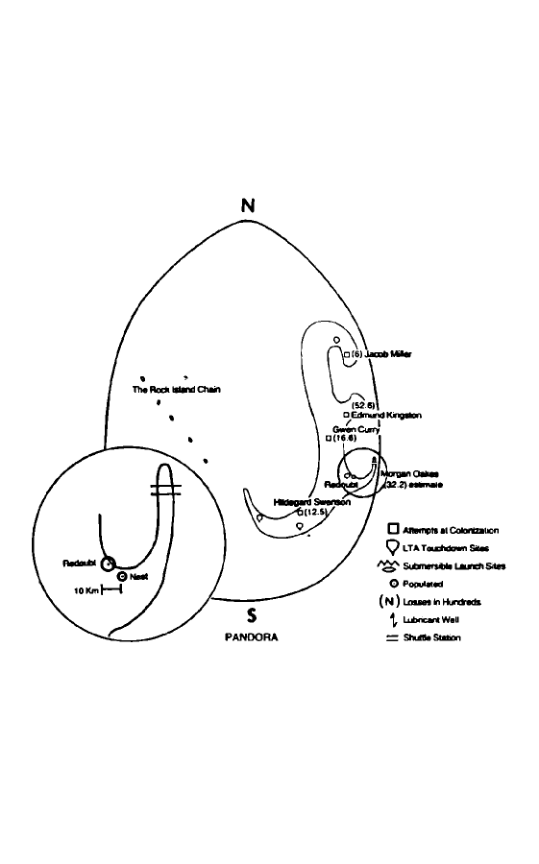
FRANK HERBERT
BILL RANSOM
Frank Herbert, author of the world-famous
Dune, is one of today's leading futurist
thinkers. Bill Ransom is a poet, a Pulitzer and
National Book Award nominee. Together, in
a bold and unprecedented collaboration,
they have crafted a book that combines the
outward sweep of SF at its farseeing best
with the intense inward laser of the poet's
eye. As demanding and spectacular as the
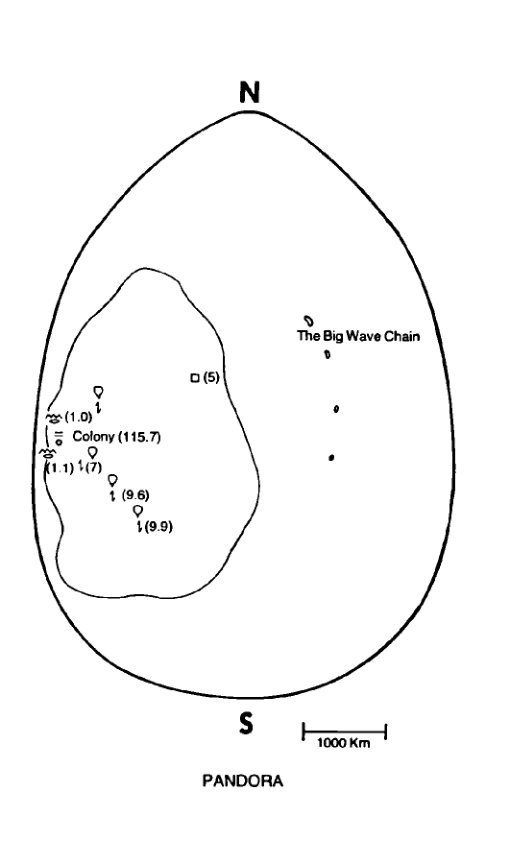
vision it serves, The Jesus Incident is as much
a voyage as a novel: a breakthrough work of
speculative fiction that leaps to the end of
evolution, to the surface of a poisoned
planet as profoundly realized as Dune's
Arrakis... to witness mankind and his cre-
ations trading places in a ceremony that
illuminates the shimmering connections be-
tween free will and destiny that will deter-
mine the ultimate course of our future.
THE JESUS INCIDENT
05517
0 71831 00275
ISBN 0-425-05517-5